| |
December 2025 / January 2026 | | | | |
| |
| |
|
Greetings to all!
I have had such a wonderful time this Fall attending many fabulous Club events and fundraisers: Danbury Garden Club’s Annual Holiday Luncheon, Goshen Garden Club’s “Down the Catwalk” Annual Fashion Show, Chester Garden Club’s Silver Anniversary “Tea in the Victorian Age”, Fairfield Garden Club’s 110th Anniversary Luncheon, Stonington Garden Club’s 100th Anniversary Kick-off & Children’s Garden Celebration, Pomperaug Valley Garden Club’s Officer Installation, Greens Farms Garden Club’s Prospect Garden Harvest Celebration, and many other Club Meetings. Thank you for your gracious invitations.
Our FGCCT 96th Annual Awards Meeting and Luncheon was held Wednesday, October 22 at the Aqua Turf Club in Plantsville. Over 125 NGC, NEGC and FGCCT awards were presented to Clubs and to individuals. Congratulations! I was so impressed to hear about the many amazing projects and activities in your communities.
BEE RESILIENT ~ Garden for Nature! I’m delighted to say that we have approved thirteen marvelous BEE RESILIENT Garden Projects so far! And we are excited that the Pollinator Pathway organization has endorsed the Project. Funding will continue in 2026 — our website has all the details and how to apply for project grants.
FEDERATION FRIDAYS – our new monthly Zoom workshops, given by FGCCT Board Chairs, offer a “deep dive” into meaningful topics. The first was “A Treasurers’ Workshop” on October 24 and 29. The next was “Flower Shows 101 and the Role of Judges’ Clerks” on November 21. “Fundraising…Rethinking Your Annual Plant Sale” is scheduled for Friday, January 16, 2026. A panel will present tips on achieving successful plant sales, overcoming challenges, and alternative fundraising ideas. Register on our website.
National Garden Clubs, Inc. and Keep America Beautiful have just announced the “PLANT AMERICA: Blue & Gold Star Memorial Beautification Program.” It supports projects that remove litter, plant flowers and greenery, and beautify Blue Star and Gold Star Memorials nationwide, with a special emphasis on planting red, white, and blue flowers in celebration of America's 250th Anniversary on July 4, 2026. Grant application and participation guidelines for your Club are on the NGC website.
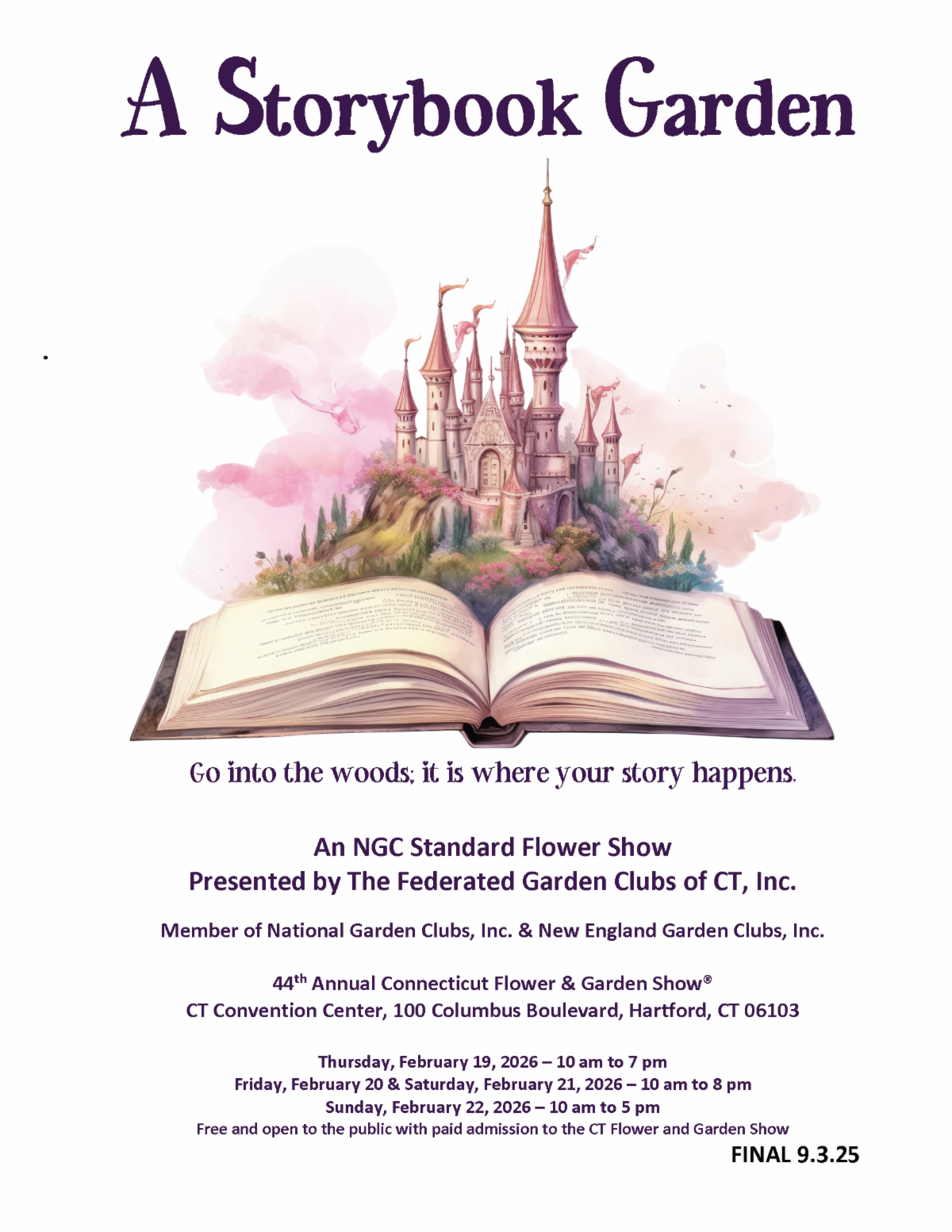
Come join your friends at “A Storybook Garden,” the 44th Annual Connecticut Flower and Garden Show - February 19-22, 2026 at the CT Convention Center in Hartford, “It’s Where Our Story Happens!” The Flower Show Schedule and Online Exhibit Registration is now open on our website. Discounted tickets are available to our Garden Club Members on our website.
As you are planning for 2026, please check out our Online Speaker Directory. We have recently added 21 new speakers to the 35 existing speakers.
I wish everyone the most enjoyable, healthy and blessed holiday season with family and friends and a very Happy New Year!
| | | | Let’s go out and BEE RESILIENT and Garden for Nature, and maybe we’ll help save the planet, one garden at a time! | |
Bee Resilient: Garden for Nature
By Wayne Gura and Anne Djupedal Gura, co-chairs, FGCCT President’s Project
With the fall planting season winding down, we’re happy to report that thirteen clubs have been awarded funding for their Project BEE RESILIENT gardens, with an additional application underway. At this time, these clubs have planned and have been implementing a beautiful range of native-species-based gardens, each one unique and carefully thought out for its site:
-
The Pomperaug Valley Garden Club, for a Pollinator Pathway along Woodbury’s Main Street, with ten town gardens of varying sizes to be transformed into pesticide-free and native-plant gardens.
-
The Quiet Corner Garden Club, for pollinator habitat preservation in a 30’x40’ area adjacent to the Palmer Arboretum site of the QCGC office.
-
The North Haven Garden Club, for the Jan Tracy Memorial Garden, an oval 8’ x 15’ garden sited on Town of North Haven property.
-
The Wilton Garden Club (our home club), for the 95%-natives pollinator garden installed June 6 at Wilton’s Hillside Cemetery and Arboretum.
-
The Durham Garden Club, for eradicating invasives and planting native plants in a 42’x14’ area behind the Coginchaug HS library, with the involvement of ECO Club students.
-
The Colchester Garden Club, for improving soil and adding shade-tolerant native plants into a 9’x12’ foundation planting area to extend pollinator food sources to the front of the Cragin Memorial Library.
-
The Shippan Point Garden Club, for controlling invasives and adding to its existing native plantings along the entrance to the local recycling center for pollinator food/habitat and to screen as it beautifies.
-
The Middle Haddam Garden Club, for transforming the existing garden at the town’s historic public library into a native, pollinator, low-maintenance garden.
-
The Garden Gate Club of Mansfield, for developing plantings around the restored building at the Mansfield Historical Society Museum that reflect history, natives and sustainability.
And, since the last issue of CF News:
-
The Bethel Garden Club, for restoring and replanting a native shrub garden on the northeast corner of a pond at Meckauer Park. In addition to its value to pollinators, we note that the garden plan offers a variety of environmentally-beneficial berries that help sustain native birds and wildlife.
-
The Orchard Valley Garden Club of Southington, for planting an all-natives pollinator garden in a sunny 40-by-6-foot parking-lot strip at Southington YMCA. Includes educational postings on plants and design, with presentations on Hows & Whys of pollinator gardens in cooperation with Y staff.
-
The Woodbridge Garden Club, for developing a natives-based pollinator garden at The Darling House Museum, an historic house and property, with educational coordination with Amity School District, Woodbridge Historical Society, Master Gardeners’ New Haven office.
-
The Greens Farms Garden Club, to renovate a Pollinator Pathway garden that succumbed to a Stage II drought; the site fronts the Victorian Cottage at Fairfield History and Museum Center in Fairfield, with learning opportunities with plant ID and labelling for children and adults.
Congratulations to these thirteen clubs on these inspiring BEE RESILIENT projects!
We remind grant recipients that in addition to the funding, your garden will receive a Pollinator Pathway plaque. Further, the Pathway has invited each club to add its BEE RESILIENT planting to the Pollinator Pathway’s nationwide map of gardens. To do so, or for more information, visit their website at pollinator-pathway.org.
There is still funding for six or more qualifying native-species-based pollinator garden projects for the current club year 2025-26, with additional funding to follow in the next club year. So, with the cold weather coming our way, why not curl up with a cuppa something cozy and start dreaming about the pollinator garden you’d love to educate and inspire your community with, come spring and beyond? For those who are thinking of applying, bear in mind that when you submit an application, we do our best to reply to you within a day to let you know that we’ve gotten it and it’s in our queue for review. So, if you email us and get no reply, please DO check your spam folders to make sure our reply to you didn’t go astray (we’ve ended up in more than one spam folder, LOL… As in hashtag #funny-haha-except-when-you’re-out-there-wondering-why-you’ve-heard-nothing-about-your-application!) And for speedier turnaround, do include with your application a list of your selected plant species together with their itemized cost (plant choice is key, we cannot proceed without it.) You are the gardeners who can help beautify your community while strengthening its ecological resilience.
Please send us your pics, let us know your progress— and as we head into winter, happy gardening planning for spring and a blessed holiday season to all from us both!
| | | | |
Upcoming Events — Mark Your Calendars! | | | | |
|
"Federation Fridays"
Hosted by FGCCT Board Members, these NEW monthly 1.5 hr. Zoom Workshops will provide a “Deep Dive” on important topics such as: Membership, Club Finances, Fundraising, Events, Flower Shows, Parliamentary Procedures, Awards, Social Media, Youth, FGCCT Resources, and more. Check out the next "Federation Friday" coming January 16!
“Fundraising…Rethinking Your Annual Plant Sale”
Jan. 16 at 10:00 am
A panel will present tips on achieving successful plant sales, overcoming challenges, and alternative fundraising ideas. Register on our website.
| | Step into 'A Storybook Garden'
at the CT Flower Show ~ February 19-22 | | |
The title speaks to the theme of the 2026 NGC Standard Flower Show presented by The Federated Garden Clubs of CT, Inc. We are so excited about this upcoming event!
The show begins on Thursday, February 19, 2026 (10am to 7pm), continues on Friday and Saturday (10am – 8pm), and ends on Sunday, February 22, 2026 at 5 pm. We hope you will join us!
Many of our NGC Connecticut Garden Clubs are already organizing and planning participation in the Flower Show. If your club hasn’t participated in the past, this is your chance to join in on the fun. Do you have questions? We have people who can help and instruct you!
Entering Horticulture Specimens is an easy way to introduce you to participating in a Flower Show. Do you have a favorite container-grown houseplant you want to enter? Perhaps you have a favorite tree in your yard. Would you consider cutting a (no more than 30” long) branch for display? You can also enter a single stem of a blooming flower: think Geranium, or a leaf from one of your houseplants that is in PERFECT condition. Review this year’s Flower Show Schedule on the Federation’s website. Botanical names are listed for various categories. Email us if you need assistance. Pre-registered Horticulture specimens are accepted on Tuesday, Feb. 17, 2026, from 10am to 5pm. If you can’t get there, perhaps other members of your garden club could bring them.
The Design Division is another way to challenge your skills. Design Consultants are listed in the Flower Show Schedule for each design category, and are available to answer any questions you may have. We are all available to help.
If you like to practice various crafts, Botanical Arts might be a fun way to explore your creativity! And if you enjoy Photography, consider entering one or more of your favorite photographs following the categories for this year’s Schedule. Exhibitors may enter up to 5 classes but only one photograph per class. The deadline for online registration is Jan. 15, 2026. New for 2026, the Photography Committee will print and mount all entries accepted for judging. You just come to the show on Sunday at 5pm to pick up your photo.
Volunteer Hosts Needed
(psst.... free admission and a parking pass for volunteers!)
We also need volunteers to serve as hosts who can circulate on the floor of the Flower Show, answering questions and keeping an eye on displays. Sign up for a 2.5 hour shift on our Sign Up Genius link.
Refreshment donations are welcome for the Hospitality Suite, which is available to all Flower Show volunteers. Please note: five club members per shift can sign up (so sign up quickly as spots go fast!) Volunteers get free admission to the Show and a four-hour parking voucher. Think about creating a carpool with your club members.
(Make sure you get there early if you are volunteering. Parking spots go quickly! Allow yourself 15-30 minutes from leaving your car to getting to your shift.)
Attending our fabulous flower show, A Storybook Garden, in late February reminds us that Spring is right around the corner! We can’t wait to see you there!!
— Linda Kaplan, FGCCT Public Relations Chair
| |
DISCOUNTED FLOWER SHOW TICKETS
for FGCCT Club Members!
FGCCT garden club members may purchase discounted tickets to the Flower Show for $15 until February 7, 2026.
ORDERS MUST BE RECEIVED BY FEBRUARY 7.
Click here to download the order form.
This discount is available ONLY to members of FGCCT garden clubs.
| | | | | | |
| |
| |  | |
Get on the Interest List!
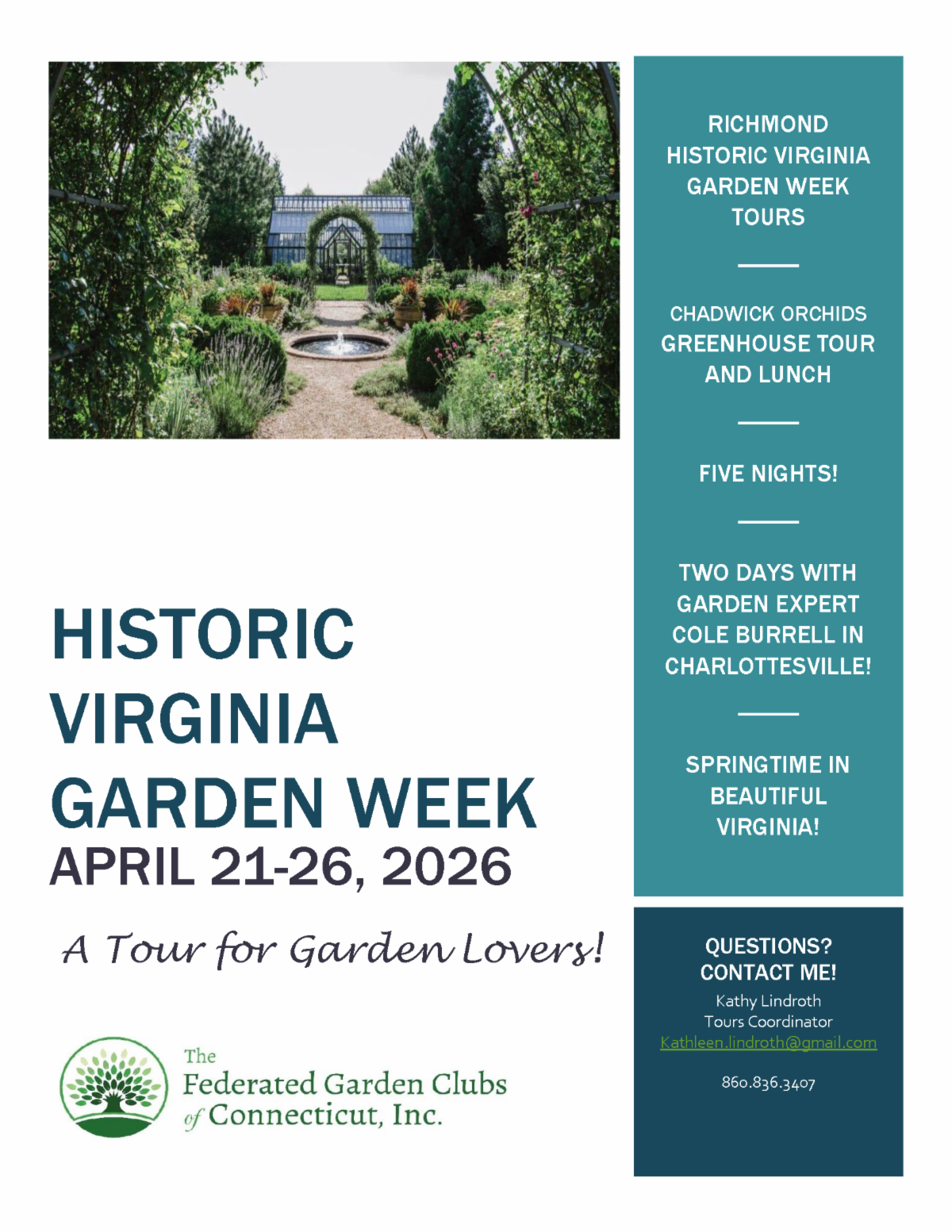
More Tours Coming in 2026!
- April 21-26: Historic Virginia Garden Week (by air to Virginia, then motorcoach
- May 28 - June 5: Wine & Roses: Burgundy & Lyon, France with a Paris extension
- Summer 2026: Maine
-
December 2026: Boston Pops, Glass Flowers and much more!
- Oct 27 - Nov 7: Morocco
Already thinking of 2027?
- Italian Lakes and Piedmont Italy
- March 14-25 Morocco, Second Tour-- Register Your Interest and Portugal (take out)
- March 31-April 10 Portugal
- Chicago with the Ikebana Festival
- Scandinavia
Let us know what you like — express your interest by emailing me!
— Kathy Lindroth, FGCCT Tours Coordinator 860.836.3407 or tours@ctgardenclubs.org
| |
Garden Clubs: Is Your Storage Company Overcharging You?
Consider a vendor review.
You can cut storage costs by 30% in under 30 minutes. No special skills needed - just a quick vendor review.
Your 4-Step Savings Action Plan
- Audit What You Store - “Do we really need this” Downsize to a smaller unit.
- Use Online Pricing - Phone quotes are higher.
- Call your current provider: “Match this or we switch.”
- Explore Smarter Alternatives
- Rent a local garage or shed; share space with another club.
- Club-Owned Shed: A prefab may pay for itself in 14 months. Check local grants for support.
~
Streamlined 990-EZ Filing Options for Connecticut Nonprofits
Connecticut charitable organizations with gross receipts under $200,000 may file Form 990-EZ using cost-effective, compliant solutions:
Some of these resources have been used successfully by our subordinate clubs. We offer to file 990-N's on your behalf. Permission forms (found on our website) need to be filled out annually by your treasurer for this free service.
Optimize compliance and fiscal stewardship with these options.
—MaryAnn Lynn, FGCCT Assistant Treasurer
| |
We want your help!
The Federated Garden Clubs of Connecticut will celebrate an important milestone in 2029, and we are forming a committee to help mark the occasion statewide!
On April 30, 1929, The Federated Garden Clubs of Connecticut, Inc. was organized with 31 Connecticut garden clubs as charter members. The following day, May 1, 1929, it joined with twelve other states to form the National Council of State Garden Clubs, Inc., now known as National Garden Clubs, Inc.
A committee is forming to make plans statewide to celebrate and highlight the incredible work done by our member clubs over the century and we are seeking members interested in joining the team! All meetings will be held over Zoom, so no worries about long drives, just bring your cuppa and your ideas and meet from the comfort of your home.
According to a history prepared in 1930, the following clubs were Charter members: Bridgeport, Branford, Cheshire, Connecticut Valley, Danbury, Derby, Fairfield, Glenbrook, Greenwich, Madison, Middletown, Milford, New Canaan, New Milford, New Haven, Newington, New Haven Woman’s Club, New London, Norwalk, Pomperaug Valley, Riverside, Salisbury, Shippan Point, Spring Glen, Sound Beach (now Old Greenwich), Southington, Stamford, Stonington, Stratford, Westport and Wilton.
Interested? Contact 1st VP Kelle Ruden at kelle.ruden@ctgardenclubs.org.
| | | | |
FGCCT Tribute Awards
It’s not too early to think about Tribute Awards for 2026!
Tribute Award nominations honor individuals who have made an exceptional impact on your club or your community during the FGCCT Award Year (June 1 to May 31).
The 2025 recipients were:
- Civic Development – Jacquie McCloskey – Garden Club of New Milford
- Communications – Beverly Follis – Norwalk Garden Club
- Environmental Concerns and Conservation – Beth Ann Sennett – West Hartford Garden Club
- Floral Design – Violet Nastri – Garden Club of Orange
- Horticulture – Margherita Lisi – Garden Club of Orange
- Landscape Design – Anna Bell McLanahan – Stonington Garden Club
- Photography – Susan Nettesheim – Westport Garden Club
- Youth – Maria Yankura – North Haven Garden Club
- All-Around Excellence – Martina Doshan – Old Greenwich Garden Club
In 2026, tribute award nomination form will be submitted via an online link available on the FGCCT Awards Category page. In the form you will be able to explain how and why the nominee’s contributions make them worthy of this high honor and distinction. You will also be able to upload photos that demonstrate the nominee’s real and exceptional impact as well.
Recipients receive a certificate and a pin, presented at the October Awards Luncheon.
If you have any questions about this award, please contact me.
— Norma Jean Macauto, 2nd Vice President, FGCCT
normajean.macauto@ctgardenclubs.org
| | | | |
|
New England Garden Clubs 9th Annual Meeting ~ Celebrating Horticulture, Conservation, Floral Design and
Community Beautification
Connecticut was honored to host garden club members from all six New England states at the NEGC 9th Annual Meeting on October 14 and 15 at the Sheraton Hartford South Hotel in Rocky Hill. The meeting’s theme, “We Grow Gardens & Gardeners,” celebrated our shared mission to promote horticulture, conservation, floral design, and community beautification. New this year — one week prior to the Annual Meeting, we held a very successful Zoom NEGC Annual Business Meeting. This gave us time at the meetings on Oct 14-15 for more speakers and programs.
NGC President Donna Donnelly gave a very interesting presentation on her theme, “PLANT AMERICA — For the Next 100 Years!”, announcing exciting new initiatives.
Susan Quincy, CT Dept. of Energy & Environmental Protection, gave a provocative talk on the work that she’s doing on Environmental Education in CT and New England. Three Roundtable Focus Discussions, on Membership, Fundraising, and Programs & Events, led to much information exchange among the attendees.
Renowned floral designer Michael Derouin entertained and amazed us with five exceptional and gorgeous designs. Renee Marsh led the attendees in a super fun “Garden Jeopardy”, challenging their horticultural and gardening knowledge. Throughout the two days, attendees enjoyed the vendor shopping, the raffles, and the beautiful NEGC Photography Contest Display.
The final highlight of the meeting was the awarding, by Vera Bowen, NEGC Awards Chair, of 26 NEGC Awards and 15 Youth Contest Awards. Many thanks to all who attended, donated raffle items, and helped to make this event successful!
During that same week and also at the same hotel, Connecticut hosted a very well attended CT Judges’ Symposium and an NGC Flower Show School 4, with wonderful instructors, Lynn Fronk and David Robson. Dates for NGC Environmental, Gardening, Landscaping and Flower Show Schools in 2026 are posted on our website.
— Nan Merolla, FGCCT President
| | |
Creating a National Garden Clubs, Inc. Website Member Account
In order for garden club members to access information in the Members area of the National Garden Clubs website, they will now need to create an account. Below are the steps to follow.
-
Go to the Homepage of the NGC website at https://gardenclub.org/
- Select “Member Login” in the site header.
- Enter your information. Avoid choosing a username with spaces. Email address is recommended for username. Select “Create new account”.
- You will receive a green highlighted message to check email at the address you entered to verify and complete your account.
- Use the link provided in the confirmation email to create your password and save your changes.
- Once you have selected “save”, click on the “Member Section” link in the main menu.
| | | | |
| |
|
What's in a Name: Helper, Slayer, Survivor
By Renee Marsh, FGCCT Horticulture Chair
| | |
I like words, and I’m endlessly fascinated by their origin and meaning. Combine that with a full-blown obsession with botany and plant names, and well… you get this article. It is an exploration of three suffixes on plant names that have intrigued me: -wort, -bane, and -weed.
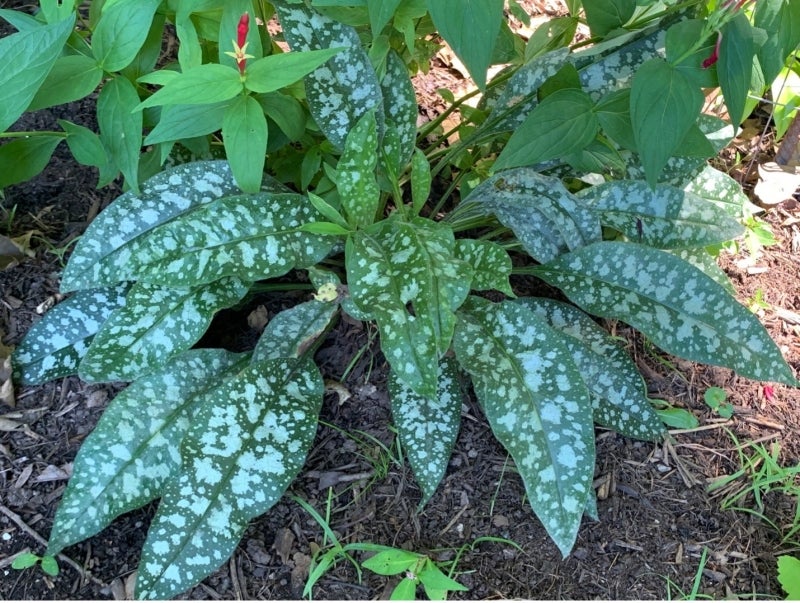
In early English herbalism, wort meant a healing plant; these plants were often named for the ailment or person they were meant to help. There was a pseudoscience, known as the “Doctrine of Signatures,” that asserted that the resemblance of a plant part to a human organ correlated with its ability to cure diseases of that organ. So, lungwort (Pulmonaria officinalis), whose leaves resemble spotted lungs, was used to treat respiratory problems, while liverwort (Hepatica spp.) leaves had the shape of a liver and was prescribed for liver ailments. And walnuts, with their brain-like structure, would strengthen the brain. None of this is true except for the walnut part — walnuts are high in omega-3 fatty acids and antioxidants which do improve cognitive function and reduce inflammation.
The list goes on. St. John’s wort (Hypericum perforatum) was gathered on St. John’s Day for protection from evil spirits and used for wounds. Woundwort (Stachys spp.), aka lamb’s ear, was applied to cuts and sores, and soapwort (Saponaria officinalis) made a mild natural cleanser when its leaves were rubbed in water. Mugwort (Artemisia vulgaris) was used to flavor drinks before hops (as in beer) and also could ward off evil. What, I wonder, can ward off mugwort…
On the flip side there is bane, which comes from Old English bana, meaning “slayer,” “murderer,” or “cause of death.” Where “wort” was used for healing herbs, “bane” indicated poisonous or pest-killing plants. Common banes include wolfsbane (Aconitum napellus), said to kill wolves and ward off werewolves (handy if there’s a werewolf problem where you live). Many members of the Aconitum genus fall into the –bane category, such as monkshood (A. napellus) and goat’s bane (A. lycoctonum). Native to Europe, Asia, and North America, these perennials have long been associated with witchcraft, hunting poisons, and murder. For those who keep chickens, beware henbane (Hyoscyamus niger). Note that in addition to killing various and sundry animals, all these kill humans too.
| | |
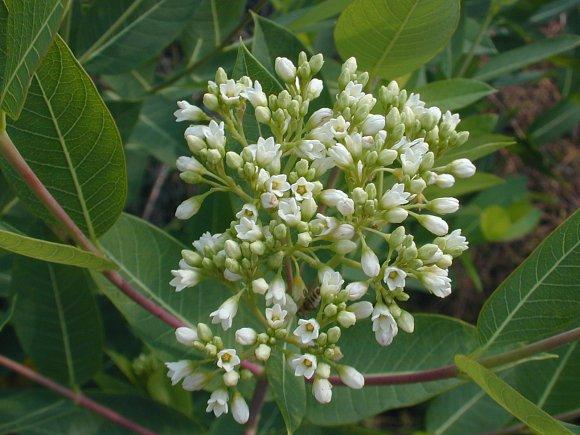
Then there’s dogbane (Apocynum cannabinum) which is a plant I see often. Also known as Indian hemp, this perennial grows throughout much of North America and often alongside the milkweed it resembles. Both have waxy leaves and give a milky discharge if they are injured but dogbane blooms are smaller and white. It is deadly but also useful and was harvested by native peoples for its strong fibers, which made excellent cordage, nets, and bowstrings. Dogbane is also a larval food for the snowberry and hummingbird clearwings, which are sphinx moths that mimic hummingbirds.
| |
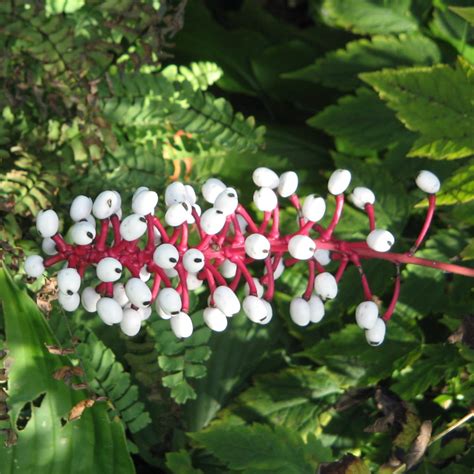
In the forest understory one can find the feathery leaves and bright berries of baneberry (Actaea spp.). Two species are common in New England: red baneberry (A. rubra) and white baneberry (A. pachypoda), the latter nicknamed doll’s eyes for its white berries dotted with black spots. All parts of these plants are poisonous, especially the berries, which contain glycosides that affect the heart and nervous system. Native peoples and early herbalists used it for rheumatism and coughs but were aware of its double-edged power.
| | |
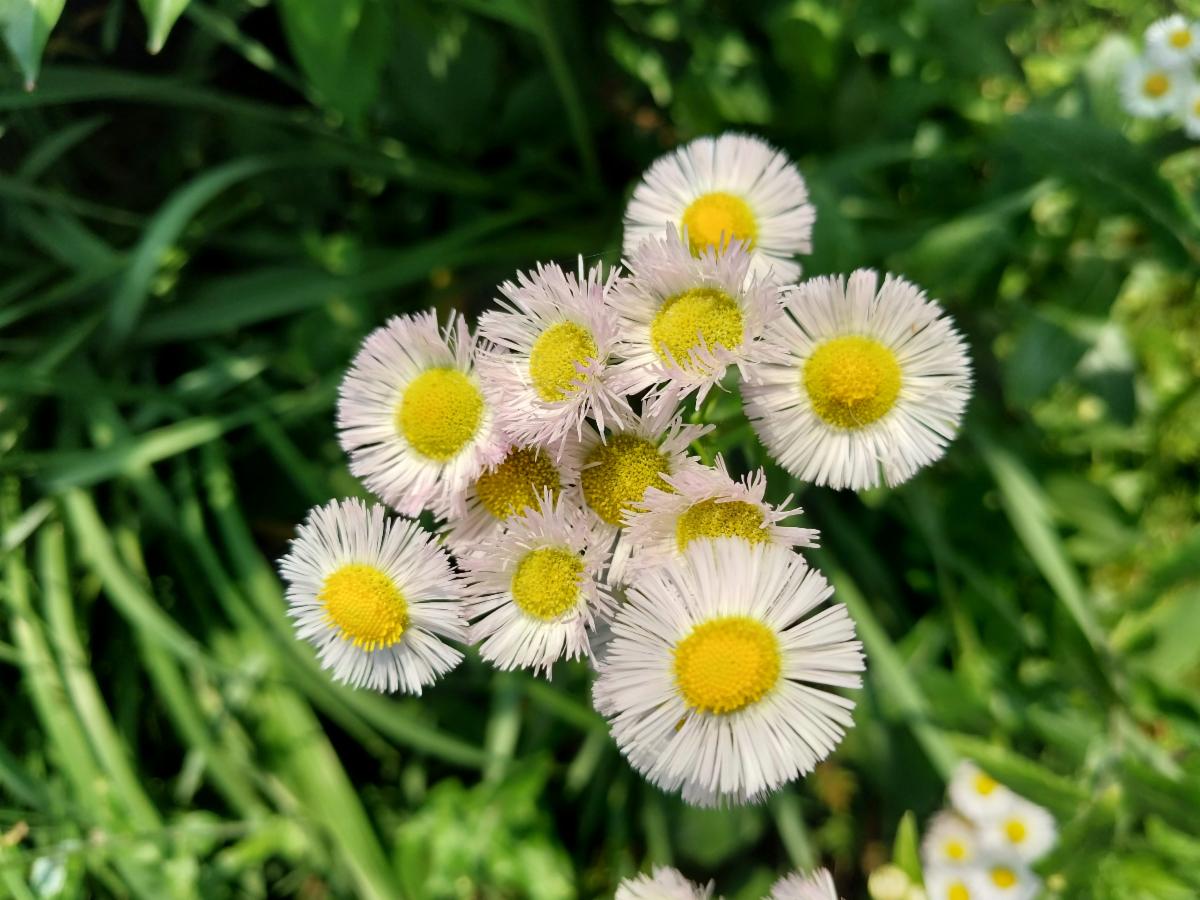
Fleabane (Erigeron spp.), on the other hand, sounds sinister but isn’t. These charming, daisy-like wildflowers just pop up on their own. Two native species, annual fleabane (E. annuus) and Philadelphia fleabane (E. philadelphicus), are widespread across North America. The name harks back to old folklore when people burned or hung the dried plants to repel fleas and pests. I could not find a flea to confirm that but this “weed” is endorsed by a variety of bees, wasps, and small butterflies who savor the pollen and nectar.
Which brings us to the bane of every gardener’s existence: weeds. The word comes from Old English wēod, meaning herb, grass, or wild plant. In olden times, weeds were the people’s plants, uncultivated but gathered for food and medicine. Only after we began reshaping nature into farms and ornamental gardens did weed come to mean “a plant out of place” — a nuisance at best, a pest at worst.
Many of New England’s most familiar weeds arrived with European settlers who valued them as food and medicine. Dandelion came for its tonic greens and liver-cleansing roots. Plantain, called “White Man’s Footprint” by native peoples, followed colonists everywhere and was prized for healing wounds and stings. Yarrow served as a battlefield remedy for bleeding and fever, while chicory offered bitter salad leaves and a roasted-root coffee substitute. Mullein soothed coughs, burdock purified the blood, shepherd’s purse stopped bleeding, and mallow eased sore throats.
These hardy plants escaped the colonial farms and naturalized across New England, thus weaving European folk traditions into the fabric of our gardens and annoying the heck out of us ever since. Ironically, the native species that grew freely in the newly cleared fields, like pokeweed and milkweed, were tagged as weeds and thus shunned in horticulture for generations.
And so, we gardeners are linked to the past through an ancient taxonomy of usefulness:
wort as healer, bane as slayer, and weed as pest or survivor, depending on your viewpoint. Each one has a story and is a reminder that words, like weeds, have deep roots.
| | |
What Can We Do About Second Generation Anticoagulant Rodenticides?
By Holly Kocet, FGCCT Environmental/Conservation Chair
| | |
From an environmental perspective, the 2025 legislative session was a disappointment. State legislation fell short of protecting wildlife from the inhumane poisoning from rodenticides.
While The Environment, Climate, and Sustainable Planning bill (SB-9-AAC) passed both legislative chambers, it is decidedly a huge setback for meaningful legislation of Second Generation Anticoagulant Rodenticides (SGARs). The bill classifies SGARs as “restricted use,” which prohibits access by the general public while allowing certified pesticide applicators to apply them. Legislators somehow missed the point that these poisons are just not safe. And, this legislation reinforces the idea that SGARs are acceptable if applied by a licensed professional, despite the fact that these poisons will still kill non-target species whose main diet consists of rodents.
Second Generation Anticoagulant Rodenticides are very powerful poisons used in bait boxes that are placed around buildings. These bait boxes don’t eliminate rodent populations because the bait is meant to attract rodents. Rodents also readily move into a vacated area.
| | |
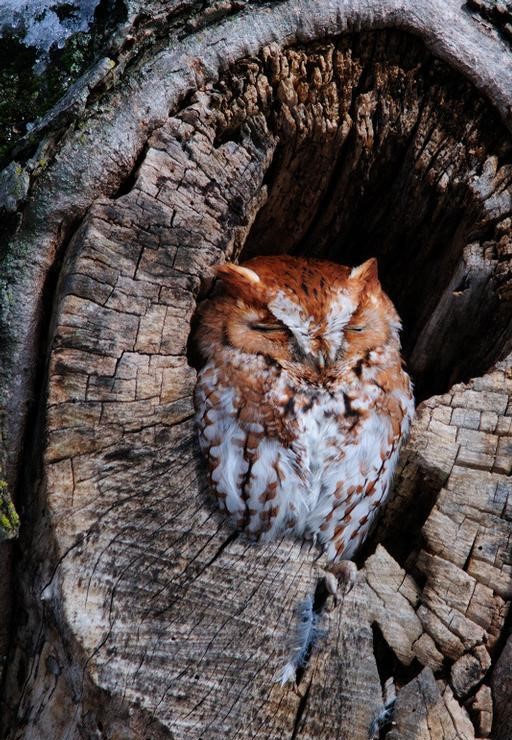
At risk for secondary poisoning are many raptors, including owls, hawks, and eagles. Ospreys and falcons, on occasion, also supplement their diet with mice. So too will fox, coyotes, and bobcats.
SGARs can remain in an animal’s tissues for months. The poisoned rodent does not die instantly and continues to eat more and more poison. Sickened and sluggish, it becomes an easy meal for an owl or hawk who also ingests the poison. Christine Cummings, rehabilitator at A Place Called Hope in Killingworth, will tell you that secondary poisoning for these animals is irreversible. It is hard to hear but birds brought to the clinic that test positive for SGARs poisoning have no hope and must be euthanized to stop their suffering.
Reports of unintentional secondary poisonings from SGARS are increasing. Poison victims also include dogs and cats, and even children.
All of this is so unnecessary with so many viable alternatives available. Many rodent issues can be eliminated with proper sanitation, physical barriers, and humane mechanical traps. Recent studies show fertility control products (Contrapest and Good Bites) are effective for rodent control when used in combination with other humane methods and very affordable. For more information on “thinking outside of the bait box,” go to www.ctforanimals.org.
Garden Clubs and individuals can and should take the lead on pushing for legislation to ban rodenticides. It is extremely important for us to contact our local representatives; otherwise, they don’t know it’s an issue of concern. But if they hear strong opposition to rodenticides, they will move to support stronger legislation. Please contact your local state legislators. A simple note or phone call is all that is needed for them to take up this very important cause. To fnd your representative, go to https://www.cga.ct.gov/asp/menu/cgafindleg.asp
| | | | |
SPOTLIGHT on our FGCCT Affiliates! | | | | |
|
FGCCT Affiliates Welcome Your Club!
| | |
Is your club searching for programing ideas? Does the idea of a field trip sound like an exciting way to engage members? Look no further than our wonderful Affiliates! Many of our FGCCT Affiliate Members have excellent speakers who are happy to come to your club and present on topics of interest to gardeners.
Interested in learning more about Bonsai? The Bonsai Society of Hartford would love to share their knowledge. Want to know how to successfully collect native plant seeds? The Wild Ones Mountain Laurel Chapter is happy to help. Want to attract more birds to your gardens? Connecticut Audubon has centers around the state and can tailor a program for your club.
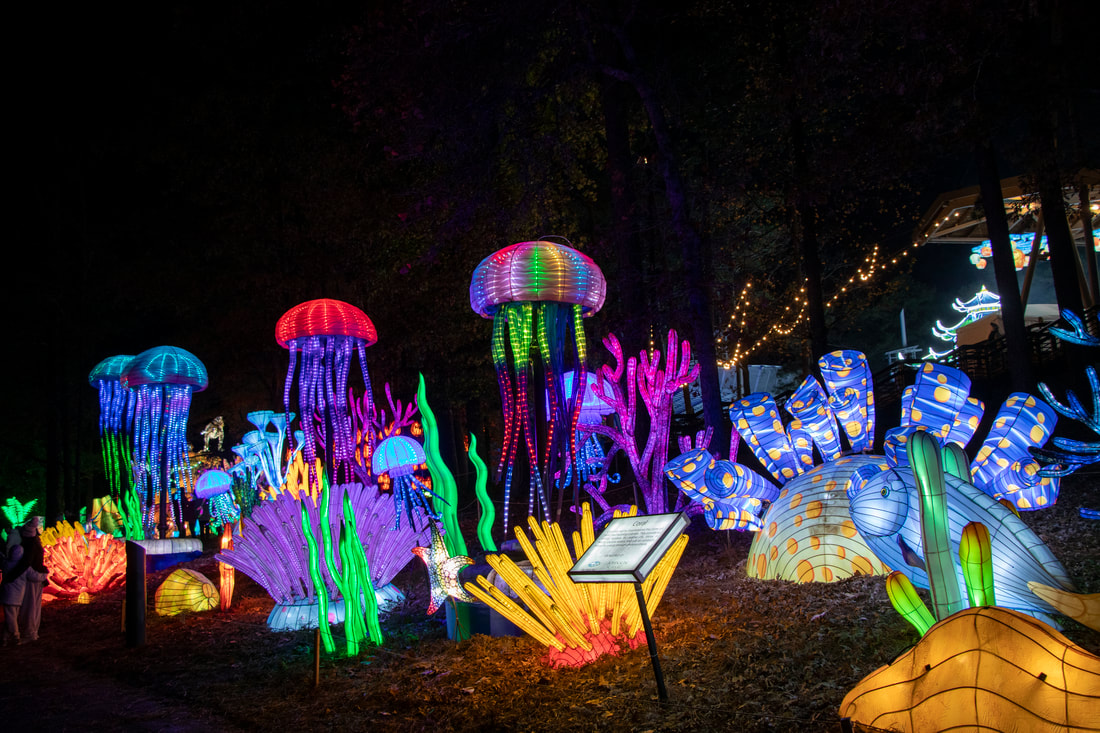
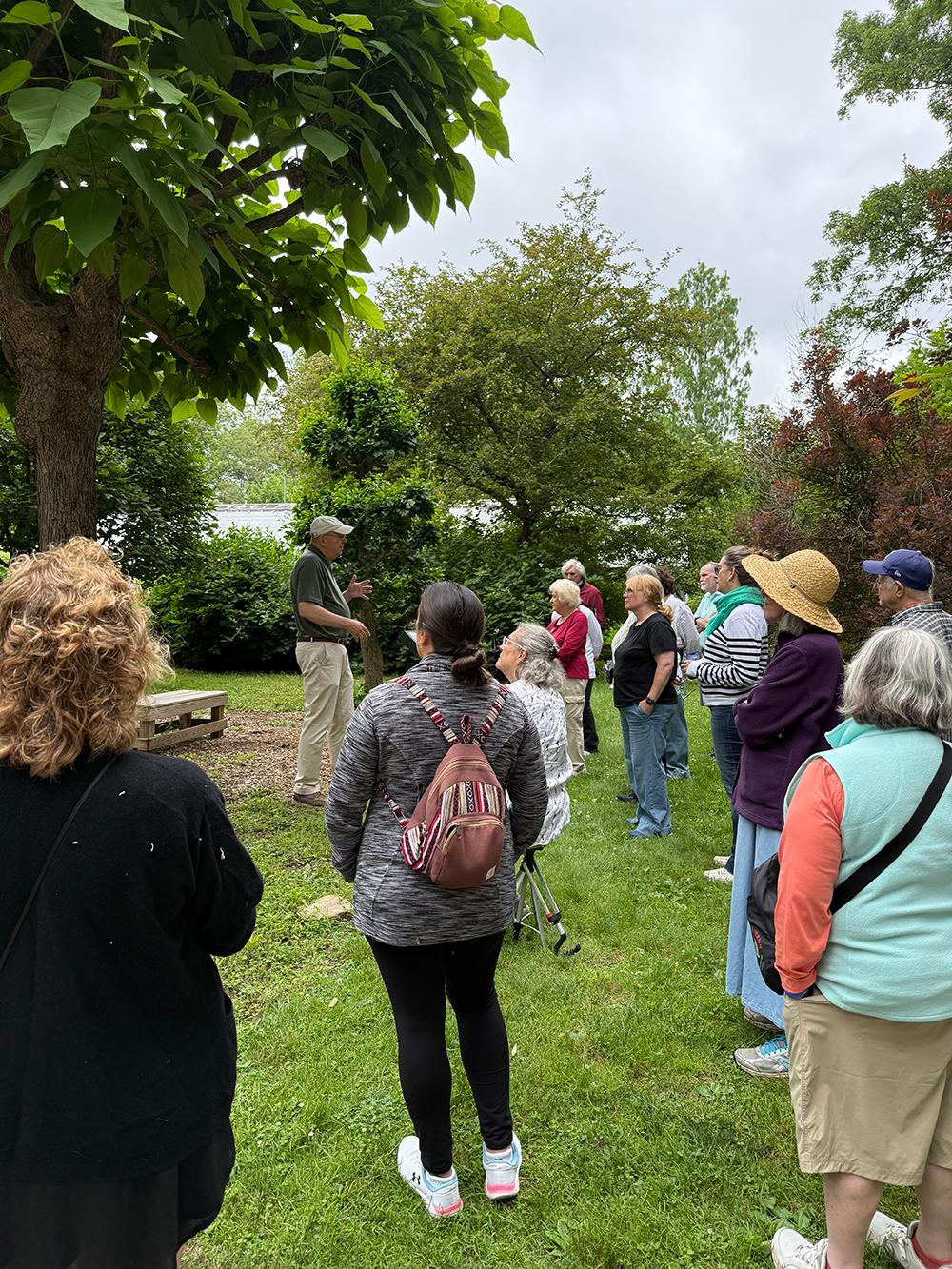
Want to visit beautiful gardens or view art? Elizabeth Park, The Florence Griswold Museum, Hartford Blooms, Blau House and Gardens, and Eleanor Buck Wolf Nature Center are among the Affiliates you can visit. Have you ever seen the Beardsley Zoo’s Glow Wild Lantern Festival? How about a tour of the Bartlett’s Notable Trees?
| | | | |
| |
|
"Club Corner" is a place for clubs to showcase exceptional or notable club achievements and activities. Has your club done something unique (or uniquely successful?) that you'd like to share? Visit "Club Corner" on the FGCCT website for more news from clubs! (This area is NOT for upcoming events—you can post those on the FGCCT Club Calendar.)
To submit: send high-resolution photos, along with a writeup (200 words or less, please) and photo captions, to martha.sherman@ctgardenclubs.org to be considered for inclusion. Please ensure that you have appropriate permissions for all photos. We reserve the right to edit copy and select photos for inclusion.
| | Featured Club: Garden Club of Orange | | |
The Garden Club of Orange Hosts Flowers with Friends!
This mission statement of FGCCT states that it will work: “To coordinate, stimulate and encourage higher standards in all aspects of Garden Club work and to protect and conserve our natural resources, preserve our heritage and promote civic beauty.”
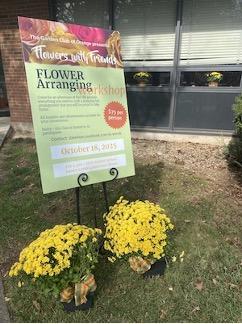
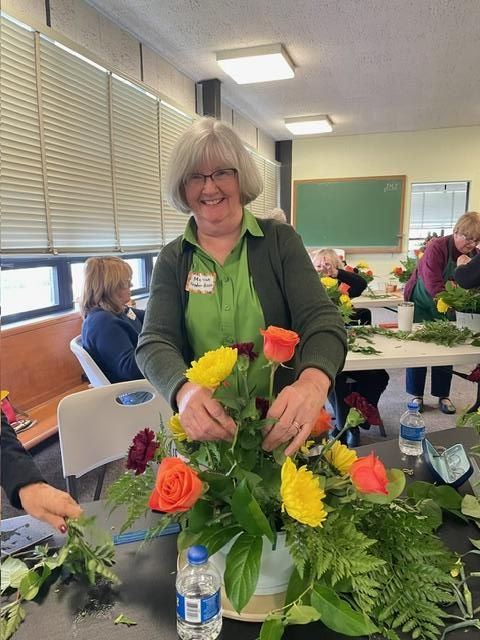
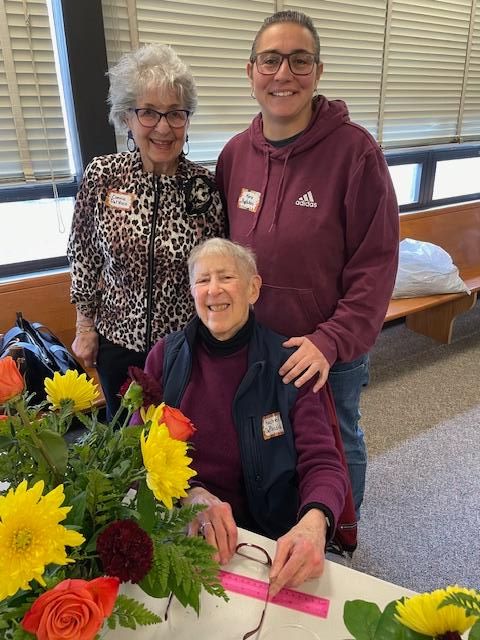
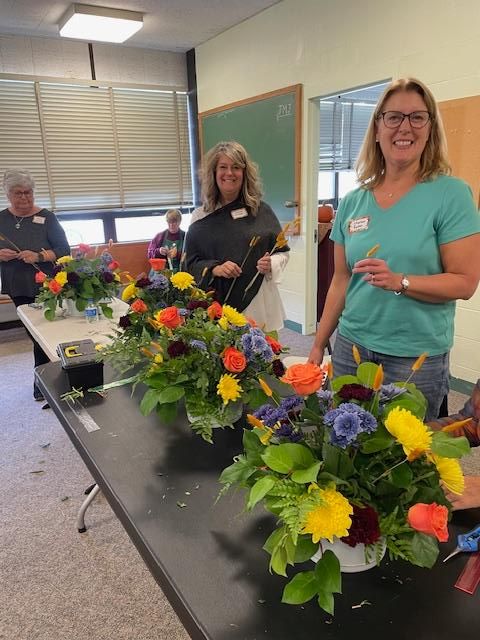
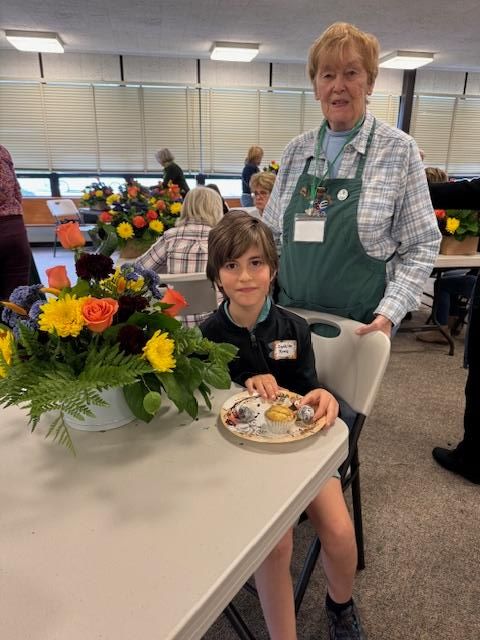
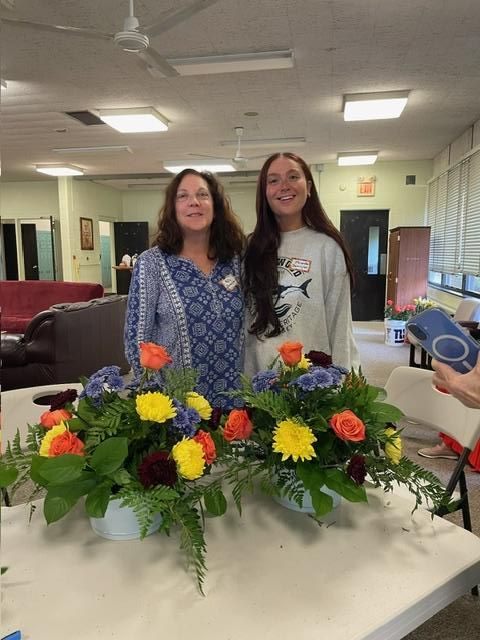
And the Garden Club of Orange has taken that to heart with an engaging community event they held recently that demonstrated creativity, encouraged learning, and boosted local spirit: Flowers with Friends.
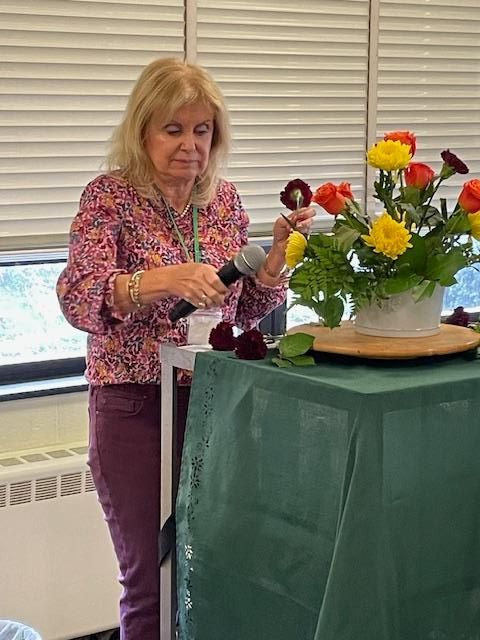
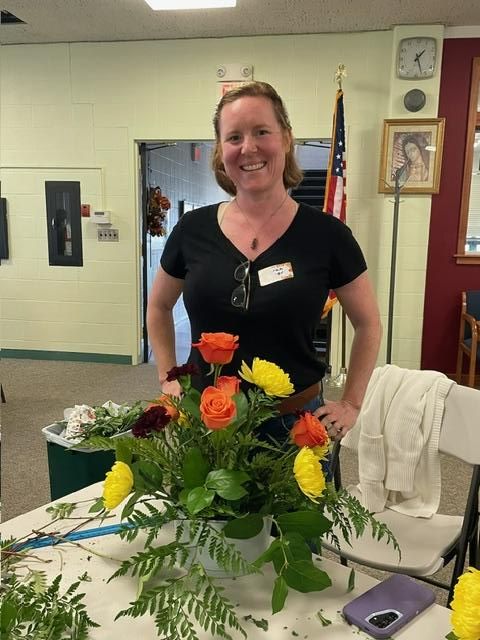
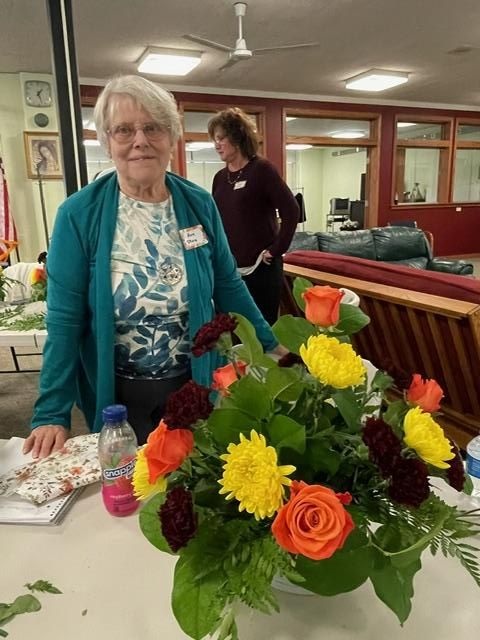
For the first time in the club’s history, a flower design demonstration and workshop were opened to the public, marking a new milestone in the club’s long-standing mission to share the joy of horticulture and design with the wider community. The event was coordinated by Design Committee Chair Violet Nastri and PR Chair Ginny Proestakes, who is studying to become a Flower Show Judge.
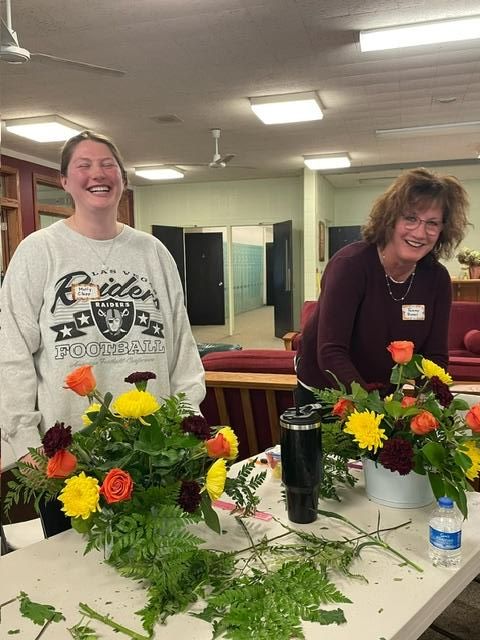
The workshop welcomed participants of all skill levels to explore the art of floral arrangement. For $75 attendees received a ceramic container, floral mechanics, and a selection of fresh flowers, setting the stage for a hands-on creative experience.
The design session was led by Violet, recipient of an FGCCT 2025 Tribute Award, who is also a professional interior designer and artist. She guided participants step-by-step through the process of crafting a balanced and beautiful floral arrangement, sharing expert tips on color harmony, proportion, and texture. Her engaging teaching style and artistic eye inspired participants to express their individuality through their creations.
| | |
Following the workshop, guests were treated to an assortment of delicious home-baked goodies, prepared by club members. The warm and welcoming atmosphere encouraged conversation, laughter, and a shared appreciation for the beauty of flowers and community connection.
The event also featured a raffle and proceeds from that will benefit the Garden Club of Orange’s ongoing beautification projects throughout the town. These ongoing initiatives aim to enhance public spaces, promote environmental stewardship, and preserve the natural charm of the community.
Well done Garden Club of Orange!
| | |
Stonington Garden Club Celebrates Its Centennial
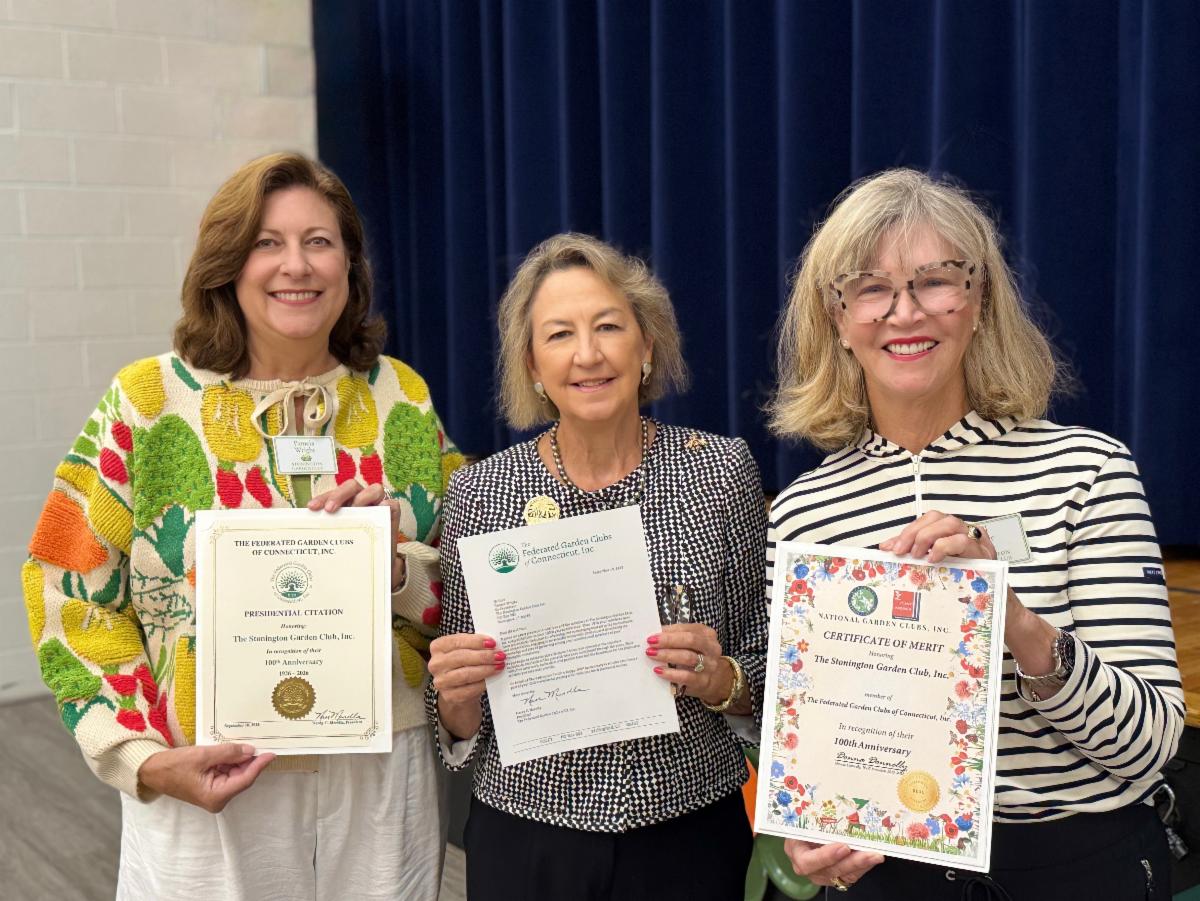
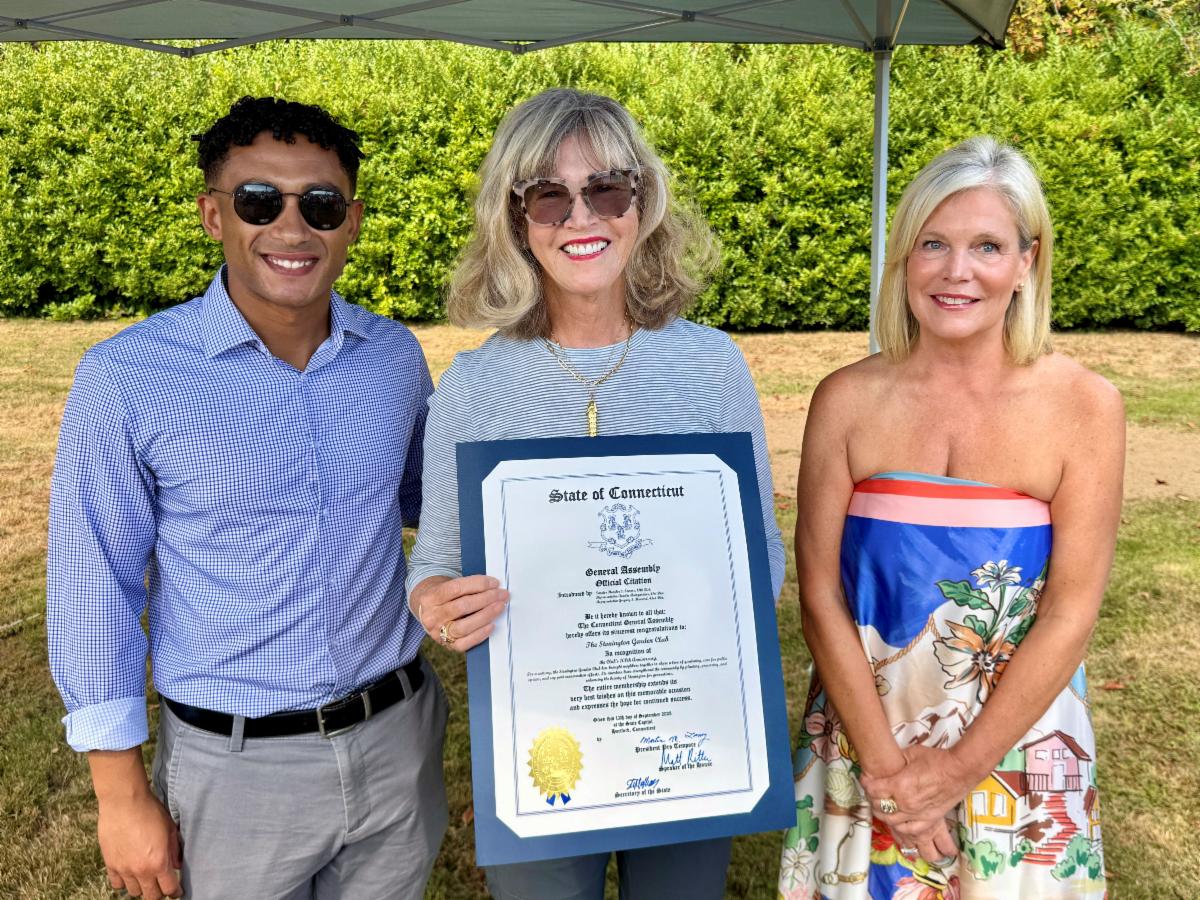
At the September 10th membership meeting of the Stonington Garden Club, we were honored by a visit from Nan Merolla, President of FGCCT, who presented the club with a Presidential Citation from The Federated Garden Clubs of CT and a Certificate of Merit from The National Garden Clubs in honor of our 100th Anniversary.
(Pictured above: Stonington Garden Club Co-Presidents Pamela Wright and Jill Corr receive citations from FGCCT President Nan Merolla (center)
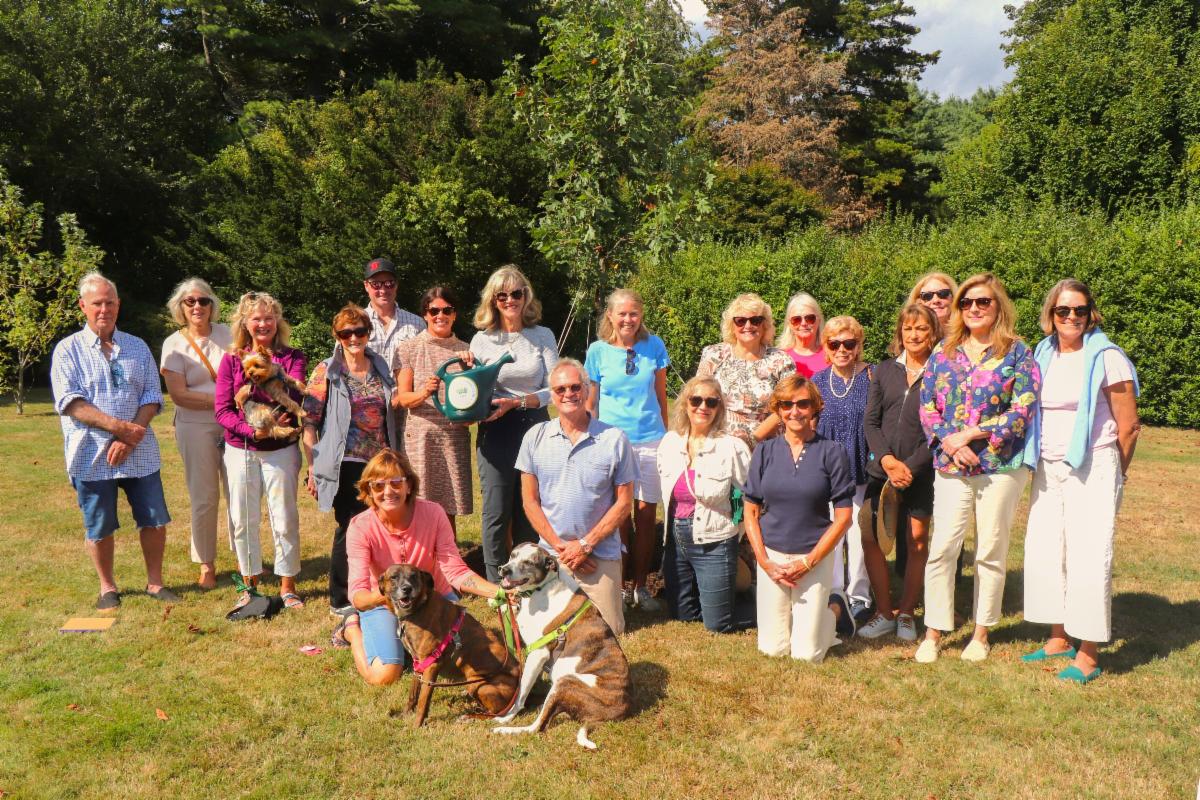
| Then on September 12th, our local town and state officials joined us for a ceremony at Stonington Town Hall, celebrating the planting of a white oak—the Connecticut state tree and a living symbol of our club’s legacy. We were honored to receive a Commendation from Selectwoman Danielle Chesebrough and an Official Citation from the Connecticut General Assembly, presented by State Senator Heather Somers and State Representative Aundré Baumgardner. | | Above: State Representative Aundré Baumgardner and State Senator Heather Somers present SGC Co-President Jill Corr (center) with an Official Citation commemorating the club’s 100th anniversary at the tree planting ceremony on September 12, 2025. | | Above: Members of the Stonington Garden Club joined state and town officials to celebrate the planting of a white oak, the club’s Centennial gift to the Town of Stonington. | | |
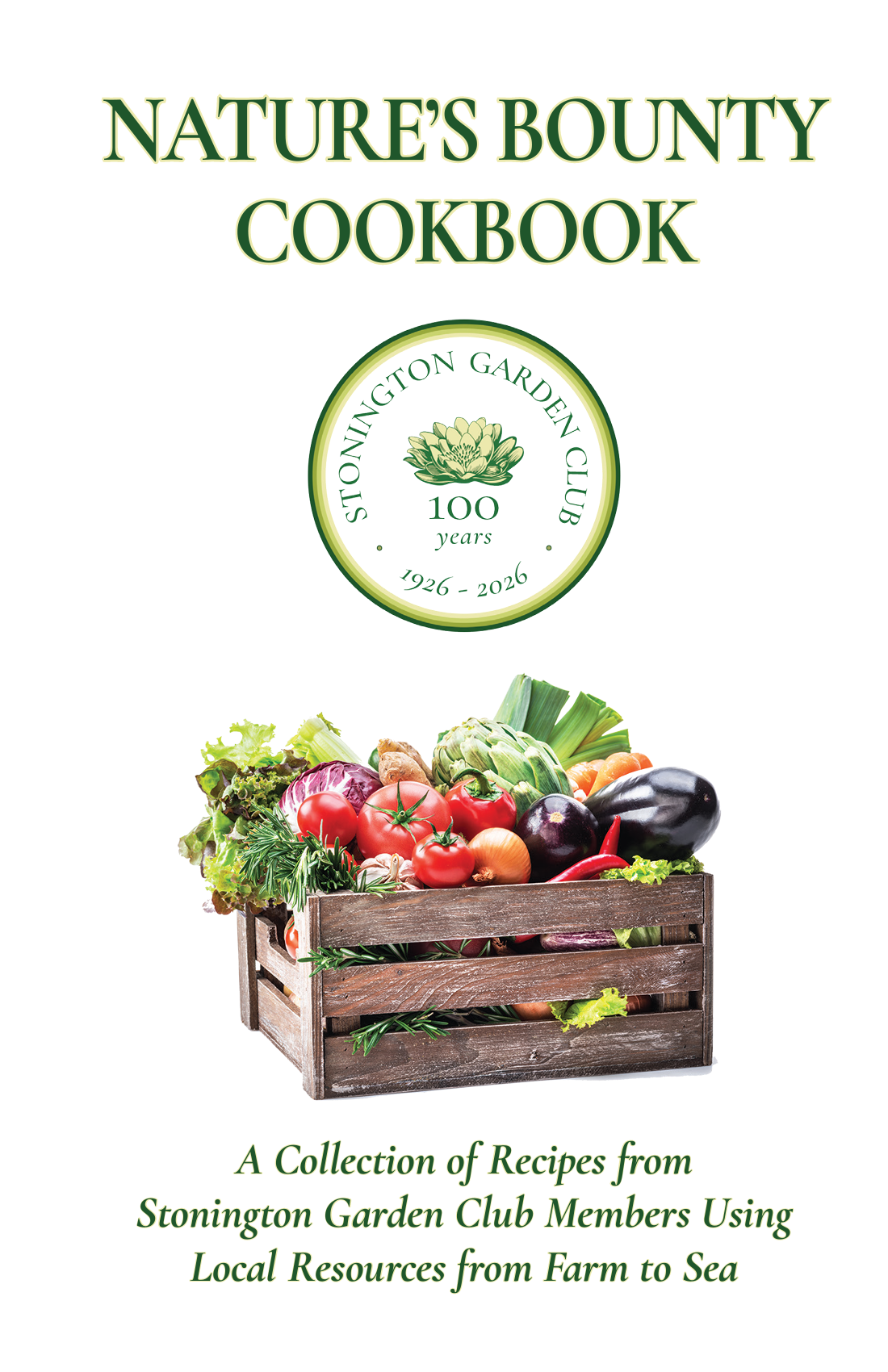
One of the ways the Stonington Garden Club is celebrating its 100 years of service to Stonington, CT, is by publishing the Nature’s Bounty Cookbook, a collection of recipes from members that promote sustainable cooking and food preparation. The cookbook, a tribute to nature’s bounty, underscores the club’s commitment to locally sourced ingredients and sustainable practices.
“It is well-known that Stonington Garden Club members love gardening. They also enjoy cooking what is harvested from our local farms and the sea,” wrote Project Chair, Helen DePersia.
Twenty-three local resources are highlighted as community partners in the cookbook, which features 213 recipes from 63 club members. Chapters include Appetizers, Breads – Sweet and Savory, Condiments – Sauces and Dressings, Salads, Chowders and Soups, Main Dishes, Side Dishes, and Desserts.
| | |
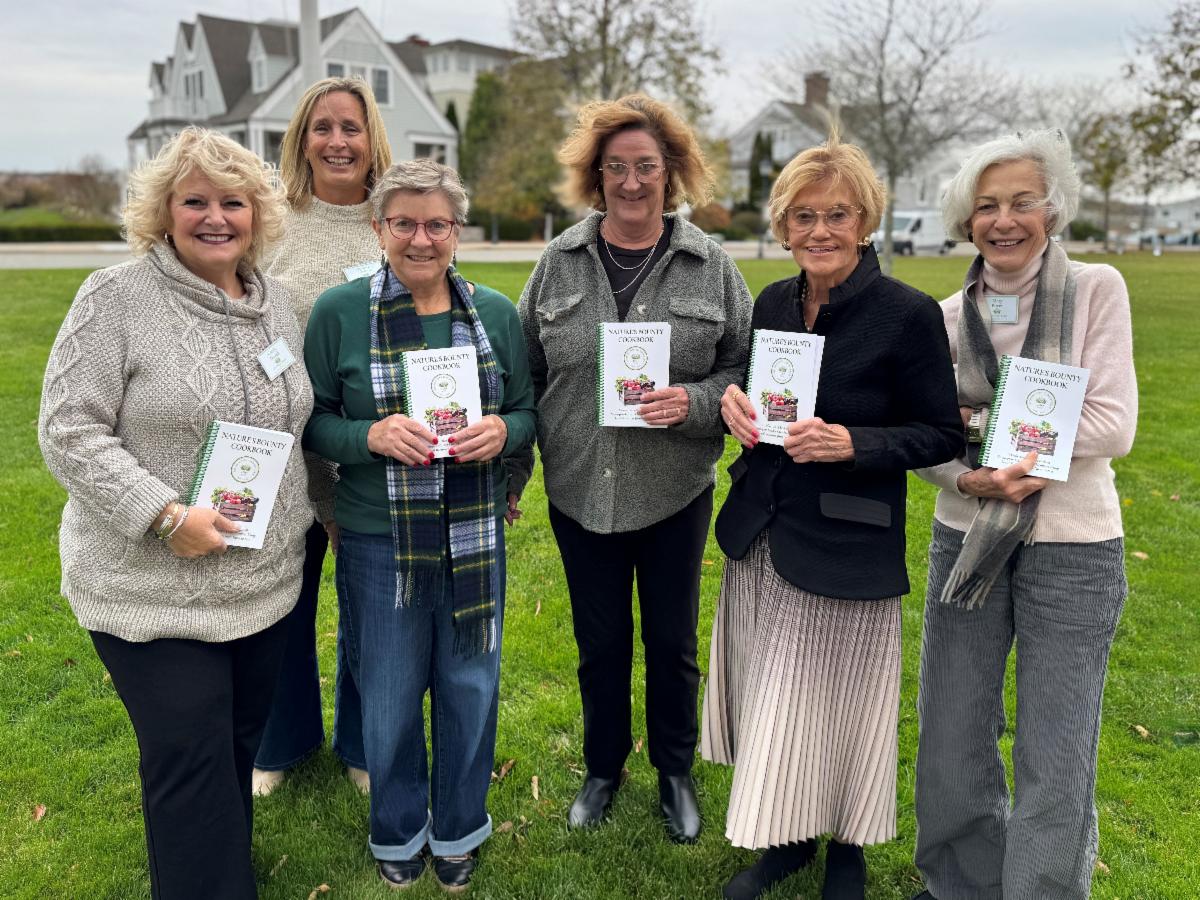
At right: Nature’s Bounty Cookbook Committee members (left to right): Carole Nossek, Andrea Chalon, Dorie Singer, Meredith Falvey, Project Chair Helen DePersia, and Mary Boyer. Not pictured are Lois Cole, Lisa Gardiner, Alice Groton, Candy Sanford, and Kathy Worthington.
Find out more about the Stonington Garden Club here!
| | | | | |
| |
Donations to FGCCT's Scholarship Fund; Healing, Therapy and Senior Gardening Fund; and World Gardening Fund | |
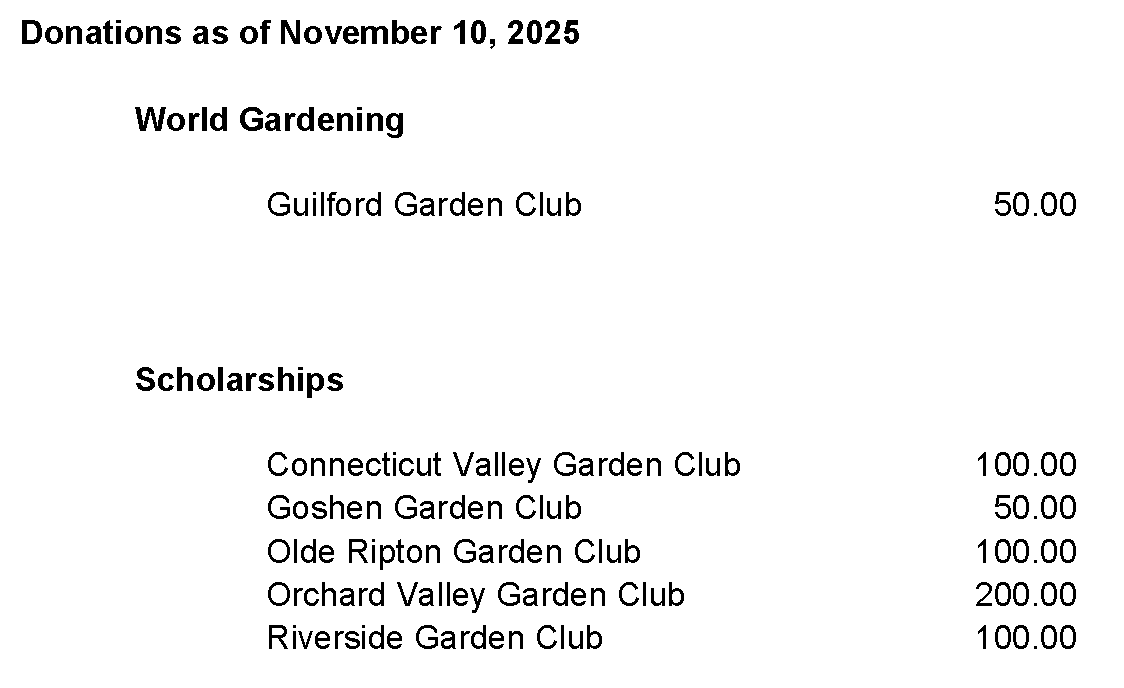
We thank the following Garden Clubs for their recent donations to the FGCCT Scholarship Fund.* For almost 40 years, the Federation has awarded scholarships to college and university students who major in Agronomy, Botany, City Planning, Conservation, Environmental Studies, Floriculture, Forestry, Horticulture, Land Management, Landscape Design, Plant Pathology, or allied subjects. We welcome donations of any size. Our appeal is ongoing to give all of our clubs the opportunity to make a contribution in the amount of their choosing.
| |
Please send all Scholarship Fund donation checks to the appropriate chair (see below). Make checks out to "FGCCT" with the appropriate Fund listed on the memo line.
*Please note that due to the deadline for articles and information for the CFNews, some donations may not be received and deposited in time to be included in the bi-monthly donation acknowledgement, but will be included in the next issue of our newsletter.
PLEASE MAIL CHECKS TO:
| |
For World Gardening & Healing, Therapy and Senior Gardening:
The Federated Garden Clubs of CT, Inc.
Attention: Rosemary Bonaguide
PO Box 902
Wallingford, CT 06492
| |
For FGCCT Scholarship Fund:
The Federated Garden Clubs of CT, Inc.
Attention: Carole Fromer
PO Box 902
Wallingford, CT 06492
| | |
Follow us on Facebook and Instagram!
FGCCT is on Facebook and Instagram and we love to post your news and photos! Please send upcoming events, club activities, civic projects, milestones, and hort tips. Include photos and a brief writeup of the news your club would like to share. The best format is text in an email with jpg photos attached. Take active photos showing members at work or showcasing beautiful gardens, flowers, and plants (please name the flower if it is a hort only photo). Let’s follow each other! Send submissions to social@ctgardenclubs.org
| |
|
Just a reminder …
Please send all correspondence to the new FGCCT office:
The Federated Garden Clubs of CT, Inc.
P.O. Box 902
Wallingford, CT 06492
Did you recently elect new officers? Email their names and contact information to us at office@ctgardenclubs.org so they will receive Federation correspondence. If you need assistance, please contact FGCCT Office Administrator Joan Lenart at office@ctgardenclubs.org or by phone at 203-488-5528 on Mondays and Wednesdays, from 10 am to 2 pm.
| | | Deadline to submit articles/photos, ads and calendar events for the December / January 2026 issue of the CFNews is January 10, 2026. Please submit to: | | |
Reminder: NGC's The National Gardener is ONLINE and free!
The official publication of the National Garden Clubs, The National Gardener, appears quarterly, and features articles of interest to environmentalists, gardeners, landscapers, floral designers, educators and photographers. Subscribe here.
| | |
| |
State, Regional &
National Events
| | | | | |