|
Inside the Portland International Airport FOG Program
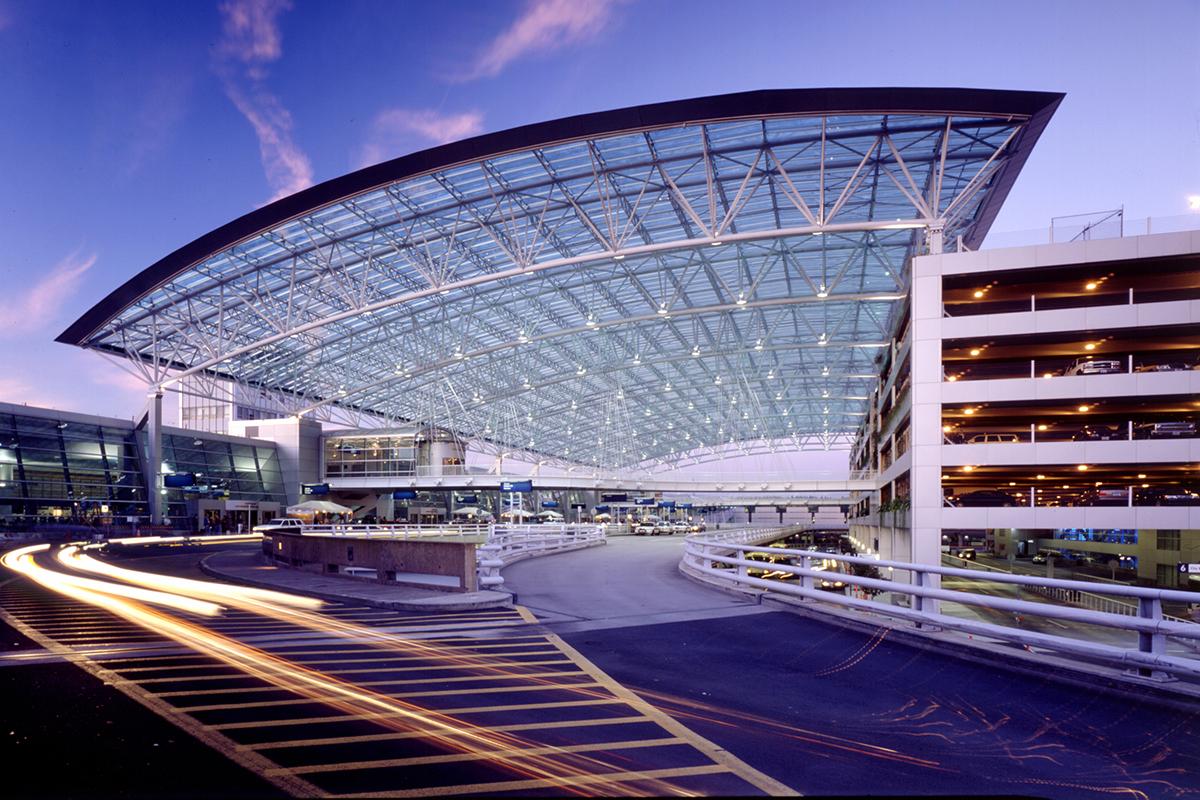
Portland International Airport (PDX) is a fully operational airport located in Portland, Oregon. PDX is open 24/7 and offers a variety of services to make travel as painless as possible, including a variety of local food and drink options. In 2022, PDX saw 1,986,281 travelers make their way through Oregon’s busiest airport.
Concessions management at PDX operates like a small city’s pretreatment program. PDX Airport has 33 restaurants (with 16 more coming in 2024) and hundreds of staff working to serve meals for roughly 26,000 to 36,000 of travelers each day. Managing the FOG and food waste requires compliance oversight, strategic recycling, and a procedure to store materials for recycling. That’s where Ryan Doherty, Concessions Property Manager, and Jeff Heller, Concessions Operations Manager, have created a program of waste disposal, energy recovery, and recycling for all Food Service Establishments (FSE) at PDX.
FOG is one of the leading causes of clogged pipes and can cause sewer backups or Sanitary Sewer Overflows (SSOs). SSOs can result in health hazards, hefty cleanup costs, and extensive damages to businesses and infrastructure. Moreover, a large-scale SSO at a busy airport like PDX would cause delays, disruptions, and disgruntlement.
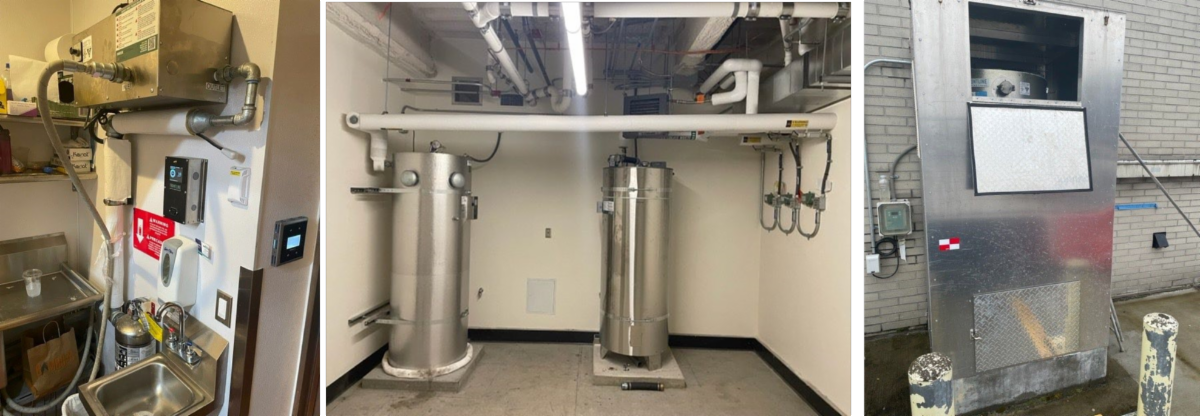
To keep concessions running smoothly, each FSE is required to submit a plan to manage and mitigate FOG and food waste from their business. FSEs must install grease traps under all sink units; Some FSEs may have up to four traps. From the grease traps, FSEs discharge to a secondary larger Grease Removal Device (GRD). Secondary GRDs are inspected and pumped twice a year. Currently, the GRDs consist of seven Gravity Grease Interceptors (GGI) ranging in size from 4,000 to 5,000 gallons. PDX Concessions Management staff train each FSE management who is then required to train their staff. FSEs are inspected twice a month through a third party company and inspection results are also submitted to the city.
|