|
N° 234 — February 12, 2025
Enjoy regular updates and insights from FONA, the U.S. National Arboretum, and our award-winning Washington Youth Garden.
| | |
|
|
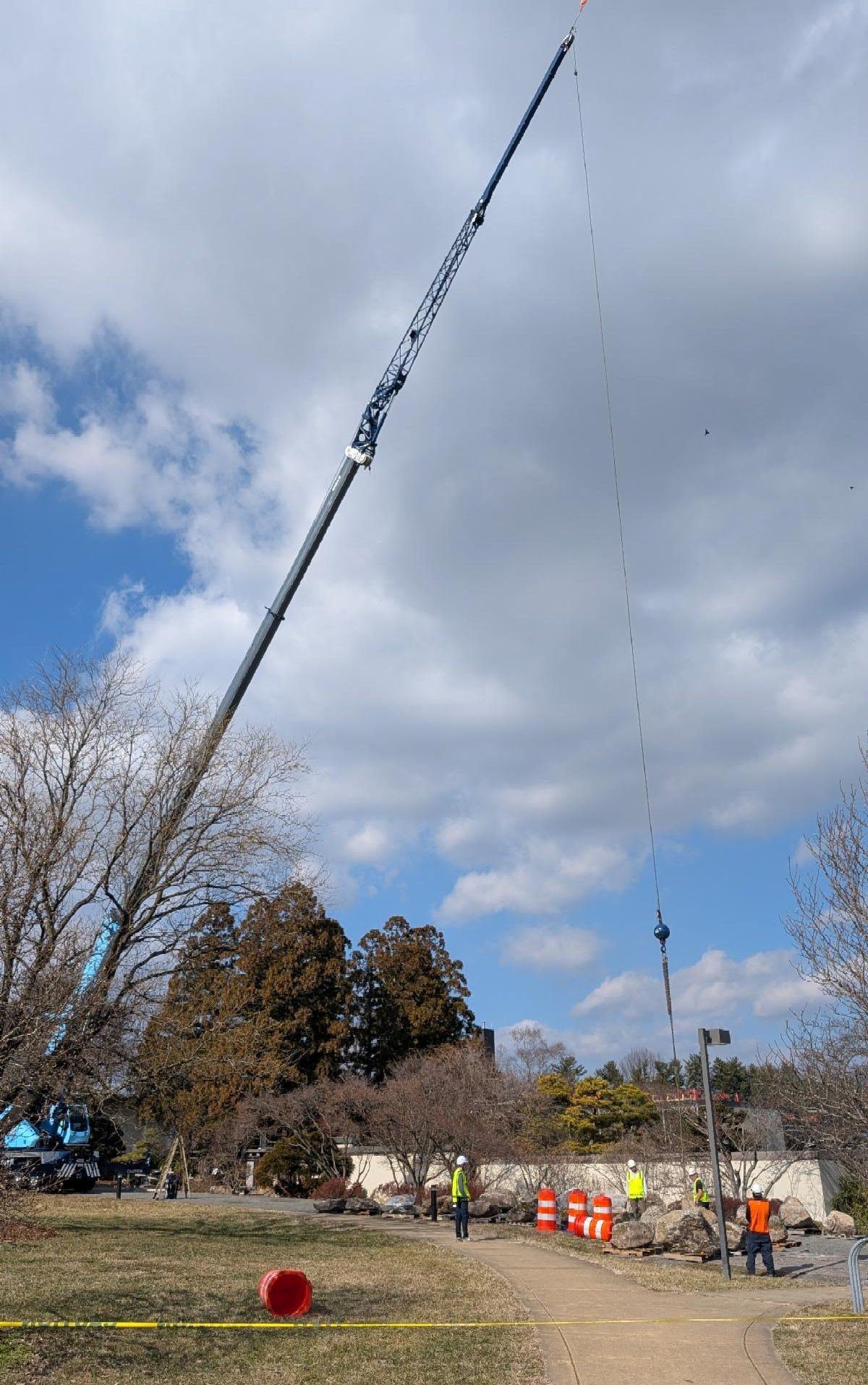
FONA has graciously supported an important infrastructure project at the National Bonsai & Penjing Museum. The front entrance garden of the Museum is getting a complete makeover. In partnership with the Director of the National Arboretum, FONA provided over $60,000 towards this renovation for new boulders, stonework, and crane work. The Museum was closed for three days last week as the renovations began and the new boulders were moved into place.
As its primary private partner, FONA is excited to support infrastructure projects like this one at the National Arboretum. We are committed to building a bright future for the Arboretum, are grateful to all of our members and donors who make this possible.
| |
Honoring Black History at the National Arboretum | |
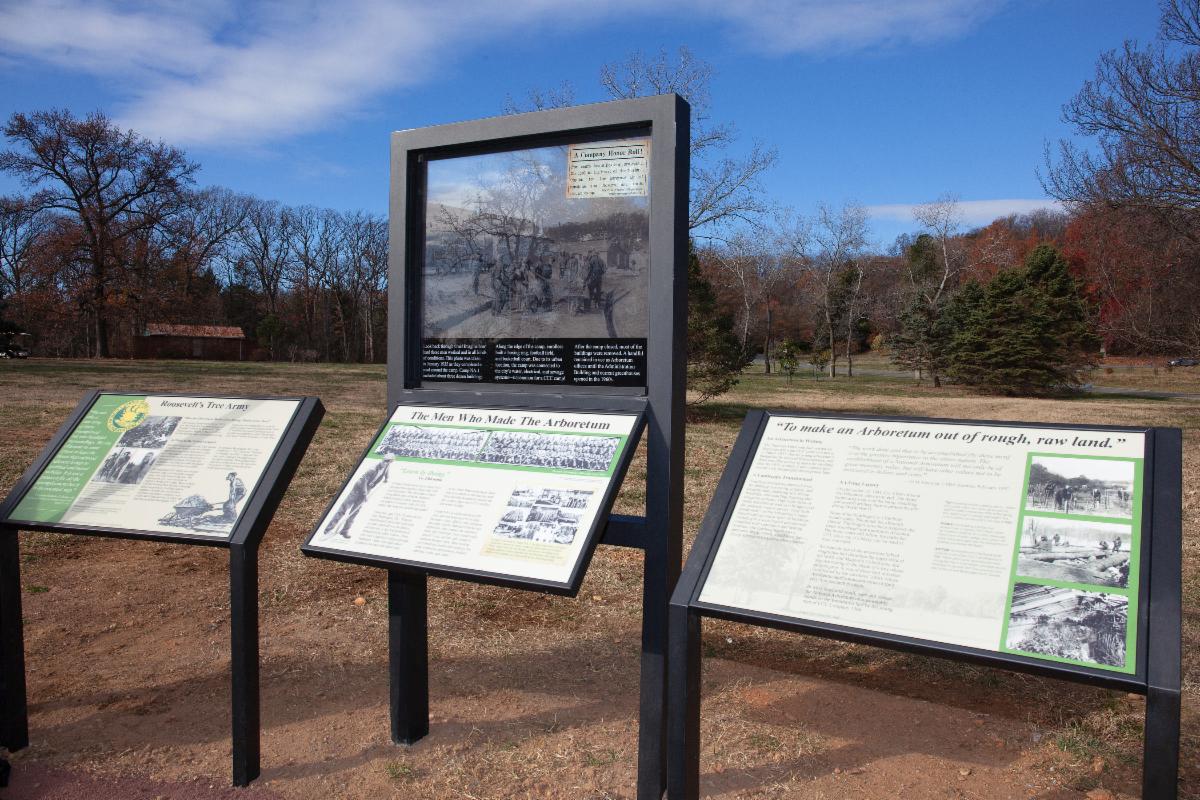
Last year, the National Arboretum unveiled a new permanent exhibit in The Grove that honors an important part of the Arboretum's history. From 1933 to 1941, an all-Black Civilian Conservation Corps company lived and worked at the Arboretum.
They transformed the land and prepared it to become the national horticultural institution it is today. The young men of Company 1360 cleared farmland and forests, graded the land to prepare it for horticultural plantings, built roads and bridges, constructed greenhouses, and more. Stop by the new exhibit during your next visit to the Arboretum.
Read WAMU's Article About the Exhibit >
| |
Top photo by the U.S. Department of Agriculture. Bottom photo courtesy of the National Arboretum. | |
Photo courtesy of the National Arboretum | |
|
Want to learn more about this important history? Watch our recent Digging In virtual lecture to learn more about Company 1360's legacy at the Arboretum and the lives of the men who worked in the company.
Watch the Recorded Lecture >
| |
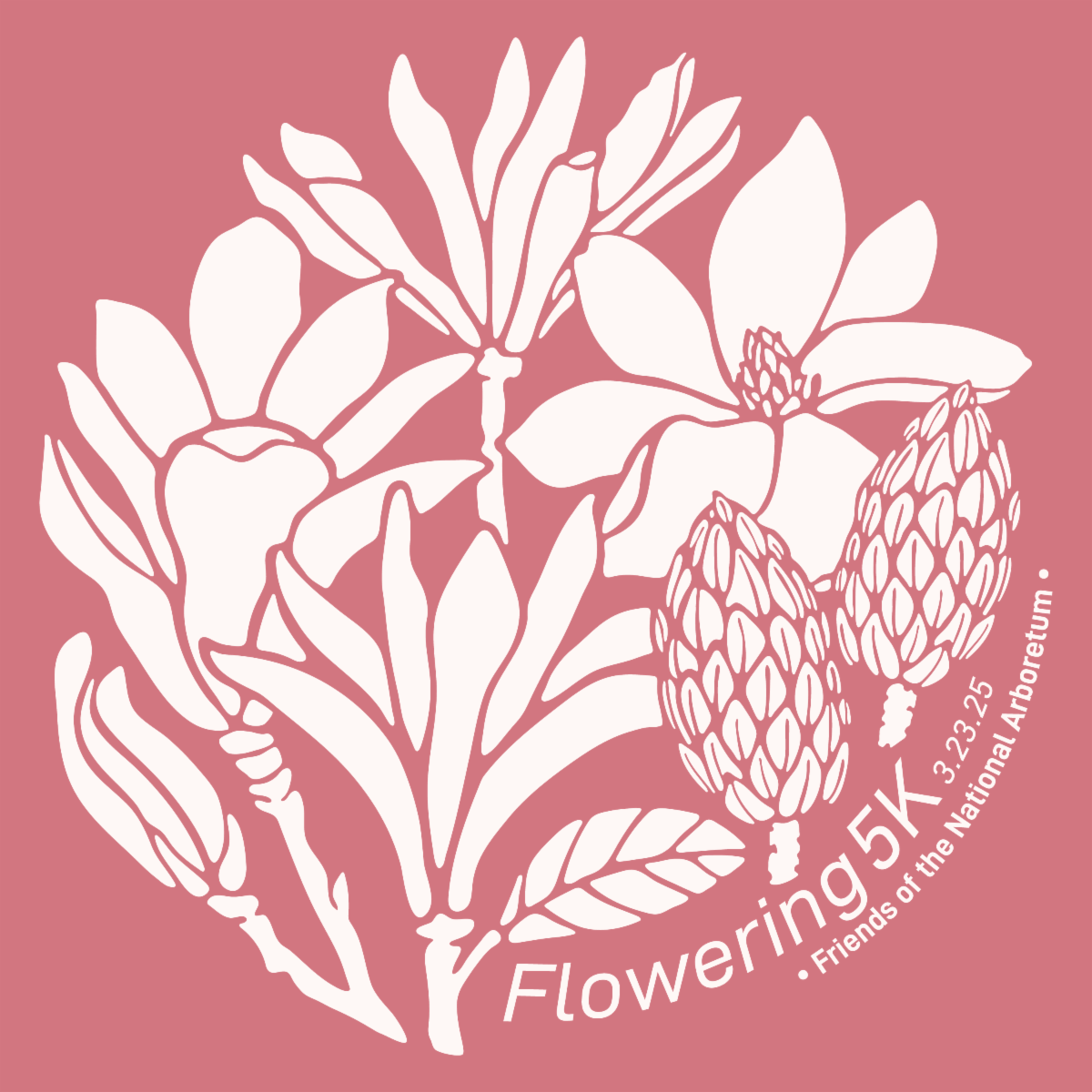
Flowering 5K T-Shirt Design | The Flowering 5K t-shirt design is officially here! This year's design features magnolia flowers and cones from iconic National Arboretum introductions and research programs. The flowers depicted are from the "girls" introductions, which were a set of eight deciduous hybrid magnolias released in 1968. They were named after the daughters of the Arboretum scientists who developed them (Magnolia 'Betty', 'Ann', 'Judy', 'Randy', and 'Ricki'), the daughter of the Arboretum director at the time ('Susan'), and the wife of the Secretary of Agriculture at the time ('Jane'). Magnolia 'Pinkie' comes from a nickname. | |
Click the photo above to view the design in full screen. Final colors might vary. | | |
|
|
The magnolia cones featured in the design are of Magnolia grandiflora, which Oliver Freeman used in his original evergreen magnolia breeding program in the early 1930s. The Arboretum's logo is a stylized version of a Magnolia grandiflora cone.
Flowering 5K participants will likely see many of the "girls" magnolias in bloom during the race, along with many plants significant to the Arboretum's work. Join us for the race on Sunday, March 23rd as we celebrate spring at the National Arboretum!
Learn More & Register for the 5K >
| |
|
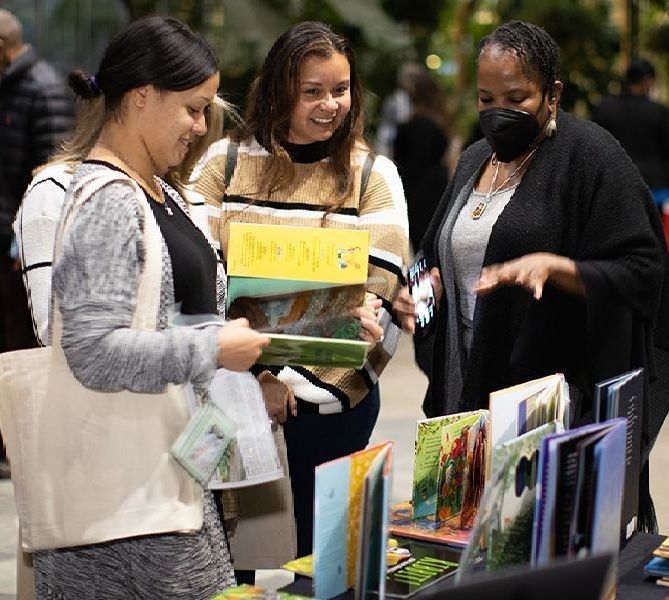
Teachers can attend the 18th annual D.C. Teachers' Night on Thursday, February 13th from 6 PM to 8 PM at the U.S. Botanic Garden. Connect with local environmental education organizations that offer educational experiences like field trips, professional development opportunities, and classroom resources. Stop by the FONA's table and say hello to our team! Teacher registration is required for this free event.
Learn More & Register >
| |
| |
|
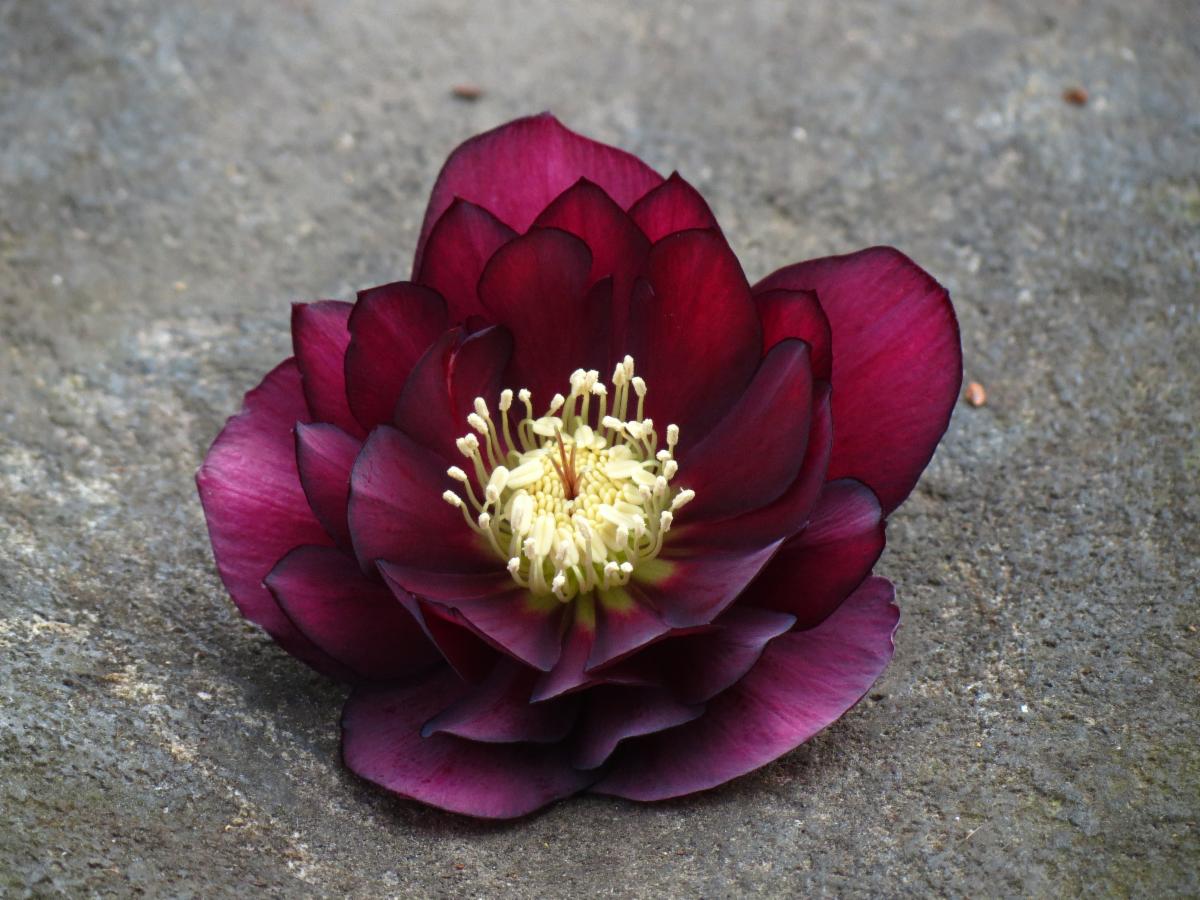
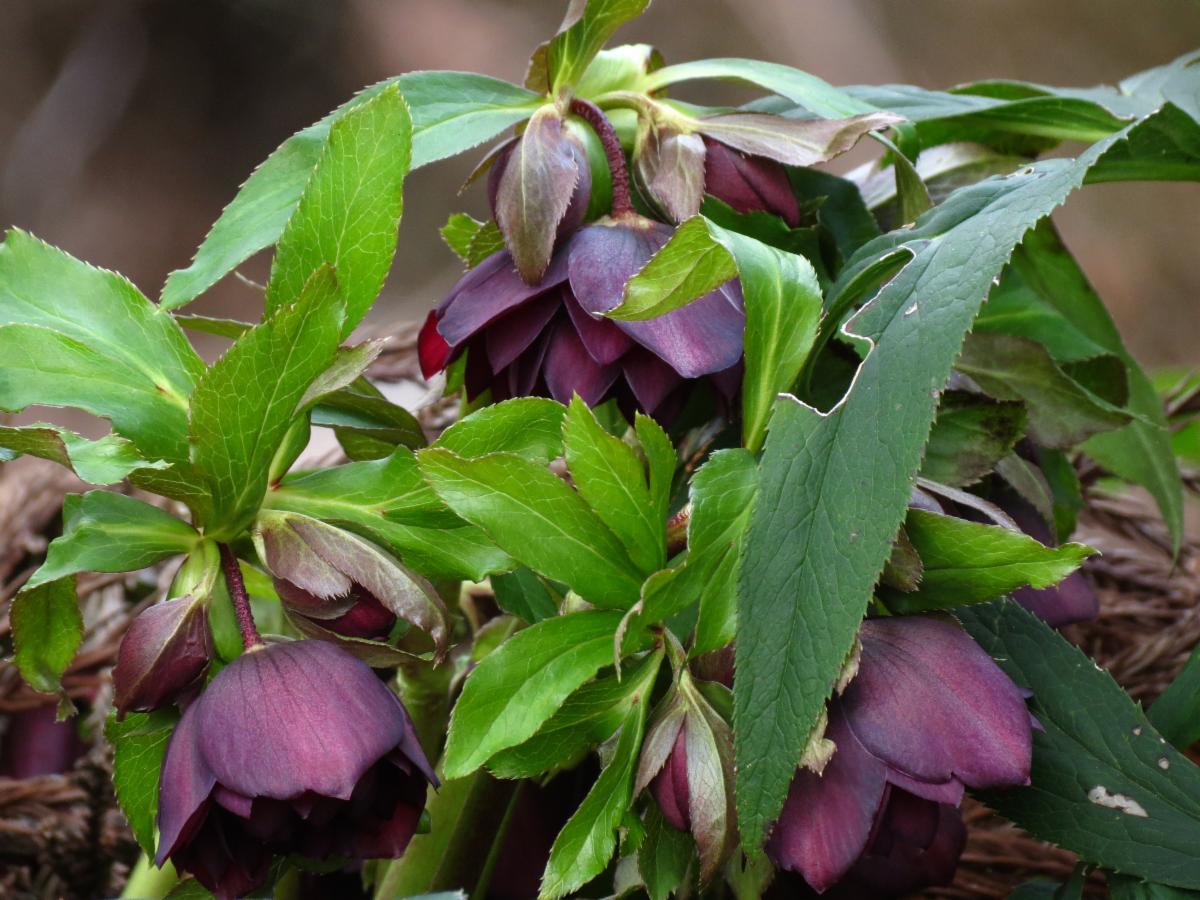
The hellebore, also known as the Lenten rose, is a popular winter-flowering perennial, and for good reason. It grows well in shady gardens, is resistant to browsing deer and rabbits, and is available in a wide array of flower colors and leaf patterns. Hellebores can be found in shades of white, cream, green, pink, purple, red, and black, with colored spots or margins, double flowers, ruffled petals, or variegated foliage. The flowers tend to face downwards, and can be hidden by the foliage. New cultivars have been developed with the intent of addressing these issues. | |
|
Lenten roses — named for their blooming period, which typically occurs between February and April during the Christian season of Lent — produce nectar that is a vital food source to bees and other insects that are active in winter. Many beautiful cultivars grow on the Arboretum grounds, but none have as dark and rich a color as Helleborus x hybridus ‘Onyx Odyssey.’ Find this cultivar in the Asian Collections on the path to the pagoda. Be aware that for those with sensitive skin, toxins in the plant may cause skin rashes if handled.
Kamala Codrington-White, an Agricultural Science Research Technician at the National Arboretum, shares plants of note at the Arboretum in this recurring segment. Find these plants on your next trip to the Arboretum. Bottom two photos by the National Arboretum.
| |
| |
|
|
Spring into School Gardening
Saturday, March 22
Free resources for educators, in WYG
Save the date — more info coming soon
Flowering 5K
Sunday, March 23, 8:30 AM
Run or walk through collections in bloom
FONA members get 20% off registration
Register for the 5K >
Native Plant Sale
Saturday, March 29, 8 AM - 1 PM
Local native plant vendors, hosted by FONA
Learn More >
38th Annual Lahr Native Plant Symposium
Saturday, March 29, 9 AM - 4 PM
Learn from experts about native plants, pollinators, and ecosystems, hosted by USNA
Register for the Symposium >
| |
It's now easier than ever to become a FONA member. Donate any amount to join or renew your membership for one year, or pledge to give monthly and support our work all year round as a Sustaining Member. There are also many tax-smart donation options. | |
Did a friend forward you this newsletter?
| | | | |