FOP Educational Opportunities | | |
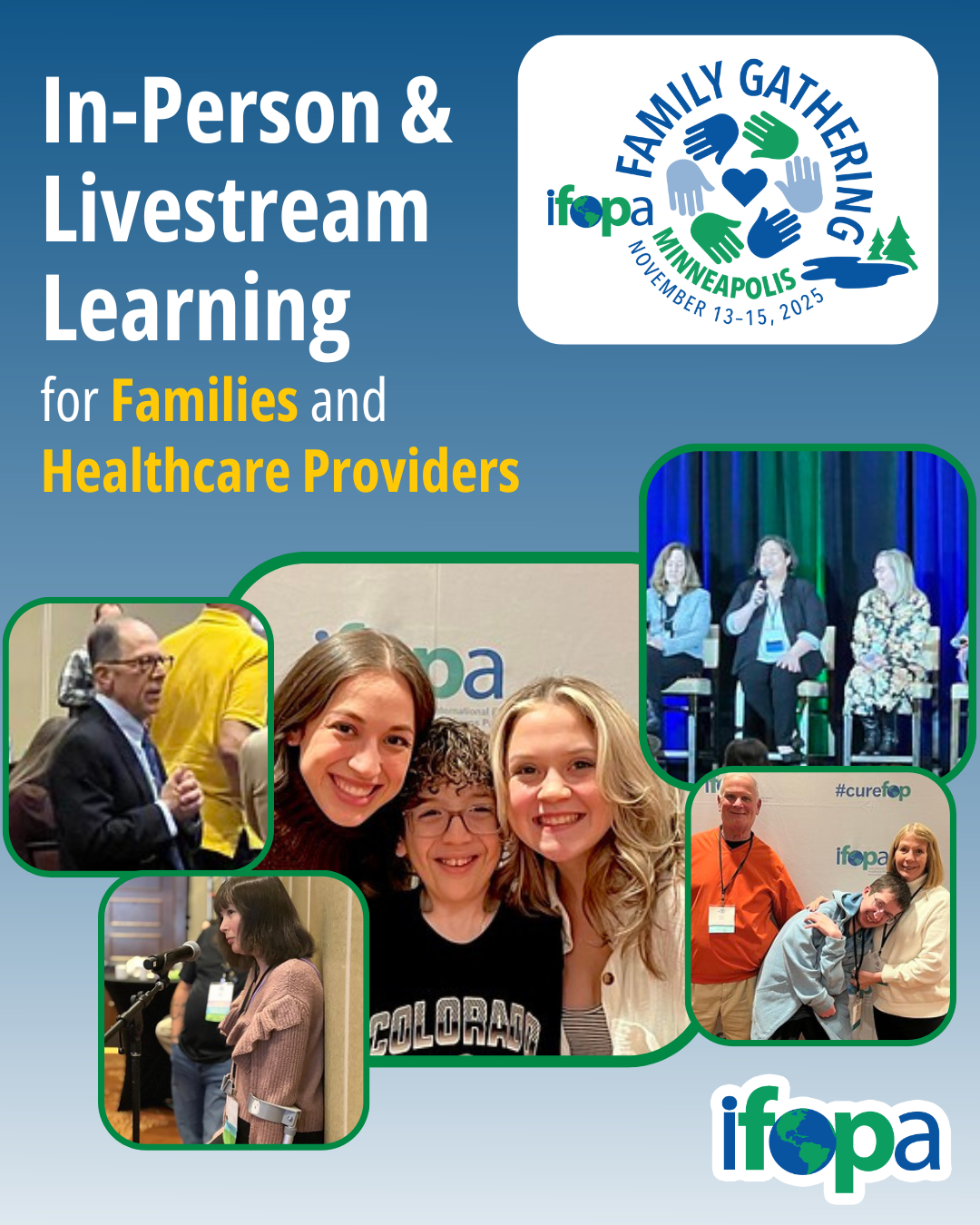
Join Us for the FOP Family Gathering
The IFOPA's FOP Family Gathering will take place November 13-15 in Minneapolis, Minnesota. The event offers two full days of presentations and interactive workshops for families and a valuable opportunity for healthcare professionals to learn from FOP experts.
If you have patients who live near Minneapolis or have the ability to travel, please share this opportunity with them – ifopa.org/familygathering
In-Person Participation Opportunity for Healthcare Professionals
You're always welcome to join us at the Family Gathering. A highlight of the event is the opportunity to observe consultations between members of the International Clinical Council on FOP and families. It's an incredible opportunity to learn about the lived experiences of multiple people with FOP during one event.
It's especially helpful to our planning team if you can register before July 31. We offer healthcare professionals a reduced registration rate, which includes 3 dinner events, two breakfasts, and two lunches.
Get more information and register now >
Watch a Livestream of General Sessions from Home
For those unable to join us in person, we are excited to offer a livestream of the general sessions, which will take place on November 14 and 15 between approximately 10 am and 1 pm ET.
Complete the interest form to receive the livestream registration link once it's available >
Questions about the Family Gathering? Email familygathering@ifopa.org
| | |
Don't Miss Out! Tin Soldiers Global Grand Rounds on June 17
Join us on Tuesday, June 17, 6 to 7 am EDT for the third installment in our Grand Rounds Webinar Series, where you’ll hear first-hand about difficult-to-diagnose musculoskeletal cases from global expert clinicians.
FOP: The Rare but Unmissable Disabler: Dr. Lawrence Owino Okong’o – Paediatrician, paediatric rheumatologist and lecturer in the Department of Paediatrics and Child Health, University of Nairobi, Kenya. Immediate past National Chairman of the Kenya Paediatrics Association.
A Case of Pain and Calcifications: Dr. Mona Al Mukaddam – Associate Professor of Clinical Medicine (Endocrinology, Diabetes and Metabolism), Perelman School of Medicine, University of Pennsylvania
A Painful Puzzle: Piecing Together Sacroillitis and Mucosal Ulcers: Dr. Nadia Luca – Children's Hospital of Eastern Ontario and Associate Professor, University of Ottawa
Hosted by:
Dr. Chris Scott – Professor at the University of Ottawa and Paediatric Rheumatologist at the Children's Hospital of Eastern Ontario. Co-Chair of Global Task Force for Paediatric Musculoskeletal Health, Director of Paediatric Musculoskeletal Matters, and the Medical Director of Tin Soldiers Global
Dr. Jessica Perfetto – Assistant Professor, Paediatric Rheumatology, Hassenfeld Children's Hospital at NYU Langone
Register now >
Never Heard of Tin Soldiers? View previous installments in the Grand Rounds Series >
| | |
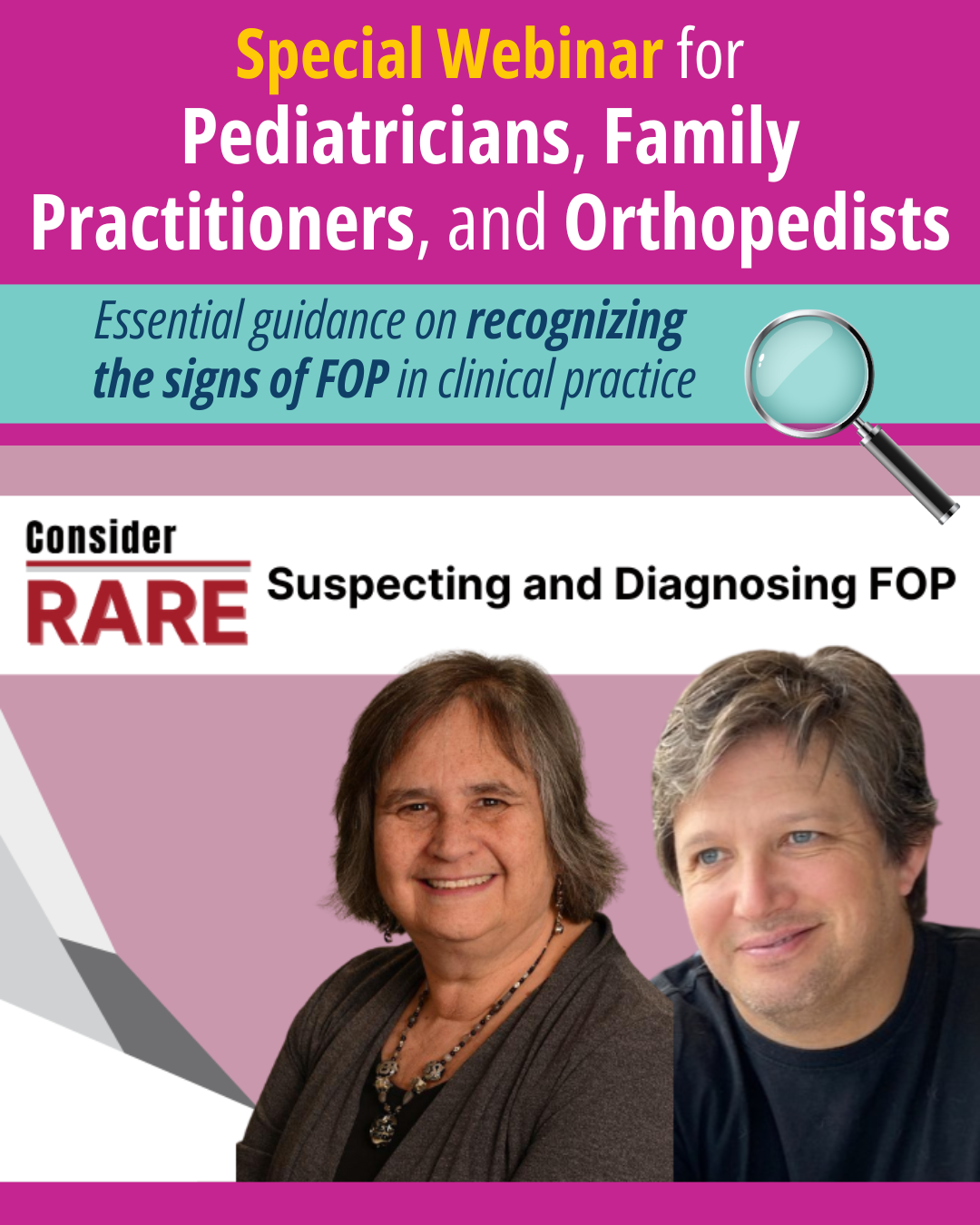
Consider Rare: Suspecting and Diagnosing FOP
This educational webinar, hosted by Ellen Elias, MD, Professor, Pediatrics and Genetics, University of Colorado School of Medicine, and Christiaan Scott, MD, Professor of Medicine at the University of
Ottawa examines best practices to suspect and diagnose FOP.
The program is designed for pediatricians, family practitioners, and orthopedists who are unfamiliar with this rare condition.
This activity is supported by an educational grant from Ipsen and Regeneron Pharmaceuticals.
CheckRare is a leading digital media company focused on rare diseases. CheckRare provides high-impact education and awareness programs, connecting healthcare professionals with meaningful content and expert insights.
Watch the webinar >
You can view other medical education programs, including some that offer CME credit, by visiting the IFOPA website.
| | Clinical Studies & Trials | | |
Observational Pre-post Study to Observe if the Off-Label Use of Anti-IL1 Therapies, Such as Anakinra or Canakinumab, Can Block ACVR1-induced Flare Activity and Heterotopic Ossification in FOP
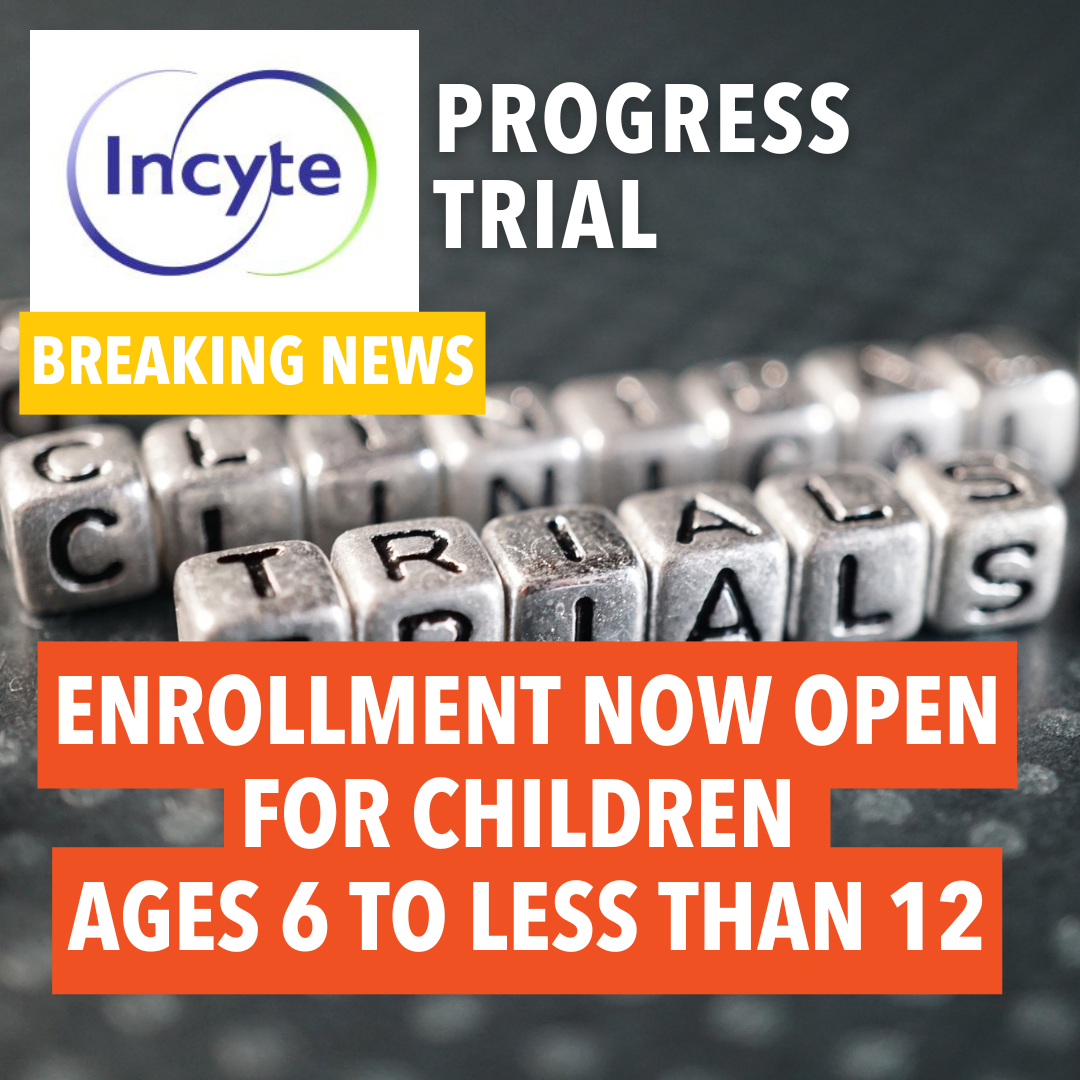
Principal Investigator Edward Hsiao, MD, PhD, University of California, San Francisco, is now recruiting for an observational study on the use of anti-IL1 medications for the management of FOP.
This study does NOT provide medication, but seeks to track patients who are planning to start anti-IL1 medications such as canakinumab and anakinra. These medications MAY be used in patients with unusually severe presentations of FOP.
AGE: 6-17 at start of study
FOP MUTATION: Classic
DISEASE ACTIVITY: High flare rate of >6 flares per year, which is 3 times higher than the reported average in prior FOP studies; or a persistent flare that has failed to resolve after 3 months of standard-of-care therapy
To avoid conflicts of interest:
- UCSF can only enroll subjects who have already decided to start anti-IL1 therapy, but have not yet started the medication
- UCSF cannot provide advice as to whether or start the medication or not, that needs to be a discussion with the local care provider
- Local care providers must prescribe and obtain the medication
- Study information from UCSF will be provided to the local care provider, not the patient
Participants must be able to participate in all assessments, including blood draws, radiology assessments, and travel. Accepted participants receive up to $2,000/visit for the 2 onsite visits to UCSF.
Review a study flyer >
See the full study details at clinicaltrials.gov >
| | |
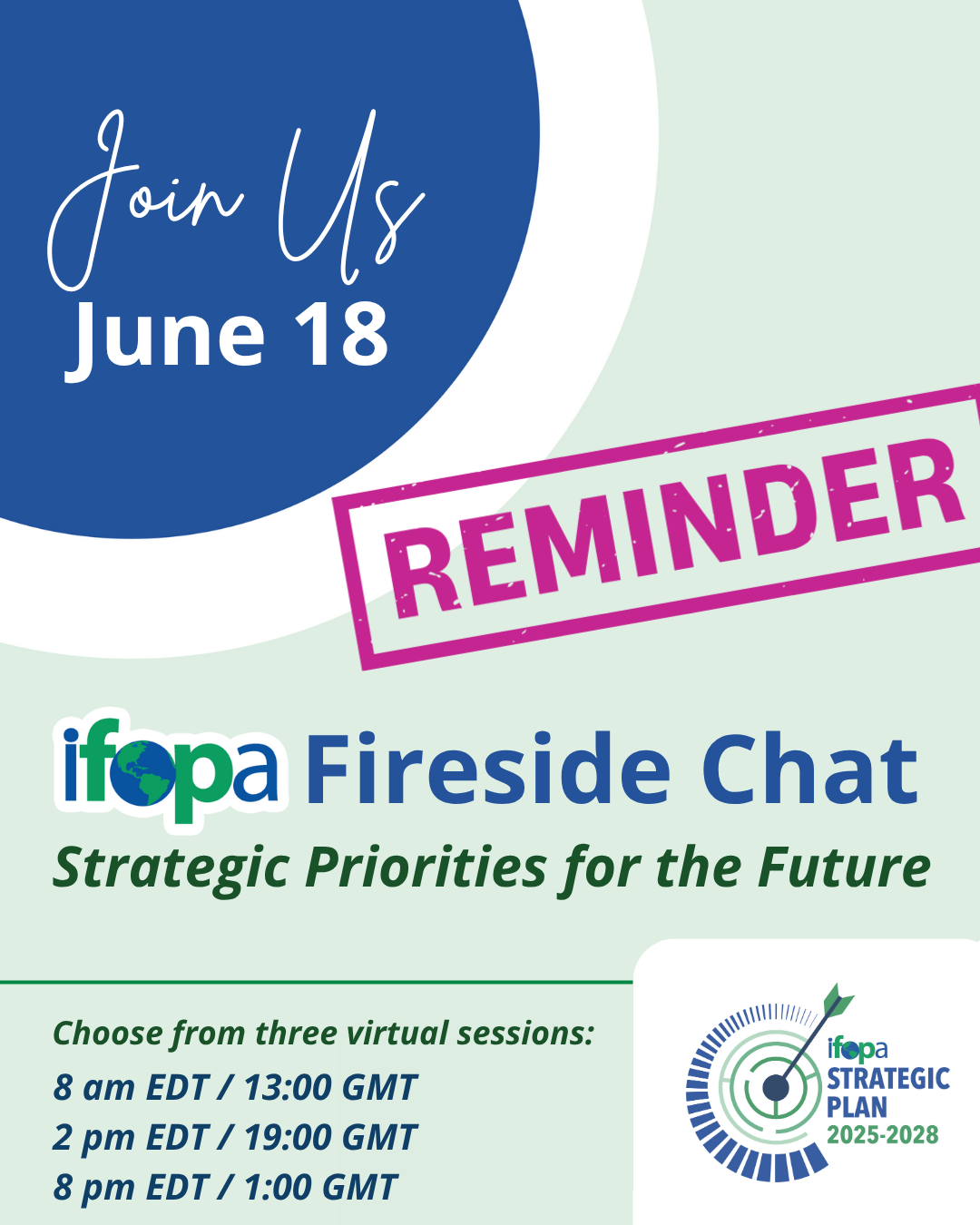
Join a Fireside Chat on June 18 to Learn More About the IFOPA's Strategic Plan
As an organization, our mission is to support and connect the global FOP community while driving research toward treatments and a cure. That includes you—healthcare professionals caring for FOP patients.
To best accomplish our mission, we are always evaluating how we can improve and best support the FOP community.
You are invited to a Fireside Chat where we will present our organizational goals and priorities for the next three years.
To make it easier for attendees from around the world to participate, we are offering the same session at three different times on Wednesday, June 18 – 8 am, 2 pm, or 8 pm EDT.
Register now >
| | To Share With Your Patients | | |
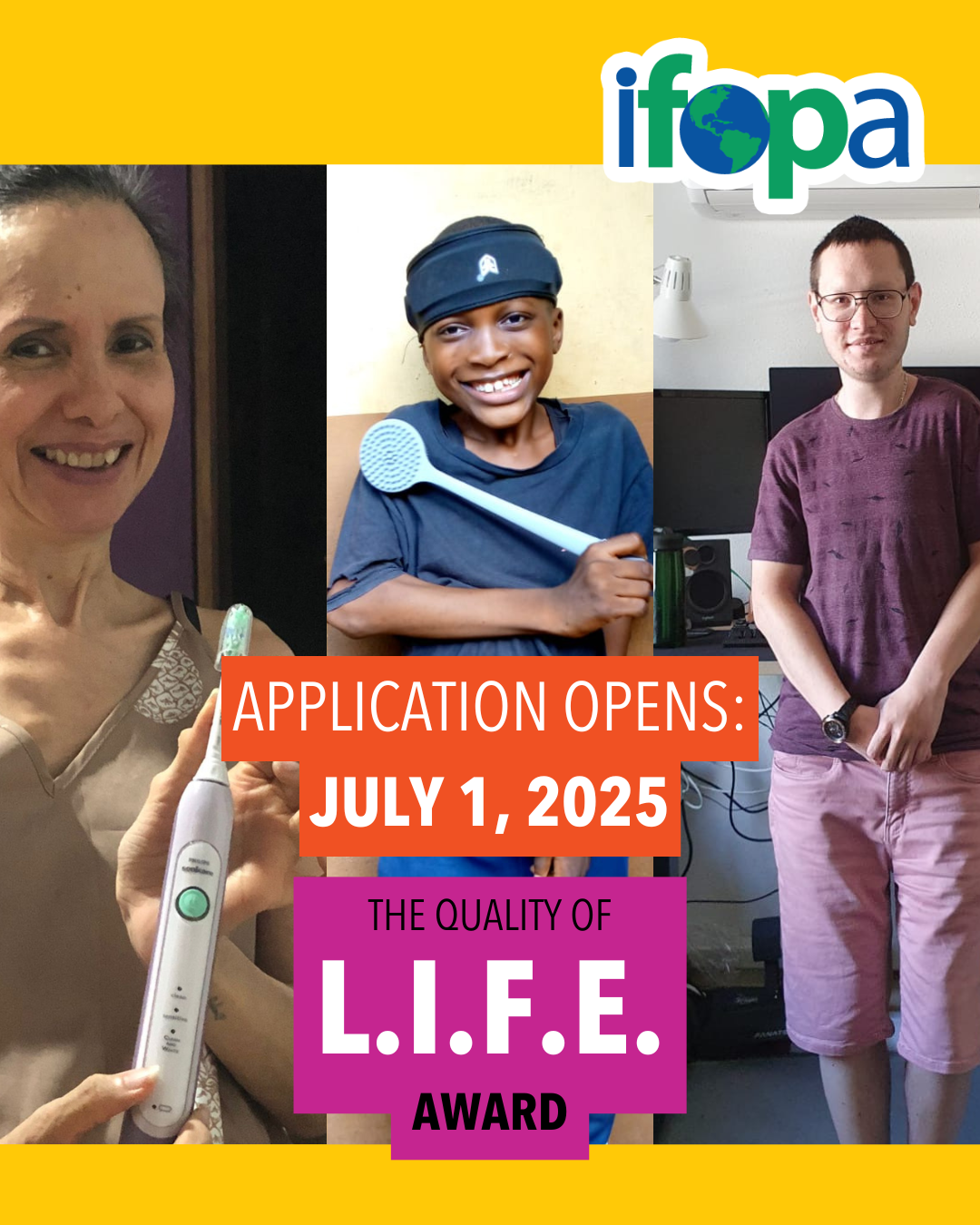
Applications for the Harold and Elaine Kaplan Quality of L.I.F.E. Awards Accepted July 1-31
If you have patients who could benefit from adaptive equipment or home modifications that will make living with FOP easier, please share this information with them!
The Quality of L.I.F.E. Awards is a $1,800 grant for individuals with FOP aimed at improving independence in everyday life. Awards can be used to purchase adaptive equipment; for example, a toilet riser, shower chair, or long-handled brush. Awards can also be used towards home modifications such as a wheelchair ramp or a bathroom remodel.
- Anyone with FOP can apply, no matter their age or where they live in the world.
- Applications will be awarded based on available funds. Recipients will be notified in August 2025.
Applications are accepted twice a year (January and July). If you have questions about the L.I.F.E. Awards, contact Family & Provider Support Coordinator Melissa Davis, OTR/L, at melissa.davis@ifopa.org or +1 605-877-5289.
Learn more about the Harold and Elaine Kaplan Quality of L.I.F.E. Awards >
| |
FOP and Safety
June is National Home Safety Month. To focus on this important topic, the IFOPA has been sharing safety resources with the community through our 2025 Advocacy Series topic "Safety and FOP."
Each weekday in June on the IFOPA's social media channels, viewers can find important safety tips and tricks. You can also view our webinars, podcasts, blog posts, and professional conversations at ifopa.org/safety-fop.
We encourage you to share these important resources with your patients:
-
Resource Webinar – Follow along as Family & Provider Support Coordinator Melissa Davis and Lindsey Butkus, MS, OTRL, ECHM, talk about home safety, home modifications, aging in place, and things you can do in your home to reduce fall risks.
-
FOP and Preparing for a Medical Emergency Podcast – IFOPA Family & Provider Support Coordinator Melissa Davis speaks with FOP community member Kathy Ford and rare disease advocate Kerri Engbrecht on the importance of connecting with local first responders and preparing for an emergency.
-
Insights on Navigating Paid Caregivers Blog Post – In this Q&A-style blog, FOP community member Trichele Reece shares knowledge and advice gained from years of hiring, training, and managing caregivers.
-
Safety and FOP Community Panel – Four FOP community members share tips, insights, and lessons they have learned during safety situations in the home and on the go. Topics include preparing for natural disaster emergencies, safe transfers with lifts and caregivers, emergency alert systems, caregiver communication, and more.
-
Professional Conversation on the Ins and Outs of Paid Caregivers with Illene Kaup, a professional caregiver and caregiver trainer who runs the Instagram account @caregiverchroniclespnw.
| |
|
The IFOPA's Family Services & Provider Support Coordinator Melissa Davis will be exhibiting at two US medical conferences this fall. If you're attending, please stop at our booth and connect with us.
| | Learning from Real-World Patient Experiences | | |
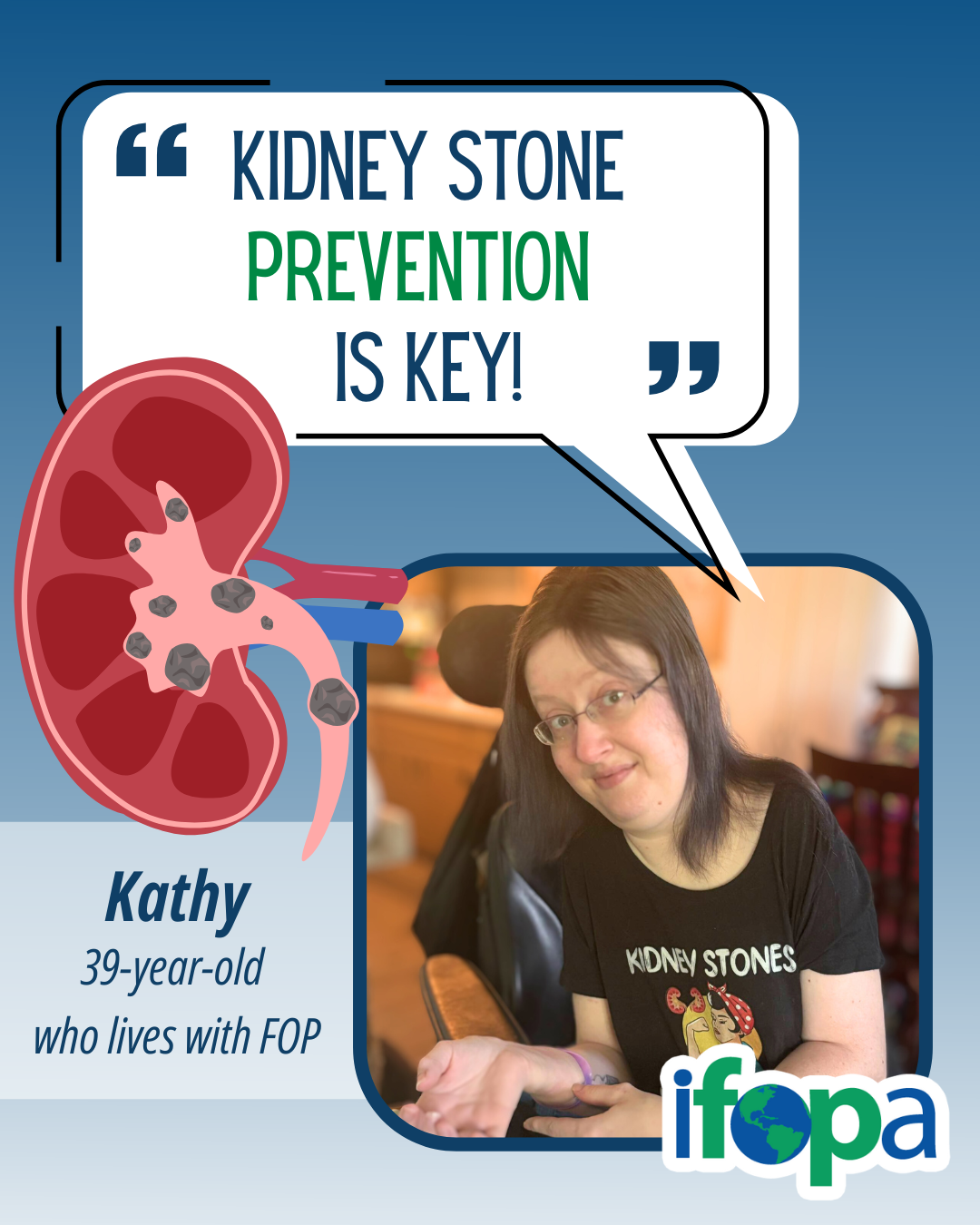
"Kidney Stone Prevention is Key"
Kathy is a 39-year-old woman who lives with FOP in the United States. She has struggled with kidney stones over the years. Here's what she had to say about why educating healthcare professionals is important.
"I have had three kidney stone surgeries, which I had to be nasally intubated for. The surgeries were completed at Jefferson Hospital in Philadelphia. Dr. Grunwald’s team was on board throughout the entire process. My urologist/surgeon was Dr. Scott Hubosky who was very well educated on the complications of FOP leading up to surgery. Surgery was unavoidable as I had endured kidney stones that blocked my ureters. Kidney stone prevention is key!"
| |
Kidney Stones in FOP
Robert J. Pignolo, MD, PhD
Mayo Clinic, Rochester, Minnesota
Kidney stones are hard, pebble-like pieces of material that form in one or both kidneys when high levels of certain minerals are present in the urine. Kidney stones rarely cause permanent damage if treated. Kidney stones vary in size and shape. They may be as small as a grain of sand or as large as a pea. Rarely, some kidney stones are as big as golf balls. Kidney stones may be smooth or jagged and are usually yellow or brown. A small kidney stone may pass through the urinary tract on its own, causing little or no pain. A larger kidney stone that gets stuck can block the flow of urine, causing severe pain or bleeding. In the absence of blood in the urine, passing a first kidney stone can sometimes mimic flare-up-like symptoms.
Calcium stones, including calcium oxalate stones and calcium phosphate stones, are the most common types of kidney stones. Important risk factors for development of kidney stones include a blockage of the urinary tract, chronic bowel inflammation, certain kidney diseases, digestive problems or a history of gastrointestinal tract surgery, gout, hypercalciuria or hyperoxaluria (i.e., high levels of calcium or oxalate in the urine), hyperparathyroidism, hyperuricosuria (high levels of uric acid in the urine), obesity, recurrent urinary tract infections (UTIs), and medications such as diuretics, calcium-based antacids, indinavir, and topiramate. Complications associated with kidney stones include hematuria (blood in the urine), severe pain, UTIs (including kidney infections), and loss of kidney function.
In a 2017 study, 7.9% to 9.2% of all FOP participants reported at least one kidney stone, with a stronger prevalence in males. More than 50% of those with kidney stones had multiple stones. This report also found that kidney stones may be associated with greater immobility. At the time this report was published, the prevalence of kidney stones in the adult FOP population of the Unites States was 15.8% compared to a sex- and age-weighted prevalence of 4.5% in the general population. Although geographical variation exists, patients with FOP have an approximately three-fold greater prevalence of kidney stones than the general population. This unusually high prevalence may be due to high bone turnover from chronic immobilization, or to unknown effects of the activating FOP mutation.
Given the high prevalence of kidney stones in FOP, preventative measures are extremely important. These measures include drinking adequate amounts of water (1.5-2.0 liters/day), no high protein intake (unless there is weight loss or nutrient/protein calorie deficiencies), and maintaining recommended calcium intake based on age and sex (parodoxically, less than recommended calcium intake actually increases the likelihood of kidney stones). Depending on the composition of previous stones, dietary measures may also be recommended (for example, low oxalate diet).
| |
In the absence of being able to pass a kidney stone that is symptomatic, a urologic surgical procedure may be necessary. These procedures are generally safe in FOP, but like other procedures, an experienced anesthesiologist is an absolute requirement.
You can learn more about this important topic and other aspects of FOP management by reviewing the ICC's FOP Treatment Guidelines (see page 114).
| | | | |