|
Friends,
As we reflect on Holy Week from Good Friday to Easter, I was struck by Presbyterian Disaster Assistance' calling words: Out of chaos. Hope. As we prepare as a church to be a hostel to those bringing hope out of the chaos of the recent storms, I am reminded that Holy Week is just that--hope of resurrection emerges out of the chaos of the cross.
I asked the AI Gemini to reflect on this theme, and I loved what it shared, so I'm sharing it with you, including some of my own reflections and changes.
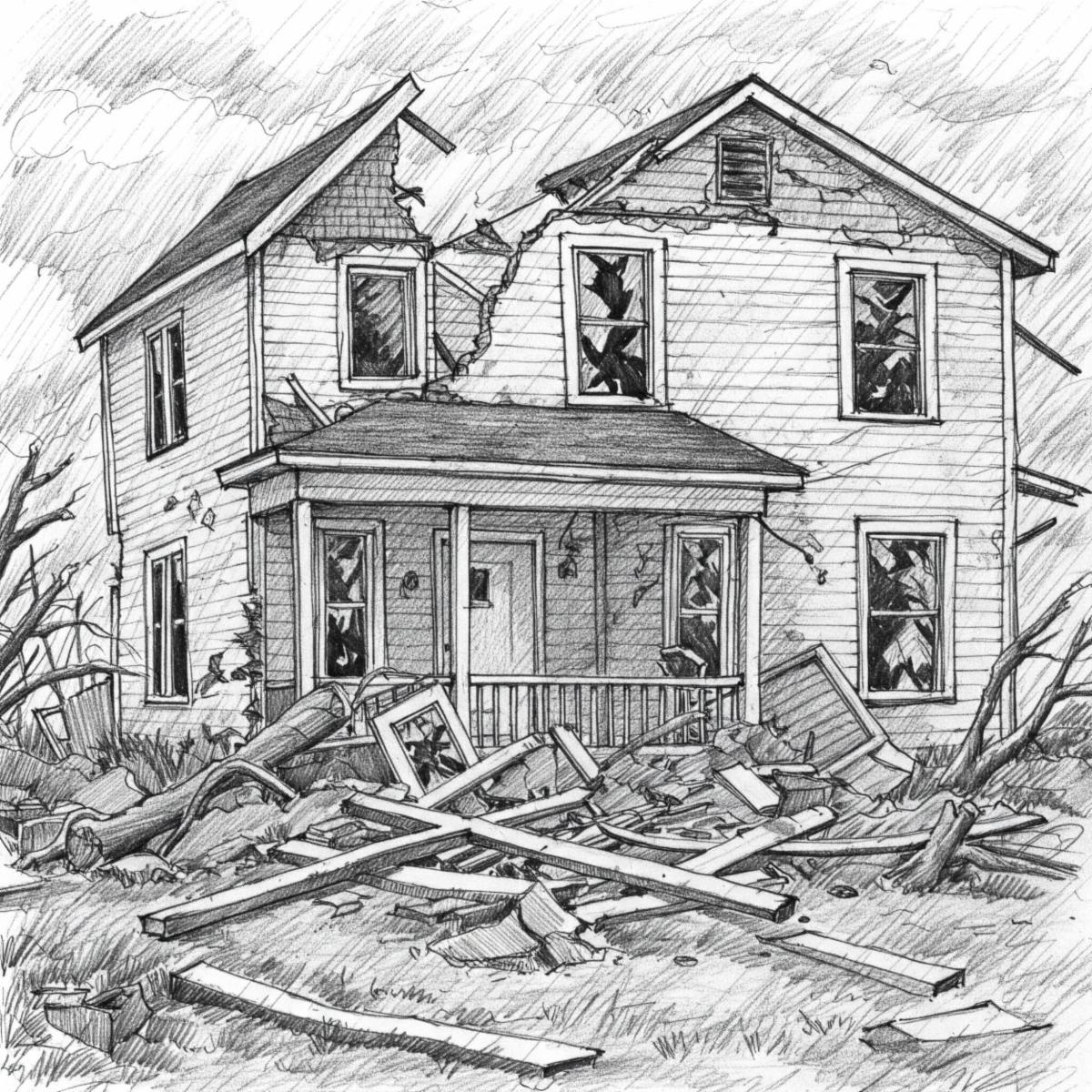
The wind howls like a wounded beast, tearing through homes and lives. Rain lashes down in sheets, turning streets into rivers. The aftermath of Hurricanes Debby, Helene and Milton left behind a landscape of devastation – shattered buildings, uprooted trees, flooded streets and homes, and a community reeling from the chaos. In those first few days, despair can feel overwhelming. Yet, amidst the wreckage, something remarkable begins to bloom: hope.
We see it in the neighbor helping neighbor clear debris, their hands raw but their spirits resilient. We witness it in the outpouring of support from across the country, strangers offering food, shelter, and a helping hand. We hear it in the stories of first responders working tirelessly, fueled by a deep sense of compassion. We witness it with our own eyes as a hundred people from First Presbyterian clean up our church property after Milton. Out of the chaos and destruction, a new kind of order begins to emerge, built on the foundation of human kindness and shared purpose. Hope, initially buried under the rubble, starts to rise again, carried on the shoulders of those who choose to step into the darkness and offer light.
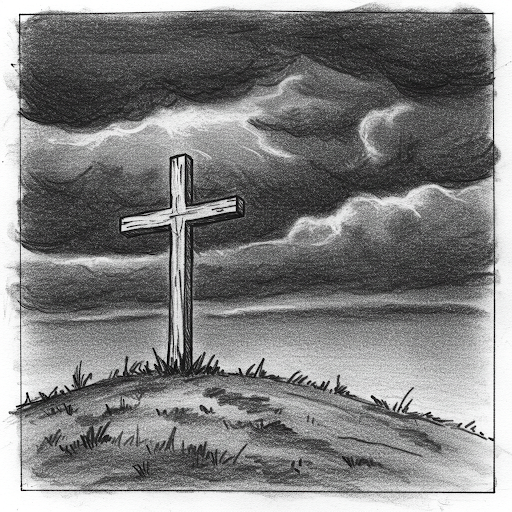
This image of hope emerging from chaos resonates deeply with the very heart of our faith. Consider the scene on that first Good Friday. The world felt like it had been ripped apart. Jesus, the promised Messiah, had been betrayed, condemned, and brutally crucified. His followers were scattered, their dreams shattered, their hope seemingly extinguished. The cross, a symbol of suffering and death, stood as a stark monument to despair. It was a moment of profound chaos, a spiritual hurricane that left hearts broken and futures uncertain.
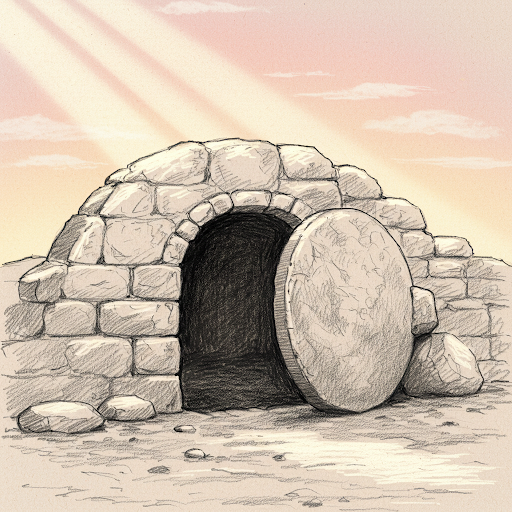
But just as the sun eventually breaks through the storm clouds after a hurricane, so too did hope dawn on that first Easter morning. The resurrection of Jesus was the ultimate act of stepping into chaos and bringing forth new life. From the darkness of the tomb, light exploded. From the apparent defeat of the cross, victory was won over sin and death. The resurrection was not just a return to life; it was a radical transformation, a promise that even in the deepest darkness, God's love and power can bring forth unimaginable hope.
The parallel is striking. In the face of a natural disaster, human beings, created in God’s image, often reflect His love by stepping into the chaos to offer help, healing, and the promise of a better tomorrow. Similarly, God stepped into the ultimate chaos of human sin and death through Jesus, offering us the ultimate hope of eternal life and reconciliation.
Just as the sight of volunteers distributing supplies brings a flicker of hope to those who have lost everything, the empty tomb brings the radiant hope of a future free from suffering and death. Both scenarios remind us that chaos, while painful and destructive, does not have the final word. Love, compassion, and the willingness to step into the brokenness can pave the way for healing and new beginnings.
Today, as we reflect on the hope of the resurrection, let us also be mindful of the opportunities we have to be agents of hope in the chaotic storms of life around us. Whether it's offering practical assistance to someone in need, extending a hand of comfort to the grieving, or simply embodying the love and compassion of Christ, our actions can be a beacon of light in the darkness, a testament to the enduring power of hope that emerged from the chaos of the cross and continues to inspire us today. And for our church, we are being called to be this beacon of hope and light for those still suffering and rebuilding their lives by being a place of respite for those bringing hope out of chaos.
|