LABBB Recreation - Dave & Busters | | Sharing best practices and promoting inclusive opportunities for students with special needs | | |
Executive Director's
Message
Dear LABBB Students, Parents and Caregivers,
Happy New Year! Each new year brings fresh opportunities for connection, learning, and celebration! In the year ahead, LABBB continues to be committed to: creating safe, inclusive spaces where families feel welcomed and understood, sharing resources, workshops, and tools to support your child’s unique needs, building stronger connections among parents, caregivers, and professionals, providing outstanding curriculum and educational opportunities that support the whole child, and celebrating every milestone, big or small, because each one matters. We know that no two families are the same. Our goal is not to offer one-size-fits-all solutions, but to provide encouragement, flexibility, and options that honor your child’s individuality and their journey. The LABBB community exists because of you. Your stories, questions, victories, and even your hard days help shape a space rooted in empathy and trust. We look ahead with hope but know there will be challenges—we acknowledge that honestly. But there will also be moments of laughter, pride, and unexpected breakthroughs. Together, we will continue advocating, learning, and growing with resilience and hope. Thank you for being part of this community. We are honored to support your child, our student, in the year ahead.
Our new communication platform, FinalSite, is launched! This allows us to share information and communicate with you more efficiently (phone call, text and email). As we move to full implementation, please know that there may need to be a few refinements! We will let you know. In addition to the new communication platform, LABBB.com is updated often and should have forms and information.
Thank you for working with us as we rolled out digital access to the permissions forms; our hope was to create efficiency and reduce the mountain of forms that are sent out at the start of the new year. We know there were a few glitches, but are pleased with where we are headed and hope you found this process more efficient and user friendly! There are improvements being worked on as we roll out a newer process for July/August. We are working hard to streamline how we get information out to you efficiently and effectively.
The Program Directors and I are offering ‘Dialogue with the Directors’. All are welcome! We will be hosting these as drop-in meetings to discuss what is on your mind- while we will not be answering specific student related questions, we hope to engage in dialogues with parents and/or community members about how to keep LABBB’s mission strong and vibrant! These meetings will be held at the LABBB Central Offices at 70 Blanchard Rd., Suite 206, Burlington, MA and will be held on February 3, 2026 from 10:00 - 11:00 am and April 15, 2026 from 1:30-2:30 pm. We hope that you will consider joining us.
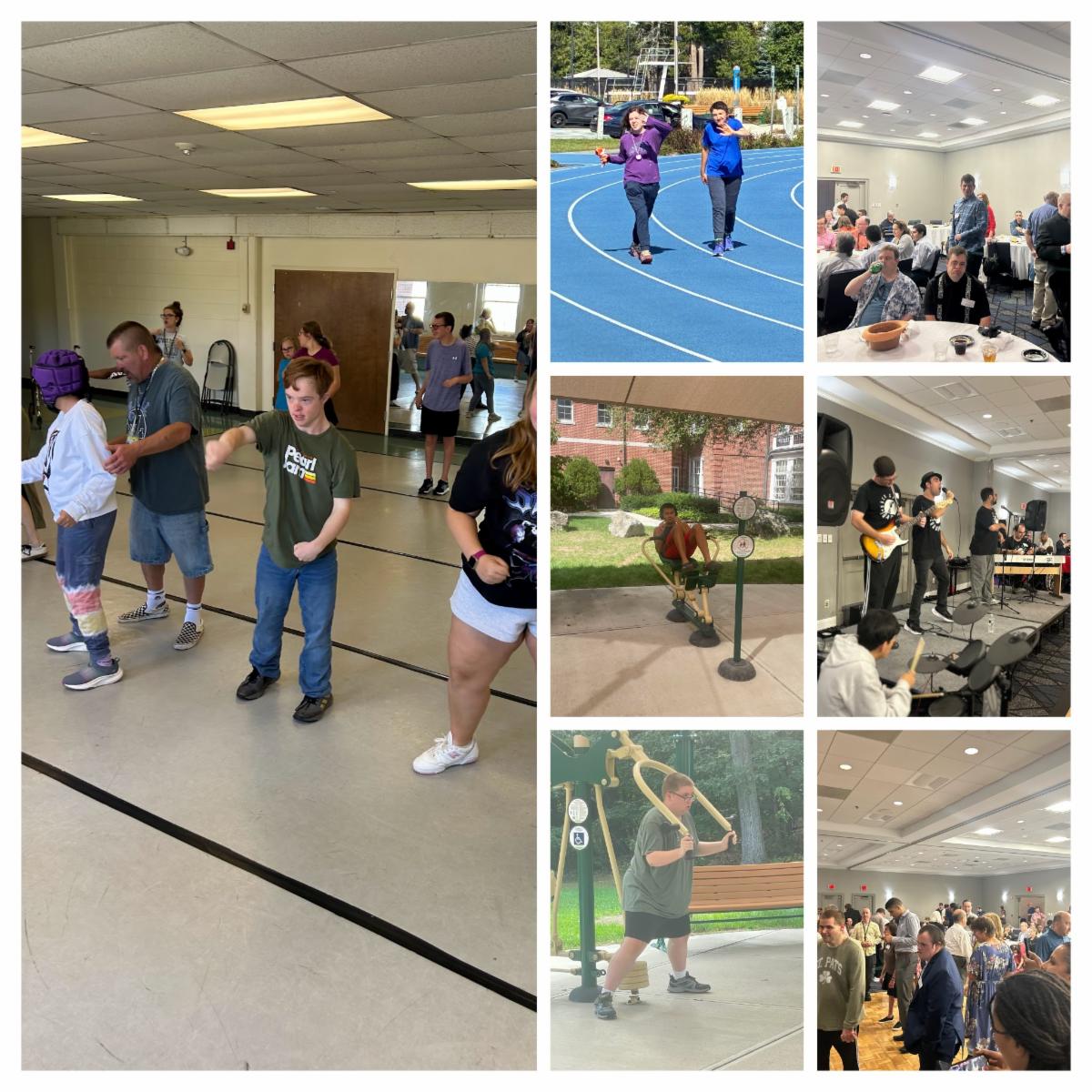
Recreation opportunities continue for our middle and high school aged LABBB students, under Mike DiCenso and Paula Rizzo’s expert guidance. If you are interested in exploring any of these opportunities please contact your child’s teacher or program coordinator. Please note that all things Rec are posted on the website under the Recreation tab at the very top of the page, the brochure is on the right side of the drop down page.
LABBB Evening Parent Meetings
LABBB Evening Parent Meetings will continue on the same evenings as our monthly dances (Thursday evenings). This allows parents of middle and high school students to drop off their daughter or son at the Lexington Community Center (39 Marrett Rd., Lexington, MA) then attend the meetings upstairs. We also encourage our parents of elementary school students to attend these parent nights. These informative meetings provide time to discuss and learn about a variety of topics related to programming, MCAS, special needs planning, recreation, transition, post -22 planning, supplemental security income ( SSI), financial planning and many other important topics. If you have ideas for future topics please let us know.
Parent meetings for 2025-2026 will take place from 6:45 p.m. to 8 p.m. on the following dates:
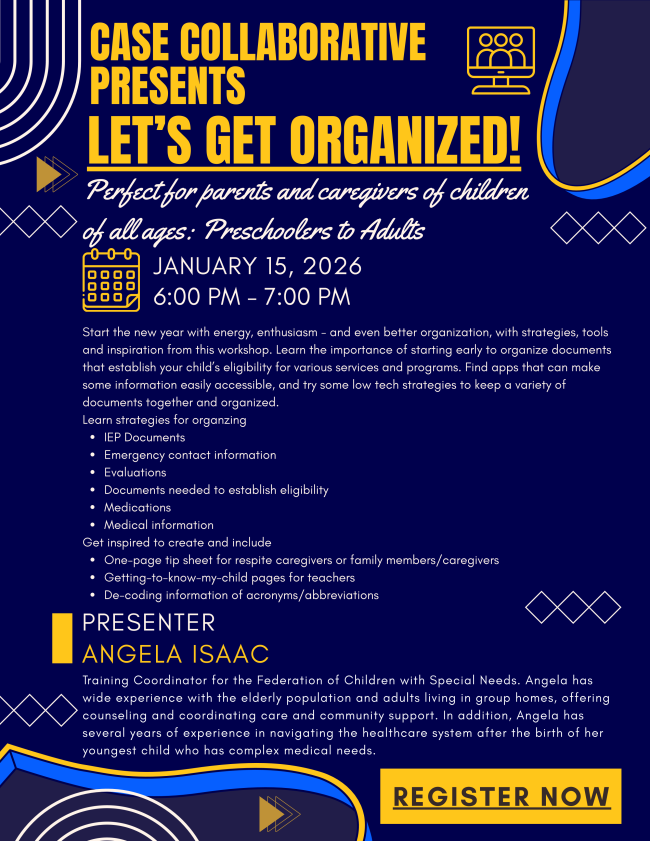
January 15, 2026
February 5, 2026
March 5, 2026
April 9,2026 (Transition Fair - stay tuned for more information)
May 14, 2026
Keep your eyes out for more specific information about each parent night presentation.
Hold the Date:
LABBB’s Transition fair date - April 9, 2026
Special Olympics - May 1, 2026
LABBB Graduation - June 4, 2026
LABBB Prom- May 14, 2026
We look forward to seeing you!
Please do not hesitate to contact me directly at pgirouard@labbb.net with any questions or comments.
Sincerely,
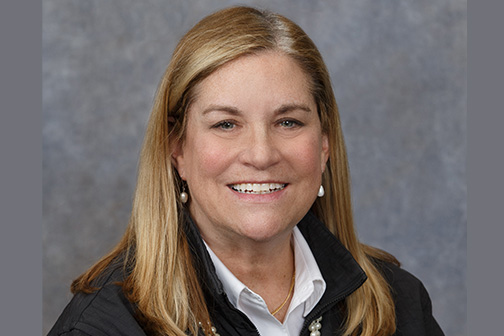
Pam Girouard
| | |
Friendsgiving at Burlington High LABBB
By: Becky Niman
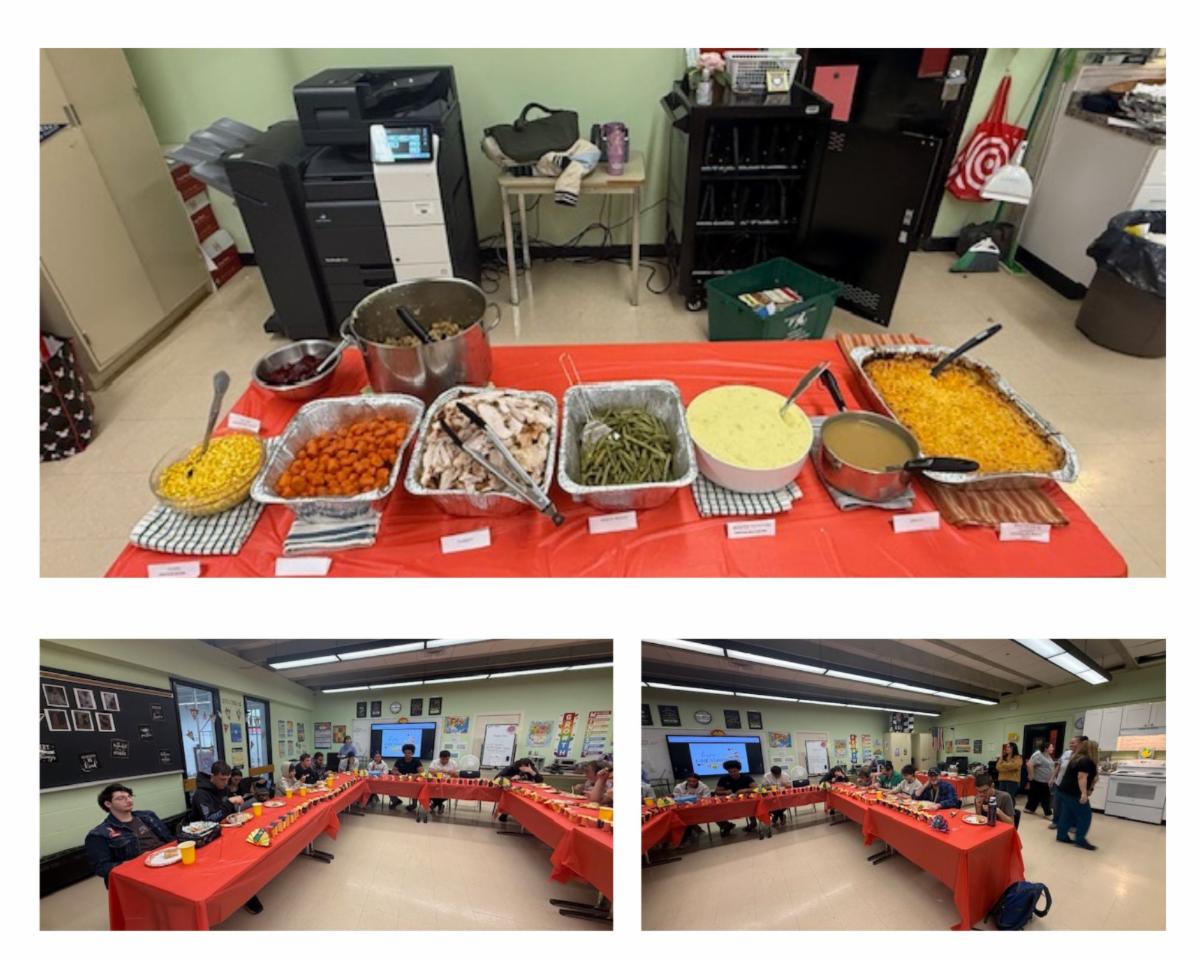
We are delighted to share highlights from our Burlington High LABBB Friendsgiving. It was a wonderful afternoon filled with gratitude, friendship, and delicious food! This year’s Friendsgiving was truly a collaborative effort with students taking the lead in planning, shopping for, and preparing the feast. Our students showcased their kitchen skills and creativity while working together in the kitchen. Students gathered around tables to share a meal, expressed gratitude, and created lasting memories. It was a beautiful reminder that some of the most meaningful moments happen when we slow down, come together, and appreciate the connections we’ve built. We are incredibly proud of our students for their initiative, teamwork, and care they put into making this event such a success.
| | |
Transition: LABBB Transition Department “Friendsgiving,” 2025
By: Amanda O’Leary
The word “Friendsgiving” is, of course, a blend of friend and Thanksgiving and it refers to a celebration or a large meal shared with friends either on or near Thanksgiving. (Miriam-Webster.com).
The day before Thanksgiving break is always a challenge for the Transition Department. The day is too short to ensure that our students are able to head out to their community work or volunteer experiences for a productive day, yet we still need to be sure that the day is met with meaningful activities. In past years, we have gone out as a group for breakfast at a local restaurant but that too, has its own list of challenges, especially with such a large amount of students and staff.
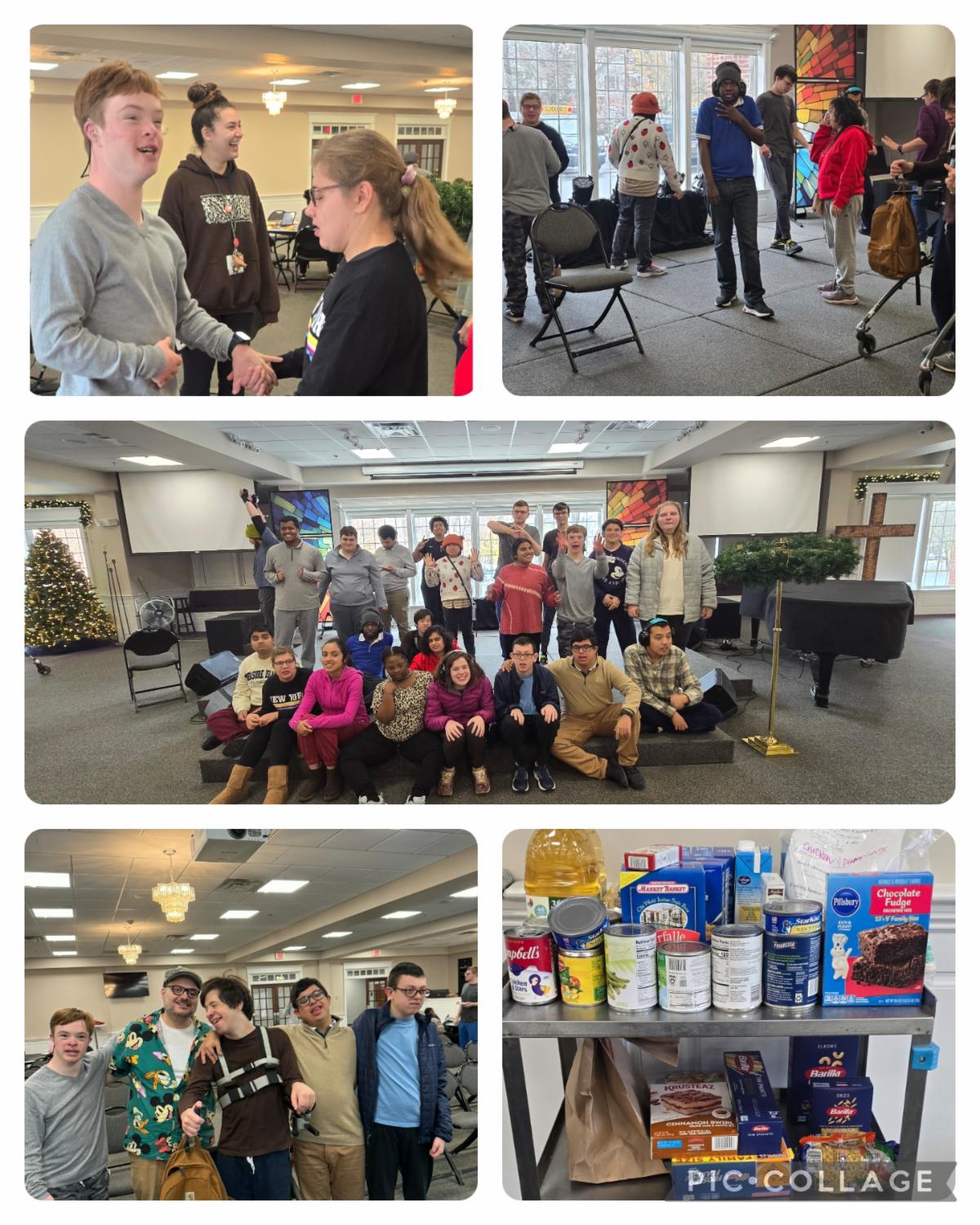
Last year, we reached out to one of our amazing community partners, Grace Chapel, about utilizing their space to host brunch for our student workers. Without hesitation, they graciously obliged and the Transition Department “Friendsgiving” Celebration was born.
Weeks before, the plan was shared with families, students, and staff. Using picture checklists, two of our work groups shopped the Tuesday before at Stop & Shop and Wegman’s for all the supplies and breakfast foods needed. Mrs. O’Leary and Mr. Owen donated Dunkin’ hot chocolate and hot coffee, picked up by Mr. Owen and his workers right before brunch.
Mrs. O’Leary and Mrs. DiFrancesco set up the room for the students’ arrival, complete with Thanksgiving crafts, board games, music, and of course food and drinks! Slowly, students arrived, excited to see friends and staff from LABBB high school classrooms that they don’t typically see on a regular basis.
The students, their families, and staff did not disappoint either and donated a cart’s worth of canned goods and other non-perishable items. These items will be donated to the micro-pantries in Medford, as well as some food pantries in our collaborative towns.
The highlight was most definitely a dance party to end the morning before heading off for the much deserved Thanksgiving break. Being able to gather as a group and slow down for a moment was a great reminder to be thankful for what an amazing community LABBB is.
| | |
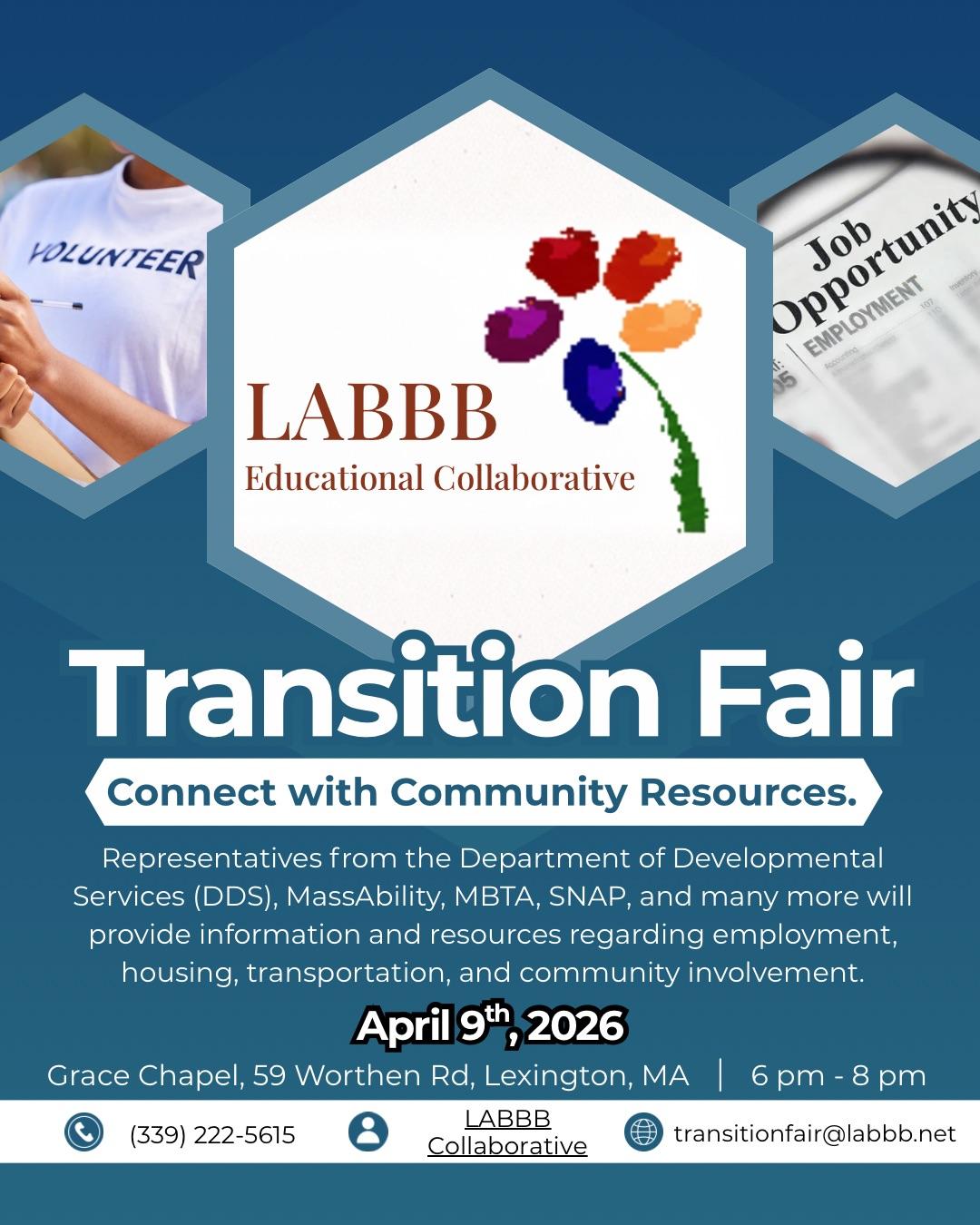
Save the Date: 2026 Transition Fair April 9th
By: Transition Fair Team- Amanda O’Leary, Amanda Snow, and Jonah Faigel
Mark your calendars for Thursday, April 9th from 6-8 PM, LABBB Educational Collaborative will host our annual Transition Fair at Grace Chapel. This valuable event provides an opportunity for families to connect with a variety of vendors and service providers who can support students as they transition beyond age 22. Past fairs have featured representatives from the Department of Developmental Services (DDS), MassAbility, MBTA, SNAP, and many other organizations offering resources for employment, housing, transportation, and community participation. Whether your student's transition is just around the corner or still several years away, attending the fair will help you learn about available services and begin planning for the future. Please also note that our April dance will take place on the same evening, April 9th.
| | |
LABBB Spirit Days
Our programs participated in a LABBBwide Spirit Week before the December break. This was an opportunity for the entire LABBB community throughout our six collaborative towns (Lexington, Arlington, Burlington, Bedford, Belmont, Watertown) across our elementary, middle and high school programs to come together in a shared celebration of connection, creativity, and community. This collective participation highlighted our collaborative spirit, allowing students and staff to feel connected through shared themes, activities, and celebrations, and reinforcing the idea that we are part of one supportive learning community. We can’t wait for the next ones!
| | |
Science Unit Fall 2025 on the Disney Nature Film: Born in China
By: Kathy Eggers
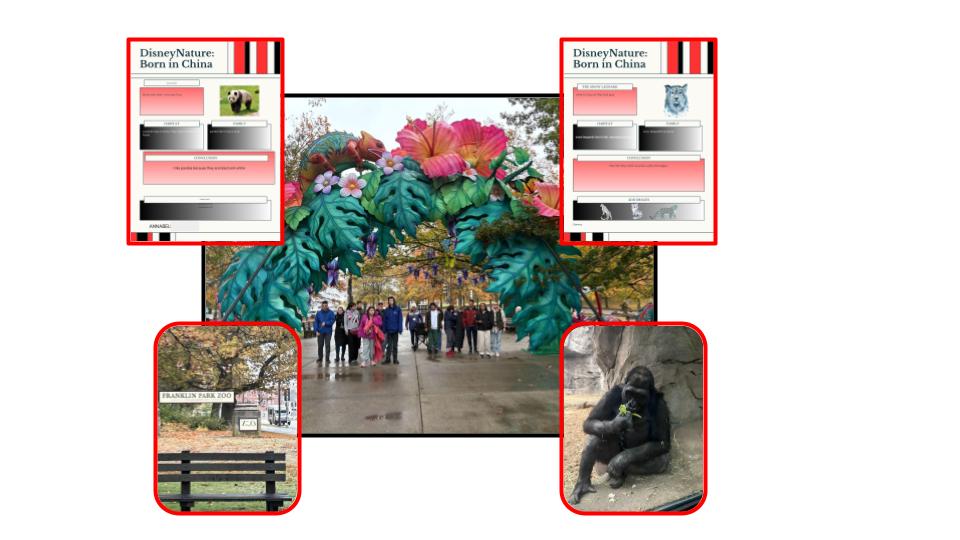
Throughout our unit on Disneynature: Born in China, students explored the lives of animals and the environments they depend on to survive. By following the stories of pandas, snow leopards, golden monkeys, and chiru antelope, students learned about habitats, animal families, and how seasons affect behavior and survival. Lessons focused on identifying basic needs such as food, water, shelter, and protection, as well as understanding the important role parents play in caring for their young.
As part of the unit, students used Canva to create a research project on an animal from the film. Each student selected one animal and used templates, images, and simple text to share what they learned about the animal’s habitat and family structure. This project allowed students to practice research, organization, and technology skills while expressing their learning in a creative and accessible way.
The unit concluded with a field trip to the Franklin Park Zoo, where students were able to see animals up close and make real-world connections to what they had learned. Although the weather was cold and wet, students remained engaged and enthusiastic throughout the day. The rainforest exhibit was a clear favorite, especially getting to see the gorillas and pygmy hippos. Despite the chilly conditions, students had a wonderful time, and the trip provided a meaningful and memorable ending to our Born in China unit.
| | |
Together Is Better: Celebrating Best Buddies at Chenery
By: Jenn Malenchini
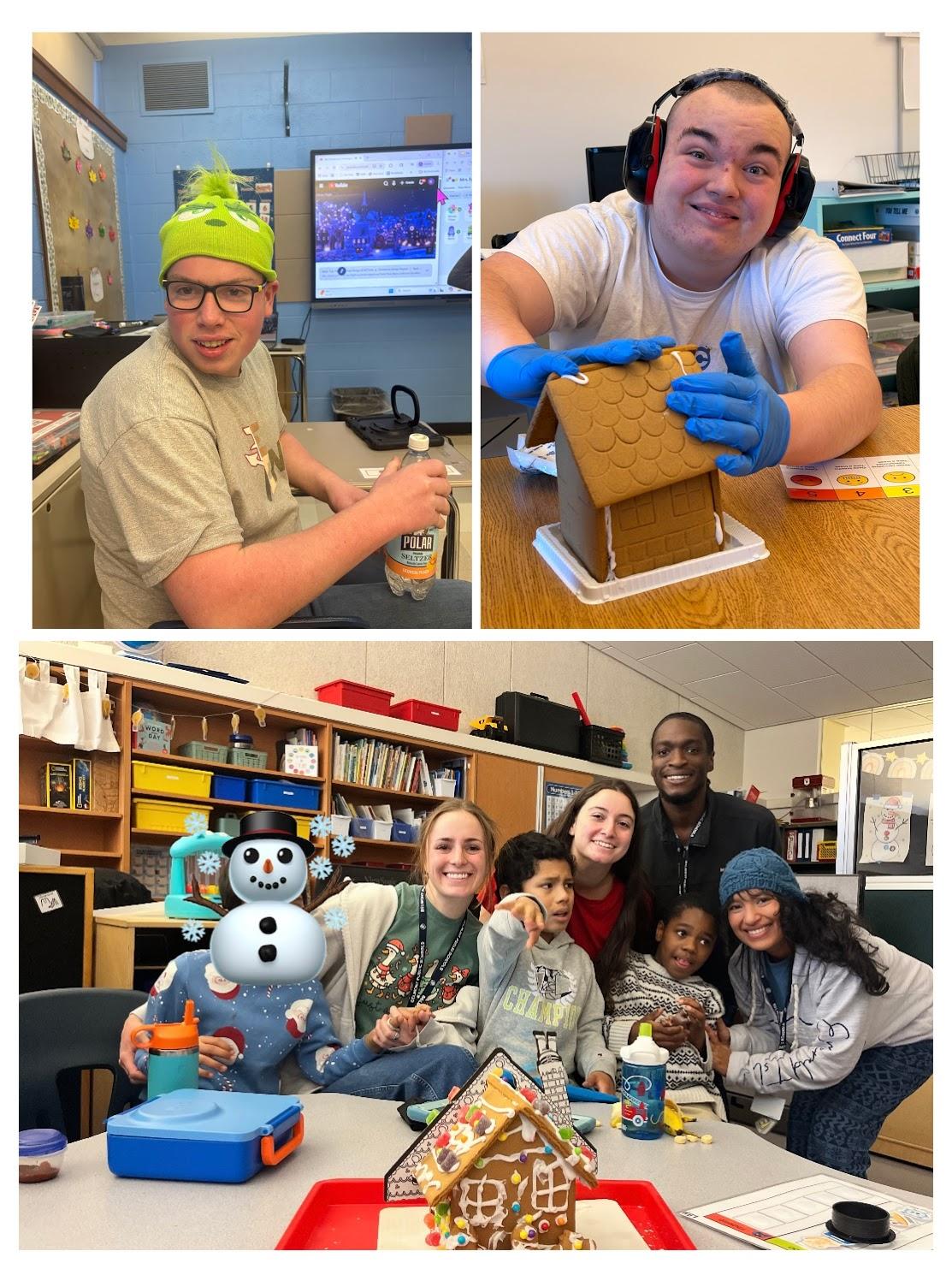
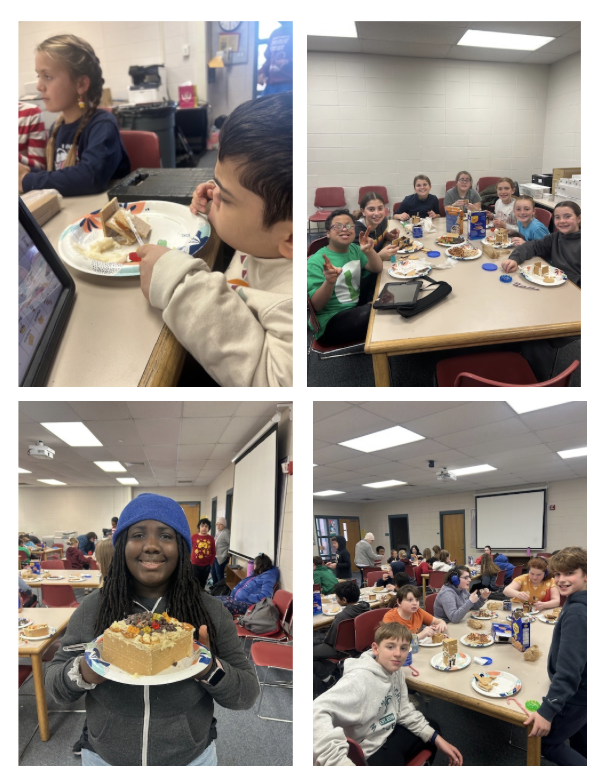
LABBB Chenery Best Buddies has been thriving all year long! Nearly every Wednesday afternoon, a wonderful group of Chenery students joins our LABBB classes to share laughter, connection, and meaningful experiences through fun and engaging activities. With the guidance and support of LABBB teacher Kately Martin and Chenery Counselor Joe Quinn, 32 Chenery students and 21 LABBB Chenery students come together to play games, spark conversations, and create crafts side by side.
At our most recent Best Buddies meeting, students welcomed the holiday season by designing gingerbread houses—an activity that never fails to delight. From colorful candy creations to plenty of teamwork, the room was filled with joy. The smiles were as abundant as the cookie crumbs!
Best Buddies has become a highlight of the week for many students. Genuine friendships are forming, and it’s heartwarming to see those connections continue beyond our meetings—at lunch, during recess, and even in passing moments in the hallway. This year, with continued support from Joe Quinn, Chenery students who are part of Best Buddies, along with others who are interested, also participate in occasional Best Buddies lunches. These lunches take place in our large community room, offering a quieter, welcoming space for students to eat and spend time together. Open to any student in that lunch period, these gatherings have been a joy to witness and a true reflection of the inclusive spirit of Best Buddies.
| | |
LABBB Recreation / Health & Wellness
We will have a semi-formal dance for High School students on January 15, 2026. The theme will be ‘Ring in the New Year.’
Please check the website after the holidays for our spring recreation offerings. We will have new offerings this spring, including a school play.
Please see our website for the activities below.
Monday and Tuesday Bowling
Wednesday Recreation
Monday Zoom Bingo
Monthly Movies.
Dates to remember
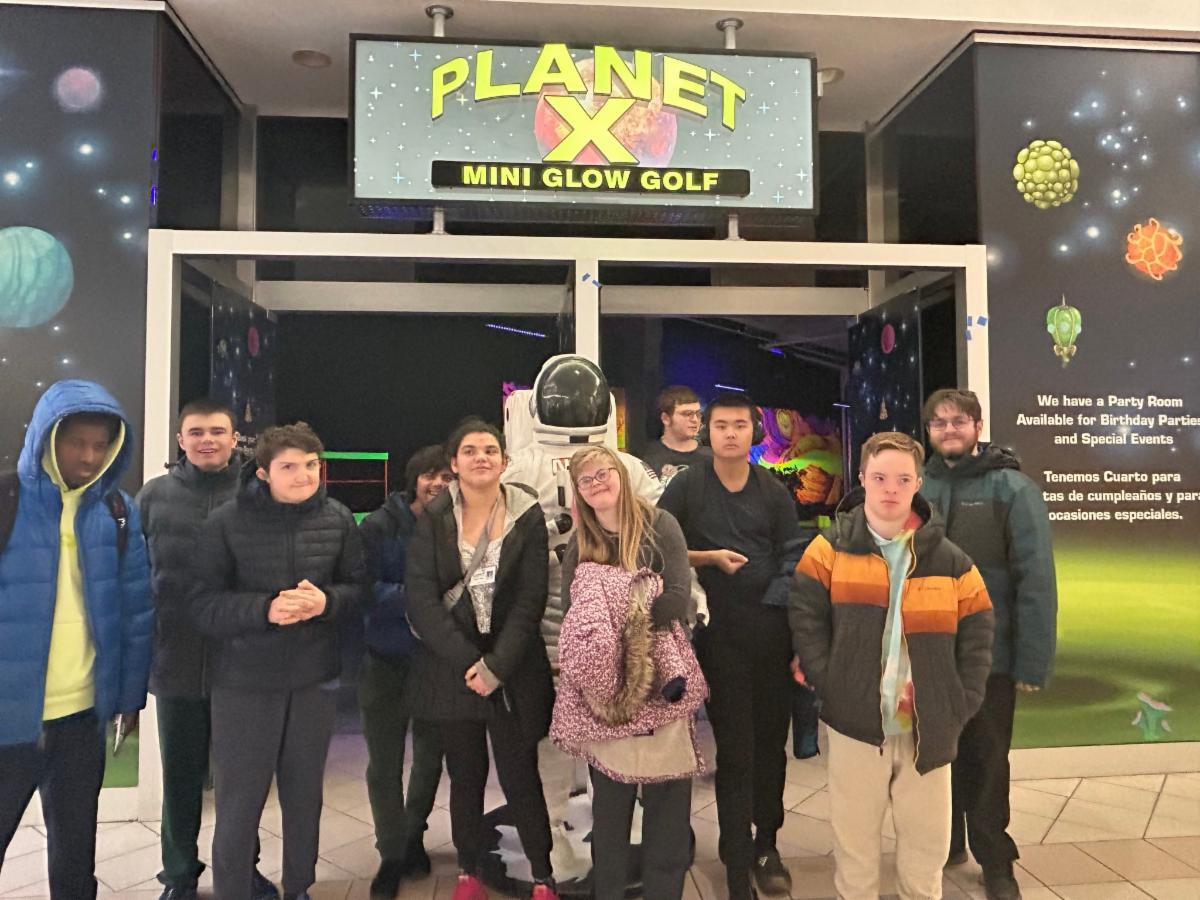
Dave & Busters HS Trip: January 13, 2026
Ring in the New Year Semi-Formal Dance: January 15, 2026
Valentine Dance: February 5, 2026
SAVE THE DATE: May 14th, 2026
LABBB Prom for students graduating in 2026-2031 (ages 17-22).
More information to come in the near future. We are looking for volunteers to help plan the prom. We will have a planning meeting during the dance on January 15th at the Lexington community center.
REMINDER: The LABBB Recreation Brochure and monthly trips/dances flyers will ONLY be in our emailed LABBB newsletter and on our website (www.labbb.com). They will no longer be sent to LABBB family homes via USPS.
Remember to follow @LABBBREC on X (Twitter)
| | |
IT Department - Helping Your Child Use AI Safely
A gentle guide for parents and caregivers
If it feels like “AI” showed up everywhere all at once, you’re not imagining it. Phones, homework apps, toys, even school projects—many of them now quietly use artificial intelligence in the background.
For parents, that can feel… like a lot. You want your child to benefit from helpful new tools, but you also want them safe, kind, and grounded in the real world. This is meant to be a calm, friendly guide—not a tech lecture. You don’t need to be an expert to keep your child safe with AI. You just need a few core ideas, some simple habits, and an open line of communication with your child.
What we mean by “AI”
In everyday family life, AI usually appears as chatbots (homework helpers or “AI companions” that talk back), tools that can write, draw, or make music from a short prompt, or “smart” features baked into apps, games, and toys that seem to “know” your child.
They often feel human, but they aren’t. They’re computer programs predicting what to say next based on patterns in huge amounts of data. They don’t truly understand your child the way a caring adult does. That one idea—that AI is a smart tool, not a person—is something you’ll come back to often in conversations at home.
The good news: how AI can genuinely help
When used thoughtfully, AI can support learning and creativity in ways many experts appreciate. It can explain a math step in a different way, walk a student through a tricky concept, or generate practice questions. It can help with writing by offering ideas, sample outlines, or gentle grammar suggestions.
For creative kids, AI can turn a story idea into an image, help sketch out a fantasy world for a game, or play with lyrics and rhythms for a song. For some learners, especially those with reading or learning differences, AI can read text aloud, summarize long passages, or break complex information into smaller, more manageable pieces.
The key is how it’s used. AI works best as a helper on the side—not as a replacement for thinking, reading, and doing the work.
What parents should be aware of
While there is real upside, organizations like Common Sense Media, pediatric groups, UNICEF, and mental-health professionals are raising some shared concerns. Their language can be technical, so here are the main ideas in everyday terms.
First, AI can be confidently wrong. Chatbots sometimes give false, outdated, or completely made-up answers, and they say them with great confidence. Children may assume, “The computer said it, so it must be right.” This is why it’s so important to teach kids to double-check important information. Encourage them to verify answers with a parent, teacher, textbook, or trusted website, especially for schoolwork or health questions.
Second, some content may be inappropriate or upsetting. Even with filters in place, AI tools can produce sexual, violent, or disturbing material, particularly in open-ended chatbots or poorly designed AI toys. Investigations have found that some “smart” toys aimed at kids have returned highly unsafe content. Parents don’t need to panic, but it’s wise to be careful. When possible, choose tools designed specifically for children or for students, rather than generic “for everyone” chatbots, and be very cautious about AI toys that talk directly with kids—many child-safety advocates now suggest avoiding those altogether for younger children.
Third, there’s the issue of privacy and data collection. Many AI systems keep what users type or say and may use that data to improve their models. If a child shares names, locations, family details, or health information, that may all be stored somewhere. A simple family rule can help: no full names, addresses, school names, photos, or health details in AI chats. It’s also worth checking the privacy settings and age guidance on apps your child uses, and favoring services that are transparent and designed with children in mind.
Fourth, AI can reflect bias and stereotypes. Because these tools learn from human data, they sometimes repeat unfair ideas about race, gender, disability, or other identities. Global child-rights organizations warn that, without care, AI can quietly reinforce the very stereotypes we’re trying to move away from. When an answer feels one-sided, off, or unfair, it helps to name that out loud and ask, “Who might be missing from this story?” or “What other perspective could we look for?”
Fifth, there’s the risk of cheating and over-reliance. Using AI to brainstorm an essay or get feedback on a draft is very different from asking it to write the essay and turning that in. Many schools are still clarifying their rules, and students may not be sure what counts as “too much.” At home, you might agree on a simple shared rule: AI can help with ideas, practice, and explanations, but the thinking and final answer need to be the child’s.
Finally, emotional attachment and mental health are growing concerns. Some teens (and some younger children) are forming intense bonds with AI “friends” and companions. Professionals worry this can interfere with real-life relationships or become risky if the bot gives poor advice. Some child-focused organizations now strongly recommend that kids and teens avoid AI companions altogether because they aren’t developmentally appropriate. Parents can watch for long, secretive stretches of time with a particular bot, or comments like, “It understands me better than anyone.” If that happens, it’s usually more helpful to focus on the feelings behind the attachment than on the technology itself: “It sounds like you really feel heard there. Let’s talk about that, and also think about which real people in your life can support you.”
What parents can do in everyday life
The good news is that experts across different fields keep coming back to the same practical strategies for families.
One of the most powerful things you can do is start with conversation, not control. Instead of opening with “Don’t use that,” you might say, “I’m hearing a lot about AI lately. Are you using anything like that? What do you like about it? Has anything weird or confusing ever popped up?” When kids feel they can talk freely without getting in trouble, they’re much more likely to come back to you if something goes wrong.
Exploring tools together is another strong recommendation. Sitting side by side and trying an AI tool with your child can turn it into a shared learning experience. You might ask a homework question, read the answer together, and then talk about whether it seems right. You can show how you edit or rewrite what the AI produces instead of copying it. This is also a natural moment to talk about what you’re comfortable sharing and what you’re not—especially around personal and family details.
Instead of a long “tech policy,” many families find it more realistic to agree on a few simple guidelines and repeat them often. You might decide that AI tools are only used in shared spaces like the kitchen or living room, not in bedrooms behind closed doors. You could set a time boundary such as “no AI apps after 9 p.m.,” or agree that family meals are phone-free, AI included. And you can be clear about the purpose: AI is there to help understand, practice, and brainstorm, not to take over assignments or serve as a “best friend.”
Talking about “truth checking” is another key piece. A helpful way to frame it is to compare AI to a very confident friend who is often wrong. For factual questions, treat the answer as a starting point, not the final word. For health, safety, or serious worries, emphasize that real people—parents, doctors, counselors, teachers—are the right place to turn. AI can sometimes say sensible things, but it should never replace professional or parental support when a child is struggling or in distress.
Through all of this, it helps to remember that you’re watching the child, not just the technology. AI is just one part of a much bigger digital world. The signs that something might be off are familiar: major changes in mood, sleep, appetite, or grades; pulling back from friends and activities; unusual secrecy about what they’re doing online; or statements like, “You just don’t get me, but the bot does.” If you notice these patterns, the first step is not to panic about a specific app, but to gently check in about how your child is feeling. From there, involving a school counselor, pediatrician, or mental-health professional can be very helpful if concerns continue.
Opening the door to conversation
You don’t have to wait for a problem to start talking about AI. Casual questions can make it feel like just another family topic rather than a scary new issue. You might ask if they’ve noticed AI in their games or apps, what kind of “helper” they wish they had for school, whether any friends have used AI for homework, or what they would do if an AI ever said something uncomfortable. These questions communicate that you’re interested, not interrogating—that you’re on their side.
A final reassurance
You are not behind.
AI is changing quickly, and even the people building these tools are still figuring out the best guardrails for children. Your child does not need a parent who knows every app and every update. They need a parent who is present, listening, curious, and willing to learn alongside them.
If you keep your relationship strong, set a few clear expectations, and treat AI as something you explore together rather than something they face alone, you are already doing the most important safety work there is.
| | |
LABBB Parent Resources
This information is offered as community resources that may be of interest to our families. LABBB does not have any specific affiliations to these programs.
Parent Meeting Presentations
Oct 2025 - AI_and_Our_Children_Presentation
Nov 2025 - Special Needs Planning Health Ins
Young people with disabilities preparing for life after high school, some free resources that may help students with disabilities.
Vocational Rehabilitation (VR) offers Pre-Employment Transition Services (Pre-ETS) such as job exploration, workplace readiness, self-advocacy, and more. These services help students with disabilities build skills and confidence for the future. The agencies that provide these services are the Massachusetts Commission for the Blind (MCB) and MassAbility (MBY).
Independent Living (IL) services support students with disabilities in building everyday life skills and independence in the community. IL services are provided by the Centers for Independent Living throughout Massachusetts.
Soulful Girls Club
Is a community where teen girls with intellectual and developmental differences can truly belong, make friendships, and engage in fun and healthy activities. Each month we host one Friday night event and one off-site field trip. Our programs are designed for teen girls with intellectual and developmental differences. We provide safe, welcoming spaces where they can cultivate a social life, try new things, and have fun while in a supportive community. https://www.thesoulproject.co/soulful-girls-club
The Client Assistance Program (CAP) is an independent resource that works with students, families, and schools to:
- Answer questions about VR, Pre-ETS, and IL services
- Help keep VR cases on track
- Provide consultation on effective case planning
We also offer free presentations and workshops for students, parents, and staff, including:
-
Employment rights (disclosing disability at work, asking for accommodations, and addressing discrimination)
- Navigating the VR process
Our goal is to make sure every student has the tools and support they need for a successful transition.
Please feel free to email us at contactcapma@mass.gov or leave a message on our main line at 617-727-7440. We’d be happy to talk or set up a time to meet with your team or students.
| | |
The Buzzin’ Bean!, family of a LABBB student.
This isn’t just a café — it is the beginning of a dream. A dream of building a future filled with purpose, love, and belonging — for our son, who is autistic, and for the vibrant community that surrounds us. Like so many parents of autistic children, we’ve envisioned creating something that celebrates inclusion, purpose, and possibility as our children grow into adults. We hope to create a space where our son and others can thrive in their abilities.
At the core of every strong community is heart, and that heart is inclusive. It’s diverse. It’s buzzing with connection. The Buzzin’ Bean exists to honor that spirit—shining a light on the talents, passions, and potential of all individuals.
We’re building more than a business — we’re building a place where joy is shared, kindness is served, and every person is celebrated for who they are.
Calmer Con - Boston
https://www.calmercon.org/
Calmer Con is specifically designed to meet the needs of those with sensory processing challenges, autism, and anxiety concerns while providing an authentic comics and pop culture convention experience.
ACEing Autism – ACEing Autism
https://aceingautism.org/
Massachusetts Partnerships for Youth (MPY)
mpyinc.org
SNAP Arts Programs
https://snaparts.org/programs/
Discovery Museum - Free Events for visitors with Disabilities & their Families. January to June 2026
fun@discoveryacton.org
Mass.gov - Department of Developmental Services
https://www.mass.gov/orgs/department-of-developmental-services
Massachusetts Rehabilitation Commission
mrc-disabilityengagement@mass.gov
Inclusive Fitness
https://inclusivefitness.com/.
Partners for Youth With Disabilities
https://www.pyd.org/
Greater Massachusetts Special Needs Events
https://www.spedchildmass.com/?utm_source=mailpoet&utm_medium=email&utm_campaign=newsday-sped-child-newsletter-sample_61
Family Support Center Directory by Town
https://www.mass.gov/info-details/dds-family-support-centers#family-support-centers-
Massachusetts Down Syndrome Congress
781-221-0024
www.mdsc.org
| | |
LABBB Collaborative
70 Blanchard Rd, Suite 206, Burlington MA. 01803| LABBB.com
| | | | |