|
The Evolution of HAZWOPER Training
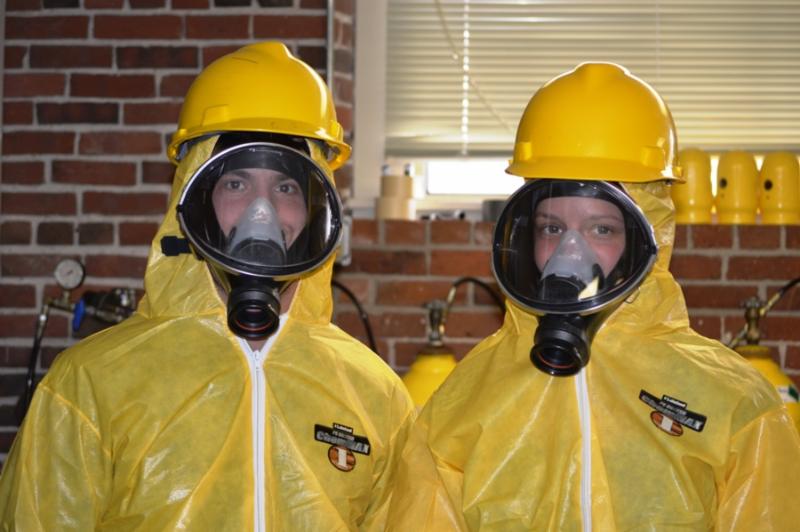
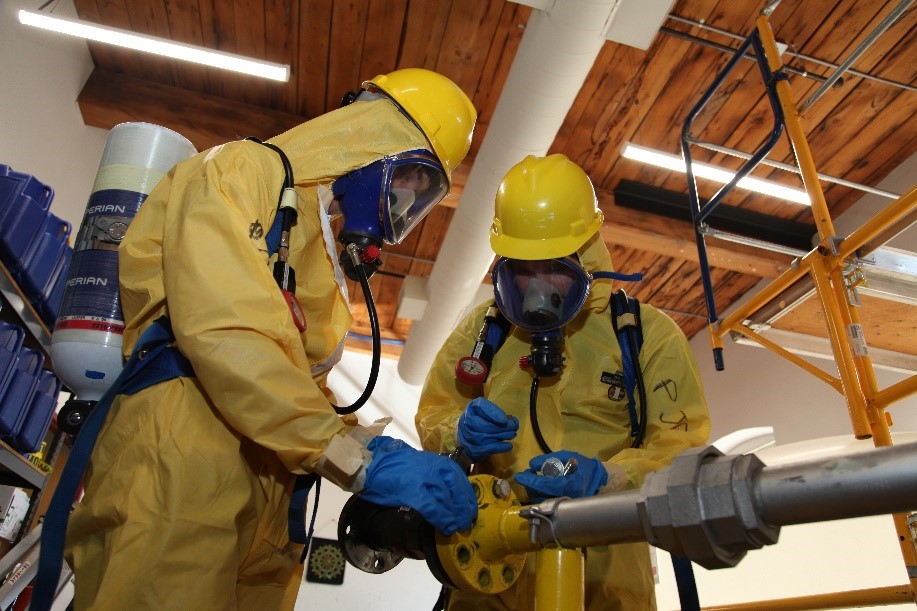
At a workshop in October put on by the National Institute of Environmental Health Sciences, entitled “Examining the Changing Landscape of HAZWOPER Training,” awardees of the NIEHS Worker Training Program, including TNEC-CSEA, explored the ways in which hazardous waste operations and emergency response (HAZWOPER) training and related training have evolved over the last several years and considered changes that might happen in the future. We reflected on how HAZWOPER 40-hour, 24-hour, and Refresher trainings are currently delivered, including largely in-person, but offering a frequent hybrid format of virtual/online modules and hands-on in-person training. Attendees also explored the following topics: emerging hazards such as lithium-ion batteries, pharmaceuticals, heat stress, and oil spills; reaching new and diverse audiences, such as carwash workers, Indigenous communities, and volunteers; engaging small businesses and associations; developing new ways to deliver Refresher courses; and using HAZWOPER for workforce development through union- and community-based programs. HAZWOPER training has evolved in recent years, offering more hybrid and virtual training methodologies, and with more emphasis on disaster preparedness, infectious diseases, opioids, and substance use disorder. Moreover, training audiences are becoming more diverse, while worker protection from hazardous materials is increasingly important across many industries (including service), occupations, and communities. This diversity of industries and workers, requires of us to use diverse training methods. At the same time there is a continuing need for core HAZWOPER training, including in-person, hands-on, participatory training courses beyond awareness level training.
|