Dear Alumni and Friends,
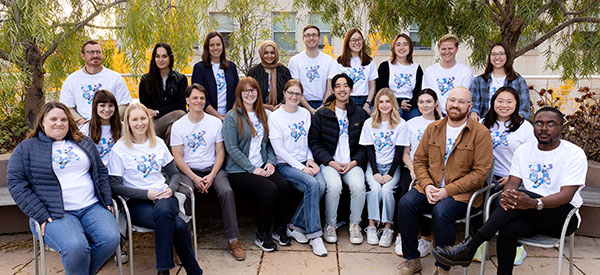
Warm wishes from the Samuelson Clinic! We have had an exciting year of rewarding work, new arrivals, triumphant returns, and bittersweet departures.
Everyone is fully back in person, and we will never take for granted the ability to meet face to face with our students, clients, and community partners. Read on for news of our students’ incredible work over the last year. They have engaged in oral argument regarding the public’s right of access to warrant materials, produced a white paper linking access to broadband with access to justice, and drafted appellate amicus briefs on the constitutionality of provisions of the Copyright Act.
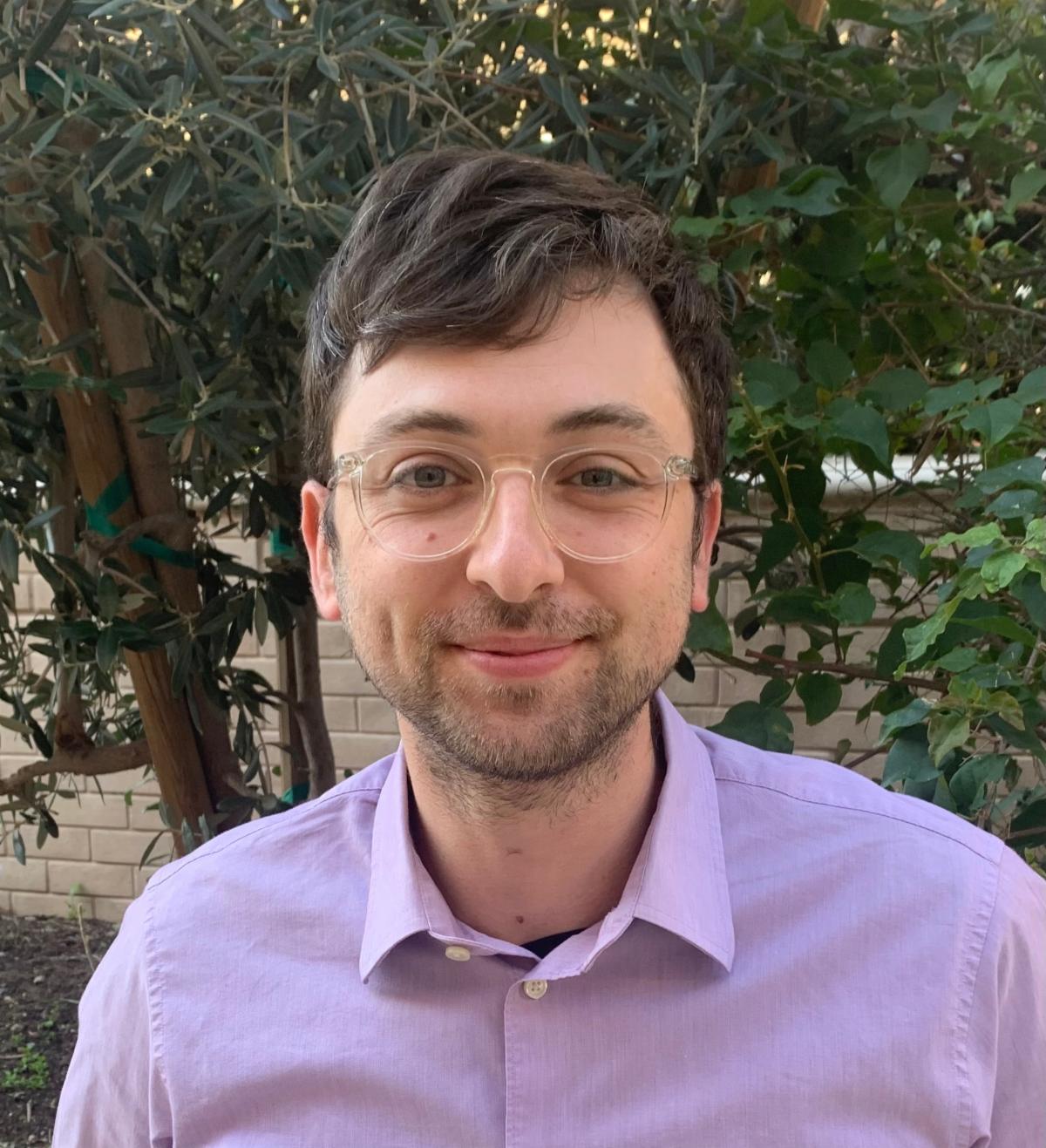
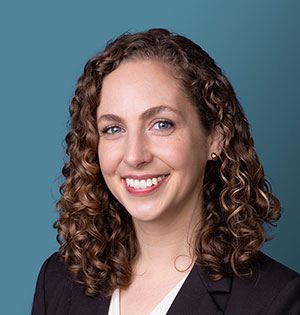
We have had many joyful moments, especially welcoming two new faculty to the Samuelson Clinic this fall. We are thrilled to welcome back Brianna Schofield ’12 as our new supervising attorney, who brings amazing experience with her, including true
360-degree Samuelson Clinic experience — she has been a student in the clinic, a research and teaching fellow, a client, and now a supervising attorney — welcome back, Brianna! And we are delighted to welcome Areeba Jibril, our new clinical teaching fellow, who comes to us from the ACLU of Massachusetts. Brianna and Areeba join Megan Graham, our supervising attorney whose work continues to explore and challenge the role of emerging technologies in the criminal legal system.
We also had bittersweet moments, especially saying goodbye to Gabrielle Daley, who finished her clinical teaching fellowship and has gone on to new things, but leaves her wise and generous mark on the clinic seminar and our teaching generally. We wish her well!
There have been dramatic moments, unforeseen complexities, and the occasional epiphany. Through it all, we continue to marvel at the creativity, diligence, and compassion of our students, and all that they accomplish. Please consider donating to the clinic to support our students and work into the new year. And please stay in touch! We love to hear from you. |
|
Jennifer M. Urban, Director of Policy Initiatives
Erik Stallman, Associate Director
|
|
Student argues for more access to surveillance requests in Minnesota federal court |
|
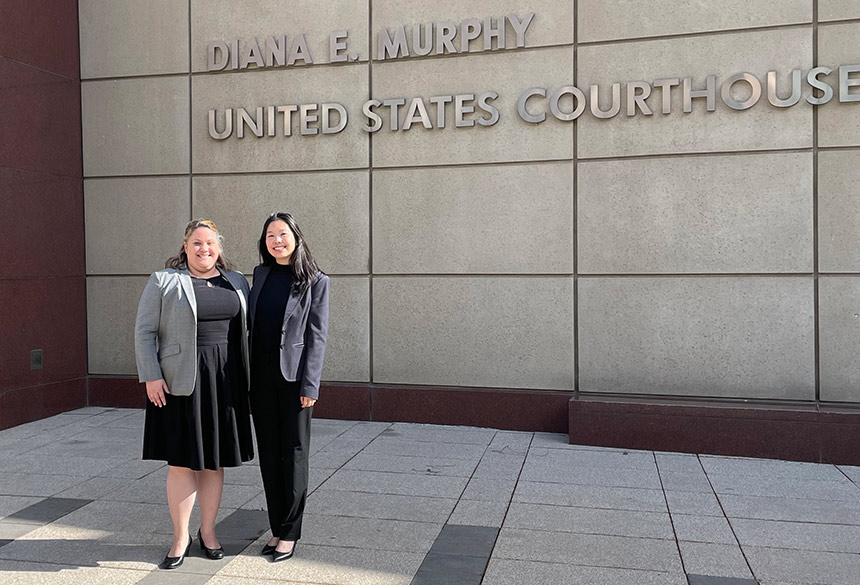
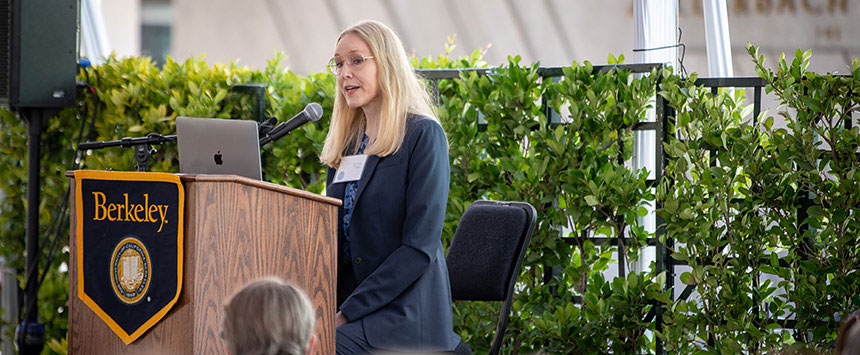
In April, on behalf of the Reporters Committee for Freedom of the Press, Supervising Attorney Megan Graham and Jennifer Sun ’23 (above left and right) argued in federal court in Minnesota that the public has the right to access the government’s requests for electronic surveillance records and the court orders resulting from those requests. The suit asks the court to make changes to its sealing practices related to certain types of search warrant and surveillance order materials, arguing that the First Amendment and common law require public access to them. Read more on the project page. |
|
Students author report on the digital divide and access to justice |
|
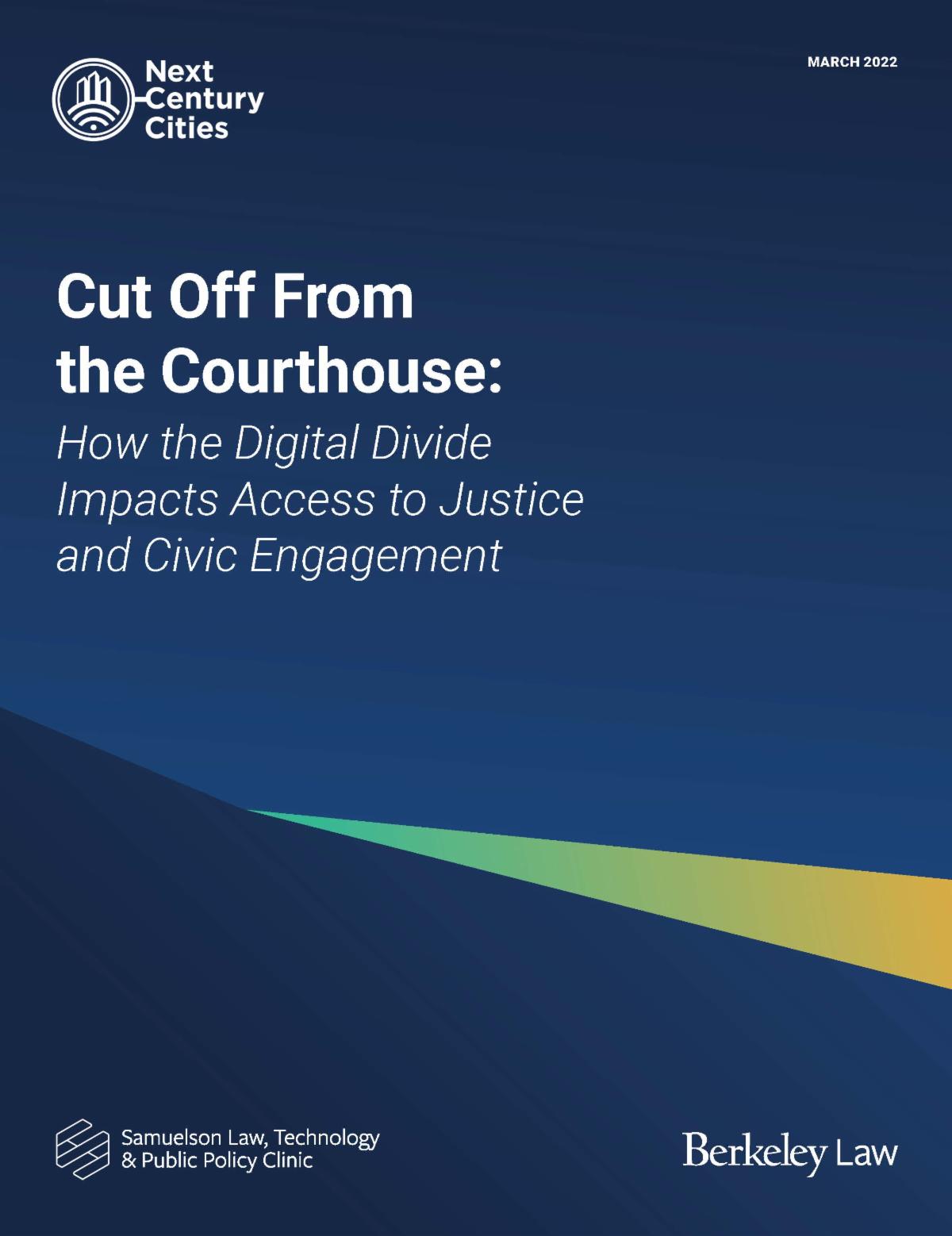
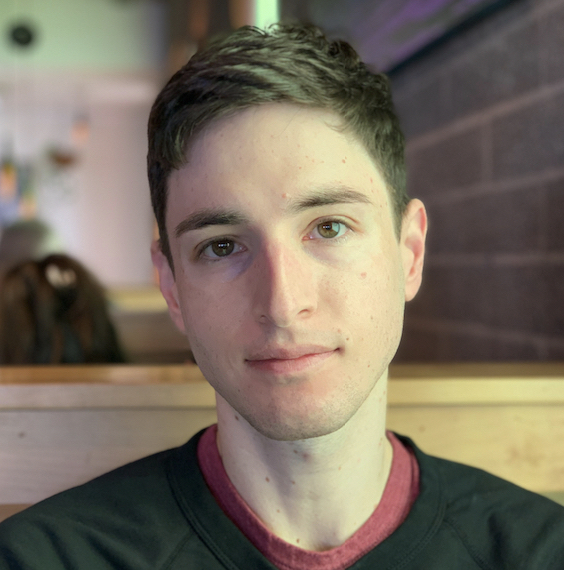
“Cut Off From the Courthouse,” a new report on how the digital divide impacts access to legal services and civic engagement, was released by the clinic and the nonprofit Next Century Cities in March. The report — which includes interviews with 27 California public defenders, family law attorneys, public servants, and others — outlines how gaps in broadband access fuel inequality and proposes ways to close them, including by working with community-based legal service providers, community organizers, and municipal officials. Clinic students Shalev Netanel ’22 and Ross Ufberg ’22 worked on the report under the supervision of former Teaching Fellow Gabrielle Daley and Associate Director Erik Stallman ’03. Read more on the project page. |
|
Clinic files amicus brief in Valancourt Books v. Merrick Garland
|
|
The clinic co-authored an amicus brief on behalf of Library Copyright Alliance in Valancourt Books v. Merrick Garland, filed on June 3 in the U.S. Court of Appeals for the D.C. Circuit. The brief argues that the requirement for copyright owners to send copies of their works to the Copyright Office channels works into the Library of Congress’s collection, serving to preserve the works in a national collection available to the public both during and after the term of copyright protection. As a result, the library “deposit” requirement helps fulfill the bargain at the heart of copyright law: copyright owners receive a period of exclusivity in exchange for public access to creative works after that period of exclusivity ends. Clinic students Samantha Cox-Parra ’23, Barbara Rowinska ’23, and Peter Welch ’23 worked on the brief under the supervision of Erik Stallman. Read more on the project page. |
|
Arming public defenders with digital tools |
|
Leading the clinic’s technology-related criminal justice system work, Megan Graham has trained more than 1,000 defense attorneys over the past three years in how to recognize, approach, and litigate cutting-edge technology issues on behalf of their clients. She co-leads a workshop with the Federal Defender Services Training Division, regularly presents at a National Association of Criminal Defense Lawyers (NACDL) conference, and offers numerous trainings and brown bag lunches at public defenders’ offices nationwide. |
|
Clinic files amicus brief in Green v. Department of Justice
|
|
The clinic helped draft an amicus brief in Green v. Department of Justice filed in January in the U.S. Court of Appeals for the D.C. Circuit on behalf of professors Rebecca Tushnet and Pamela Samuelson. The brief explains that Section 1201 blocks access to information and alters the traditional balance between copyright law and free speech. The brief argues that content-based exceptions, both in 1201 itself and through the triennial review process created by Section 1201, mean the court should subject the statute to strict scrutiny under the First Amendment. Clinic student Tait Anderson ’22 worked on the brief under the supervision of Director Catherine Crump. Read more on the project page. |
|
Clinical Program releases 2021-2022 annual report |
|
More than 300 students enrolled in clinics last year and took advantage of the unparalleled opportunities to use the conservative institution of the law in radical and innovative ways. Take a look at the Clinical Program’s annual report to learn more about how clinics stand with threatened individuals and communities in pursuit of transformative justice. |
|
Jennifer Urban gives UC Berkeley's Wheeler Society Lecture |
|
As privacy issues increasingly consume the public, Director of Policy Initiatives Jennifer Urban ’00 was a fitting choice to present UC Berkeley’s Benjamin Ide Wheeler Society Lecture, a prestigious honor given to one university faculty member each year. Chair of the California Privacy Protection Agency, Urban is a renowned expert on privacy and its growing importance amid technology’s expanding reach. Her July 19 lecture titled “Privacy of the People, for the People, and by the People?” illuminated the arc of privacy awareness — and importance — to Americans. |
|
Catherine Crump takes leave to serve as White House advisor |
|
Director Catherine Crump is on leave this year serving as a senior policy advisor for criminal justice for the White House Domestic Policy Council, which drives the development and implementation of the president’s domestic policy agenda in the White House and across the federal government. She will work on critical issues including policing, drug policy, access to justice, and alternatives to incarceration. Congratulations Catherine! |
|
Welcome Areeba and Brianna! |
|
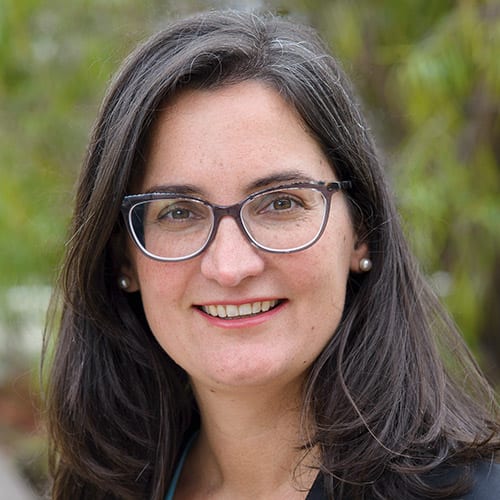
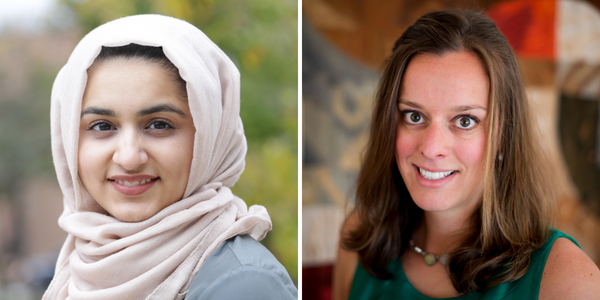
The clinic welcomes two new faculty members this fall. Teaching Fellow Areeba Jibril (above left) worked as a Fisher-Paradise Fellow with the ACLU of Massachusetts, where she litigated police and prison official misconduct issues. She also worked at a San Francisco law firm and interned at Harvard Law School’s Cyberlaw Clinic and the Digital Rights Foundation in Pakistan. Supervising Attorney Brianna Schofield returns to the clinic after serving as the executive director of Authors Alliance, advocating for the interests of authors wanting to make their works broadly available to serve the public good. She was also a special deputy attorney general at the California Department of Justice. |
|
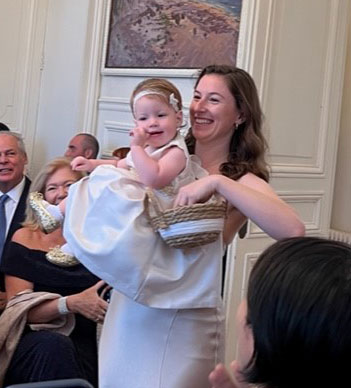
Juliana DeVries ’17 (teaching fellow, 2020-2021) is currently working as an associate in the appellate group at Akin Gump Strauff Hauer & Feld in Washington D.C. She moved there right after her daughter, now 14 months old, was born (pictured as the flower girl at Julie's brother’s wedding in Normandy in September). |
|
Aaron Perzanowski recently joined the faculty of the University of Michigan Law School as the inaugural Thomas W. Lacchia Professor of Law, where he teaches copyright, trademark, and property law. |
|
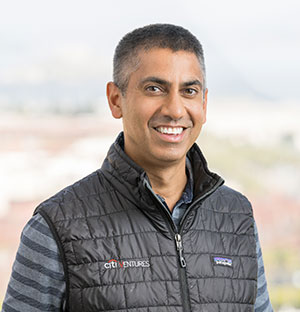
Susheel Daswani is doing well, still living in Orinda with his two sons and wife, and still leading the startup incubator at Citi Ventures. In his free time, Susheel very much enjoys golf and poker, and advocating for animal rights. |
|
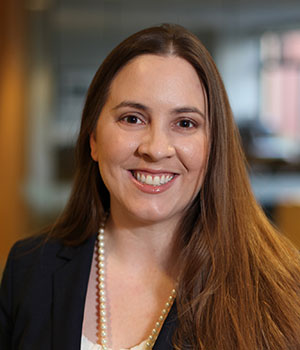
Kristy Murphy was recently promoted to counsel at the Los Angeles office of Bryan Cave Leighton Paisner LLP, practicing in the area of franchise litigation. She is certified by the State Bar of California as a legal specialist in Franchise and Distribution Law and represents franchisors and franchisees in a variety of industries. This year, she was appointed to serve on the Franchise Law Committee, a standing committee of the Business Law Section of the California Lawyers Association. |
|
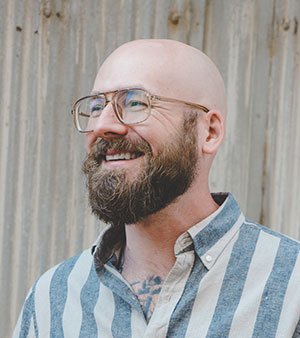
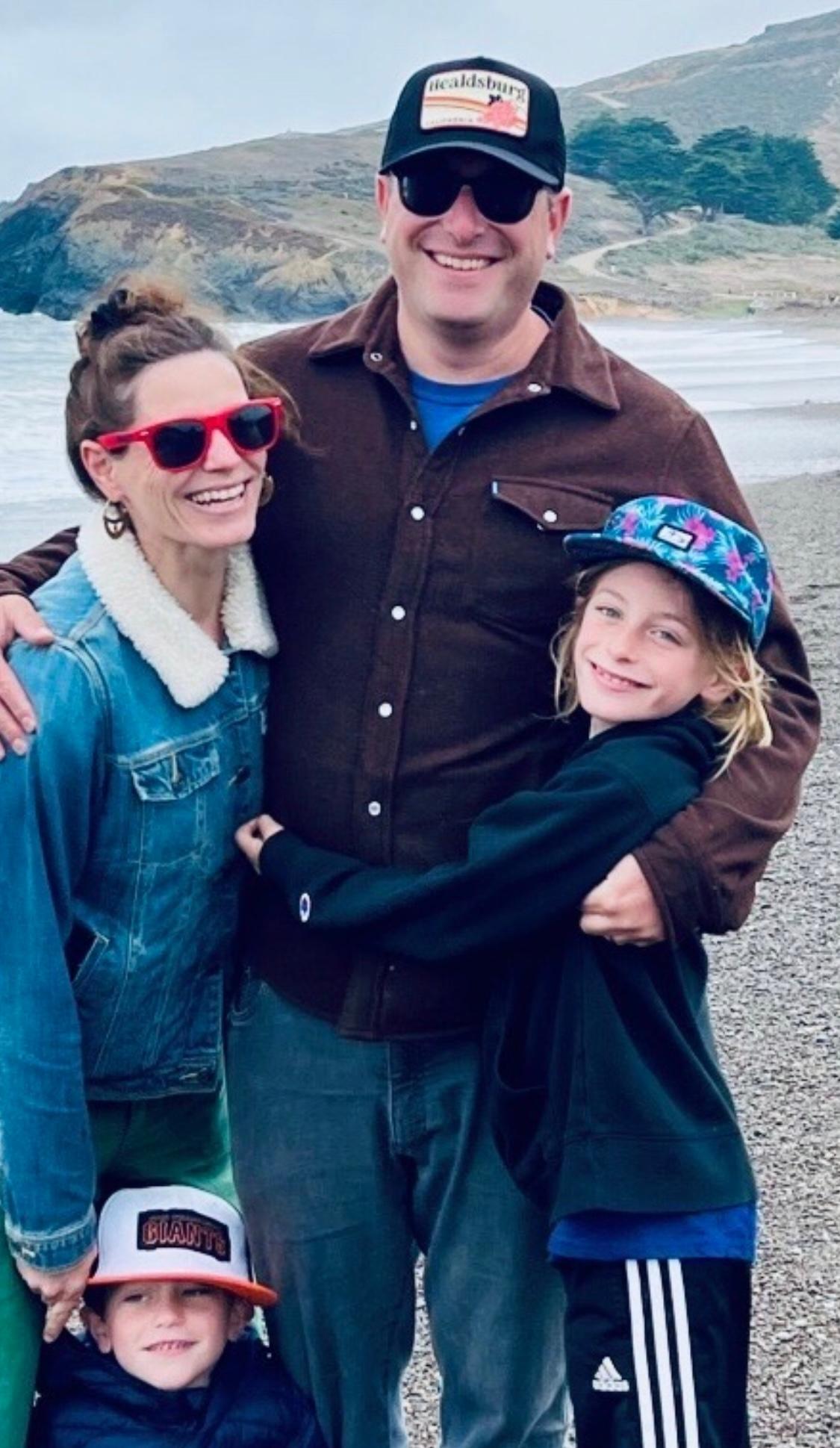
Andy Gass has found a few constructive ways of keeping himself occupied in 2022, along with some unconstructive ones. He acquired four chickens, three of which remain. He foolishly taught his 8-year-old to play Boggle, and now routinely loses matches. He taught a seminar at Berkeley Law called “Copyright, Competition and Technology,” helped persuade the Supreme Court to grant cert in Warhol v. Goldsmith, and joined the board of the Berkeley Art Museum/Pacific Film Archive. And he acquired a pandemic trampoline, which has to date been the source of two broken bones in his children, thereby proving his wife, not him, correct about the wisdom of acquiring a pandemic trampoline. |
|
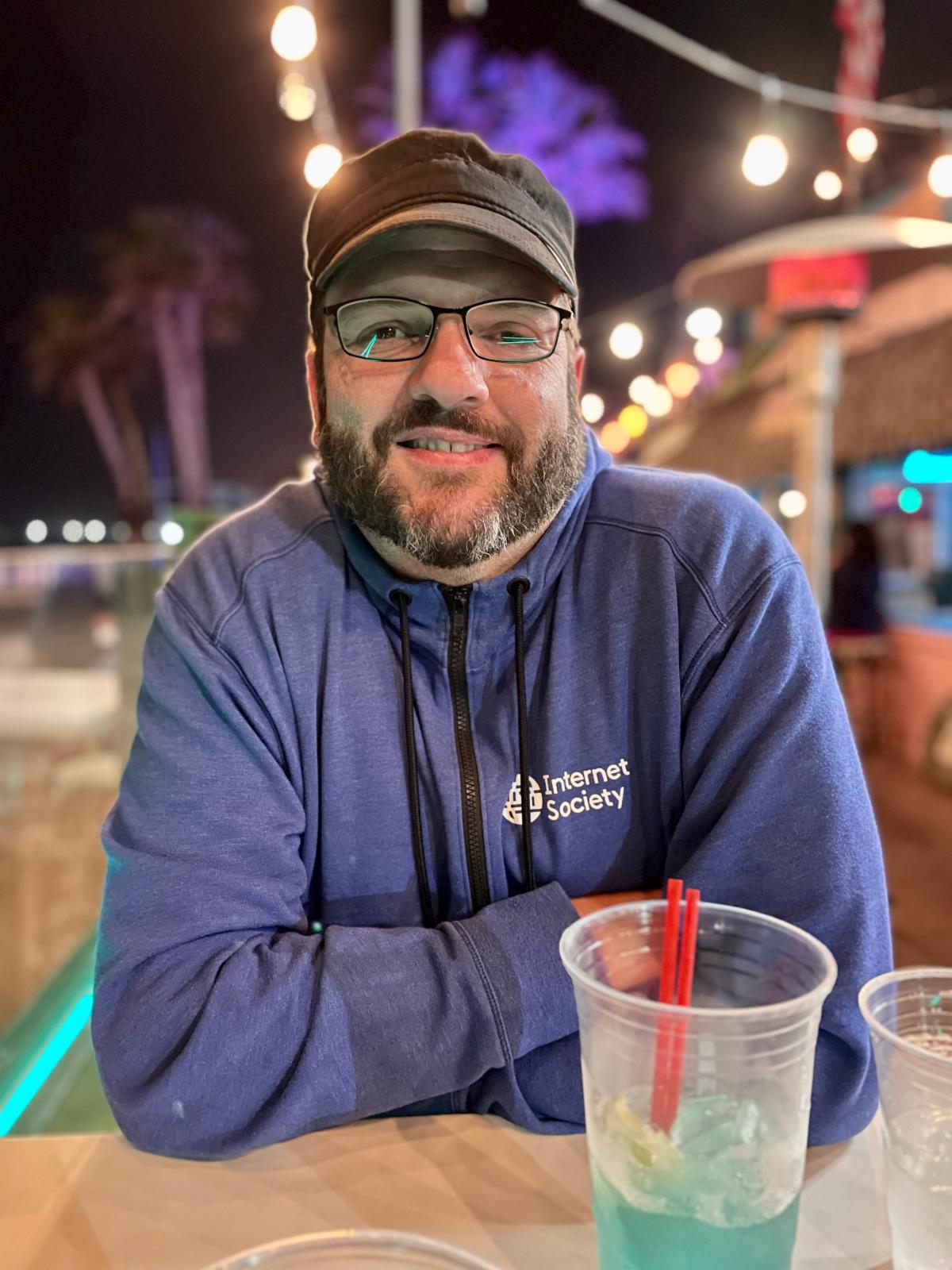
Joseph Lorenzo Hall is one of two exec-level experts leading the projects at the Internet Society, including the brand new amicus program there (see Hunley v. Instagram, and Gonzalez, coming to the Supreme Court soon). By the time you read this, his second annual Global Encryption Day will have been a smashing success, promoting, defending, and building end-to-end encryption technology and policy around the world. |
|
Robert Esposito is senior legal director, technology and product counsel at Hillspire, LLC, the family office of Eric and Wendy Schmidt. His work focuses on science and technology initiatives such as Schmidt Futures. |
|
Kathleen Lu moved over to the social media platform Nextdoor to be its senior (and sole) product counsel. She still resides in Berkeley, and along with daughter Alex can occasionally be seen around campus. |
|
Aida Ashouri recently started a position with the Legal Aid Foundation of Los Angeles as a senior attorney with the Housing and Communities Working Group. |
|
Rena Coen joined Woven Planet earlier this year as a senior privacy specialist. She helps product teams bake privacy into the software platform, assisted driving technology, and automated mapping systems behind Toyota’s transition from automotive to mobility company. In addition to privacy and trust advocacy, she enjoys exploring the Tohoku region, and wandering into small Tokyo izakaya to converse with the regulars. |
|
David Schlussel is an attorney in the Reentry Workgroup at the Legal Aid Foundation of Los Angeles. |
|
Meghan Fenzel is an associate at the boutique media and internet law firm Jassy Vick Carolan LLP. She lives in the Bay Area with her husband and two preschoolers. |
|
Alistair McIntyre is a (recently) registered patent attorney, Alistair has been practicing law at Knobbe Martens for a little over a year. Alistair’s practice focuses on intellectual property matters relating to biotechechology, medical devices, chemistry, and materials. As such, he works mostly with biotech, med device, and pharma clients. |
|
Erin Moore is currently clerking in the chambers of Justice Rebeca Huddle at the Supreme Court of Texas. |
|
Thank You to Clinical Staff |
|
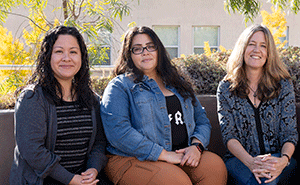
We are grateful for outstanding help and support from the Clinical Program staff: (l to r) Director of Administration Olivia Layug Balbarin, Office Administrator Adelaida Caballero, Communications and Development Officer Sarah Weld, and (former) Office Administrator Jasmine Sozi (not pictured). Their talent and energy keep us on track and make sure the faculty and students have the tools they need to do their best work. Thanks for everything you do, Olivia, Adelaida, Jasmine, and Sarah! |
|
We are extremely grateful for your support of the Samuelson Clinic over the years. You have helped us as students, alumni, faculty members, and friends. The clinic has a large and welcoming community because of all of you. Thank you!
If you’re looking for new ways to continue your involvement (or to get involved again), we’ve got a few ideas.
|
|
Take students out for virtual coffee |
|
Our students appreciate meeting and talking to our alumni about their careers. If you’re up for connecting with a student or two for virtual coffee, email Brianna Schofield. Video conferencing platforms make it easier than ever to connect over a hot beverage and share your experiences with our students no matter where you are located. |
|
Become a client or send us project ideas |
|
We value our clients a great deal and strive to do excellent work for them. But you may not know that we’re always on the lookout for awesome new clients and project ideas. If you come across an issue or organization you think is ripe for a clinic project, let us know. |
|
Be a pro bono partner on a project |
|
From time to time, the clinic needs outside support on a project. Whether that’s getting something filed in court, preparing for argument, conducting research, or connecting with others who could lend a hand (or knowledge) to a project, let us know if you’d like to help out. |
|
We’d be remiss if we didn’t pitch you one more time for financial support. If you’d like to make a donation, click here to give online, or send a check payable to:
“UC Foundation/Samuelson Law, Technology & Public Policy Clinic”
Mail to:
Berkeley Law c/o University of California, Berkeley Gift Services
1995 University Avenue, Suite 400
Berkeley, CA 94704-1070
We genuinely appreciate all of the contributions you have made to the success of the Samuelson Clinic over the years and we look forward to many more exciting opportunities in the future. Now that we’re back on campus, be sure to stop by to say hello if you’re in the area!
|
|
|
|
|
|
|