|
Welcome to our latest newsletter edition reader! We’ve curated a list of optional reading for you – browse the headlines, click where you’re interested, and reach out to learn more. I hope that you’ve enjoyed learning more about our work as we’ve accelerated our communications with you over the last few years.
Our goal isn’t just to tell you about what we’re doing and the impact that we’re making, but to invite you to find community alongside us. And if you learn something that will improve your life at the same time, that’s great, too! Our goal is to do both of those things: provide a place for community building and deliver research-based information that you need.
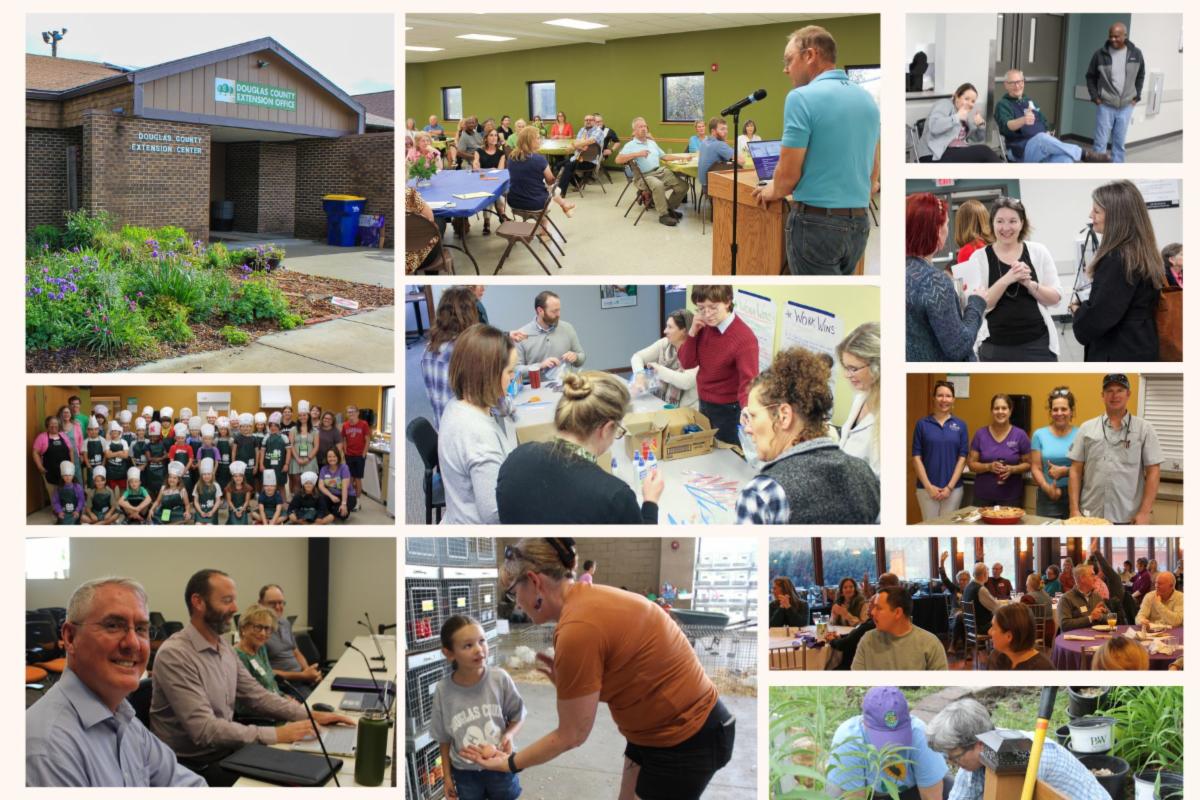
Communication is a key element of our Extension Council's 2023 -2025 Strategic Plan for Douglas County Extension. That, along with increasing our reach and partnerships, has been a driving force of our work over the last three years. As we wrap up our current strategic plan, we’ve been taking stock of the progress that we’ve made and charting our course to update that plan for the future. We hope that you’ve noticed this work because we’re doing it to reach you better with better offerings. Take a look inside this newsletter to see what that looks like – and join us where our efforts intersect with your interests!
Marlin B., County Extension Director
| |
In this Newsletter
- AGRICULTURE
- Soil Health Principles 3
- Plan for a fun Outing this October
- COMMUNITY DEVELOPMENT
- Join Us in Community
- USDA Ends Regional Food Business Centers
- A Podcast with Something for Everyone
- HEALTH AND WELLNESS
- From Challenge to Opportunity
- Kitchen Restore Project with Eudora JAG-K
- Health Impact of E-Cigarettes
- HORTICULTURE & NATURAL RESOURCES
- It's not too late - Fall is Perfect for Planting
- Collecting and Storing Seeds for Beginners
- YOUTH DEVELOPMENT
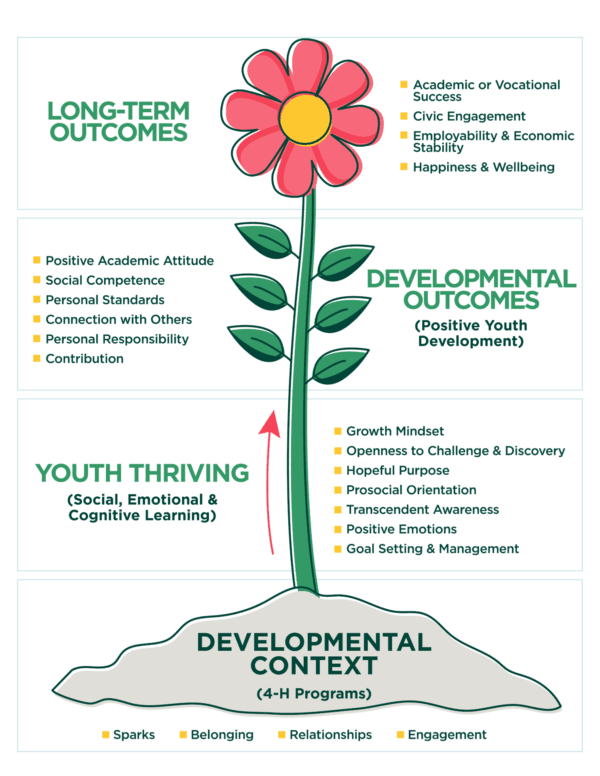
- 4-H Youth Thrive
- Beyond Ready
- LOOKING AHEAD
- News
- Updates
- Upcoming Events
| | |
Soil Health Principles 3
Cover and Armor the Soil
| Margit K., Agriculture Agent | |
Nature knows best. Have you ever noticed that most weeds in a pasture or farm yard tend to grow in ‘bare spots’? Or the way annual weeds sprout quickly after you disc a field or till a garden? Turn your back, and nature fills the void with a flush of seedlings that sprout quickly. This is no accident. Nature knows best to cover her most precious resource. Soil.
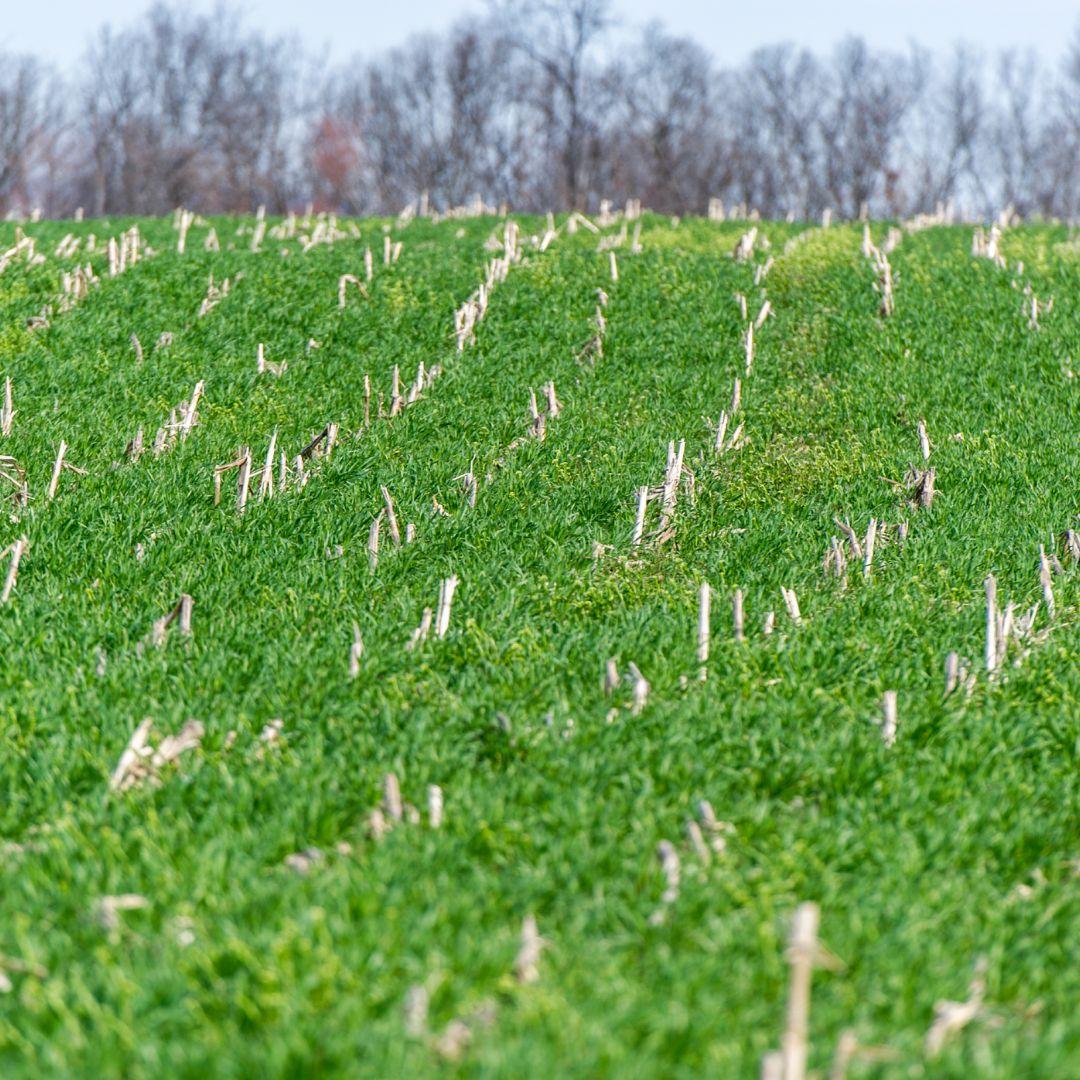
Nature abhors a vacuum, especially when it comes to keeping the soil covered. So why should our farming or gardening practices be any different? No-till planting certainly pays by reducing tillage and minimizing disturbance to the soil surface. No-Till planting also affords the ability to plant green into existing cover crops, leaving behind a thick residual through the growing season.
This covers and armors the soil. From what, you might ask? Sun, heat, and oxidation are contributing factors, for one thing. Not only is exposed soil 100 times more likely to succumb to wind and water erosion, but exposed soil is also a heat sink. Being black, the soil temperatures over bare soil are intense - up to 30 degrees hotter than soil covered with the cool, green foliage of a crop or cover crop, or thatch in a pasture or dead mulch residue left by a terminated cover crop.
| | |
Solar radiation oxidizes (burns) exposed soil organic matter and kills microbial life in the top few inches of soil, reducing water holding capacity and shifting the nutrient availability for growing crops.
Dig through the thatch or residual layer and you can find a soft, moist layer of microbially active soil. Covered soil retains moisture. Exposed soil breaks the micro-water cycle, and increases risk of drought.
Exposed, bare soil is also prone to compaction from ...
| | |
Plan for a Fun Outing this October
Hilary K., Kaw Valley Farm Tour Coordinator
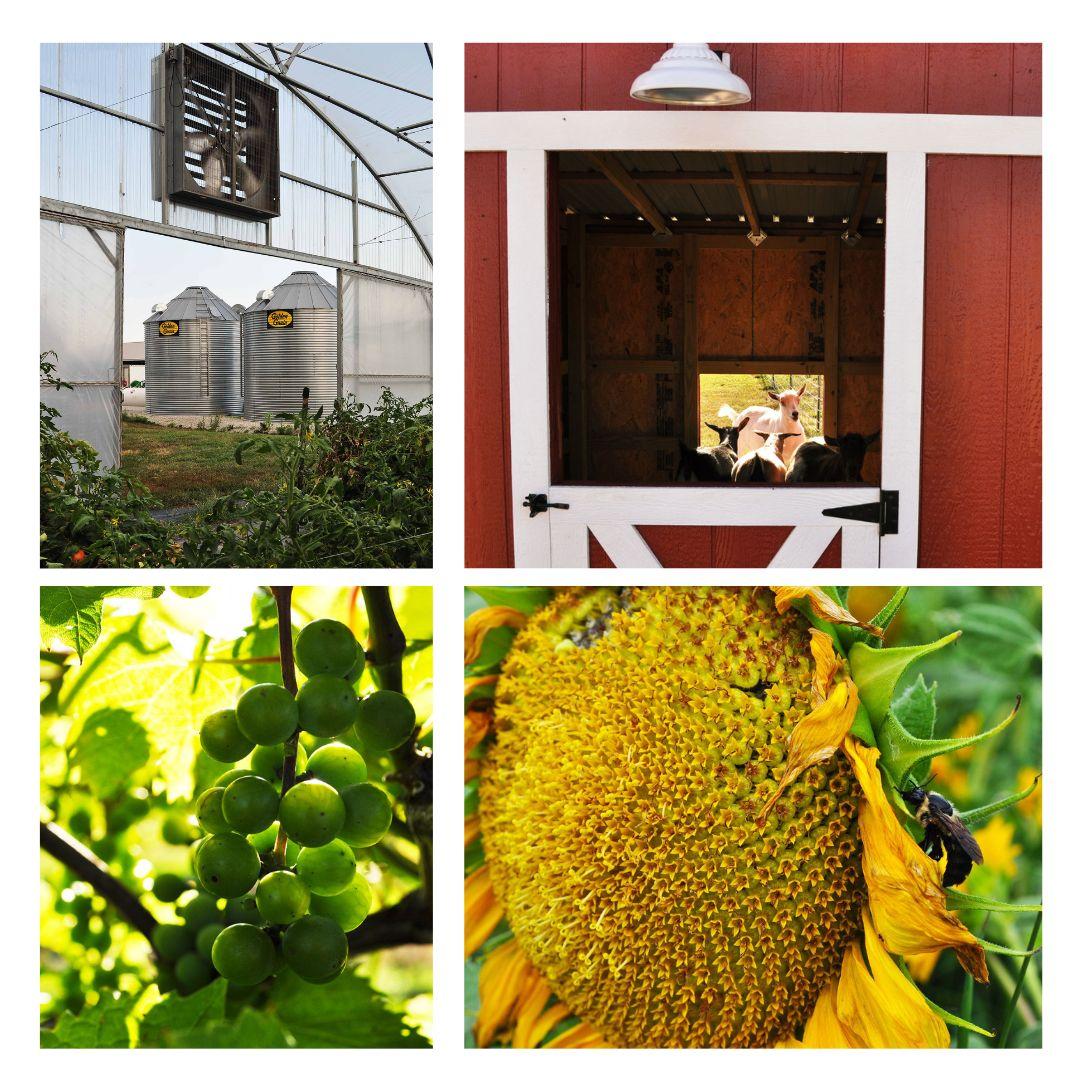
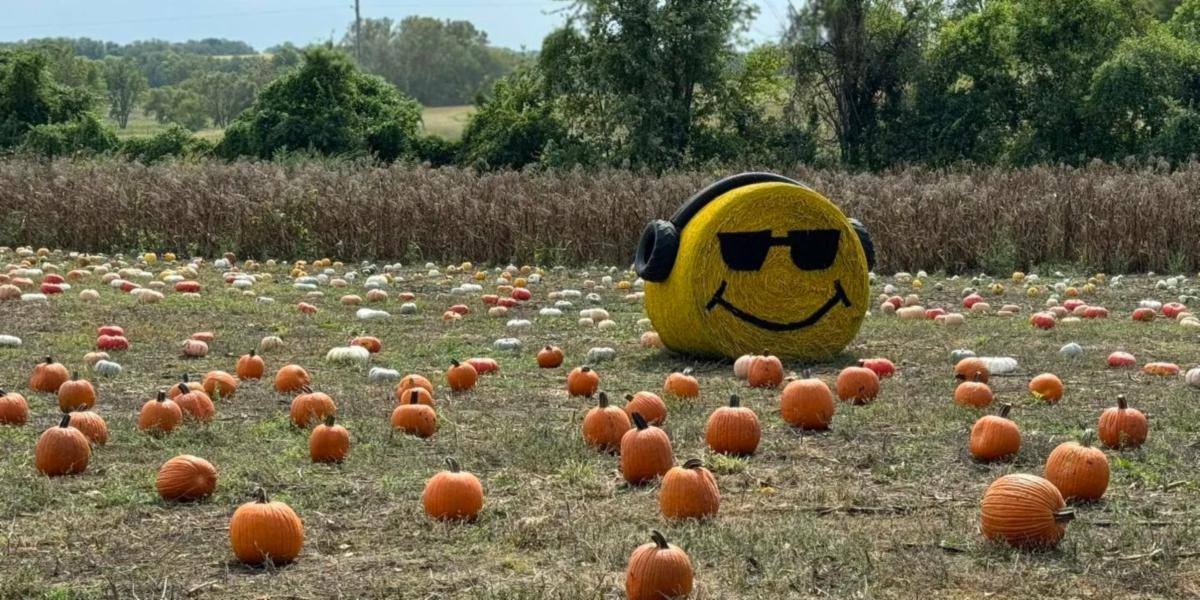
Ready to get out on the open road and feel the Fall air? Pick up a ticket to the 21st annual Kaw Valley Farm Tour coming up on October 4th and 5th. We have a beautiful new website for you to enjoy full of images of farms, heritage sites, and a place to purchase online tickets.
If you prefer to buy a physical ticket, you can get them at our Douglas County Extension office, Cottin’s Hardware and Rental, The Community Mercantile, and Vinland Valley Nursery. While you're there, why not pick up a t-shirt that shows your love of this popular regional event?
This year will include 7 new farms, including a few urban farms in Kansas City, Kansas. So much to see and do!
We will be starting the weekend out right with a truly unique Harvest Party on the evening of October 3rd at Vinland Valley Nursery. A ticket to this event will set you up for dinner and drinks from Saltwell Farm Kitchen, a raffle ticket for a piece of local art, live music, and an outdoor agricultural video project by Outdoors Unscripted. We hosted a We are Extension podcast episode talking more about this event, so listen to learn more about what is to come.
Enjoy the open roads with this special access to regional farms!
| |
Join us in Community
Meet and Eat, 2025 Open House!
Marlin B.,County Extension Director
As we head into the final months of the calendar year, we want to highlight an opportunity for you to join us in community. Each year, we elect twelve Douglas County residents to the Extension Council. Members should be interested and engaged in one of our four program areas: Agriculture and Natural Resources, Community Health and Wellness, 4-H Youth Development, and Community/Economic Development. Our nominating committee is hard at work identifying candidates to place on the ballot. If you’ve ever wanted to learn more about our work, guide our activities, or just get more civically engaged, this is a great way to get plugged in.
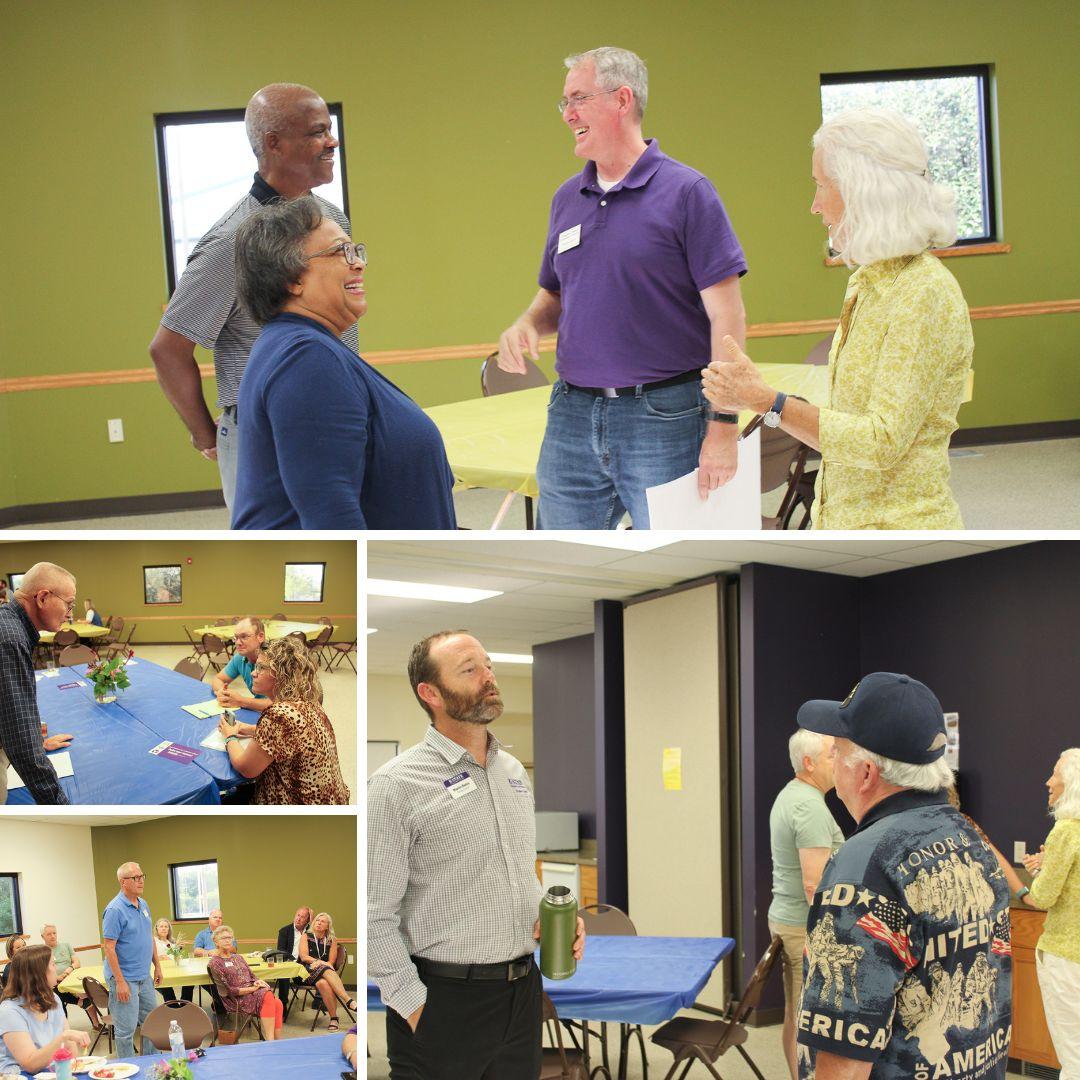
If you or someone you know might be interested in serving on the Extension Council, we encourage you to attend our Open House on September 25 from 5:30 to 7:00 PM in the Dreher Family 4-H Building. Our current Council members and staff will be on-hand to casually engage you in a conversation about our work – and there will be food! Let us know you're coming by registering below!
We hope to see you there!
| | | | |
USDA Ends Regional Food Business Centers
What it Means for Kansas
Quinlan C., Food Business Resource Navigator
| | |
On July 15, the U.S. Department of Agriculture announced the termination of the Regional Food Business Centers program ( also see the official Heartland Regional Food Business Center's announcement).
Here in Kansas, that means the Heartland Regional Food Business Center (HRFBC)—which has supported farmers and food entrepreneurs across our state—is now in a 60-day wind-down period.
By September 15, the program will come to a close, and with it, my own position and that of a key colleague at K-State Extension. This may well be my final contribution to the Douglas County Extension newsletter.
While this is a difficult message to share, it’s important to take stock of what Kansas has achieved and what we stand to lose.
Over the last 18 months, Kansas food and farm entrepreneurs have benefitted from one-on-one business counseling, help navigating food safety and financing, and opportunities to connect with markets and resources.
| | Heartland Center key partners from Kansas, Missouri, Nebraska, Oklahoma, and Iowa gathered on 8/25 to envision and strategize around a future for their collaborative food systems building work in the absence of USDA funding. | | | |
Our HRFBC team at K-State Extension completed more than 248 technical assistance calls, made 144 referrals to partners, and reached 350+ businesses and community leaders.
Surveys showed that more than half of the participants walked away with new knowledge about markets and ways to operate more efficiently.
The results have been visible statewide. Kansas has led the nation in the growth of local food sales: direct-to-consumer purchases more than doubled in recent years, from $9.9 million to over $20 million. This surge reflects both demand from Kansas eaters and the entrepreneurial spirit of our farmers and food makers. Programs like the HRFBC have been a key part of building the infrastructure to meet that demand.
| | |
We are Extension
The Podcast with Something for Everyone
Elesha H., Communication Coordinator
| | |
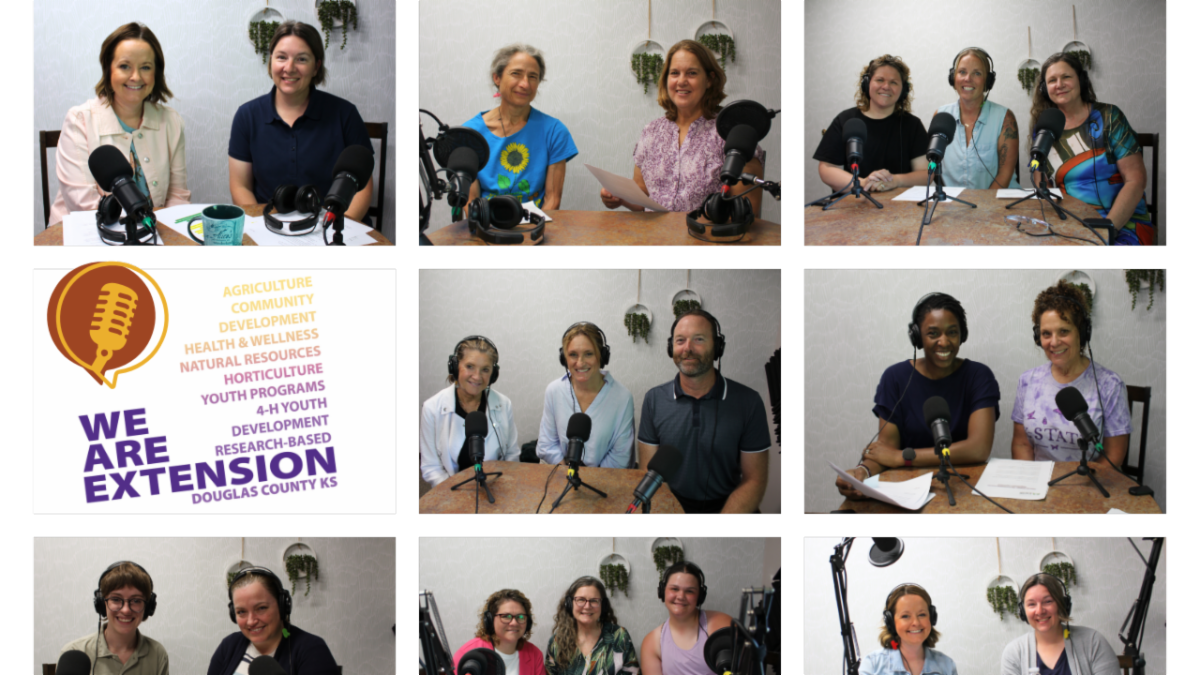
On May 19, 2025, K-State Extension Douglas County launched the "We are Extension" podcast. Since then, every Monday brought a new aspect of extension hosted by our office staff!
From tips and tricks for maintaining your health and garden, to programs that help you build your community, We are Extension offers a wide variety of content for every listener. See below for information on some of our segments to find one that connects with you!
| | |
Thriving Together (Health and Wellness) - "Thriving Together" is a segment that highlights community health and wellness themes. Kaitlyn, our Community Health and Wellness Agent, and Ginny, the LiveWell of Douglas County Executive Director, host the series and have so far touched on topics such as,
- Water, Helmet, and Car Safety
- Summer Routine Shift Tips
- Key Nutrition Tips for Families
| |  | |
Beyond the Bloom (Horticulture and Natural Resources) - "Beyond the Bloom" provides listeners with the opportunity to learn about food and flower gardening, plant care, plant recommendations, plant biology, and more! Everything from peonies to prairies! Sharon, our Horticulture and Natural Resources Agent, and Niki, our Agriculture and Horticulture Program Assistant, host this vibrant series. Some topics discussed so far include,
- Garden Tours
- Tomato Tips
- Fall Garden Prep
| | | |
Rooted in Ag (Agriculture) - "Rooted in Ag" refers to the deep connection and importance of agriculture to a region's history, culture, and identity. It shapes its values, traditions, and way of life, as well as the practical aspects of food production and land management. Margit, Agriculture Agent, hosts this down to earth series. Some topics discussed so far include,
- Extension's Role in Douglas County Ag
- Agriculture's Dougals County Fair History
- Agritourism - Kaw Valley Farm Tour
| | | |
Beyond Ready (4-H Youth Development) - Beyond Ready explores the stories, insights, and experiences of youth development through the lens of Douglas County, KS 4-H. It is hosted by Nickie, 4-H Youth Development Agent, and Nancy, 4-H Youth Development Program Assistant. Some topics discussed so far include,
- Skills to Thrive in Adulthood - Empowering Youth
- Youth and County Fair
- Thrive Model in Action with Dr. Matthew
| | |
Where can I listen?
You can follow along and listen on Apple Podcasts, Spotify, or YouTube! Don't have an account on any of these? We have you covered! Sign-up below to be notified in your inbox whenever we have a new episode.
| | |
|
From Challenge to Opportunity
Building a New Path for Community Nutrition Education
Kaitlyn P., Community Health and Wellness Agent
| |
With the recent passage of the Big Beautiful Bill, federal funding for SNAP-Ed (Supplemental Nutrition Assistance Program Education) has been eliminated, creating a significant shift in how our team will facilitate nutrition education. Since 1995, K-State Extension Douglas County has facilitated federally funded nutrition education for our low-resourced neighbors. For years, SNAP-Ed has provided free, research-based classes that help individuals and families make healthier choices, stretch their food dollars, and prevent chronic disease.
The benefits of nutrition education through SNAP-Ed have been clear. Participants gain practical skills like understanding nutrition labels, meal planning, and shopping with a list to reduce impulse buys and food waste. Classes also emphasize physical activity, highlighting simple and affordable ways to integrate exercise into daily routines. For many in Douglas County, SNAP-Ed has been a vital resource in building healthier households and communities.
Collaborating in tandem with community partners has been a key ingredient to the success of SNAP-Ed in Douglas County. Susan Farley, Food Safety, Health, and Nutrition Agent for K-State Extension Douglas County from 1992-2022, shared, “A key aspect of SNAP-Ed’s effectiveness was its community-based model. Rather than operating in isolation, K-State Extension in Douglas County partnered with the schools, the public health department, churches, senior centers, parks and recreation, food banks and pantries, libraries, farmers markets, local food retailers, and other institutions to provide nutrition education, increase healthy food access, and improve the environments where people make food and lifestyle decisions.”
Historically, SNAP-Ed has been a stable grant funding source that K-State Extension Douglas County would apply for annually and be fully funded. In fiscal year 2025, our organization was awarded...
| |
Kitchen Restore Project with Eudora JAG-K
Michelle T., SNAP-Ed Nutrition Educator
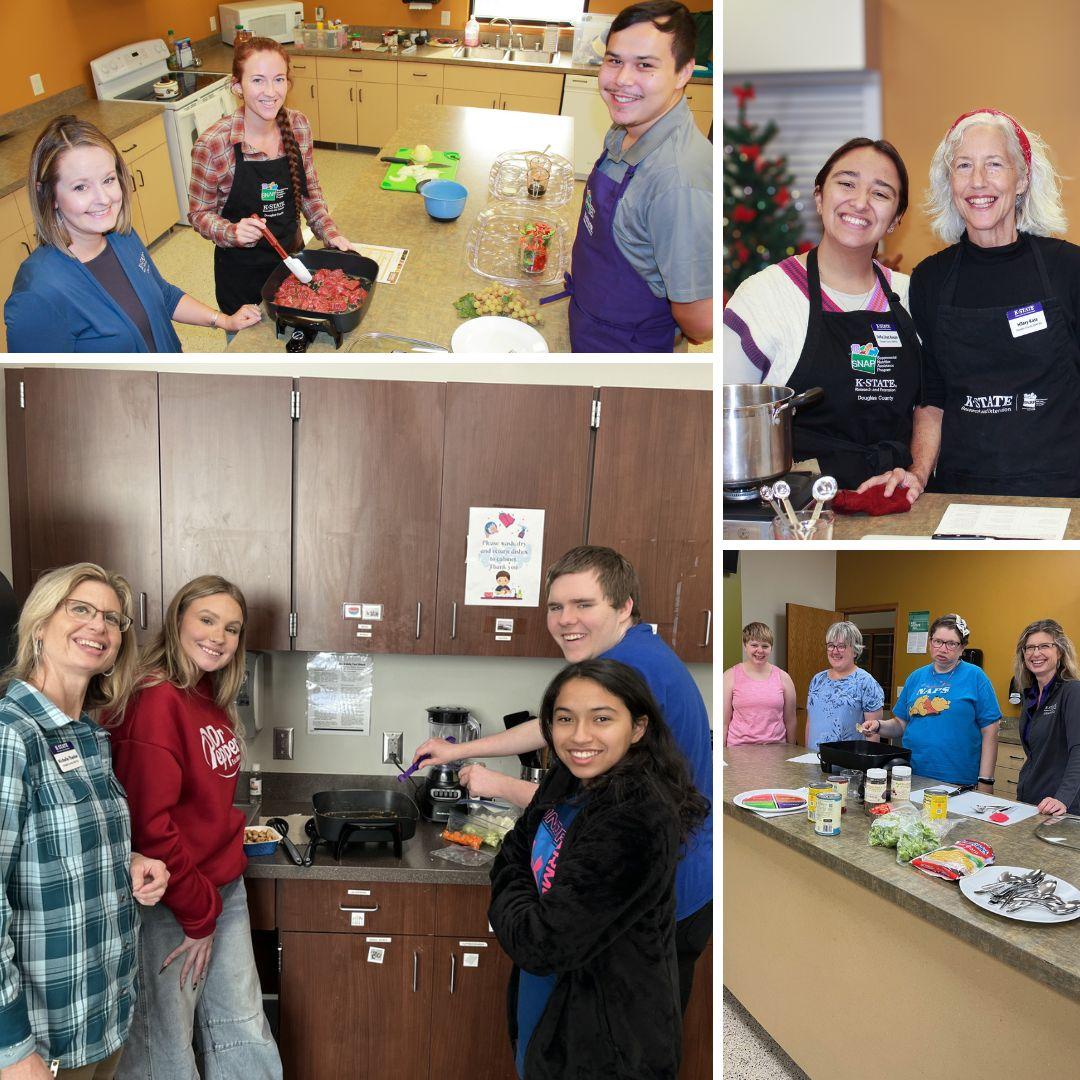
There are times when one good conversation generates an idea that will bring people together for the betterment of a community. I was able to experience this with programming at Eudora High School in the JAG-K (Jobs for America’s Graduates-Kansas) classroom this past semester.
During my last Nutrition Education programming session in the classroom, a student asked if there were resources for people who were trying to move out on their own with limited income to obtain kitchenware so they could prepare low-cost and healthier meals at home. That question led to the JAG-K students trying to find a solution and ultimately create a community service project.
| |
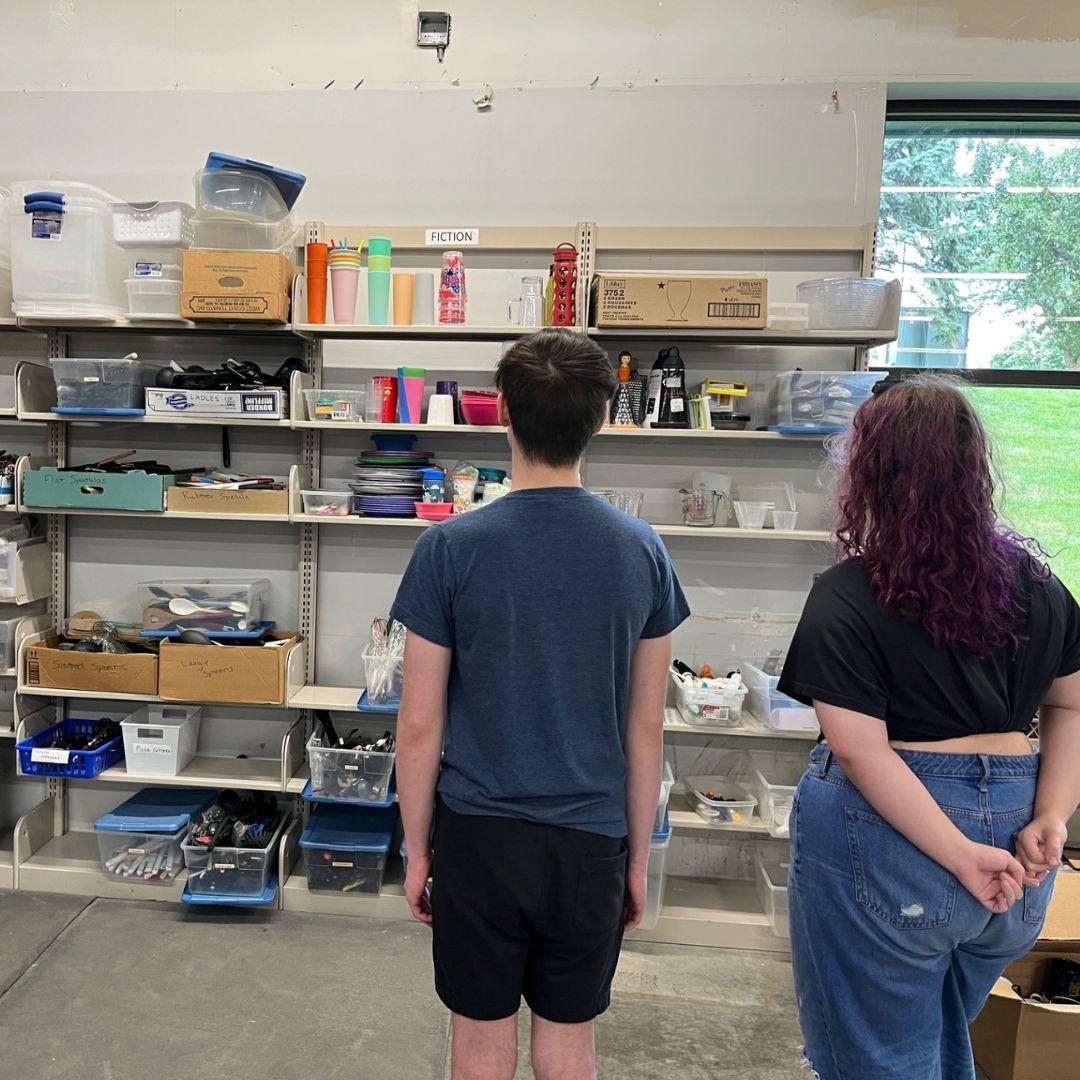
Fortunately, K-State Extension has a program in place in a few county locations called the Kitchen Restore Project. Donations of gently used or new household kitchen tools and equipment are accepted, and kits are created to go out to those in need.
Johnson County and Riley County are two of the closest examples of this project. The JAG-K students felt there was a need in Douglas County and have begun the process of research into creating this community service project...
| | |
Health Impact of E-Cigarettes
Vaping on Douglas County Youth
Ginny B., LiveWell of Douglas County Executive Director
| |
Nicotine use is a persistent challenge for youth in Douglas County communities. According to a policy brief on tobacco retail proximity and density, published in 2024 by Lawrence-Douglas County Public Health, 25% of 10th and 12th-graders in Douglas County report using e-cigarettes or vaping products. E-cigarettes, most commonly referred to as “vaping” or “juuling”, can be used to deliver nicotine, cannabis (THC, CBD), flavorings, chemicals, and other substances. Cartridge-based and disposable e-cigarettes contain nicotine salts that do not produce vapor or visible emissions when the device is used and may make the product even more addictive.
What’s harmful about e-cigarettes?
Nicotine can harm adolescent brain development, particularly the parts of the brain responsible for attention, memory, and learning. Using nicotine in adolescence can also increase the risk of future addiction to other drugs.
Tobacco Retailer Proximity to Schools
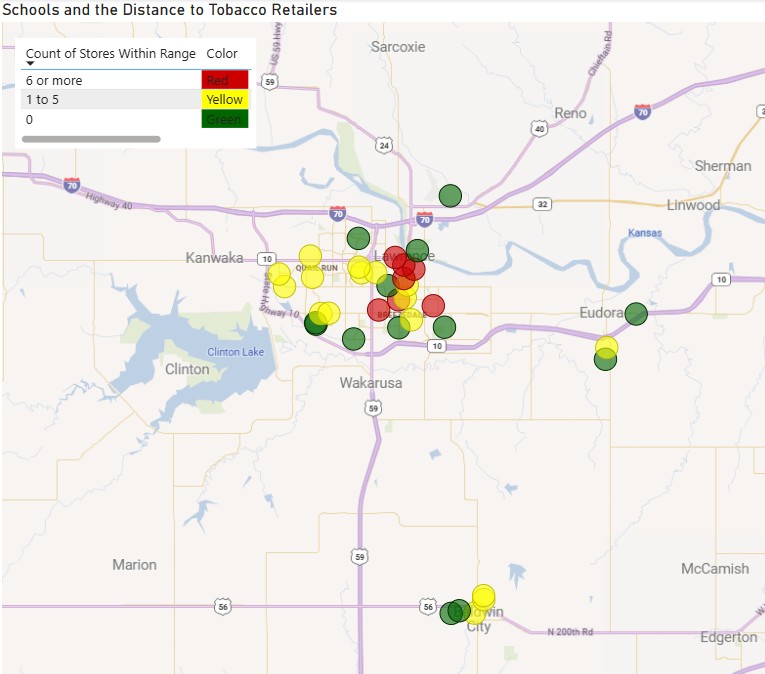
Douglas County is experiencing an increase in tobacco retailers and vape shops. In Lawrence, the city has an extremely high density of tobacco retailers, with more than 1 tobacco retailer per 1000 people. Of bigger concern, is the proximity of tobacco retailers to children. Twenty percent of schools in Lawrence have 10 or more retailers within walking distance. This includes elementary schools.
| Map of Douglas County: Red dots indicate public and/or private schools that have 6 or more tobacco retailers within ½ a mile. Yellow dots indicate public and/or private schools that have 1 to 5 tobacco retailers within ½ a mile. Limiting the density of tobacco retailers and their proximity to schools through zoning ordinances is a beneficial and cost-effective way to limit access to tobacco products. Map produced by the University of Kansas Medical Center on behalf of Lawrence-Douglas County Public Health. | Eudora and Baldwin City also have at least one tobacco retailer within a half mile of a school. National research shows when there are stores that sell tobacco/vape products near schools,... | | | HORTICULTURE AND NATURAL RESOURCES | | |
Collecting and Storing Seeds for Beginners
Sharon A., Horticulture and Natural Resources Agent
| |
Saving and sowing seeds from your own garden is a rewarding project that saves money while adding a personal touch to your landscape. It is a low-maintenance activity that can be done during the fall and winter months, and collecting seed from native plants provides the added benefit of experimenting with new species at little cost.
Continue reading to learn about harvesting and storing vegetable and native plant seeds! Learn how collecting and storing seeds can be a rewarding gardening habit!
Harvesting and Storing Vegetable Seeds
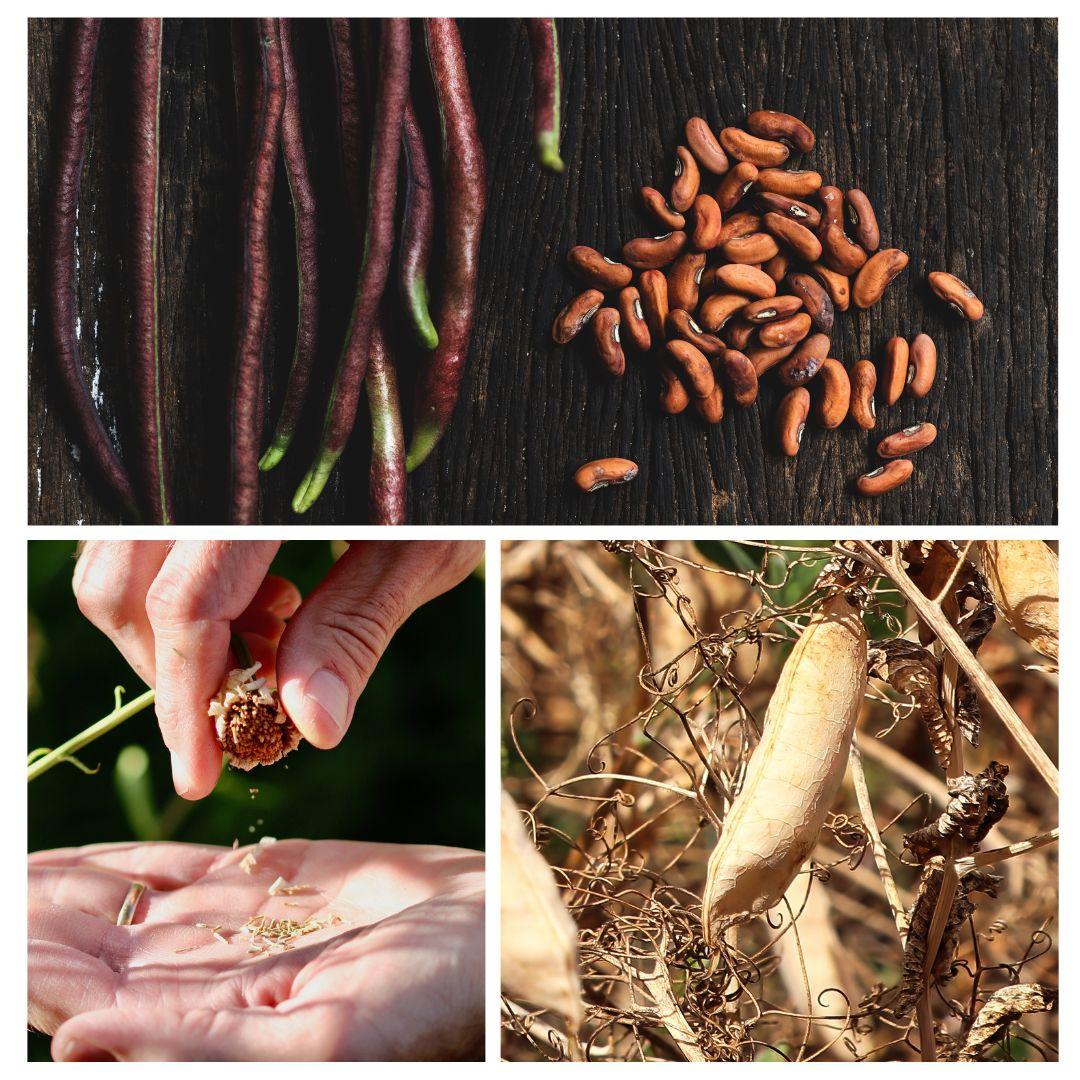
When harvesting vegetable seeds, it is best to focus on self-pollinating or open-pollinated plants. Seeds from hybrid varieties are often unpredictable; while they may germinate, they will not grow true to the parent plant and will likely display a mix of traits. Reliable vegetables to start with include peppers, beans, and peas, as they require little preparation before storage.
Allow peppers to ripen fully on the plant until their skins begin to wrinkle. Remove the seeds, spread them out, and let them dry thoroughly. For peas and beans, leave the pods on the plant until they begin to brown. Once dry and rattling inside the pod, harvest them and let them continue drying indoors for about two weeks. Afterward, shell the seeds for storage.
All seeds should be stored in a sealed container in a cool, dry place. A temperature between 32°F and 41°F is ideal, making the refrigerator an excellent option. To prevent moisture damage, include a desiccant such as silica gel or powdered milk wrapped in cheesecloth. Always label your containers with the seed type and collection date—memory fades quickly when seed saving becomes a yearly habit.
Harvesting and Storing Native Plant Seeds
When collecting native plant seeds, harvest responsibly. Always obtain permission when collecting outside your own yard, never harvest...
| | |
It's not too Late,
Fall is Perfect for Planting
Niki K., Agriculture and Horticulture
Program Assistant
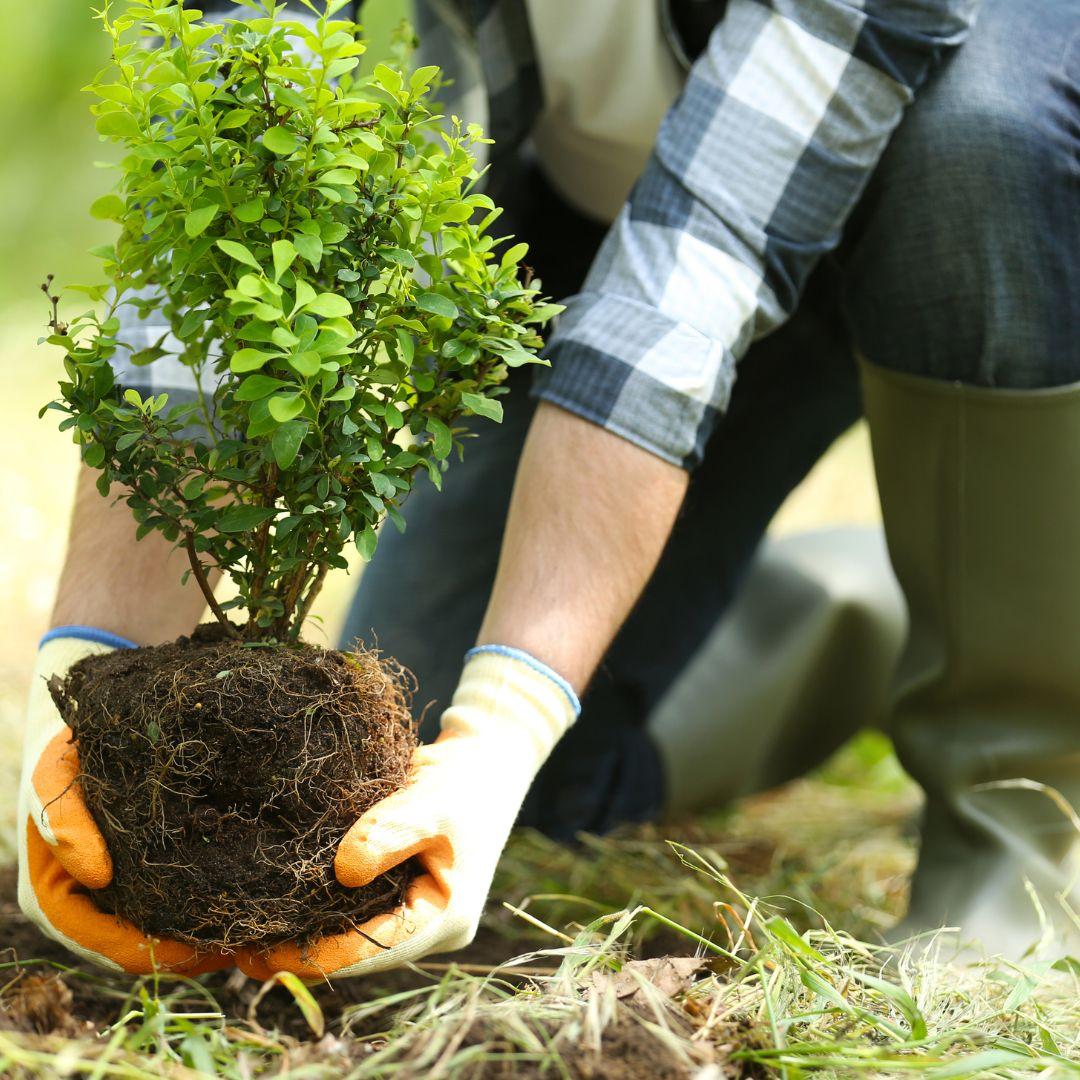
Fall is here, and with it comes the opportunity to get some late-season planting done before winter arrives. Fall is a perfect time to think about planting any new trees, shrubs, or perennials and then watch them thrive next spring. It is also a good time to divide or relocate perennials.
As the days get shorter and temperatures drop, conditions are ideal for getting plants acclimated and ready to overwinter. Simply follow a few steps and take advantage of the natural shift of the seasons to allow the newly transplanted trees, shrubs, and perennials time to develop root systems before winter arrives. Local plant retailers may even be offering discounted plants before they wind down for the season.
Fall offers a lovely blend of lower air temperatures combined with residual summer-warmed soils that create an ideal environment for some root growth before winter sets in. All new plantings need time to become established before becoming dormant over the winter months. When planting in the fall, aim for September and into October to allow time for the plants to acclimate before the first frost arrives. According to the Kansas Mesonet site, the average first frost in the Lawrence area is mid-to-late October.
Once planted, it is important to make sure to thoroughly water any newly planted trees, shrubs, or perennials and continue to give them ample water once or twice a week unless there has been adequate rain. Continue to water regularly until a hard freeze.
The addition of compost and mulch are beneficial to ...
| | |
Fund your Community Garden Project Today!
Sharon A., Horticulture & Natural Resources Agent
| | |
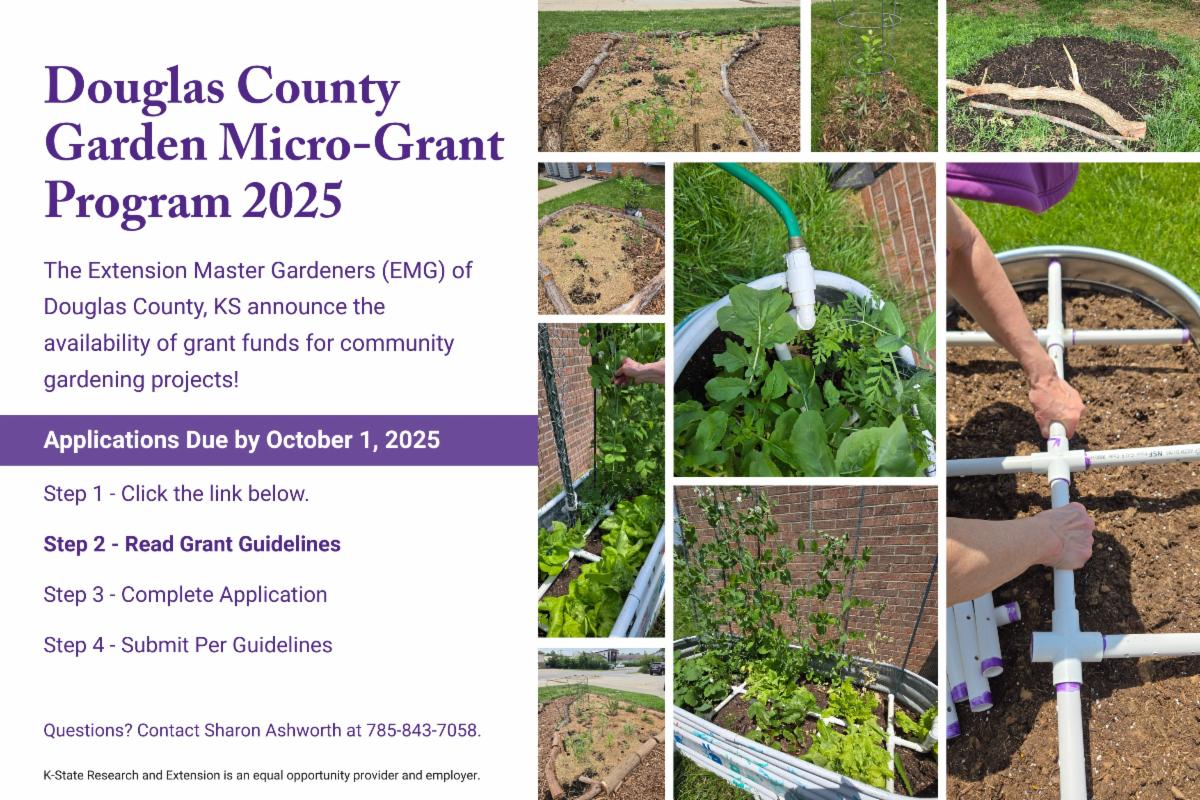
We are still accepting applications for our Douglas County Garden Micro-Grant! Any Douglas County public school or community garden may apply for a micro-grant (up to $500) to support a new or existing vegetable, fruit, or pollinator garden project.
Community gardens include those operated by Common Ground, non-profit service organizations, senior living facilities, and child-care facilities. Private gardens are not eligible. Find the guidelines and application on our website below (scroll down to “2025 Extension Master Gardener Micro-grants”).
| |
|
K-State Horticulture Newsletter
Reminder: Subscribe to the K-State Horticulture Newsletter for timely information on caring for your landscapes and vegetable gardens.
K-State Horticulture Newsletter Website
| | | | |
"Beyond Ready"
More than a Catchy 4-H Phrase
Nancy N., 4-H Youth Development Program Assistant
The National 4-H Council, with the leadership and work of 4-H Extension, has launched Beyond Ready. This new nationwide initiative is designed to empower ten million young people with the skills, self-resilience, and self-confidence that are imperative to thrive in an ever-changing world.
As 4-H educators know, this requires a multi-faceted approach that incorporates not only youth’s academic pursuits but also adaptability, with a strong sense of purpose and ties to their community.
| |
Kansas 4-H has accepted this challenge by committing to engage more of our Kansas youth in a 4-H experience. This may look like a special interest short-term project known as the SPIN model. It may be through a fun and educational day camp available to communities during school breaks. In short, any programming mode that increases engagement beyond the traditional enrollment.
So, what are we doing in Douglas County 4-H to step up to the Beyond Ready challenges set by the national initiative?
Initiatives such as:
- to increase traditional enrollment in community clubs
- to leverage our partnerships with government agencies, universities, and local coalitions.
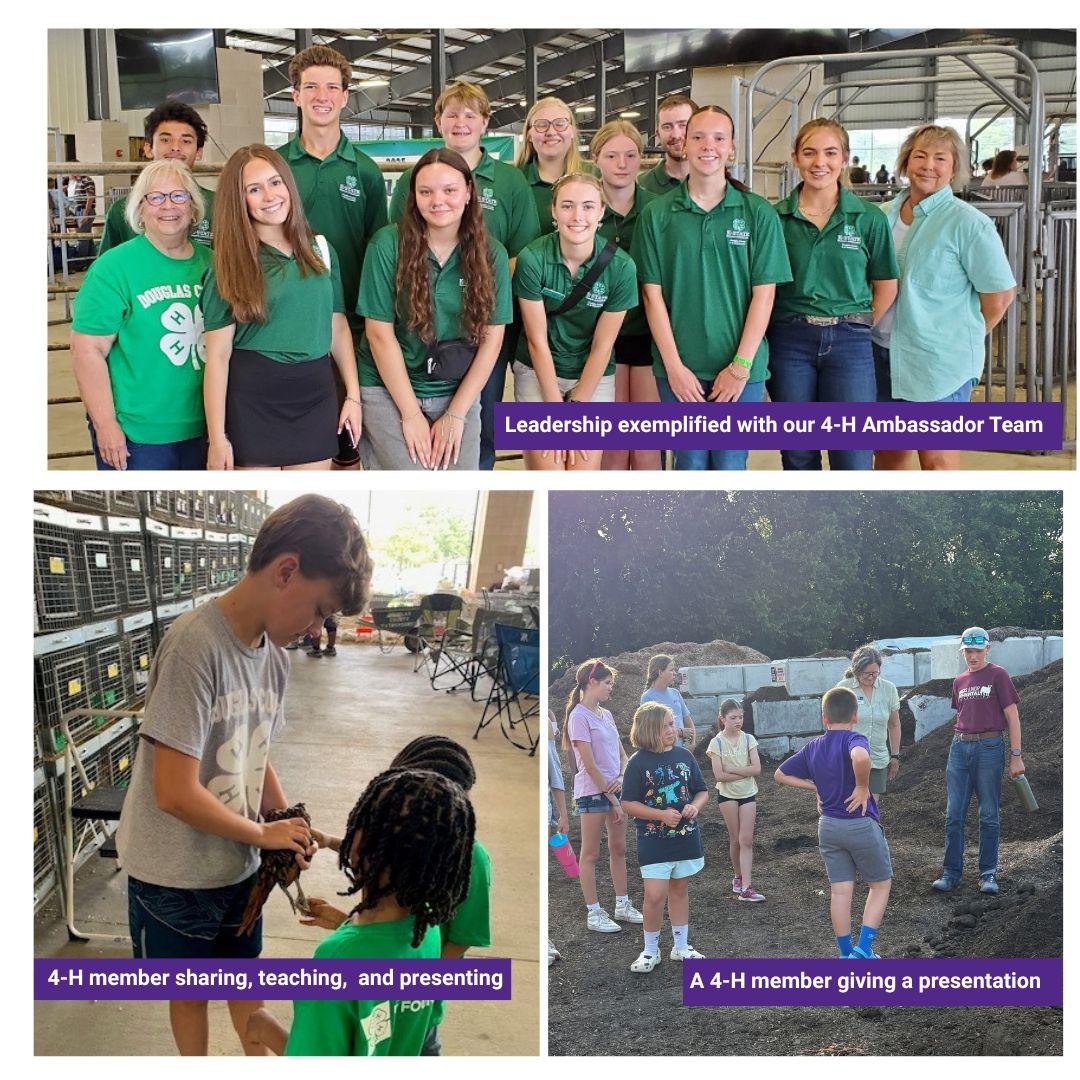
- to increase leadership and communication skills in our membership through programs that foster mentorships with local community leaders.
In addition to the end of the 4-H year on September 30th, we are simultaneously ushering in the new year with our November Achievement Celebration. This October 1st, 4-H enrollment will open, and our club leaders have the tools to begin the new year. We plan to offer...
| | NEWS, UPDATES, AND UPCOMING EVENTS. | |
| Are you enjoying our Newsletter? | | | | Stay up-to-date by following and subscribing! | |
Different Look, Same Douglas County Extension | We are now called K-State Extension Douglas County! Please note that our office now has a new logo that we are transitioning to and will be reflected in our outreach and communication efforts in the future. Thank you! | |
Douglas County Extension Council Giving Fund | |
The Douglas County Extension Council is engaged in the critical areas of Global Food Systems, Community Health, Developing Tomorrow’s Leaders, Community Vitality, and Water/Natural Resources Conservation.
The Council’s reach into the community in these areas exceeds 10,000 Douglas County Residents annually, and the efforts of their volunteers more than double that impact. Your support enhances the Council’s ability to deliver on its mission to expand community conversations, cooperative learning, and collaborative leadership.
| | | |
| Join us for another KS Specialty Crop Producers’ Workshop! Dr. Raymond Cloyd will discuss the importance of Scouting Crops for pest infestations, monitoring population thresholds and techniques for scouting you can use in your fields. Be prepared to scout some fields! | | | |
| Meet & Eat! Douglas County Extension Open House 2025 | Join us once again for a free dinner and priceless company on September 25, 2025, from 5:30 - 7:00 p.m. at the Dreher Family 4-H Building!
K-State Extension Douglas County's Open House is for you to get to know us as your local Extension Office and for us to learn more about you, the members of our community!
Meet, Eat, Learn, and share! We can't wait to see you there! Register by September 18!
Please note that if you have special needs to be met, we'd love to accommodate you. Please give us enough time to do so by letting us know by August 28! | | | |
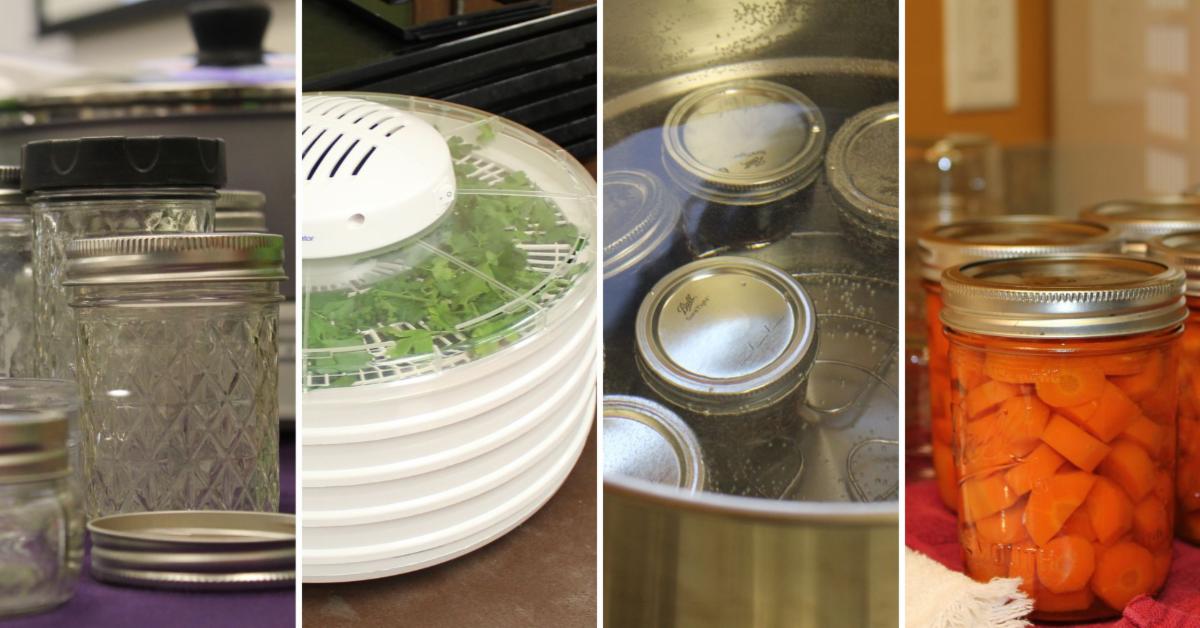
| Food Preservation Workshop - October 2025 | Canning food at home is a great way to preserve fresh foods for later use. The key is canning food properly and safely to prevent food borne illness. Our Food Preservation Workshop will include hands-on demonstrations of both pressure and water bath canning methods. Workshop participants will learn about food preservation safety and best practices. | | | |
| 2025 Kaw Valley Farm Tour Tickets | Welcome to the Kaw Valley Farm Tour. One ticket per carload is required for entry into the farms. Show your receipt for this ticket purchase at the first farm you visit and they will give you a beautiful physical ticket/guidebook that you will present at the other farms that you visit.
This page also gives you the opportunity to sign up for our newsletter so you can be the first to be notified for next year! | | | |
| Cooking for One or Two, Tips, Tricks, and Tasty Recipes | Join us for an engaging and informative session focused on cooking for one or two people. Whether you're living solo or with a partner, learn how to make delicious, nutritious meals without the waste or hassle!
Topics include:
- Food Freezing Basics
- Reducing Recipes
- Using MyPlate
Featured Recipes & Demonstration:
- Half Veggie Burgers
- Broccoli Potato Soup
After the demonstration, burgers and soup will be served-all participants will get to eat and enjoy both dishes!
Register by October 21! | | | | |
K-State Extension is committed to providing equal opportunity for participation in all programs, services, and activities. Program information may be available in languages other than English. Reasonable accommodations for persons with disabilities, including alternative means for communication (e.g., Braille, large print, audiotape, and American Sign Language) may be requested by contacting the event contact our main office or the event's program leader four weeks prior to the start of the event at 785-843-7058. Please see the full Douglas County staff list for detailed contact information. Requests received after programs' deadline dates will be honored when it is feasible to do so. Language access services, such as interpretation or translation of vital information will be provided free of charge to limited English proficient individuals upon request.
Kansas State University Agricultural Experiment Station and Cooperative Extension Service
K-State Extension is an equal opportunity provider and employer.
| | | | |