|
This fall marks a visible moment of transition for the PA profession in Iowa and for our own program. Physician Associate now appears in Iowa law, in the name of our department, and in the degree our students pursue. At the same time, we’re welcoming the Class of 2028—the newest members of a profession whose language is changing even as its deeper commitments remain remarkably constant.
That intersection of continuity and change is at the heart of this issue.
David Asprey reflects on the evolution of the PA title and what this moment means for our program and profession. Alumnus Jim Earel, whose legislative advocacy through IPAS helped advance title modernization in our state, offers another perspective on how professional change moves from conversation to policy. And we asked friends of the program to consider a simple question: amid this change, what remains the same? Their answers return repeatedly to the things that have long defined PA practice—our commitment to patients, adaptability, collaboration, clinical excellence, and responsibility to the communities we serve.
There’s continuity of another kind in our feature on Dr. Tom O’Shea, whose extraordinary service to PA education was recognized this fall with the PAEA Administrative Support Staff Award at the PAEA Education Forum in Austin. Tom’s story is a reminder that institutions evolve because people sustain them: carrying forward their history, investing in their students, and helping each generation build something a little stronger than what it inherited.
And then there’s the Class of 2028. As we introduce our newest students, they arrive at an unusually fitting moment—entering a profession actively reconsidering how it describes itself while remaining grounded in what it asks of those who join it.
Names matter. They shape how we understand ourselves and how others understand us. But a profession is ultimately defined by the values, relationships, and responsibilities its members carry forward. As we welcome a new class, recognize those who have helped shape our program, and mark a visible change in how our profession names itself, we do so as a community both rooted and renewed—grounded in what has long defined us while remaining open to the opportunities that come next.
Anthony Brenneman, MPAS PA-C DFAAPA
Program Director and Clinical Professor
University of Iowa PA Program
| | | | |
Class of 2026
The Class of 2026 has one month of clinical rotations remaining before graduation in December. They will return to campus for their fourth and final quarterly meeting in November to take the End of Curriculum exam, Objective Structured Clinical Exam (OSCE), and final practical exam. Graduation will be held on December 4 at 2:00 PM CST at the Iowa Memorial Union.
| | | | |
Class of 2027
The Class of 2027 is studying Mechanisms of Health and Disease Keystone, Clinical and Professional Skills III (CAPS3), and Medicine and Society III (MAS3). They have received their site assignments for clinical rotations in 2026. Students will attend Transitions to Clinical Medicine during the first week in January 2026--a one-week 'boot-camp'-like course that will bridge them from their didactic training to their clinical year training in the year ahead.
| | | | |
Class of 2028
The Class of 2028 completed their Foundations of Cellular Life course and have transitioned to the MOHD course series. In the upcoming weeks, students will take end-of-semester exams for MOHD1, Human Anatomy, Medicine and Society I (MAS1), and Clinical and Professional Skills I (CAPS1). In CAPS 1, students will have their first OSCE.
| | |
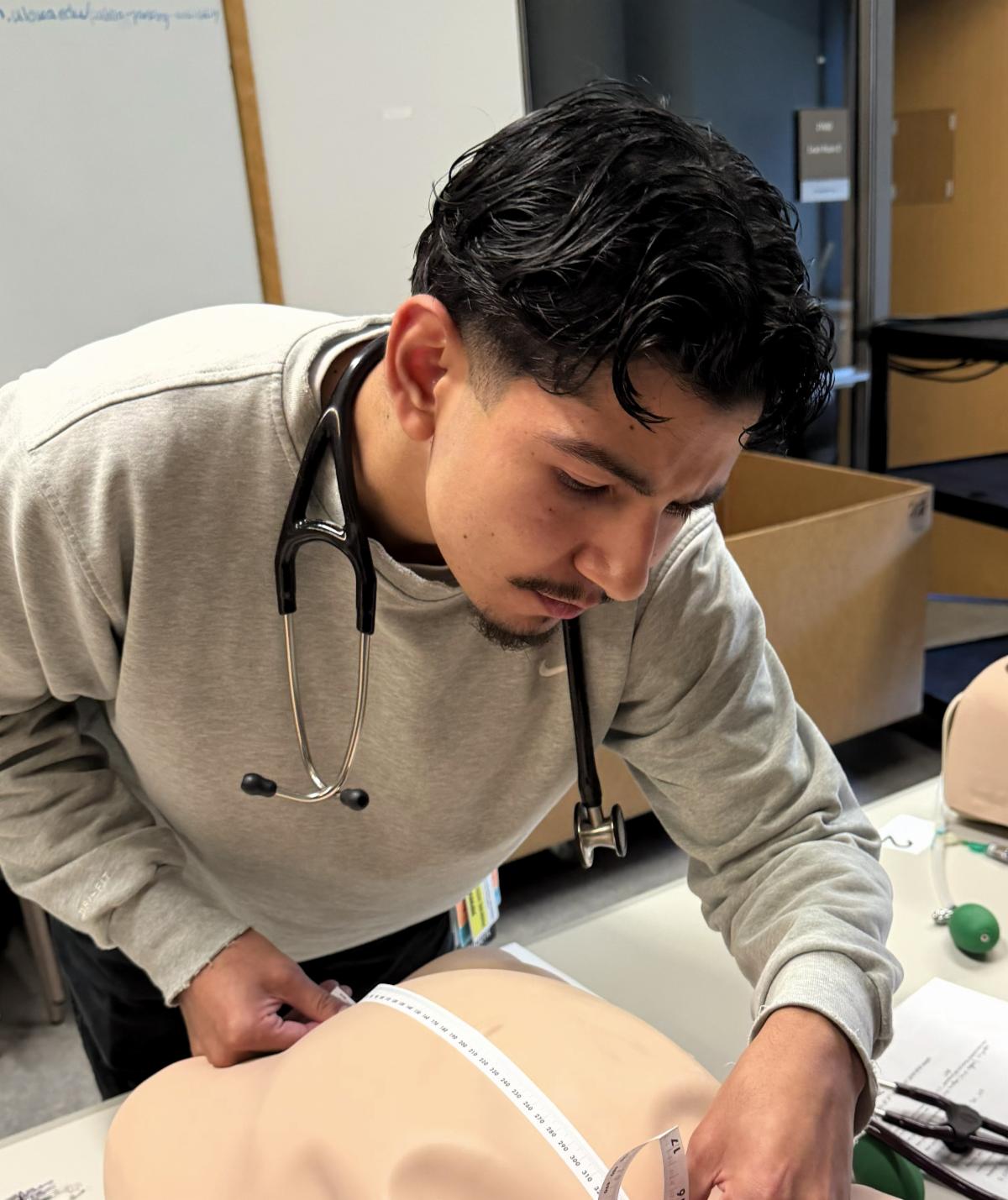
Student Leo Davila (top left) measures fundal height using an obstetrics simulator during the third Quarterly Meeting on September 23.
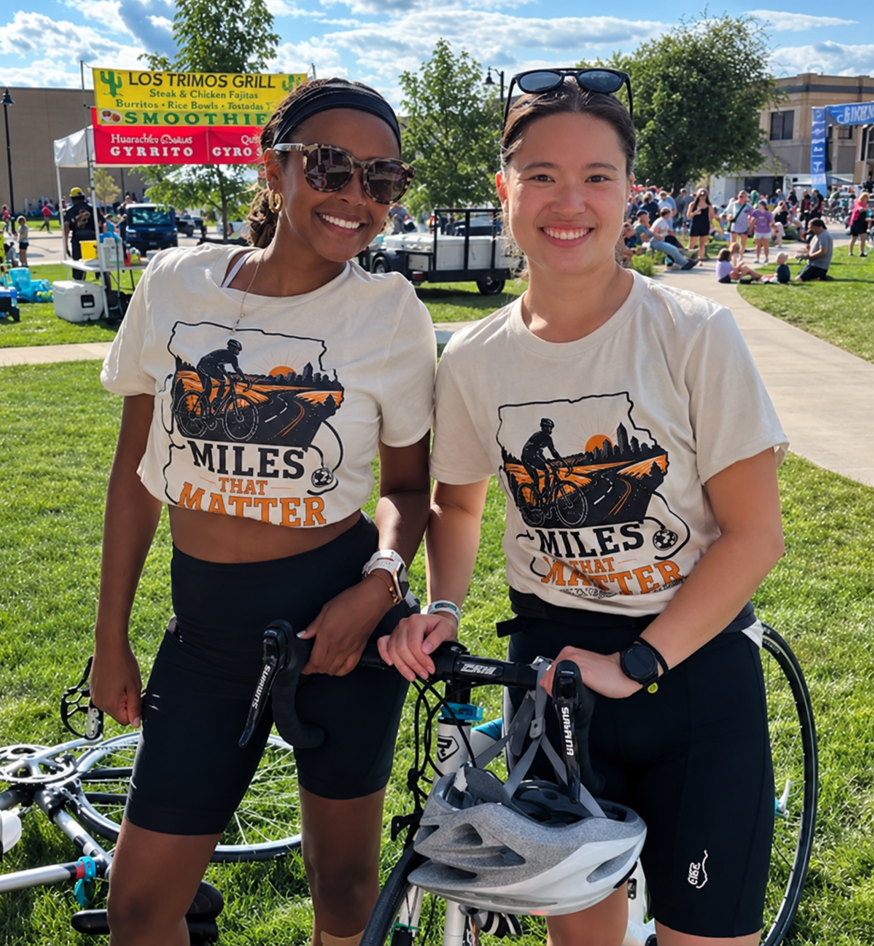
Students Nia Tanui and Kirsten Mahoney (middle left) joined the University of Iowa PA Student Government team for Miles That Matter, riding 68 miles during RAGBRAI’s “What I Ride For” Day to raise funds for the University of Iowa Holden Comprehensive Cancer Center.
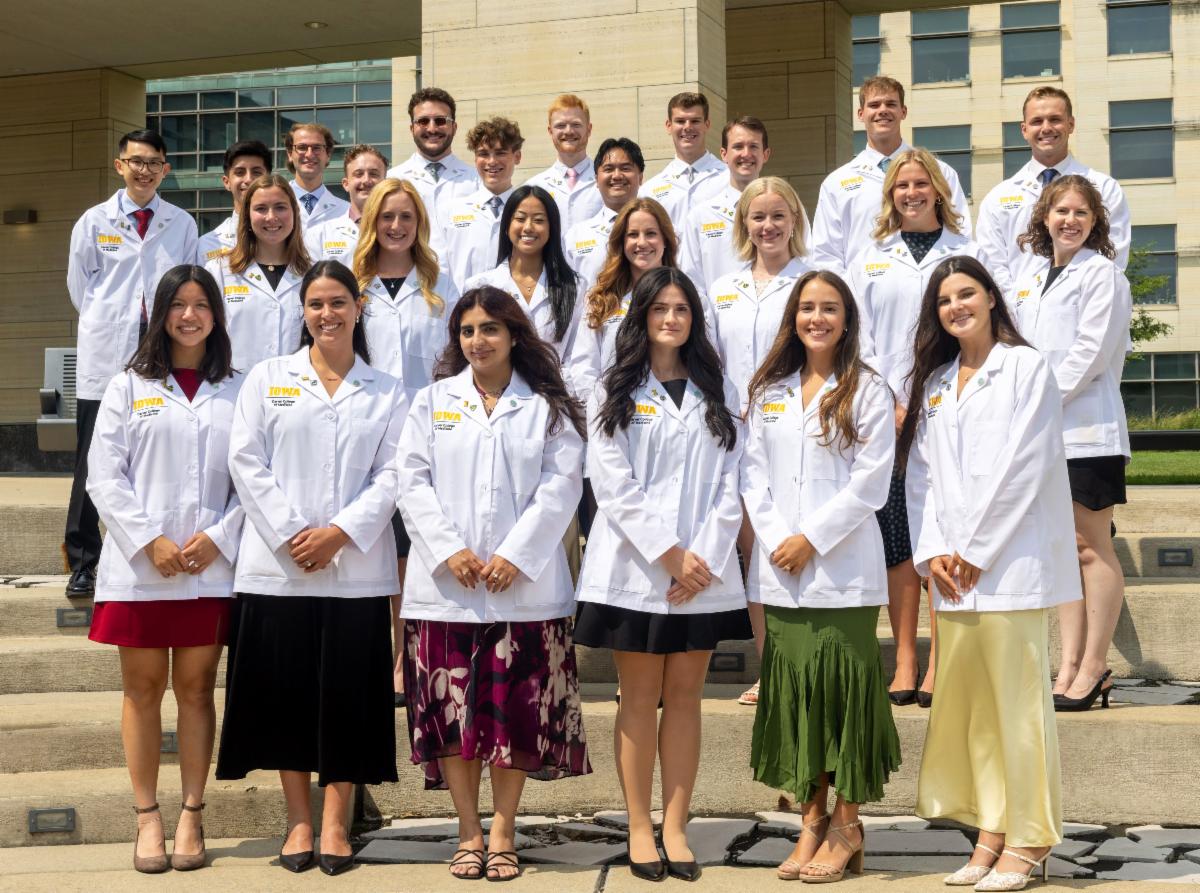
Students Julia Scimeca, Jack Nuss, and Brooke Essig (bottom left) don new Hawkeye gear.
| | |
FACULTY FEATURE:
More Than Semantics: The Value of Transitioning from Physician Assistant to Physician Associate
David Asprey, PhD PA-C DFAAPA
Denis R Oliver Endowed Chair
Associate Dean of Medical Education &
Professional Programs
"What’s in a name? That which we call a rose by any other name would smell as sweet." When Juliet speaks these famous words during the balcony scene in William Shakespeare’s Romeo and Juliet, Act II, Scene II, she is reflecting on her love for Romeo despite his belonging to the rival Montague family. She questions the true importance of a family name, asserting that it does not change who a person fundamentally is.
This sentiment captures a profound truth about the ongoing title transition within the PA profession: PAs have consistently delivered exceptional, high-quality care regardless of their title. Yet, as Juliet’s musings also imply, words do carry weight. A name matters because it shapes how society perceives knowledge, skills, value and authority. Updating the designation from "physician assistant" to "physician associate" does more than just simply modify a professional title—it more accurately portrays the evolving, highly skilled role that PAs play in healthcare today.
Eliminating Ambiguity and Professional Misconceptions
The historical title of "physician assistant"—created at the inception of the profession in the mid-1960s—has long suffered from semantic ambiguity and friction. To the general public, the word "assistant" often implies an entry-level or administrative role, frequently leading to confusion with medical assistants or other support staff whose roles are critically important, but that does not accurately connotate the level of responsibility and independence that PAs have in practice today.
In reality, providers in our profession undergo rigorous medical training modeled after traditional medical school curricula, complete clinical rotations across diverse specialties, pass a rigorous certifying examination, and maintain state licensure to diagnose illnesses, formulate treatment plans, perform clinical procedures and prescribe medications. Adopting the title "physician associate" directly addresses this disconnect. The term "associate" more accurately conveys a status of professional collegiality and advanced capability, removing the inherent minimization that is implied by "assistant" and establishing an intuitive understanding of our profession’s true position and value on the healthcare team.
Reflecting Collaborative, Team-Based Care
Modern healthcare delivery relies heavily on multidisciplinary teams rather than isolated practitioners. Within these models, PAs function as interdependent medical professionals working in close collaboration with physicians and other practitioners.
The title "associate" captures this spirit of collaborative practice far more effectively. It emphasizes a shared clinical mission where autonomous critical thinking and medical decision-making are paramount. By updating the profession’s title, we reinforce the reality of modern medical environments: care is delivered collectively, and each licensed provider brings specialized, high-level diagnostic and therapeutic expertise to the table.
Navigating Challenges and the Path Forward
Despite the clear rationale for the change, the transition has faced notable resistance. Major medical organizations—including the American Medical Association (AMA) and the American College of Emergency Physicians—have voiced opposition, arguing that the term "associate" might obscure a provider's specific training background and potentially cause patient confusion regarding who is leading their care team. Critics also highlight the logistical hurdles and expenses of updating state statutes, institutional bylaws, and administrative infrastructure.
However, progressive legislative momentum is building. Several states, such as Oregon, New Hampshire, Maine, and the great state of Iowa, have advanced or successfully enacted statutory updates to formally recognize "physician associate" in their legal frameworks. The University of Iowa’s PA program has received the University and Board of Regents approval to change the title to Physician Associate including changing the name of our department in the College of Medicine to Physician Associate and the name of the degree that graduates will now receive to the Masters of Physician Associate Studies. While full national integration will take time, these legal updates validate the changing landscape of medical legislation.
Conclusion
Just as a rose retains its sweetness regardless of what it is called, dedicated PAs will always deliver compassionate, expert care because of their knowledge, skill, abilities and character. Yet, words matter when striving for accuracy and respect. The evolution from physician assistant to physician associate is an important milestone in the maturation of our profession, ensuring that patients, colleagues, and healthcare institutions alike recognize the true value of the care provided.
| |
|
ADMISSIONS:
Please Welcome the Class of 2028!
| Join us in welcoming the incoming Class of 2028, the 55th cohort of the University of Iowa PA Program! This newest group of PA students brings together an accomplished and wide-ranging collection of experiences, perspectives, and paths to medicine. Among them are EMTs, clinical researchers, medical assistants, patient care technicians, educators, collegiate athletes, musicians, and military service members—with backgrounds spanning emergency and critical care, primary care, dermatology, oncology, nephrology, public health, and clinical research. | |
While their journeys to PA school have taken different routes, they share a strong commitment to patient care, service, and lifelong learning. Members of the Class of 2028 have cared for patients in emergency departments, cardiovascular ICUs, surgery centers, dialysis clinics, community health settings, and specialty practices. One spent years serving as a firefighter and paramedic before returning to school to pursue the PA profession. Another will continue serving in the Army National Guard while completing PA school. Others have contributed to free clinics, supported refugee and immigrant communities, volunteered with Special Olympics, participated in public health and medical research, and helped teach the next generation of students as tutors, teaching assistants, and instructors.
| |
The Class of 2028 also brings an impressive range of academic interests. Their undergraduate and graduate studies include neuroscience, bioengineering, public health, kinesiology, psychology, chemistry, biology, human physiology, nutritional science, and medical humanities. Some have pursued graduate education in public health, biomedical sciences, and business, while others have contributed to research involving concussion, diabetes and longevity, clinical trials, and cancer treatment. Across those experiences is a shared curiosity about the science of medicine and how it can be translated into thoughtful, compassionate care.
| |
Their stories stretch from small towns in Iowa and Illinois to communities in California, Washington, Oregon, Colorado, Arizona, Montana, and beyond. Some have already called Iowa City home, while others will be experiencing Iowa—and in some cases life outside their home state—for the first time. Their roots and experiences extend internationally as well, including connections to Pakistan and Mexico, travel and study abroad, and multilingual backgrounds. Outside of healthcare, this cohort includes rowers, baseball players, volleyball enthusiasts, hikers, rock climbers, skiers, musicians, marching band members, a mariachi performer, a colorguard performer, bakers, readers, travelers, and outdoor adventurers.
| |
What stands out most is not any single achievement but the breadth of experiences these students will now bring together. They have learned from patients and mentors, navigated demanding clinical environments, explored medicine through research and service, and discovered the PA profession through experiences that were often deeply personal. They arrive in Iowa City ready to learn from faculty, from patients, and from one another—and to grow into collaborative, adaptable, and compassionate healthcare providers.
As the Class of 2028 begins the challenging and rewarding journey of PA education, we are thrilled to welcome them to the University of Iowa. We look forward to the energy, perspective, and sense of purpose they will bring to our program, our campus, and the communities they will serve. We can't wait to see the relationships they build, the clinicians they become, and the impact they will make on the future of healthcare.
| |
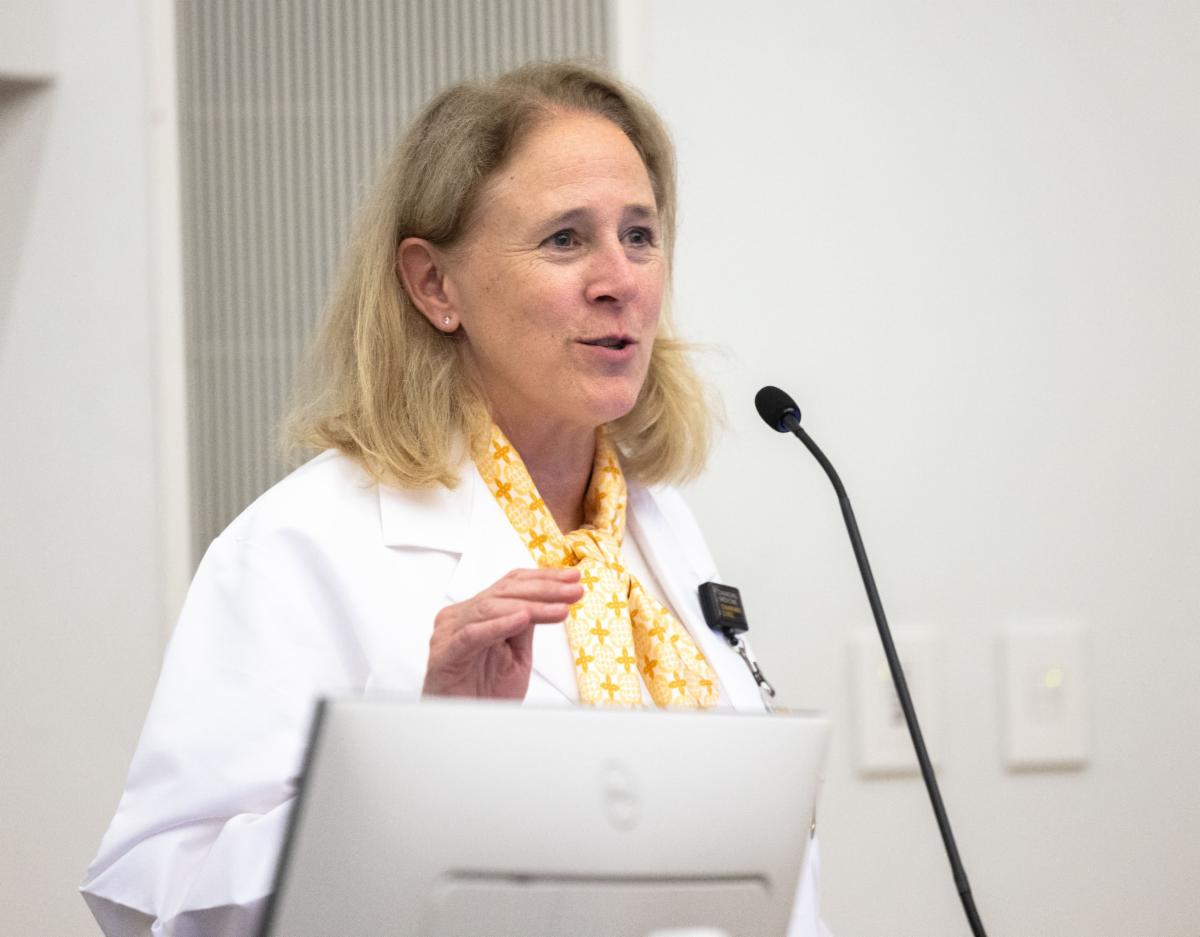
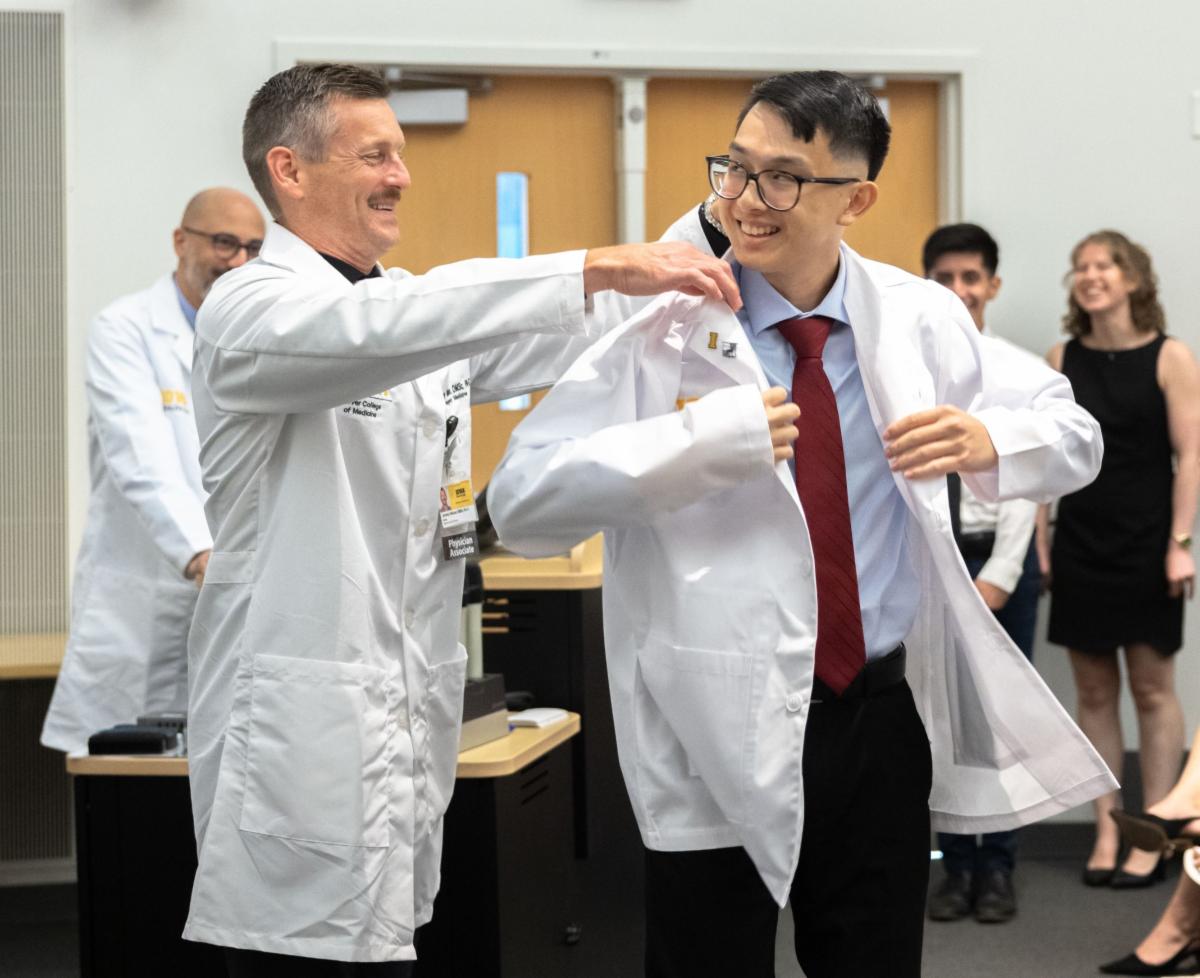
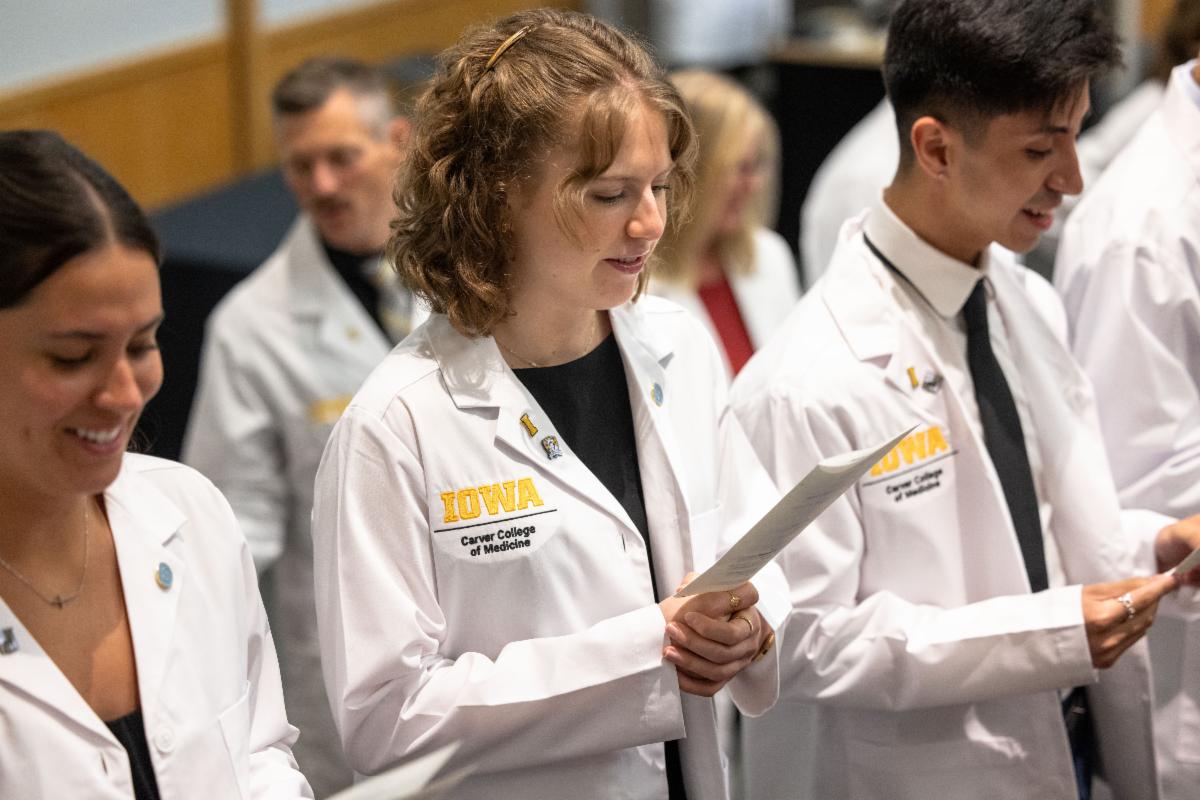
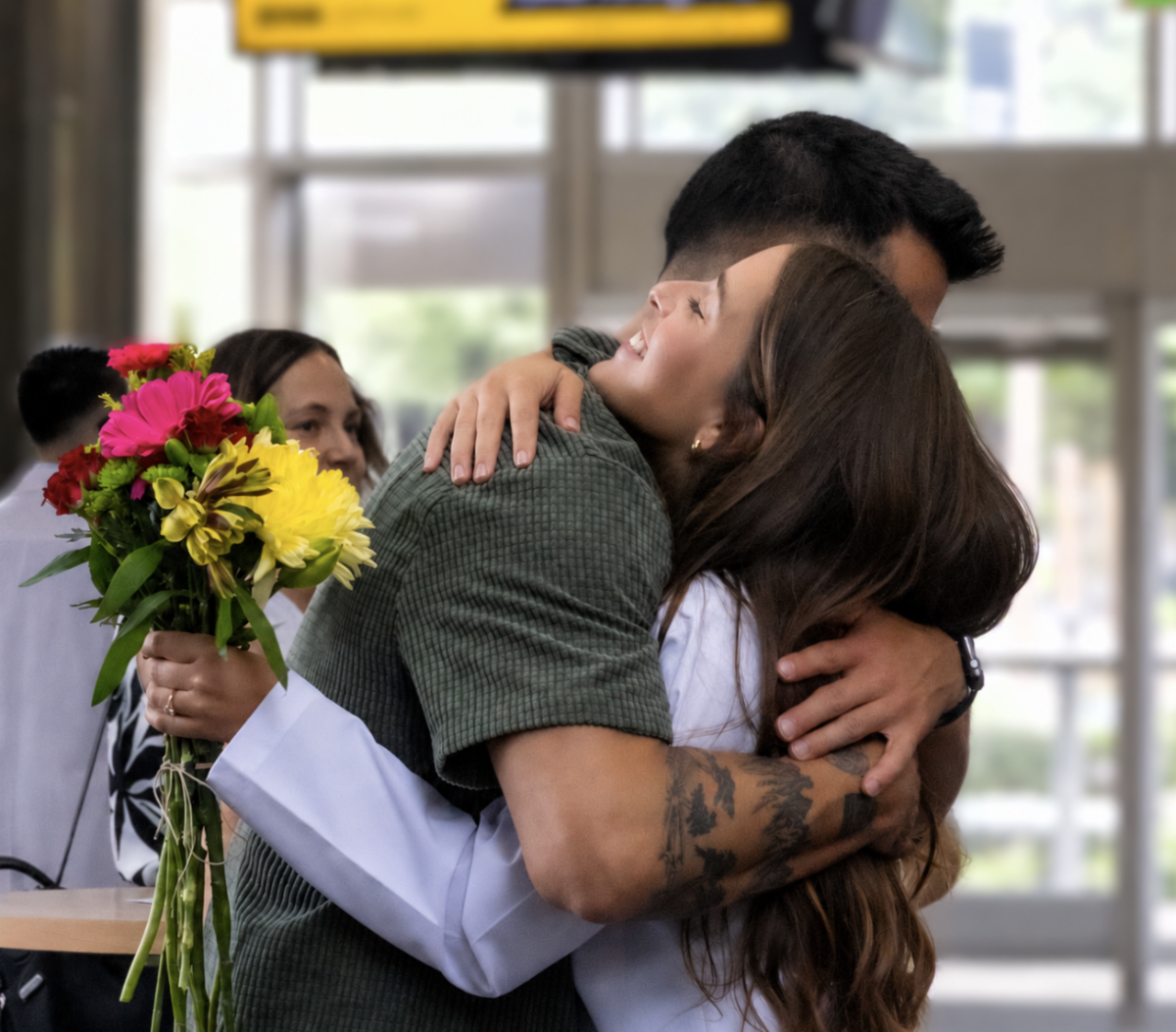
Dr. Denise Jamieson, (top left) Vice-President for Medical Affairs & the Tyrone D Artz Dean in the Carver College of Medicine, welcomes students and their families and friends to the UI PA Program White Coat Ceremony on August 6, 2026.
Student Keenan Tenoyo (top right) receives his white coat from Professor Jeremy Nelson.
Students Catie Yakawich, Kylee Weis, and Omar Villa-Zuniga (bottom left) recite the PA Professional Oath.
Student Logan Blanco (bottom right) celebrates with her fiancé Braiden DeSchryver.
| | |
SNAPSHOT:
Connecting PA Students with Careers Across Iowa
| |
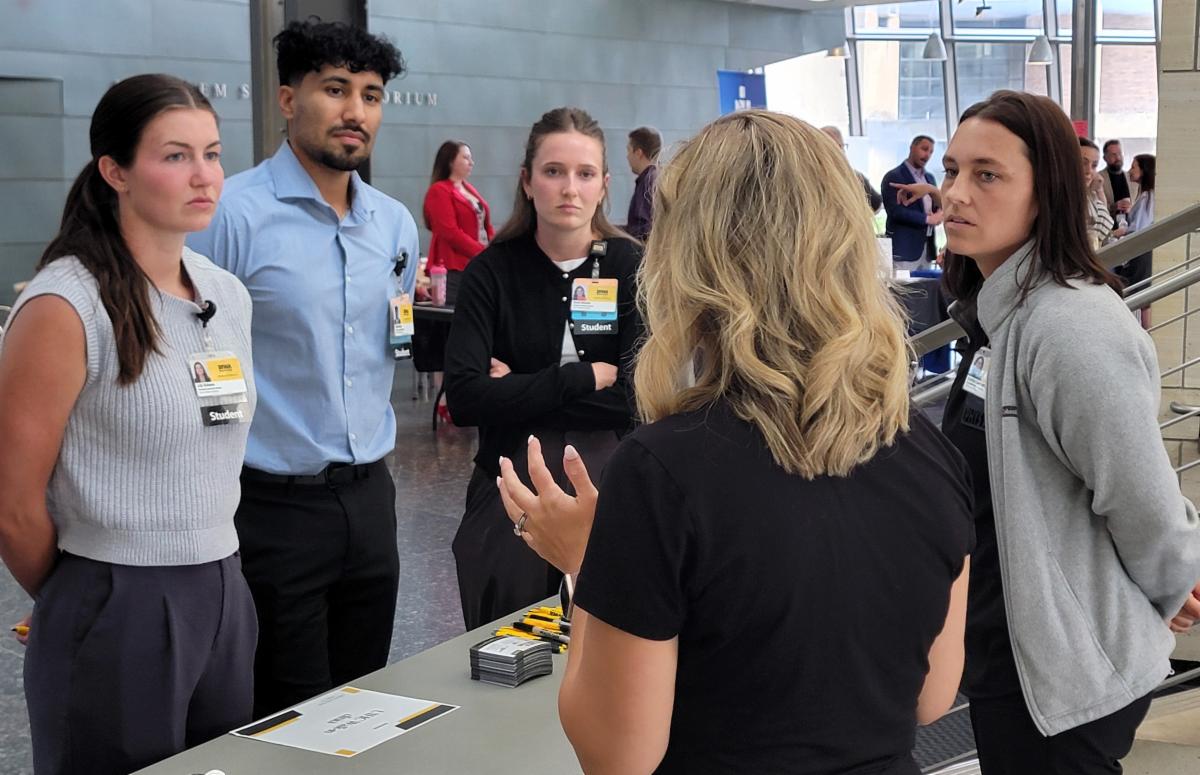
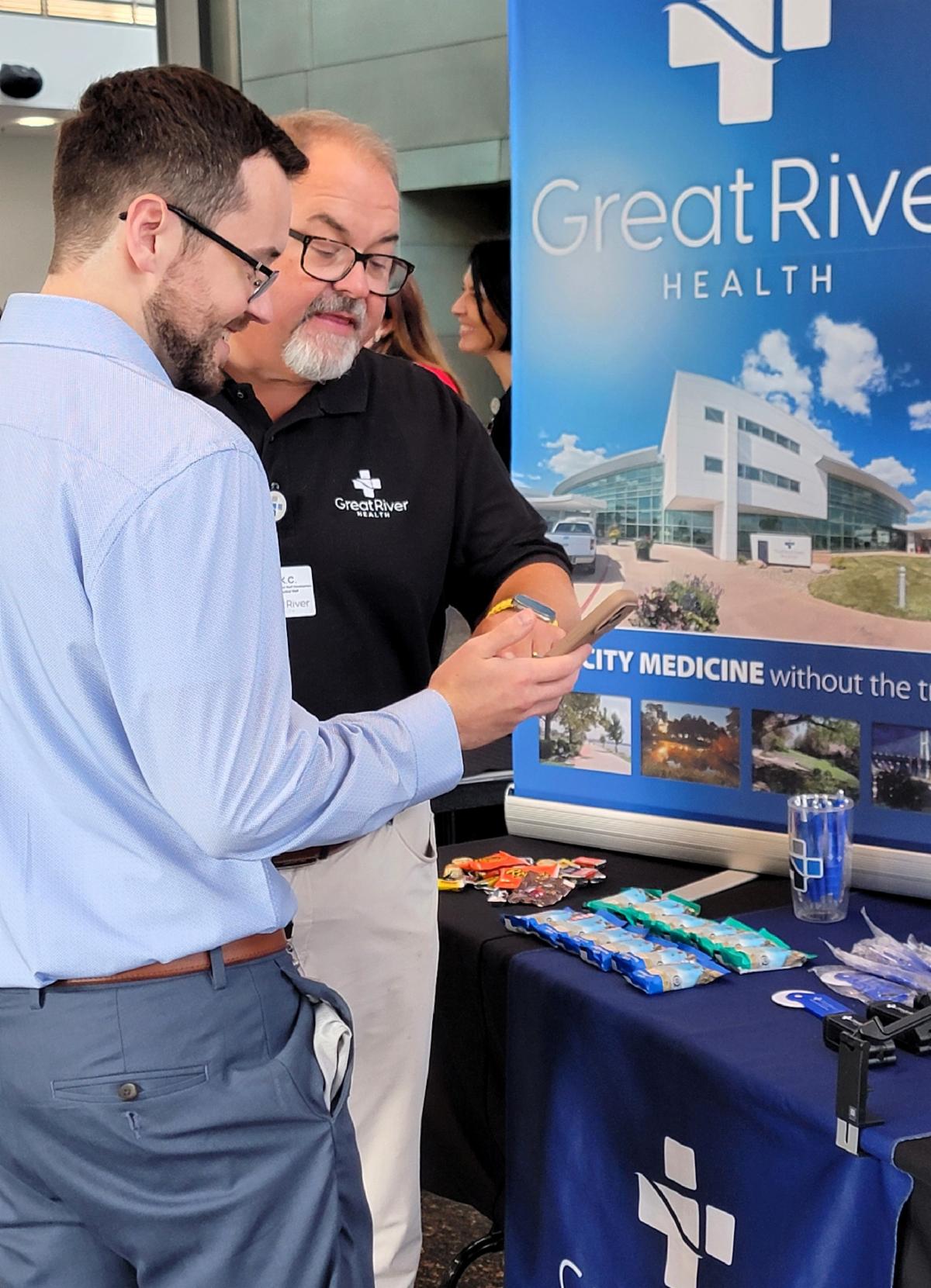
The UI PA Program Annual Career Fair brought representatives from 15 recruiting programs across Iowa to the Jean E. and Renée P. Robillard Atrium on June 25, 2026. Second- and third-year PA students explored career opportunities, learned more about different practice settings, and began building connections with prospective employers. The event also highlighted the program’s strong partnerships with healthcare organizations throughout the state and their shared commitment to supporting Iowa’s future PA workforce. Students Lily Schwen, Edwin Rojas, and Annie Dotzler (above) speak with recruiters for University of Iowa Urgent Care; student Jake Lee (left) visits with a recruiter from Great River Health; and students and recruiters connect throughout the atrium (below). Programs and recruiting organizations interested in participating in the next career fair may contact Nate Kramer, Coordinator of Clinical Outreach and Development, at nathan-kramer@uiowa.edu.
| |
ALUM FEATURE:
A Title That Fits the Work: Jim Earel and the Evolution of the PA Profession
Jim Earel, MPAS PA-C DFAAPA
Class of 2008
For James “Jim” Earel Jr., MPAS PA-C DFAAPA, the evolution of the PA profession has never been only about a title. It’s about ensuring that the language used to describe PAs keeps pace with the care they provide, the teams they work within, and the responsibilities they carry—and doing so without losing sight of the values that have long defined the profession.
A graduate of the University of Iowa PA Program, Earel now practices in orthopedic surgery at ORA Orthopedics, where he works as part of a collaborative clinical team. Alongside his clinical practice, he serves as Chair of the Iowa Physician Associate Society (IPAS) Legislative Committee, a role that’s placed him at the intersection of patient care, professional advocacy, and some of the most consequential policy discussions affecting PAs in Iowa.
His involvement in advocacy grew from a recognition that the conditions under which PAs practice aren’t static. Laws, regulations, and public understanding all influence what clinicians are able to do for their patients. Over time, Earel found that his own strengths—organizing teams, tracking complex processes, and identifying what needs to happen next—translated naturally to legislative work. The day-to-day work he describes is leadership in one of its less visible forms: reading legislation, communicating with lobbyists and legislators, coordinating outreach, and determining when and where the voices of individual PAs can be most effective.
That approach became particularly important as Iowa considered transitioning the profession’s title from Physician Assistant to Physician Associate. However, other legislative priorities—including modernization of supervision requirements and participation in the PA licensure compact—came first. Earel saw value in building relationships with policymakers, and those relationships mattered when the title change eventually moved forward.
Rather than flooding legislators with messages at every stage, Earel describes advocacy as targeted and incremental. “It’s about being thoughtful in that next step,” he said. A bill moves from introduction to subcommittee, committee, and chamber, and each stage requires a different audience, a different conversation, and sometimes a different messenger.
For Earel, the rationale for the new title was equally straightforward. Physician Assistant, he believes, had become less representative of contemporary PA practice and could reinforce an outdated understanding of PAs as simply assisting physicians. Physician Associate, by contrast, better reflects the collaborative relationships he sees in modern healthcare. It describes clinicians who work alongside physicians and other healthcare professionals in a patient-centered, team-based care model, while bringing their own education, expertise, and responsibilities to the team.
| |
Just as important, he emphasizes what the change doesn’t mean. “The work hasn’t changed,” Earel said. “What we’re doing and how we’re working, our relationship with patients and with the staff and physicians that we work with—none of that has changed.”
For him, that continuity matters. The title is evolving, but the commitment to providing high-quality patient care remains the same. So, too, does the profession’s longstanding emphasis on adaptability, collaboration, and finding where a PA’s skills can best meet the needs of patients and communities.
Looking toward the newest generation of PAs, Earel sees the pressures outside clinical of practice—particularly the rising costs of education, student loan access, housing costs, and establishing a life after graduation.
His advice to students who want to influence the profession they’re inheriting is refreshingly practical: begin with what you can give. Join the state organization. Write to a legislator. Make a phone call. Ask where help is needed. Meaningful advocacy doesn’t always require holding an office or devoting countless hours.
And Earel is quick to recognize that even work done quietly behind the scenes is rarely done alone. He credits his wife, Anne, for her understanding and support of the time and attention his advocacy work can demand.
Professional progress, Earel’s experience suggests, is rarely the work of one person or one legislative session. It accumulates through relationships, persistence, and people who are willing to remain engaged.
For the students just beginning their PA education at Iowa, that may be the most enduring lesson. Titles will change. Laws will evolve. New opportunities will emerge. But the profession continues to move forward because PAs—and the people who support them—choose, generation after generation, to help shape what comes next.
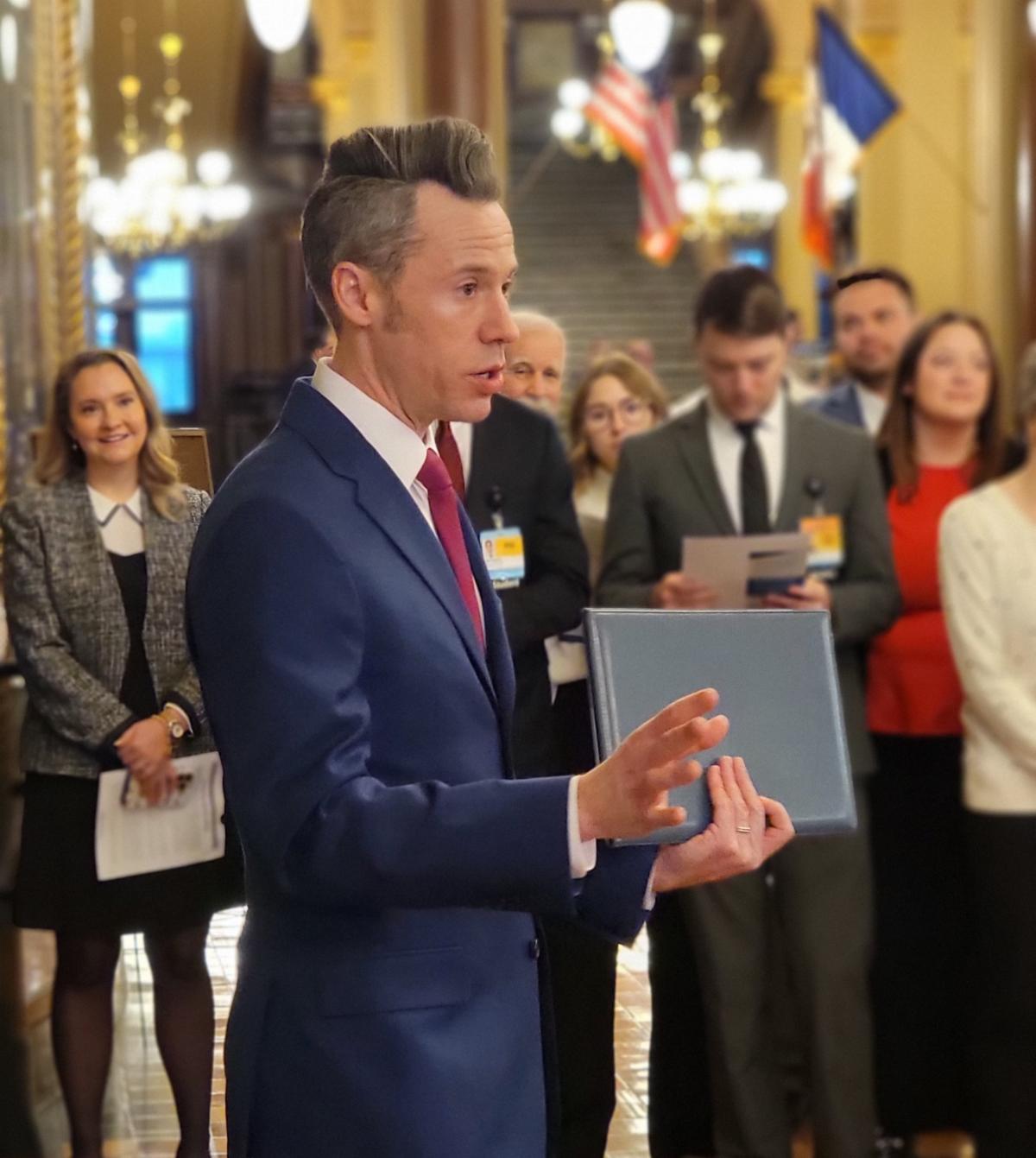
| Jim Earel (above right), Chair of the Iowa Physician Associate Society (IPAS) Legislative Committee, speaks with PAs, PA students, and friends of the profession at the Iowa State Capitol during PA Advocacy Day in Des Moines, Iowa, on January 29, 2026. | |
SNAPSHOT:
Belonging Across the PA Journey
| |
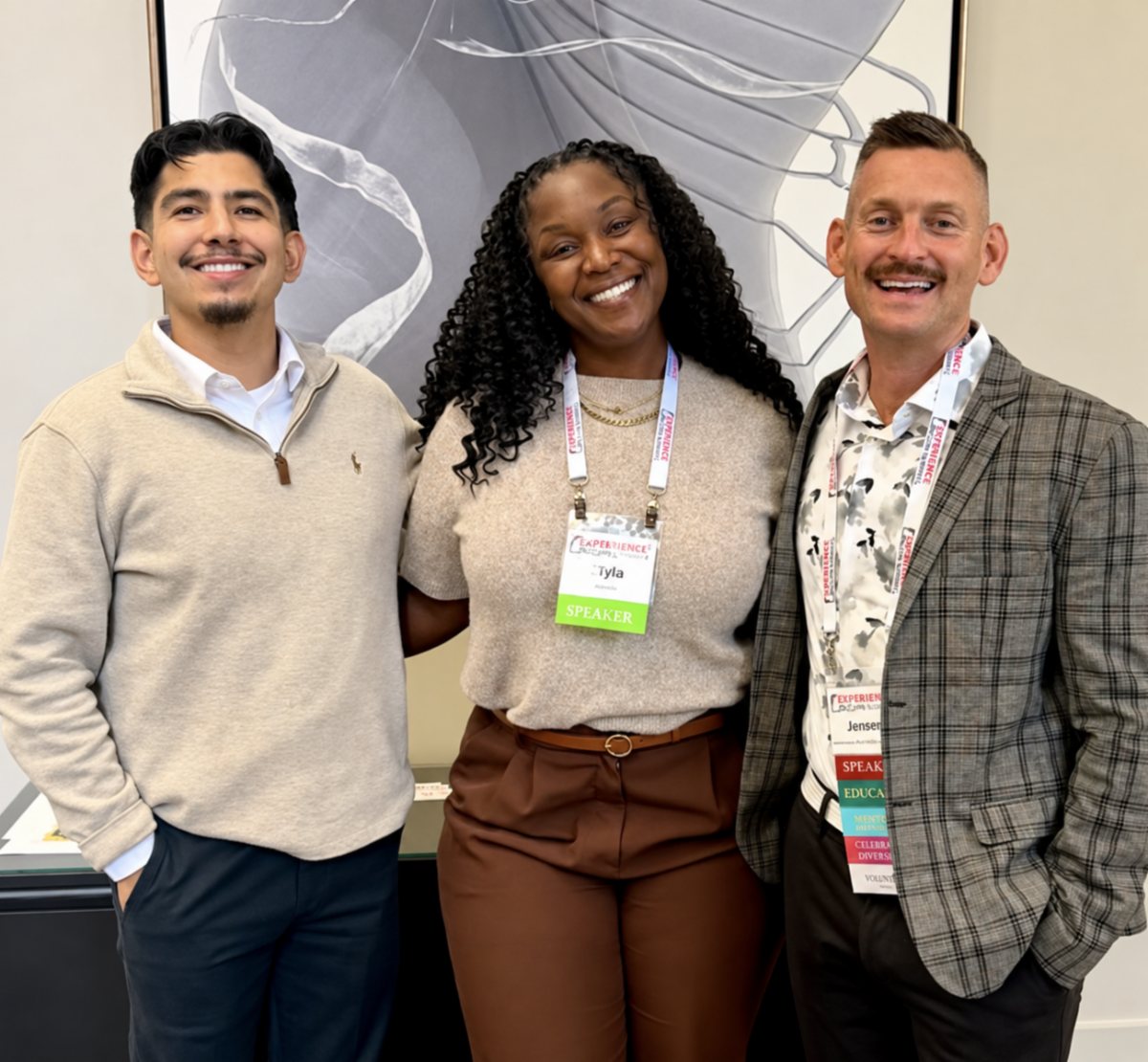
PA students Leo Davila and Jayla Jones (left) joined Professor Jeremy Nelson at the 2026 National Commission on Certification of Physician Assistants (NCCPA) REPRESENT! Summit in Atlanta, Georgia, on September 19. Davila and Jones presented “From Admission to the Workforce: Student Perspectives on Belonging in PA Education,” with Nelson serving as the session facilitator. Hosted by NCCPA, the biennial summit brings together PA students, educators, clinicians, and leaders from across the profession to strengthen representation, expand opportunity, and foster belonging throughout PA education and the PA workforce..
| |
STAFF FEATURE:
Continuity in Motion: Tom O’Shea and the Work That Sustains a PA Program
Thomas O'Shea, PhD MEd
Director of Administrative and Student Services
| |
Programs change. Curricula evolve. Titles are reconsidered, processes redesigned, and each new class enters a profession that is subtly different from the one its predecessors joined.
What allows an institution to evolve without losing its identity, however, is often less visible: the people who remember where it’s been, understand why it works as it does, and remain willing to imagine what it might become next. For the University of Iowa PA Program, Thomas Dr. O’Shea, PhD MEd, has long been one of those people.
On October 9, Dr. O’Shea, Director of Administrative and Student Services, received the PA Education Association’s 2026 Administrative Support Staff Award at the PAEA Education Forum in Austin, Texas. The prestigious national award honors the contributions of administrative professionals whose work advances PA education through collaboration, innovation, effectiveness, and resourcefulness.
The recognition is national, but Dr. O’Shea’s explanation of what it means is distinctly local—and centered on the students he’s spent years helping into, through, and beyond their training. “I was very honored and humbled to receive the recognition,” he said. More than affirmation of his work, he described the award as reassurance that he continues to make “a difference in the lives of the students,” which has remained the central reason he chose this work in the first place.
| |
That commitment extends across nearly every stage of a student’s journey. Much of Dr. O’Shea’s role centers on recruitment, admissions, matriculation, orientation, advising, and financial aid, alongside the less visible departmental infrastructure that allows the program to function day after day. It’s work that often less visible precisely because it’s done well.
Yet some of the moments Dr. O’Shea remembers most vividly are deeply personal. He calls students individually when they’re offered admission. Years later, many can still tell him exactly where they were when his call came—who they were with, what they were doing, even the emotion of the moment.
For Dr. O’Shea, those calls are not simply admissions transactions; they often mark the beginning of relationships that continue well beyond matriculation. At the other end of the student journey, graduates invite him to celebrations and social gatherings, including him in the moments that close one chapter and begin another.
| |
Between those milestones, he’s watched generations of students wrestle with doubt, recover from setbacks, and develop confidence in their ability to become clinicians. He describes grit, resilience, self-awareness, and a willingness to seek help as qualities he’s repeatedly learned from PA students himself.
“They belong in the community,” he said of students entering the program. “They were selected for a reason.” Just as importantly, he wants them to understand that they’re not navigating the process alone. “There’s always someone that’s going to be there to make sure that their questions get answered or they get the information they need to be successful.”
Institutional memory, he believes, should serve as a resource rather than a restraint. There’s value in understanding “what’s been done before, what went well, and what may not have necessarily gone well.” But history shouldn’t become an argument for inertia. “Just because we did something this way in the past,” he said, “doesn’t necessarily mean that it needs to be done that way in the future.”
That perspective feels especially resonant now. As Iowa transitions from Physician Assistant to Physician Associate in the name of its degree and department, students are entering the profession during another visible period of change. Dr. O’Shea’s perspective is a reminder that professional identity is shaped not only by what changes but also by what a community chooses to carry forward.
| |
From his vantage point, what matters most has remained remarkably stable: a commitment to student success, a strong program community, and graduates who remain connected long after leaving Iowa. Alumni return as interviewers, preceptors, speakers, and mentors—participating in something larger than any single curriculum, title, or cohort.
Behind much of that continuity is collaborative work. Dr. O’Shea is quick to reject the idea that any of it is accomplished alone. “Everything should be a team approach,” he said. “I’m not alone in the department. I’m not alone in the things that I’m doing on a day-to-day basis.”
That commitment to relationships has itself been shaped by mentorship and carried forward through collaboration. Dr. O’Shea credits Connie Hansen, a mentor since his undergraduate years at the University of Northern Iowa, with showing him how deeply meaningful relationships with students could coexist with professionalism and purpose. Today, he sees that work continuing within the University of Iowa PA Program through colleagues such as Kaila Fairchild, Coordinator of Departmental Services, whom he describes as a key partner in helping students navigate the program from matriculation through graduation. For Dr. O’Shea, those relationships are also how institutional knowledge travels: mentorship received becomes mentorship extended, and the responsibility for supporting students is shared.
Perhaps that’s the deeper significance of this year’s recognition. Continuity isn’t the absence of change, and institutional memory isn’t nostalgia. Both are active practices: understanding what deserves to be carried forward, knowing what should be reconsidered, and building relationships strong enough to support the program through both.
For Dr. O’Shea, the measure remains straightforward.
“Student success is my passion,” he said. “When I’m not making a difference in a student’s life in some way, that’s probably when I’ll know it’s time to retire.”
| |
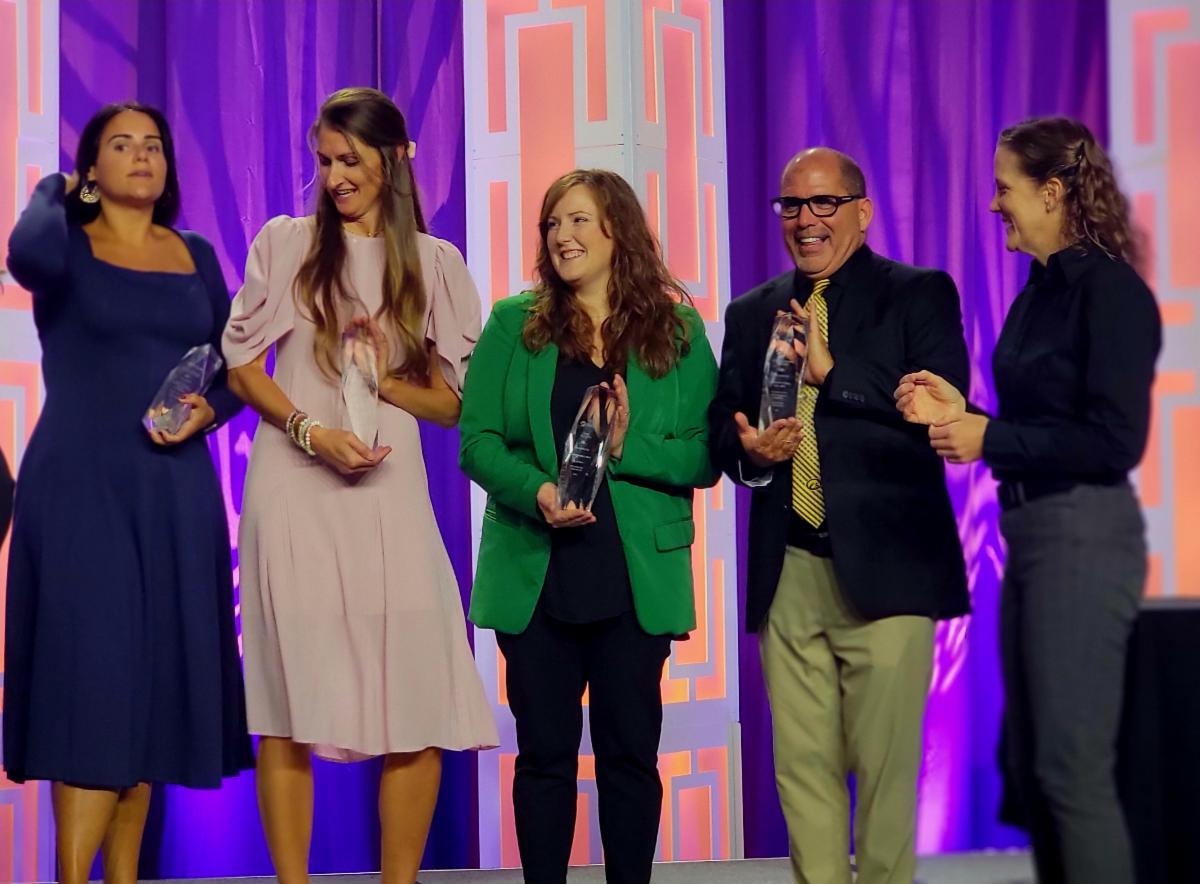
Dr. Tom O’Shea (top right), recipient of the PA Education Association (PAEA) 2026 Administrative Support Staff Award, poses for a photograph alongside recipients of awards in other categories.
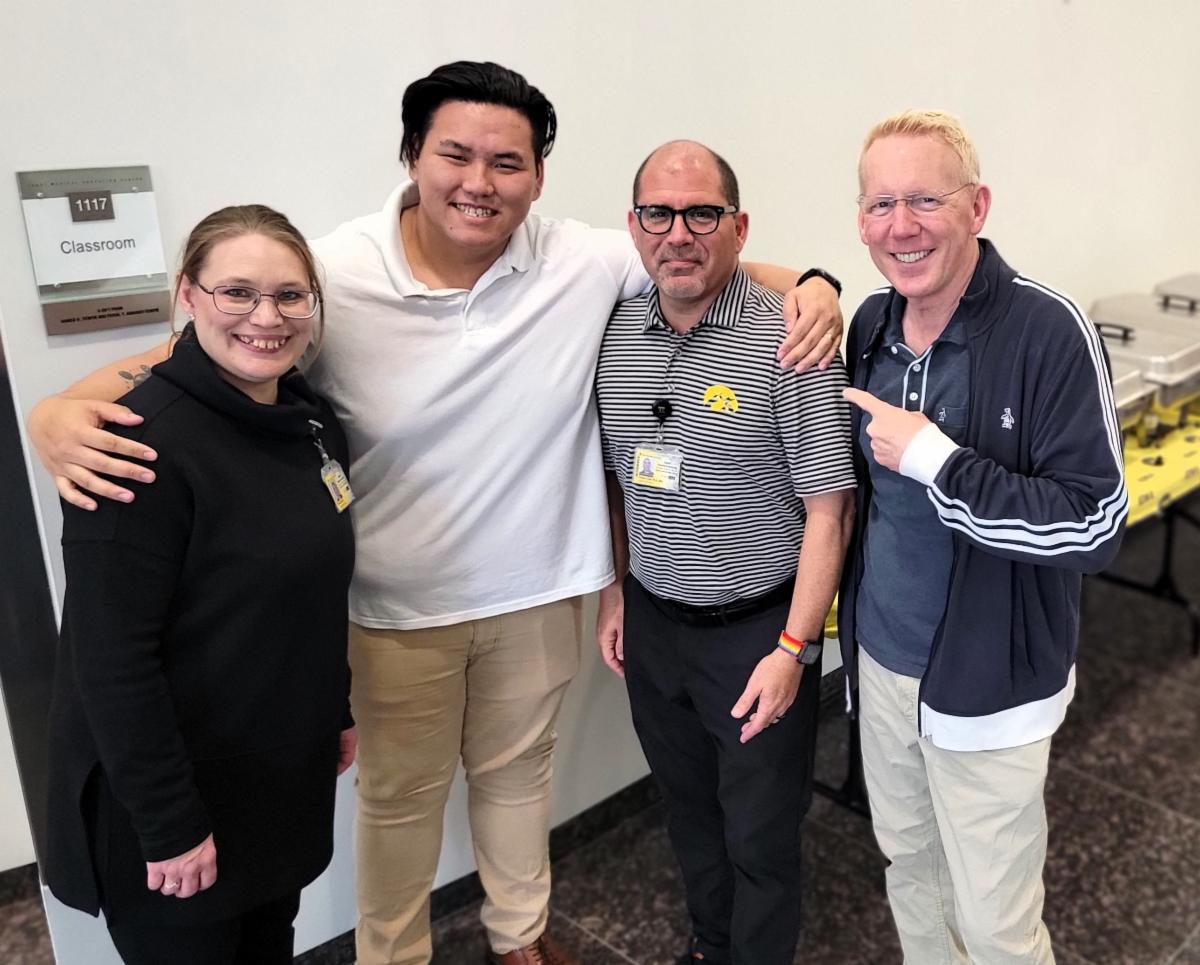
O'Shea (middle left) is joined by UI PA Program staff, Kaila Fairchild, Andrew Dao, and Nate Kramer.
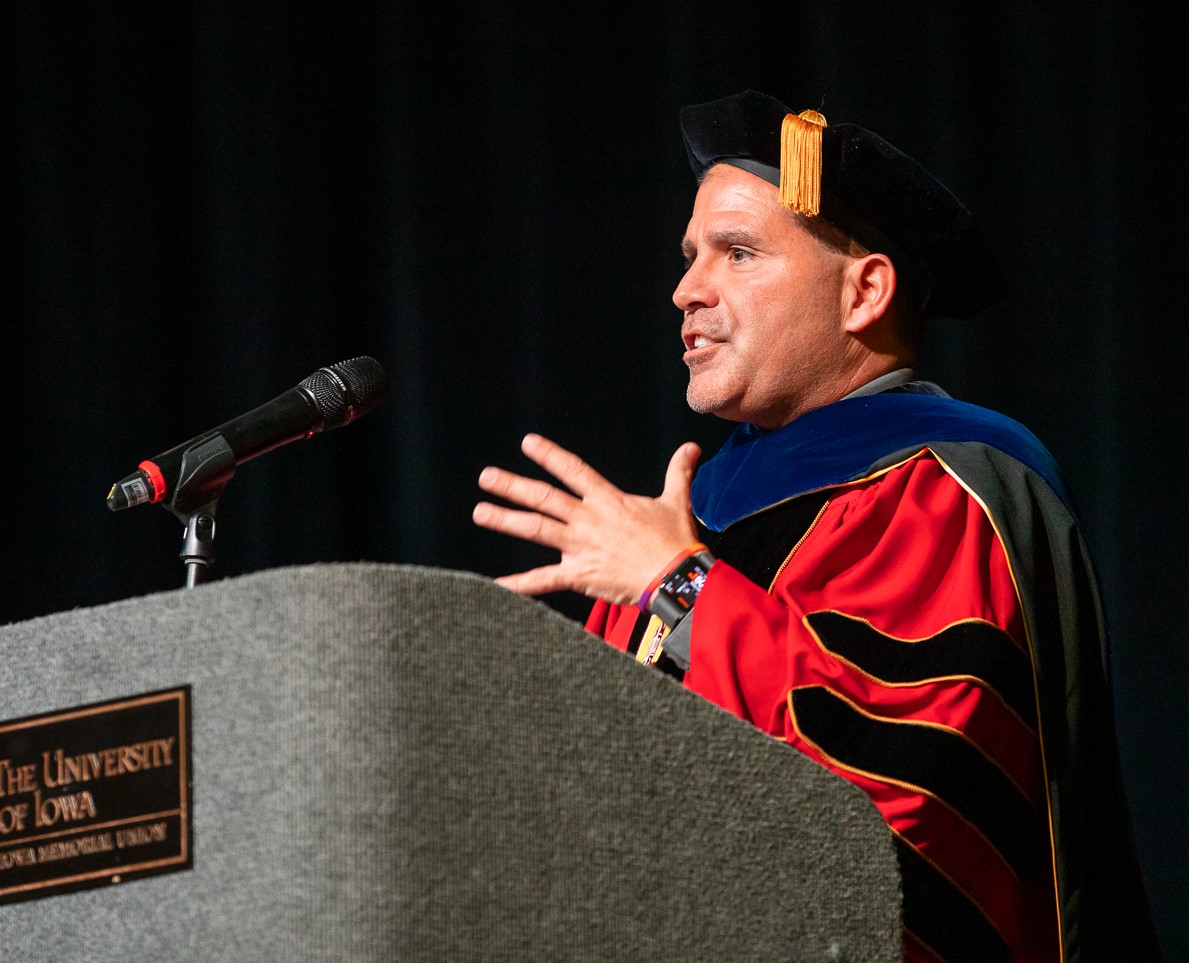
O'Shea (middle right) delivers the commencement address during a recent PA graduation ceremony.
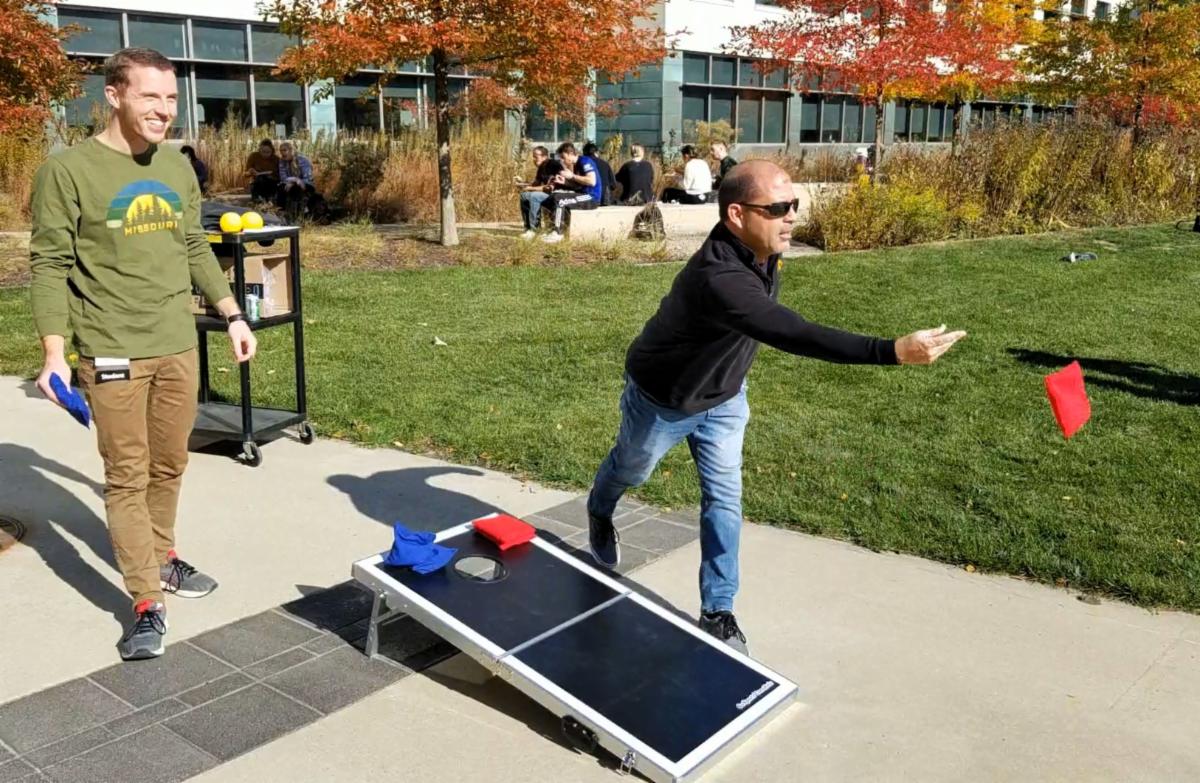
O'Shea (bottom left) plays cornhole with alum Simon Manring during the summer term.
| | |
AUDIO CLIP:
Inspiring the Next Generation of PAs
| |
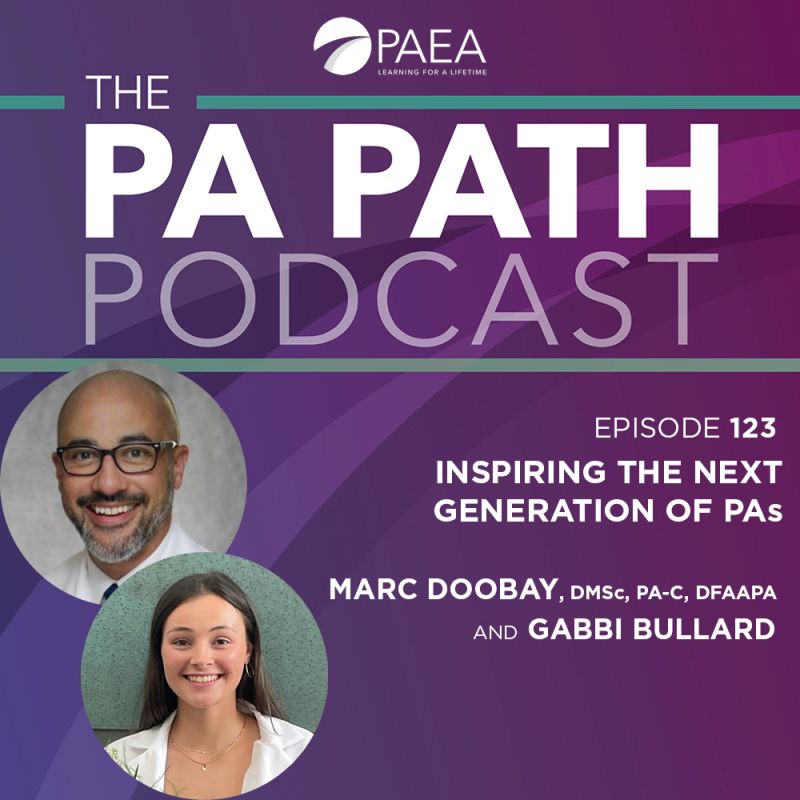
What happens when PA students take the lead in inspiring the next generation of healthcare professionals? In this clip from The PA Path Podcast, UI PA student Gabbi Bullard and Professor Marc Doobay discuss how student-led outreach can introduce young learners to healthcare careers while creating a sense of visibility, access, and belonging. The full episode, “Inspiring the Next Generation of PAs,” explores the UI PA Program’s work through the PA Education Association (PAEA) PA Student Success competition, including the PASS initiative, hands-on outreach in Iowa City elementary classrooms, student leadership, and the importance of building programs that are both responsive to community needs and sustainable for the future.
| |
PA COMMUNITY VOICES:
What Endures: The Heart of a Great PA
Our profession continues to evolve, including in the language we use to name ourselves. Yet the qualities at the heart of excellent PA practice remain remarkably constant: humility, curiosity, adaptability, collaboration, service, and an unwavering commitment to patients.
We invited students, alumni, preceptors, and friends of the profession to reflect on that continuity by completing one simple statement:
“No matter what we call ourselves, a great PA…”
| |
"...will continuously work to advocate for their patients and meet them where they are in life. Passionate, empathetic care is built on understanding where patients are within their healthcare journey and supporting them every step of the way. This approach to healthcare strengthens the connection between the patient and provider and empowers the patient to feel comfortable in their own well-being."
An-Chi Nguyen (PA-S1)
| |
"...a great PA approaches each day with both the intellectual and emotional dimensions of our humanity at the forefront."
Kaia Porter, MPAS PA-C (Class of 2025)
| |
"...remains committed to listening, lifelong learning, and putting patients at the center of every decision."
John Buckner, MPAS PA-C (Class of 2024)
| |
"...puts service above self. We lead with compassion for our patients and recognize that caring for their health means caring for the whole person—not just a diagnosis or a set of symptoms. At our best, we listen, advocate, and act with humility, making a meaningful difference in the lives of the patients and communities we are entrusted to care for."
Chloe Kepros (PA-S3)
| |
"...remain grateful for the trust in which our patients bestow onto us and will remain gracious with the information our patients trust us to receive. We must keep humility, knowing we are incredibly privileged to be in such a trusted position where we may be one of a few to get such a personal view into one's life."
Matthias Simmons (PA-S1)
| |
"...is someone who has met a calling. Who's education and training challenged them intellectually, physically, socially and emotionally. They have delayed gratification to acquire the needed knowledge and skills to meet the needs of future patients and the health care community in which they work. They have positioned themselves to grow with the profession, acclimate to the name and apply scientific discovery for public welfare. Whatever the title, patients will benefit from their interest in being lifelong learners."
Gwen Hoffmann (former Coordinator of Clinical Outreach and Development, 2022–2025; retired)
| |
|
VIDEO CLIP:
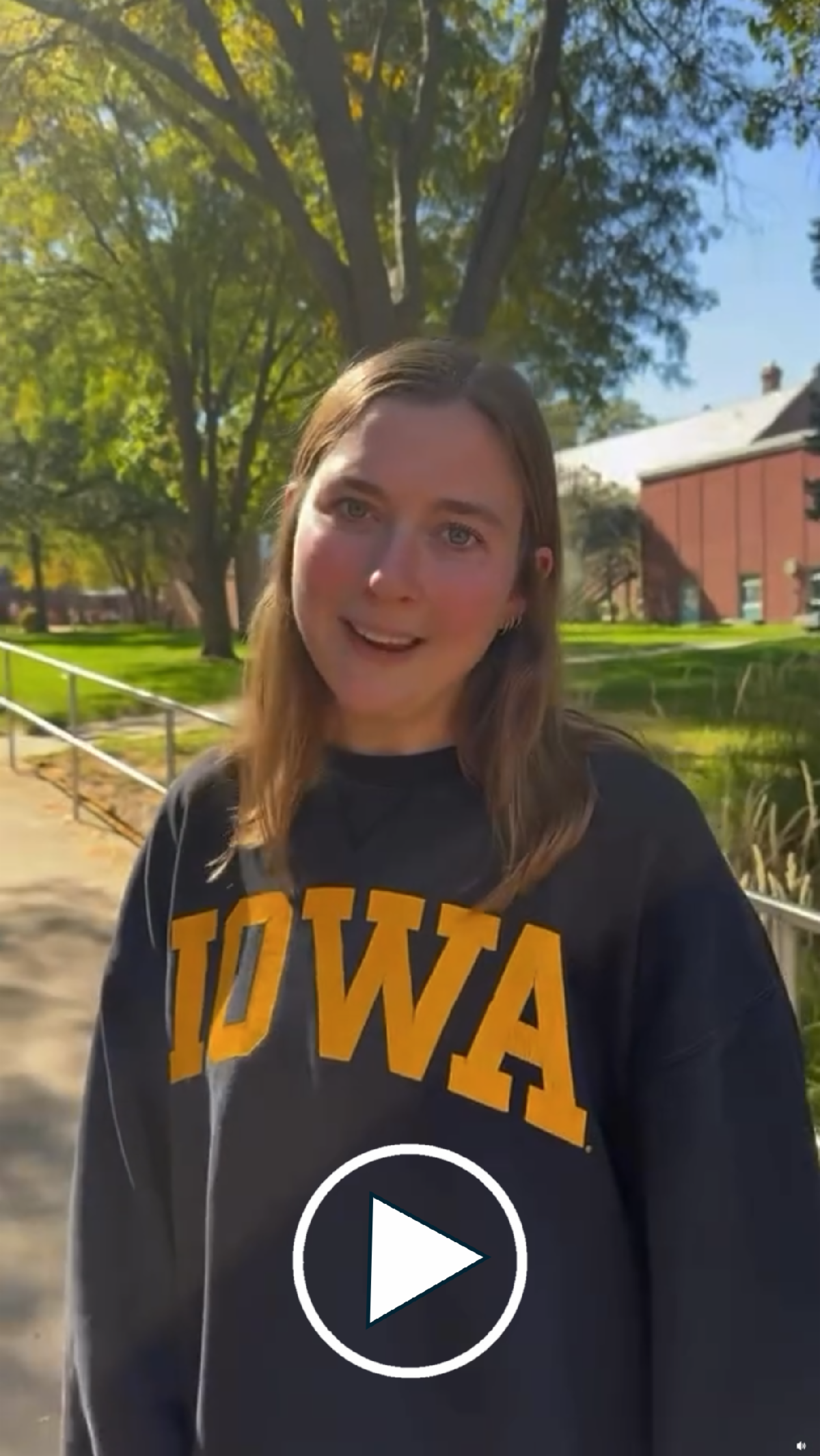
What's the best part of PA school?
| |
In this video clip (right), students share their favorite part of PA school.
| |
CURRICULUM COLLAGE:
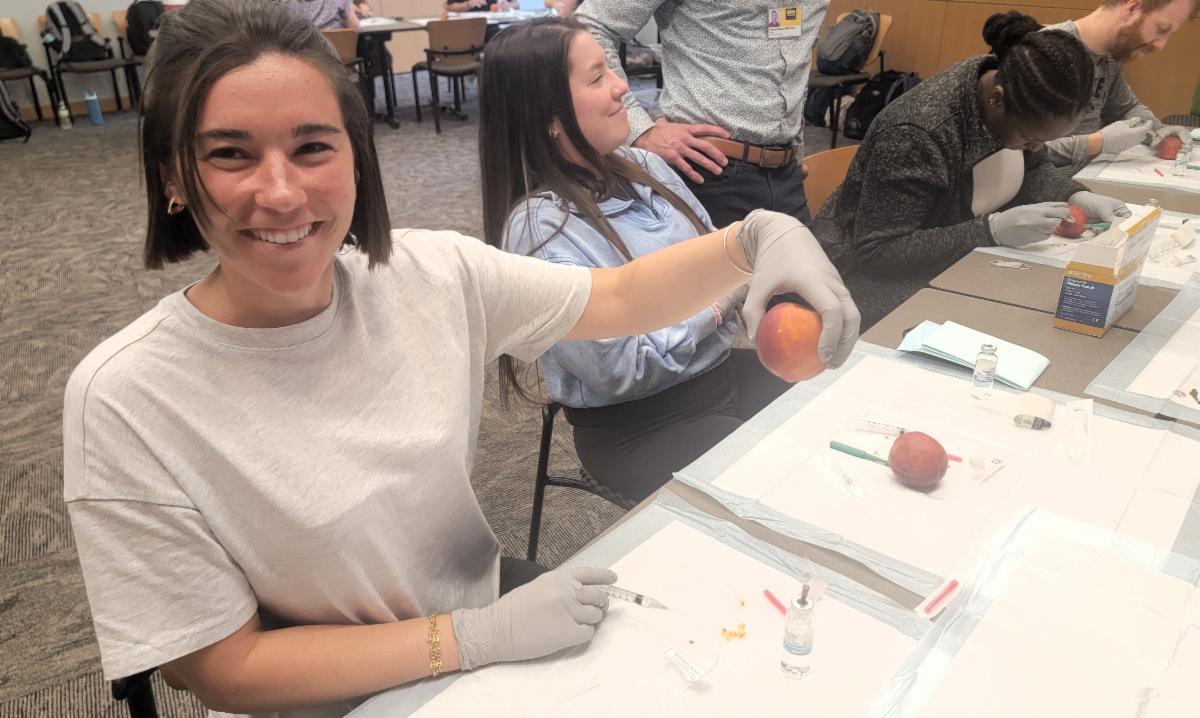
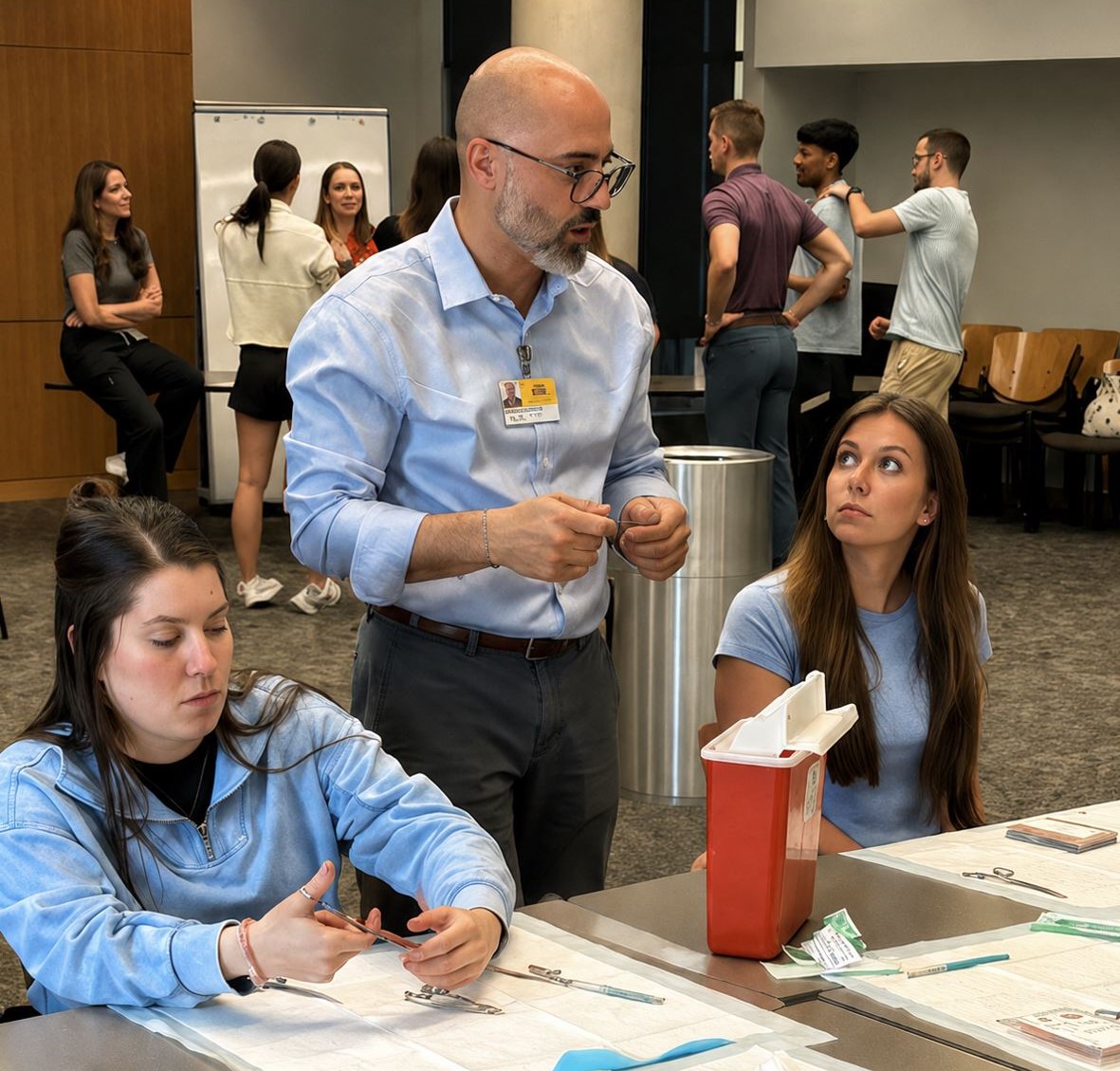
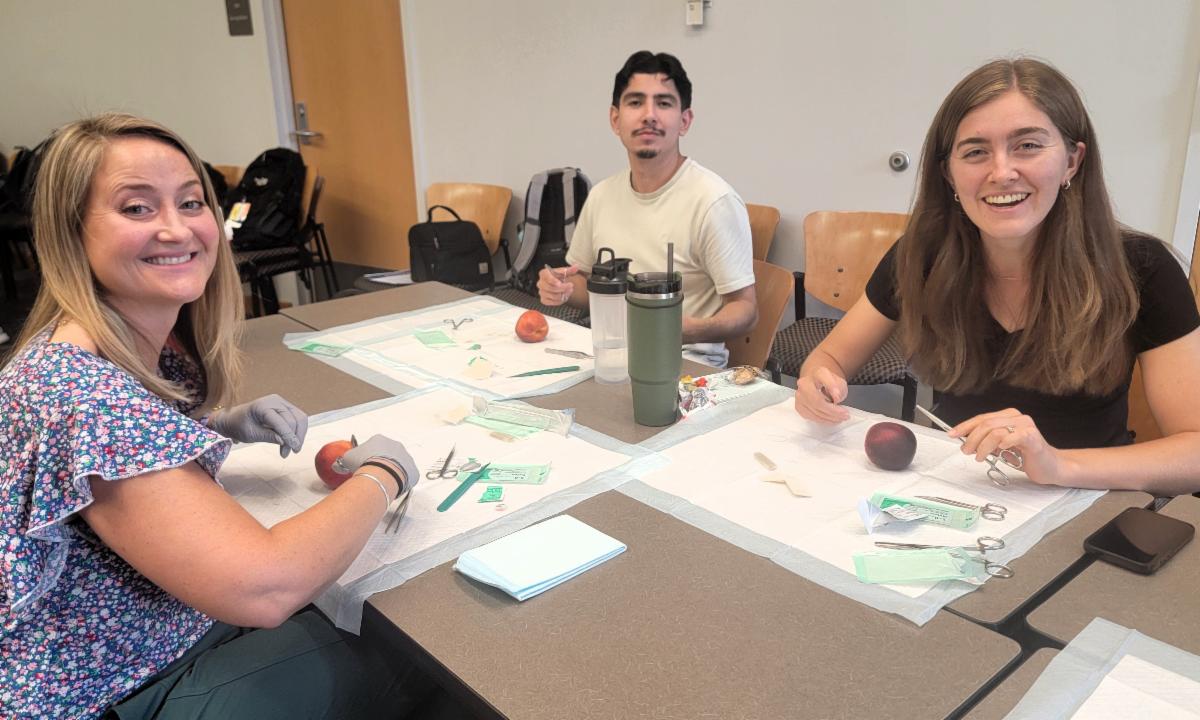
Second-year PA students return from clinical rotations for procedural skills training at the 2nd Quarterly Meeting
| |
Student Emily Mazzeo (above) practices administering local anesthetic using a peach as a wound-repair model.
Professor Marc Doobay (left) guides students Kennedy Sana and Sierra Sheets through wound-repair technique.
| |
Students Chelsea Francisco, Leo Davila, and Bekah Jones (above) refine their procedural skills while practicing wound closure on peach models.
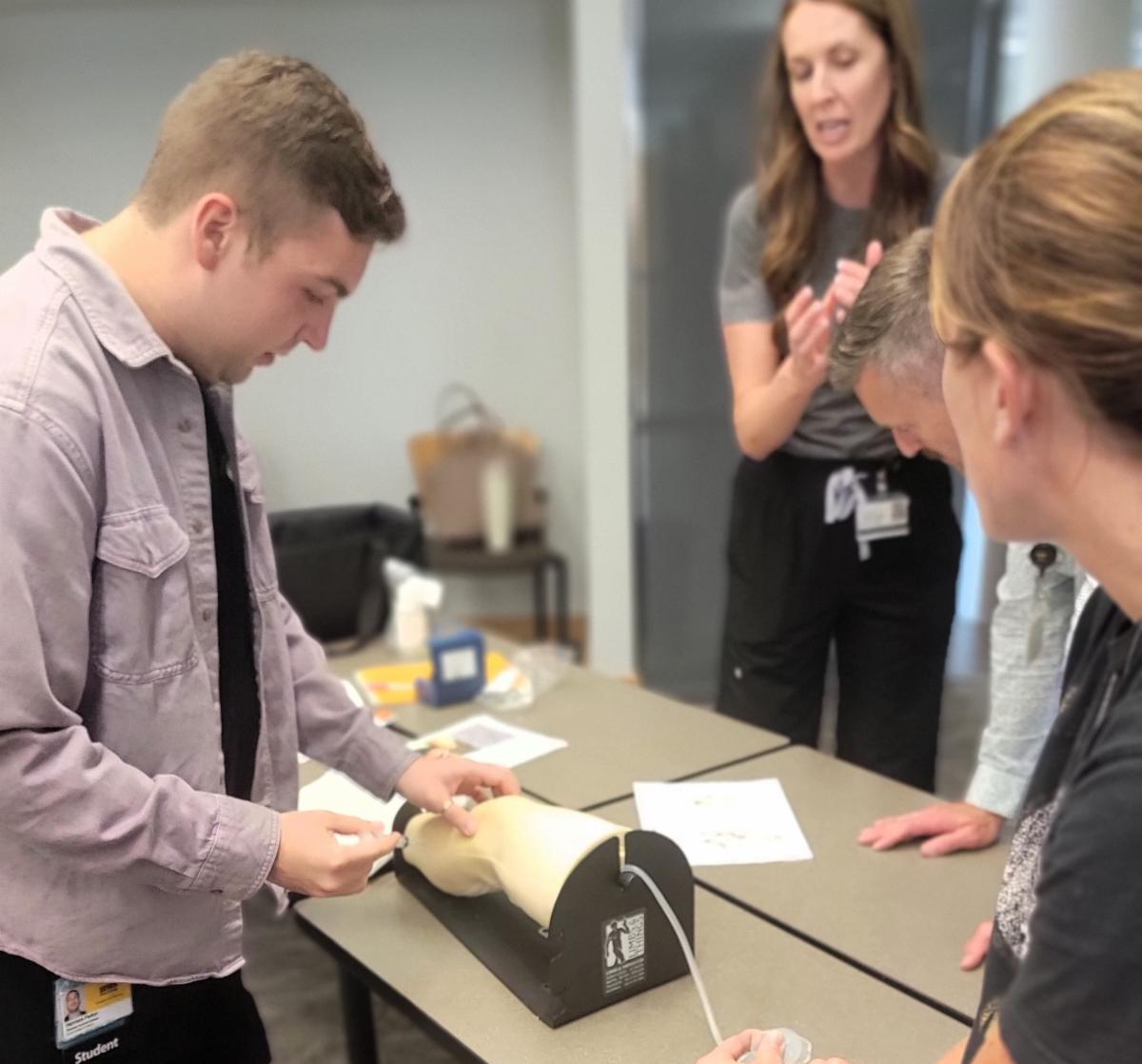
Student Harrison Parker (right) performs an intra-articular knee injection on a joint simulator under the guidance of alumna Kimberly Leman, MPAS PA-C.
| | |
|
Isabel Ahmann (expected 2027) was awarded the Iowa Physician Associate Society (IPAS) 2026 Student Scholarship.
Leo Davila and Jayla Jones (expected 2026) presented “From Admission to the Workforce: Student Perspectives on Belonging in PA Education” at the 2026 National Commission on Certification of Physician Assistants (NCCPA) REPRESENT! Summit in Atlanta, Georga, on September 19.
| |
Marc Doobay (2011) was promoted from Clinical Assistant Professor to Clinical Associate Professor in the University of Iowa Department of Physician Associate Studies and Services and in the Department of Family and Community Medicine.
Jeremy Nelson (2009) was elected the Second Vice Speaker of the American Academy of Physician Associates (AAPA) House of Delegates and seated on the AAPA Board of Directors.
Theresa Hegmann (1991) was elected by acclamation as the Director of Prince Edward Island on the Canadian Association of Physician Assistants (CAPA) Board of Directors.
| |
Carol Gorney (1990) was awarded the Collaborative Partner Award by Exxat Prism at the Exxat CoHERE Annual User Conference in Baltimore, Maryland, on September 24, 2026.
Tom O'Shea was awarded the PA Education Association (PAEA) Administrative Support Staff Award at the PAEA Education Forum in Austin, Texas, on October 9, 2026.
| |
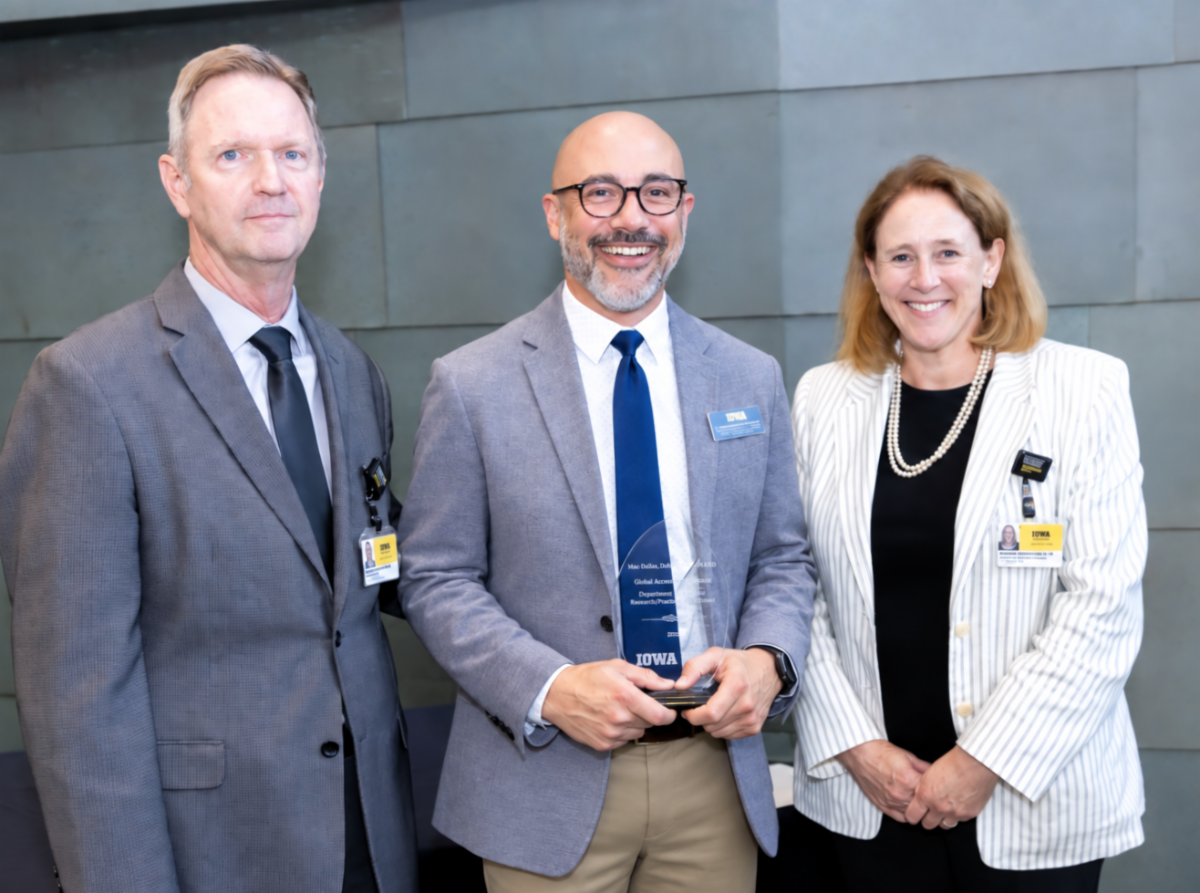
Professor Marc Doobay (above right) is recognized at the Annual Professors Reception by Dean David Asprey and Dr. Denise Jamieson, Vice-President for Medical Affairs & the Tyrone D. Artz Dean in the Carver College of Medicine.
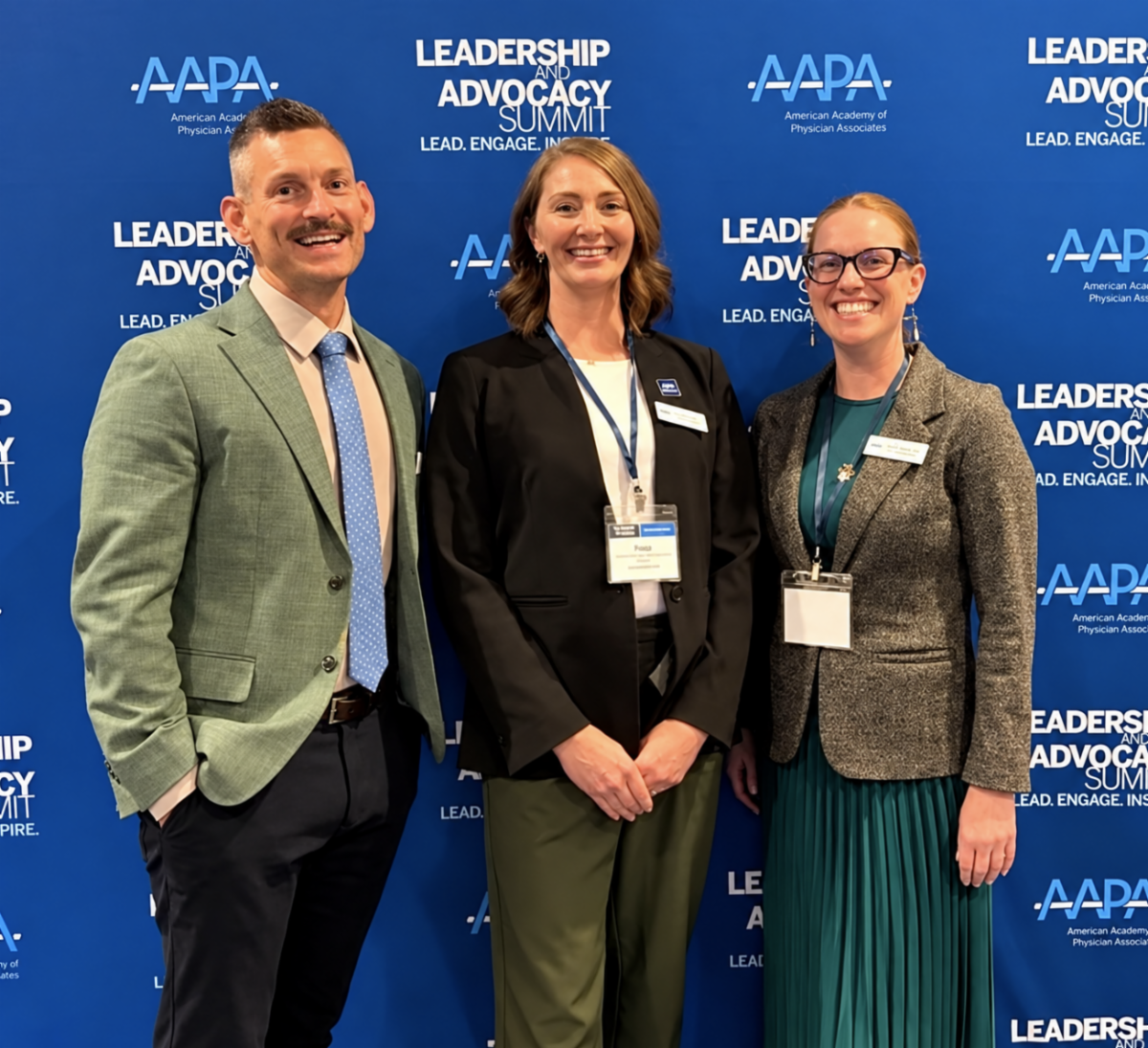
Professor Jeremy Nelson (above left), newly elected 2nd Vice Speaker of the American Academy of Physician Associates (AAPA) House of Delegates (HOD) and Director on the AAPA Board of Directors (BOD), joins Peggy Walsh Sheryka, Speaker of the AAPA HOD and Vice President of the AAPA BOD, and Rachel Weinzimmer 1st Vice Speaker of the AAPA HOD and Director on the AAPA BOD, at the AAPA Leadership and Advocacy Summit in Washington, DC, on September 24-26.
| |
|
Nelson JN, Doobay MF. From learner to learning designer: A student’s perspective on gamifying antimicrobial stewardship. J Physician Assist Educ. 2026;37(3). Published online October 5, 2026. doi:10.1097/JPA.0000000000000797
| | | | Do you recognize these members of the Hawkeye PA family? Click on the photo to reveal these members of the Class of 2019. | |
We want to hear from you! Each quarterly newsletter will highlight our alums' life events. Please submit your good news—such as a new job, growing family, or big award. Thanks for being a part of our Hawkeye PA family! | | |
Would you like to be added to our UI PA Program newsletter e-mail list? Click HERE!
| | | | |