|
Fall 2026
“A fallen leaf is nothing more than a summer’s wave goodbye.” —unknown
| |
Hello from Lacey
Fall in the Interior is always bittersweet. The brisk mornings and rapidly shortening days signal us to slow down and reflect, even as we roll up our sleeves to prepare the beds for winter. Do not be fooled by the gray skies; while fall calls for reflection, it is far from a season of rest around here. We want to pause before the snow flies and give a heartfelt thank you to all of our supporters.
The Georgeson Botanical Garden has truly flourished these past few years, fueled by the unwavering support of the GBG Friends and our greater Fairbanks community. Thanks to our donors, volunteers, staff and partners throughout the region the garden continues to grow into something collective and glorious. None of this work happens without you, and we remain deeply grateful for the role you play in keeping this far-north sanctuary thriving.
Thank you,
Lacey Higham
Directing Manager, Georgeson Botanical Garden
Institute of Agriculture, Natural Resources & Extension
University of Alaska, Fairbanks
| | |
If you donated money to the GBGF during the past year whether a small or large gift—you are a friend of the garden. The friends are responsible for the impressive work that was accomplished this summer. Your gifts paid for the hard-working summer staff, plants, supplies and equipment. Because of friends like you, the garden is flourishing!
Thank you.
Patty Kastelic
Georgeson Botanical Garden Friends
Board President
| | Summer research and trial updates | | |
Looking back over these past few months, the garden was alive with so much energy and community spirit. Between hosting hundreds every Thursday night at Music in the Garden, splashing around for Mud Day and celebrating our far-north berries at Currant Fest, our grounds were constantly buzzing.
Behind the fun, our team was hard at work—digging into new plant trials, exploring new tree alternatives, keeping up with grounds projects and growing fresh food with the Alaska Harvest Collaborative. We have so much to share from this season, so grab a warm cup of tea and take a look at what we’ve been up to!
| | |
Fruit & nut survivorship trials
Our long-term woody plant and fruit trials put Interior resilience to the test! Here is how our crops fared after another Interior winter:
-
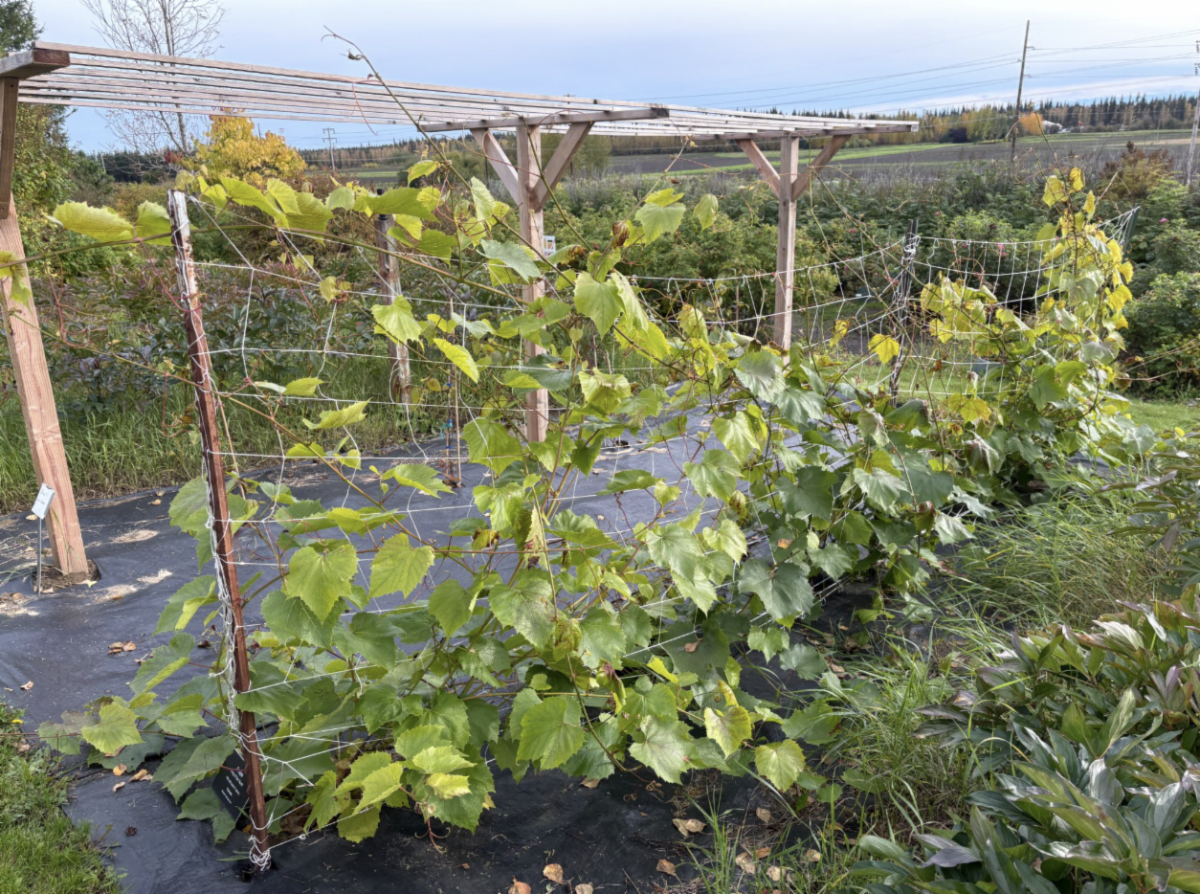
Grapes. 100% of our grapevines survived the first winter and are growing exponentially!
-
Hazelnuts. 100% survival rate since planting in 2023, showing hardiness even after last year's harsh winter conditions.
-
Arctic kiwis. Newly planted this spring, vines established well and are ready for their very first winter test.
-
Chestnuts. 66% survival since 2024; we are not so sure about their future in the Interior.
-
Mulberries. 50% survival since 2024; we are keeping a close eye on the remaining two survivors.
| | |
New plant collections & collaborations
Black currant trials. We are thrilled to partner with the Savanna Institute to test eight new black currant varieties for viability in our unique Interior climate.
New peonies. Thanks to a generous contribution from one of our local interior peony farmers, we added five new peony cultivars to our research collection this season as well as several new peonies scattered throughout our display gardens.
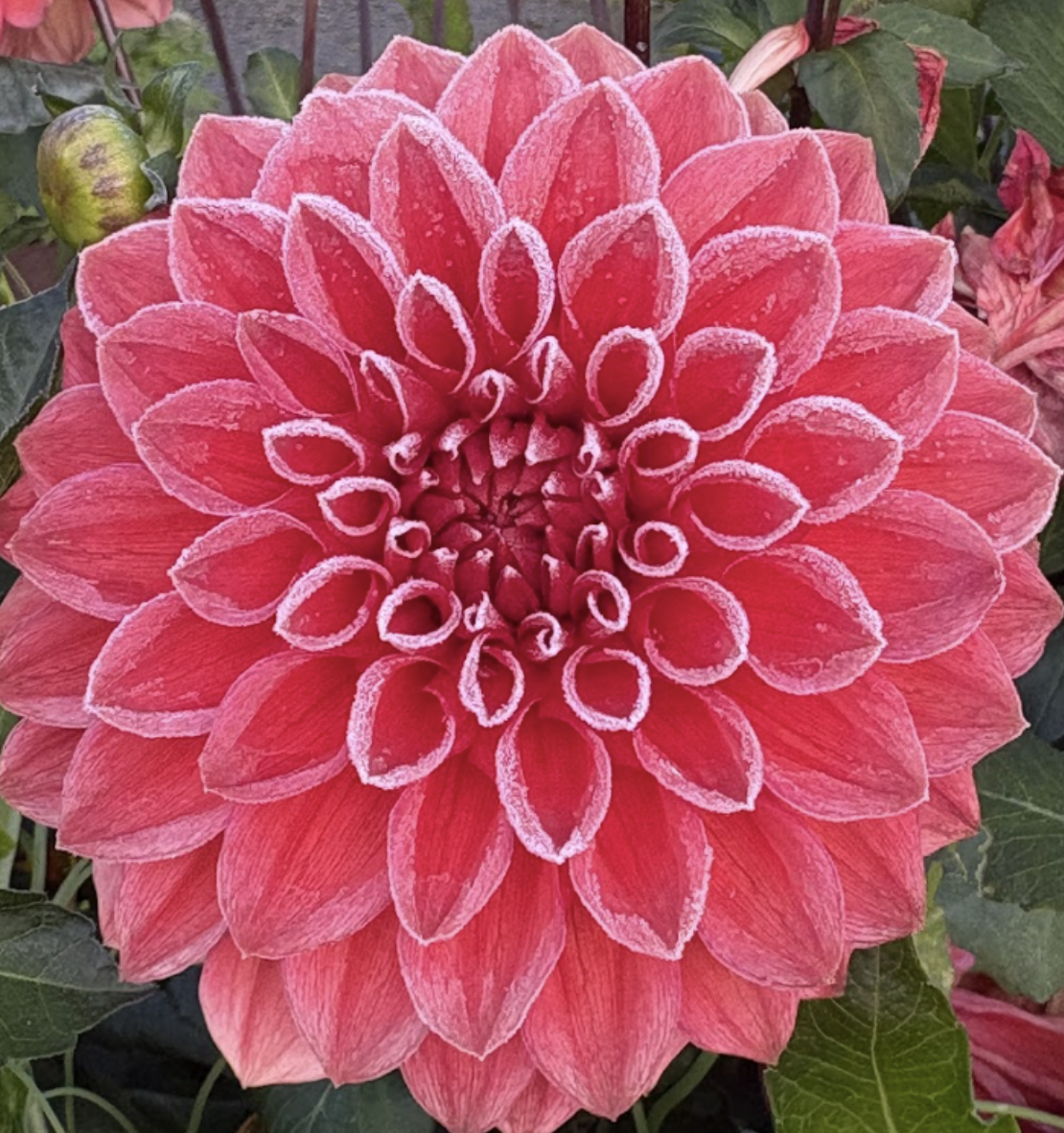
Dahlia tubers. Last year’s effort to store first-year tubers raised from seed resulted in a 95% loss due to over-drying. Undeterred, we planted new seed-grown dahlias this season and delivered an explosion of color in the Speck Gardens. We are refining our winter storage techniques and are eager to find the best methods to carry these beauties through our long winters.
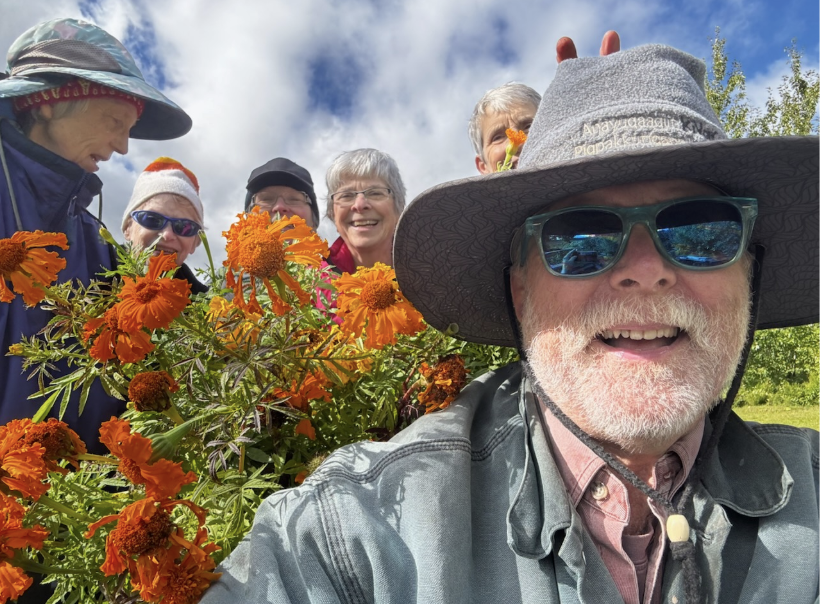
| | We planted new seed-grown dahlias this season and delivered an explosion of color in the Speck Gardens. | | Chokecherry Replacement Demonstration | | |
In recent years, chokecherries (Prunus padus and Prunus virginiana) were reclassified as invasive species in Interior Alaska. To showcase non-invasive alternatives for local landscapes, GBG planted trial trees along our main promenade and in an upper orchard—and purposefully left them unfenced to test their real-world moose tolerance!
After an Interior winter and heavy sampling by two local moose calves, here is how our trial contenders fared:
-
Princess Kay plum. Our strongest survivor! Over 75% blossomed and leafed out despite the winter cold and heavy browsing.
-
Evans & Carmine Jewel cherries. Both species survived the winter and blossomed successfully.
-
Thunderchild crabapple. Showed some blossom coverage on every tree despite heavy browsing.
-
Prairiefire crabapple. Lost its upper foliage to browsing, but is vigorously suckering from the rootstock and staying in the trial.
-
Toka plum. Partially survived, with about a quarter of the trees blossoming.
-
Thundercloud plum. Three survived the combination of winter and moose browsing, no blossoms.
| | |
Music in the Garden (MIG). Summer Sessions 13-week series hosted 26 incredible bands, bringing together an average of 700 to 900 community members each Thursday evening to picnic and dance in the gardens!
Wine & Peonies. Our biggest fundraiser of the year was a spectacular success. Despite rain throughout the event setup, the sun broke through right on cue! Powered by over 5,000 local peony stems here and at Peony Fest, we are immensely grateful to everyone who attended and supported this event.
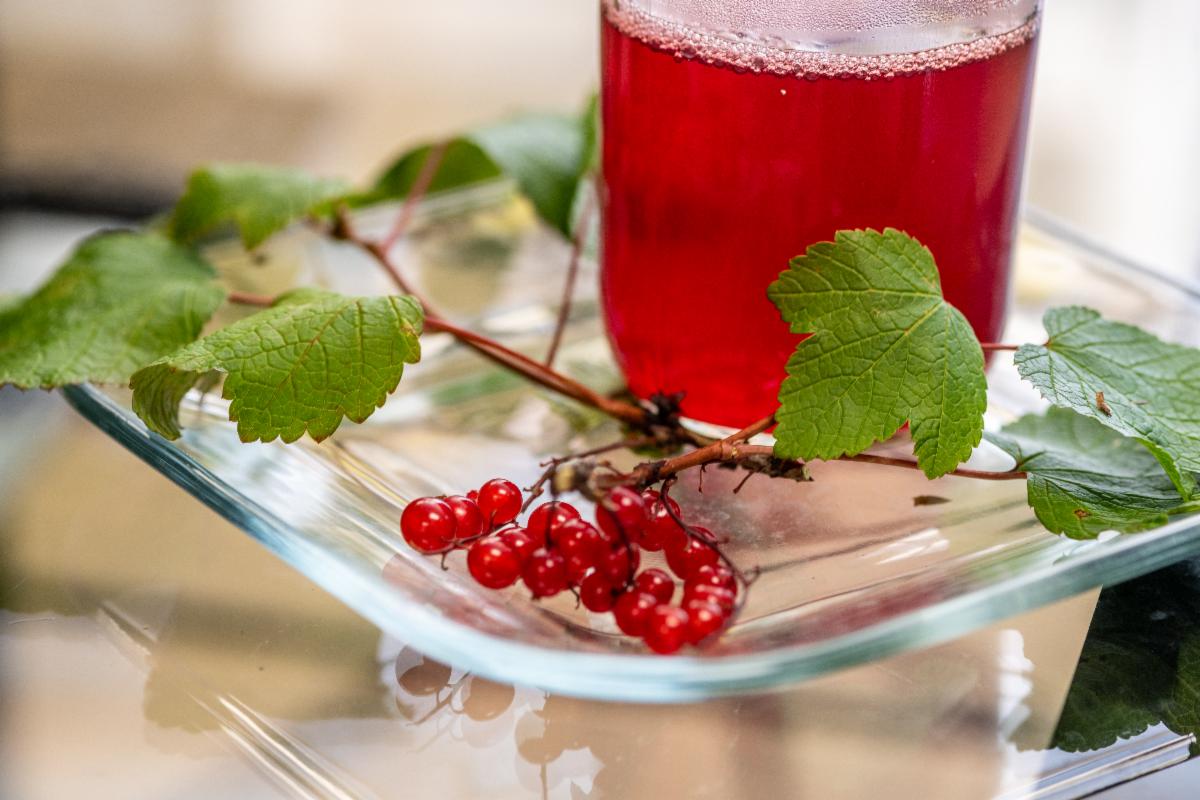
Far North Currant Festival. Over 500 visitors gathered for our 4th annual celebration of all things currant! Highlights included a wonderful new partnership with OneTree Alaska, who showcased delicious birch syrup and currant sodas.
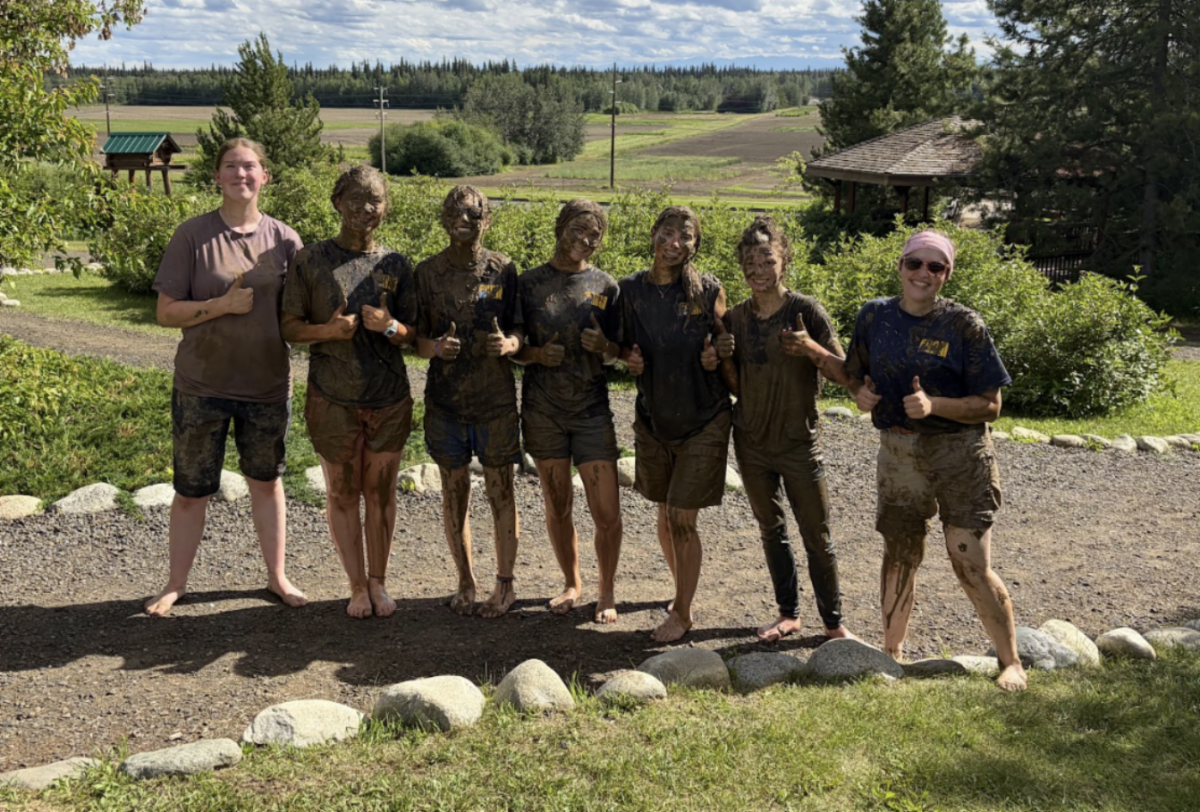
International Mud Day. Over 500 kids and families joined us for muddy crafts, outdoor play and our wildly popular giant slip 'n slide!
Field Day. Our 3rd annual Field Day brought curious visitors out to tour the gardens and farm, connecting the public directly with the research happening right in our backyard.
| | GBG got dirty on Mud Day 2026 (top). We enjoyed currant cocktails at the Currant Festival (bottom). | | Garden operations & infrastructure projects | | |
Behind the scenes, our grounds crew and staff worked tirelessly on critical infrastructure improvements across the property:
-
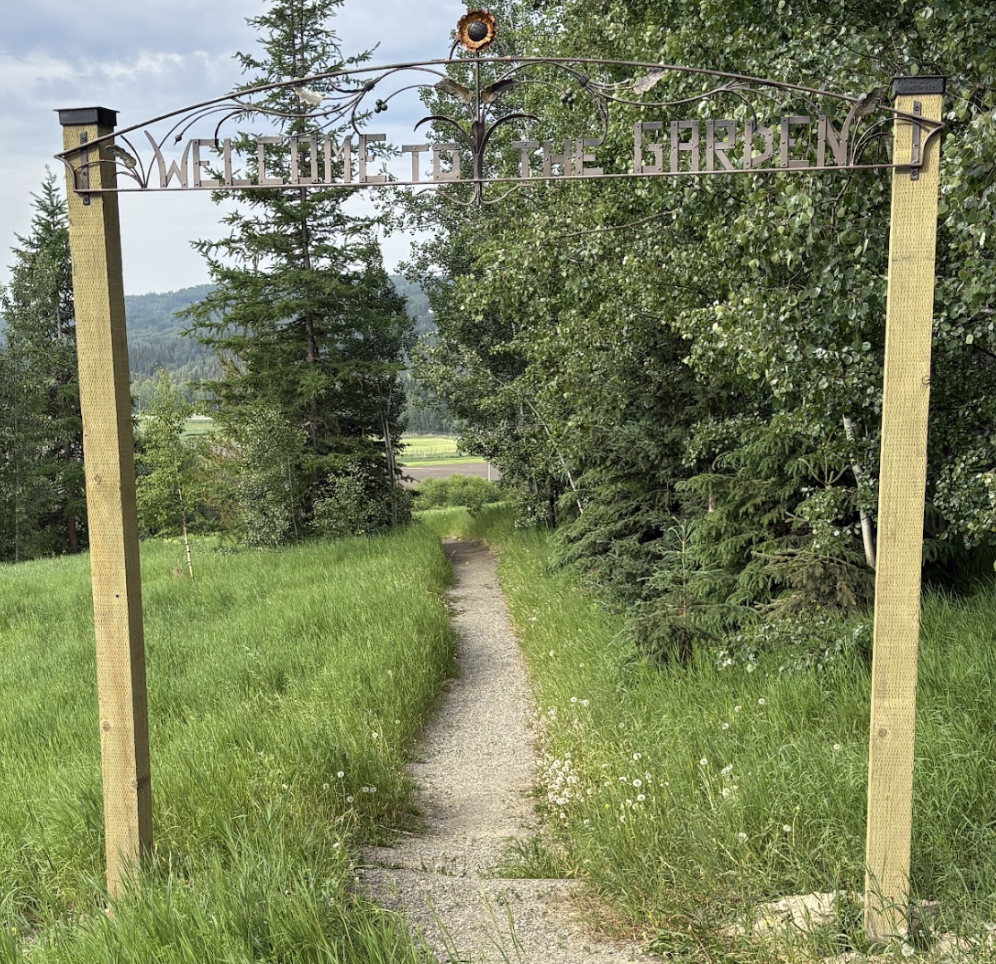
Campus entrance archway. We installed a new arch crafted by Thomas Hart to welcome and guide campus visitors into the garden.
-
Meadow & forest restoration. All 300 white spruce saplings planted in our tree meadow survived their first full year! We are also excited to announce a partnership with OneTree Alaska to plant 39 birch trees in the meadow.
-
Infrastructure updates. Projects still ongoing this fall include site preparations for the shade house, wetlands renovations, installing a new retaining wall in the Drew Plaza, upgrading interpretive signage and plant labels and a newly refreshed donor trellis. We will continue to work until the ground freezes.
-
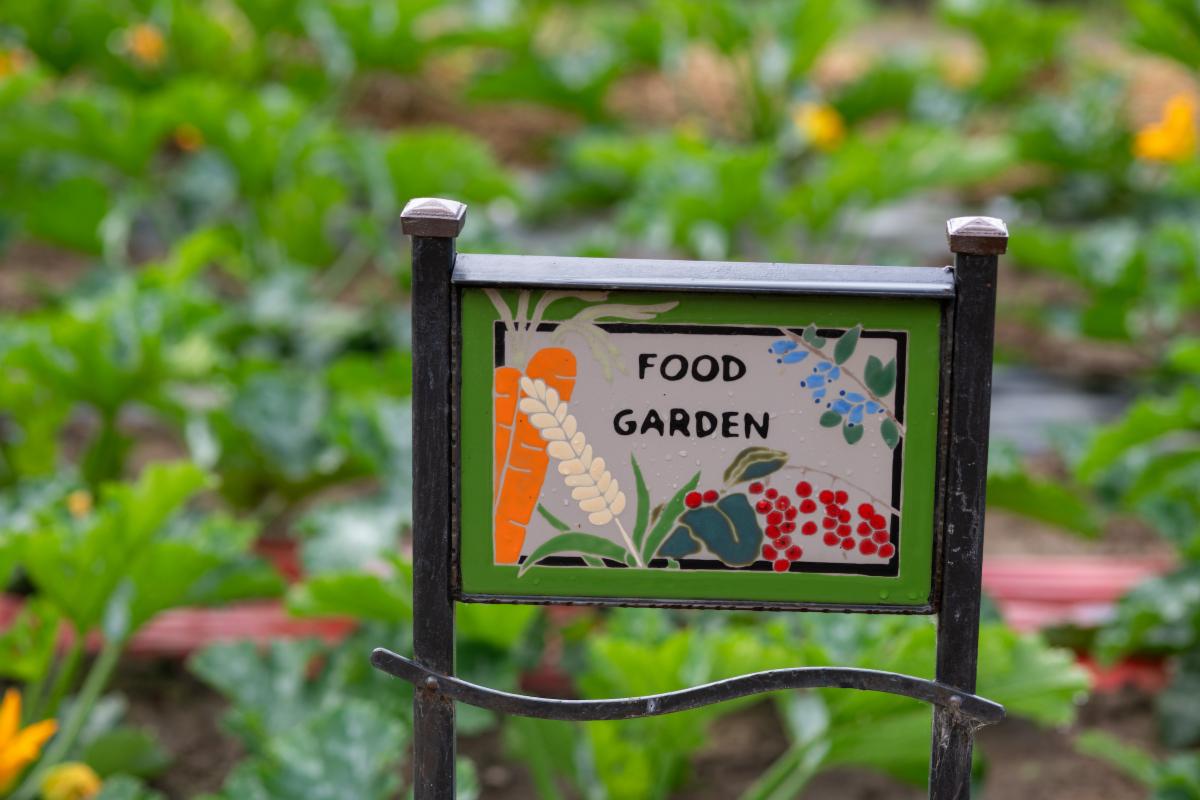
Putting the garden to bed. The fall crew cuts down to one person and a handful of dedicated volunteers for winter—cutting back perennials, clearing beds and applying heavy mulch insulation across our display gardens.
| | |
Our heartfelt thanks to our volunteers!
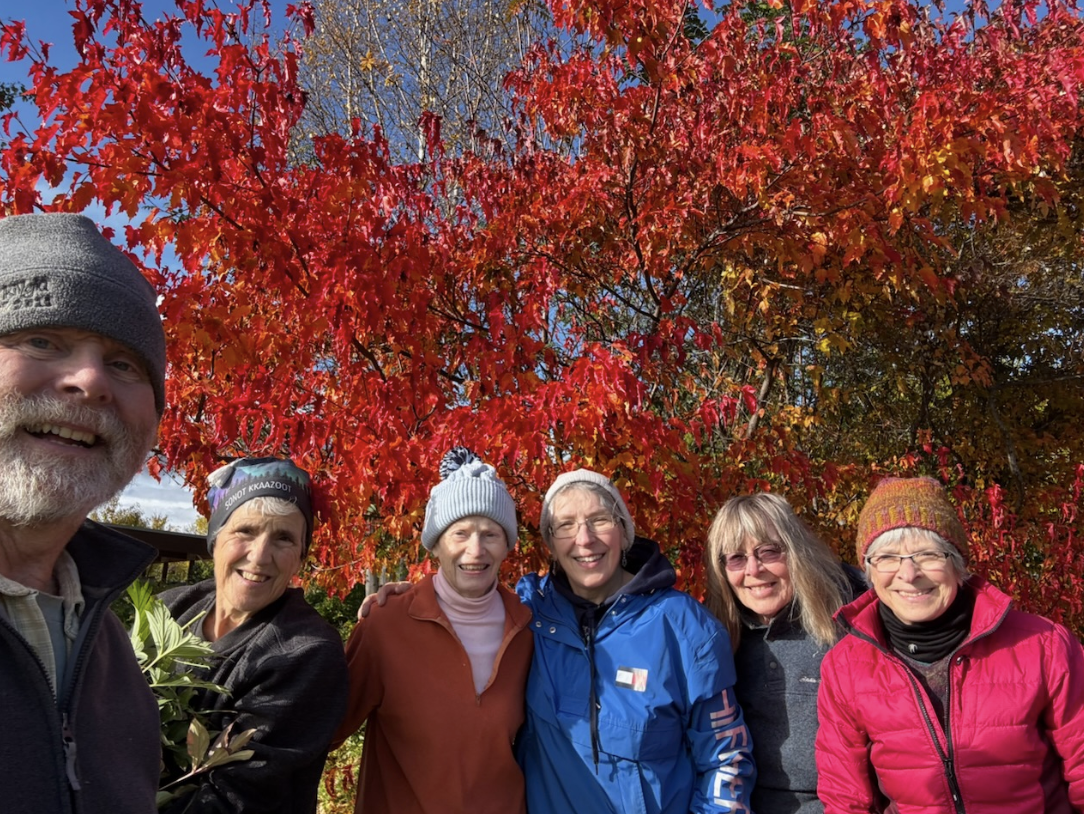
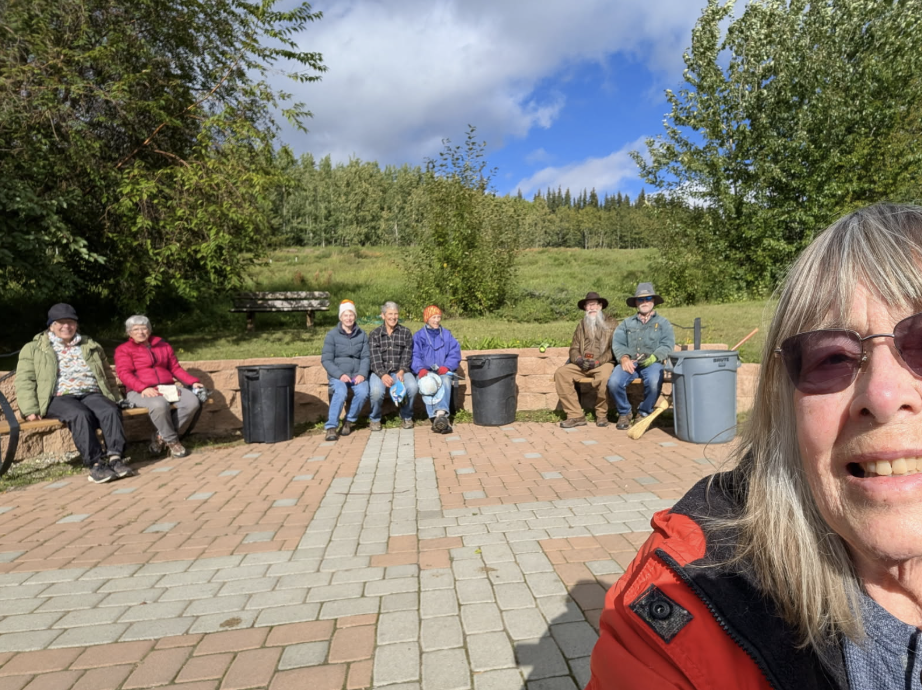
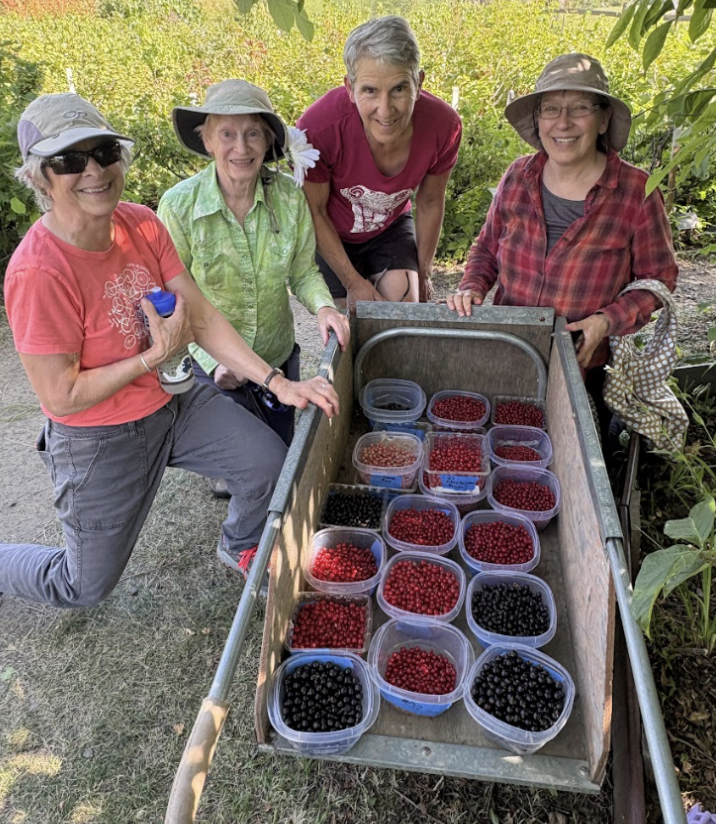
Our incredible volunteers are the heartbeat of Georgeson Botanical Garden. From potting in the greenhouse during chilly spring mornings to harvesting pounds of fresh berries for the Currant Festival, your hands-on help makes everything we do possible. Thank you for bringing your energy, dedication and joy to the garden all season long!
| | |
Mark your calendars:
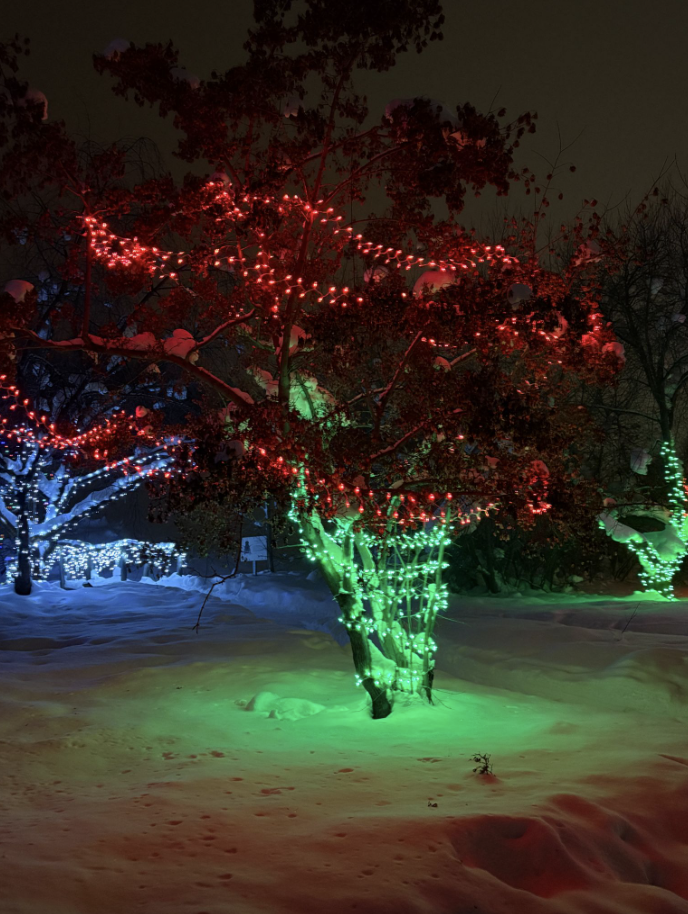
Arctic Lights
in the Garden!
Join us this winter for our annual light display!
Coming December 10th to January 16th on Thursdays, Fridays and Saturdays.
| | |
Your donations support the following staff positions: Projects Specialist, Operations Lead, and Seasonal Garden Maintenance Crew. We TRULY couldn’t do it without you. Please consider making a contribution to support continued staffing and maintenance at your public garden. To donate online, scan the QR code below or click here. | | |
This work is supported by the U.S. Department of Agriculture’s National Institute of Food and Agriculture.
In accordance with Federal civil rights law and U.S. Department of Agriculture (USDA) civil rights regulations and policies, the USDA, its Agencies, offices, and employees, and institutions participating in or administering USDA programs are prohibited from discriminating based on race, color, national origin, religion, sex, disability, age, marital status, family/parental status, income derived from a public assistance program, political beliefs, or reprisal or retaliation for prior civil rights activity, in any program or activity conducted or funded by USDA (not all bases apply to all programs). Remedies and complaint filing deadlines vary by program or incident.
Persons with disabilities who require alternative means of communication for program information (e.g., Braille, large print, audiotape, American Sign Language, etc.) should contact the responsible Agency or USDA's TARGET Center at (202) 720-2600 (voice and TTY) or contact USDA through the Federal Relay Service at (800) 877-8339. Additionally, program information may be made available in languages other than English.
To file a program discrimination complaint, complete the USDA Program Discrimination Complaint Form, AD-3027, found online at How to File a Program Discrimination Complaint and at any USDA office or write a letter addressed to USDA and provide in the letter all of the information requested in the form. To request a copy of the complaint form, call (866) 632-9992. Submit your completed form or letter to USDA by: (1) mail: U.S. Department of Agriculture, Office of the Assistant Secretary for Civil Rights, 1400 Independence Avenue, SW, Washington, D.C. 20250-9410; (2) fax: (202) 690-7442; or (3) email: program.intake@usda.gov.
USDA is an equal opportunity provider, employer, and lender.
The University of Alaska (http://www.alaska.edu/alaska) is an equal opportunity/equal access employer and educational institution. The university is committed to a policy of nondiscrimination (http://www.alaska.edu/nondiscrimination) against individuals on the basis of any legally protected status.
| | | | |