|
Below are the tobacco related bills as of 10/01/2026.
PASSED AB-2250 Cannabis: cannabinoids. (Aguiar-Curry)
AB 2250 would make changes in law as a result of AB 8 and revise the funding provisions of the Cigarette and Tobacco Products Compliance Fund, which is for the purposes of implementing, enforcing, and administering the California Cigarette and Tobacco Products Licensing Act of 2003, to include the seizure and destruction of any product seized pursuant to the act.
PASSED AB-2667 Vape products: household hazardous waste: advertising. (Hadwick & Wicks)
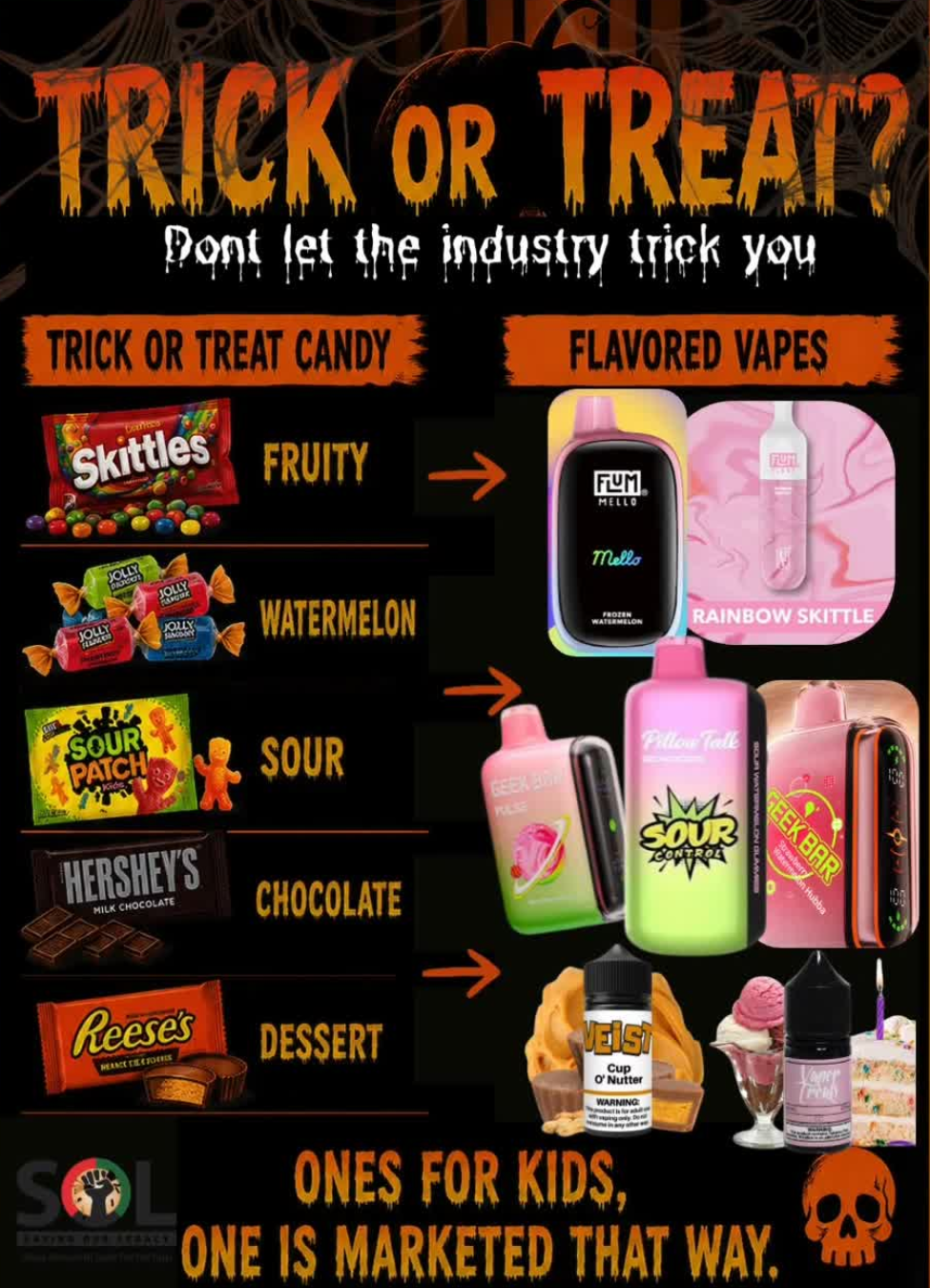
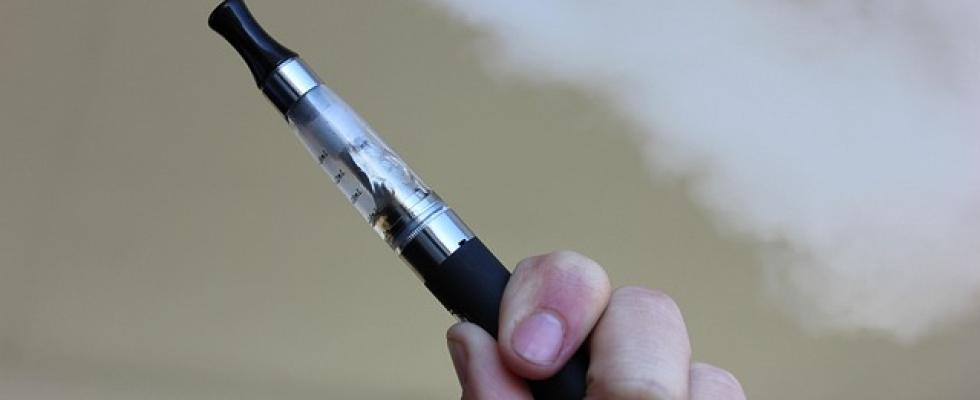
AB 2667 would require the Department of Toxic Substances Control to, until January?1, 2030, assess opportunities to improve safety and convenience regarding vape pens confiscated from students by schools including: identify any needed future legislative recommendations and authorize permanent household hazardous waste facilities to mechanically disassemble vape pens in a manner that prevents hazardous material releases. The bill imposes specific conditions relating to the transport of hazardous waste including weight limits and specified standards, such as how many vape pens and devices may be accepted from a very small quantity generator without exceeding the specified weights. The bill defines vape pen and device as an electronic device that is powered by one or more removable or embedded batteries and that delivers solely, or a combination of, nicotine, cannabis, or other vaporized liquids to the person inhaling from the device, including, but not limited to, an electronic cigarette, cigar, pipe, hookah, or other delivery mechanism. It prohibits the sale, distribution, promotion, labeling, advertising, branding, or marketing of vape products that: imitate non-vape items, potentially deceiving parents, teachers, or adults; imitating a food or brand of food product commonly marketed to minors, including candy, desserts, and beverages; imitating school supplies commonly used by minors; and constructing into clothing and accessories that could be marketed to minors. Cities, counties, and the state can impose on a person or entity civil liability penalties of $1,000 for a first violation and up to $5,000 for the third and subsequent violations and $50,000 per violation for distributors. Infractions by any person are punishable by a fine of not more than $500. The bill mirrors the enforcement structure for the state flavored tobacco law (SB 793), which authorizes California Department of Tax and Fee Administration (CDTFA) to seize, destroy, issue civil penalties against the retailer, and creates escalating penalties for subsequent infractions of the sale of vape products as previously defined, including suspending and revoking a tobacco retail license.
PASSED SB-758 Public health: nitrous oxide. (Umberg)
SB 758 would amend the Business and Professions Code to prohibit a tobacco retailer from selling nitrous oxide. A retailer does not include a grocery store or a general retail merchandise store with a grocery department, as defined in Section 7100 of the Civil Code, except that a retailer includes a convenience store. A city or county, or city and county, can adopt an ordinance imposing greater restrictions on the retail sale of nitrous oxide than those imposed by this section provided that the ordinance does not restrict legitimate uses, including, but not limited to, medical, dentistry, food preparation, industrial, manufacturing, and automotive services.
PASSED SB-936 Nitrous oxide: sales. (Blakespear and Umberg)
SB 936 would, among other things, prohibit a person who holds a tobacco retail license from possessing, storing, owning, or selling nitrous oxide, at any site where cigarettes and tobacco products are stored or sold, that has had two prior convictions for violations of Health and Safety Code 119408. Violations of Health and Safety Code 119408 include the sale, offer for sale, or distributing, a nitrous oxide container that is capable of holding more than eight grams of nitrous oxide, from which an individual may directly inhale nitrous oxide, that has, or is marketed as having, the taste or smell of any food, among other things. Exemptions include for use by a manufacturer as part of a manufacturing process or industrial operation, specifically designed and marketed for use in a vehicle to enhance the performance of the vehicle, is sold to a licensed medical, veterinary, or dental practitioner to be administered or prescribed as part of the care or treatment of a disease, condition, or injury, or contains less than nine grams of nitrous oxide as a propellant in food or to be used in food preparation for restaurant, food service, or houseware products. Violators are subject to increasing civil penalties and suspension or revocation of their license.
PASSED SB 1124 Public health. (Archuleta)
SB 1124 would require CDPH, on or before July 1, 2027, to make available signage to raise lung cancer screening awareness, with prescribed information and require signage to be available for order from the CDPH website. CDPH may develop signage, use existing materials, or partner with an existing lung cancer screening public awareness or education campaign, and may include QR codes to satisfy the bill provisions. It would require, beginning January 1, 2028, a tobacco retailer to prominently display the signage. Empowers CDTFA to issue a civil penalty of $500 for each offense at a retail location and in accordance with procedures applicable to BPC Section 22974.5.
For more information, please contact Marilyn Homan , (916) 552-8268
|