|
Making Waves in
Education
| |
Great Lakes Resources
for Illinois and Indiana Educators
| | | | | | |
Not-So-Spooky Wildlife Educator Workshop
Who: Naturalists, teachers, pre-service teachers, scout leaders, homeschool parents, and other adults interested in environmental education
When: Tuesday, October 6; 8 a.m. to 3 p.m. CT
Where: Dunes Learning Center, 700 Howe Rd., Porter, IN 46304
Cost: $35 per person, plus a $2.37 service fee.
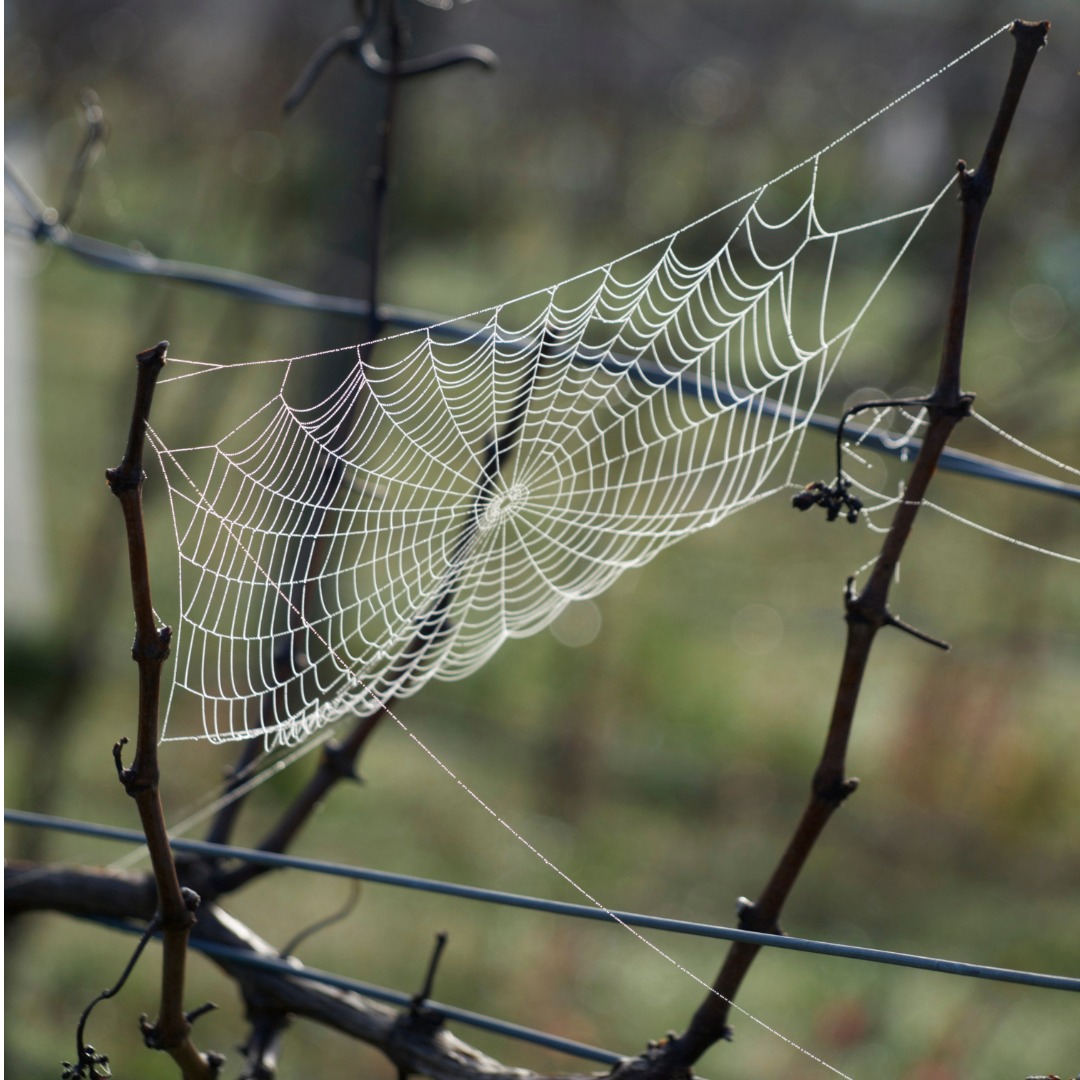
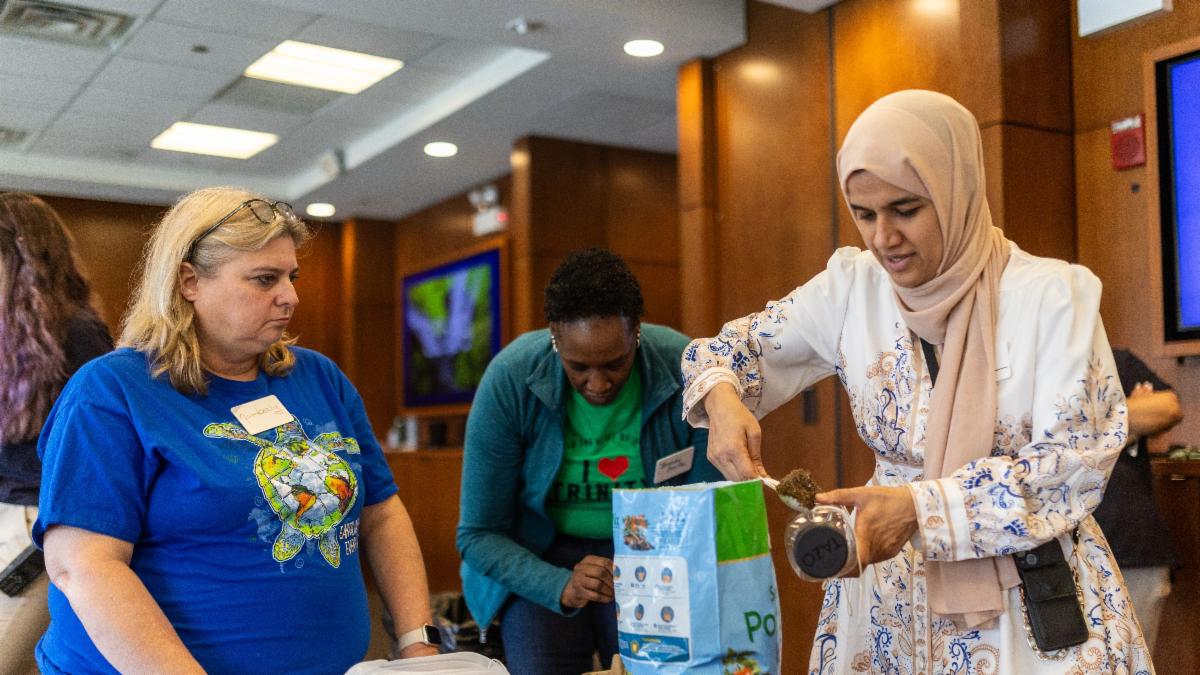
What: This Wildlife (Project WILD) Educator Workshop will be geared to understanding some of the “spooky” wildlife we think about this time of year: bats, spiders, owls and more. Project WILD explores an individual’s understanding of wildlife and ecosystem sustainability to support informed decisions about using natural resources wisely.
Substitute teacher reimbursement and scholarships are available to ensure cost is not a barrier to participation. Contact: Erin Crofton with your inquiry.
Questions? Contact: Caryn Corriere
| | | | |
Climate Stewards Training
Who: Cook County residents
When: Sessions will be from 3 p.m. to 6 p.m. on Wednesdays from October 14 to November 4.
Where: Each session will meet in person at various locations in Cook County, Illinois.
Cost: The program cost varies. The standard fee is $80.
What: The University of Illinois Extension Climate Stewards program is a four-week interactive experience that connects community members with university scientists, local leaders, and peers to explore climate impacts and solutions. Participants will gain communication strategies, hands-on experience, and practical skills to support climate resilience efforts in Illinois. Up to 16 hours of professional development hours can be earned through the University of Illinois Council on Teacher Education
Deadline: September 30, 2026, or until seats are filled.
Please contact Abbey Matre with any questions. If the fee prevents you from attending, contact Abbey to discuss other options.
| |
Shedd Aquarium Science Educator Conference
Who: Open to formal and non-formal educators of grades 3–12
When: Saturday, December 5; 8 a.m. to 4 p.m. CT
Where: Shedd Aquarium, 1200 S. DuSable Lakeshore Dr., Chicago, IL 60605
Cost: $60 per educator; includes parking and meals
What: The theme of this year's conference is Anchored to Hope: Empowering Youth to Lead the Conservation Conversation. Through engaging sessions with Shedd’s education experts and scientists, explore ways to navigate conservation learning with your students.
Deadline: Registration will close on Thursday, December 3 at 11:59 p.m.
| | | | | |
GLEAMS Coastal Cleanup
Who: Open to All
When: September 1 through October 15
Where: Basin-wide
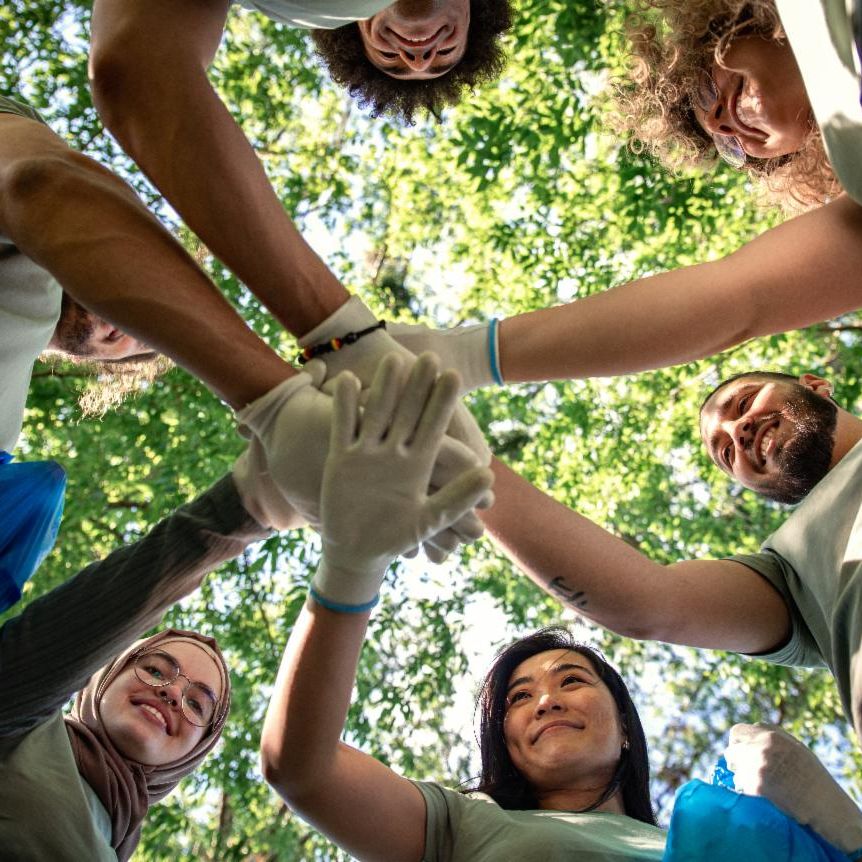
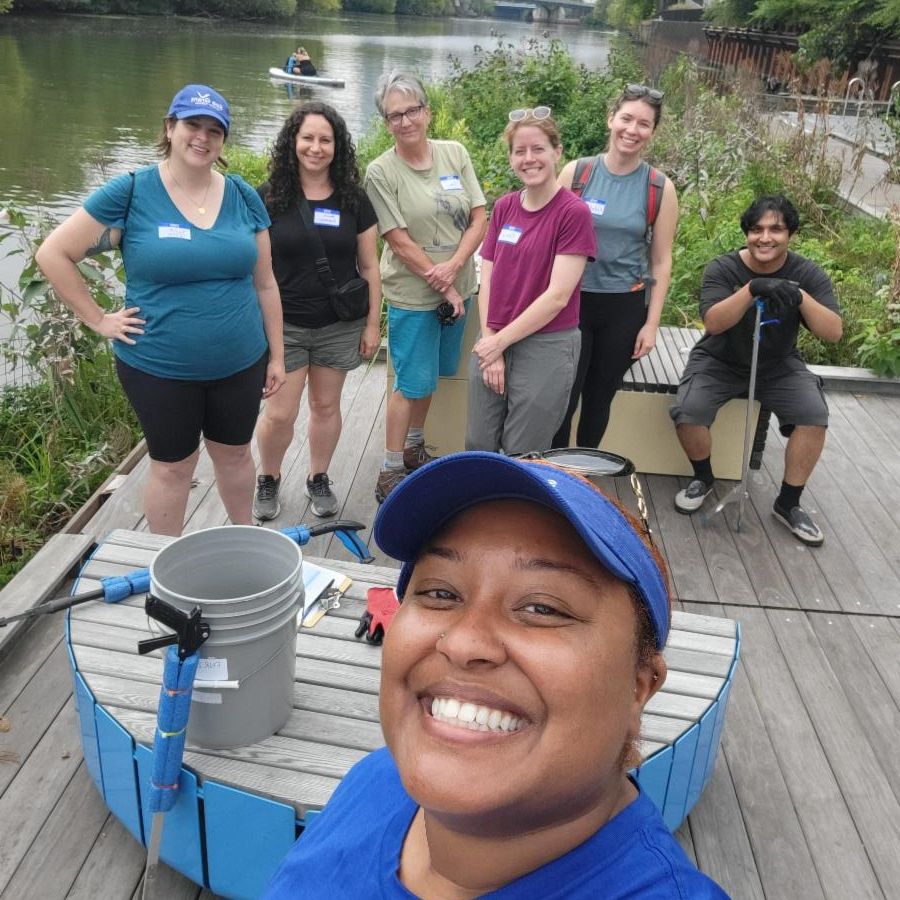
What: The annual GLEAMS Coastal Cleanup is a region-wide effort to engage members and friends in stewardship. Organize your own cleanup with students, colleagues, family, or friends, or join an existing event to help remove litter from our shorelines and contribute to the health of the Great Lakes.
Questions? Contact: Tim Becker
| | | | | |
Community Science in Your Backyard
Who: Open to all
When: Thursday, October 1, at 1 pm CT
Where: Zoom webinar; Advanced registration is required
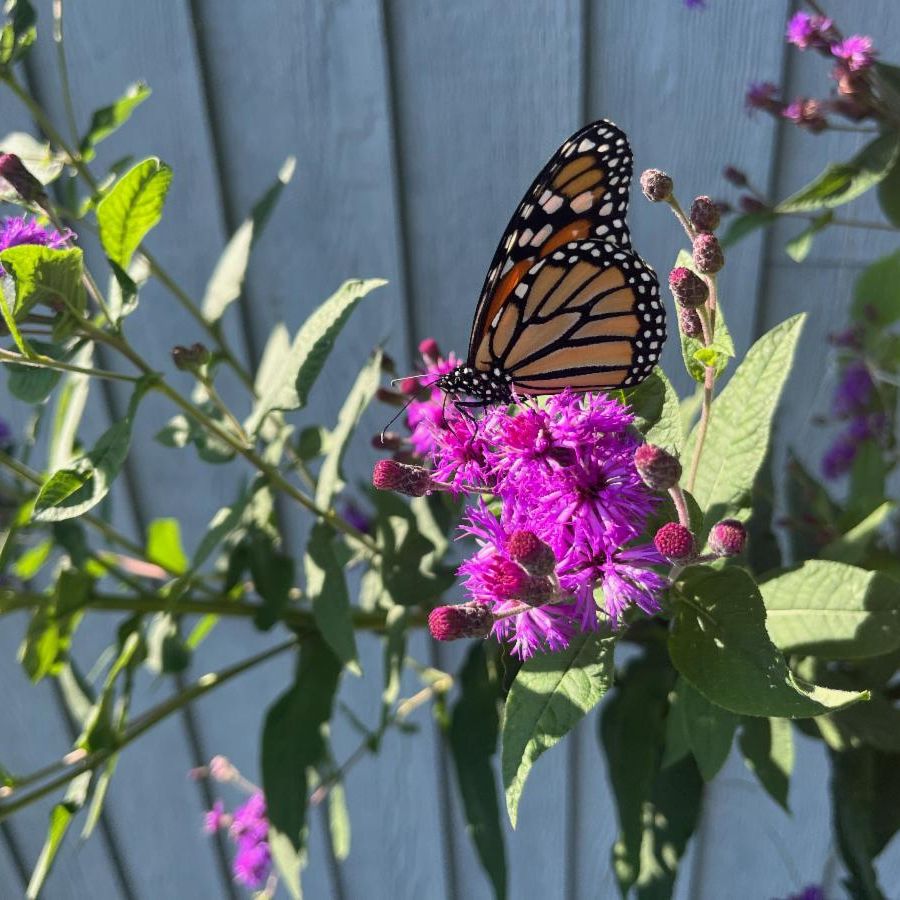
What: Join Illinois Extension for this Everyday Environment webinar focused on how everyday observations can be used to help scientists better understand our climate, species phenology, and more. Natural Resources, Environment, and Energy educators will share some of their favorite community science projects, such as iNaturalist, eBird, Budburst, and CoCoRaHS, and explain how you can get involved.
| | | | | |
State of Lake Michigan Meeting
Who: The conference is open to researchers, natural resource managers, Extension professionals, educators, students, and nonprofit organizations.
When: November 4-6, 2026
Where: Blue Chip Casino Hotel in Michigan City, Indiana
Cost: Varies depending on one-day or full attendance. Full registration includes: two breakfasts, two lunches, beverage and snack breaks, and heavy appetizers served at the poster and networking session, and a field trip on November 6. Educators may use the following discount codes to reduce registration costs:
- ONEDAYTEACH $75
- FULLTEACH $150
What: This meeting revives the lake‑specific format previously hosted by the International Association of Great Lakes Research (IAGLR), offering a place for those interested in the future of Lake Michigan to connect. The focus this year is on strengthening the link between science and management, highlighting work that informs real‑world decision‑making across Lake Michigan’s ecosystems and communities.
Questions? Contact: Laura Esman
| | | | | |
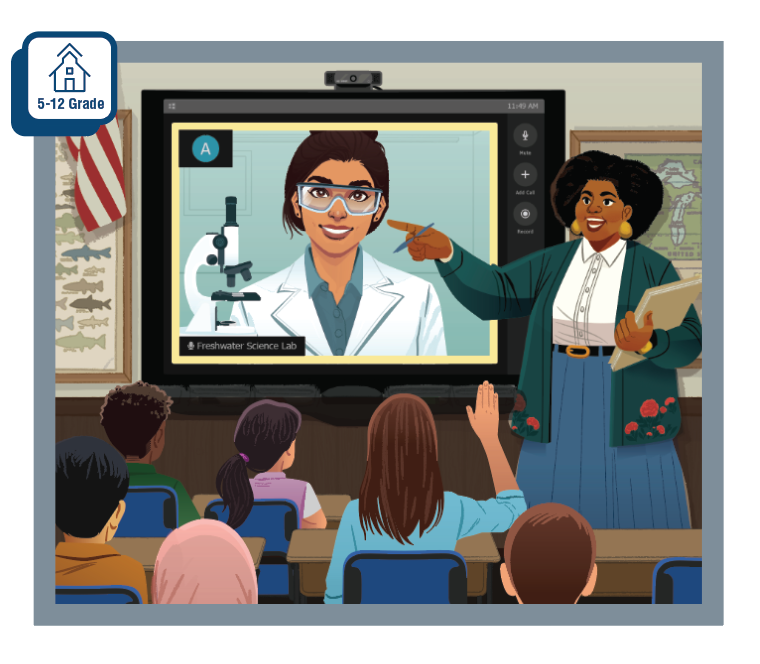
Students Ask Scientists: Great Lakes Video Chats
Who: Classrooms and youth groups around the Great Lakes region are encouraged to participate.
When: Scheduled at a time that works for both you and the scientist
What: Students Ask Scientists connects classrooms across the Great Lakes region with scientists from various agencies and academic institutions, linking learning to real-world science. The program also helps students gain insight into careers in science.
Questions? Contact: Janice Milanovich
| | | | | |
Planet Stewards Funding
Who: Formal and informal educators working with elementary through college-age students
When: The submission deadline is November 1, 2026, at midnight PT.
What: NOAA is partnering with the National Earth Science Teachers Association to fund up to 10 action-based stewardship projects, each with up to $5,000 in funding. The projects must make a substantive, measurable impact on an environmental issue in your community.
Have a stewardship idea? Let the IISG Education Team know how we can support your application process.
| | | |
Illinois Biodiversity Field Trip Grant
Who: Teachers of grades prekindergarten through 12 in Illinois, including home-schooling teachers, may apply.
Deadline: The application deadline is February 1, 2027, at 11:59:59 pm CT
What: Grants are awarded to study an aspect of Illinois’ biodiversity. The field trip should support Illinois natural resources topics currently being taught in the applicant’s curriculum. At least 75% of the field trip must occur outdoors to be eligible for these grant funds. The field trip site must be in Illinois.
Questions? Contact Joe Bauer
| | | | | |
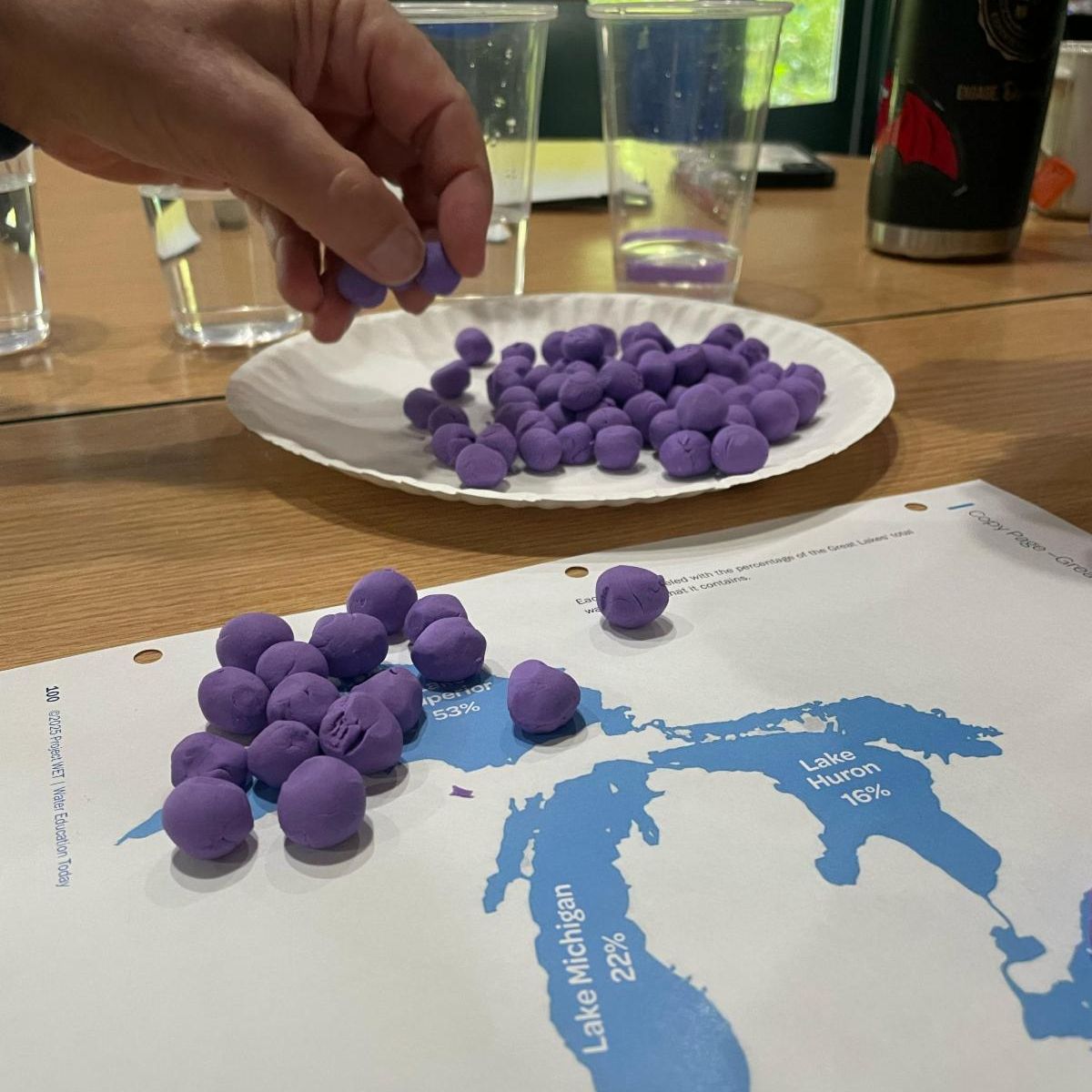
Educators become students at Great Lakes Project WET workshop
What happens when educators step into the role of learners? At a two-day Project WET workshop at the Dunes Learning Center this summer, educators explored hands-on activities focused on water, watersheds, and the Great Lakes while building connections with peers. Participants left with new classroom-ready lessons, a Project WET guidebook aligned to NGSS standards, and fresh ideas for engaging students in Great Lakes learning. Read how this immersive professional learning experience is helping bring water science to classrooms across the region.
| | | | | |
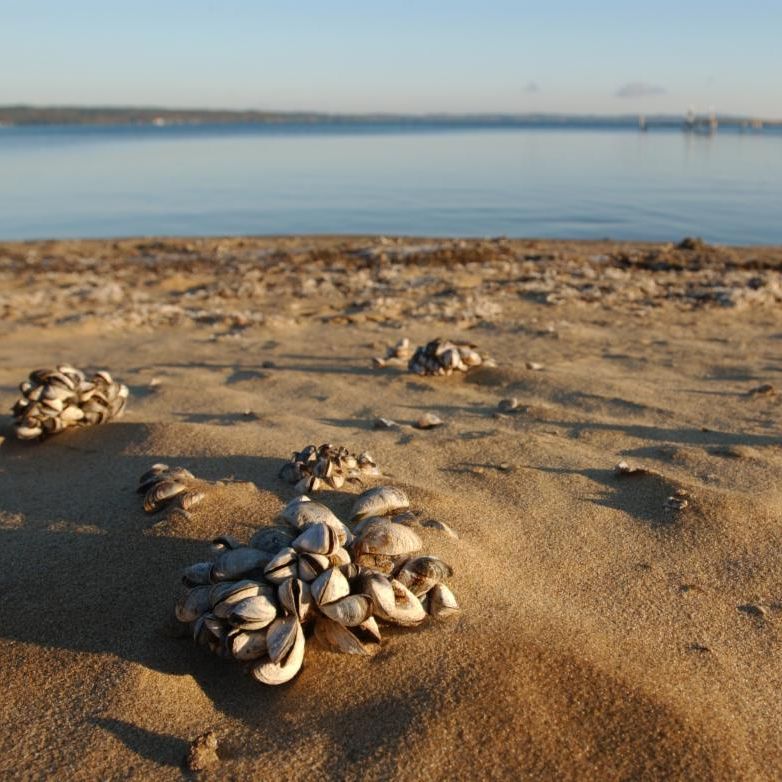
Flexing Their Mussels – The population power of Dreissenid mussels in Lake Michigan
This data-driven lesson provides students with an understanding of the life cycle of Dreissena mussels, their population density, and their significant impact on Lake Michigan’s ecosystem. It leverages NOAA GLERL data collected from PONAR grabs in Lake Michigan to help students understand the impacts of this aquatic invasive species in the Great Lakes.
| | | Illinois-Indiana Sea Grant (IISG) is a joint program between the University of Illinois and Purdue University. IISG is a member of the Center for Great Lakes Literacy, which is a Sea Grant-led network that promotes the sustainable use of Great Lakes resources through research, education and outreach. Programmatic support is made possible with funding from the Great Lakes Restoration Initiative via cooperative agreement between the U.S. EPA Great Lakes National Program Office and the National Oceanic and Atmospheric Administration. | | |
|
Illinois-Indiana Sea Grant
Purdue University
195 Marsteller Street
West Layfayette, IN 47907-2033
Phone: (765)496-6009
www.iiseagrant.org
| | | | | |