Fall News

November 2025

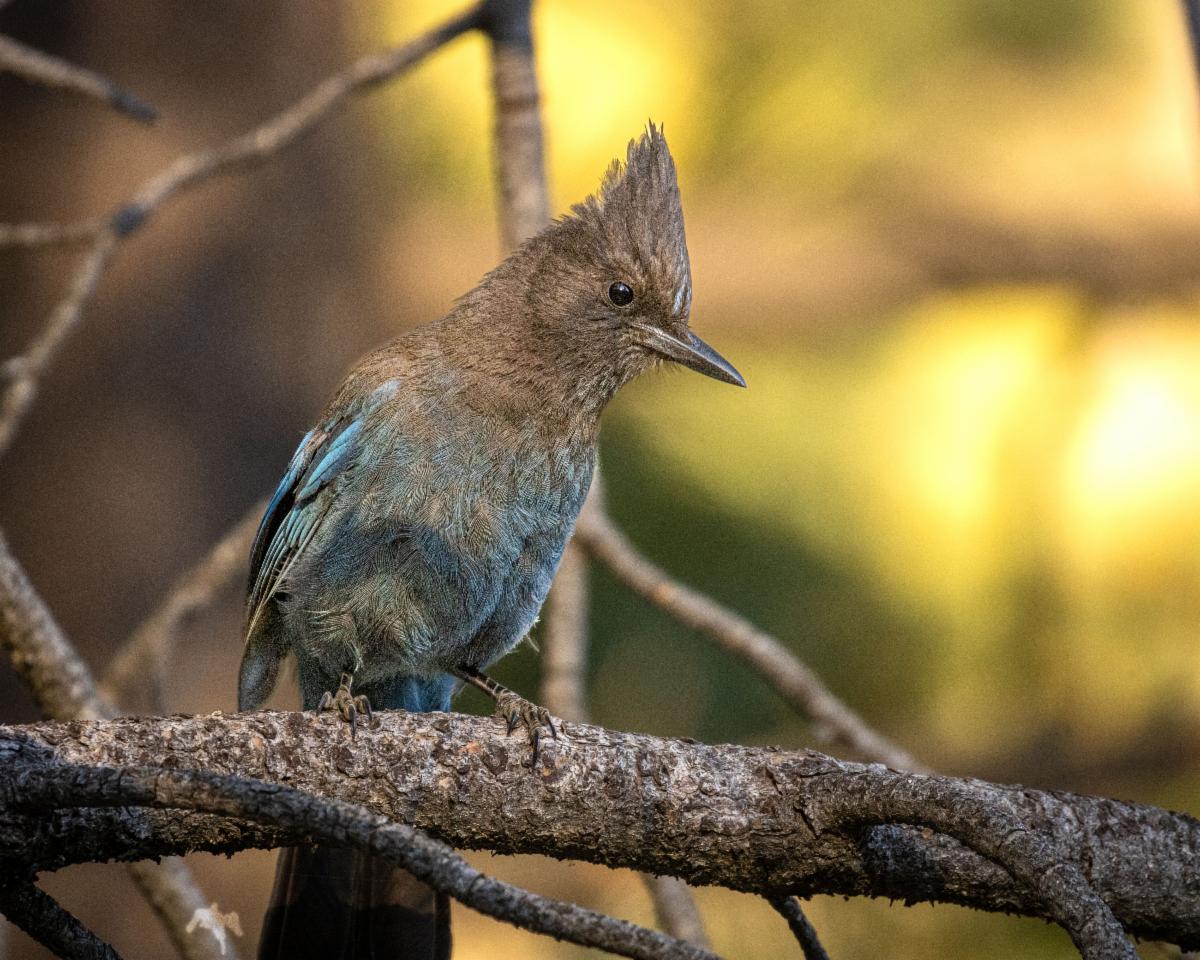
Image: Steller's Jay. Credit: Nikki Evans

Letter from the Director


Happy Autumn Everyone! 


Fall is a time of abundance and gratitude. I am thankful for wildspaces, wildlife, and the people who appreciate them. In the past year, volunteers at Sedgwick have participated in over 100 work days to maintain trails, create educational spaces for children, and lead public hikes. The energy, passion, curiosity, and commitment displayed this community is unparalleled. 


There are so many ways to be a champion for the environment. You can volunteer, participate in citizen science, plant native plants, and support access to the outdoors. Being in nature is a reward unto itself. 


This Giving Tuesday, please consider donating to Sedgwick Reserve to support conservation, scientific literacy, and wildlands. 


Wishing you a peaceful and restorative holiday season,


Dr. Heather Constable

Reserve Director

Prescribed Burn at Sedgwick Reserve Advances Fire Research and Fuels Management Goals


By Kristen Zumdahl

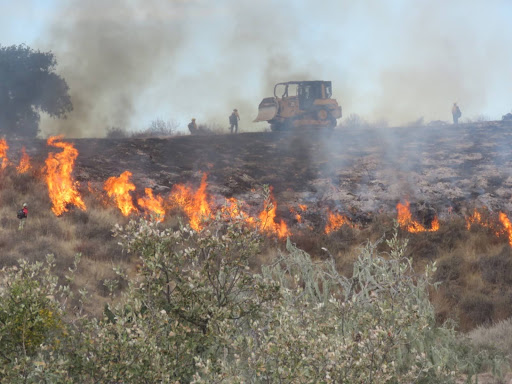
The Santa Barbara County Fire Department recently completed a prescribed burn covering approximately 110 acres of coastal sage scrub and oak woodland in the southwest corner of Sedgwick Reserve, adjacent to Woodstock Ranch. The burn marks an important milestone in the Reserve’s 10-year Vegetation Management Program (VMP), which aims to reduce wildfire risk, advance ecological research, and provide valuable training opportunities for fire professionals.

Public Programs at Sedgwick Reserve


By Nikki Evans


Mark your calendars.

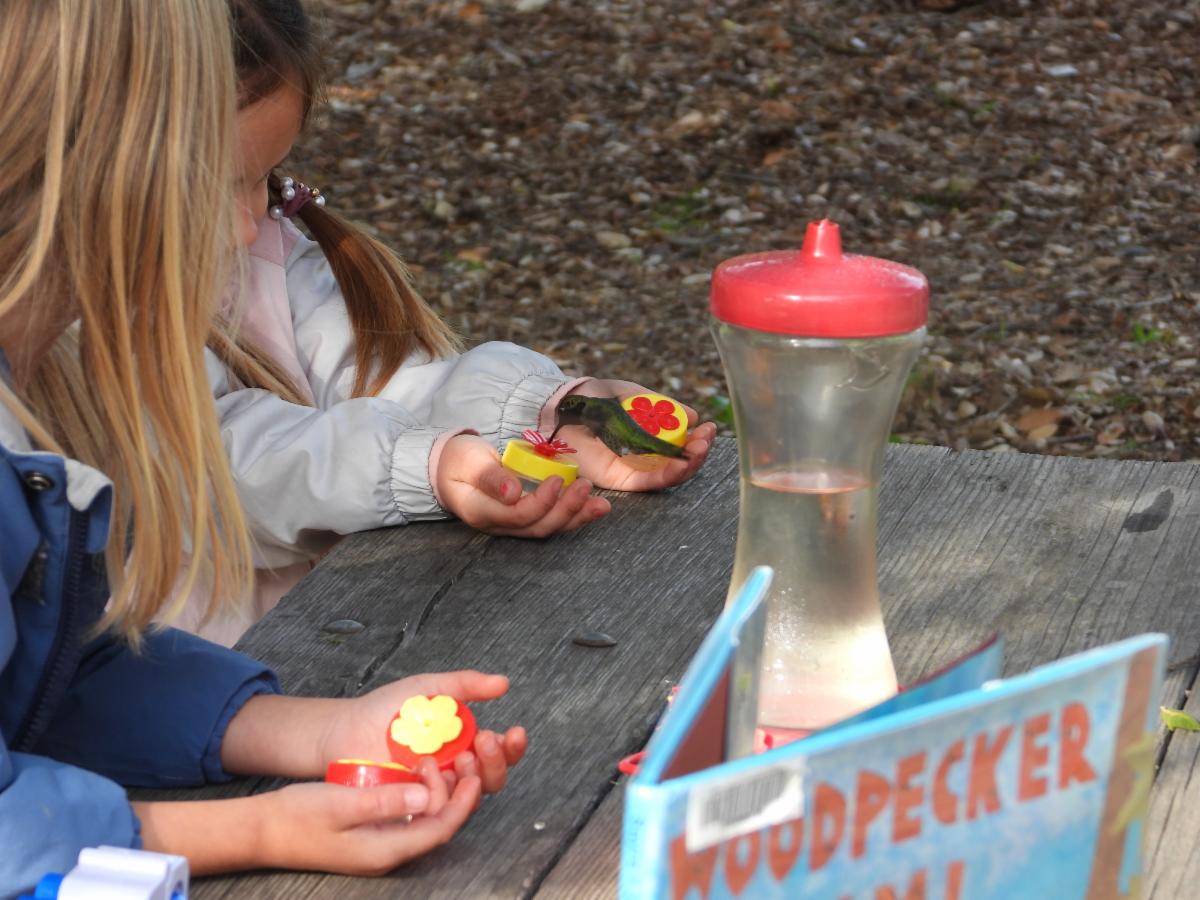
Sedgwick Reserve will offer public access days on Second Saturdays December-May this year, in addition to a suite of smaller nature-connection opportunities throughout the year including the Little Lupines program for children aged 2-5. Visit our programs page to see current offerings.

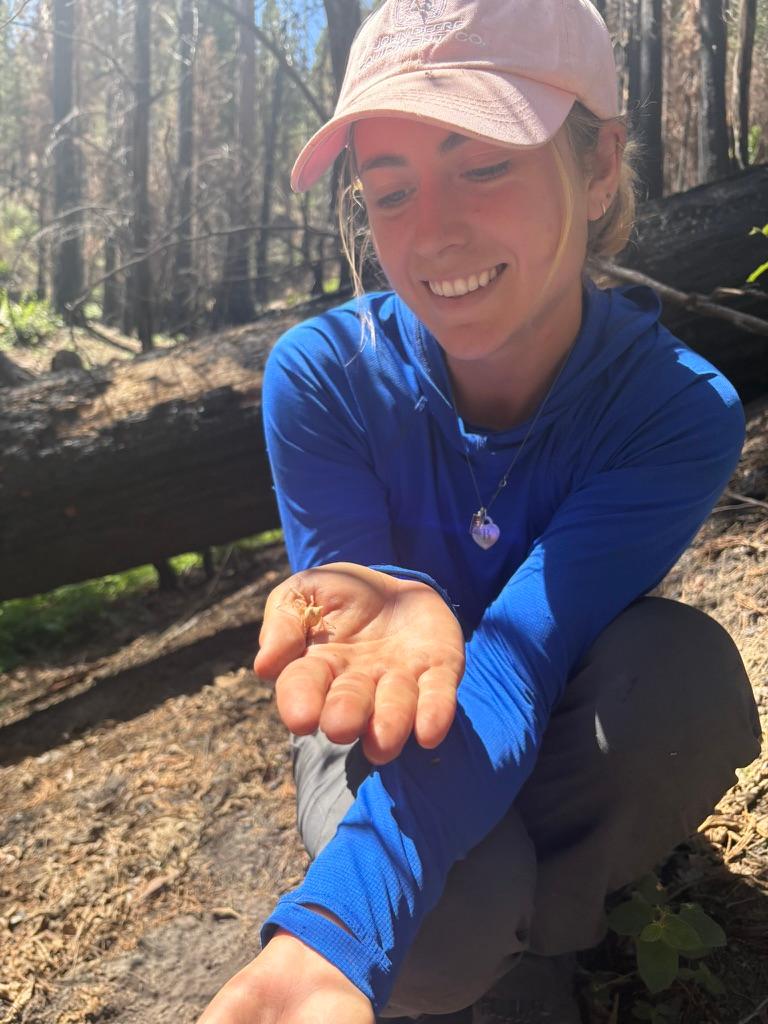
Researcher Brooke Ryan examines the relationship between native wood-boring beetles and fire in oak woodlands


By Nikki Evans and Brooke Ryan

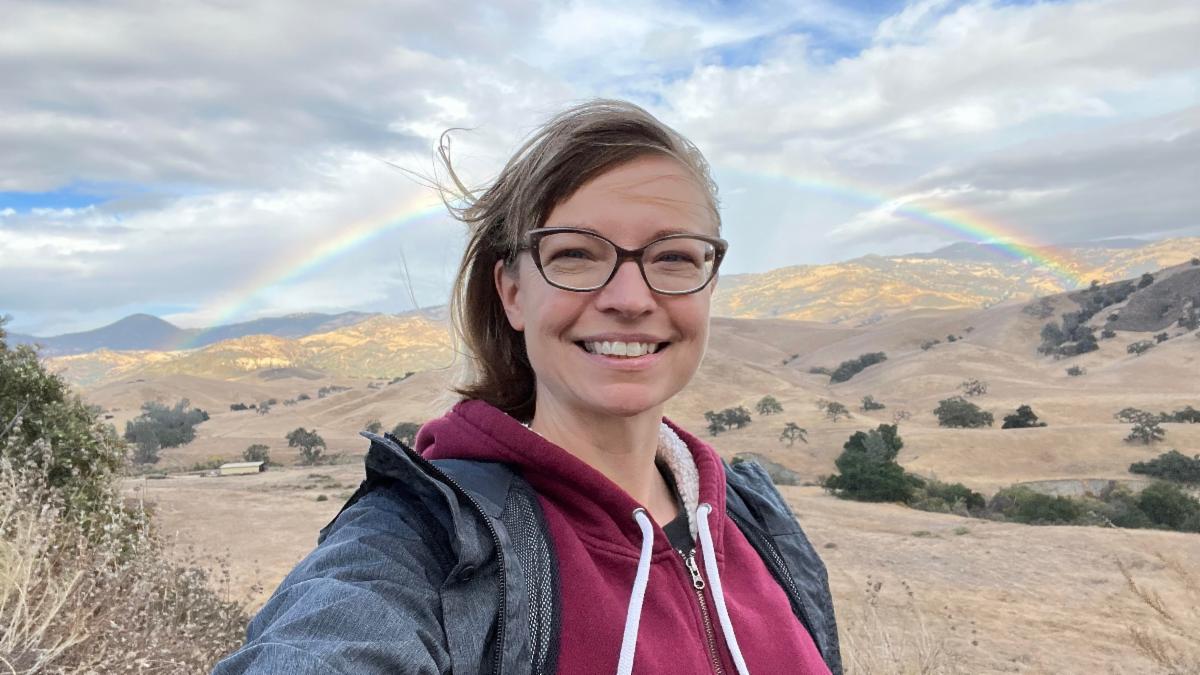
Can prescribed burns inadvertently boost beetle populations, potentially increasing tree mortality? This is the question that Brooke Ryan is studying at Sedgwick Reserve, relying on the Reserve’s mosaic of prescribed burns conducted over the last four years.


We interviewed Brooke to learn more about this important work, her advice for aspiring field researchers, and how research like this helps support conservation-minded vegetation management. Read on to learn more!

Lines delivering water for wildlife that were damaged in 2024 Lake Fire receive a boost


Story by Nikki Evans

Images by Grant Canova-Parker

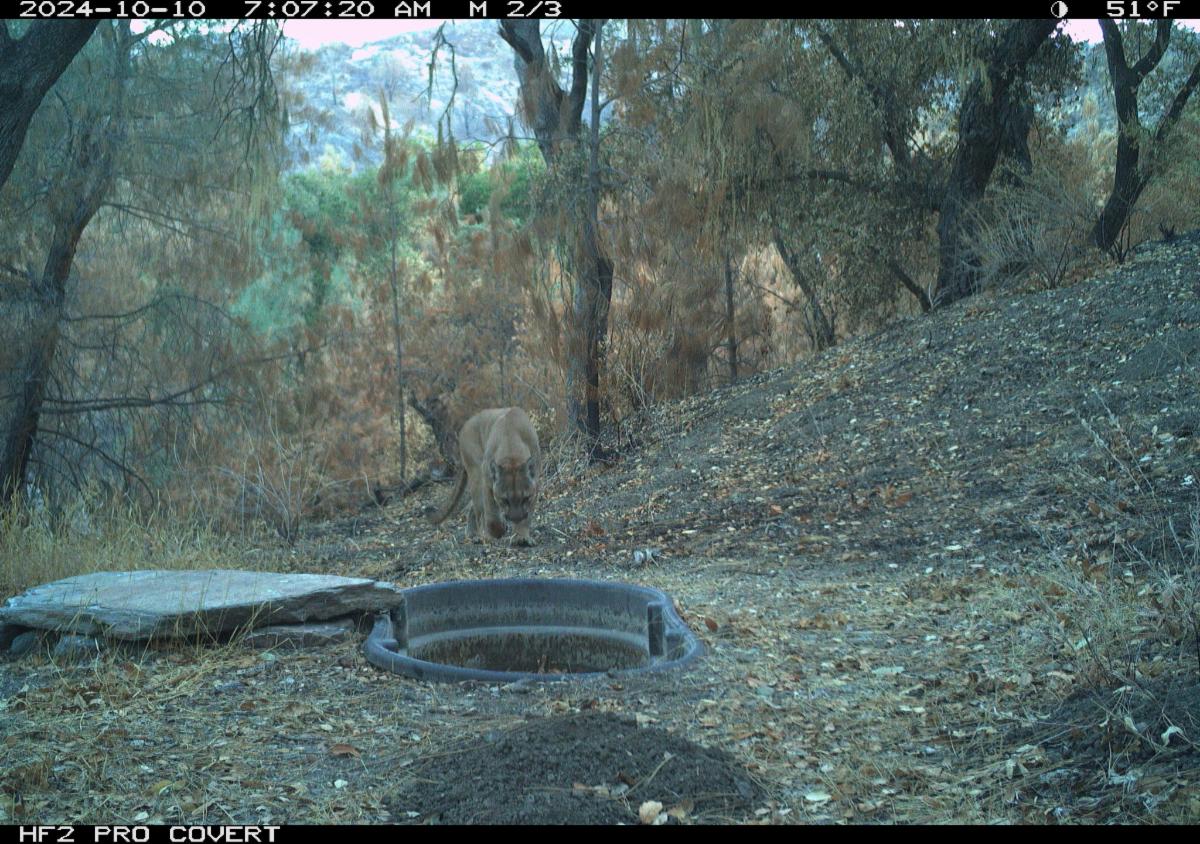
A mountain lion peers inside an empty water hole. Credit: Grant Canova-Parker

For many years, Sedgwick Reserve has maintained waterlines and documented the critical importance of water sources for local wildlife. After a central waterline was damaged in the 2024 Lake Fire, some of the Reserve's troughs and holes were left empty. While the Reserve staff followed the processes and filled out the paperwork to be able to begin repairs, land steward Grant Canova-Parker captured heart-wrenching footage of wildlife continually returning to these empty water holes. As the summer approached, docents and staff grew concerned about their fate and decided to take immediate action.


Read more to learn about how the community worked together to return water to wildlife.

Sedgwick Reserve depends on the support of our donors to fund our docent program, support researchers, and offer community-focused public events. Your gift ensures our ability to continue supporting world-class research and education with global impact. Click here to support Sedgwick today!

Facebook  X  Instagram