Advancing Racial Equity in Emergency Medical Services. Fall 2026 | | |
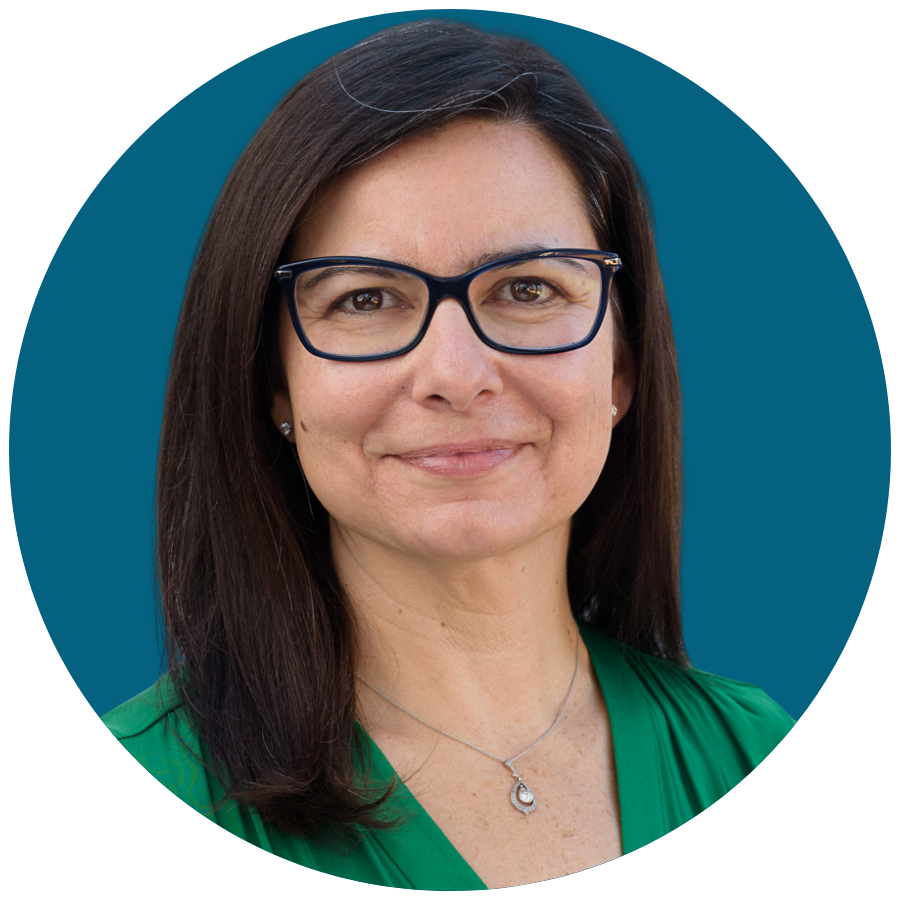
Tanir Ami
CEO, CARESTAR Foundation
| | |
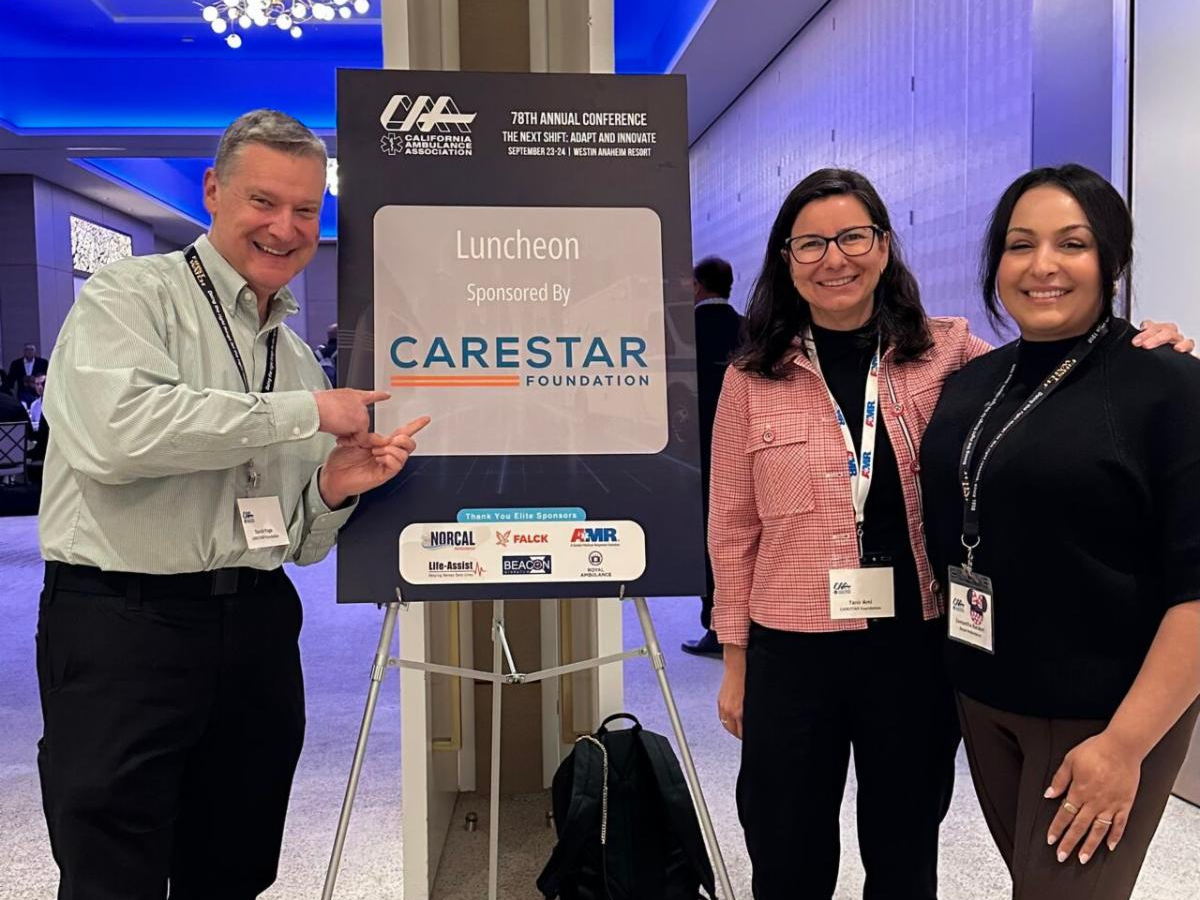
CARESTAR was proud to sponsor and attend this year's 78th Annual California Ambulance Association Conference (CAA). Themed as "The Next Shift: Adapt and Innovate," CAA gathered EMS leaders, ambulance providers, and partners to continue shaping the future EMS in California.
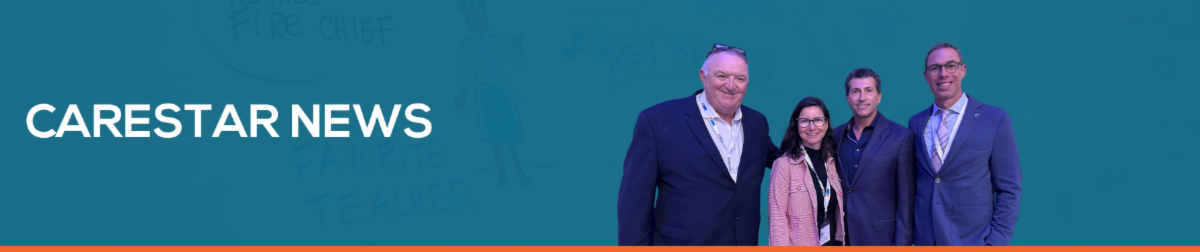
"It was an honor for CARESTAR Foundation to sponsor Thursday's lunch and to stand with CAA leadership, Executive Director Rob Lawrence, current CAA President Steve Grau, and President Elect Sean Sullivan."
Tanir Ami
CEO, CARESTAR Foundation
| | |
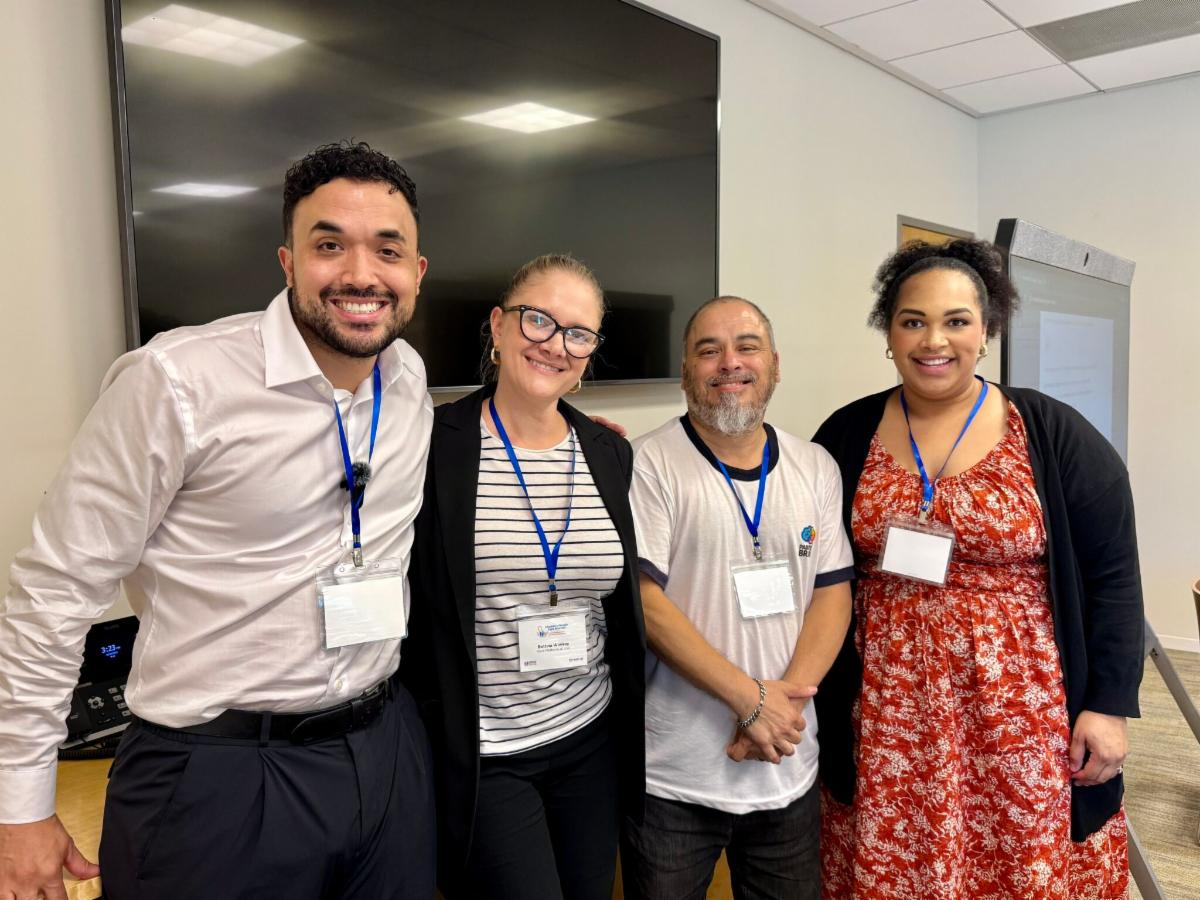
CARESTAR recently attended "The Disability Healthcare Summit," hosted by Disability Voices United. The Summit focused on improving EMS outcomes for people on Medi-Cal. We examined barriers affecting disabled people throughout the emergency care experience.
"At CARESTAR, we recognize that EMS may not be part of everyone’s daily life, but nearly all of us will rely on emergency care at some point, whether for ourselves, a loved one, or a member of our community. EMS is intended to be accessible to everyone, especially during moments of greatest need."
Sedella Jefferson
Program Officer, CARESTAR Foundation
| | We are honored to highlight four CARESTAR grantees – TabiMOMS, the City of Eureka, San Ramon Valley Fire Protection, and Dignity Best Practices – for their innovative thinking and problem-solving in addressing racial disparities in our EMS system. By piloting new approaches in mental and behavioral health response, centering the lived experience of impacted communities, and collecting field data, our partners are translating equity priorities into measurable improvements in care. | | | |
TabiMOMS: Centering Families and Lived Experience
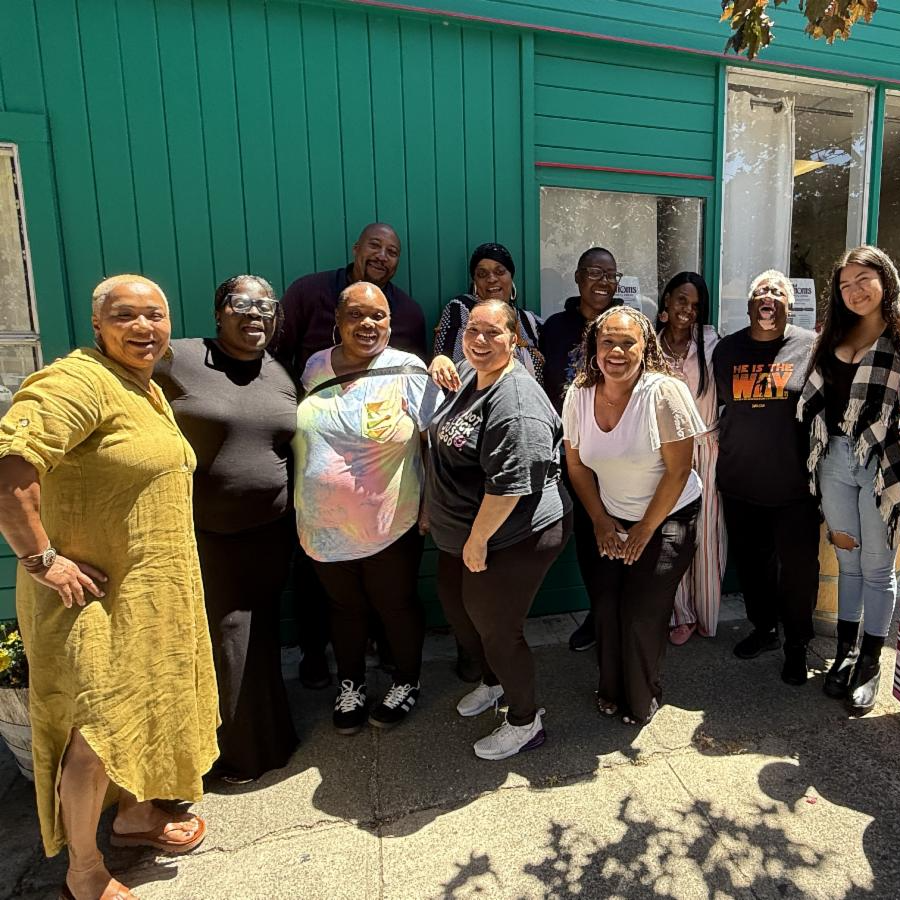
As a community partner in the Integrated Health and Resource Team (IHART), TabiMOMS in Vallejo is helping develop a health-first alternative to traditional law enforcement-led crisis intervention. By centering people who have firsthand experience navigating these systems, TabiMOMS is helping ensure that emerging crisis-response models reflect what families and communities actually need.
"Caregivers are often the first responders in a crisis. We know the person, the triggers, and what calms them down. Crisis systems should treat families as partners, not bystanders. When lived experience shapes the response, people get help that heals instead of harms.”
Courtney Davis
Founder and Executive Director, TabiMOMS
| | |
City of Eureka: Bridging Partners and Building Avenues for CARE
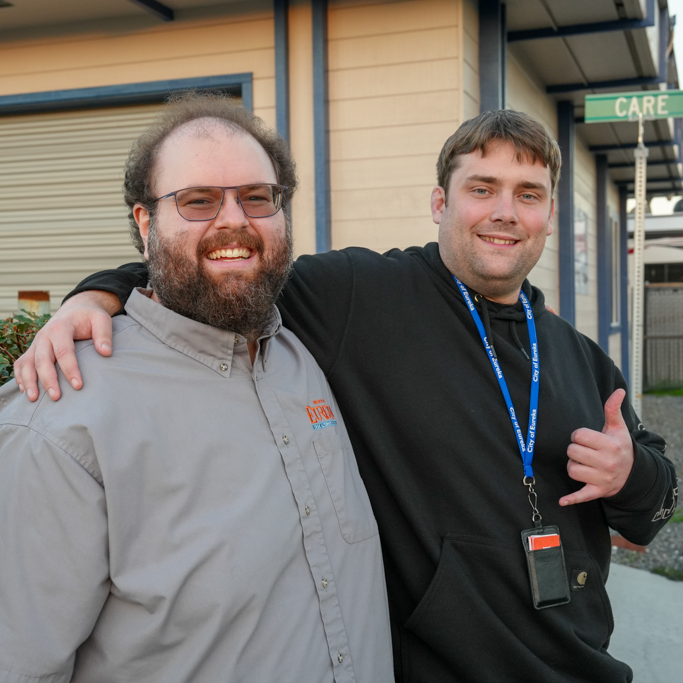
The City of Eureka developed Crisis Alternative Response of Eureka (CARE), a mobile behavioral health crisis response model for people experiencing mental health, substance-use, or housing-related crises. CARE brings together the City of Eureka, Humboldt County Behavioral Health, North Coast EMS, the Eureka Police Department, Providence St. Joseph Hospital, and other community partners to appropriate services while reducing unnecessary reliance on law enforcement and hospital emergency departments.
“CARE brings the right service directly to the individual in that moment of crisis instead of requiring other first responders to bring people to the emergency department.”
Jacob Rosen, LMFT
Managing Mental Health Clinician, City of Eureka
| | | | |
San Ramon Valley Fire Protection District: Reconsidering the Role of 911, Fire, and EMS
San Ramon Valley Fire is examining how mental and behavioral health calls enter and move through the public safety system. Working with local law enforcement, Contra Costa Crisis Center, Contra Costa County EMS, 911 dispatch, and county health services, the district has explored how calls can be identified, triaged, and connected with a response that better matches the caller’s needs.
“Behavioral health is the foundation of wellness.”
Dr. Malcom Johnson
Medical Director, San Ramon Valley Fire Protection District
| | |
Dignity Best Practices: Learning and Innovating in the Crisis Ecosystem
While local innovation is essential, communities also need opportunities to learn from one another. Through its Building the California Continuum of Care project, Dignity Best Practices is examining community crisis-response models across the state, identifying gaps, and exploring what is needed to expand high-quality, non-coercive, and trauma-informed alternatives.
“One lesson we urge communities to carry forward, based on the experiences of the last five years, is that unarmed professional crisis response teams are safe, effective, and able to provide access to mental health care to people and communities that may be less likely to seek support from traditional 911 responders.”
Daniel Kornfield
Executive Director, Dignity Best Practices
| | |
EMS Policy Ideas Generation Lab
Join CARESTAR Foundation and Transform Health for a two-day, in-person policy lab where we will examine challenges related to racial inequities in EMS and develop ideas for policy change.
When: Monday, 12/14 & Tuesday, 12/15
Where: Park Tower, 980 9th Street, 2nd Floor Conference Room
Sacramento, CA 95814
| | | |
|
More Than a Pandemic Story: Building a Resilient EMS Education System
Listen to the Prehospital Care Research Forum (PCRF)'s episode on "Preparedness of the Emergency Medical Services Educational System: Pandemic Barriers and Adaptation." Program directors discuss the barriers and adaptations identified during the pandemic to help educators prepare the next generation of EMS providers for disaster preparedness planning..
PCRF Journal Club
There Is Still Life Behind Those Eyes: A Single Act of Compassion Changed the Trajectory of Liz Harney's Life
During one of the lowest points in Liz Harney's life, the kindness of one compassionate paramedic helped Liz turn her life around. Now, Liz is a Board-Certified Critical Care Paramedic and Community Paramedic Educator and supports other hopeful paramedics.
National Registry of Emergency Medical Technicians
Readiness Beyond the Medicine: Neurodivergence, Pediatrics, and Better Communication
Learn how EMS providers can better serve patients with neurodivergence and sensory overload by slowing down, reducing stimuli, and involving caregivers to deescalate a situation. Techniques discussed can ultimately help anyone in a time of crisis.
Loud & Clear: EMS Principles
How EMS is Evolving Through State Policy
Several states developed or considered policies to modernize EMS systems, streamline EMS licensing, and invest in EMS workforce recruitment and retention in the last year. Notably, California enacted Assembly Bill 645, supporting EMS response effectiveness, and Assembly Bill 2041, requiring agencies to report compliance with AB 645.
Association of State and Territorial Health Officials (ASTHO)
Dispatch Disparities: Neighborhood Segregation as a Predictor of EMS Triage Discordance Among Critically Injured Trauma Patients
"Dispatch Disparities" is currently the largest piece of research demonstrating a significant link between racial and ethnic residential segregation and the increased risk of under-triage for critically injured patients.
Journal of Trauma and Acute Care Surgery
Addressing Racial and Ethnic Inequities in Pediatric Pain Management in Emergent Settings
Synthesizing current research on racial and ethnic inequities in pediatric pain management, this review highlights strategies to advance equitable pain care. Potential strategies include standardizing clinic processes, using equity-informed pain assessment tools, and centering lived experience.
Pediatrics
| | | | |