|
MassBays Newsletter
Fall 2026
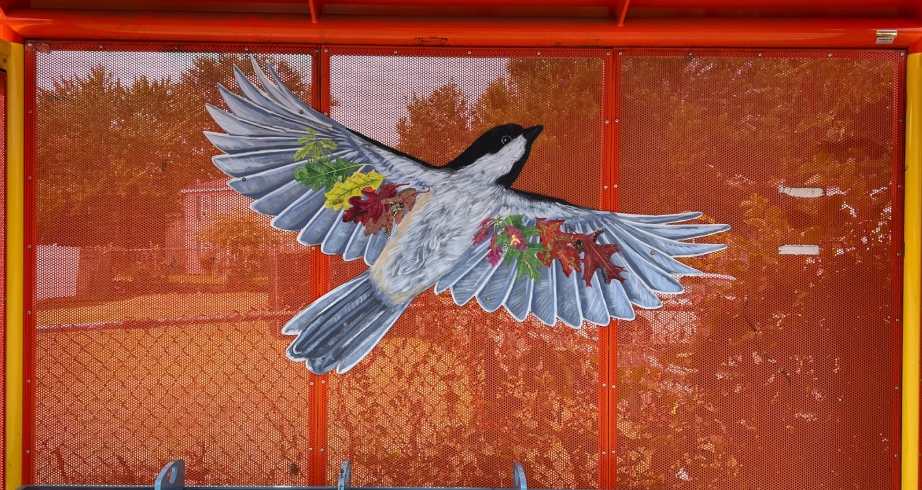
| |  | | Commissioned through the Merrimack Valley Culture partnership between MVPC, Essex County Community Foundation, and MeVa Transit, these bus shelter murals feature native birds, butterflies, plants, and pollinators while encouraging riders to discover hidden details along their journey. These vibrant shelters are now places to wait, learn,and explore! Read more here. | | Estuary Stories from the Field | | |
As another busy and productive summer comes to a close, MassBays and our many partners are shifting from fieldwork to data analysis, reporting, and sharing what we've learned with the communities we serve. While we always enjoy spending time outdoors alongside our dedicated volunteers, this season offers an opportunity to reflect on our accomplishments and prepare for the work ahead.
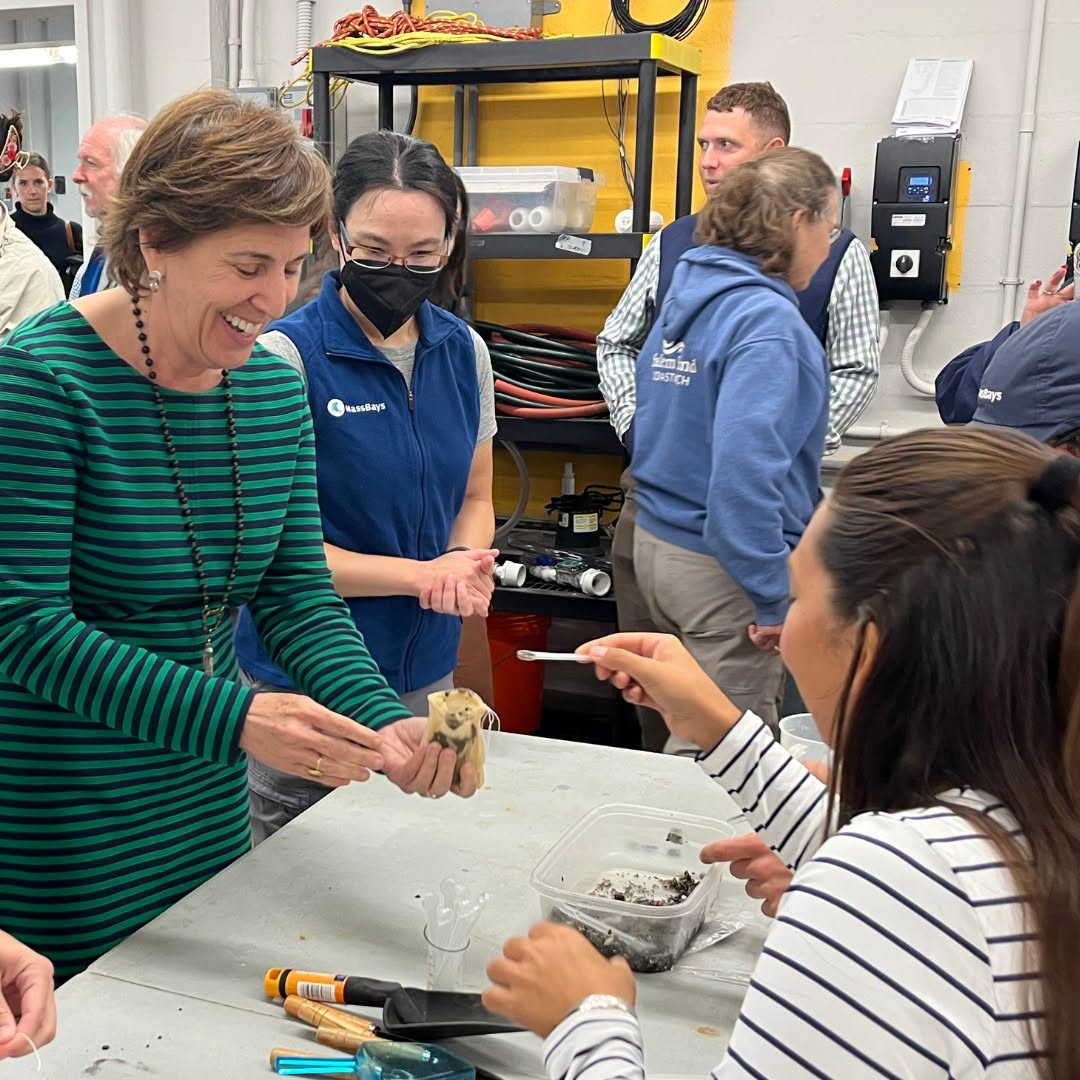
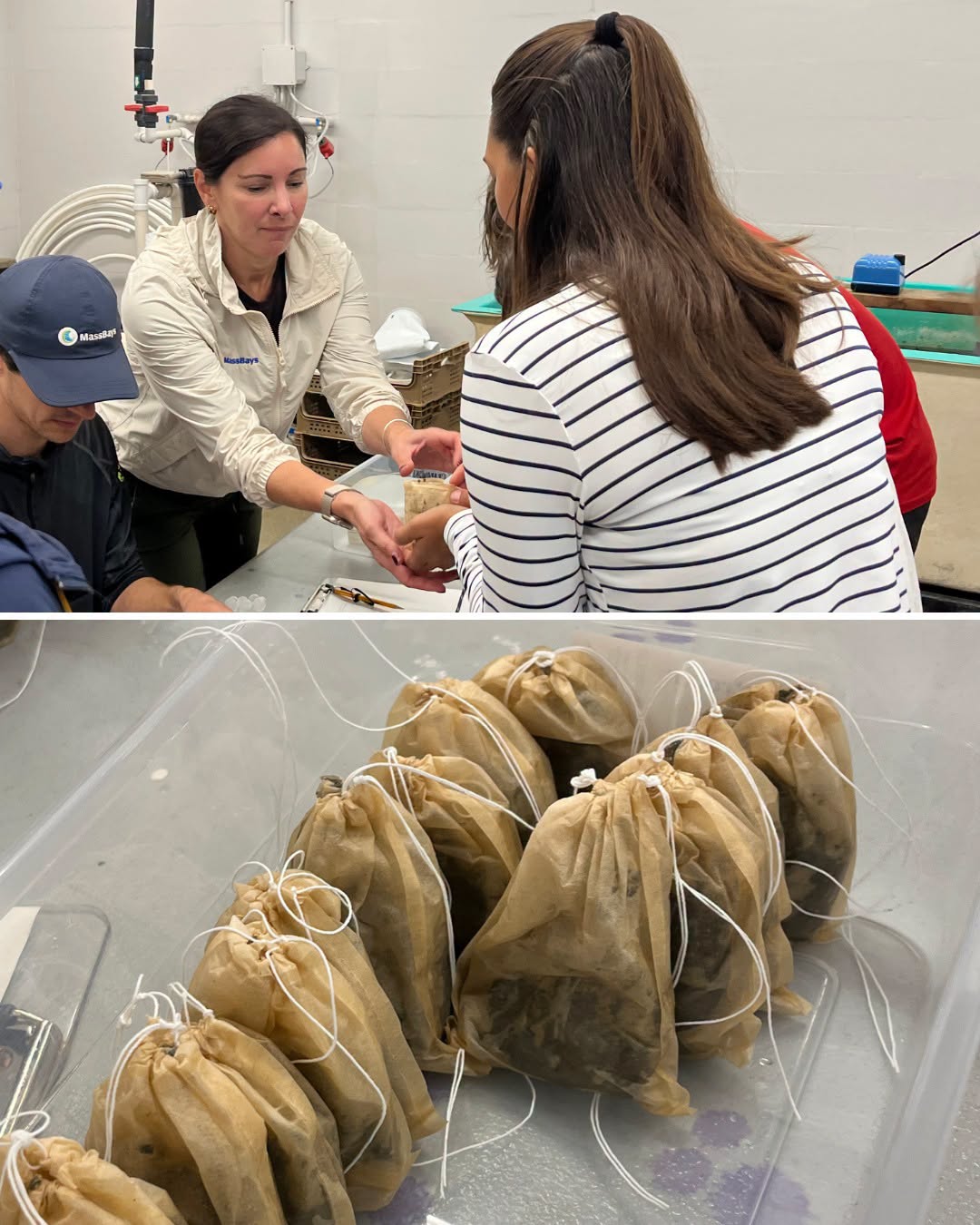
The stories in this newsletter offer just a glimpse of the work taking place across our five MassBays regions. You'll read about efforts by MassBays, the Division of Marine Fisheries, and partners to restore eelgrass meadows that provide habitat for ecologically and economically important species. This work recently attracted the interest of EEA Secretary Rebecca Tepper, who visited the Cat Cove Lab and joined in preparing eelgrass seeds for planting. You'll also learn about ongoing efforts to restore oyster populations in areas where they once thrived, supporting ecosystem health while reconnecting communities with an important part of Massachusetts' coastal heritage. And you'll see how dam removals and other restoration projects are reopening historic river herring runs, creating renewed excitement as communities await the return of these iconic fish to waters they have not reached in generations.
Finally, I am pleased to share the establishment of the Pam DiBona Endowment Internship Fund in honor of Pam's enduring commitment to coastal stewardship, partnership, and mentorship. The fund will support meaningful internship opportunities for future environmental professionals, helping to inspire and develop the next generation of coastal leaders. We invite you to join us in celebrating Pam's legacy by supporting the fund and becoming part of this lasting investment in MassBays' future.
Prassede Vella
Director, MassBays National Estuary Partnership
| A Living Memorial to a Beloved Leader | |
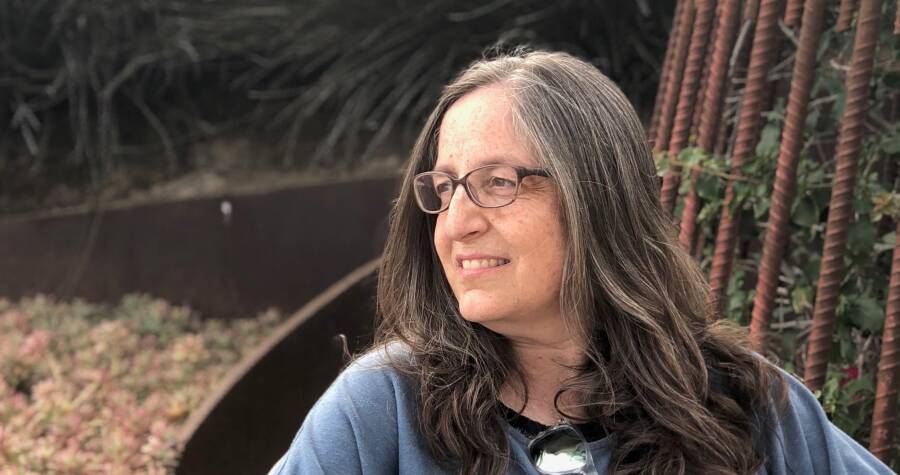
The MassBays National Estuary Partnership is proud to establish the Pam DiBona MassBays Endowment Internship Fund in memory of Pam DiBona, whose leadership, vision, and dedication transformed MassBays and strengthened coastal conservation efforts throughout Massachusetts.
For more than 12 years, Pam served as Executive Director of the MassBays National Estuary Partnership (MassBays), growing the organization into a leader in empowering coastal communities to protect, restore, and enhance estuaries and coastal habitats.
Pam believed deeply in collaboration, public engagement, and investing in future generations of environmental leaders. Created on the first anniversary of her passing, the Pam DiBona MassBays Endowment Internship Fund celebrates her enduring commitment by providing meaningful internship/fellowship opportunities to advance MassBays' mission through environmental science, habitat restoration, communications, education, monitoring, and community engagement.
Your Gift will create funds for internships or fellowships through which students gain valuable hands-on experience while contributing to the protection and restoration of MassBays’ estuaries, and coastal watersheds. The fund ensures that opportunities for learning, leadership, and service remain available to future generations. Every contribution helps create opportunities for future environmental leaders and advances the mission that Pam devoted her career to building.
Your gift will help sustain Pam's legacy by supporting the environmental work and community engagement to which she was passionately committed. Together, we can continue promoting her vision of healthy coastal and estuarine ecosystems, informed communities, and inspire the next generation of environmental stewards.
We invite friends, family, colleagues, partners, former interns, and all those touched by Pam's life and work to make a donation to the Pam DiBona MassBays Endowment Internship Fund.
With your help, the Association of National Estuary Programs can reach this goal before December 31, 2026, to help set up the Endowment Fund at the University of Massachusetts Boston where MassBays is based and where Pam attended graduate school.
| | Thank you to Massachusetts Executive Office of Energy and Environmental Affairs Secretary Tepper for visiting the Division of Marine Fisheries’ Cat Cove Marine Lab to learn about MassBays' marine habitat restoration program! We’re advancing innovative, seed-based eelgrass restoration techniques to boost biodiversity, support sustainable fisheries, and strengthen coastal resilience. With help from dedicated volunteers at Salem Sound Coastwatch, we prepared around 100,000 eelgrass seeds for restoration efforts along the North Shore! | | MassBays Regional Field Updates | |
River Herring Show Signs of Recovery
Across South Shore Streams
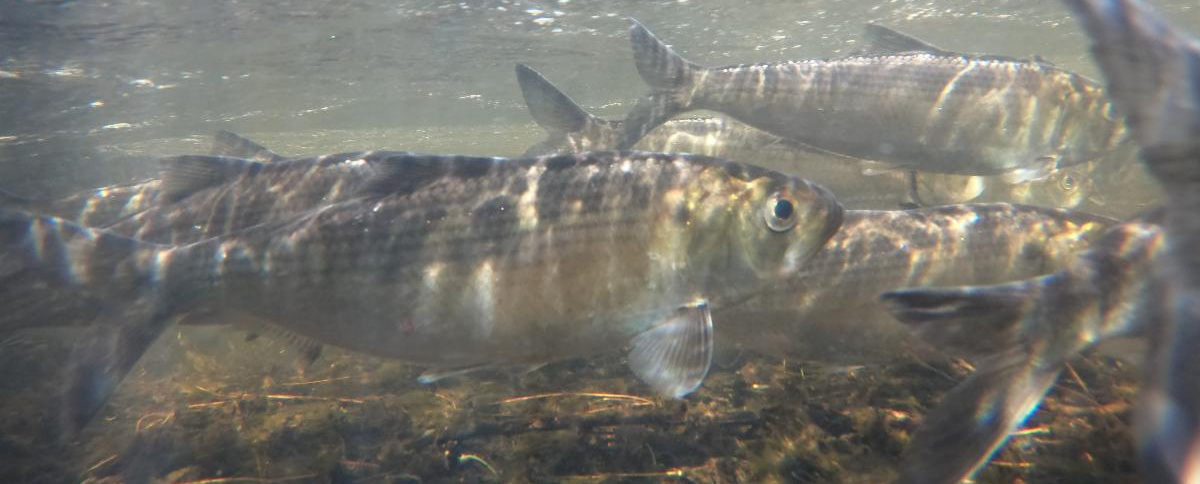
Mass Bays’ South Shore Regional Provider, the North South Rivers Watershed Association, along with 90 volunteers spent almost 500 hours monitoring the river herring population from March 12 to June 13. This year’s river herring monitoring season brought both encouraging signs of recovery and important insights into local fish populations across the South Shore. Thanks to dedicated volunteers and partners, thousands of herring were observed returning to coastal streams to spawn.
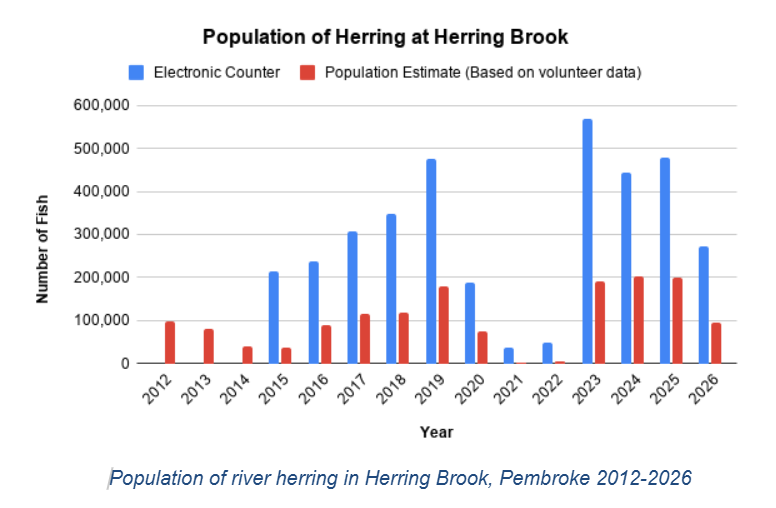
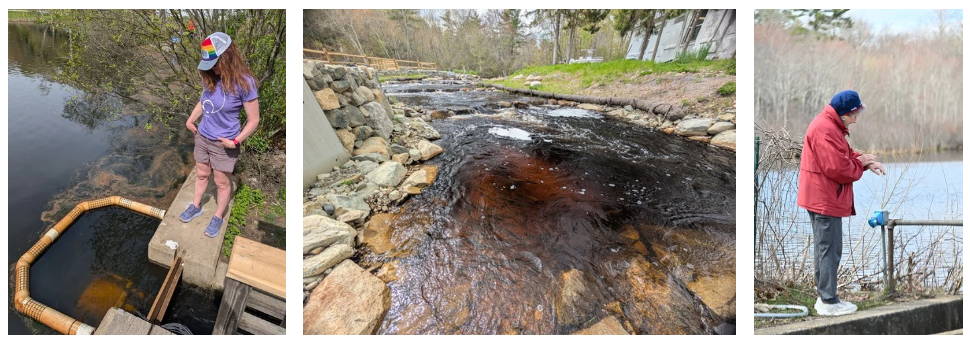
| | | | South River in Marshfield saw the biggest success story of the 2026 season. Volunteers counted 2,627 river herring, more than ten times the 257 counted in 2025. The dramatic increase follows the removal of the Veterans Memorial Park Dam and the opening of a new river channel, demonstrating how reconnecting rivers can quickly improve fish passage and habitat. Herring Brook in Pembroke remained the region’s largest river herring run, with 5,561 fish counted by volunteers. Although this represented a decrease from last year, the site continues to support one of the largest river herring populations in Massachusetts. State fisheries biologists used electronic counting equipment at the site to track the run and provided a more complete picture of population numbers. However, the trend remains the same when comparing measurements with the two methods. | Elsewhere, recovery remains a work in progress. At Bound Brook in Scituate and Cohasset, herring continue to slowly recolonize the watershed following the removal of the Hunters Pond Dam nine years ago. While numbers remain low, restored access to upstream habitat provides hope for future growth. First Herring Brook in Scituate recorded no herring this season, continuing a trend of low counts despite improvements to fish passage. Expanding access to additional upstream habitat may be able to improve conditions for herring passage in the coming years. | Left: Volunteer counting at Herring Brook. Middle: Herring in the new channel at Veteran's Park. Right: Carmella Martell counting herring at First Herring Brook 2026 | |
At Island Creek in Duxbury, 2026 marked the first year that volunteers, supported by MassBays South Shore Regional Service Provider, the North and South Rivers Watershed Association (NSRWA), conducted regular fish counts. The stream has been stocked with herring from Herring Brook (Pembroke, MA) in recent years, and most observations occurred during peak migration in April. Continued and consistent monitoring will help track the population’s progress. Meanwhile, Third Herring Brook in Norwell transitioned from volunteer fish counts to environmental DNA (eDNA) sampling, funded by MIT Sea Grant. A detailed report describing the findings is expected in the coming months.
Overall, the 2026 season highlighted both the challenges and promise of river restoration. From the remarkable response of herring to the most recent dam removal in the South River to ongoing efforts to rebuild runs in other streams, these projects underscore the importance of restoring habitat and maintaining long-term monitoring. Thank you to the volunteers and partners who made this year's monitoring effort possible. We look forward to keep building momentum in 2027.
Find the full article here: https://www.nsrwa.org/2026-river-herring-count-results/
Click here to read more about our Citizen Science and volunteer work and future volunteer opportunities!
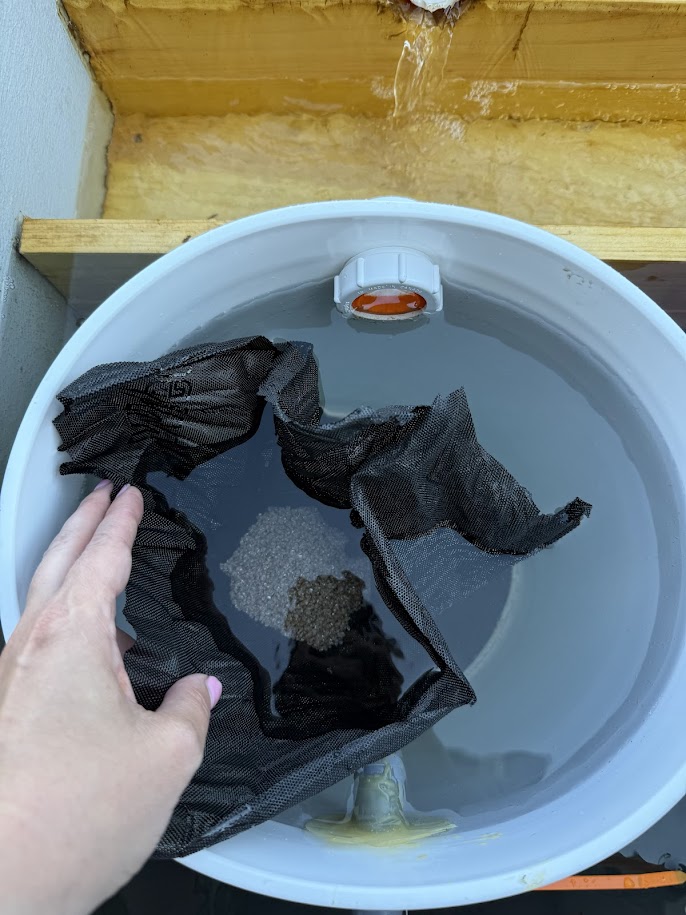
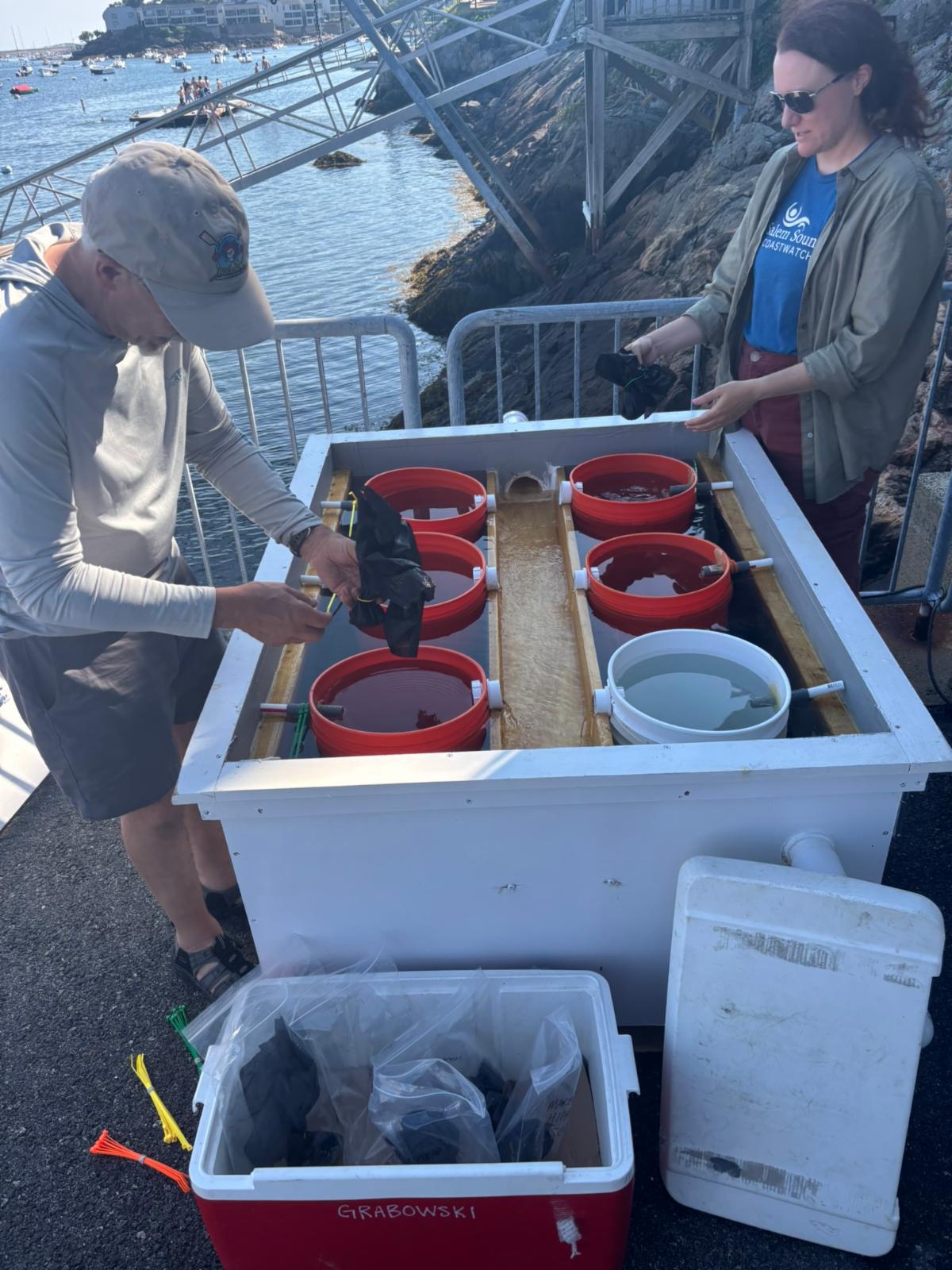
| | Growing Oysters for Restoration in Salem Sound | | Preparing oyster seeds for the upweller, Marblehead, Ma. | |
This summer MassBays Lower North Shore Regional Service Provider, Salem Sound Coastwatch (SSCW), in partnership with the Massachusetts Oyster Project, Sustainable Marblehead, and Tower School, piloted an oyster nursery in Marblehead Harbor using an oyster upweller. The system raised approximately 25,000 juvenile oysters, or seed, from roughly 2 mm toward a deployment size of 25 mm.
The Eastern oyster (Crassostrea virginica) is native to Salem Sound and historically formed an important component of coastal ecosystems across Massachusetts. Today, restoring oysters at economically viable scales requires suitable habitat, appropriate water quality, and reliable methods for producing and deploying juvenile oysters.
The need for restoration is particularly relevant in Salem Sound, where all shellfish growing areas are currently classified as “prohibited” by the Massachusetts Division of Marine Fisheries. This classification reflects water quality concerns, which means that the shellfish cannot be harvested for human consumption.
An oyster upweller provides a protected nursery environment during an especially vulnerable stage of oyster development. and can increase survival and growth before oysters are transferred to restoration sites. The Marblehead project began July 1, when approximately 25,000 seeds were placed in the upweller.
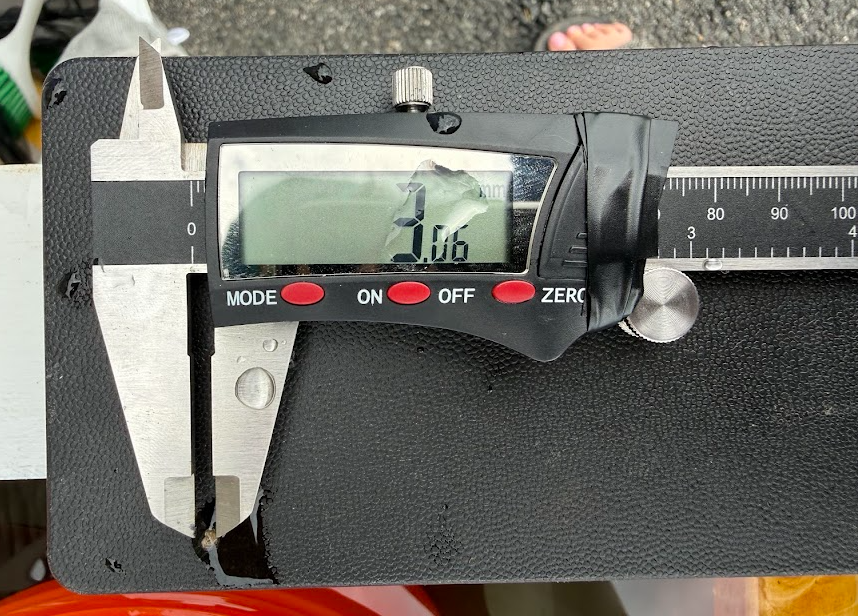
Through the summer, SSCW staff and community volunteers monitored the system. By September the oysters ranged from approximately 3 to 10 mm, demonstrating appreciable growth during the nursery period. A required pathology screening also returned clear results.
| |
The nursery phase is only the first step. The oysters were recently deployed at restoration sites in the Plum Island estuary near Ipswich, where the Massachusetts Oyster Project is working to restore oyster habitat. At this site project partners observed wild oysters settling alongside previously deployed restoration oysters, an indication that restored habitat may begin to support natural recruitment.
This project provides an opportunity to explore whether oyster restoration could eventually become a reality in historical habitat within Salem Sound. Any future restoration will require site-specific evaluation of water quality, habitat suitability, disease, predation, and potential contaminants, as well as continued monitoring of oyster survival and growth. The Marblehead upweller serves as both a restoration tool and a learning opportunity. It allows SSCW and its partners to build local capacity, test nursery methods, engage community members in hands-on restoration, and generate information needed to evaluate future restoration efforts.
Ultimately, the goal is not simply to grow oysters. Rather, it is to continue overall ecosystem restoration in Salem Sound including improvement of water quality, habitat creation, and the subsequent reintroduction of ecologically and culturally important species. Although these oysters are not ready for human consumption even when fully grown, the success of this effort provides hope to the community for a better and cleaner Salem Sound, as evidenced by the strong community participation at the Open House at the Marblehead Upweller on September 10.
| |
Chase Garden Creek
Embarking Down the Road to Restoration
| | |
Following on the extensive work and success on salt marsh restoration at Sesuit Creek earlier this year, MassBays’ Cape Cod Regional Service Provider, the Association to Preserve Cape Cod (APCC) and its partners are now embarking on a restoration plan for the Chase Garden Creek salt marsh together with EA Engineering, Science, and Technology, Inc. This restoration plan will apply relatively new techniques to halt the decline of salt marsh habitat and build back the hydrological conditions that are critical to sustaining a healthy marsh into the future.
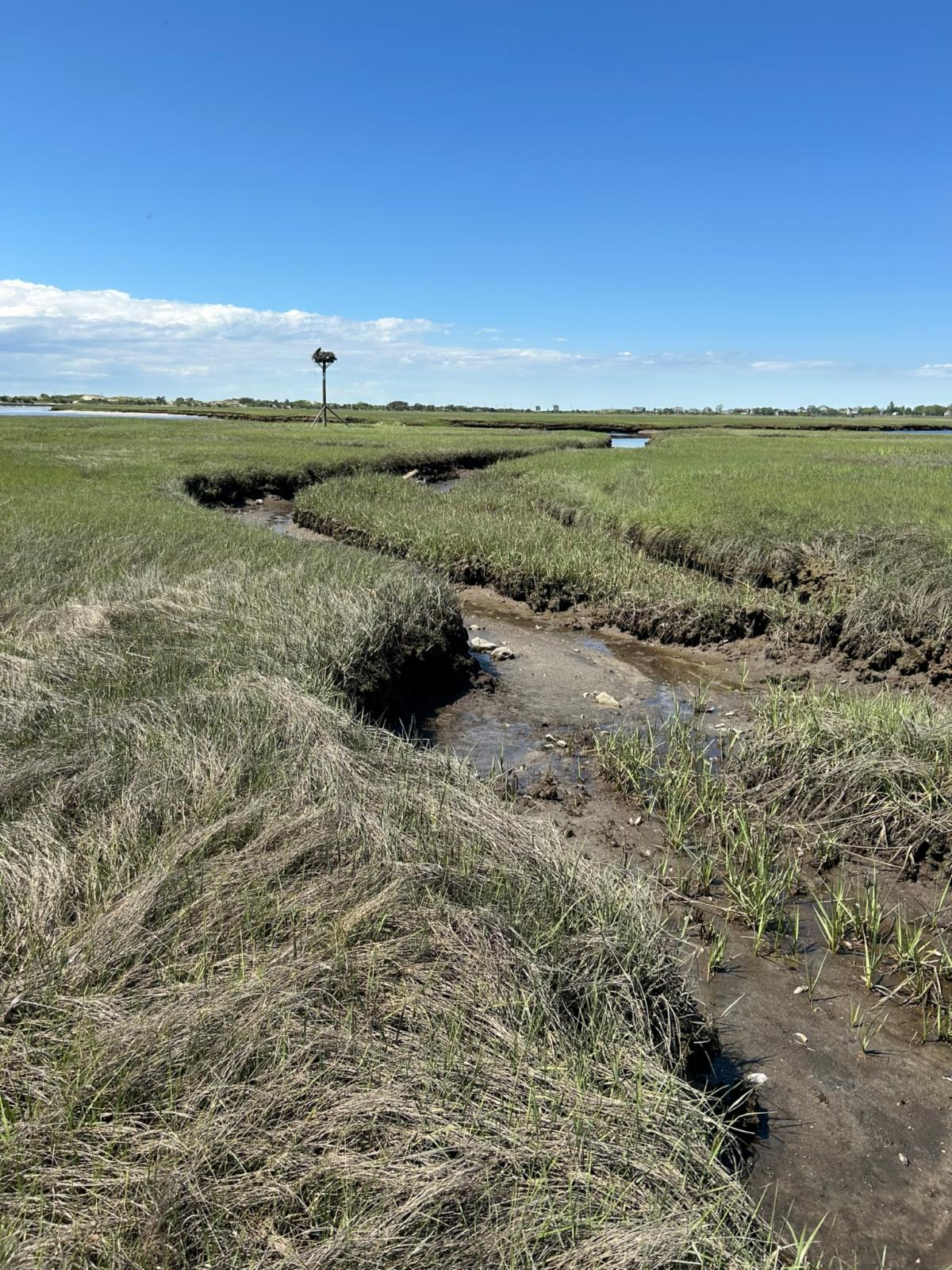
Chase Garden Creek is threatened by marsh subsidence, driven by a long history of drainage and hydrologic alteration. For centuries, embankments and ditches were used to move water off the marsh more quickly. During the 1930s, as part of New Deal work programs, ditches were reopened and new ones were dug for mosquito control. The effort was largely ineffective: draining the marsh more rapidly also reduced critical habitat for juvenile fish that prey on mosquito larvae. Although these practices were discontinued in the 1970s and 1980s, the marsh has still not recovered.
Unfortunately, the majority of New England marshes suffer from the combined effects of over-ditching and sea level rise. These factors result in high rates of erosion and loss of elevation, or subsidence, in the marsh surface. Chase Garden Creek is no exception, and its high rate of degradation has been observed by the surrounding residents, land managers, and scientists. The proposed solution to this large-scale problem is to redistribute water flow through fewer channels and ditches which will slow decomposition and redirect sediment movement onto the marsh, rather than away from it.
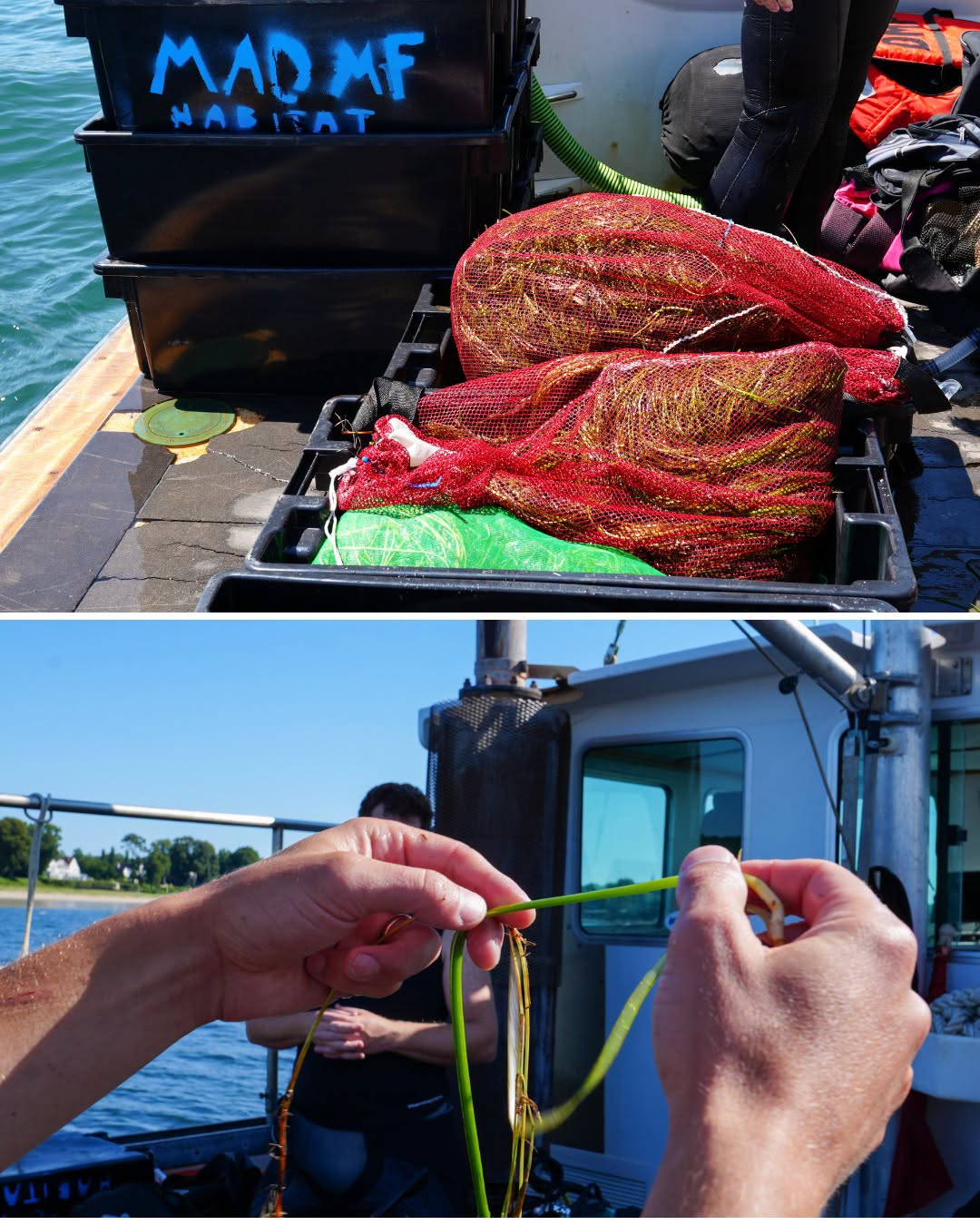
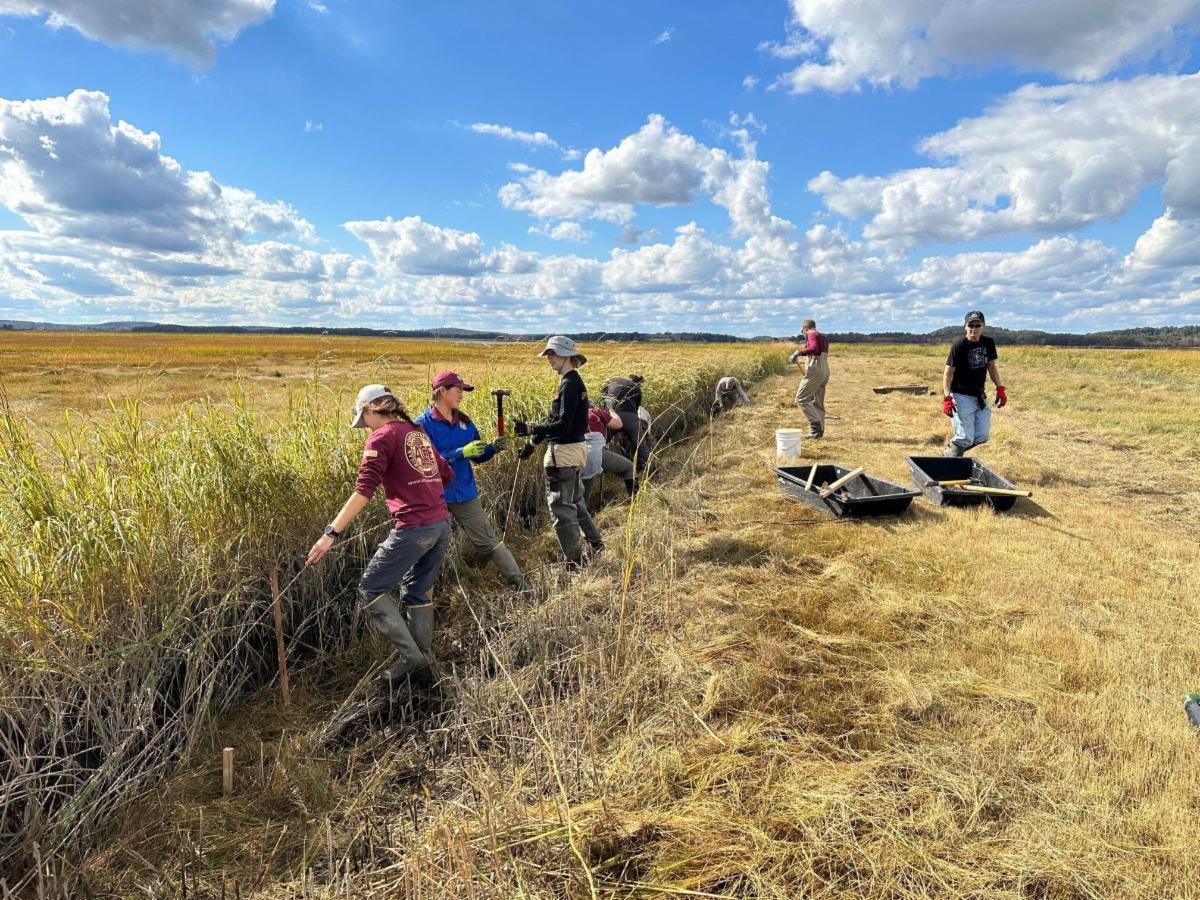
| Ditch remediation process whereby grasses moved from adjacent area are bundled and staked in ditches to allow for natural "healing" or sediment deposition over time. Credit: Parker River National Wildlife Refuge. | |
The techniques used to perform this hydrological reset include runnels, or shallow channels - roughly 1 ft wide and 1 ft deep – used to drain pooled water, and ditch remediation, a procedure of staking grasses in the ditches to facilitate sediment deposition causing the ditch to naturally “heal” overtime. Any material excavated for the runnels is placed in depressions or used to form small mounds for bird nesting habitat (approx. 1 ft high and 3-4 ft wide). Taken together these three techniques are often referred to as “trio” restoration.
The Chase Garden Creek project is still in its early stages. Through December 2028, EA will support the project team with historical research, site assessment and data collection, design, and permitting, Restoration of the marsh platform is planned to begin in Fall 2029. For more information and updates visit the Chase Garden Creek website.
The Chase Garden Creek restoration project is funded by the Lavori Sterling Foundation, the MassBays National Estuary Partnership, and a private foundation.
| | Top photo: Chase Garden Creek showing signs of erosion and subsidence. Credit: APCC. | | Merrimack River Cleanup Initiative | | |
The Merrimack River is the largest river discharging into the MassBays planning area. It is a vital natural and important cultural resource for the many communities of the Merrimack Valley, and the Merrimack Valley Planning Commission (MVPC) is excited to have recently wrapped up two year-long projects to improve water quality in the this watershed.
| |
| |
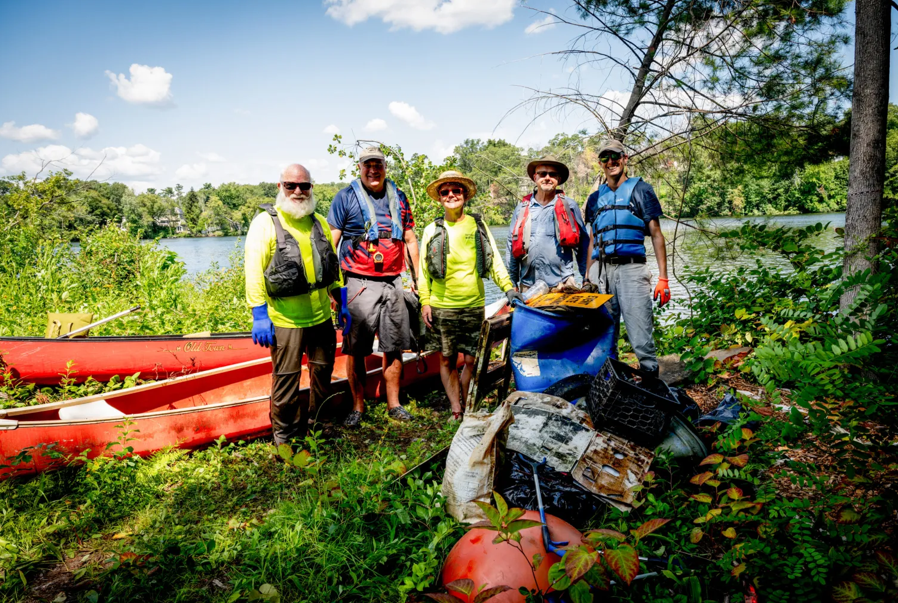
Over the past year, five communities (Andover, Haverhill, Methuen, Lawrence, and Tyngsborough), MVPC, and the Northern Middlesex Council of Governments came together on the first Merrimack River Cleanup Initiative to remove trash from the Merrimack. The cleanup included installation of ten floating river booms that captured debris as it floated downstream and prevented anthropogenic materials and tons of trash from entering the ocean. Hundreds of volunteers from all five communities came out to participate in a cleanup day to help restore and protect the river.
With the pilot project completed successfully, the participating municipalities now have the tools required to continue this work. Municipalities also have access to a set of outreach materials, as well as photos and personalized videos capturing efforts from the project to promote future clean-up events. The partner communities all felt that hosting these events was not only impactful for the natural environment, but also a great way for neighbors to connect with their community and the river. Municipal staff are eager to continue the event series and to make it a yearly event.
To learn more about the project and view videos developed for each community to share their work, visit the Merrimack River Cleanup Initiative website or learn more about the project through the Merrimack River Cleanup Initiative StoryMap.
| | |
Another feather in MVPC’s cap this year was the recent completion of various water quality improvement projects in the Merrimack River. With the support of Senate Minority Leader Bruce Tarr (R-Gloucester), MVPC was able to direct $270,000 earmark funds through the Merrimack River Water Quality Improvement (MRWQI) Grant to the City of Methuen, Greater Lawrence Sanitary District, the City of Haverhill, the City of Newburyport, the Town of Tyngsborough, and the Merrimack River Watershed Council. These communities were able to tackle priority projects ranging from wastewater treatment plant improvements to post-CSO water quality testing programs. Awardees came together afterwards to share outcomes and learn about each other’s findings, helping to further advance work towards a shared goal of a healthier and safer watershed.
To learn more about the MRWQI Grant and the projects funded, click here.
| | MassBays Metro Boston Region and Partners Dig into Bivalves | | BHEN visiting the Marblehead oyster upweller - Photo: Diana Chin | | |
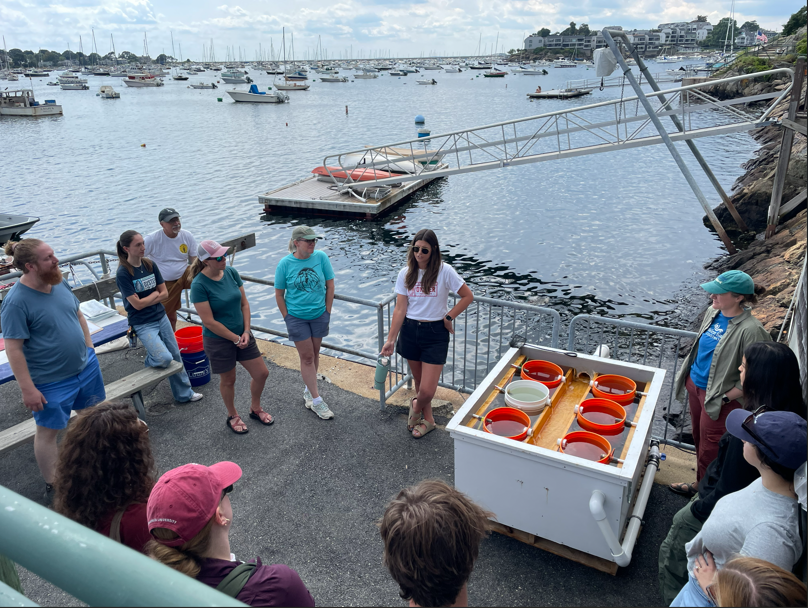
On August 27, the Boston Harbor Ecosystem Network (BHEN) joined Dr. Kelsey Schultz (Northeastern University/Mass Oyster Project), Nicole Albani (Salem Sound Coastwatch), and Steve Wolf (Sustainable Marblehead) to talk about oysters in Marblehead Harbor. BHEN is hosted by MassBays Metro Boston Regional Service Provider (Northeastern University Marine Science Center).
Over the summer, the Marblehead Harbormaster hosted a new oyster upweller constructed by the Massachusetts Oyster Project and tended daily by volunteers from Salem Sound Coastwatch (see the article Growing Oysters for Restoration in Salem Sound above). The upweller is part of an expanding network of Mass Oyster Project locations growing baby oysters across Massachusetts and providing opportunities for community outreach and education in addition to expanding the physical stock for oyster restoration efforts.
Steve Wolf spoke about a set of pilot oyster settlement structures that Sustainable Marblehead deployed at six locations around Marblehead, including in Marblehead Harbor. These structures are being used by researchers to evaluate the potential for oyster growth, survival, and restoration in Marblehead waters.
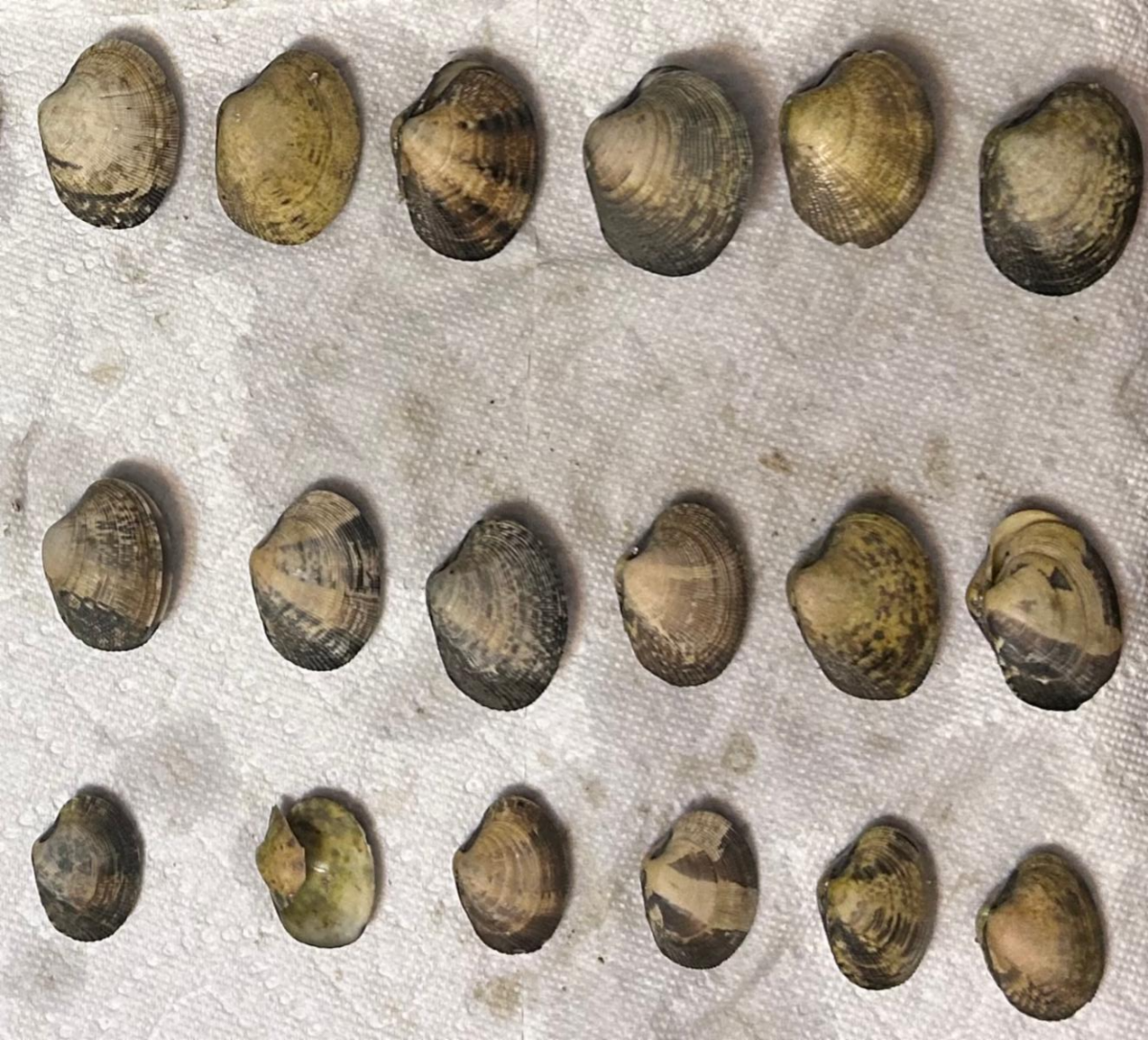
Speaking of shellfish, over the summer MassBays' Metro Boston Regional Coordinator continued active participation with the Manila Clam Working Group. In July, the scientific journal Biological Invasions published the group’s paper documentation of the recent arrival of the non-native Manila clam (Ruditapes philippinarum) observed in Cape Cod Bay and in Boston Harbor. Courtesy of the Massachusetts Office of Coastal Zone Management, the public can now also find basic information about the Manila clam, what we know of its recent establishment in the state, how to identify the species, and where to report sightings to the Manila Clam Working Group on a new Manila clam webpage. Keep an eye out for these clams when beach combing or taking a leisurely walk on the sand!
Putnam et al. 2026. Completing the journey in the global north: the Manila clam (Ruditapes phillipinarum) (Bivalvia: Veneridae) arrives in the Northwest Atlantic Ocean. Biological Invasions 28: 163. https://doi.org/10.1007/s10530-026-03861-z.
SharedIt: https://rdcu.be/fr06O
| Manila clam shells from Boston Harbor, September 2025 - Photo: El Hartshorn | |
| |
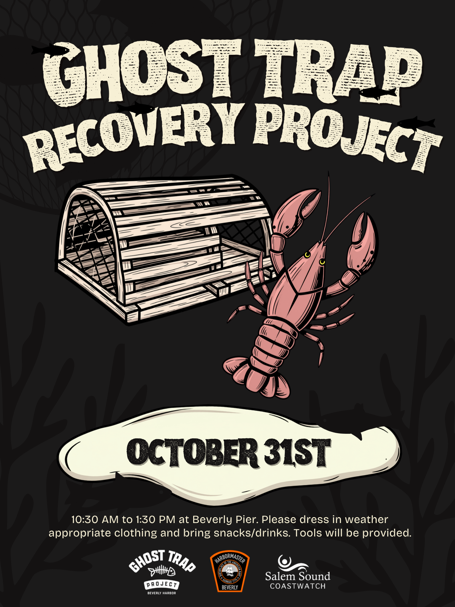
Ghost Trap Recovery Project
October 31 @ 10:00 am - 10:45 am
Volunteers are needed to assist with sorting, stacking, and disassembling traps being removed from Beverly Harbor as part of the Ghost Trap Recovery Project. Please dress to be in the outdoors in weather appropriate clothing.
More info here
| | | |
| |
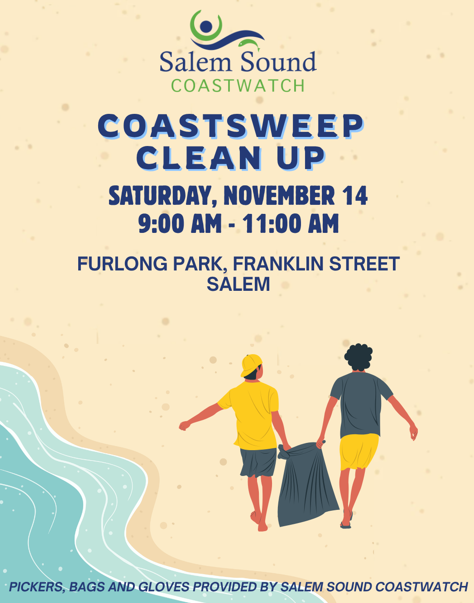
Coast Sweep Clean Up
November 14 @ 10:00 am - 12:00 pm
As part of the International CoastSweep, join us in removing and categorizing marine debris. The data collected supports efforts to better understand and reduce marine pollution. Meet at Collins Cove.
More info here
| | | | |
§319 Grants - MassDEP is seeking proposals for the Federal Fiscal Year 2025-2026 Request for Proposals (RFP) for the §319 Nonpoint Source Implementation Grants Program. These grants fund comprehensive projects that address nonpoint sources of pollution affecting water quality. For more information and resources, including a link to the RFP, see the MassDEP website. Proposals are due by October 28 at 4:00 p.m.
Water Quality Monitoring Grant (WQMG) Program - The Massachusetts Department of Environmental Protection, through the Watershed Planning Program in the Bureau of Water Resources, is seeking grant proposals for the purpose of supporting ongoing or new monitoring and data collection efforts to increase the amount of external data MassDEP uses for water quality assessments under the federal Clean Water Act. See RFP here. Proposals are due by October 29 at 4:00 p.m.
Land and Water Conservation Fund Grants - The EEA Division of Conservation Services (DCS) is seeking proposals for FY 2027 Land and Water Conservation Fund Grants, which provide up to $1,000,000 in matching funds to state agencies and local governments to acquire and develop public outdoor recreation areas and facilities. Potential applicants are strongly encouraged to attend one of two grant information sessions: December 2 at 2:00 p.m. (virtual) and on December 3 at 11:00 a.m. in person at the MassWildlife Field Headquarters in Westborough. Please RSVP to Melissa Cryan at melissa.cryan@mass.gov to attend either session. For application instructions, see the DCS website. Grant proposals are due by January 5, 2027.
| | |
MACC Fall Conference - October 24, conference sponsored by the Massachusetts Association of Conservation Commissions (MACC) with the theme “Why We Do What We Do: The Science and Ecology of Wetlands Protection” to be held in Devens
RARGOM Annual Science Meeting - November 4, Regional Association for Research on the Gulf of Maine (RARGOM) meeting with the theme “Navigating Change in the Gulf of Maine: Science, People, and the Next Generation” to be held in Durham, New Hampshire.
2026 State of Wellfleet Harbor Conference - November 14, annual conference sponsored by Mass Audubon’s Wellfleet Bay Wildlife Sanctuary and partners to be held in Eastham.
2027 Stone Living Lab Conference—Call for Abstracts - April 28-30, 2027, event presented by the Stone Living Lab at UMass Boston with the theme “Nature-Based Coastal Resilience in Urban Settings” to be held in Boston. Abstracts are due by November 30.
| | | | |