Northeast Oregon Area Health Education Center (NEOAHEC) is part of a nationwide system created to improve the distribution, diversity, quality, and supply of healthcare workers in rural and under-resourced areas.

Creating community through rural engagement

What is the Campus for Rural Health?

Oregon Health & Science University’s (OHSU) Campus for Rural Health (CRH) is different in each of the three regions, but the Northeast Oregon Campus looks like this: a student from one of OHSU’s health professions programs travels to northeast Oregon. Immersive clinical experiences and housing are coordinated.


The student spends 4 weeks in this space, working with a rural provider and witnessing their day-to-day life while learning the intricacies and unique benefits of being so far from urban areas.


On top of their clinical experience, the student will attend a weekly Interprofessional Education class and will participate in a community-based project where they become more aware of the unique rural health challenges, needs, and solutions.

The CRH was created 10 years ago, and when it was brought to northeast Oregon, it served as an advancement of the work that had been done by NEOAHEC and other organizations in the region for decades. So far, nearly 1,500 interprofessional learners have been immersed in rural communities as part of the three campuses.


The Regional Associate Dean of the Northeast Oregon Campus, Patty Barfield, describes it, “At the heart of the Campus for Rural Health, the next generation of healthcare professionals learn from, with, and about the communities they rotate in, and they leave a little piece of themselves here through their work on a community-based project.”

What is the community project?

The project is always evolving. It is designed to take much longer than four weeks to complete, so each student plays a different role. Some students spend their four weeks on a review of literature related to the project, some may interview key informants, some may create informational materials or curriculum—it all depends on the current project and what has been done so far. This structure allows each block to build on the previous one.


Some of the projects that have been completed by students in the Northeast Oregon CRH in the past include:

  • Improving the Union County Warming Station
  • Chronic pain management and depression tracking
  • Medication-assisted treatment workflows
  • Lactation support and baby bag support for new families
  • Pediatric immunization education
  • Narcan training
  • Pediatric oral health interventions

What's happening right now?

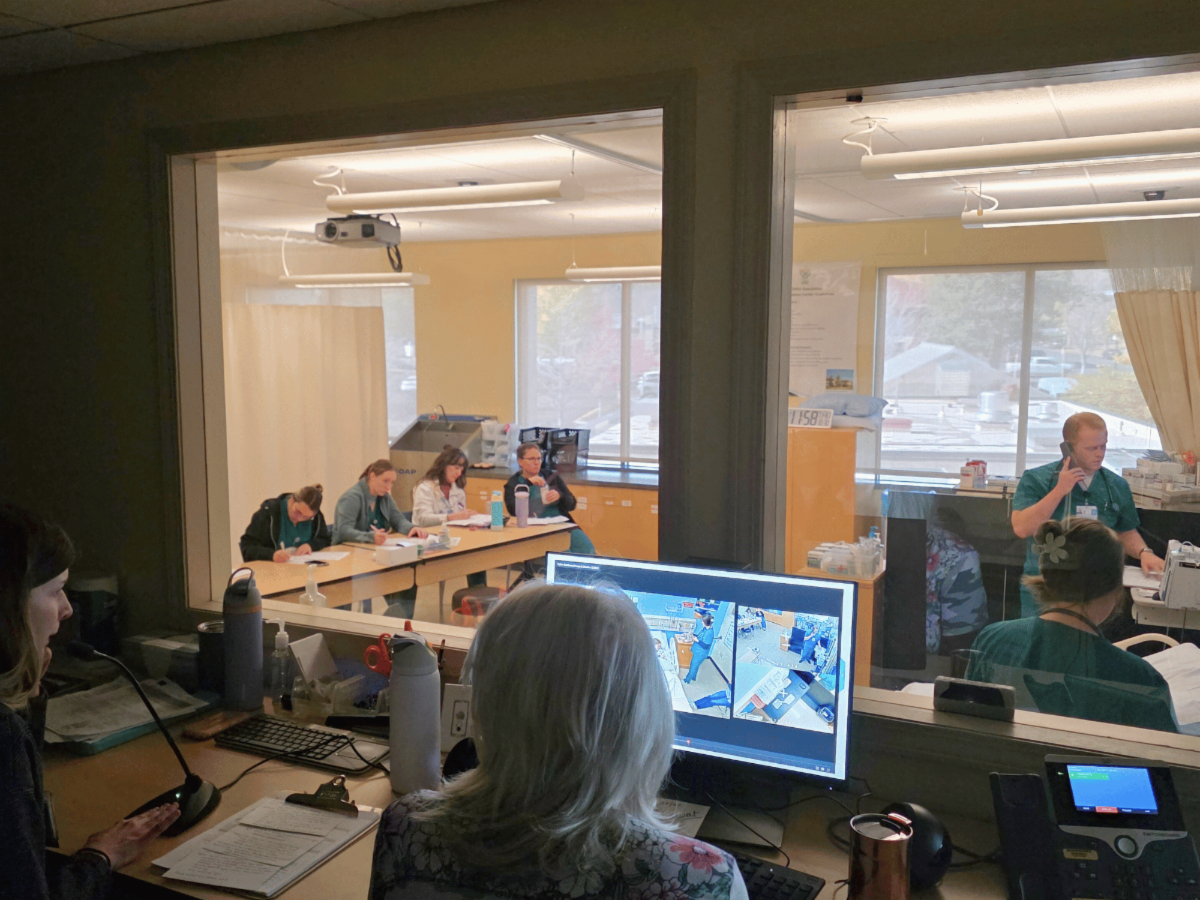
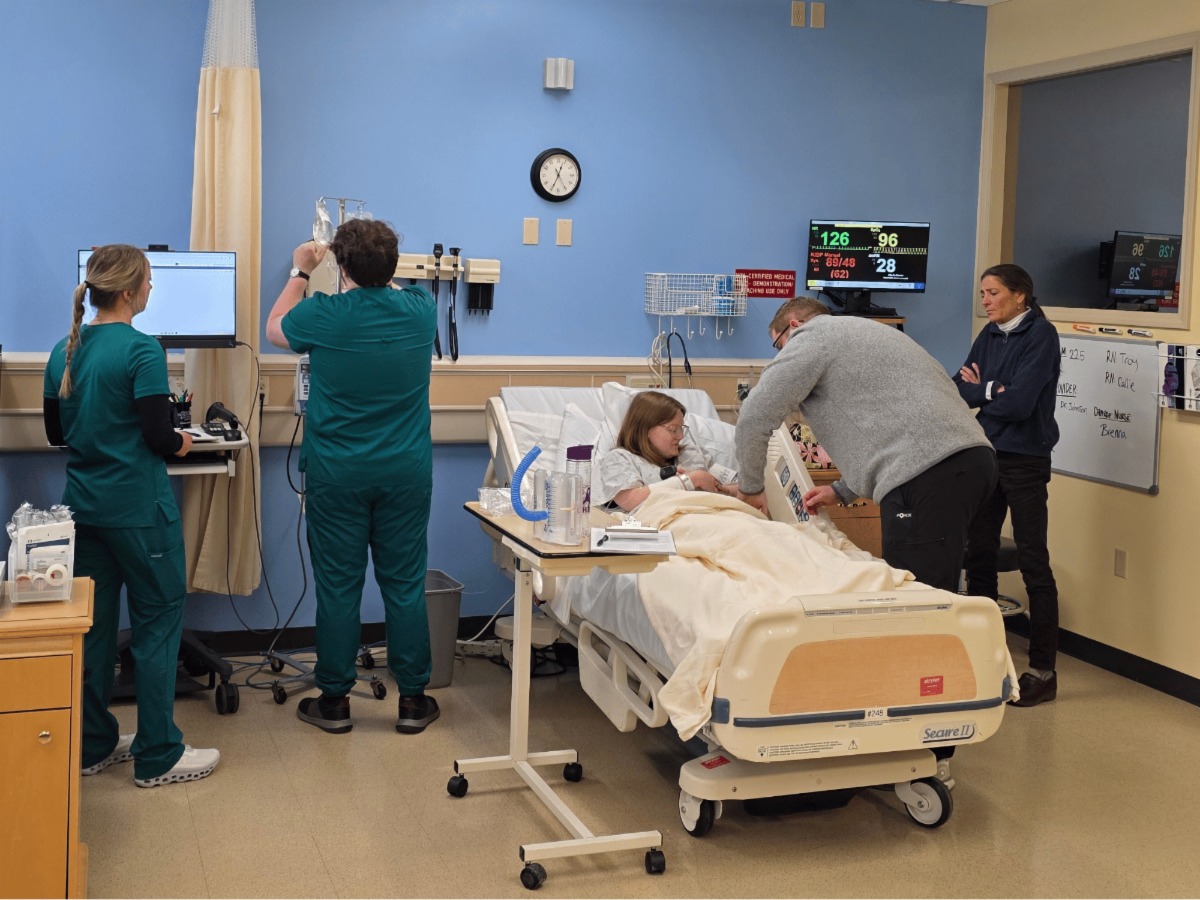
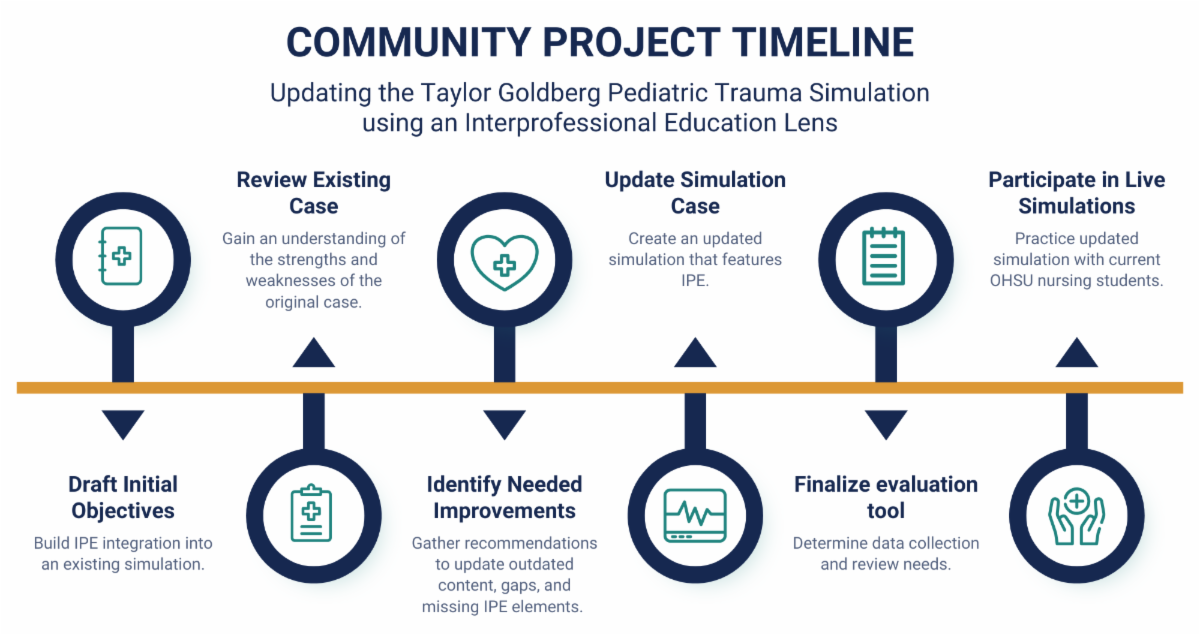
Right now, the project has been focused on simulation using NEOAHEC’s two high-fidelity manikins. The goal is to build upon an existing simulation to add interprofessional elements and to ensure that it pertains to rural situations. Learners have been focused on strengthening the Taylor Goldberg Pediatric Trauma Simulation, which has been used by OHSU. 


“The pediatric trauma simulation is an opportunity for students to practice communication, teamwork, and rapid assessment skills that directly impact patient outcomes in rural healthcare settings,” explained Danielle Patton, NEOAHEC’s site coordinator.

Once this project is completed, students will begin to adapt additional scenarios, including a simulation surrounding pediatric autism this winter. Through this work, interprofessional learners are not only building their own skills but also contributing directly to the health of our communities by better preparing them to practice team-based care. This effort keeps our collaborative long-term vision of expanded simulation for rural providers in view. 


Who is part of the Northeast Oregon Campus?

The following organizations have been key in creating and maintaining the Northeast Oregon Campus for Rural Health:


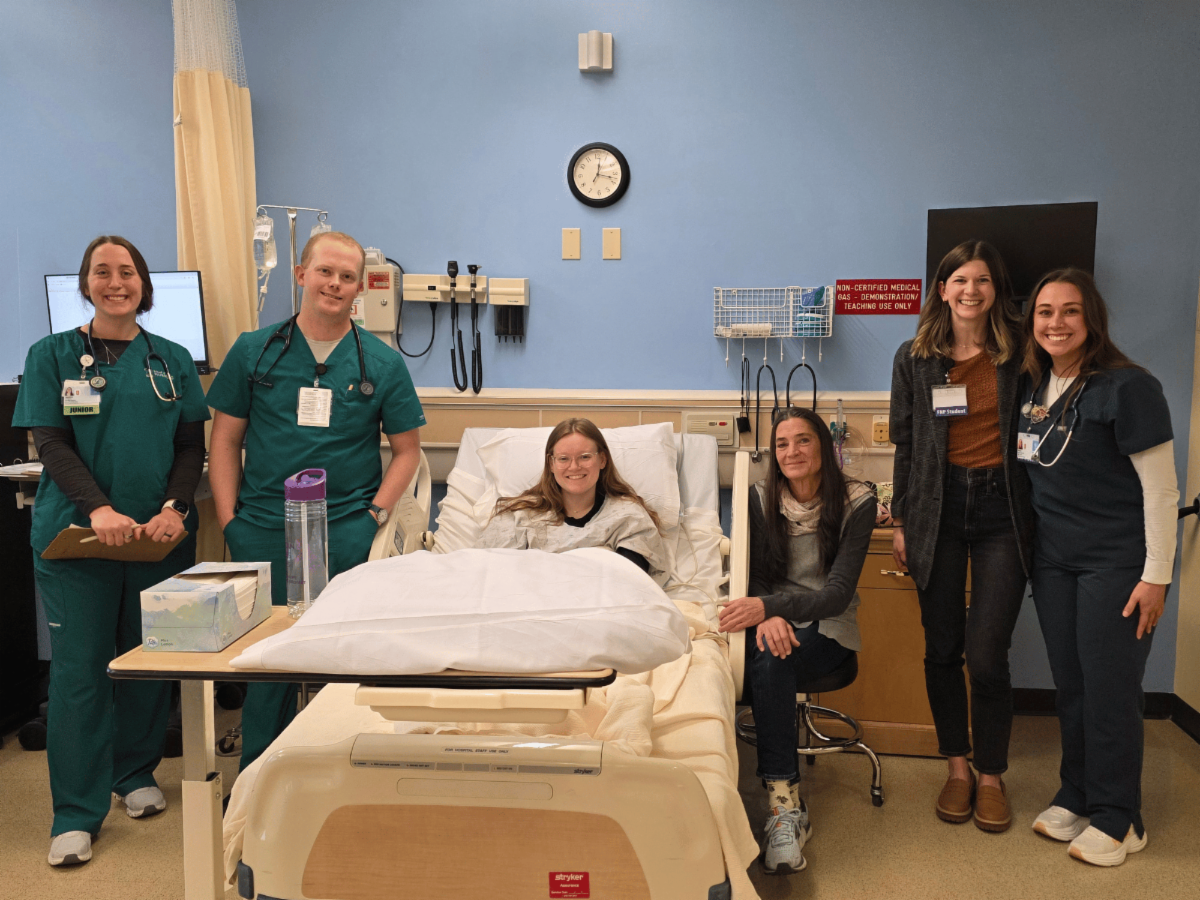
Photos are of OHSU nursing students and CRH students participating in the updated Taylor Goldberg simulation using a patient actor.

Keeping her sight on rural healthcare


Reconnecting to rural

Anna Lonai gets it. As someone who grew up on an alfalfa farm in Milton-Freewater, a town with a population of 7,000 people, she knows what it takes for a rural kid to find their way to a career in healthcare.  


As part of her research as a Internal Medicine student at Oregon Health & Science University (OSHU) School of Medicine, Anna found that rural healthcare providers are usually people who are from rural areas who were introduced to healthcare early and were reconnected to their love for rural life during their education. These factors are the ones that matter.


“They call it urban disruption, which is when students from a rural background go to the city for their medical training and don't get that reconnection back, which can lead to less people returning home.”  


Finding AHEC

She applied to be an AHEC Scholar as soon as she heard about the program--before she was even eligible--and kept applying until she was accepted. She didn’t want to miss the chance.


“I think that AHEC is valuable because it lets you have that connection back to rural medicine... It shows you, 'Remember this? This place that you have friends and family that you love? How about a career back here?' And I think it just has a lot more emotional weight to it [if you’re from a rural area].”


After joining AHEC Scholars, she completed a three-month rotation at the Grande Ronde Hospital Union and Elgin Clinics with Dr. Raff Betza (a NEOAHEC board member).


"It was just really great getting to connect with a provider that loves rural medicine and see how they have made their practice work, made it fulfilling for them, and integrated their family into the community."

Connecting with youth

At NEOAHEC’s MQ Day Camp that we held in May, Anna spoke to high school students from Wallowa about her experience. She loved the opportunity to reflect on her journey while offering herself as a resource to Eastern Oregon youth.


Her goal was for students to walk away knowing that someone from the same background as them made it through medical school and that they can do it too. 


Anna is about to begin her residency, and when she’s done, we know that she will come back to rural medicine and will continue to give back to her community. We can't wait to see her succeed.


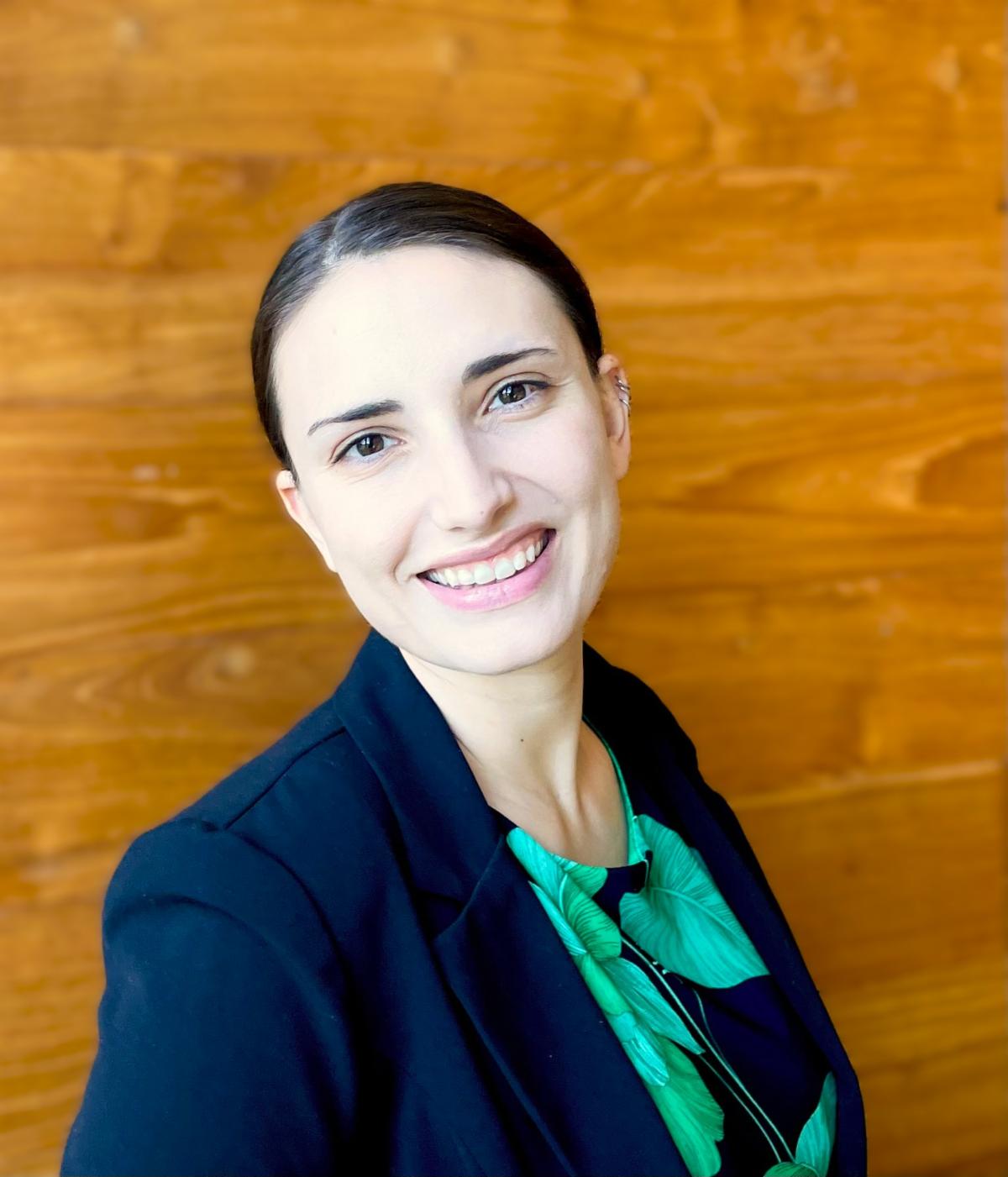
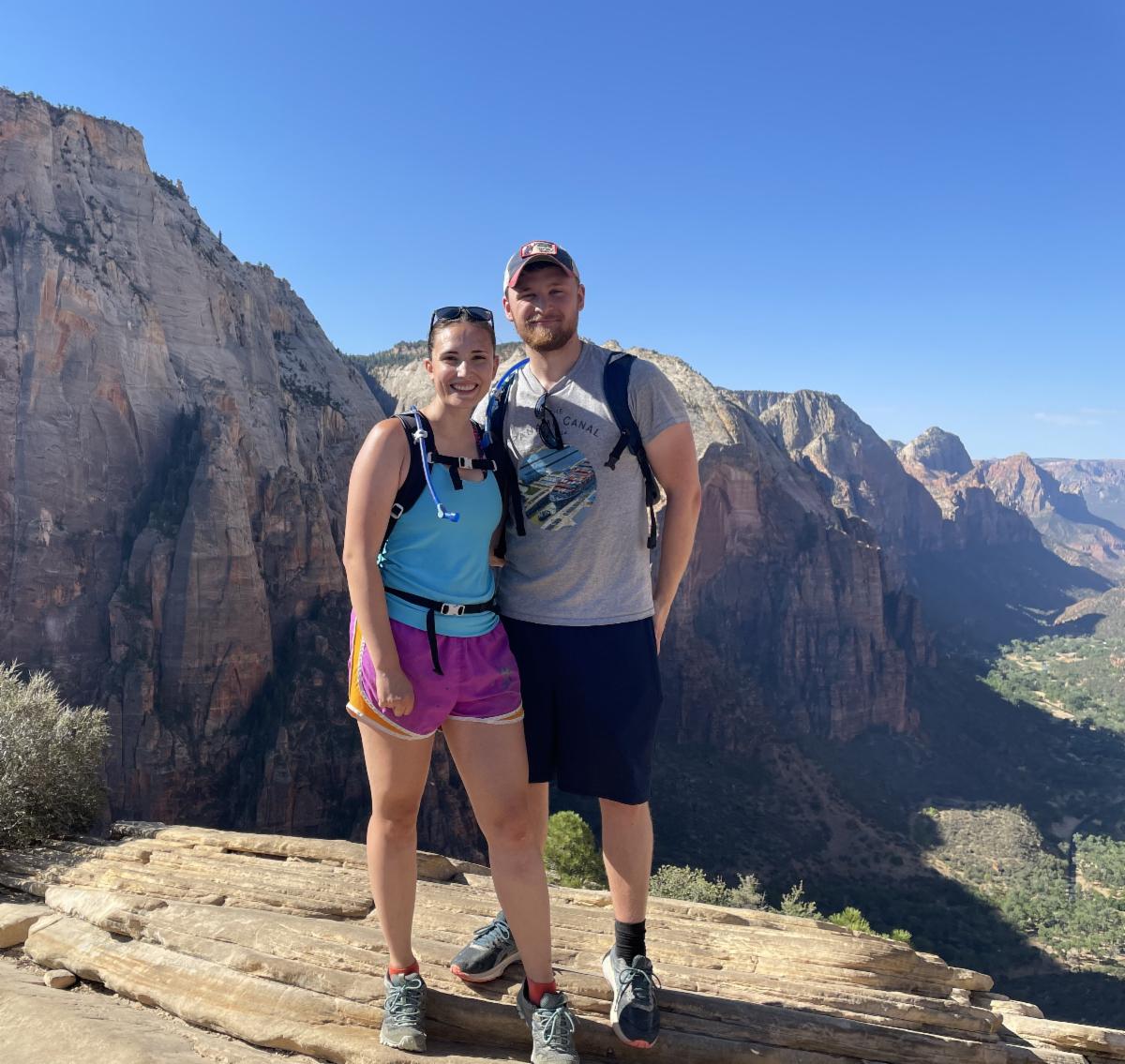
Photos include recent pictures of Anna Lonai.

Supporting a love for STEM


What makes people choose STEM?

A career in healthcare begins with being fascinated by science at an early age. Investigators of Science was created over twenty years ago to do just that—introduce STEM subjects to middle school students and show them what it’s like to be in college.  


According to a 2023 study, “If you want someone to be good at something, you want them to develop a sense of efficacy, which is about putting them in a position where they can see themselves doing it and succeeding at it, and seeing other people that look like them doing it as well.” 


Partnering with Eastern Oregon University

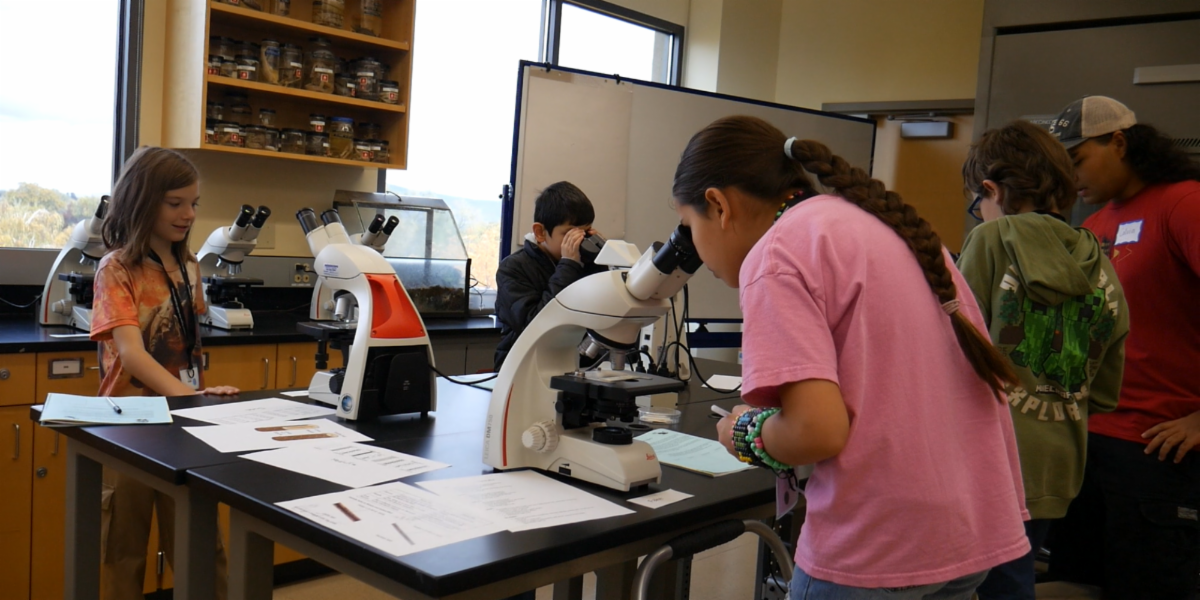
The most valuable part of the event is that students don’t just get to try out scientific exploration; they get to be guided through the experiments by current EOU students and professors. This, paired with walking around campus, eating lunch in the cafeteria, and using the college’s equipment, helps students visualize what their future could hold.  


We have seen this event succeed firsthand—every year there are EOU student volunteers who attended the event when they were in middle school, and it reaffirms that this event is doing what it needs to do. 


What happened this year?

At the 2025 event, we had 88 students from 16 schools, with most students coming from Pendleton, La Grande, Milton-Freewater, and Pilot Rock. 55 volunteers came to participate as well.


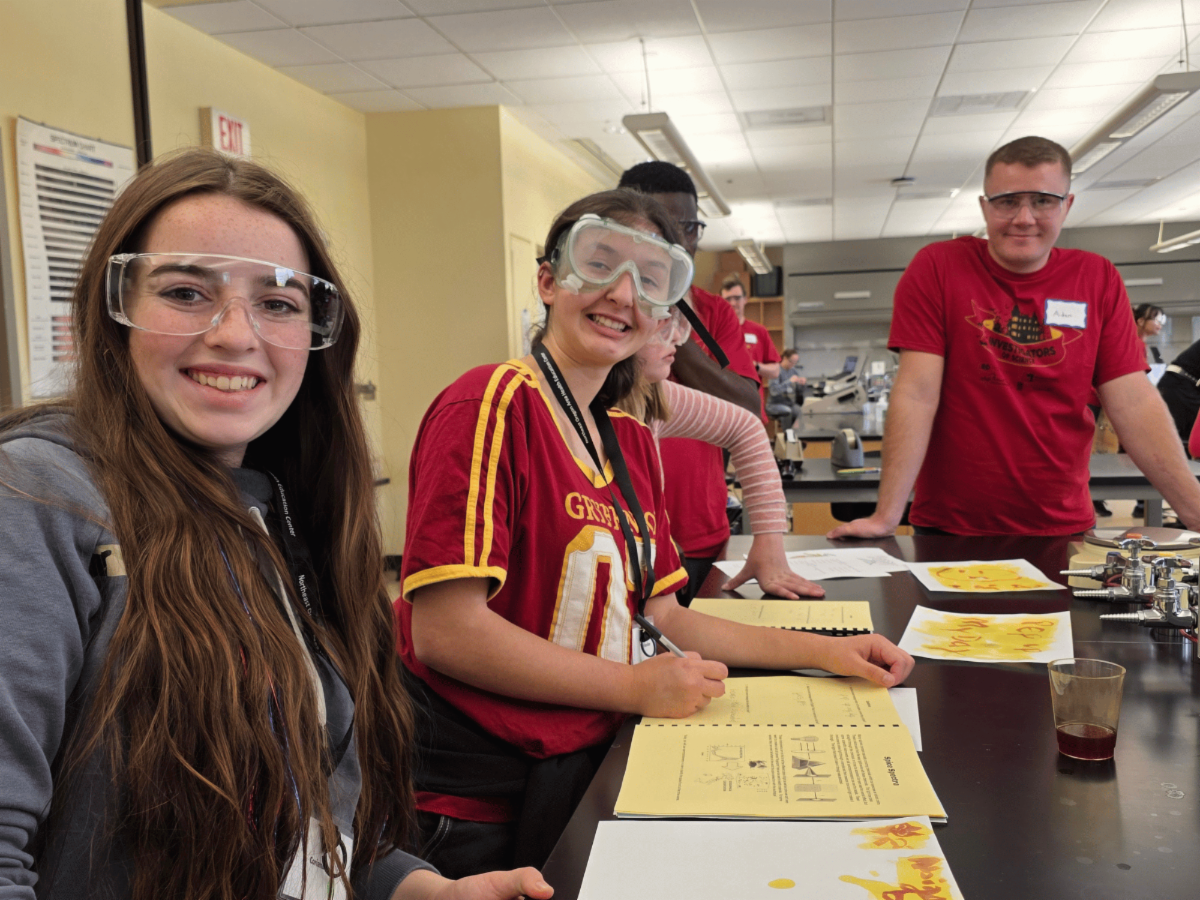
Students explored a costume party gone wrong--Dracula's body was found, then disappeared! After investigating the crime scenes, students rotated through Biology, Chemistry, Math, and Health & Human Performance stations. They learned how to decode secret messages, analyze samples of various substances to determine their source, learned the science behind various yard games, and used the scientific method to make a guess at what happened to Dracula.


Thank you to the following organizations that contributed to the event’s success: 


Photos are from 2025 Investigators of Science.

Updated goals and a clear vision


Even though we have a wide variety of programs, they all are working toward our mission: to educate and inspire students and professionals to build a sustainable healthcare community for Eastern Oregon.


Our updated strategic plan puts these goals right in front of us. Click here to download our full plan.  

All goals align with NEOAHEC programming

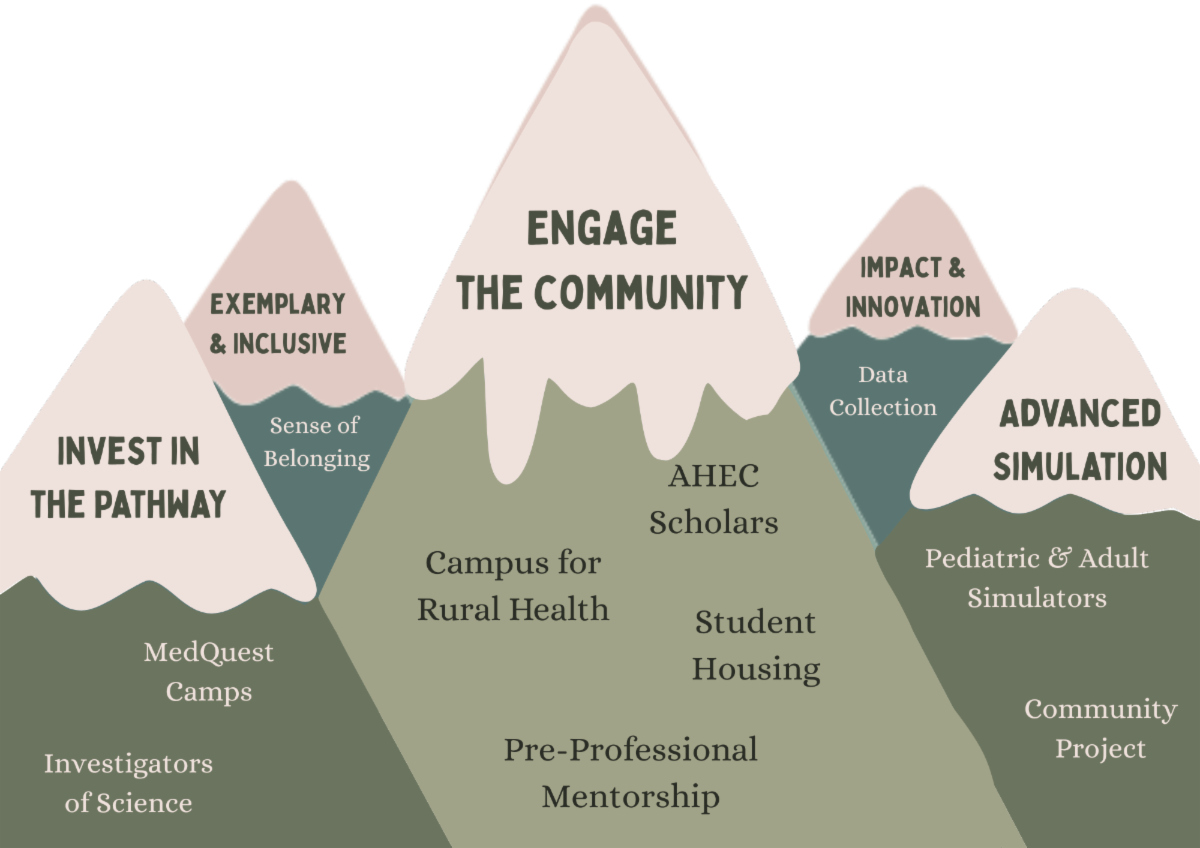
1. We will invest in all levels of the health career pathway, recognizing that intervention is helpful in every step toward being a rural healthcare provider. 


2. Engagement between health professions students and local communities makes it possible for people to access healthcare education in our rural region.  


3. Advanced simulation equipment will be ingrained in the region’s healthcare education to match standards in other parts of the state.  


4. It is essential that we evaluate programming and research the long-term effects of being involved with NEOAHEC programming.  


5. Community will always be at the heart of our programs, encouraging all to feel like the path into the healthcare workforce is possible for them. 


- Investigators of Science gets middle schoolers interested in STEM. 


- MedQuest camps (Frontier, Rural, MQ Day Camp) give high school students a glimpse into a large variety of healthcare careers.


- The Campus for Rural Health brings health professions students to our region. 


- AHEC Scholars prepares health professions students for a career in rural healthcare. 


- Housing for health professions students makes it financially possible for people to learn in our region. 


- Our advanced simulation program allow realistic trainings that give students another step between the textbook and a live patient.  


- Salesforce data system gives us a place to put information so we can find out if people have gone from our programs into healthcare careers.  


- The Stories of Impact are based on interviews with past participants after they go onto healthcare careers. 

Support for nursing students & expanding the data system

It’s not easy to be a nursing student in rural northeast Oregon. That’s why the Roundhouse Foundation has agreed to provide funding to begin a new program. We have also received an annual promise from a long-time supporter, and we plan to send out letters requesting donations from others who share our mission. 


Rural Ready Nursing Support is a three-pronged approach to enhancing the nursing school experience, starting with a pilot program for Juniors on the OHSU SON La Grande campus. 


Mental Health First Aid will train students to respond to crises and practice self-care. Simulation will be offered using our two high-fidelity manikins. Travel Reimbursements for clinical rotations will help address the disparity between the cost of travel in our region and other nursing school campuses in the state.  

The M. J. Murdock Charitable Trust has awarded us funding to take the data system and portal that we have built to track participant information and expand it to include other organizations across the state. 


All five of the AHEC regional centers in Oregon, the Oregon AHEC program office, and the Office of Rural Health will be using this system soon.  


This project is still in its infancy, and we will provide more updates as things progress. 


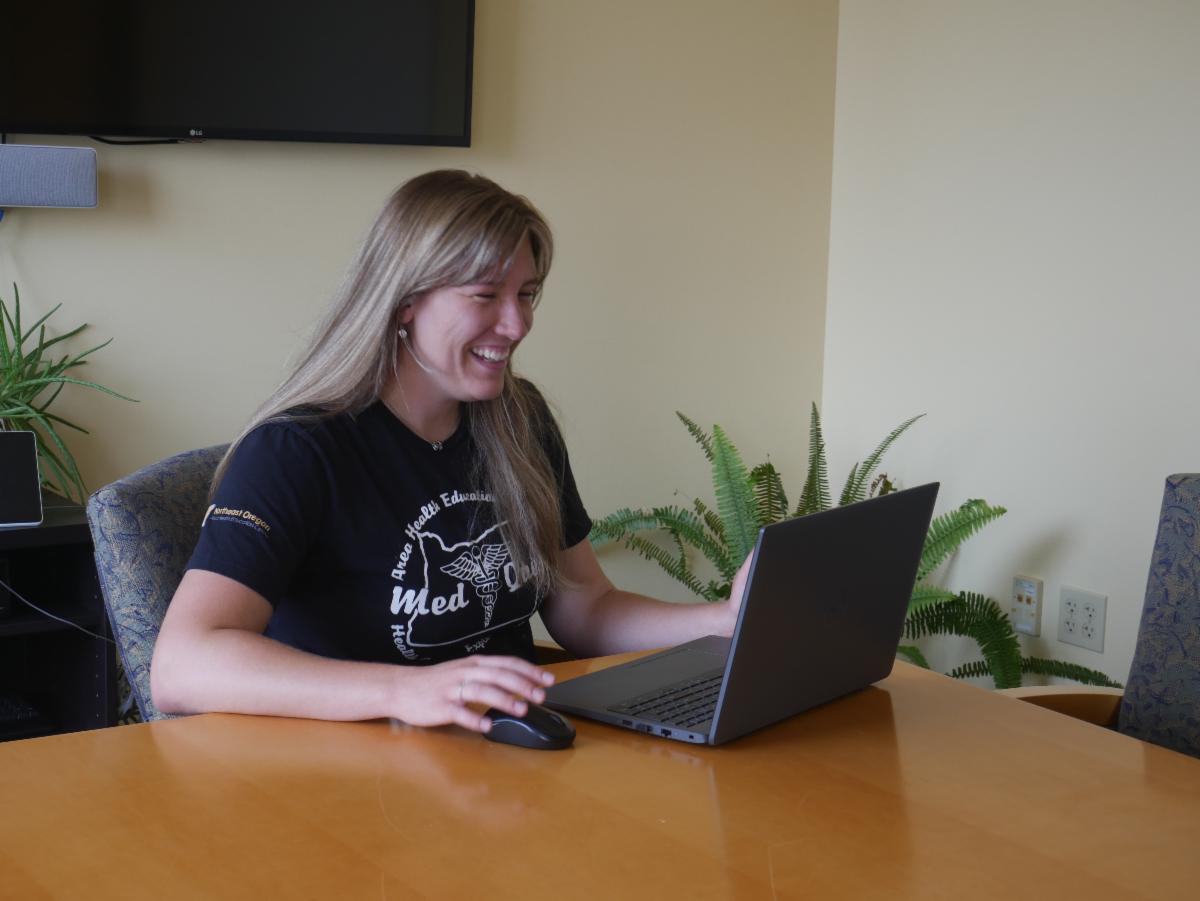
Photo is of Ahnica Yarbrough creating an account in the portal.

 
Facebook  Instagram  LinkedIn  Email  Web

The AHEC program is funded by the Health Resources and Services Administration (HRSA), Bureau of Healthcare Workforce (BHW) to support the following goals: 1) Diversity: preparing a diverse, culturally competent primary care workforce representative of the communities we serve; 2) Distribution: improving workforce distribution throughout the state, particularly among rural and underserved areas and populations; and 3) Practice Transformation: developing and maintaining a health care workforce that is prepared to deliver high quality care in a transforming health care delivery system with an emphasis on rural and underserved areas and communities.