Xerces Society logo


September 16, 2026 | View as Webpage


Fall Gardening

Dear Friend,


It's kind of tricky to offer information that is relevant and helpful for all parts of the US, which covers environments as varied as the tropics and the Arctic, coastal saltmarsh to alpine meadows, desert to temperate forest. However, we all see seasonal changes, and for many of us the shift from summer to fall is a significant one. Plants slow down and go dormant, birds migrate away, insect life becomes less apparent, and we start carving pumpkins. 


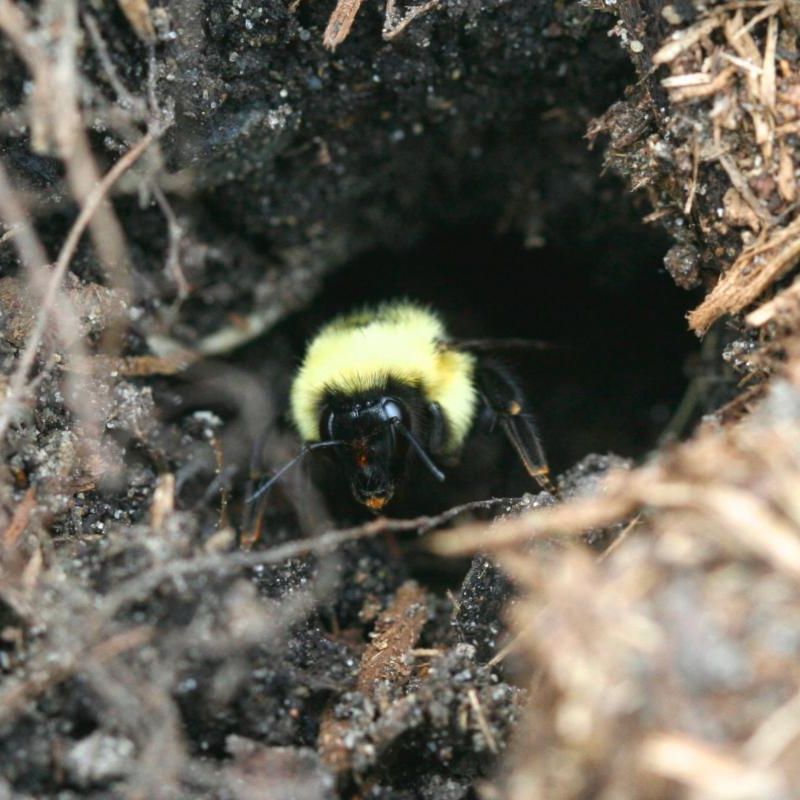
We're often asked, "where do pollinators go?" There are well-known examples of butterflies that migrate, such as the monarch and painted lady, and also evidence that flower flies make significant seasonal movements, but the answer, for most pollinators, is nowhere. Solitary bees will remain in the nest waiting for the spring. Bumble bee queens will dig into leaf litter or soil to hide from winter. Butterflies may overwinter as egg, caterpillar, chrysalis, or adult, depending on species, and each needs the right place to shelter. 


That's why what we do in our gardens at this time of year is so important. Keeping leaves where we can, leaving flower stems standing, not tidying and neatening everywhere. These are simple things that will make your yard a better place for pollinators (and other wildlife) through the whole year.


Thank you for all you do to make our world a better place!


 Matthew Shepherd, on behalf of the BBTP team


copyright Emily May

Sign up for our September events!


Thursday, September 17

Live panel with Xerces experts to answer your questions about providing nesting and overwintering habitat.

Thursday, September 24

Webinar on seed collecting as a way to learn to care for plants and insects.


Fall Tips


Fall is the perfect time to provide nesting and overwintering sites for pollinators and other invertebrates. 


  • Leaving the leaves is an easy and incredibly effective way to provide overwintering habitat! A wide diversity of invertebrates shelter under leaf litter during the winter, relying on the leaves to protect and insulate them.


  • Save the stems to provide nesting resources for cavity-nesting bees —roughly 30% of our native species. You can also leave logs and snags for bees that nest in larger, naturally occurring cavities.


  • Natural enemies that will provide pest control next growing season will also overwinter in your leaves, soil, and other nesting habitat!


In many parts of the country, late fall is one of the best times to get new plant starts in the ground, or to direct-seed native flowers. Look for native plant sales and fall offerings from nurseries near you!

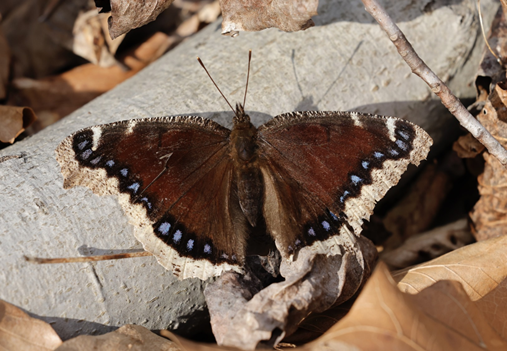
CC BY 2.0 DEED Attribution 2.0 Generic Downloaded 3/18/24  Mourning Cloak (Nymphalis antiopa) Glendening Nature Preserve; Lothian, Maryland

Many butterfly species rely on a layer of leaf litter to protect and insulate them over winter, like this mourning cloak butterfly. This species overwinters as an adult!

This is also a good season for safely managing any pests and diseases that you’ve noticed this year. There are some cases where pests and diseases are best addressed by removing plant material from your yard. However, it doesn’t need to be all-or-nothing!


  • Pick up fallen fruit, like apples, from the ground.


  • Remove fallen leaves and standing stems of plants infected by fungi or pathogens. Be sure to sanitize any garden tools you use.


  • Some species of invasive plants are easily spotted in the fall, and it's better to tackle those invasive weeds now!


Pollinator Profile: Gulf Fritillary!


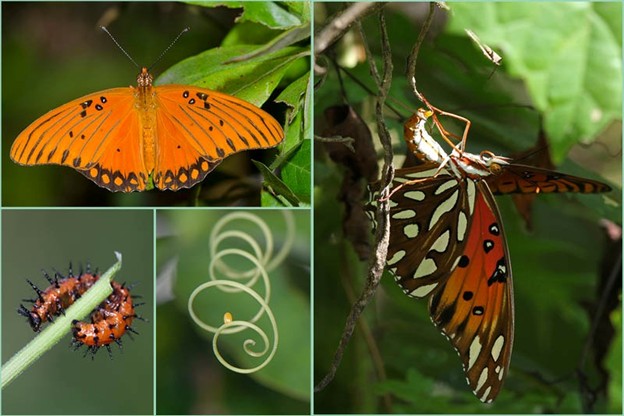
Our featured fall pollinator is the gulf fritillary (Agraulis vanillae). This butterfly is sometimes called the “passion butterfly” after the host plants its caterpillars require: various passionflowers in the genus Passiflora. 

Bryan E. Reynolds; Dan Mooney, Flickr [CC BY-NC 2.0]; Sam Fraser-Smith, Flickr [CC BY 2.0]; John Flannery, Flickr [CC BY-ND 2.0].)

The gulf fritillary has beautiful orange forewings with black spots and brown to pink underwings with eye-catching silver spots — and is equally as striking as a caterpillar.

The Gulf fritillary was limited to the southern United States, in particular around the Gulf of Mexico. But it has also made its way into California, relying on urban areas where passionflower vines grow ornamentally in gardens and parks! It was first recorded in southern California in the 1870s, and by the 1950s had established permanent populations in the San Francisco Bay area. Now it’s found up into the Sacramento region. This is an interesting example of how impactful creating garden pollinator habitat can be!


You can create habitat for butterflies in your pollinator garden by planting caterpillar host plants for species found near you, and planting a diversity of nectar plants for adults to feed on. Our native plant lists highlight some good larval host plants — look for the caterpillar icon next to the plant names!

 
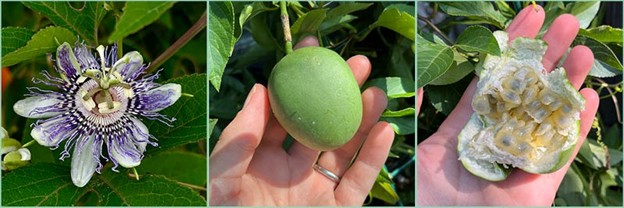
Passiflora incarnata, copyright Xerces Society/Raven Larcom

Maypop (Passiflora incarnata) is one of the native passionflower species that the gulf fritillary uses as a host plant! It also produces a delicious edible fruit that ripens in late summer / early fall.


Resources and Events

Your Frequently Asked Questions About Pollinator Gardening at Home

Xerces Blog

All About Moths

Xerces Blog

How to Tell Apart Bumble Bee Males, Workers, and Queens

Xerces Blog

Ask the Experts! How Can to Provide Nest Sites and Shelter

Live Q&A, September 17

Seed Collecting: A Hands-on Way to Learn and Care for Plants and Insects

Webinar, September 24

Saving Native Butterflies: One Garden at a Time

Bug Banter Podcast


The Xerces Society is a donor-supported nonprofit organization that protects our world through the conservation of invertebrates and their habitats.


Your tax-deductible donation will help grow and sustain that essential work.


Become a member

Renew membership

Fundraise


Donation mailing address:

The Xerces Society

PO Box 97387

Washington DC, 20090-7387

Donation and membership questions:

membership@xerces.org

855-232-6639 (option 2)


Photo credits from top, left: Madison Sankovitz and Maya Hutagalung, Xerces Society; Emily May; Glendening Nature Preserve; Bryan E. Reynolds; Dan Mooney; Sam Fraser-Smith; John Flannery, Raven Larcom (3)

View email as webpage: https://campaignlp.constantcontact.com/em/1102968923571/bb9586c6-7b97-4511-8b03-c4d88c50b261


© The Xerces Society

Facebook social media logo
Instagram social media logo
Bluesky social media logo
Youtube social media logo