Our agency offers various programs to prepare children for the school year. These programs include immunizations, Kindergarten Oral Health Assessments (KOHA), and hearing and vision screenings.
Immunizations
Back-to-school time is already here. Childhood vaccine rates remain low in the tri-county area, and we are seeing an increase in waiver rates. Providers are the most trusted advisors to parents in overcoming vaccine hesitancy. This is a crucial time when healthcare providers can communicate with families about the benefits of routine childhood vaccination. Free vaccines through the Vaccine for Children Program (VFC) for children who do not have insurance or are under-insured are offered at our offices and through our partner providers.
The Kindergarten Oral Health Assessment law [Public Health Code Act 368 Section 333.9316] was passed to ensure that children entering their first year of school are able to receive an oral health assessment (dental screening) before starting school. Good oral health is important to help children stay healthy and ready to learn.
Where can families get the Screening Done?
Our agency provides screenings at preschools for children entering Kindergarten, at Kindergarten Round-Up enrollment events, at our offices prior to the beginning of the school year, and at the schools during the school year. Families can contact their school or their Local Health Department to check the schedule.
Families also have the option of having the screening completed at their dental provider's office. The dental provider must complete an MDHHS-required form, and it must be provided to the school.
What is the cost?
There is no cost for a screening performed by our agency.
A dental screening is simple and fast.
Our Registered Dental Hygienist will look into the child's mouth and note what they see on the screening form. No treatment is done. It is simply a quick look in the mouth. They will let the parent/caregiver know if the child needs to see a dentist. This does not replace a routine dental cleaning.
Help is available.
Your Local Health Department can help families find a dentist if they don't have one. Children may be able to enroll in the Michigan Healthy Kids Dental Program, if they don't have dental insurance.
Click below for a list of Healthy Kids Dental Providers by county:
Our Hearing and Vision Screening program offers free screenings in schools as part of the Public Health Code. Conducted by trained technicians from the local health department, these screenings begin at age 3 and continue throughout the school years. Parents can check screening dates by contacting their child’s school. Information is also sent home with students at the start of the school year. If there are concerns, screenings can be scheduled at other times. Early detection of hearing and vision issues can help prevent permanent damage and learning disabilities.
For more information, call 517-279-9561 ext. 110.
Back-to-school physicals are an excellent opportunity to conduct blood lead testing.
Physicians are required by law to conduct or order lead testing for children as follows:
All children must be tested at ages 1 and 2, or by age 6 if not previously tested.
Children living in designated high-risk areas must be tested at age 4. The high-risk areas within the jurisdiction include:
The cities of Bronson, Coldwater, Hillsdale, Sturgis, and Three Rivers.
Colon Township, Constantine Township (St. Joseph County), Union Township (Branch County), and Wright Township (Hillsdale County).
High-risk children in homes built before 1978 or where other children have lead poisoning—should be tested at least one additional time at age 4, or between their most recent test and age 6.
We are noticing an increase in cases of hand, foot, and mouth disease, which is common during the fall season. Prevention is key; it's important to remind patients to wash their hands frequently and clean potentially infected surfaces, such as restrooms, doorknobs, and toys. Additionally, to avoid close contact and sharing utensils with anyone who is infected.
Alpha-Gal Syndrome and Lyme Disease – Emerging Concerns in Tick-Borne Illnesses
Free CME/CEUs
Tick-borne illnesses are a growing public health concern, with Alpha-Gal Syndrome (AGS) and Lyme Disease drawing particular attention this season.
Alpha-Gal Syndrome is an allergic reaction to red meat and other mammalian products, triggered by the bite of the Lone Star tick. Though under-reported, cases are increasing, especially in the Southeast and Mid-Atlantic regions. In response, many providers have completed free continuing education on AGS, improving awareness, diagnosis, and patient care around this condition.
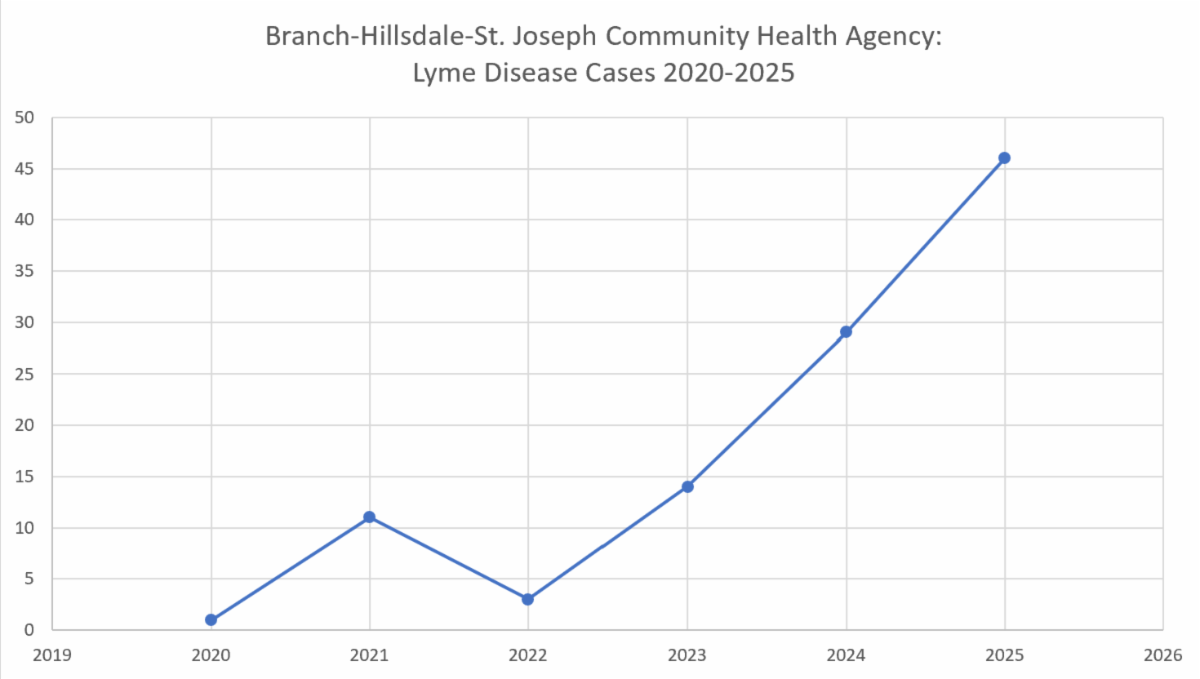
Lyme Disease, caused by Borrelia burgdorferi and spread by the black legged tick, continues to be the most common vector-borne illness in the U.S. and within the jurisdiction. The chart above shows the number of cases in the jurisdiction annually through July 31, 2025. Note the increase in cases since 2022. The agency's Vector Surveillance program annually monitors the tick and mosquito populations. Black legged ticks are the most commonly found species by our technicians.
As expected, cases have increased this summer, consistent with seasonal trends.
Providers are key to controlling these diseases through education, early detection, and prevention strategies. Ongoing training and public awareness remain vital as tick habitats expand and new illnesses emerge.
Type 1 diabetes is a common condition in the United States, currently affecting approximately 1.24 million individuals, with projections suggesting an increase to five million by 2050. It predominantly affects children, but adults can also be diagnosed.
CSHCS supports children and youth, ages newborn to 26, with special health care needs and their families. We help cover medical care costs related to the child's condition, including co-pays, deductibles, and sometimes insurance premiums for families with insurance. Additionally, we may assist with transportation to appointments and guide families through health care systems while connecting them with community services.
Who is helped by the program?
This program is not income-based. Eligibility is based on diagnosis. Here are examples of other conditions CSHCS may cover: Epilepsy, Asthma, Cerebral Palsy, Chronic Ear Infections, Heart Conditions, Sickle Cell, Cancer, and Lead Poisoning.
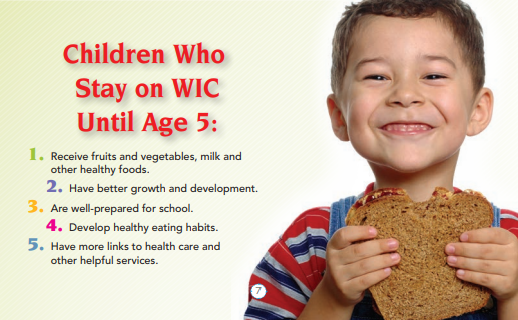
Referring families to the Women, Infants, and Children (WIC) program is highly beneficial because it provides access to free nutritious food, breastfeeding support, and connections to community resources. As of June 1, 2025, the program's income guidelines have increased, which allows WIC to assist even more families in need.
Program Eligibility:
Pregnant, breastfeeding, or recently postpartum women (breastfeeding: 1 year; non-breastfeeding: 6 months).
Infants from birth to 1 year.
Children from 1 to 5 years.
Program eligibility is based on Michigan residency and income guidelines. Families receiving Medicaid, SNAP, or TANF may qualify. For example, a family of four may qualify if earning up to $28.59/hour. Grandparents or guardians raising young children may also be eligible. Full eligibility details can be found at www.bhsj.org/wic.
Click hereto access our flyer to share with patients.
Hillsdale County Updates
*NEW* WIC Mobile Clinics- Waldron and Litchfield
Our agency is pleased to bring WIC services closer to families who may have difficulty traveling to our Hillsdale County office. We hope that by offering mobile services, the agency will improve the health of families. We are now offering Women, Infants, and Children (WIC) services in Waldron and Litchfield.
Mobile WIC clinics will be held:
-Waldron: First Thursday of each month at the Waldron District Library.
-Litchfield: On the third Thursday of each month at the City of Litchfield office.