|
Dear Friends,
Hello out there! As you’ll see from everything in this newsletter, we’ve been pretty busy over here with classes, fall events, and a little bit of building zhuzhing—all of which we’re excited about and scrambling to keep up with. Fall is always our liveliest season, and we’ve been enjoying the chaos throughout, as we chug along toward the off-season in November.
Read on below for updates on the flag project, window TLC, and some recent class highlights from the past two months here in Newbury.
Emma Geddes
Office Clerk & Instructor
| |
Newbury's Star-Spangled Banner Update | | |
[Later, the same day…]
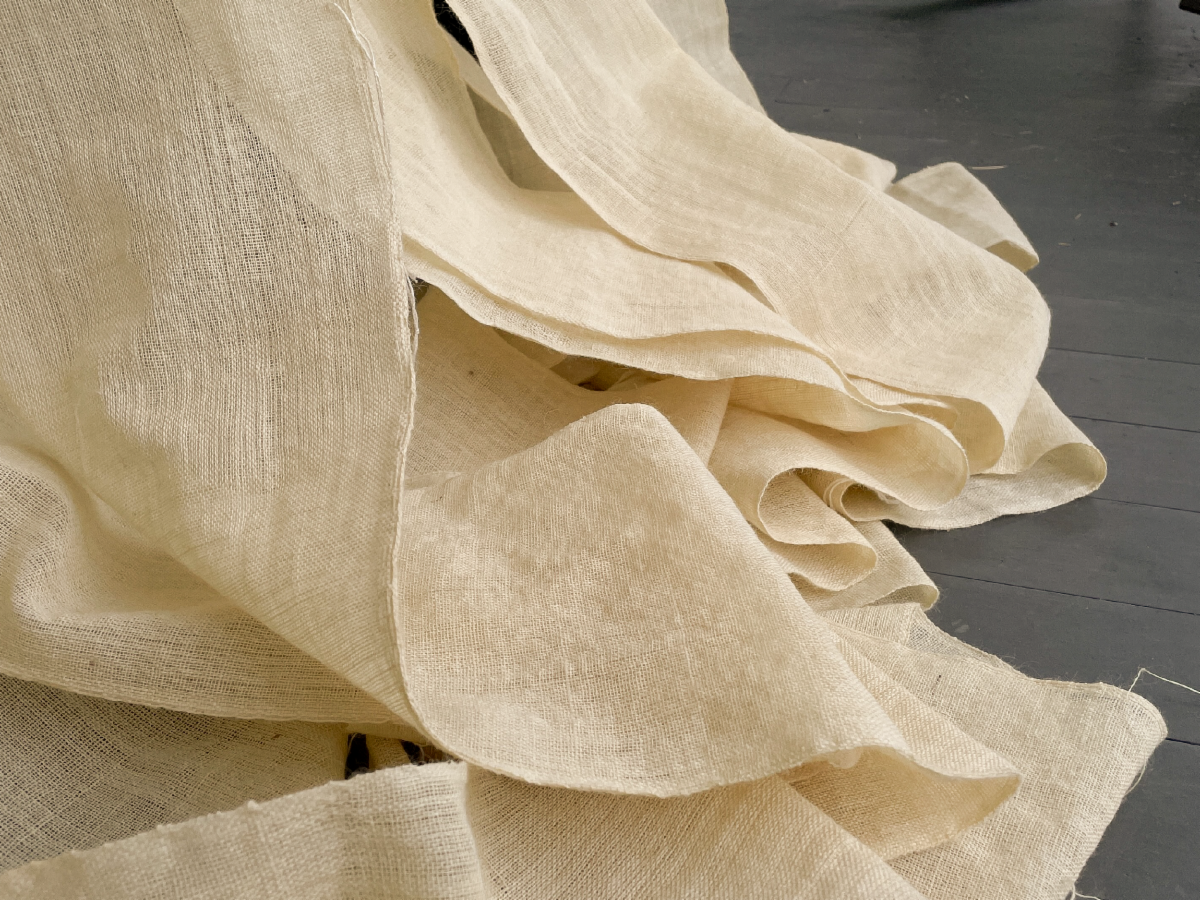
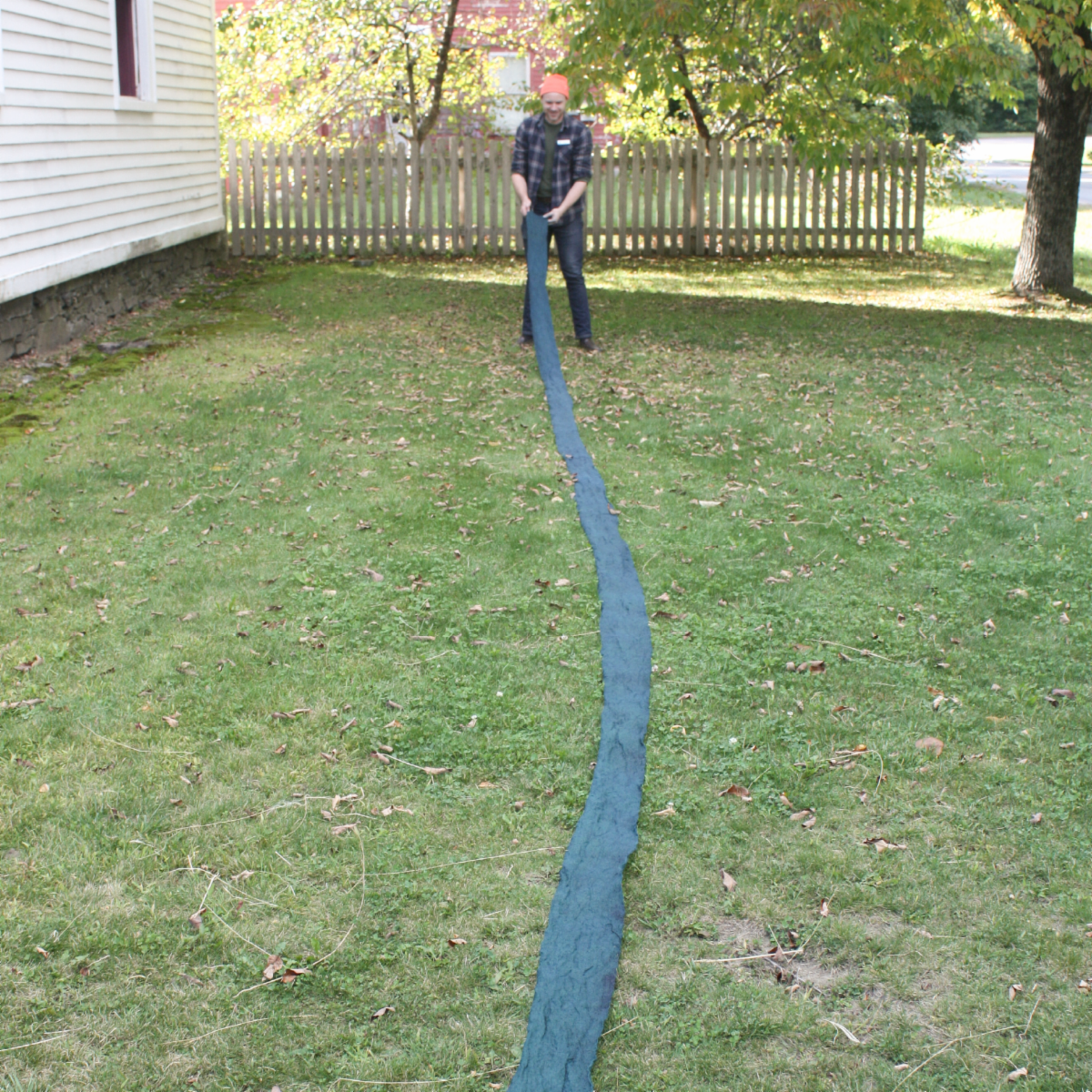
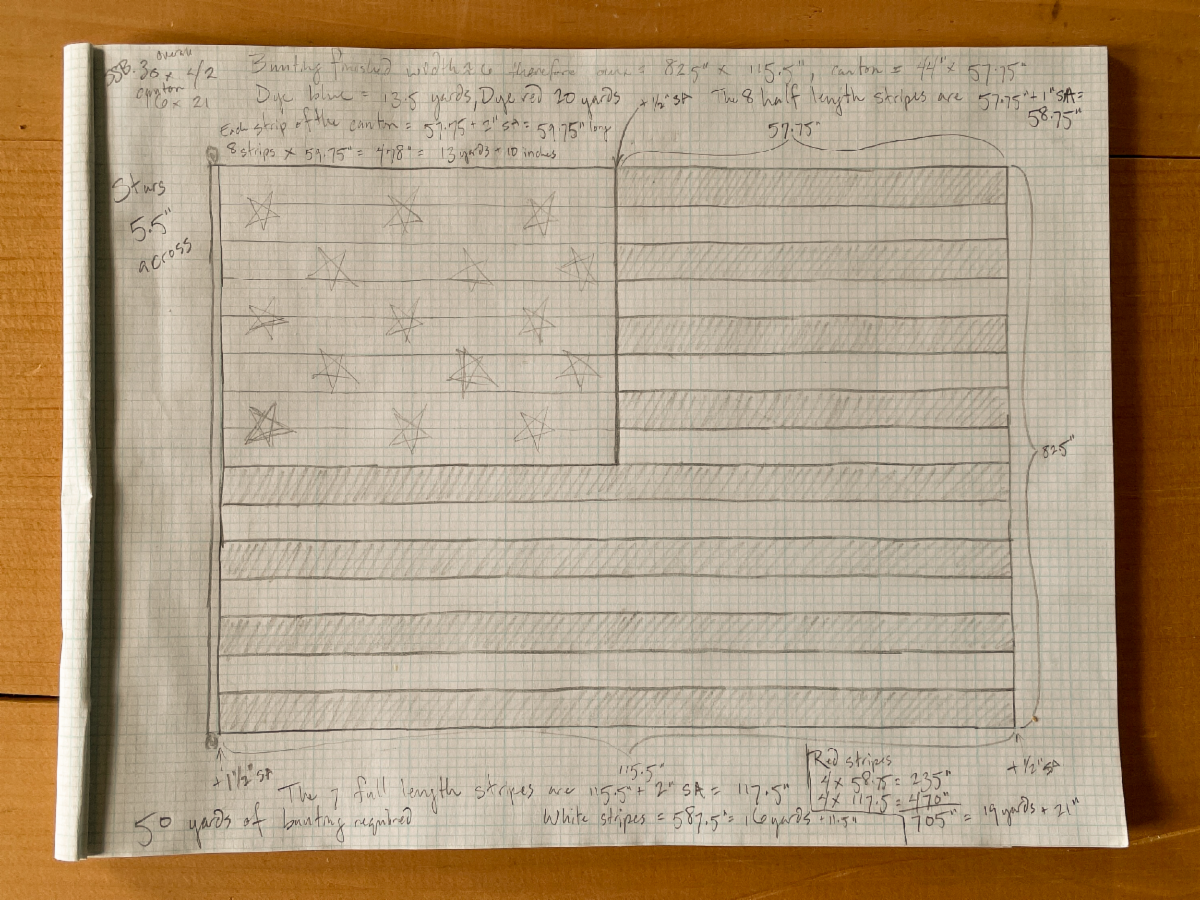
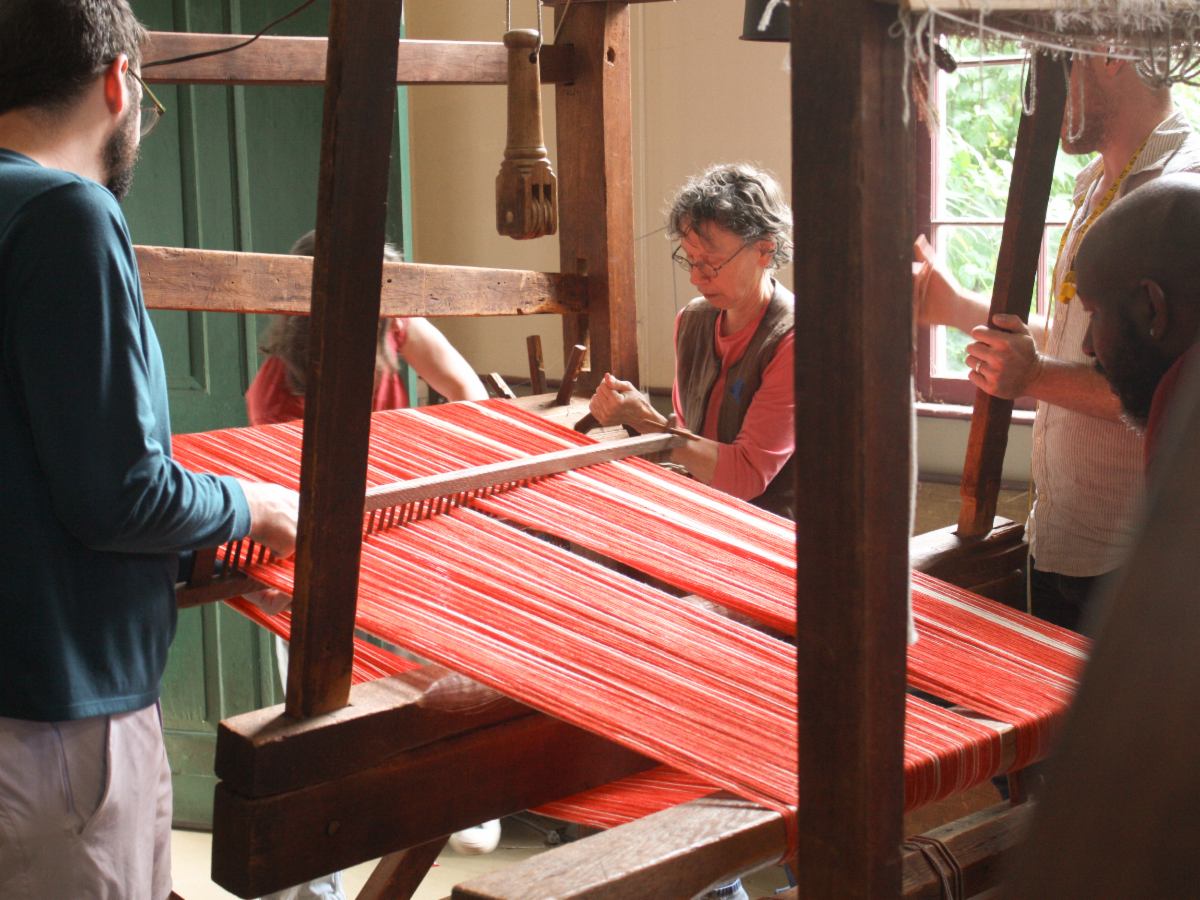
Last we reported on this project we had just begun weaving the wool flag bunting. Since then, in between classes, we managed to weave the first half of the total yardage required, thanks in large part to the dedication of Heri, our volunteer extraordinaire. The 29 yards of loom state bunting shrank by 14% in scouring giving us exactly 25 yards of cloth to begin working with.
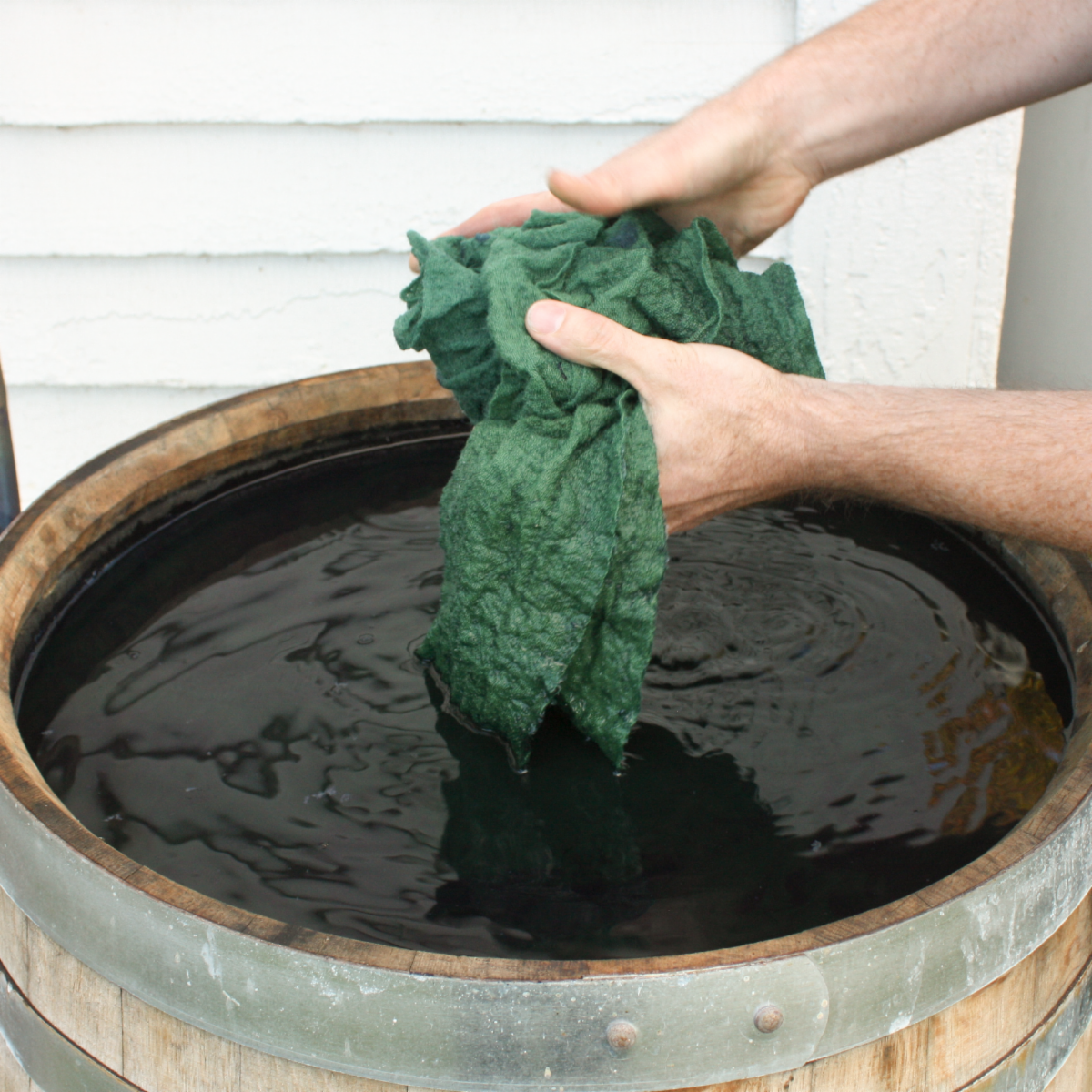
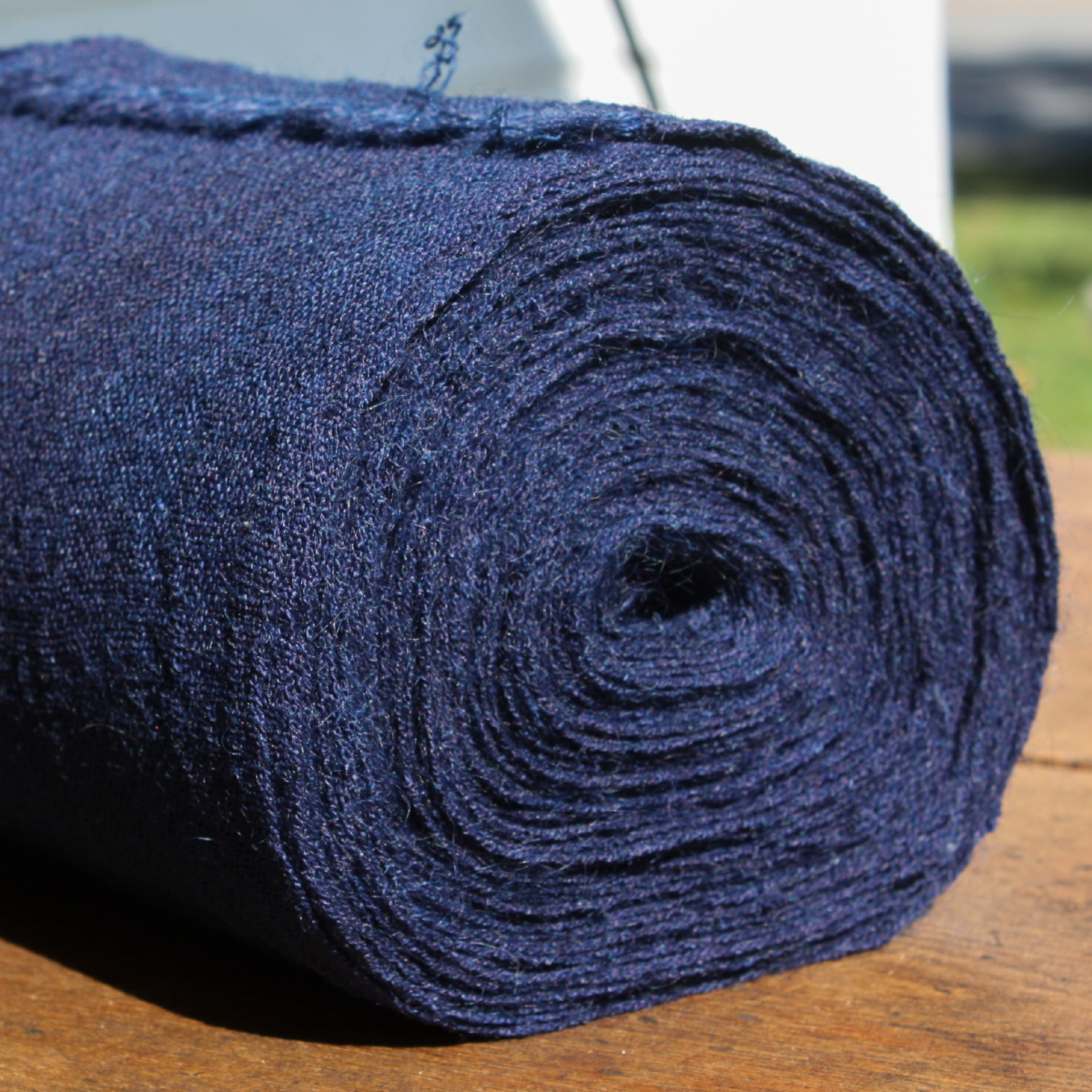
The flag will be constructed by sewing together strips of bunting. Alternating red and white strips will create the stripes, and several blue strips will create the canton. Since the canton needs to be sewn together before the stars can be reverse appliquéd to it, we have begun working on that section while we weave the second half of the bunting. The length needed for the canton was cut from the first piece of cloth and dyed in the fermentation indigo vat started over the summer. We were shocked at how quickly the bunting sucked up the color. Three dips is all it took to dye the bunting a very deep blue!
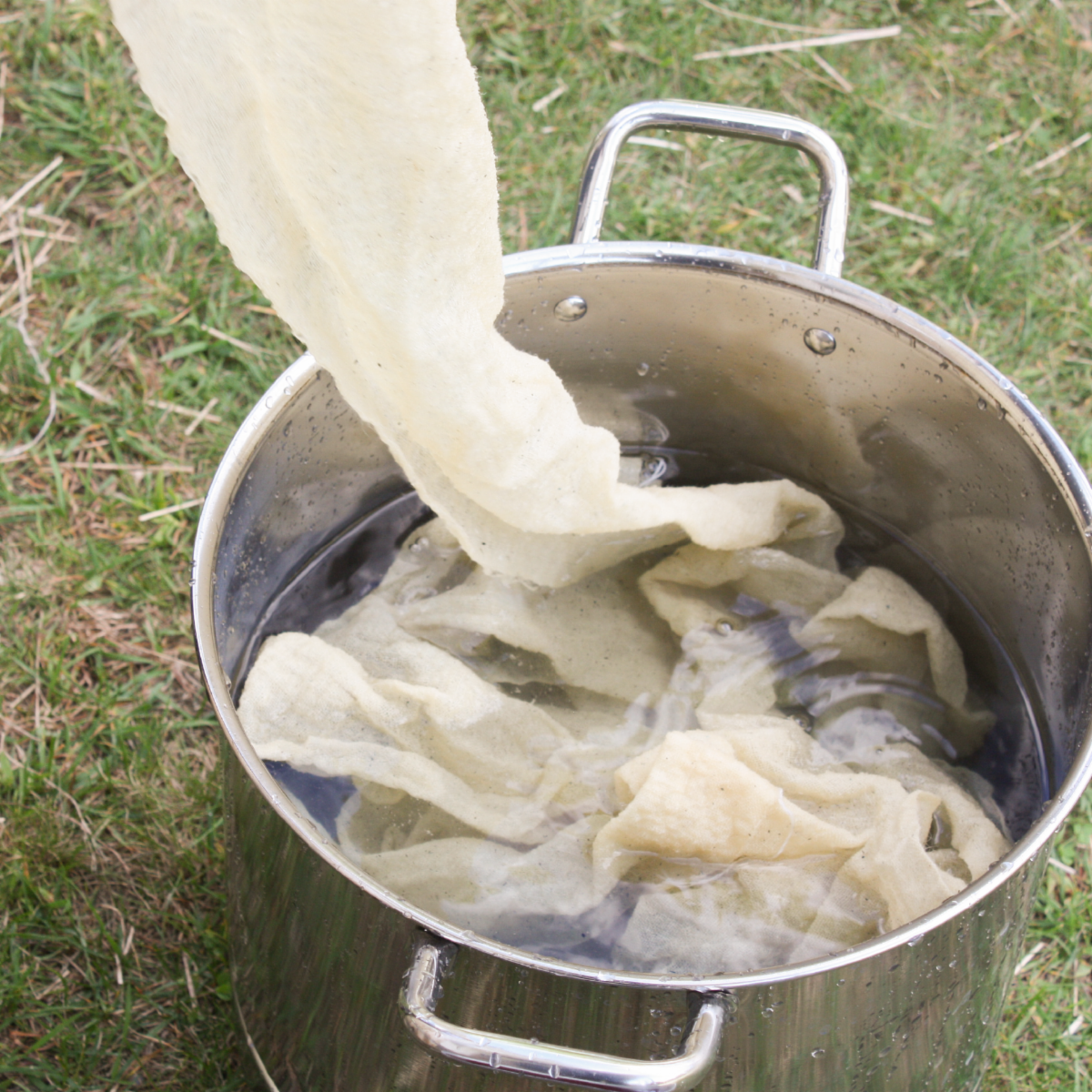
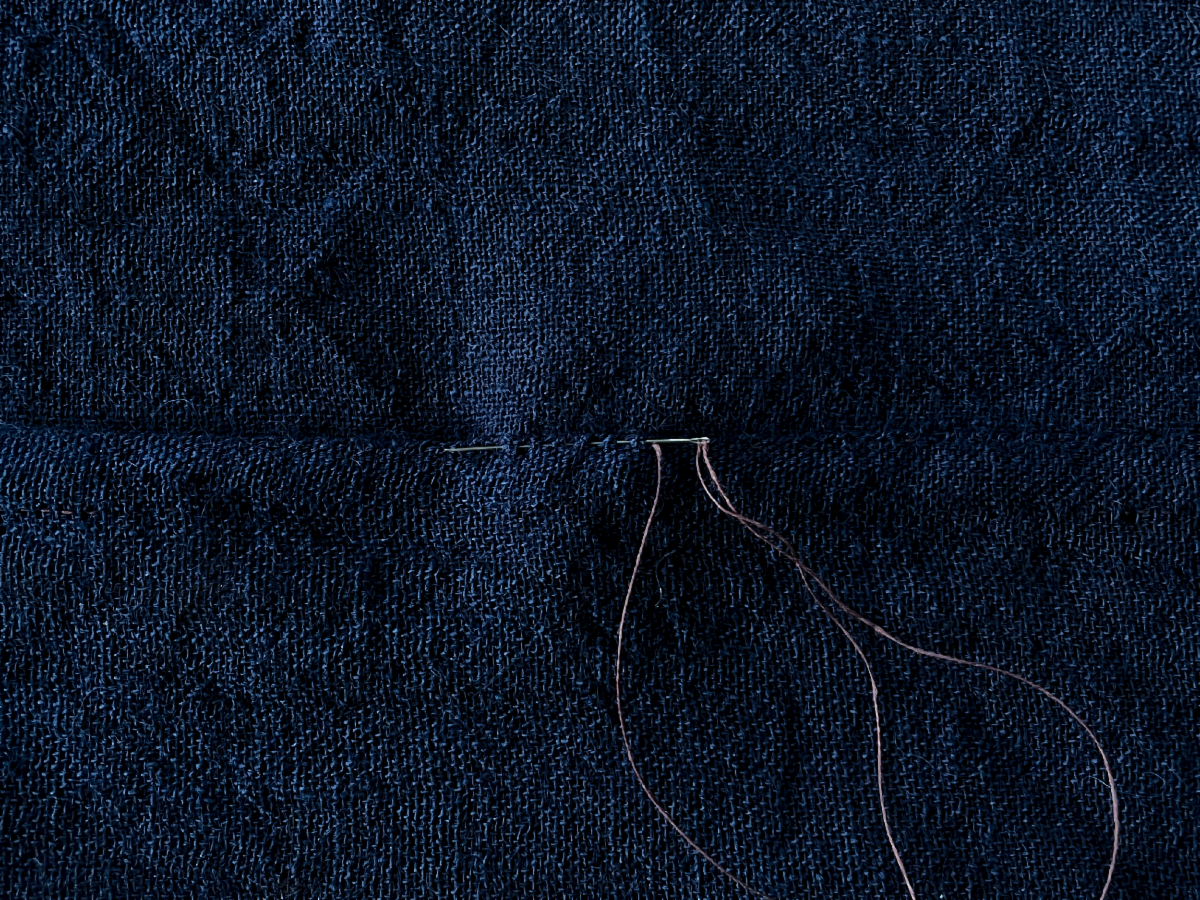
| | After scouring the newly dyed indigo bunting (🐦) we divided the cloth into eight strips and began sewing them together. Kirsten Hammerstrom, a colleague of mine (Justin) from my time at the Rhode Island Historical Society, shared her research notes with us about a flag made during the War of 1812. (Read her blog post about the flag here.) Like other flags from the period, the strips are sewn with running stitches and felled seams. In the Tecumseh flag, the blue bunting is sewn using brown linen thread. Why? We don’t know for sure. Both blue and brown were easy to dye onto linen thread at the time, however, when we tested blue sewing thread on our bunting, the thread completely disappeared into the cloth. Great for the finished product, not so great for the seamster trying to see where his stitches are. Brown thread, on the other hand, becomes almost invisible at a distance, but can still be seen while working. We can’t make any hard conclusions, but it was an interesting difference that we wouldn’t have noticed without recreating a flag ourselves. Because our bunting strips have no raw edges along their length, we aren’t turning the encasing part of the felled seam under, simply stitching its selvedge down over the other edge. | | |
Something else that our recreation has taught us is just how much impact the raw wool has on the final cloth. Prior to this, all of the fine worsted spun yarn we had worked with was spun from softer wool with a much smaller micron count. The finished cloth it makes is beautiful, but it’s relatively limp and fairly matte in appearance. Our bunting, made from long staple, thicker wool fibers, has a spring and a bounce to it that is much more like worsteds from the past. The wool has a natural luster that almost shines and feels much more hard-wearing than what we were used to. There’s so much more to look for in wool than just softness!
We had been hoping to debut the finished flag at this weekend’s Open Studio Tour, but instead we’ll be working on it, which, in our opinion, is much more interesting anyway. Stop by to see the bunting being woven on the passementerie loom, and strips being sewn. If the weather cooperates, we might even be able to throw some yarn in the indigo vat!
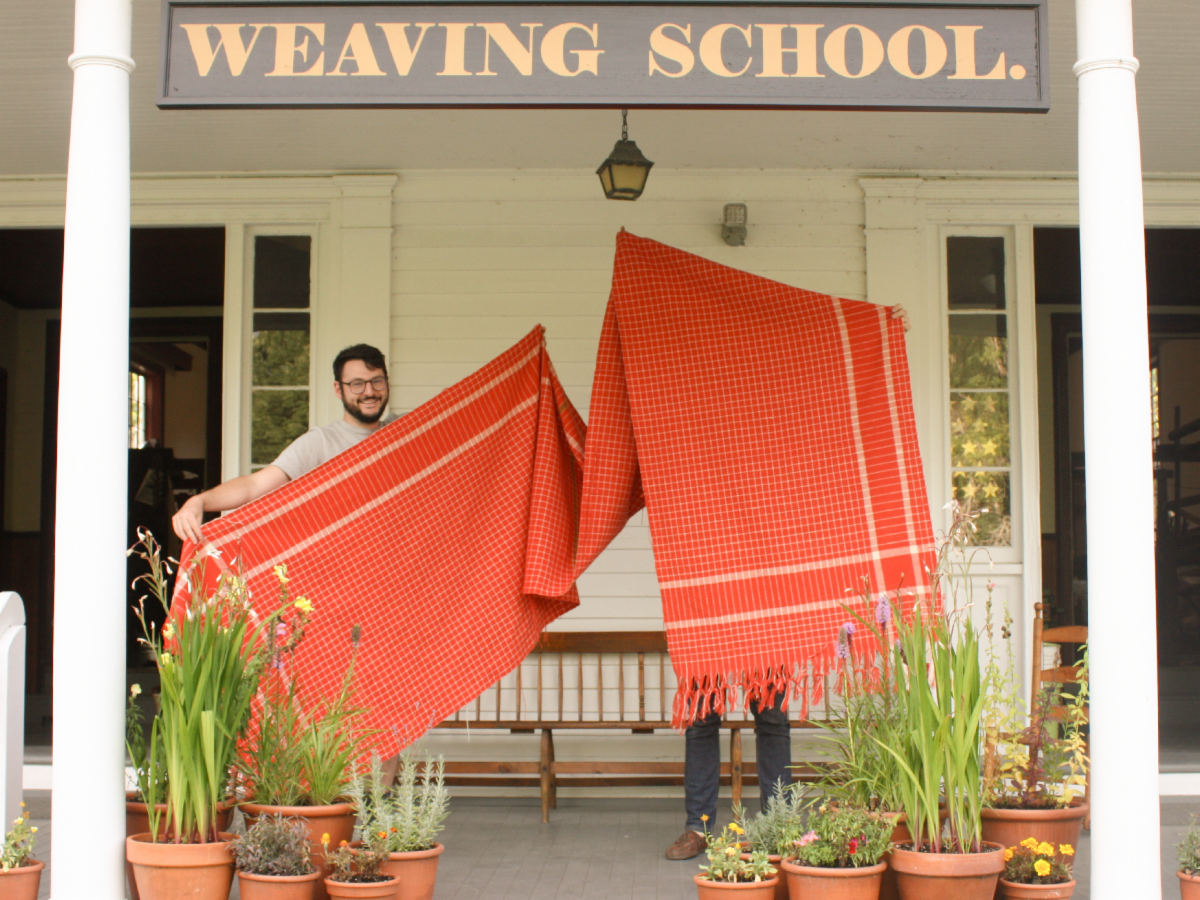
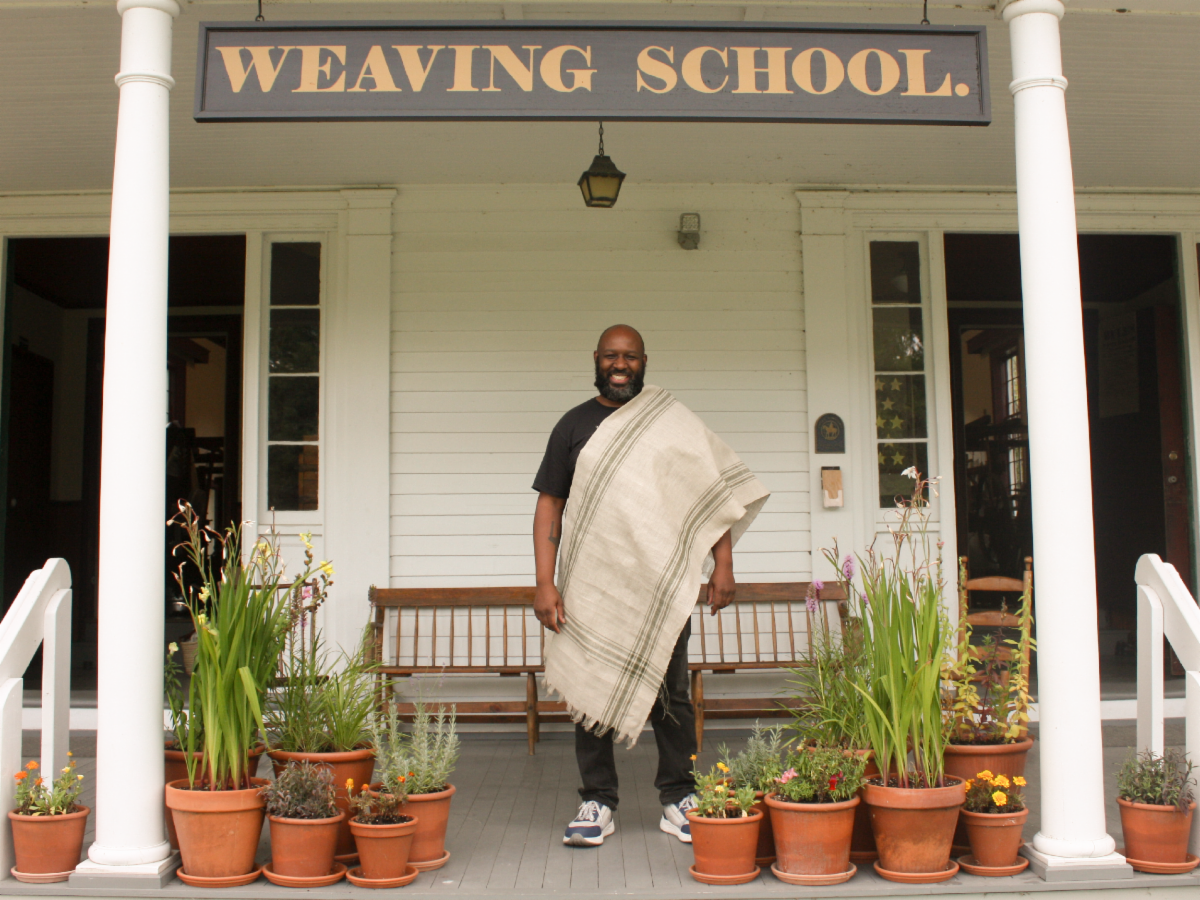
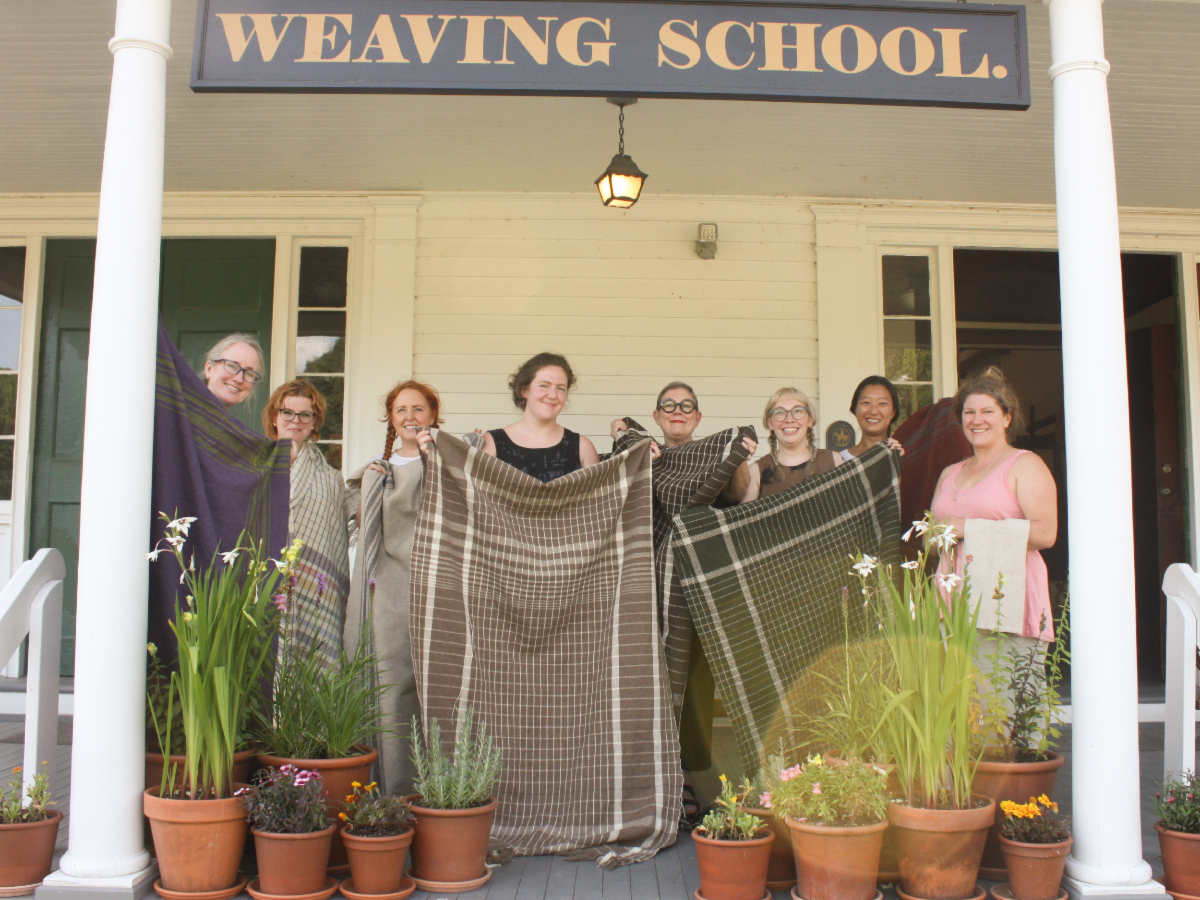
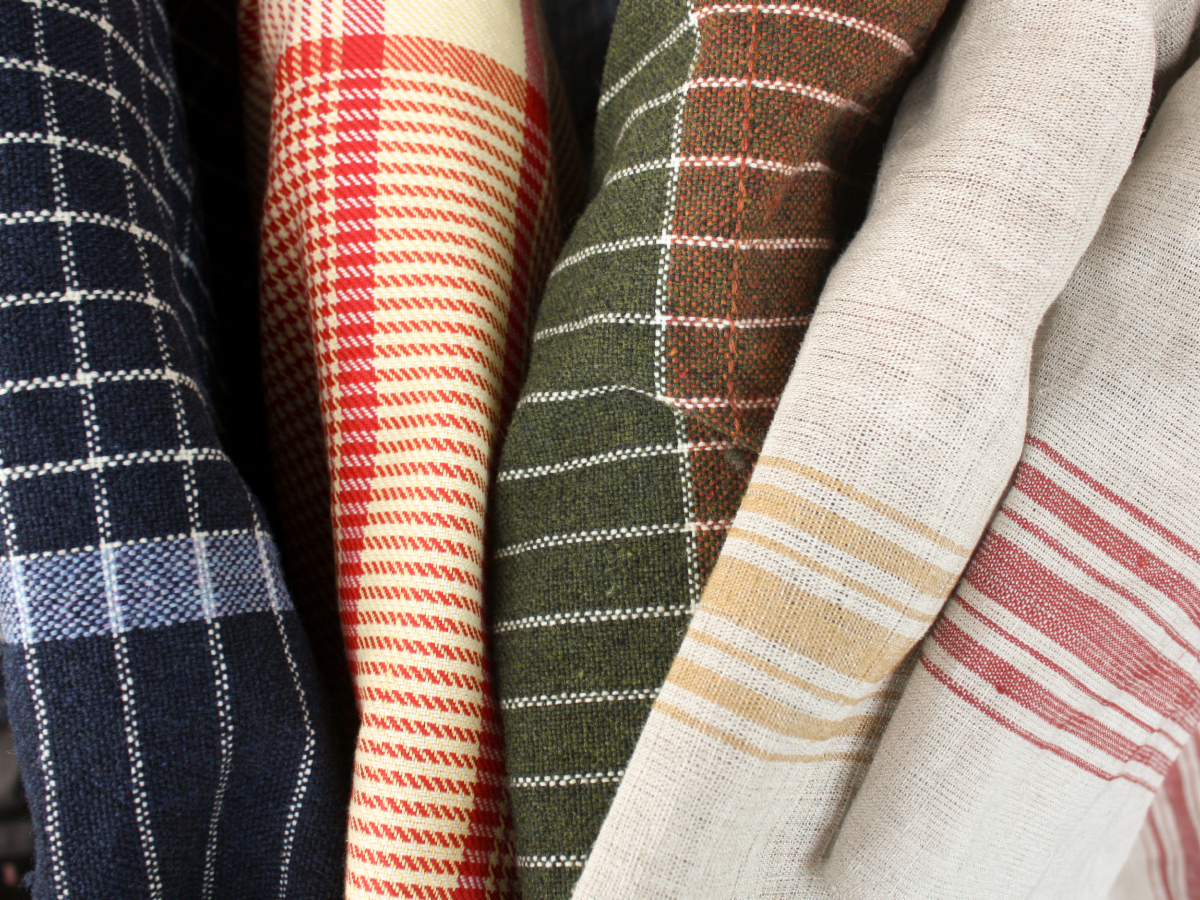
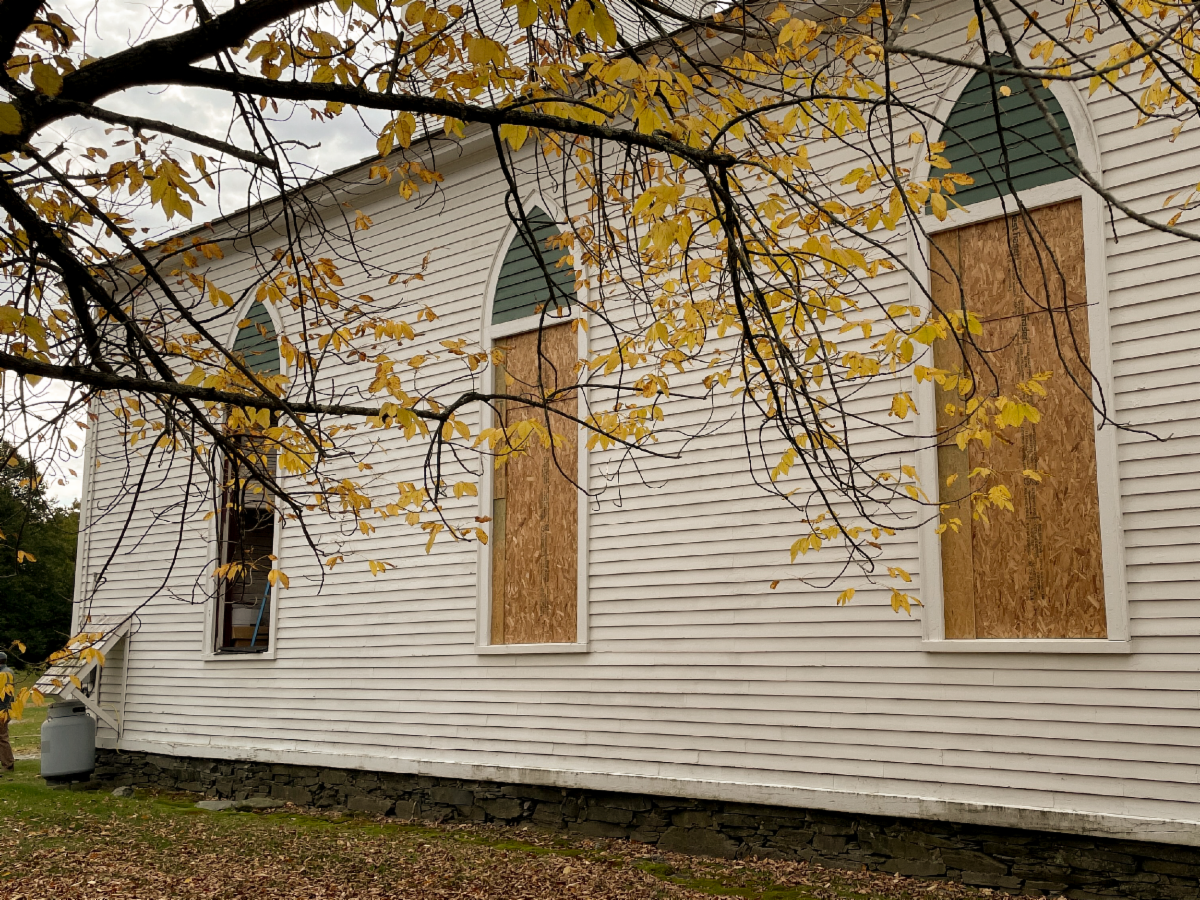
| | After the first two August Foundations sessions filled up we added a third, and it sold out as well! So August was the month of Foundations, with three lovely groups of weavers passing through Newbury and heading home with fresh blankets and towels, and one more session hot on their heels in September. Just one session left to go before the end of the season! | | If When you visit us over the next few weeks, don't be alarmed by all the plywood in the windows. We aren't battening down the hatches, the window sashes are being reglazed and repainted in the workshop of Adam Grimes. We worked with the Newbury Woman's Club to apply for grant funding to give the chapel windows a much needed tune-up, and extend our thanks to the State of Vermont Division for Historic Preservation, The 1772 Foundation, and the Daughters of the American Revolution for funding this project.
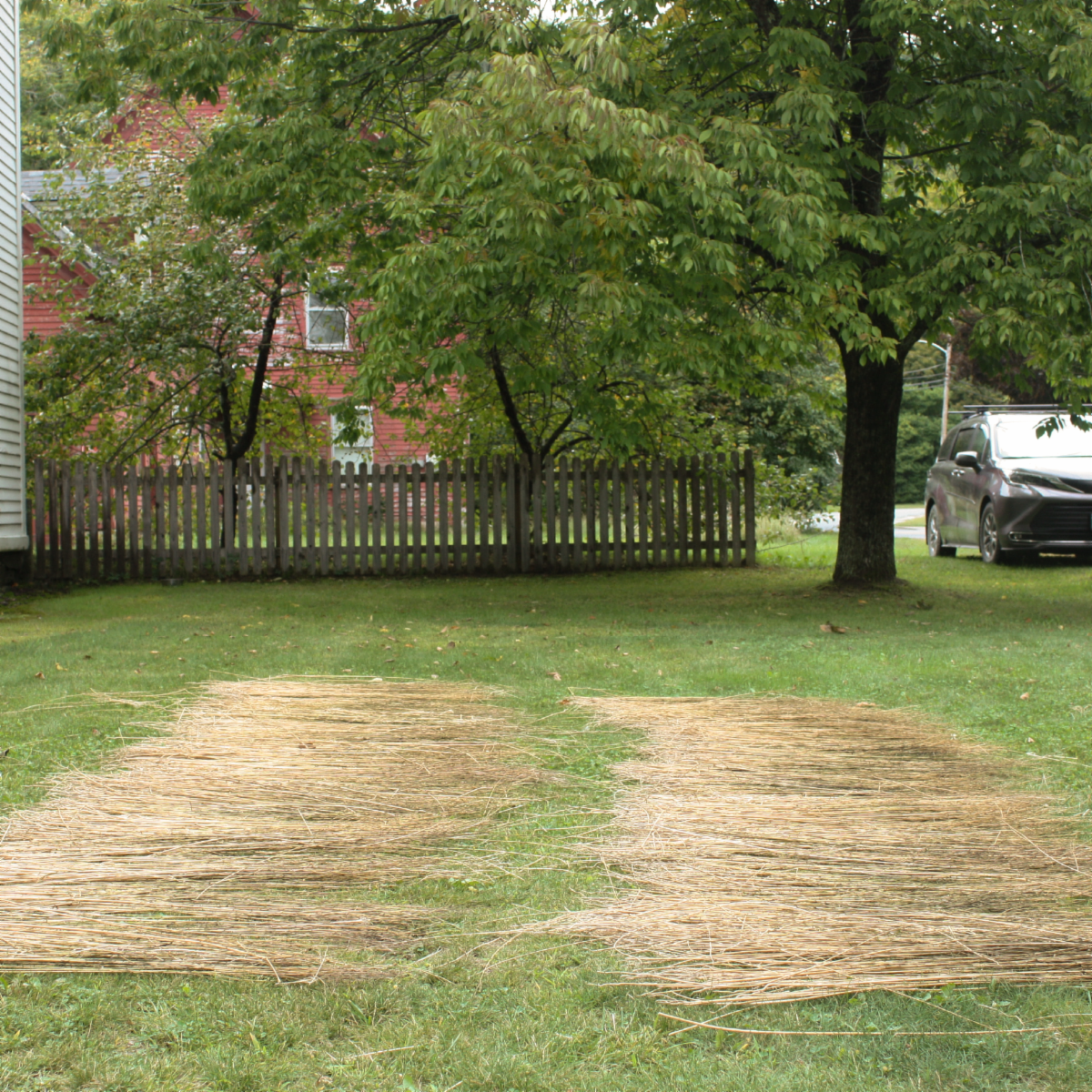
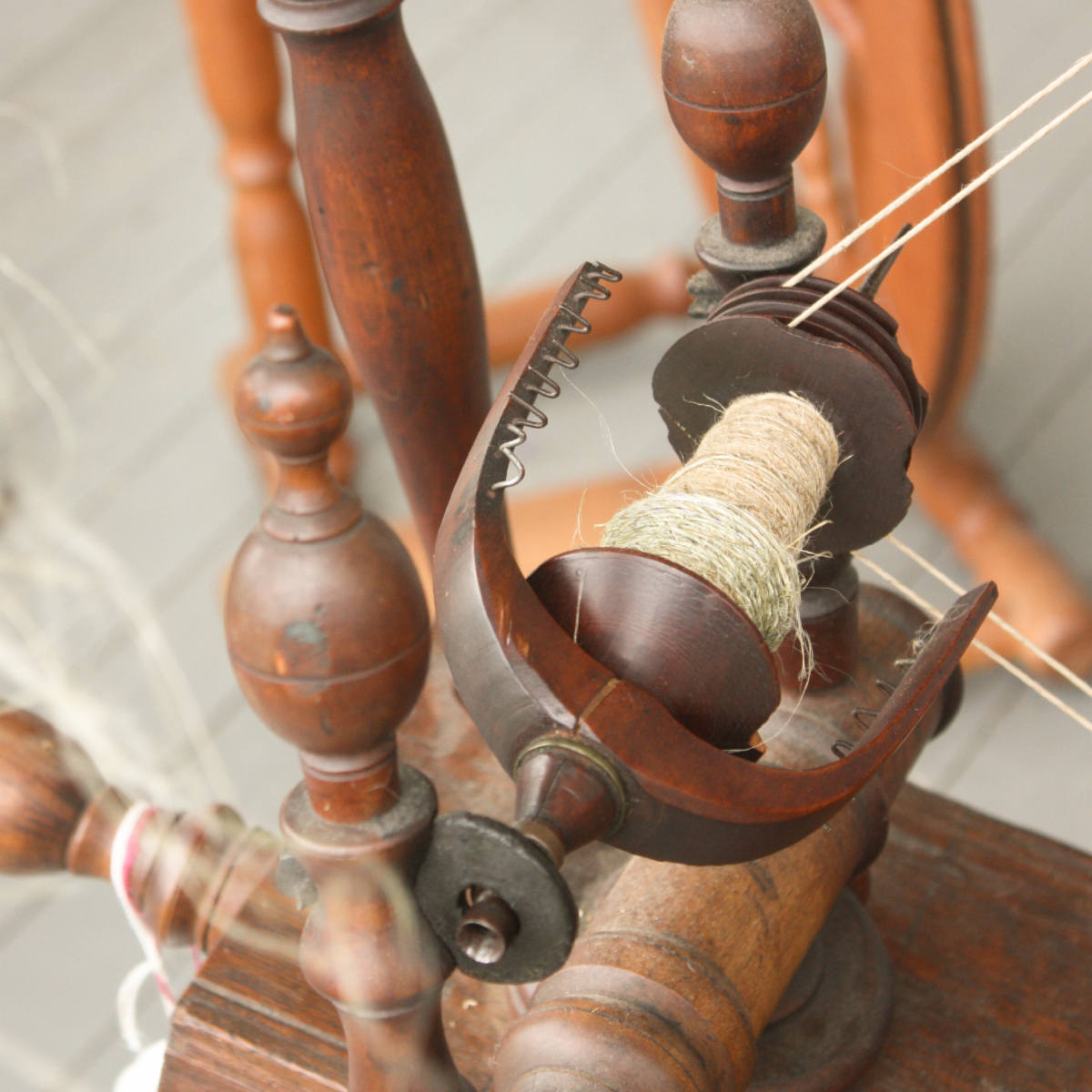
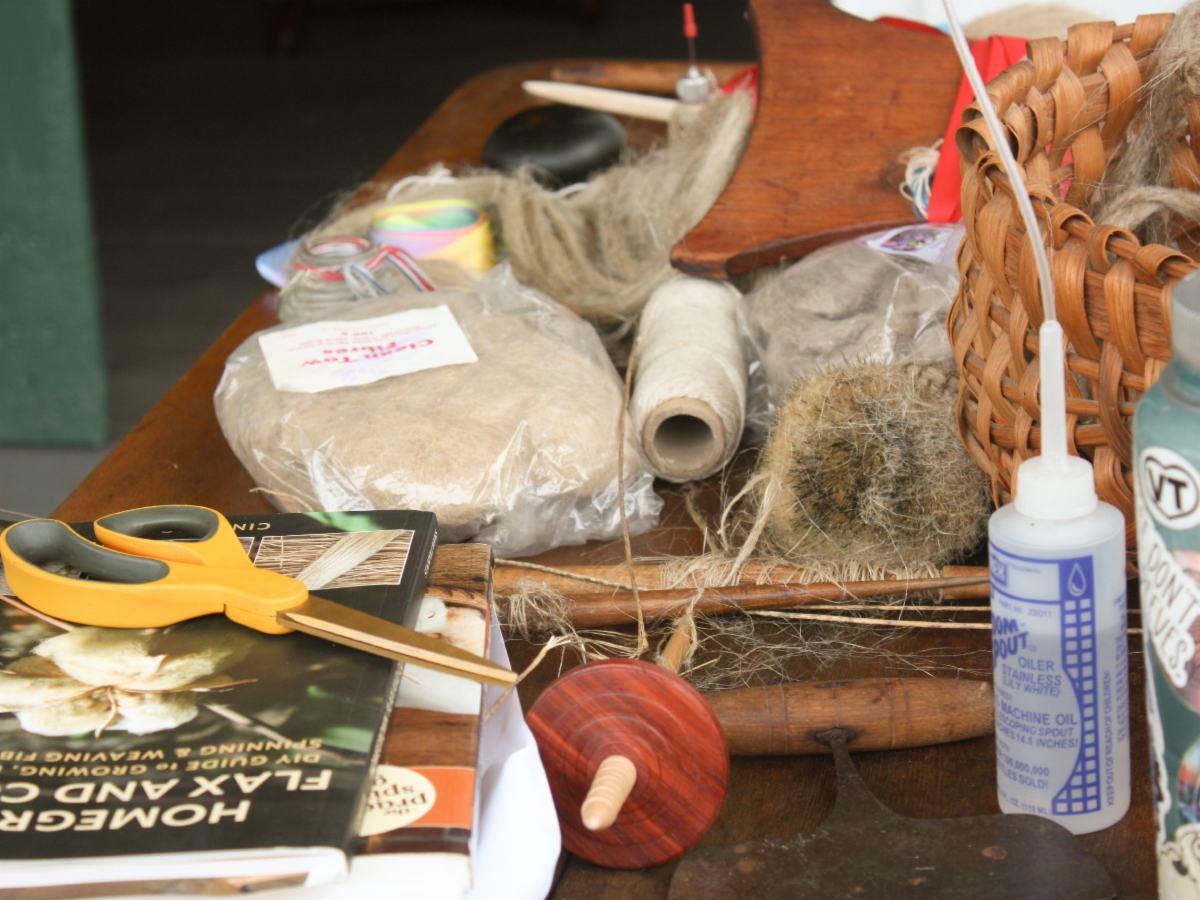
| | Flax & Hemp with Andrea Myklebust | | Andrea brought her tools and expertise back again for this year’s edition of her bast fiber processing workshop, ahead of the Weaving Linen week. For three days, the porch was filled to bursting with fiber, wheels, hackles, and brakes as students familiarized their hands with the particularities of flax and hemp. | | Bobbin Lace with Elena Kanagy-Loux | | |
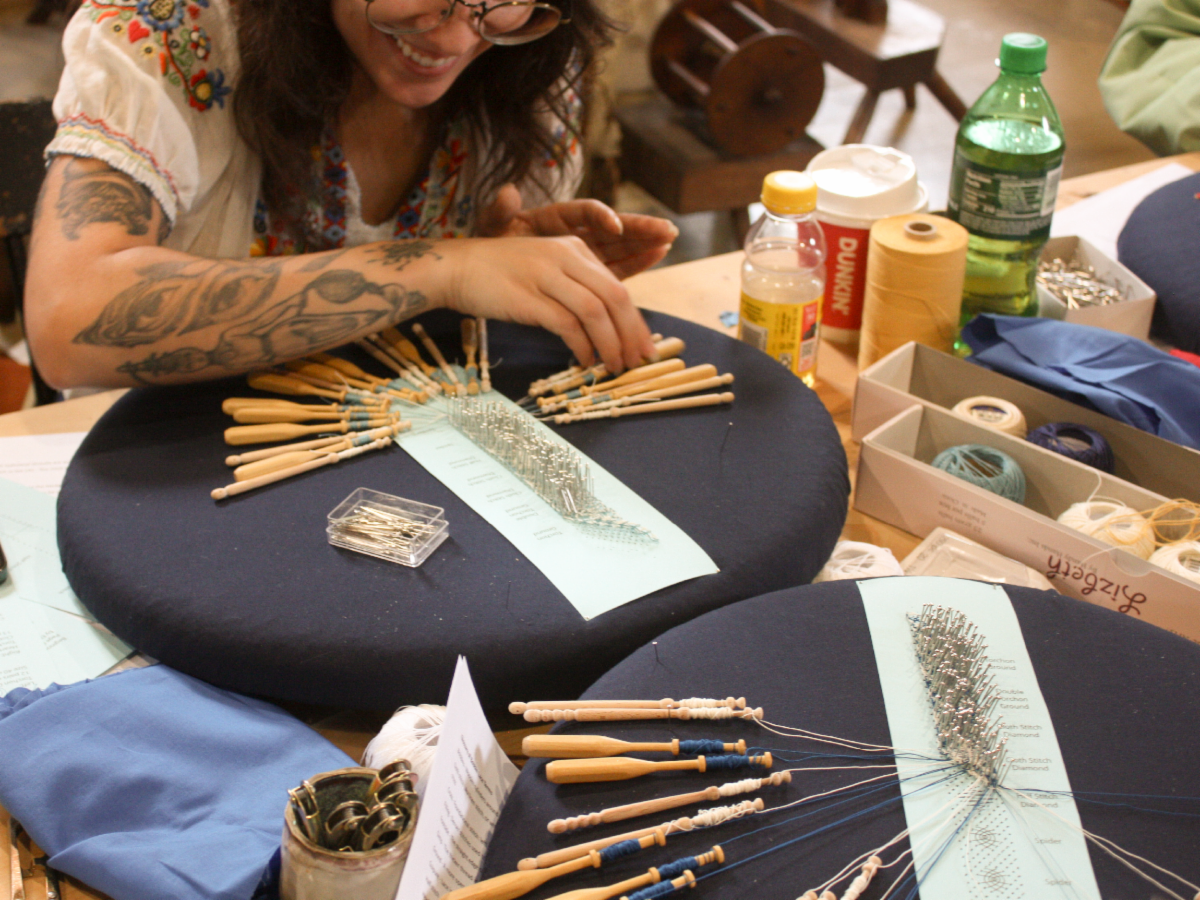
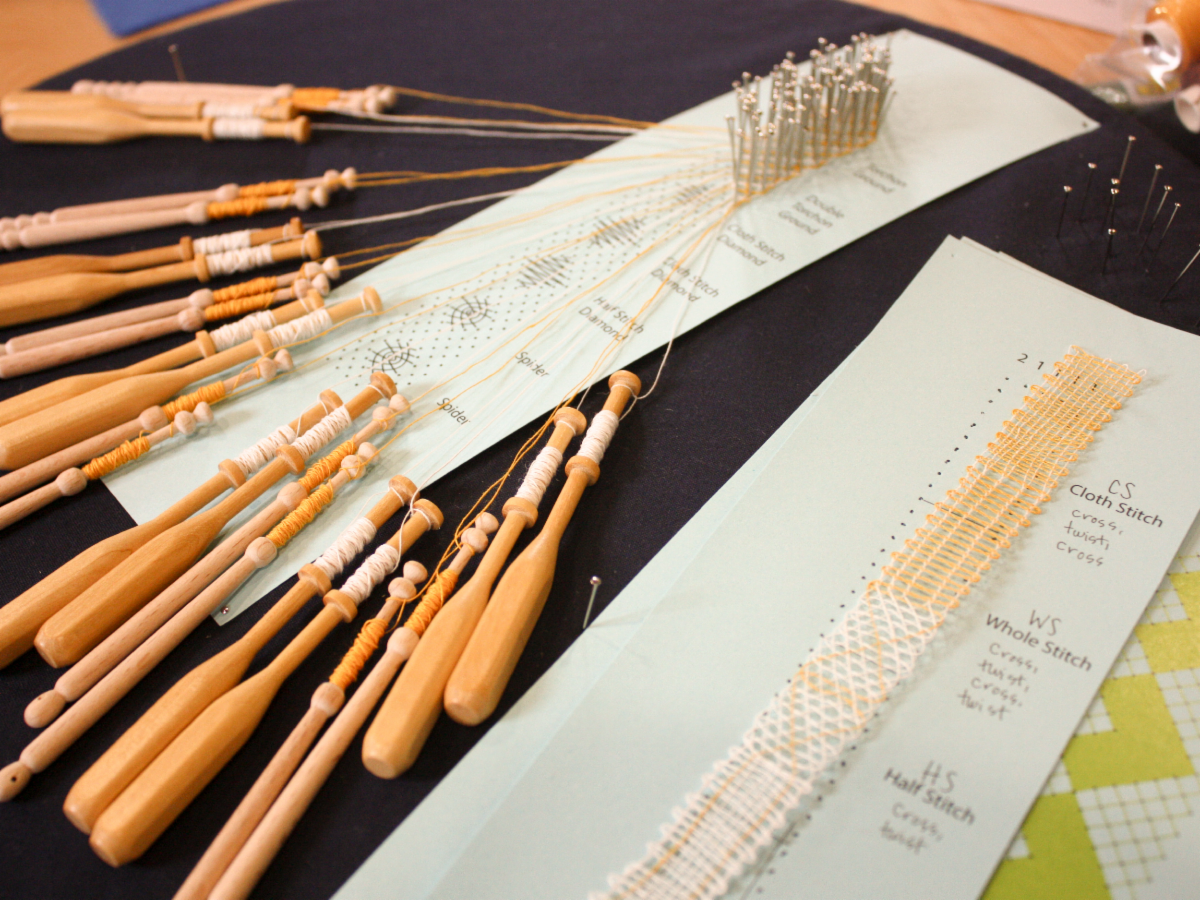
Elena Kanagy-Loux joined us in Newbury for another fabulous 2-day Introduction to Bobbin Lace workshop. Students created two samplers of various torchon lace stitches while listening to traditional lacemaking songs and tells and trying not to hold their breath while they focused on each little thread.
We’re so grateful that Elena is able to fit us into her schedule each summer, and can’t wait to see her again next year! If you’re interested in lacemaking, or textiles in general, we highly recommend following Elena on instagram. She creates fascinating educational videos from her travels and studies.
| | As always, we can only do what we do with your generous support. Gifts of all sizes make a tremendous impact. Thank you. | | | | |