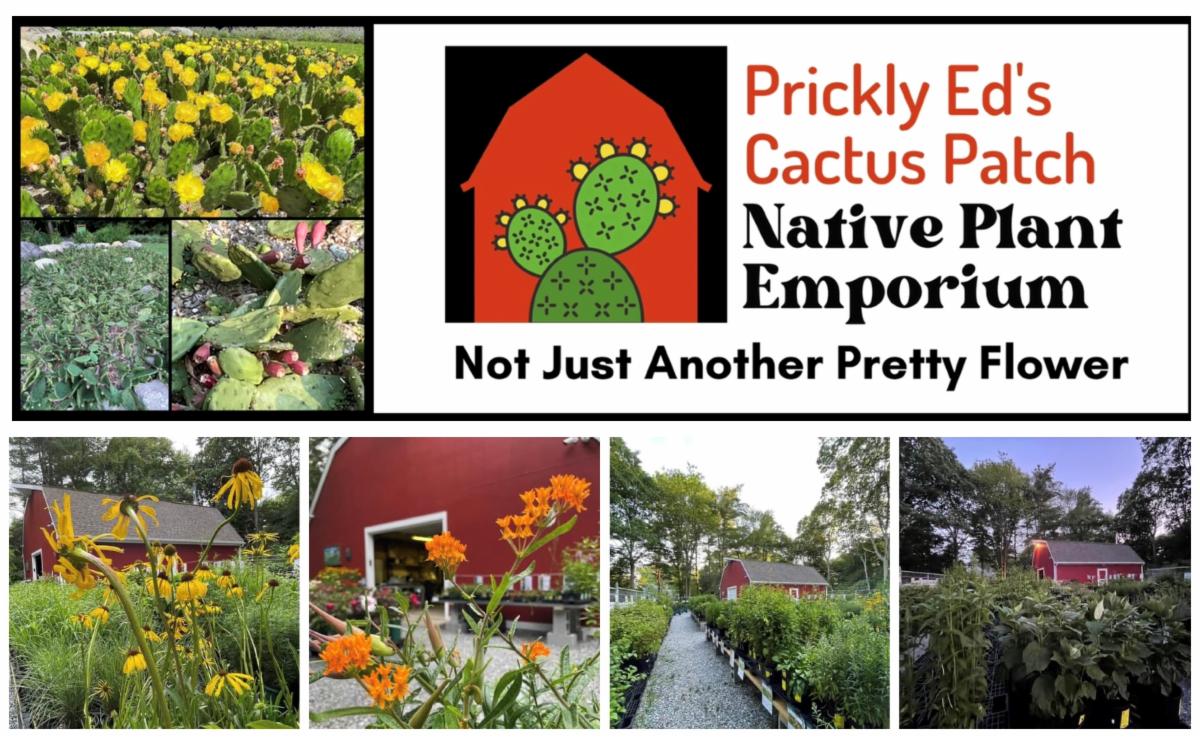
Celebrating Fall Planting Season in this Edition of News from the Cactus Patch
August 27, 2025
| | |
Wow! How is it the end of August already?! It has been such a fun - and busy - season here at Prickly Ed's, the weeks have flown by. It feels like just yesterday that we were swinging open the gate for our fifth season and now there are only a couple of months left until the gate will swing in the other direction. Thank you so much to everyone who has helped to make this the best and busiest season yet. Your support of our small business is appreciated and your shared commitment to planting life back into yards and communities is inspirational!
A tip for reading this (and every) edition of our newsletter. It is long! Save it and come back to it as needed. You can also find copies of our newsletter available for reading at any time on our website HERE. Make sure it has fully downloaded to your email before digging in so that you don't miss any of the best parts. In addition to information to help inspire and support you with your fall ecological landscaping goals you will also find news about what's happening here and information about upcoming learning opportunities from trusted partners in this work. We hope that many of you will take part in one or more of these great upcoming programs as we all work collectively to grow not just the plants but also the knowledge that will help living landscapes blossom across our region.
Be sure to stay connected to us and to the area's ecological gardening movement via social media. Use the buttons below to connect
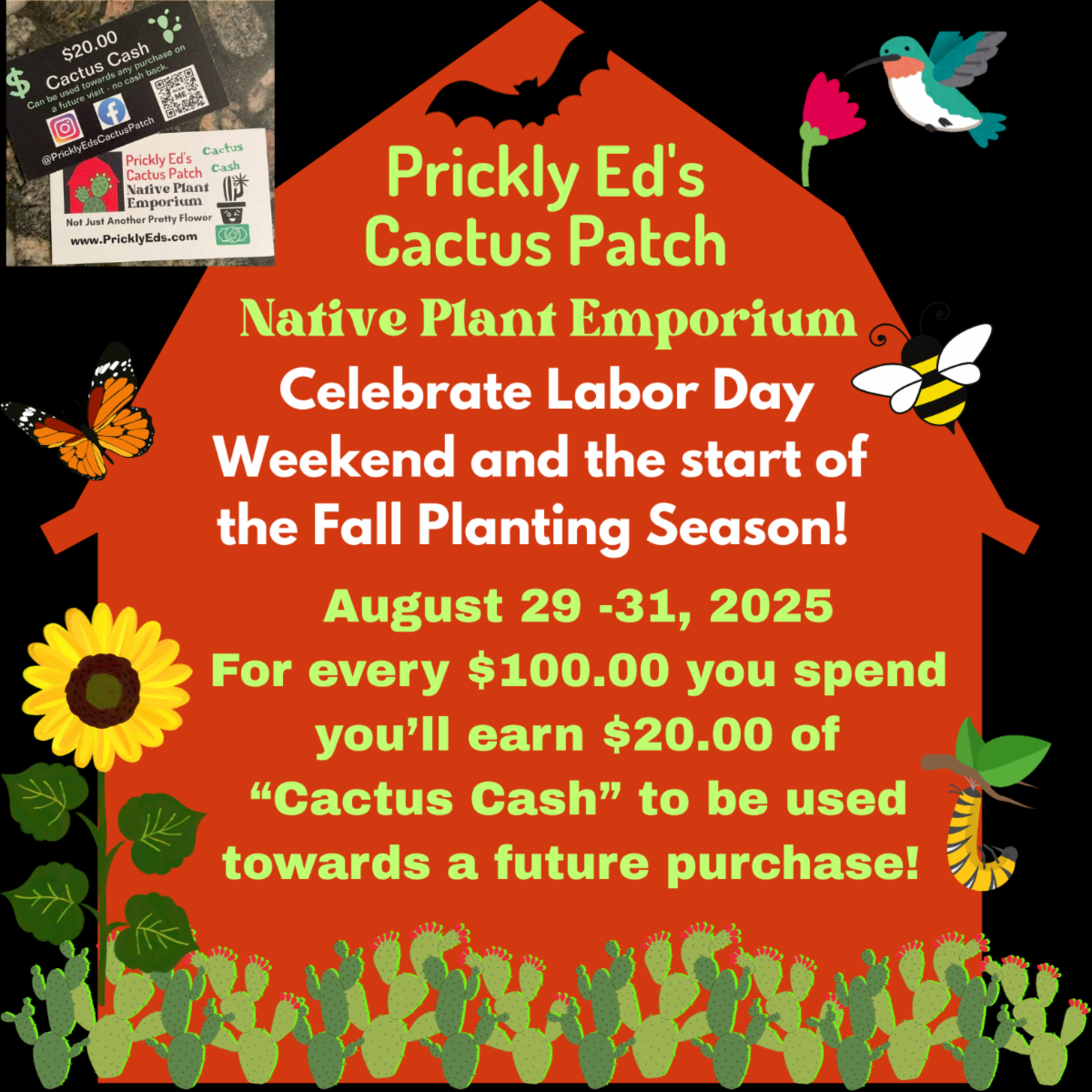
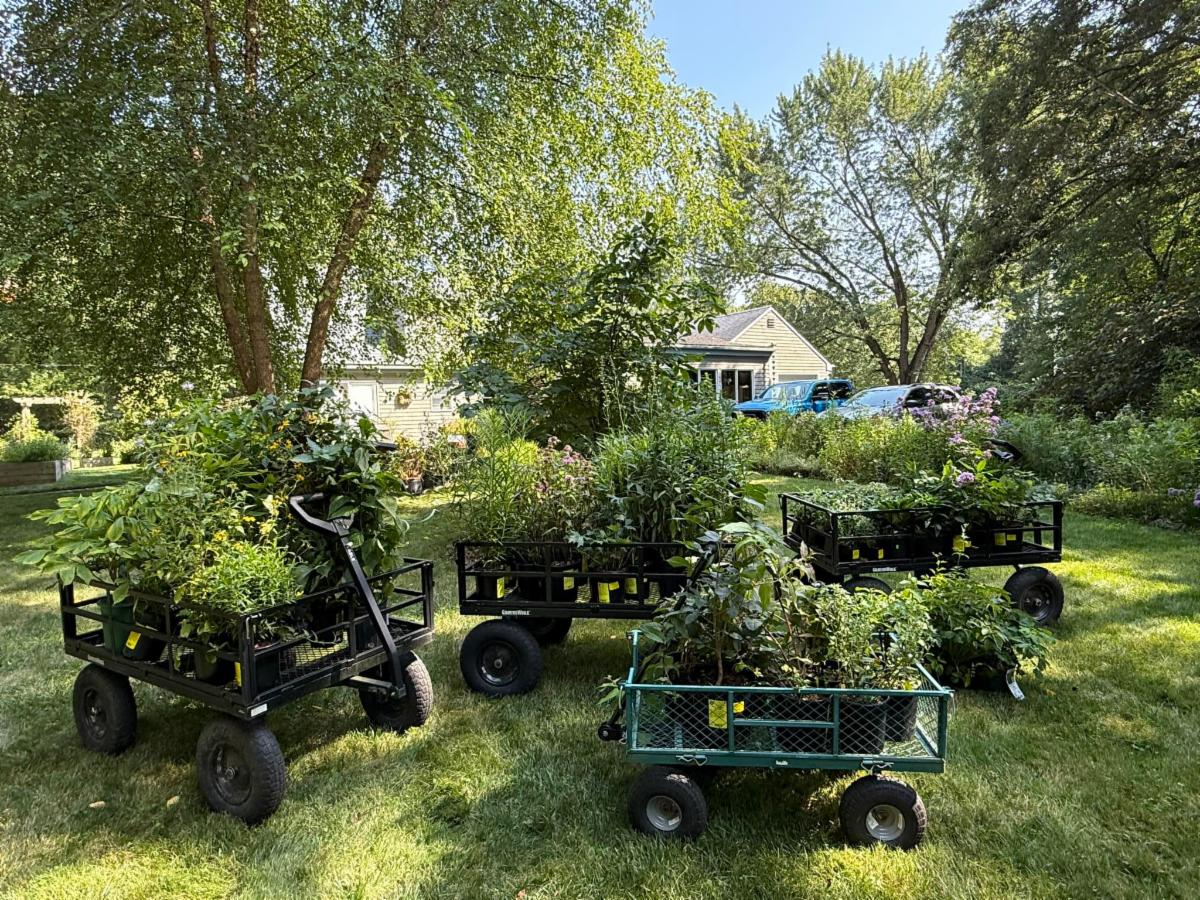
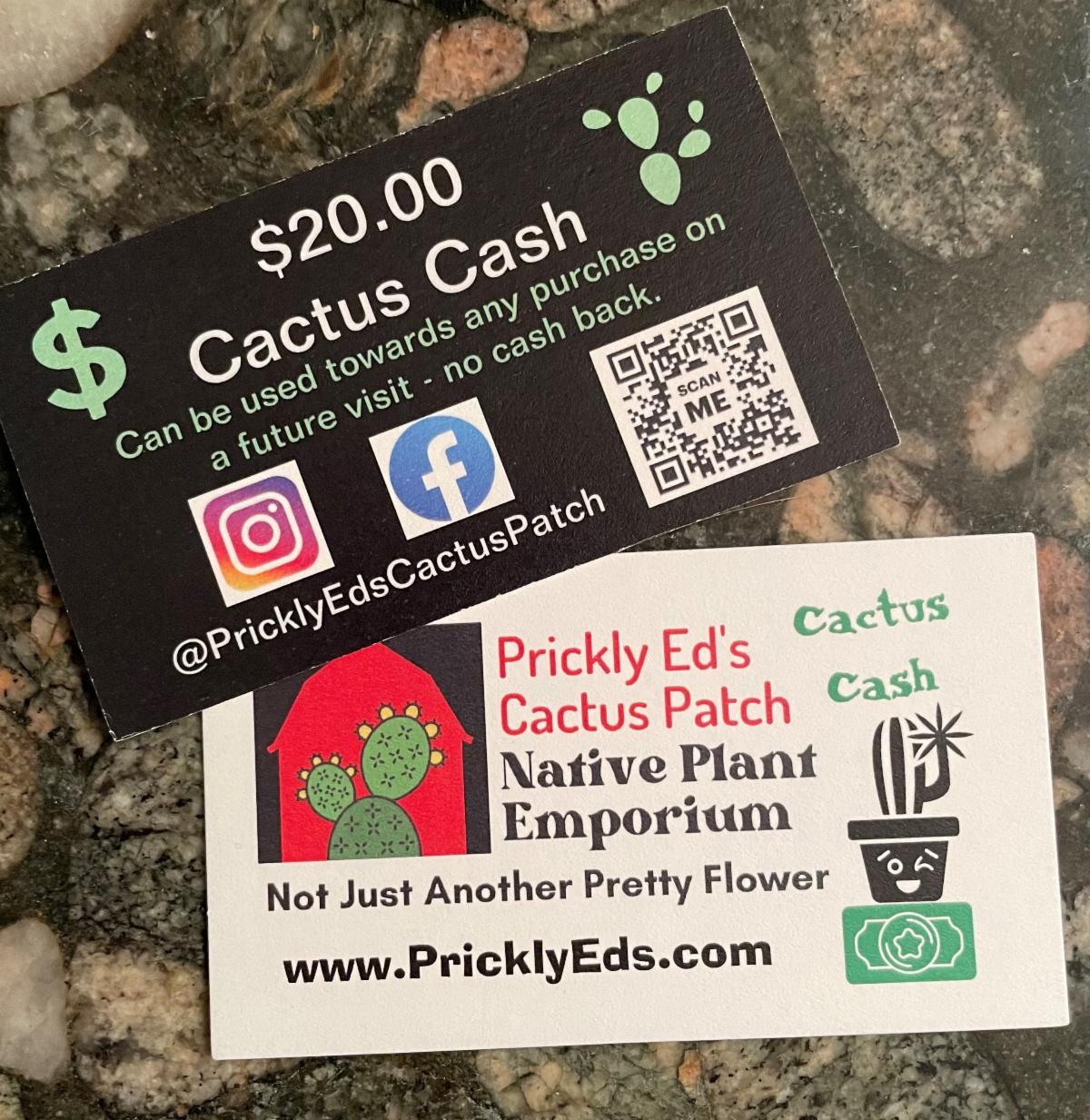
| | There's no better way to kick off Fall Planting Season than with a Labor Day Weekend visit to Prickly Ed's! And this weekend we are saying thank you to our delightful repeat visitors - many of whom have become cherished friends - with the return of "Cactus Cash"! | | Fall is the best time for planting! We have a dazzling array of wicked awesome New England Native Plants available for your projects with new inventory arriving weekly through early October. | | |
Currently in stock are more than 250 varieties of Shrubs, Trees, Perennials, Grasses, Vines, Ferns and More! New plants arrive weekly throughout the season and we will continue getting deliveries of great new plants right through early October - visit often for the best selection. Come explore plants on your wish list and ones you never even knew you needed, until now. We know from talking with you over the summer that many of you have some big projects planned for this fall. We can't wait to hear more about them and see you all start digging in and bringing your plans to life.
If you need larger quantities than we have on hand or are interested in different native varieties than you see, we regularly take and fill special orders. Message us or stop by the Stand to discuss your needs.
And finally, when you visit, don't forget to grab some organic compost - magic dirt from Earth Care Farm in Charlestown, RI. You may also want to check out the amazing Buckwheat Hulls Mulch, the only mulch we recommend other than leaves and organic matter from your property that is! And, its time to get those rain barrels in place. We have some great ones available from Wills Garden.
Click here to Learn More about the Native Plant Emporium and Explore our Latest Plant Availability List.
(Note that availability is updated each Thursday throughout the season).
| | In the Summer of 2025 it Was Prickly Pear Cactus for the Win! | | |
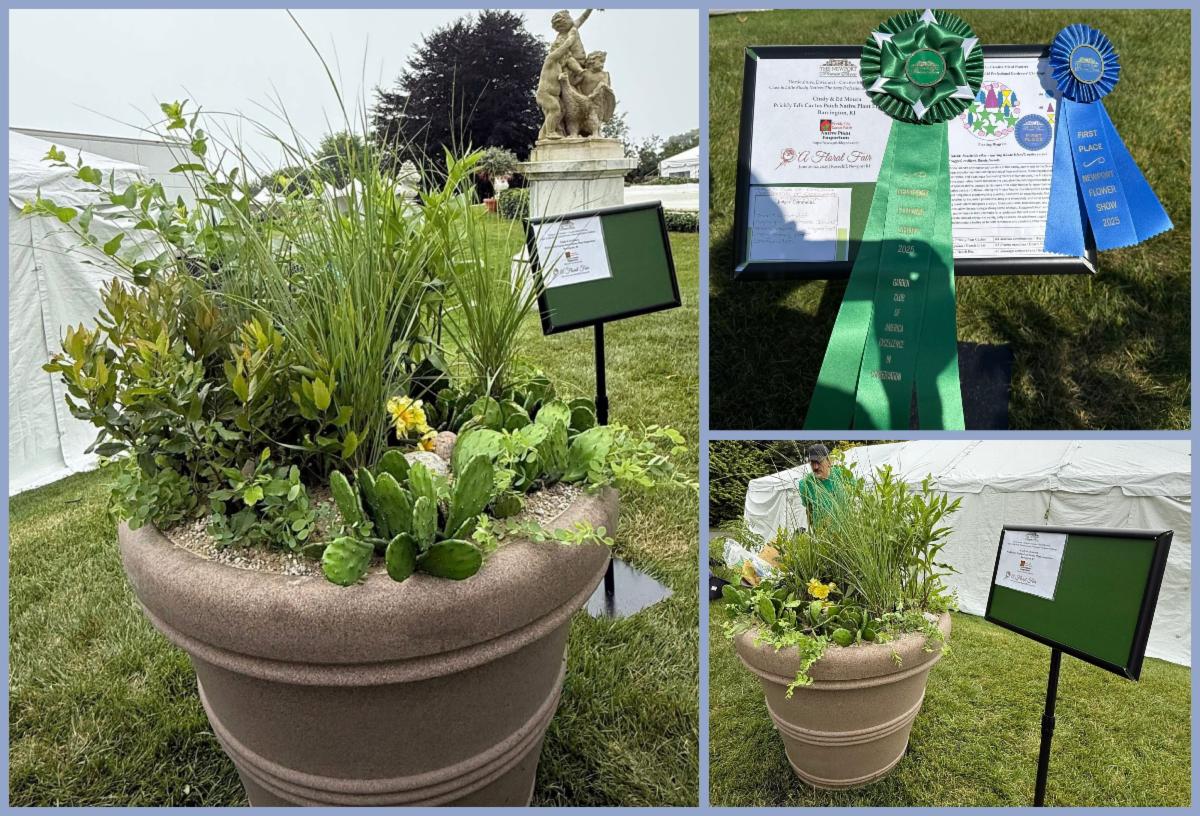
It was the eve of the Summer Solstice and the beginning of the hot, dry summer to come when your favorite local Wildscapers arrived at the grounds of Rosecliff Manion to set up our entry into the 2025 Newport Flower Show. We were invited to participate in the Horticulture Division Professional Challenge - a friendly competition packed with incredibly talented local designers. Truth be told, it wasn't until that minute that we realized we technically are "professionals" and having neither formally studied horticulture nor spent the bulk of either of our careers engaged in the field, that realization alone was a bit humbling.
We've never entered or frankly even attended a flower show before so in many ways we were odd competitors. But the "class challenge" was to create a jumbo container display of plants that could be recreated in local landscapes using only Rhode Island Native Plants. When you put it that way, how could we say no? Was it more surprising that we entered or more surprising that our interpretive container showcasing a tough working plant community received blue ribbon recognition? Your perspective on that likely depends on how well you know us! But indeed we were honored to take first place in our delightfully creative class that was filled with wonderful works. Most importantly, it was a real honor to receive the National Garden Club of America Award for Excellence in Conservation. Ultimately the real winners were native plants whose beauty and talents are increasingly being honored even in unexpected places and ways!
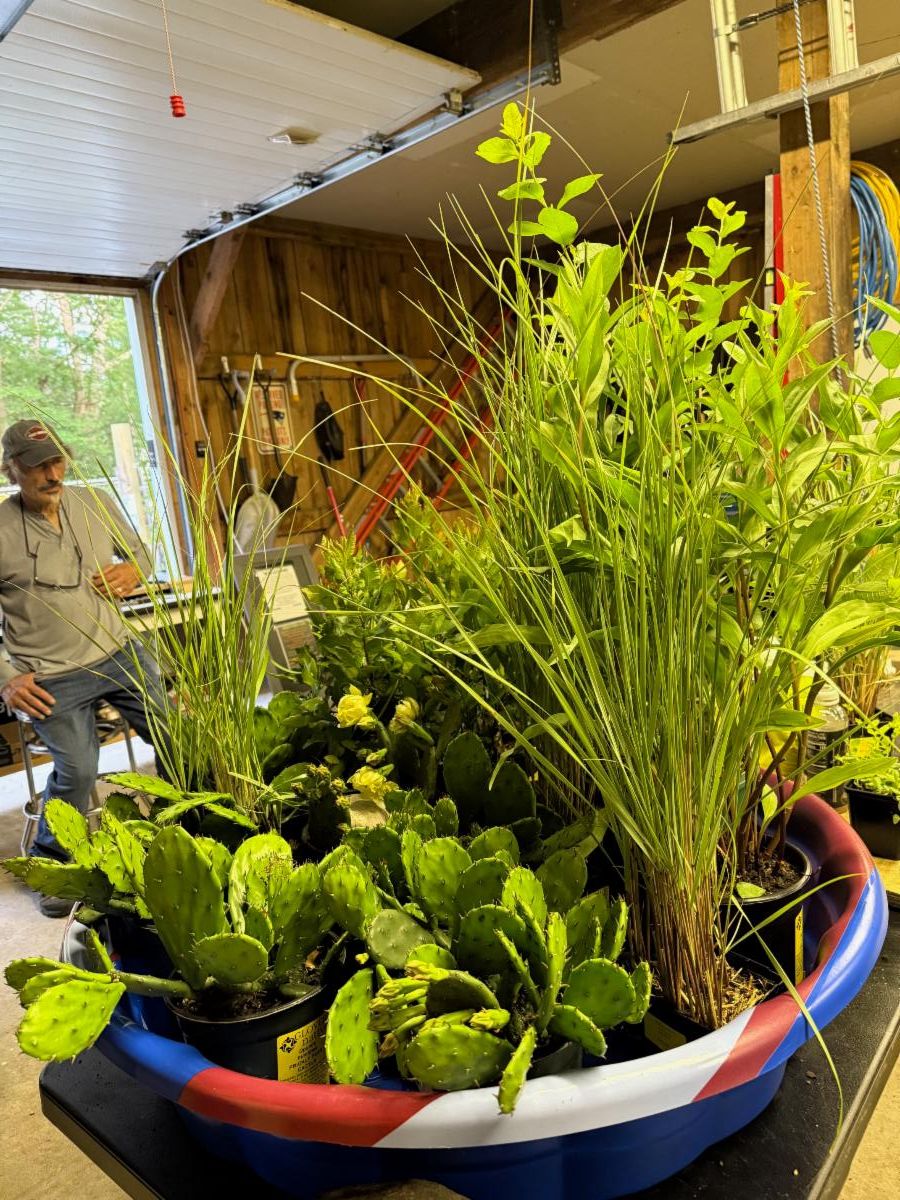
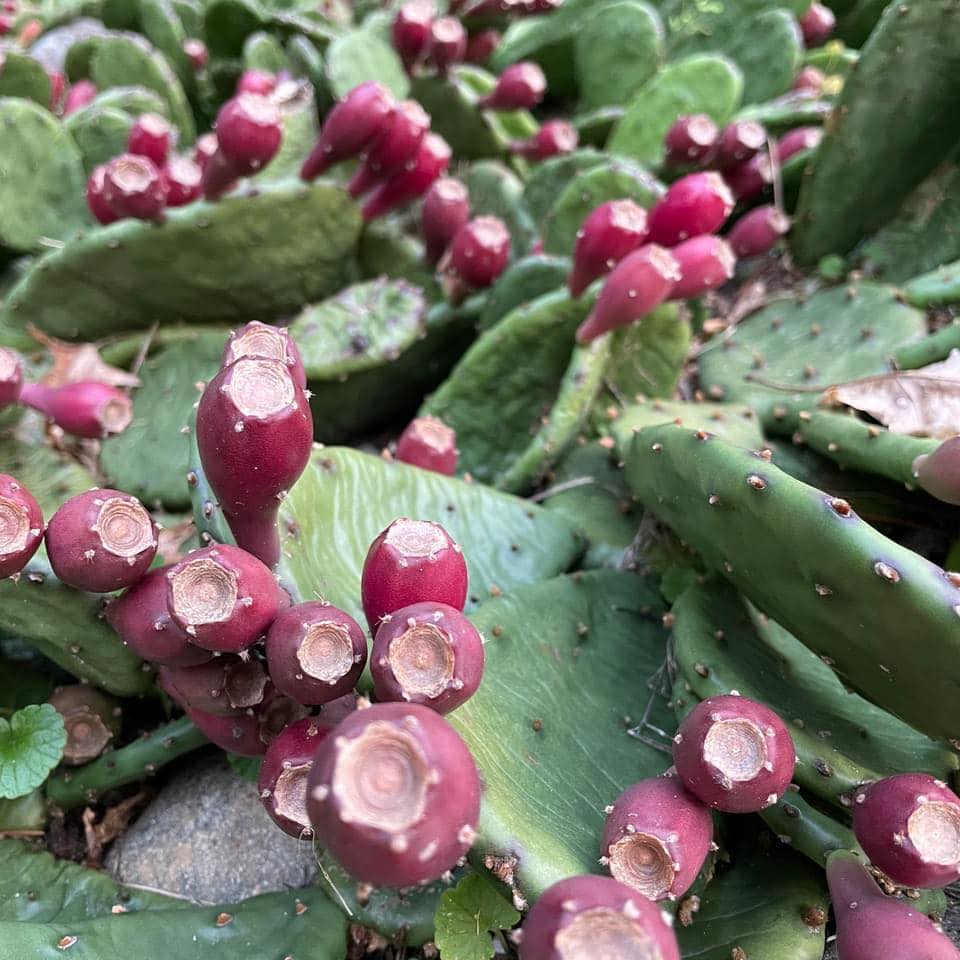
The star of our entry was, of course, Opuntia humifusa, the Prickly Pear Cactus and the inspiration for our name and our business. And Rhode Island's only native cactus was joined by a cast of other drought and salt tolerant, extra tough and resilient characters - Bayberry, Beach Grass, Beach Pea, Beach Plum, and Seaside Goldenrod. And when we crafted this entry, in a Tractor Supply kiddie pool in the barn the night before the show (for real), little did we know how truly serendipitous a drought and heat loving, ultra rugged display would turn out to be.
It was a tough summer for gardens and gardeners alike. While our region never officially reached drought status, the long stretch of unusually hot sunny days coupled with no rain put a strain on new plantings and on the gardeners caring for them. But our beloved Prickly Pear and so very many other wicked rugged native plants had the opportunity to truly flex their resilient roots and demonstrate how their adaptions built over hundreds of thousands of years enabled them to shine. Native Plants remind us to look back to our roots all while looking ahead to the resiliency that must be built into our landscapes if they, and our communities are to thrive in the future.
Central to creating weather and water wise landscapes is matching plants to their ideal site conditions. Planting a water loving plant in a dry location and constantly watering it is not resilient landscaping! Utilizing drought tolerant plants in hot dry spots and water loving varieties in soggy spaces to soak up the rain are examples of how to build resiliency from the ground up. And when you focus on combining those plants into robust plant communities even more benefits are achieved. Read more about "Water-Wise Gardens for Wildlife" from the National Wildlife Federation by clicking the button below. Not every yard needs a patch of Prickly Pear, but every yard would benefit from an artfully and ecologically arranged array of well-suited and well-sited native plants.
| |
Fall is the Perfect Time to Grow Deep Roots!
We've already kicked off our own fall planting projects, and we have lots more in the works. We do most of our own planting in the late summer and right through the fall. After all, next year's buzzing naturescape starts with getting roots in the ground right now. Read on to learn more about all of the reasons that you shouldn't be packing up those garden tools quite yet.
Autumn Equinox may still be a few weeks away, but hints of pumpkin spice season have already arrived. For many it is the imminent return of kids to classrooms that marks the shift of summer to fall. For gardeners there are other cues, like gradually fading light and blooms and cooling temperatures that bring relief to gardens and gardeners alike. But don’t close up the garden shed yet. It’s the best time of year to add beneficial plants to your landscape.
Cooling temperatures mean that plant leaves aren’t scorched by the sun and water doesn’t evaporate as quickly, bringing relief to thirsty plants and weary gardeners. Soon plants will stop generating new growth above ground. This coupled with warm soil temperatures creates a perfect environment for plants to put energy into growing deep roots. These deep roots anchor robust and resilient plantings when next summer’s scorchers come around.
Come fall you have had a whole season to work in, play in and learn from your yard. Light patterns and soil textures are fresh in your mind, and you’ve discovered which parts of the landscape always need or always collect water. Also top of mind are plants that thrived and the ones that did not. These learnings can guide you to make better decisions about new additions to the garden. After all, the ultimate key to success is putting the right plant in the right place.
When we talk about fall planting, we are specifically talking about shrubs, trees, vines, grasses, ferns, and hardy perennials, ideally northeast native ones. Native plants offer the greatest ecological benefits, don’t require the use of pesticides or fertilizers, and if sited correctly have minimal water needs once established. They are important tools in stormwater management, pollutant filtering and erosion control. And having shared an evolutionary history with native wildlife they form the base of natural food webs.
Click Here to Continue Reading Online...
| | | |
"Someone is sitting in the shade today because someone planted a tree a long time ago" (Warren Buffet)
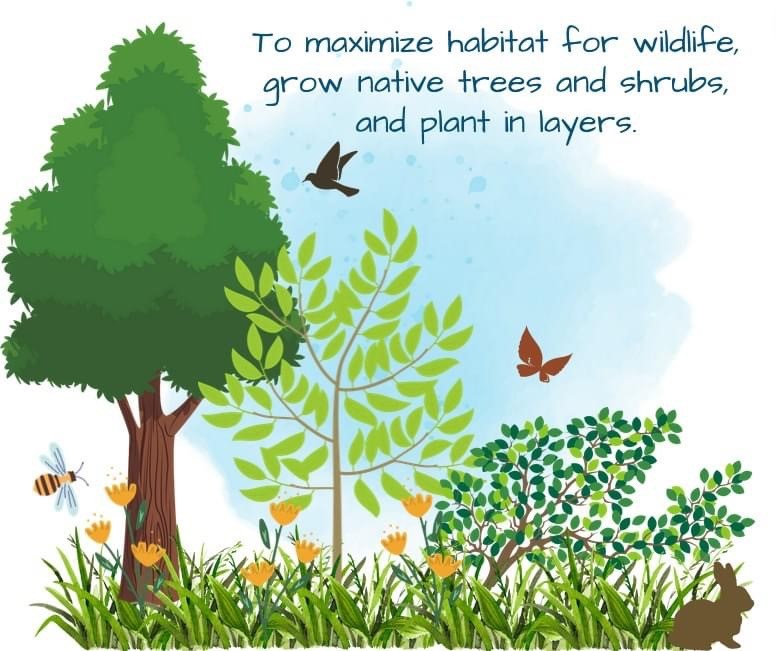
As we head into fall planting season, remember that one of the best ways you can improve habitat for pollinators, birds and wildlife while also helping cool your yard and community, manage stormwater, and reduce pollution is by planting a tree. Already have lots of trees? That's great, be sure to keep them and expand their benefits by creating a layered habitat that also incorporates lots of beneficial native shrubs along with perennials and grasses for maximum impact!
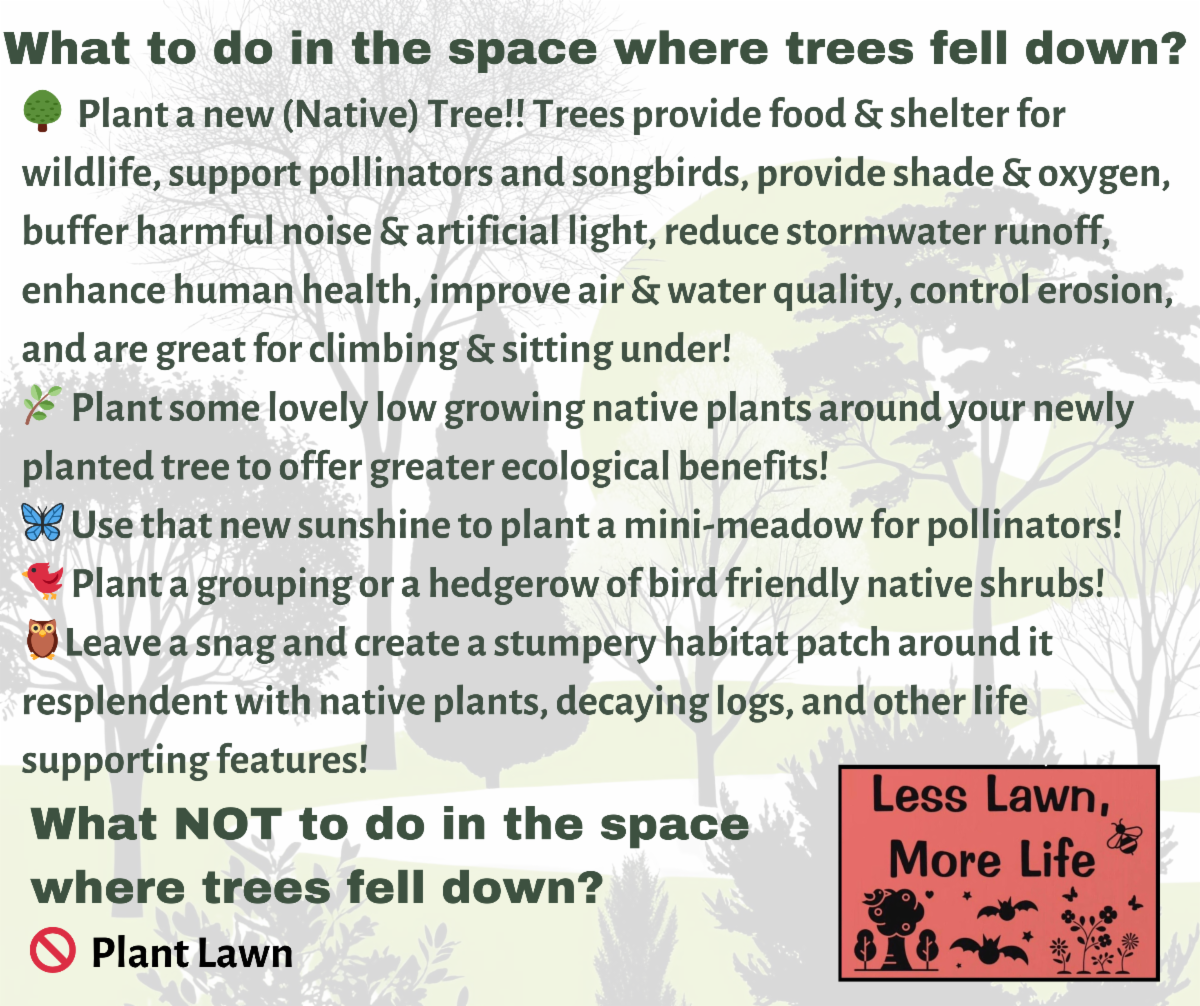
| | Speaking of trees...what about all of those big, beautiful, old trees that crashed down during the wild July 3rd storm that burst through our region? And what of those that were damaged and taken down in the weeks that came after? What happens in the big void they left behind? Here are a few ideas...feel free to pass them on! | |
But - if not lawn - then what?
In the world of ecological gardening it might seem that there is an awful lot of focus on getting rid of some lawn - and for good reason! Lawns are ecological dead zones (READ MORE ABOUT THAT HERE) Did you know?
| |
- In the United States alone there are over 40 million acres of lawn—more than the space of all our National Parks combined!
- More than half the water we use at home ends up keeping those green carpets lush.
- A whopping 80 million pounds of herbicides and pesticides rain down on our lawns each year.
- A jaw-dropping $36 billion is spent annually on this grassy affair.
- Lawns offer zilch for native pollinators, birds, and wildlife, hogging space that could be filled with essential native plants instead.
We are often asked about “lawn replacements” - better grass seeds or even clover seeds - but all focused on sticking with the familiar outdoor green wall to wall carpet approach. So here’s the thing. Our honest answer to a good substitute for lawns is this. Dig up every last blade you don’t really need and replace it with:
- Blooming & buzzing native plant rich pollinator gardens
- Native trees with big “soft landings” (mixes of native groundcovers) underneath
- Hedgerows filled with diverse native shrubs
- Shady wonderlands of native ferns and native woodland treasures
- A rain garden full of deep rooted, water loving native plants
- Some areas to grow your own herbs & veggies
Go ahead and keep some areas of “lawn” for pathways, raucous games with kids or sitting areas. A little lawn can be good for design too - it creates something called “negative space” that allows the eye to rest. But on those (few) remaining lawn areas:
- Mow high and no more frequently than truly needed
- Eliminate all the “cides”
- Water infrequently and deeply when you do
- Use slow release organic fertilizer & only sparingly
- Allow diverse plant life to creep in - clover and violets for example
- Ditch the gas powered equipment! Remember you only have a little lawn left you won’t need a crew with equipment best suited to a football field to care for it, you can enjoy time outside and take care of it yourself!
Worried you won’t fit in with the good green grass neighbor vibe? Nonsense! Soon the day will come when they are worried they aren’t fitting in with you 😎. Change the narrative and own your trendsetter label proudly. That said, if you live in civilization do try hard to embrace and employ some design techniques that entice others to join the wildscaping party.
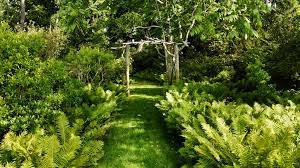
| | Image courtesy of Edwina vonGal, the Perfect Earth Project (used with permission) showing lawn used as an "area rug" not a "wall-to-wall carpet"! | |
The Importance of Planting in Multiples!
When it comes to gardening with native plants, think “better together.” The way you arrange your plantings can make a big difference — not just in how your garden looks, but in how well it functions ecologically. While planting individual native species scattered throughout a landscape might seem like a good way to add diversity, grouping native plants together in clusters offers far greater benefits for pollinators, soil health, water retention, and long-term plant survival. Whether you’re working with a small backyard bed or a large restoration project, think in clusters, not scatterings. Your pollinators, and your garden, will thank you.
In this helpful article from Biodiversity Works, you can explore six reasons why planting in groups is essential to supporting biodiversity.
Click here to explore the six reasons and other guidance on planting with ecology in mind.
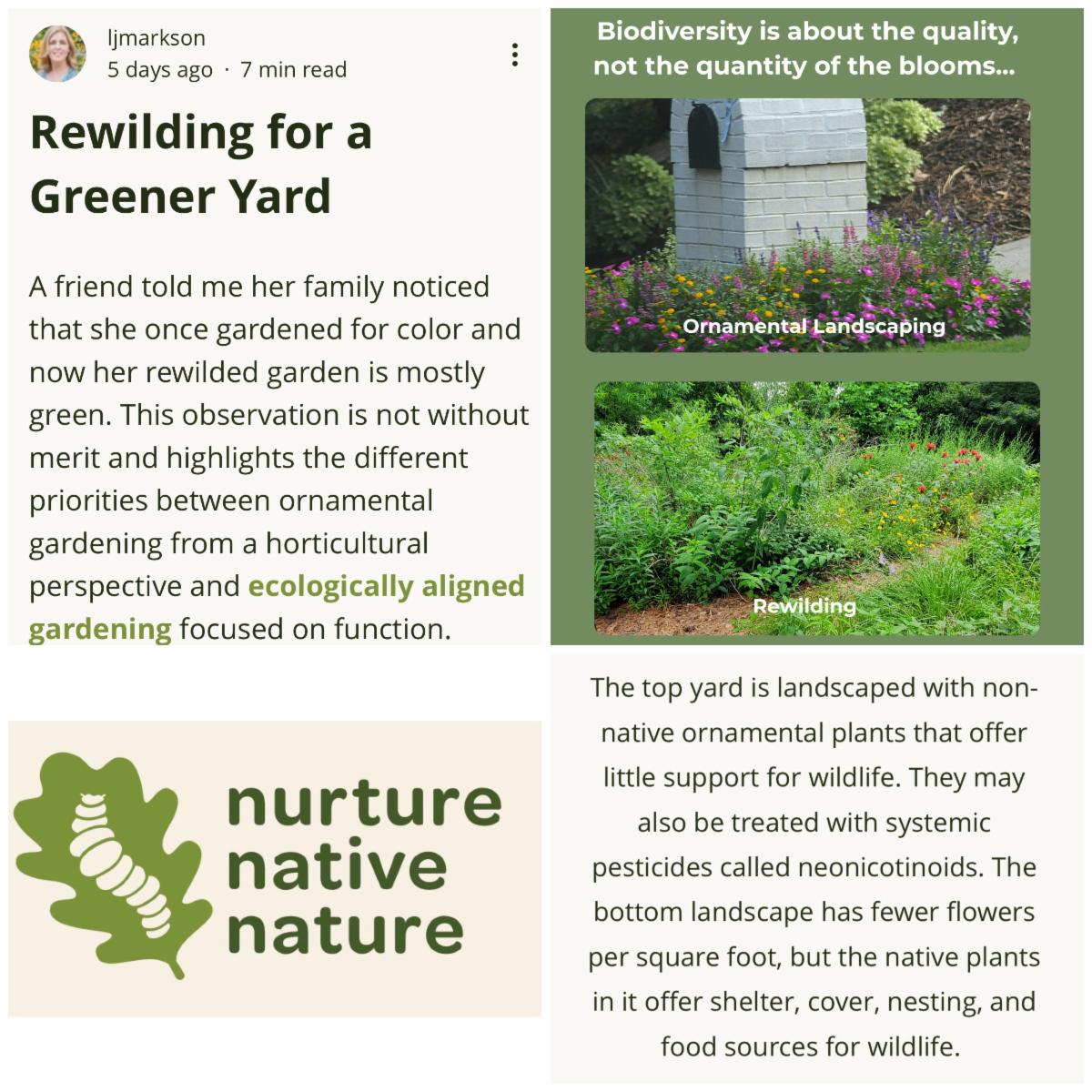
| | | | Rewilding for a Greener Yard | | |
A few days ago Nurture Native Nature posted a wonderful truth telling piece about the very green transition from ornamental to ecological gardening. Click on the image below to read the piece in its entirely - we highly recommend it! Here is a quick spoiler alert excerpt:
"When I learned what’s necessary to support a healthy ecosystem, and all about nature friendly concepts such as native plant communities, host plants, and living mulch, I stopped the crazy making of maintaining my yard to look the same every year. I started to relax, slow down, and observe what was going on in my yard. I let the plants tell me where they wanted to grow. Some flopped over reaching for the sun, and their seeds fell in the sunnier spot to come up the next year in a more ideal place. Some sent runners to shadier, sheltered spots where they could thrive. I let more plants meander and just edited them out of spaces we needed to walk or use in some way. I added plants for what they might do in my yard such as attracting a specialist bee or hosting a large number of butterflies and moths, not because I liked their flowers. I stopped fixating on how my yard looks and focused on how it functions..."
CLICK BELOW TO KEEP READING!
| |
New Resources for Pollinator Planting (and Planning)!
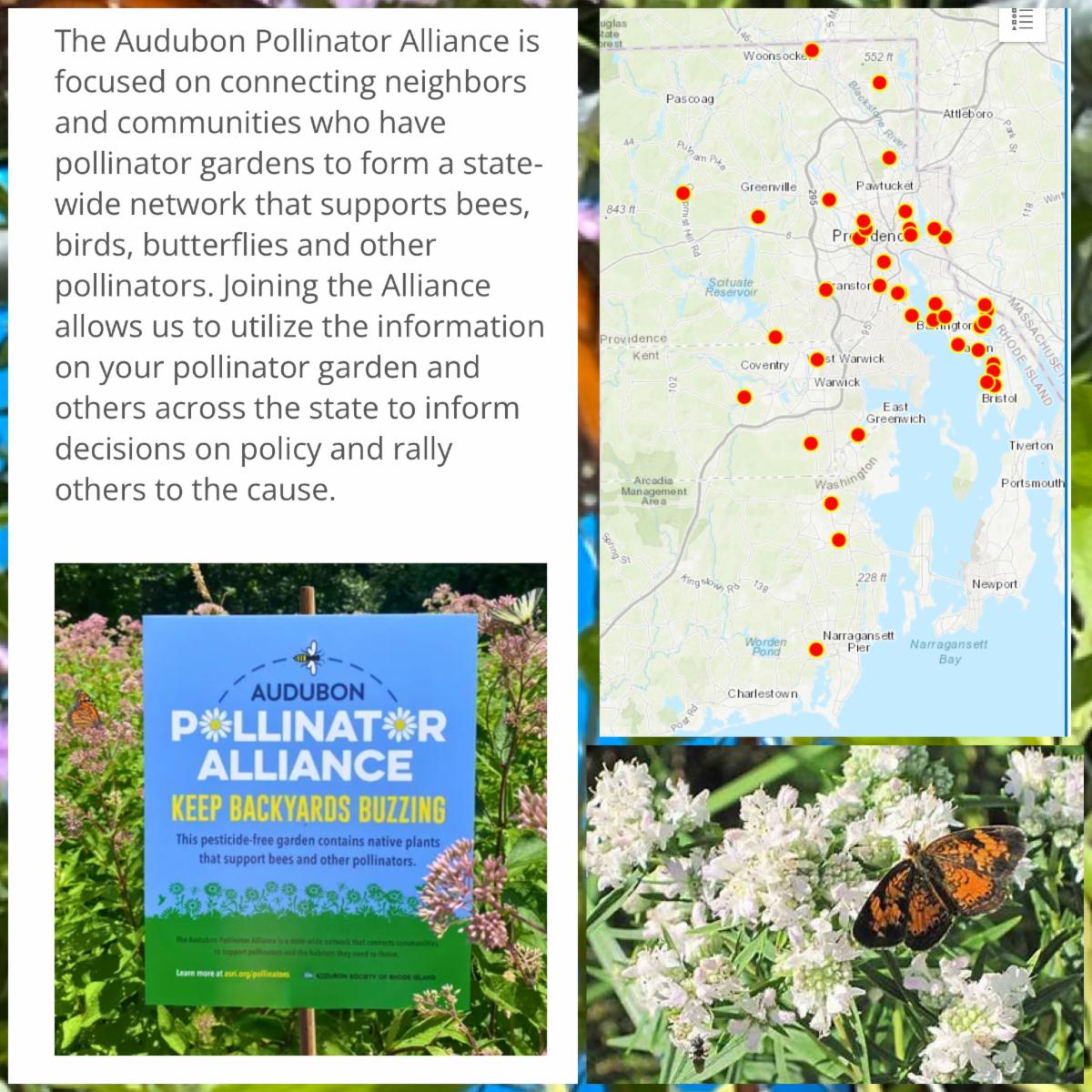
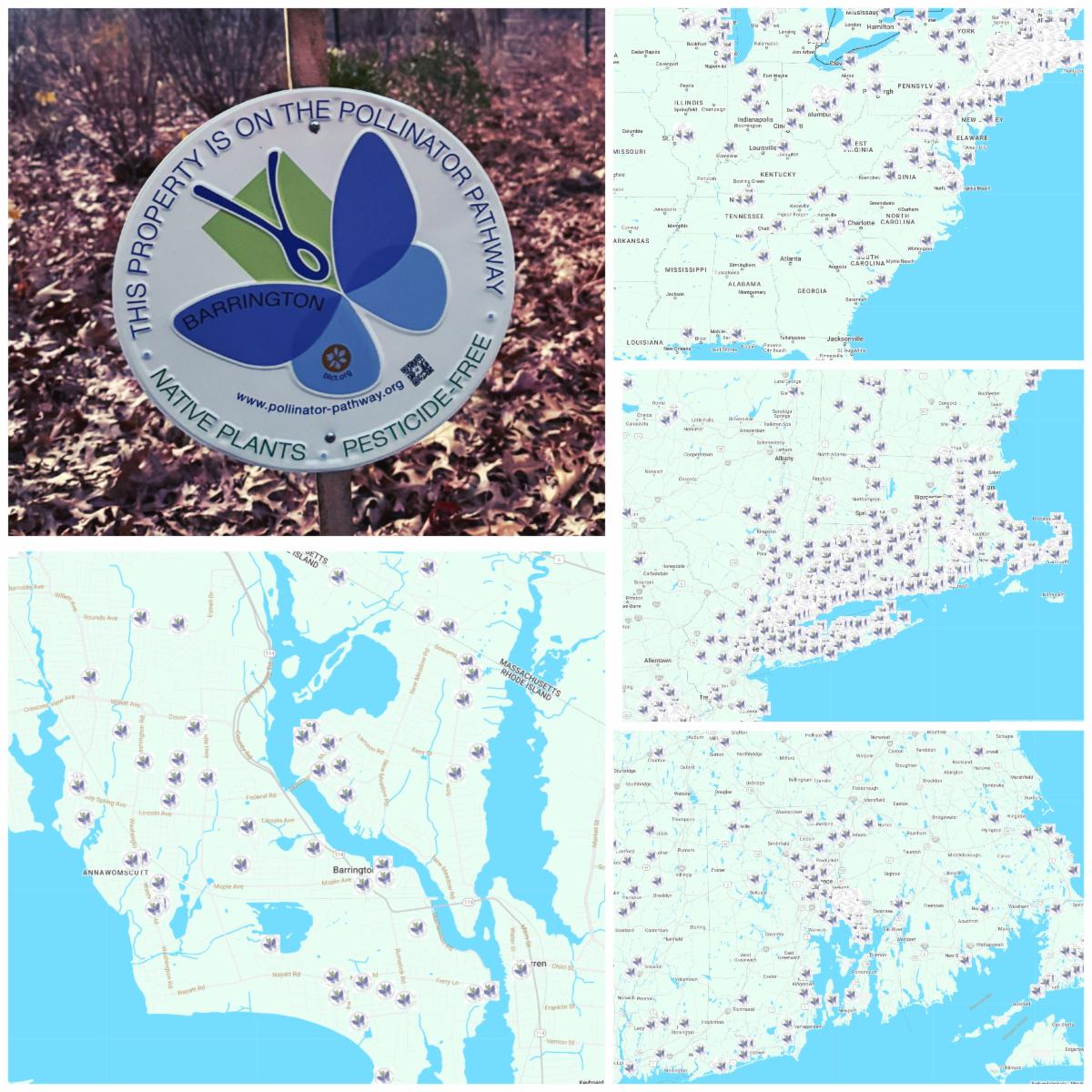
There is a growing buzz about helping pollinators and many area residents are reporting seeing less and less buzzing bees, butterflies, hummingbirds, and other welcome winged visitors this season. Knowing how important helping pollinators is to so many of you we have added even more resources to the Pollinator Page of our website to help you help them! New resources include a Yard and Garden Assessment Guide from the Xerces Society. This detailed guide will help you assess your space and also more importantly will guide you in making a plan to add improvements - large and small - to your home habitat. Also new on the Pollinator Page are sample pollinator planting plans, resources from the Massachusetts Department of Agriculture, and updated links to Pollinator Partners like the RI Audubon Pollinator Alliance, Massachusetts Pollinator Network and the Pollinator Pathway.
| | What's Bugging Us? Pesticides! | |
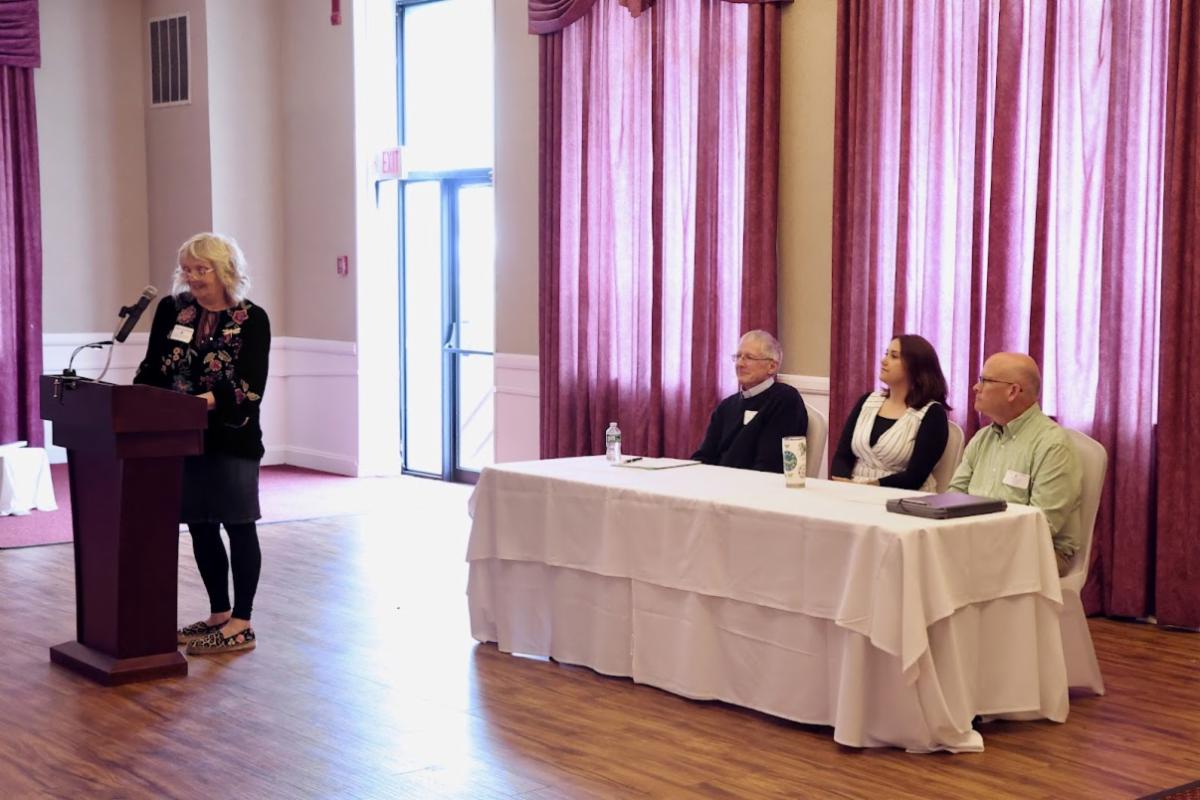
Way back on April 26th, Cindy (Prickly Ed's co-owner) facilitated a Pesticides Panel at the Audubon Society of Rhode Island's "Transforming the Landscape" Symposium. Panelists featured local experts, Dr. Steven Alm and Casey Johnson from the URI Bee Lab and Dr. Scott Rhuren, Senior Director of Conservation for ASRI. A lively discussion focused on the rapidly growing use of pesticides in home landscapes and why it needs to stop right away if we are going to make progress in slowing the decline of pollinators and songbirds!
Pesticides are more than just insecticides, they also include herbicides and fungicides. Our neighborhoods are being blanketed with a plethora of poisons all in the name of creating perfect lawns and pristine ornamental plantings. When we talk about the need to help pollinators, talk often goes to planting native plants and beneficial floral resources to help our winged friends. Far too seldom does the talk include honest information and reflections on the harm being caused by using 10x the amount of pesticides in residential landscapes that are used in commercial agriculture! While getting those essential native plant roots in the ground is job one, preventing harm from toxic chemicals is equally essential.
Perhaps surprisingly, one of the often unintended introductions of pesticides into landscapes comes right in the form of plants themselves. Many nursery plants sold in conventional settings are grown with something called neonicotinoids. You can read more about this problem and what you as a consumer can do about it in this handout from the Xerces Society for Invertebrate Research HERE. And another unintended introduction comes in the form of lawn treatments - even those that might sound harmless like "Weed and Feed" - read more about that HERE.
Use the buttons below to explore more about the problem with pesticides and the power of Transforming our Landscapes!
| | Photo by Richard Staples, ASRI Board Member, Barrington Town Moderator and former work colleague of Cindy's from an entirely unrelated industry. Because in Rhode Island everything is connected! | |
Save the Date!
On Saturday, September 20, 2025 from 1:00-3:00pm things will be buzzing extra loud at Prickly Ed's! Local pollinator experts from the Audubon Society Pollinator Alliance, the Barrington Pollinator Pathway, and other local initiatives will be here to engage with local residents interested in learning more about how you can become more involved in helping to seed positive change for pollinators in your yard and in our communities. Keep an eye on our social media channels for lots more information as the date approaches.
| | | Click Below to Learn More about the Audubon Pollinator Alliance | |
Click Below to Learn More About the Pollinator Pathway |
Learning Opportunities Ahead!
We know from having the opportunity to interact with so many of you here at the Emporium that enthusiasm for ecological gardening is growing and the thirst for knowledge to help guide gardening practices is great. Stay tuned for more information about off-season programming that we will be offering ourselves! But in the meantime here are some wonderful upcoming programs that we think you might enjoy and find inspiring and educational!
| | | |
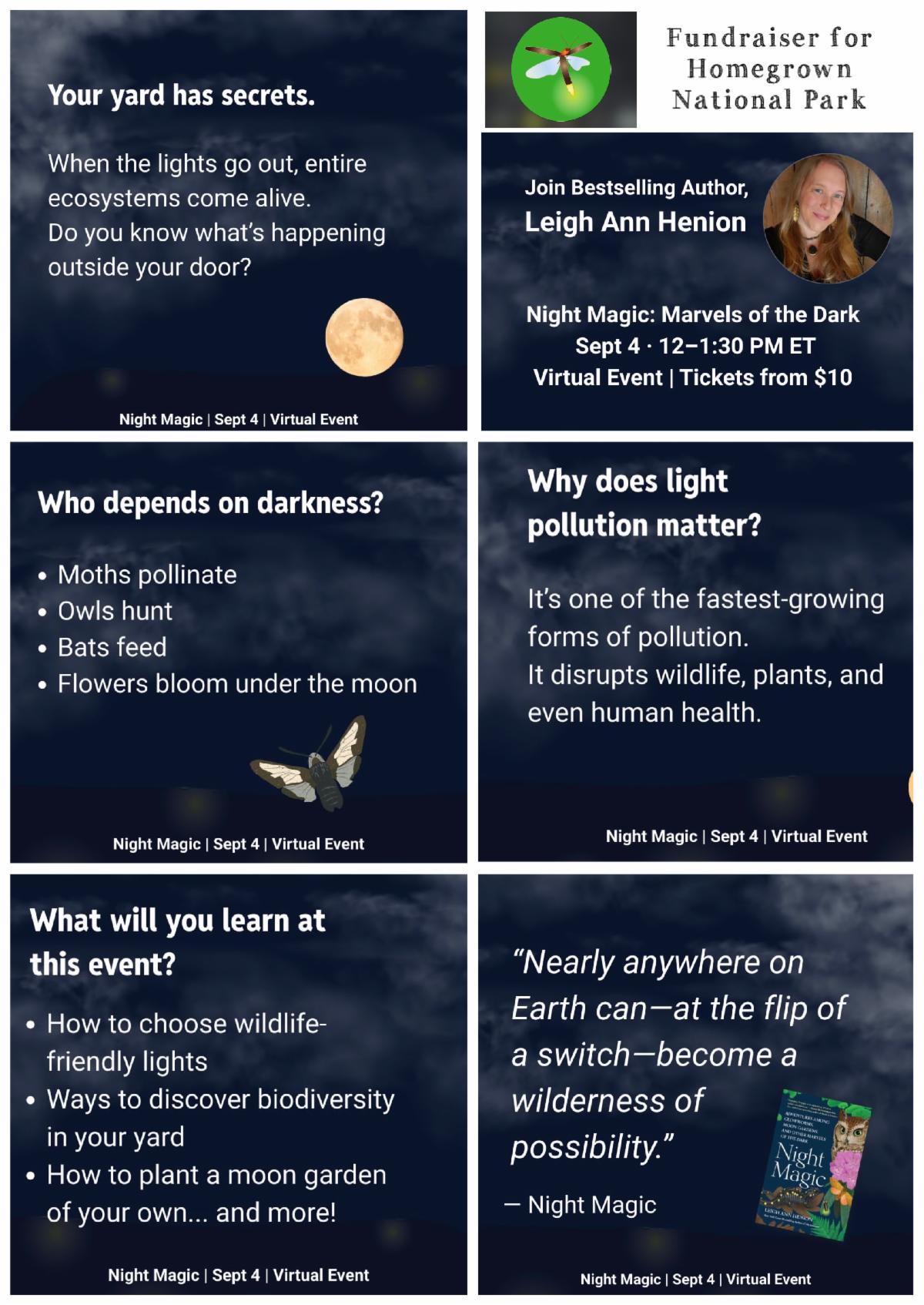
Night Magic: Marvels of the Dark
A Homegrown National Park Fundraiser
September 4, 2025 12-1:30pm
CLICK ON THE IMAGE FOR ALL THE DETAILS!
| | |
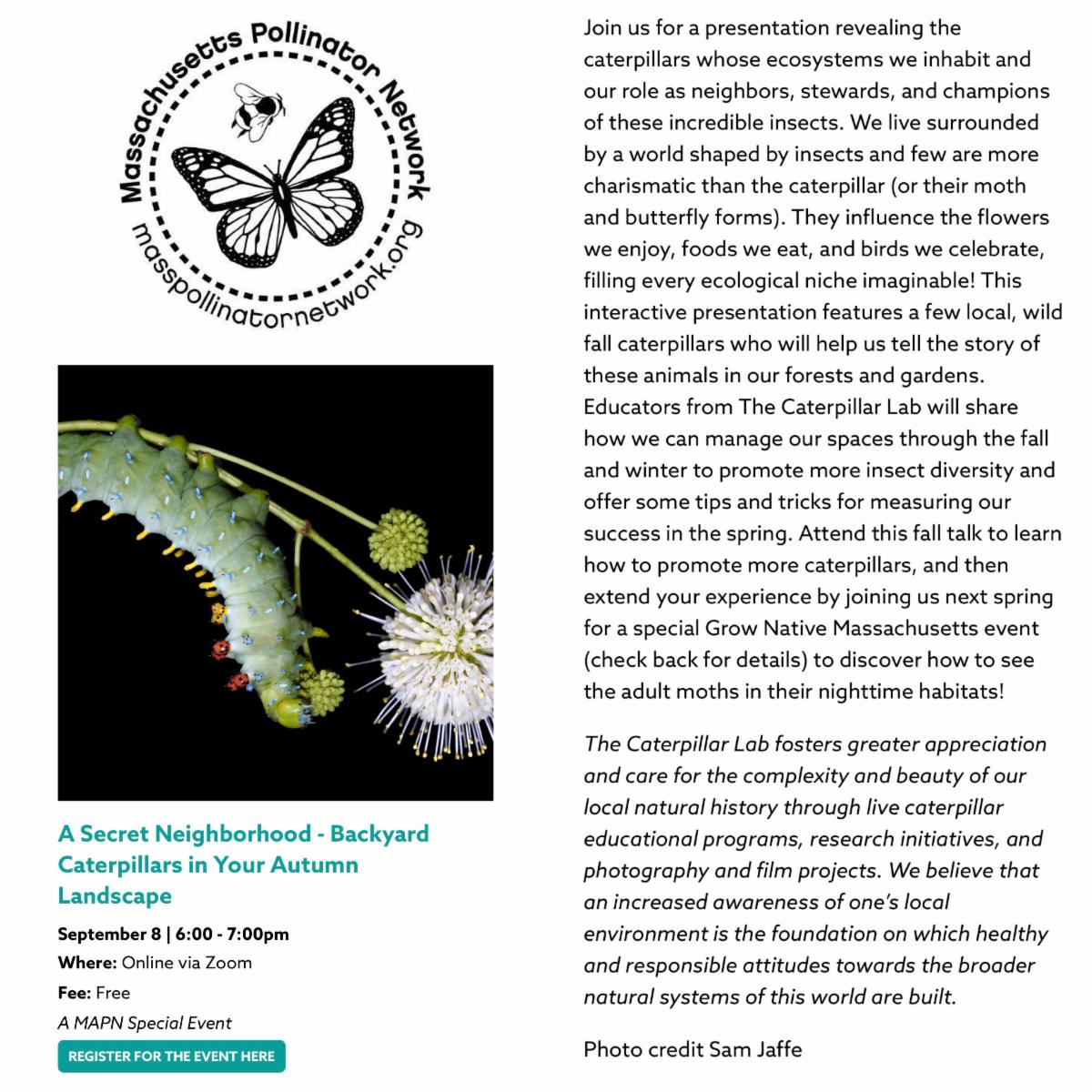
Massachusetts Pollinator Network September Presentation:
Backyard Caterpillars in Your
Autumn Landscape
September 8, 2025 6:00-7:00pm
CLICK ON THE IMAGE BELOW FOR ALL THE DETAILS!
| |
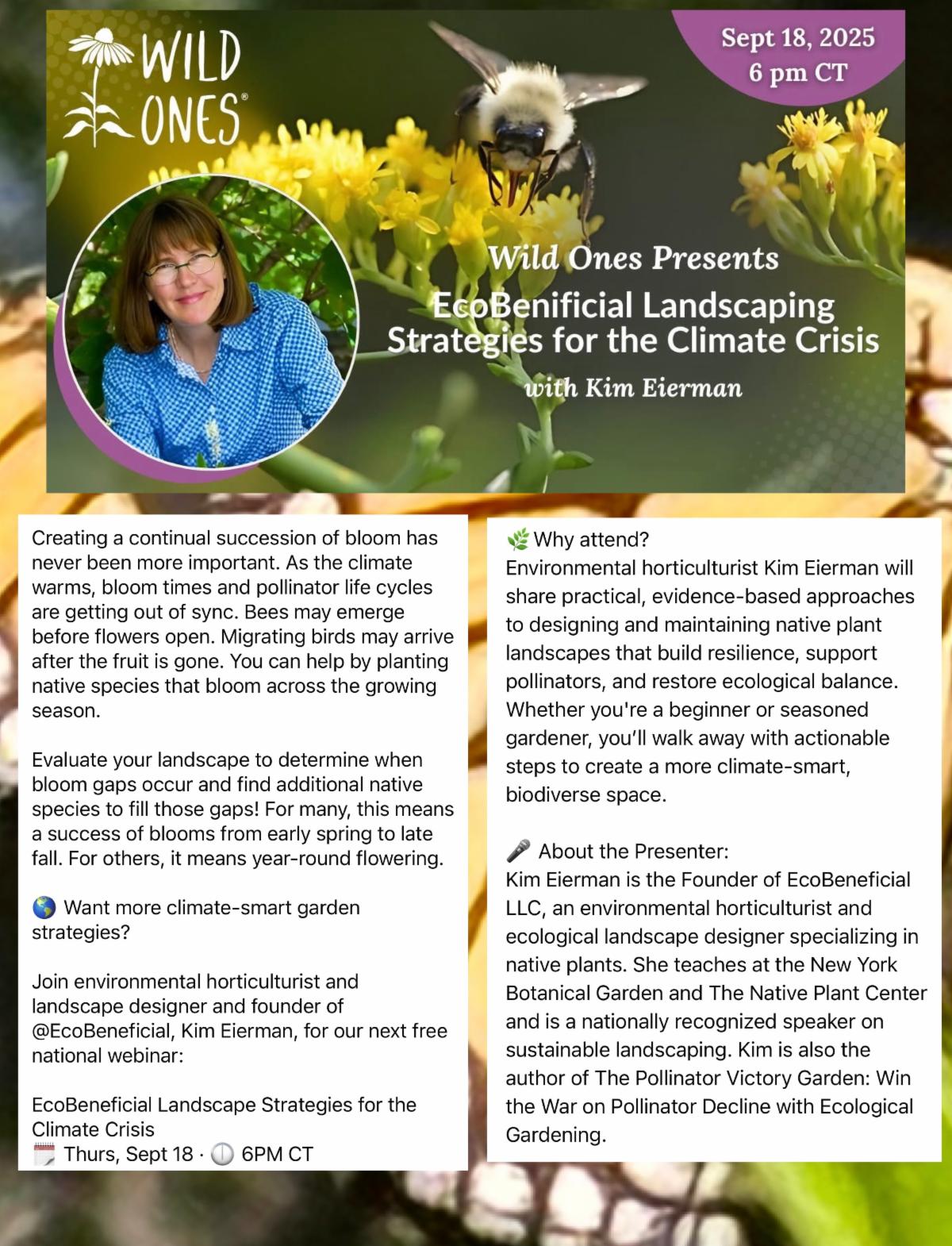
EcoBeneficial Landscaping Strategies for the Climate Crisis - Wild Ones
September 18, 2025 6pm Central Time (7pm Eastern Time)
CLICK THE IMAGE BELOW FOR ALL OF THE DETAILS
| | |
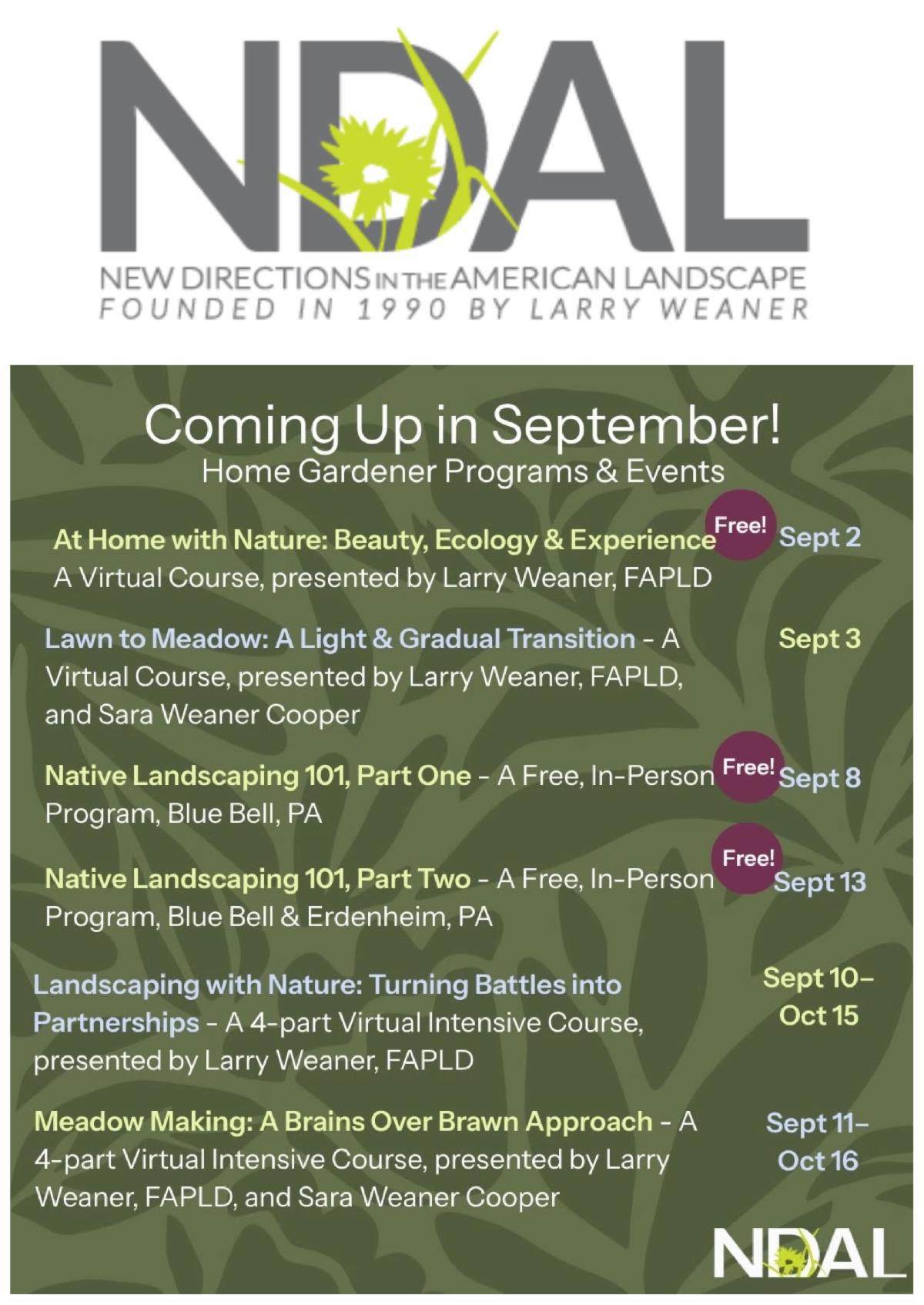
New Directions in the American Landscape
September Programming
One of our own favorite places to turn for professional learning is New Directions in the American Landscape. And now NDAL is offering a variety of programs for home gardeners too! Click on the image below to explore upcoming offerings including an intriguing light touch lawn to meadow overview and a fantastic four part intensive course "Turning Battles into Partnerships".
CLICK ON THE IMAGE BELOW TO EXPLORE OFFERINGS!
| |
Earn Cactus Cash!
Don't forget, shop during our Labor Day Weekend Fall Planting Kick-Off Extravaganza (Friday 8/29, Saturday 8/30, and Sunday 8/31 and earn Cactus Cash. For every $100 you spend you will receive a $20 Cactus Cash Coupon towards any purchase on a future visit.
| |
Garden Planning Resources
A reminder that our website is jam packed full of resources designed to help you on your garden planning journey. Be sure to bookmark the site and visit often!
| |
New to Our Mailing List?
Thanks for joining! If you'd like to take a look at some of our prior newsletters and the resources provided you can view them on our website.
READ PRIOR NEWSLETTERS HERE
We rely nearly entirely on word of mouth to grow our business and achieve our goals of getting more native plants into the ground in our region and more local residents embracing good ecological landscape practices. Know someone who would enjoy reading our news? Share this message using the buttons below.
| | | We are on a mission to bring life back to the area one yard at a time. You can read all about us on our website, including the story of where the name Prickly Ed's Cactus Patch came from. | | | | |