Celebrating Fall Planting Season in this Edition of News from the Cactus Patch
August 28, 2024
| |
|
A tip for reading this (and every) edition of our newsletter. It is long! Save it and come back to it as needed. Make sure you have fully downloaded it in your browser before digging in so that you don't miss any of the best parts.
Be sure to stay connected to us and to the area's ecological gardening movement via social media. Use the buttons below to connect
| |
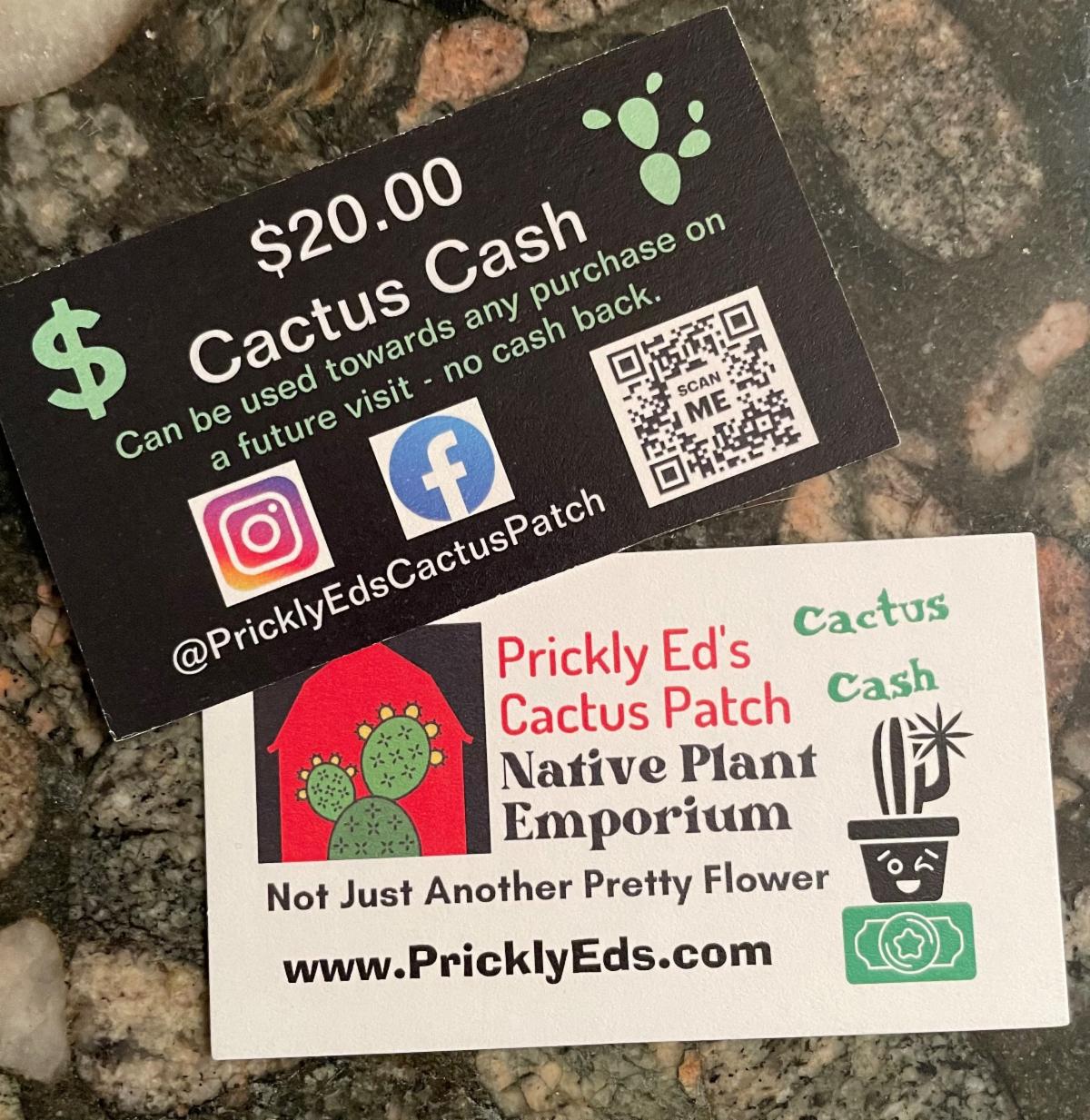
There's no better way to kick off Fall Planting Season than with a Labor Day Weekend visit to Prickly Ed's! And this weekend we are saying thank you to our delightful repeat visitors - many of whom have become cherished friends - with the return of "Cactus Cash"! | |
Fall is the best time for planting! We have a dazzling array of wicked awesome New England Native Plants available for your projects with new inventory arriving weekly through October. | |
|
Currently in stock are more than 220 varieties of Shrubs, Trees, Perennials, Grasses, Vines, Ferns and More! New plants arrive weekly throughout the season - visit often for the best selection. Come explore plants on your wish list and ones you never even knew you needed, until now. We know from talking with you over the summer that many of you have some big projects planned for this fall. We can't wait to hear more about them and see you all start digging in and bringing your plans to life.
If you need larger quantities than we have on hand or are interested in different native varieties than you see, we regularly take and fill special orders. Message us or stop by the Stand to discuss your needs.
And finally, when you visit, don't forget to bring a bucket to get your organic compost - magic dirt from Earth Care Farm in Charlestown, RI. You may also want to check out the amazing Buckwheat Hulls Mulch, the only mulch we recommend other than leaves and organic matter from your property that is! And, its time to get those rain barrels in place. We have some great ones available from Wills Garden.
Click here to Learn More about the Native Plant Emporium and Explore our Latest Plant Availability List.
| |
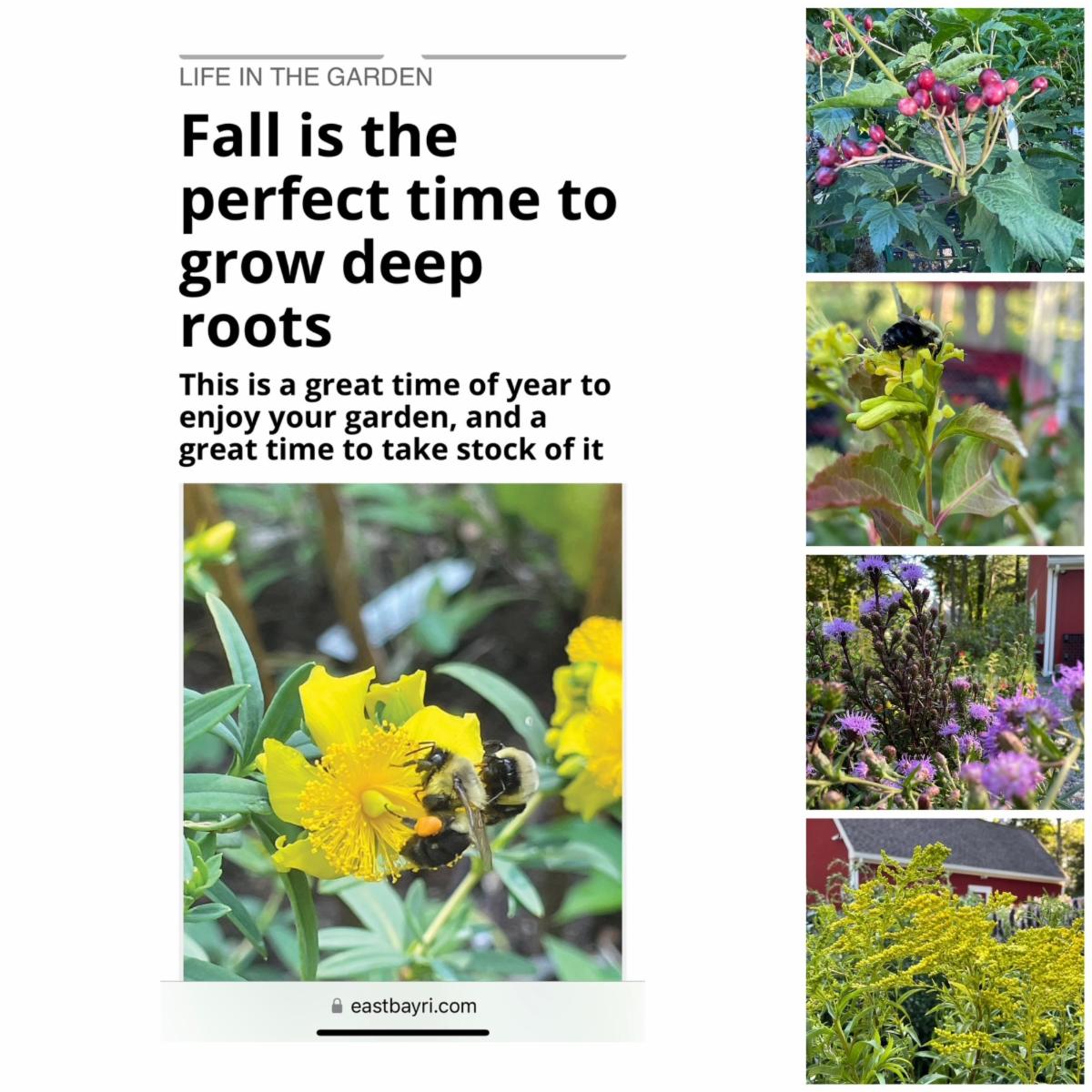 |
Fall is the Perfect Time to Grow Deep Roots!
The August edition of "Life in the Garden", our monthly gardening column in East Bay Life, focused on fall planting. In case you missed it here's a blurb and a link to read it in its entirety online.
Autumn Equinox may still be a few weeks away, but hints of pumpkin spice season have already arrived. For many it is the imminent return of kids to classrooms that marks the shift of summer to fall. For gardeners there are other cues, like gradually fading light and blooms and cooling temperatures that bring relief to gardens and gardeners alike. But don’t close up the garden shed yet. It’s the best time of year to add beneficial plants to your landscape.
Cooling temperatures mean that plant leaves aren’t scorched by the sun and water doesn’t evaporate as quickly, bringing relief to thirsty plants and weary gardeners. Soon plants will stop generating new growth above ground. This coupled with warm soil temperatures creates a perfect environment for plants to put energy into growing deep roots. These deep roots anchor robust and resilient plantings when next summer’s scorchers come around.
Come fall you have had a whole season to work in, play in and learn from your yard. Light patterns and soil textures are fresh in your mind, and you’ve discovered which parts of the landscape always need or always collect water. Also top of mind are plants that thrived and the ones that did not. These learnings can guide you to make better decisions about new additions to the garden. After all, the ultimate key to success is putting the right plant in the right place.
When we talk about fall planting, we are specifically talking about shrubs, trees, vines, grasses, ferns, and hardy perennials, ideally northeast native ones. Native plants offer the greatest ecological benefits, don’t require the use of pesticides or fertilizers, and if sited correctly have minimal water needs once established. They are important tools in stormwater management, pollutant filtering and erosion control. And having shared an evolutionary history with native wildlife they form the base of natural food webs.
Click Here to Continue Reading Online...
| | | |
Be sure to tune in to Nature Gardening with Doug Tallamy on September 3rd and get inspired to bring nature back home to your yard and your community. Click on the image below for details and to register for this important virtual event.
We are pleased to be a sponsor of the Barrington Land Conservation Trust 2024 Learning Series.
| | | |
"Someone is sitting in the shade today because someone planted a tree a long time ago" (Warren Buffet)
As we head into fall planting season, remember that one of the best ways you can improve habitat for pollinators, birds and wildlife while also helping cool your yard and community, manage stormwater, and reduce pollution is by planting a tree. Already have lots of trees? That's great, be sure to keep them and expand their benefits by creating a layered habitat that also incorporates shrubs, perennials and native grasses for maximum impact!
| |
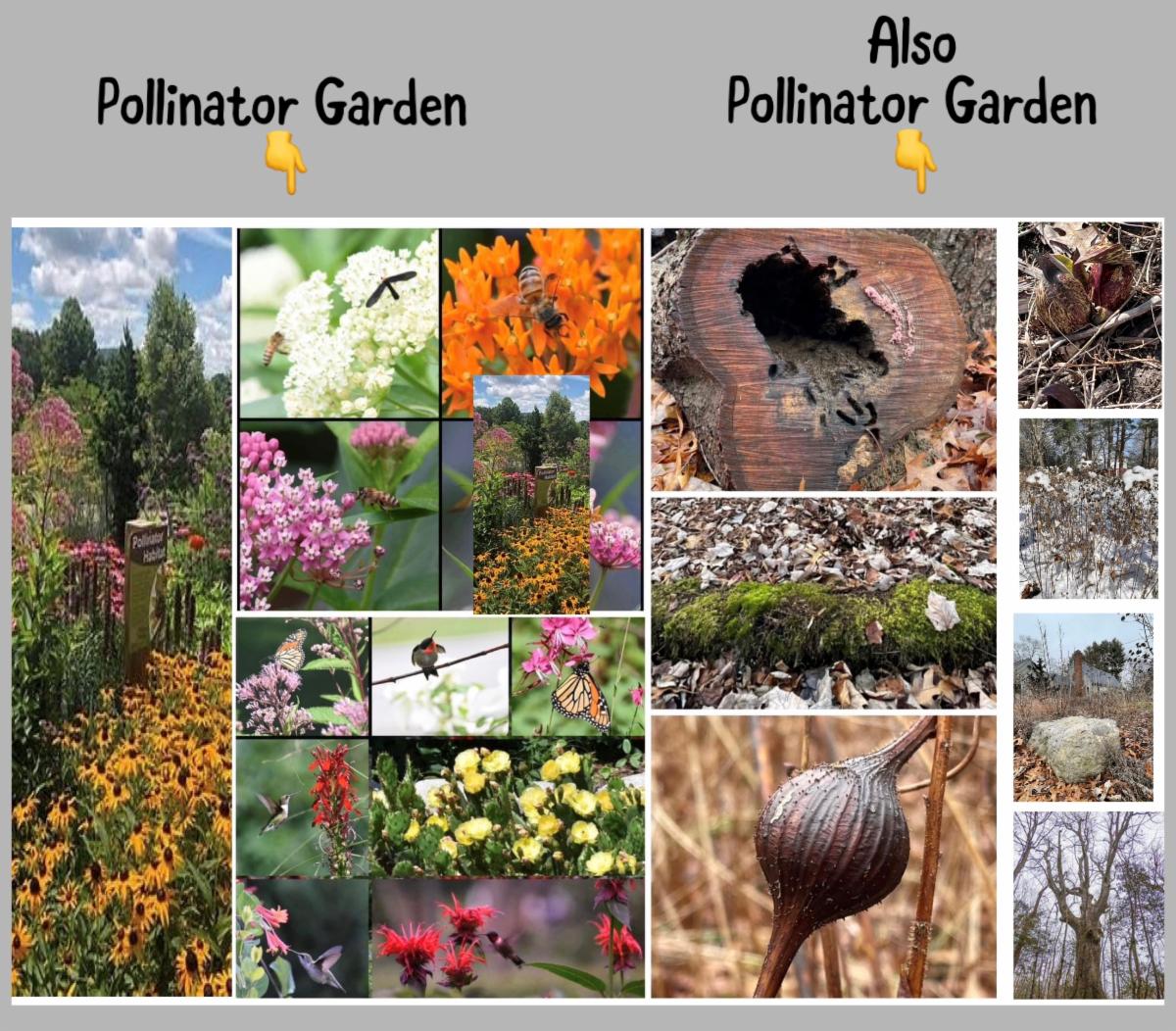
A Reminder - Your Yard is Your Pollinator Garden!
Pollinator Gardens are trending and we love seeing so many people catching this buzz! This is your reminder that there are lots of ways that you can help pollinators at home and in the community. When we think about pollinators and pollinator gardens what comes to mind is the showy flowers where we are most likely to personally see these wonderful bees, butterflies, birds (including hummingbirds) and other magical creatures. But without the host plants that pollinators need to complete their full life cycle, and without the habitat conditions they need to survive and thrive, they will never make it to the showy flowers at all. The truth is that all of the corners of your yard, and all of the ways you maintain your space are intertwined in their importance for pollinator health.
Click here to explore more on this important topic
| | | |
Join us in September as we raise money for important local organizations doing great work in our community! From September 6th - 8th, 10% of all sales dollars will be donated to the Audubon Society of Rhode Island, and from September 13th - 15th, 10% of all sales dollars will be donated to the Barrington Farm School and Barrington Land Conservation Trust to help with their pro-pollinator programming. Read all the details below. | |
 | |
We are happy to be raising dollars for the Audubon Society of Rhode Island and equally excited to bring additional attention to their important work. ASRI is an independent, not-for-profit environmental organization dedicated to statewide environmental education, conservation and advocacy. Established in 1897, it is the oldest environmental organization in the state. Audubon is one of the largest environmental educators in Rhode Island, reaching well over 20,000 students of all ages each year. Since acquiring its first wildlife refuge in 1924, Audubon Society of Rhode Island has grown to become one of the largest private landholders in Rhode Island. It now protects nearly 10,000 acres of wildlife habitat for future generations of Rhode Islanders. Many Audubon wildlife refuges are open to the public for wildlife viewing and enjoyment. Its vigilant advocacy programs and partnerships have kept the public and government informed of threats to the environment for over 100 years. LEARN MORE HERE WWW.ASRI.ORG
Our fundraising weekend is timed to coincide with Raptor Weekend, New England's largest celebration of birds of prey! LEARN MORE HERE.
Audubon has also launched a new Pollinator Alliance. We have already signed up and hope that you will too! Click on the image below to explore all the details and register your property today.
|  | | | |
What's that Buzz all Around Barrington? | |
Speaking of backyard buzz, there's plenty happening across Barrington - indeed all of the East Bay - where the Pollinator Pathway initiative continues to grow! On September 15, 2024 a first of its kind in our region Pollinator Pathway Tour will take place. This self-guided tour will find participants exploring 14 private and public properties being gardened and managed with pollinators in mind. It's a chance to see spaces in action. But, more importantly it is a chance to connect with neighbors working hard to bring life back to the community. Join in and help grow the buzz! Learn more about the tour and sign up to participate by clicking on the image below. We'll be there and will be looking for all of your friendly faces too! | |
One of the most important things we can do to protect pollinators, not to mention our own health is to eliminate the use of pesticides. Have you ever turned to advice from online gardening forums about damage on your garden plants? Chances are, you’ve encountered one of these eight common myths about pesticides in the garden. In this August 2023 blog from Xerces, they separate pesticide fact from fiction to help you take a pollinator-first approach to garden management. Click HERE or on the image below to read the full article. | |
What's Bugging You?
We get lots of questions about "pests" here at Prickly Ed's. Everyone loves to see a butterfly but far fewer people are excited about caterpillars eating the leaves on their plants. Yet, no caterpillars = no butterflies! That's the way the world works! Nearly everyone can spot an aphid, but far fewer people are familiar with syrphid flies like the one shown in the photo here. These flies are the second most efficient pollinators following bees and serve an equally important role in pest control. Their larvae can successfully eradicate up to 100% of aphids on a plant. Adults will raise their families on plants that are infested with aphids and lay eggs matched to aphid population numbers.
Pest questions are so common that we made this the theme of our July "Life in the Garden" Article for East Bay News titled "A Healthy Ecosystem is the Best Pest Control". In case you missed the article when it ran here is an excerpt:
"Many seasoned gardeners know that mid-summer is also the time to keep an eye out for pests that are the bane of vegetable and ornamental gardeners alike. There is no shortage of products that can be purchased or concocted to eradicate everything creeping and crawling in your garden. Clever marketing might even make it seem like some of these chemical cocktails will only hurt bad bugs. But most pesticides are broad spectrum and don’t differentiate between beneficial bugs, pollinators and true pests. Entomologists estimate that less than 3% of insects are pests, most creatures you observe at different life stages in your garden are beneficial. And most have voracious appetites for the pests that are attacking your plants.
The real solution to bountiful pest-free harvests and lush gardens isn’t found in a bottle on a shelf, it rests in the creation of a thriving ecosystem that respects and nurtures nature’s food webs. This method of pest management is known as biological control or biocontrol, and it is rooted in science and ecology. In biocontrol you take active steps to welcome insects back to your yard. Yes, you read that right, actively invite insects to come live in your yard and garden. Once robust populations of beneficial insects are established, they will perform pest control services for you, but you must let them do their jobs."
Click Here to Read the Full Text of the Article on our Website
| | | |
Coming in September - Baywise Banter...
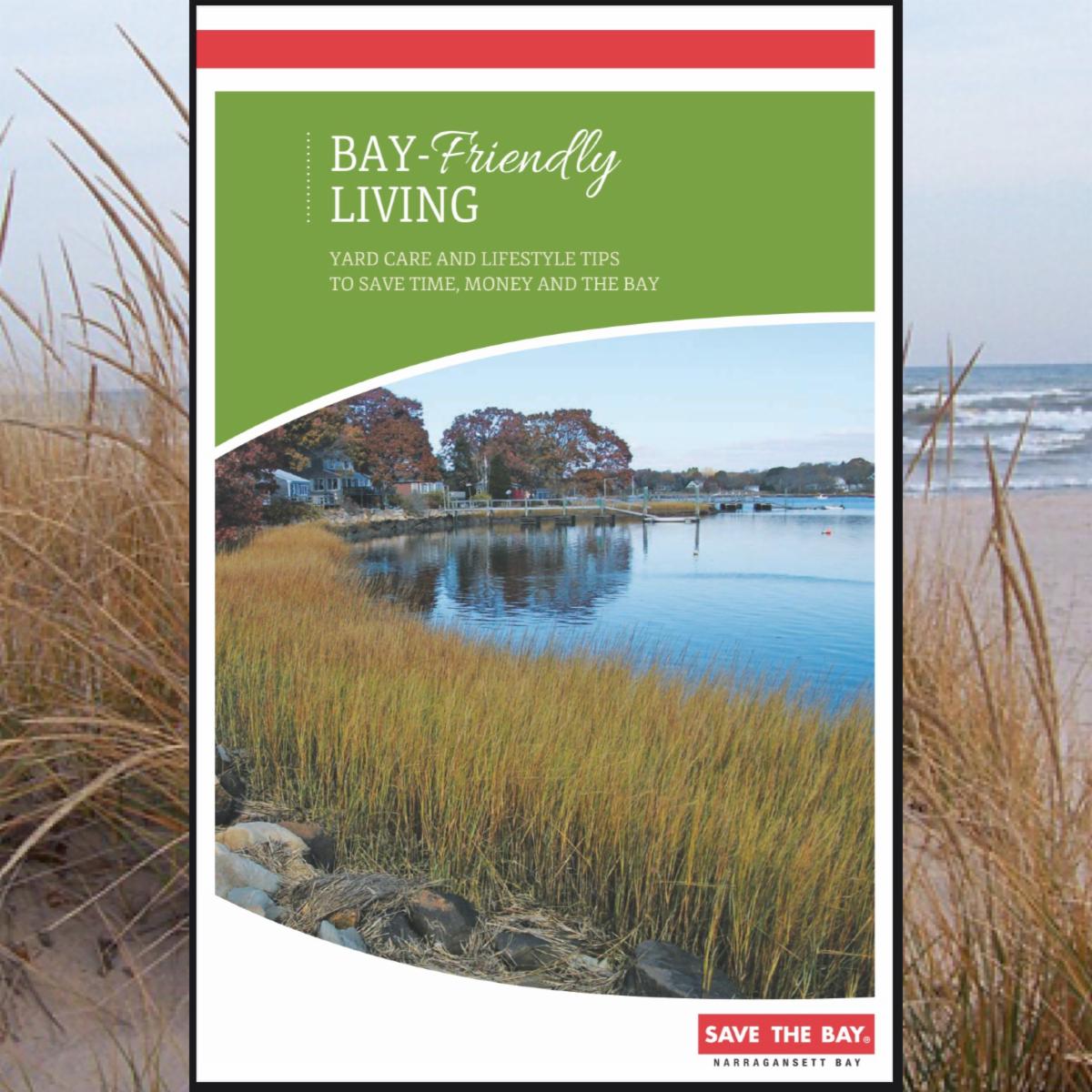
When discussing native plants the focus is often on all of their many benefits for pollinators, birds and wildlife. And those benefits are well studied and pretty powerful. What is talked bout less are what amazing tools they are in preserving and protecting our shared waterways. They are essential tools in managing stormwater runoff and its myriad of ill effects, and can be remarkable tools in mitigating flooding on local properties. Native plants are also waterwise, requiring less use of water resources during periods of drought. During the month of September we will be highlighting projects that use native plants as stormwater tools and will be sharing lots of resources you can use right at home. Be sure to stay tuned in to social media for all of the latest. In the meantime, start exploring this topic with the resources below.
| |
Earn Cactus Cash!
Don't forget, shop during our Labor Day Weekend Fall Planting Kick-Off Extravaganza (Friday 8/30, Saturday 8/31, and Sunday 9/1 and earn Cactus Cash. For every $100 you spend you will receive a $20 Cactus Cash Coupon towards any purchase on a future visit. Applies to in stock items and special orders placed and fully paid during the Wacky Weekend Window!
| |
Garden Planning Resources
A reminder that our website is jam packed full of resources designed to help you on your garden planning journey. Be sure to bookmark the site and visit often!
| |
New to Our Mailing List?
Thanks for joining! If you'd like to take a look at some of our prior newsletters and the resources provided you can view them on our website.
READ PRIOR NEWSLETTERS HERE
We rely nearly entirely on word of mouth to grow our business and achieve our goals of getting more native plants into the ground in our region. Know someone who would enjoy reading our news? Share this message using the buttons below.
| |
|
We are on a mission to bring life back to the area one yard at a time. You can read all about us on our website, including the story of where the name Prickly Ed's Cactus Patch came from. | | | | |