Weekly Newsletter:

May 6, 2026

The Unexpected Costs of Home Modifications, Specialized Care, Transport, and Medications Compounded by the Loss of Income

Being a family caregiver is a rewarding yet challenging responsibility. Whether caring for a loved one with chronic illness, disability, or memory loss, the emotional and physical demands are significant. However, one of the most difficult aspects of caregiving is often the financial burden it places on the caregiver and their family. Home modifications, specialized care, transportation, medications, and the loss of income are all unexpected costs that can make caregiving an overwhelming financial strain. 


At the end of this article, you will find the contact information for DayBreak Adult Care’s Injury Prevention Coordinator, De'Andre Hancock-Harris, who can share information regarding the purpose and acquisition of durable medical equipment (DME) focusing on improving user stability, enhancing mobility, and ensuring safety during daily activities, all while reducing the risk of injury. By offering support, assisting with transfers, and alerting caregivers, DME enables individuals to maintain their independence while minimizing or preventing the impact of falls.

1. Home Modifications: Adapting to Changing Needs

As a loved one’s needs evolve, caregivers often find themselves needing to make modifications to the home to ensure safety, comfort, and independence. These adjustments can range from installing grab bars and wheelchair ramps to widening doorways or renovating bathrooms to accommodate a wheelchair or walker.

The costs for home modifications can be steep, especially when the changes required are extensive. A standard bathroom renovation to make it accessible for a wheelchair can cost between $5,000 and $15,000, while more complex renovations can run much higher. Even smaller adjustments, such as adding a ramp or stairlift, can cost anywhere from $1,000 to $10,000.


Many caregivers are caught off guard by these costs and often have to finance these projects out of pocket, as insurance may not cover the expenses unless certain conditions are met. Programs like Medicaid may offer some financial support, but accessing these resources can be difficult and time-consuming.


2. Specialized Care: Hiring Help or Paying for Facilities

In many cases, caregiving responsibilities become too demanding for one person to handle alone, necessitating the hiring of specialized care providers or seeking assistance from a healthcare facility. Whether hiring a home health aide, enrolling a loved one in an adult day program, or considering long-term care options, these services come at a significant cost.


Home health aides can range in price from $15 to $30 per hour, depending on the level of care required and the geographic location. For more intensive care, such as nursing services, the cost can increase exponentially. The financial impact is compounded by the potential need for round-the-clock care, which could escalate to several thousand dollars per month.


Many caregivers also face the possibility of placing a loved one in an assisted living facility or nursing home. In the U.S., the average cost of a nursing home is approximately $7,500 per month for a semi-private room, with some areas charging even more. For families who are already stretched thin, these costs are burdensome and can lead to long-term financial strain.


3. Transportation: The Costs of Mobility

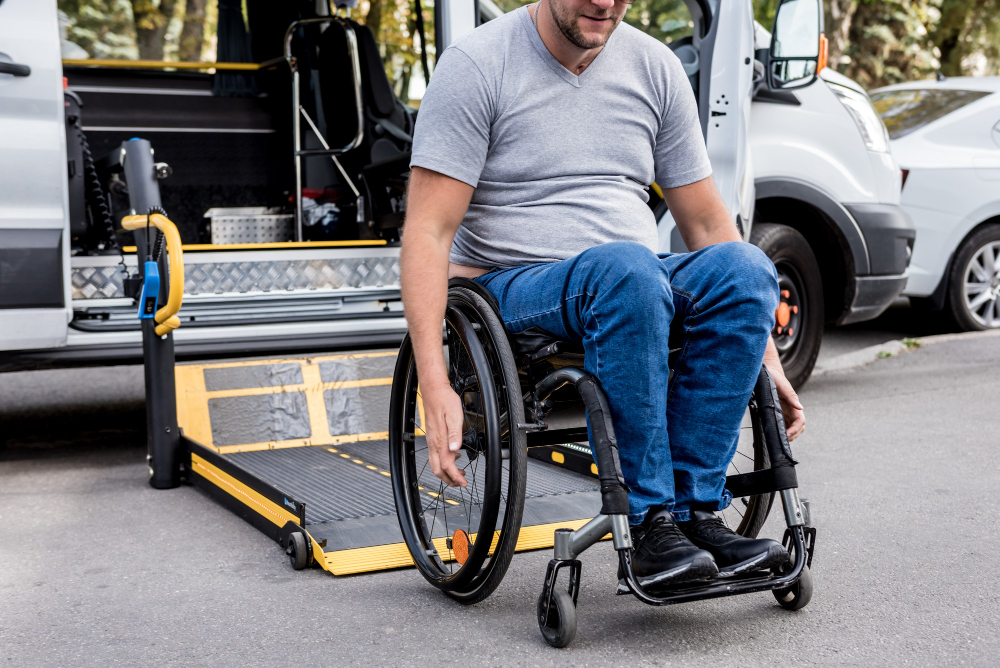
Transporting a loved one to doctor’s appointments, therapy sessions, or social activities often requires more than just a car. For individuals with mobility issues or those in wheelchairs, transportation needs may require modifications to the family car, such as adding a wheelchair lift or purchasing an accessible vehicle. These modifications can range from a few thousand dollars for basic lifts to over $50,000 for fully accessible vehicles.


Even without needing a modified vehicle, the costs of transportation can still add up. Caregivers often spend considerable time driving their loved ones to appointments, and the costs for fuel, parking, and public transportation can accumulate quickly. When factoring in the toll of time spent away from work, the financial burden increases further.

4. Medications and Medical Supplies: Ongoing Expenses

Medications and medical supplies are another major expense for families caring for a loved one. Prescription medications can be incredibly costly, especially for chronic conditions like dementia, cancer, or heart disease. Even with insurance, many medications require high co-pays or are not covered by plans at all. Specialty medications, such as biologics or advanced treatments for neurological conditions, can cost hundreds or even thousands of dollars a month.


In addition to medications, many caregivers are responsible for managing and acquiring medical supplies such as incontinence products, wound care supplies, or mobility aids. These costs can add up to hundreds of dollars per month. With the added need for medical equipment like oxygen tanks, walkers, or specialized beds, families find themselves managing an increasingly complex web of medical expenses.


5. Loss of Income: The Financial Strain of Caregiving

Perhaps one of the most difficult and often overlooked costs of family caregiving is the loss of income. Many caregivers must reduce their working hours, take a leave of absence, or even quit their jobs entirely to provide care. The emotional and physical strain of caregiving can make it difficult to balance full-time work with caregiving responsibilities, leading to lost wages or the need to dip into savings.


For caregivers who are the primary breadwinners, this can have devastating financial implications. Studies have shown that family caregivers often face significant financial hardship due to lost income, with some caregivers spending upwards of $20,000 annually out-of-pocket to provide care.


6. The Hidden Costs of Caregiving

In addition to the obvious costs of home modifications, specialized care, transportation, medications, and income loss, there are numerous hidden costs of caregiving. These include:

  • Mental and emotional toll: Caregivers often experience burnout, anxiety, and depression, which can impact their ability to work and lead to healthcare expenses for their own well-being.
  • Social isolation: The demands of caregiving can leave caregivers isolated, reducing their social support and causing a sense of disconnection. This social isolation can affect mental health, adding to the financial and emotional stress.
  • Legal and financial planning: Many caregivers find themselves navigating complex legal and financial situations, such as Power of Attorney (POA) or advanced care directives, which may require the assistance of attorneys or financial planners.

Conclusion: Navigating the Financial Burden

The financial burden of caregiving is one of the most significant challenges faced by families caring for loved ones. While there are resources available to help mitigate some of the costs, many caregivers find themselves underprepared for the sheer scale of expenses involved. Whether it's home modifications, specialized care, transportation, medications, or the loss of income, the unexpected costs of caregiving can feel overwhelming.


To ease this burden, caregivers should explore financial assistance programs, such as Medicaid, veterans’ benefits, or tax credits for caregiving expenses. It may also be beneficial to speak with a financial planner or legal advisor to ensure that they are making the most of available resources.


Ultimately, while the financial toll is high, the impact of caregiving extends beyond money. By finding ways to balance care responsibilities with financial stability, caregivers can provide the best possible care for their loved ones while also safeguarding their own future.


DayBreak Adult Care Injury Prevention Coordinator, De'Andre Hancock-Harris

  • de'andre@daybreakac.org
  • 510-876-6646

— Roger Skillin, MS

Operations Manager at DayBreak

Upcoming Events & Workshops 📣

Join Our Community of Care 💜

Your gift helps ensure seniors have the safety of a secure home and the support they need to age with dignity. Thank you for being part of our mission!

If you know an elder in need of our care and coordination services, or a caregiver seeking support, please encourage them to reach out to us at: 

510-834-8314

Web  LinkedIn  YouTube  Facebook  Instagram