Communication Is MORE Than Words
(Gestures, Eye Gaze, Sounds, and Routines)
When we think about communication, we often think about words—but for young children, especially in the early years, communication is so much more than that. Before children use words, they are already communicating in many meaningful ways.
Your child may use gestures like pointing, reaching, or waving to express their wants and needs. They may use eye gaze to show interest in a toy or to connect with you. Sounds, such as babbling, squealing, or changing tone, are also important ways children communicate. Even daily routines—like mealtime, bath time, or getting ready for bed—are full of opportunities for connection and communication.
These early forms of communication are the building blocks for language development. When you notice and respond to them, you are helping your child learn that their communication matters.
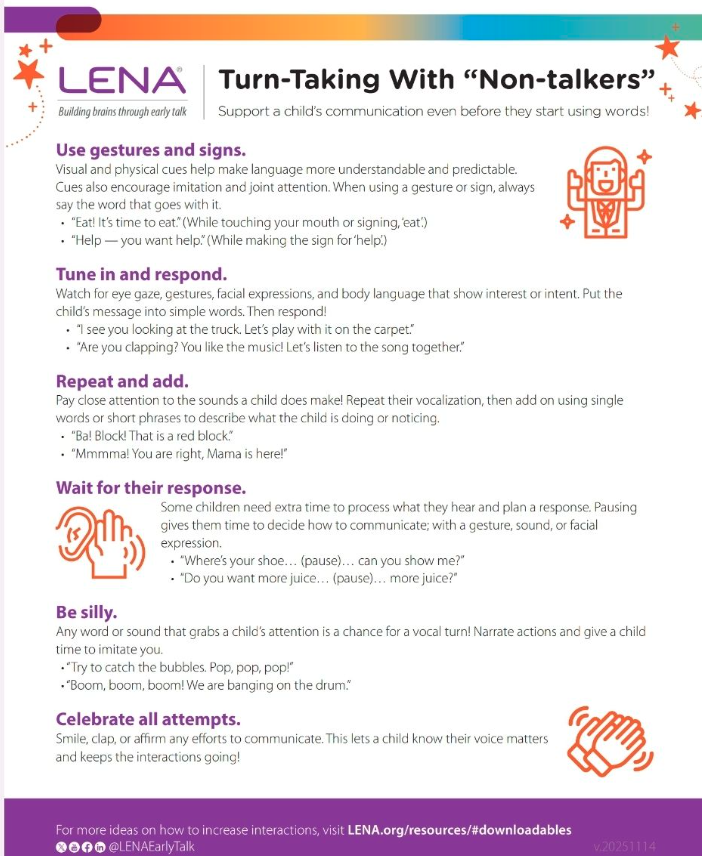
If your child is not yet using words, there are many simple and meaningful ways you can interact and build communication together:
- Follow your child’s lead—join in what they are interested in during play
- Get face-to-face so your child can see your expressions and mouth movements
- Use gestures like pointing, waving, or clapping while you talk
- Pause and wait to give your child a chance to respond in their own way
- Imitate your child’s sounds and actions to show you are listening
- Use simple words and repeat them often during everyday routines
- Offer choices (e.g., “Do you want the ball or the book?”) and watch how they respond
- Narrate what’s happening (e.g., “You’re pushing the car! Go, go, go!”)
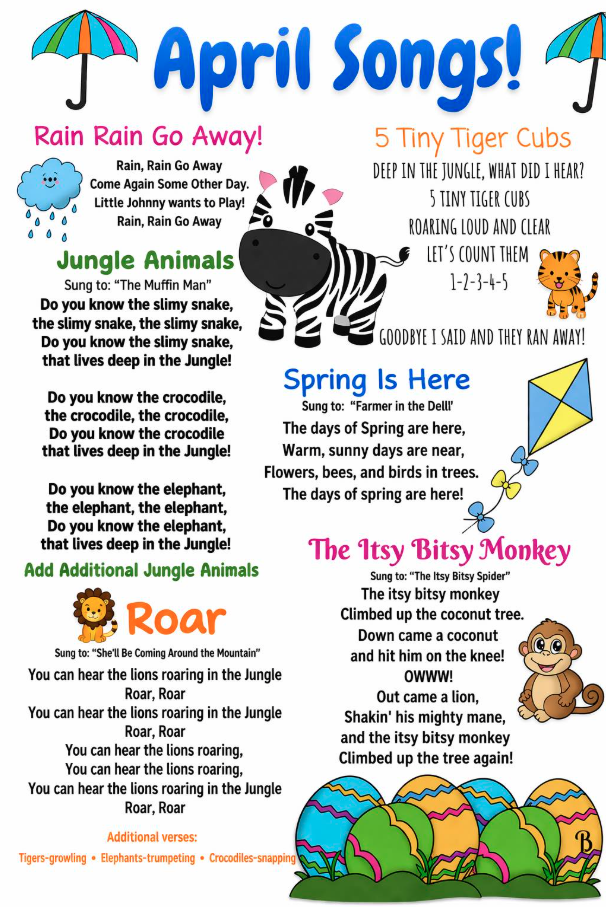
- Sing songs and use finger plays to build connection and engagement
- Celebrate all attempts to communicate, no matter how small
Remember—you don’t need words to communicate. Every look, sound, gesture, and shared moment is part of the conversation. And the most important thing your child learns is that you are listening and responding.
|