New Year, New Goals…
One Flush at a Time
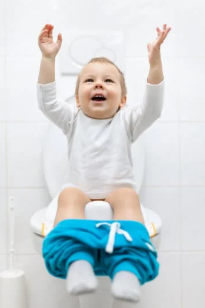
Guiding Children Through Toilet Training
For many families, the new year brings thoughts about toilet training. If your child has communication delays or sensory differences, it’s important to know that toilet training doesn’t have to follow a strict timeline. Readiness looks different for every child—and that’s okay!
Start With Readiness, Not Pressure
Toilet training is about more than using the toilet. It includes body awareness, communication, sensory comfort, and predictable routines. Some signs your child may be getting ready include:
- Showing awareness of being wet or dry
- Interest in the bathroom or watching others
- Ability to sit for a short time
- Following simple routines
If these signs aren’t there yet, it doesn’t mean your child won’t be ready—it just means they may need more time.
Supporting Children With Communication Differences
Children don’t need words to start learning toilet routines. You can support communication by:
- Using simple, consistent words (like “bathroom,” “sit,” or “all done”)
- Pairing words with gestures, pictures, or visual cues
- Keeping language short and calm
- Praising effort, not just success
Supporting Children With Sensory Differences
Bathrooms can feel overwhelming for some children. To help build comfort:
- Let your child explore the bathroom without pressure
- Practice sitting on the toilet fully clothed at first
- Notice sensory needs (lighting, sounds, seat feel)
- Keep the experience calm and predictable
Taking small steps can help your child feel safe and confident.
Build Toilet Learning Into Daily Routines
Rather than asking all day long, try connecting toilet time to routines you already have:
- After waking up
- Before bath time
- Before leaving the house
- After meals
Using the same times each day helps your child know what to expect.
Books and Cartoons Can Help
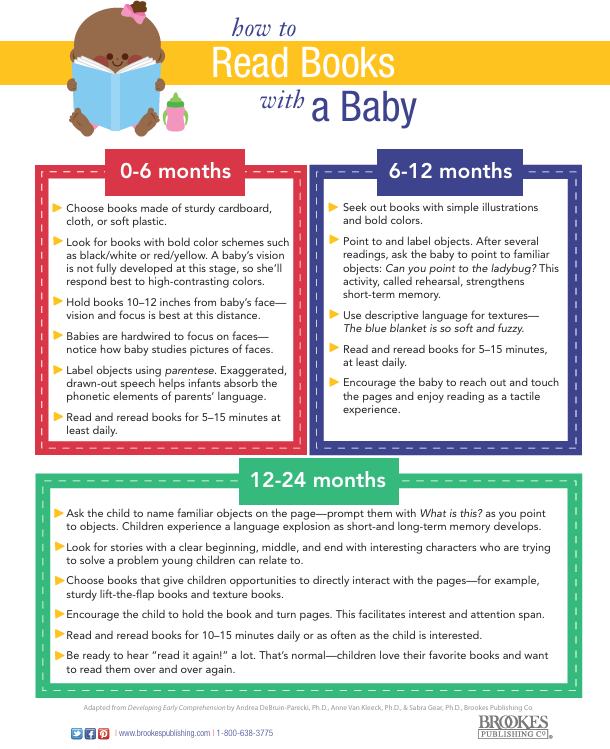
Reading potty-themed books or watching short, fun cartoons about using the toilet can make learning feel playful and exciting. Children love seeing characters go through the same steps they are learning. Choose books with simple pictures, repetition, and humor, and watch cartoons together to spark conversation about what happens in the bathroom. These activities can help your child understand the process, feel more confident, and even enjoy potty time.
Progress Looks Different for Every Child
There may be pauses, setbacks, or days when nothing seems to click—and that’s normal. Remember, every child is different! Toilet training is not a race and not a measure of parenting success. Supporting your child with patience and understanding makes a big difference!
*This information is meant to support families and is not a substitute for medical advice. If you have concerns about your child’s health or toileting habits, please talk with your child’s pediatrician or healthcare provider.*
|