Creating a Safe & Engaging Play Space for Babies & Toddlers
When it comes to supporting your child's development, you don't need a
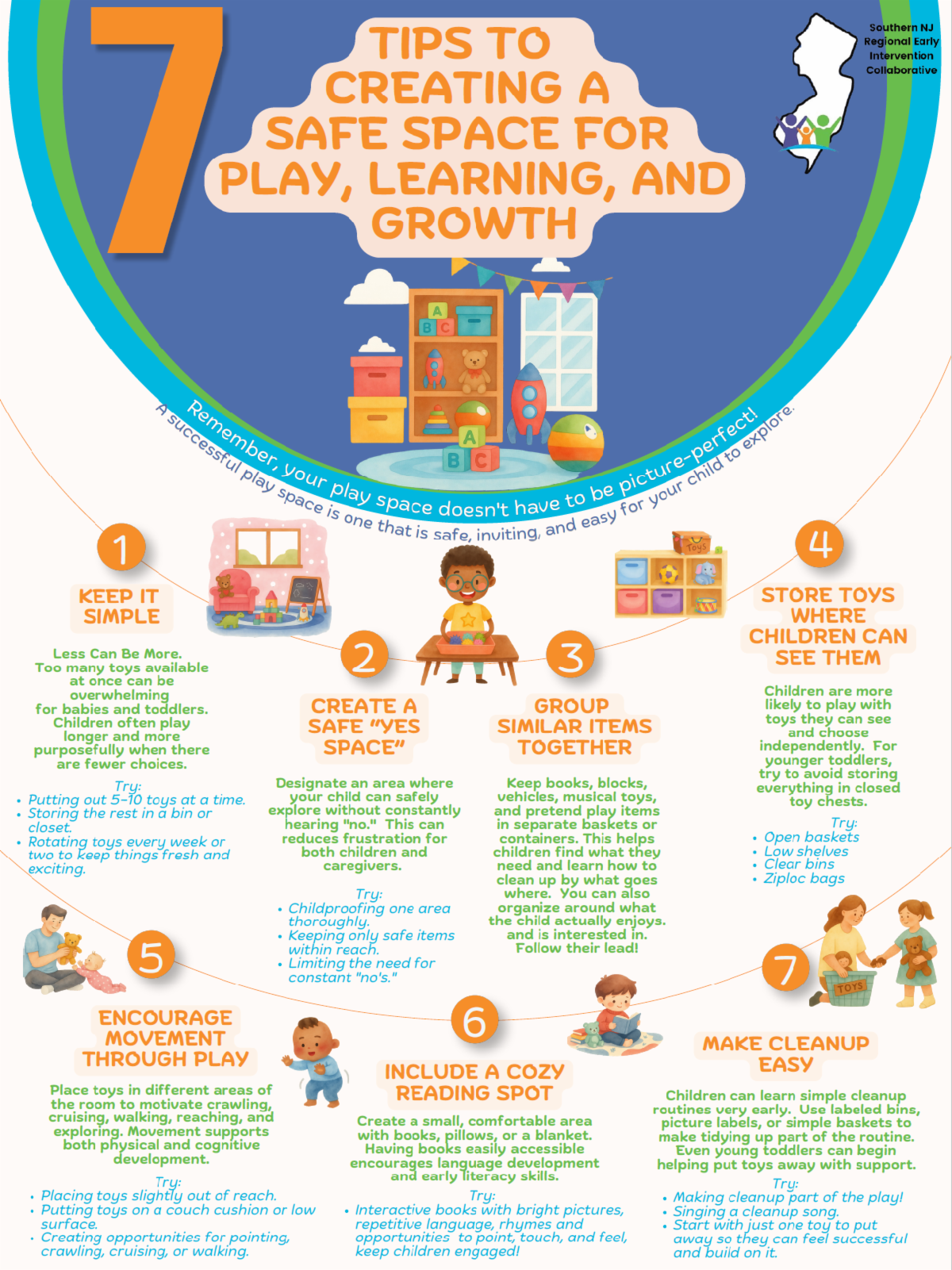
perfectly decorated playroom or expensive toys. What matters most is creating a safe, inviting space where your baby or toddler can explore, play, learn, and grow. Young children learn through play. Having a designated play space helps children know where they can safely explore while giving caregivers an opportunity to interact, observe, and join in the fun. A well-organized play area can also encourage independence, reduce frustration, and make cleanup easier for everyone.
Tips for Creating a Developmentally Appropriate Play Space
Keep safety first.
- Choose an area that is free from hazards and appropriate for your child's age and abilities. Secure furniture to walls, cover electrical outlets, and remove small objects that could pose a choking risk.
Make toys easy to access.
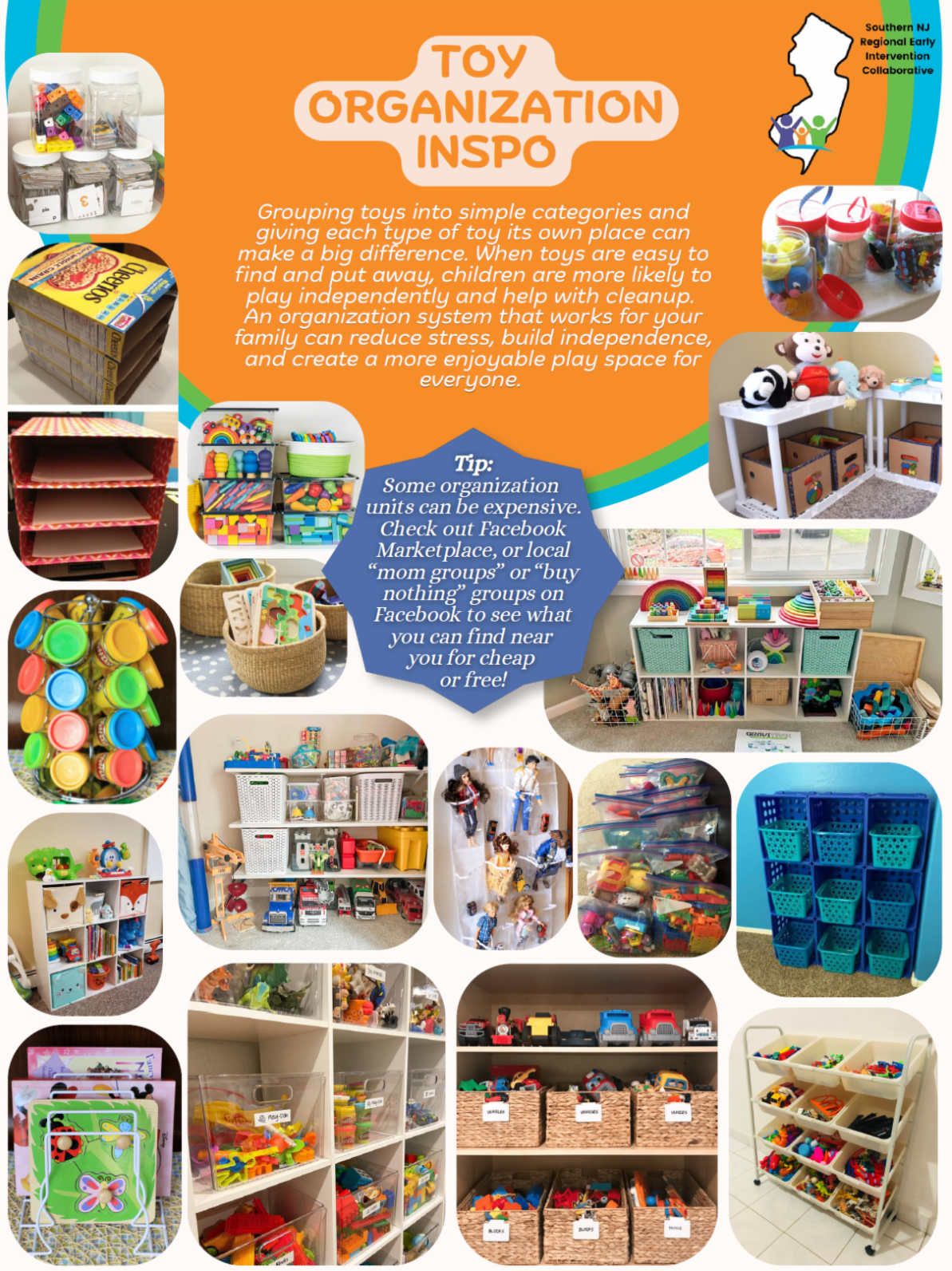
- Children are more likely to engage in play when toys are visible and within reach. Low shelves, baskets, or bins allow children to independently choose toys and put them away when finished.
Offer a variety of play opportunities.
- Include toys and materials that encourage different types of play, such as building, pretend play, sensory exploration, movement, books, puzzles, and art activities.
Rotate toys.
- Too many toys can be overwhelming. Consider storing some toys away and rotating them every few weeks. This can help maintain interest and reduce clutter.
Keep it simple.
- A play space does not need to be picture-perfect. Children benefit most from opportunities to explore and interact, not from elaborate, expensive setups.
Household Items Make Great Play Materials
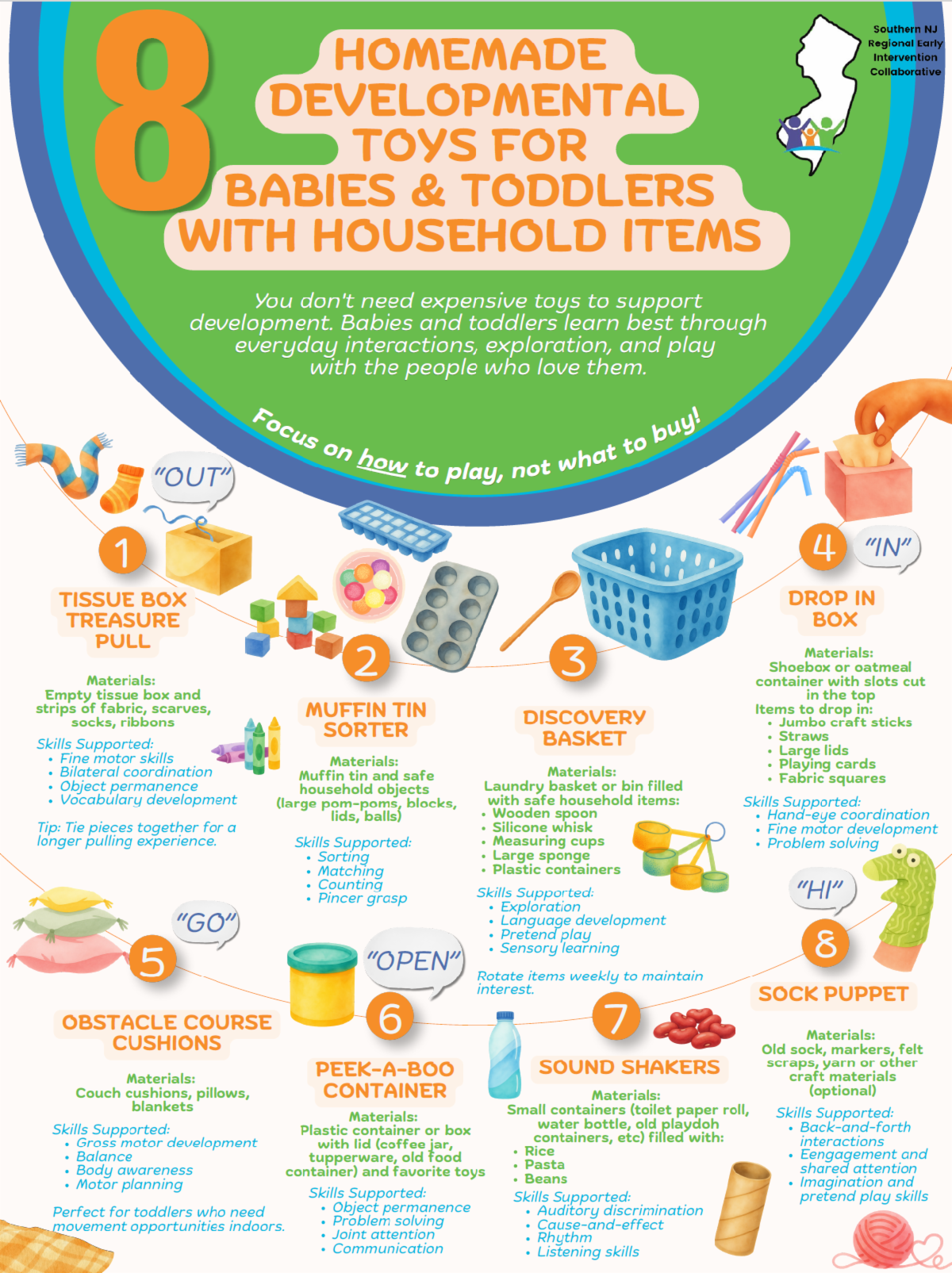
Many everyday household items can be just as engaging as store-bought toys. Before purchasing something new, take a look around your home! Focus on how to play, not what to buy!
Consider using:
- Cardboard boxes for building, pretend play, or crawling through
- Plastic containers and lids for stacking and matching
- Measuring cups and spoons for scooping and pouring
- Empty paper towel or toilet paper rolls for dropping, rolling, or creating
- Tissue boxes to put objects in and out of
- Scarves or fabric scraps for peek-a-boo and imaginative play
- Laundry baskets for transporting toys or creating obstacle courses
- Muffin tins or ice cube trays for sorting small objects
- Plastic water bottles filled and securely sealed with safe materials for homemade sensory bottles
Organizing on a Budget
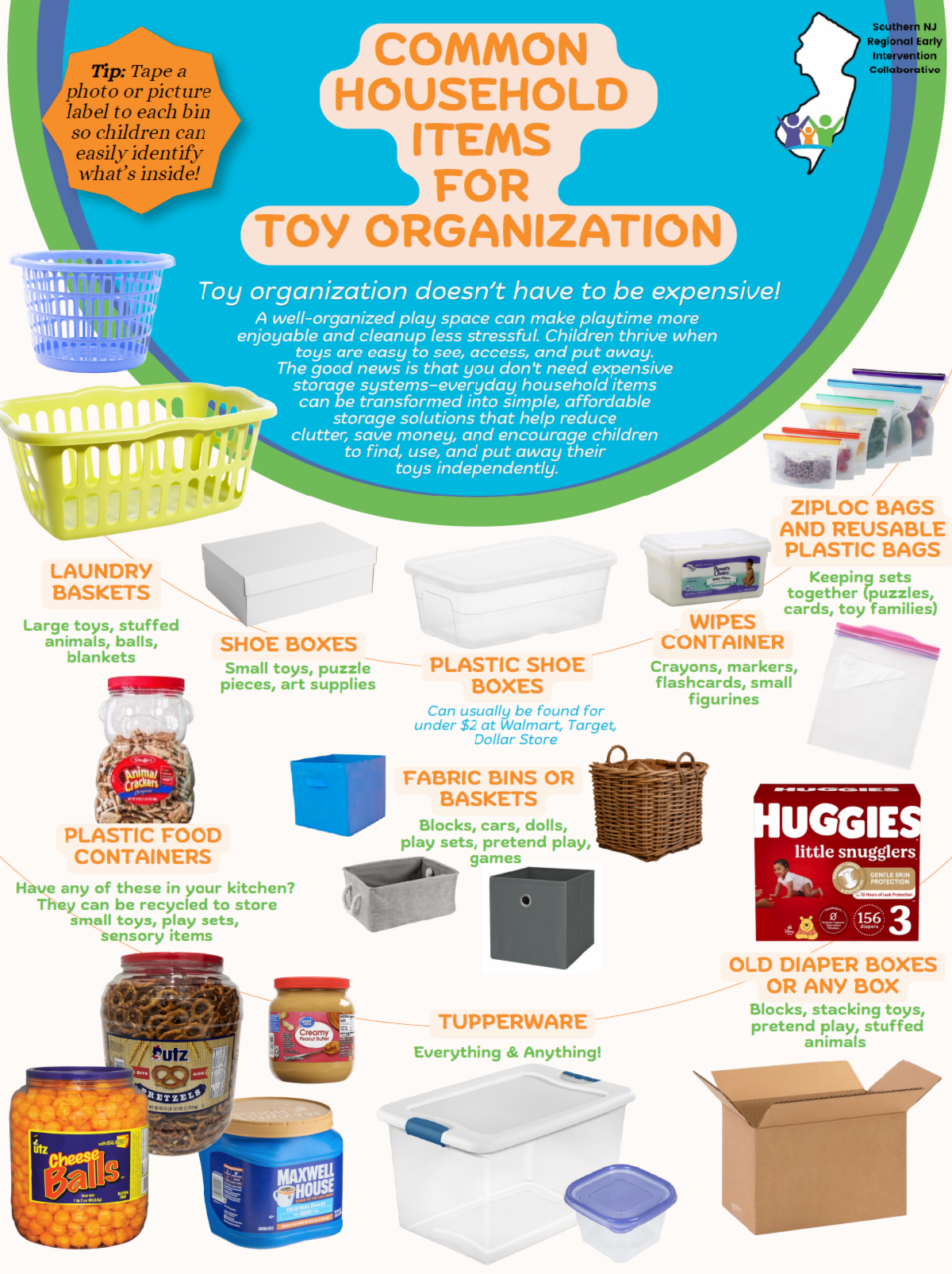
Toy organization doesn't have to be expensive. Repurpose household items such as shoe boxes, diaper boxes, baskets, bins, or small containers to sort toys into simple categories. Label containers with pictures to help children identify what belongs inside and encourage independent cleanup.
You can also find affordable storage solutions through local Buy Nothing or Mommy groups on Facebook, Facebook Marketplace, thrift stores, yard sales, or hand-me-downs from family and friends.
Remember, the goal isn't perfection.
A simple, safe, and organized play space that works for your family can support your child's development, encourage independence, and make playtime more enjoyable for everyone.
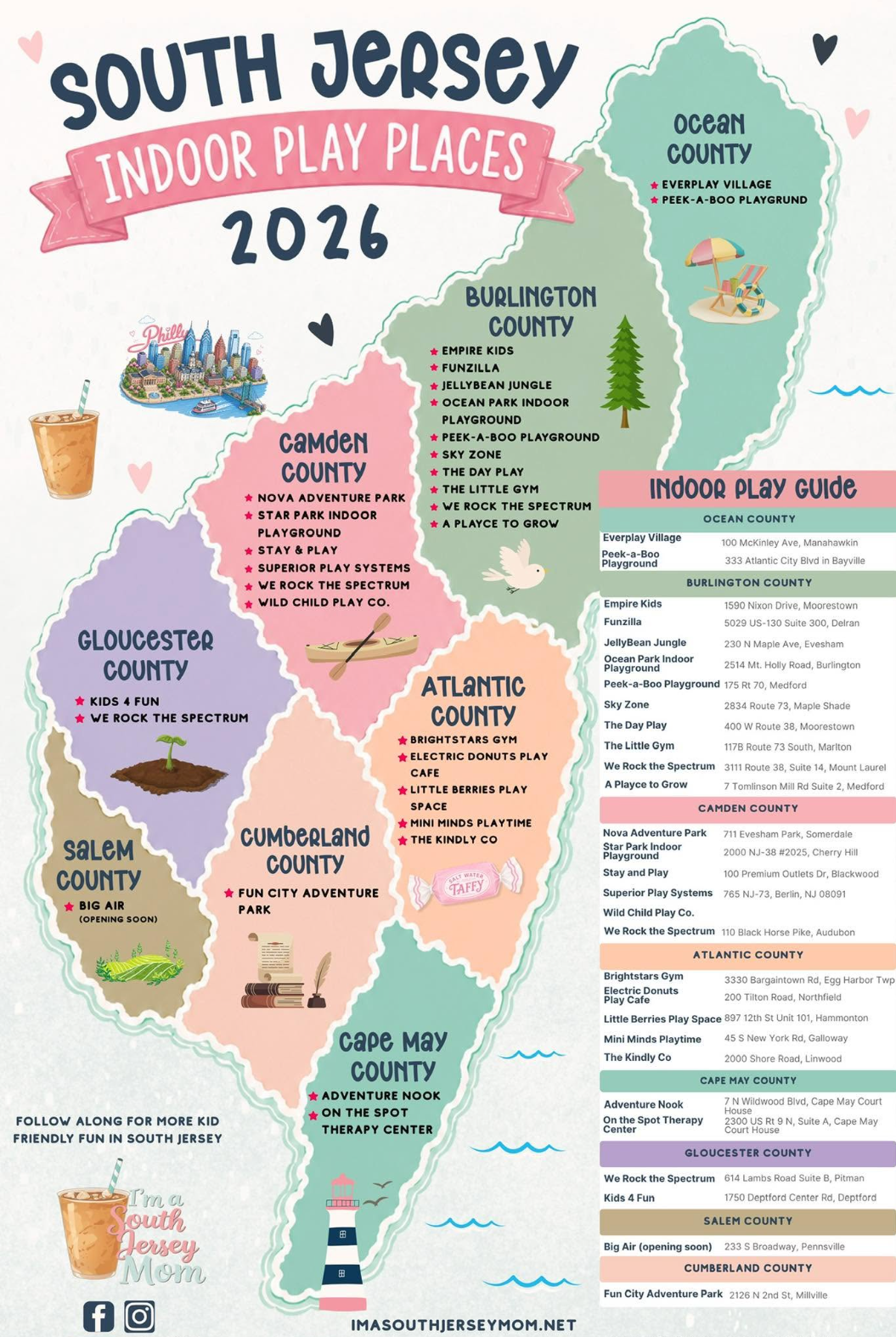
| | Beat the Heat at these Indoor Play Places for Little Ones! | | |
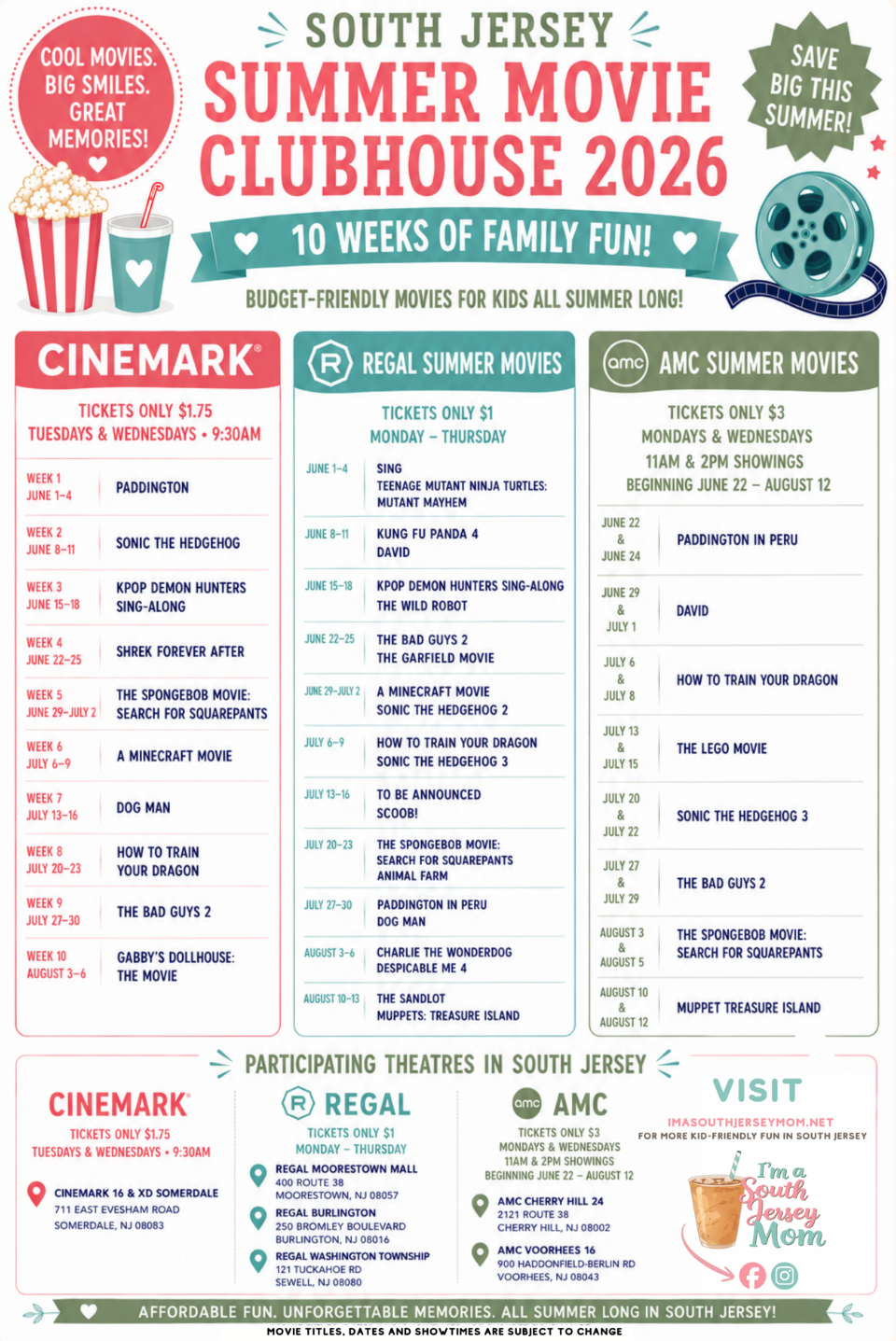
Local movie theaters offer budget-friendly kids’ movies all summer long!
Each theater (AMC, Regal, and Cinemark) runs its own kid-friendly summer movie program with discounted tickets, different movie lineups, and specific showtimes.
Click HERE for more details and links!
| | | |
Disability Rights New Jersey (DRNJ) is New Jersey's designated protection and advocacy organization for individuals with disabilities. DRNJ works to protect the rights of people with disabilities by providing information, advocacy, legal assistance, and education. They help individuals and families navigate issues related to special education, access to services, healthcare, housing, employment, and community inclusion. DRNJ's goal is to ensure that people with disabilities are treated fairly, have their voices heard, and are able to participate fully in their communities. Many of their services are provided at no cost, making them a valuable resource for families seeking support, information, or assistance in understanding their rights.
| | |
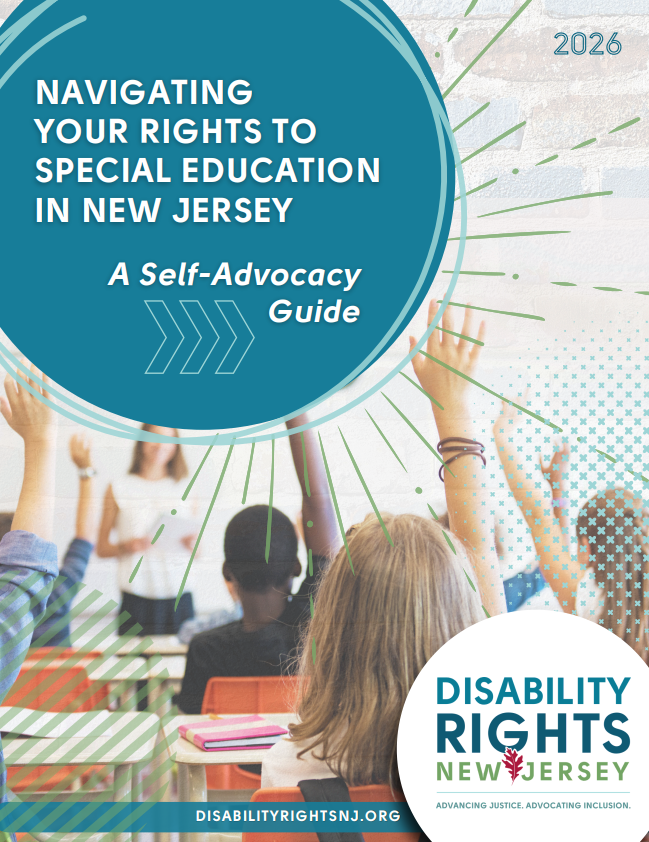
Navigating Your Rights to Special Education in New Jersey:
A Self-Advocacy Guide
Published May 2026
Researched and developed by the special education attorneys of Disability Rights New Jersey’s Children and Youth Practice Group, Navigating Your Rights to Special Education in New Jersey: A Self-Advocacy Guide provides vital rights-based information to assist parents and guardians in their advocacy efforts in an easy-to-understand format.
With over 140 pages of content covering more than 50 topic areas, the Self-Advocacy Guide is a comprehensive manual including steps and tips for parents, relevant timelines, citations to education law, a glossary of terms, and appendices with links to fillable PDF forms and additional resources, invaluable to parents and guardians advocating for their students’ education and support needs.
View HERE
| | | |
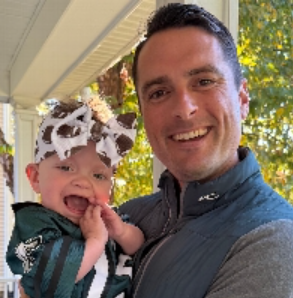
Hi, everyone! I’m Bella Burum, the 18-month-old baby who was diagnosed with Cardiofaciocutaneous syndrome (CFC) in May of 2025. It’s super rare, and it makes my little body work extra hard every single day.
My Daddy calls me his princess angel warrior because CFC is really tough. It messes with my heart (I need lots of doctor visits for my pulmonary stenosis) my face (I have a big forehead, wide eyes, and a little chin but I think I’m so cute!), my skin and hair (dry, bumpy, and curly), and especially how I grow and learn. Eating is the hardest part, lots of CFC babies like me have such bad trouble sucking, swallowing, or keeping food down that we don’t grow well at all. Many of us get feeding tubes in our tummies (I fortunately do not!) or noses to get enough food to stay alive and growing. Some kids keep those tubes for years, or forever. My muscles are really weak (they call it hypotonia), so rolling over, sitting, crawling, it all takes forever. A lot of kids with CFC never walk on their own, or only do it way later with lots of help and therapy. Talking? That’s really hard too. Many of us stay mostly nonverbal or only say a few words even when we’re big kids, because our brains work differently. Doctors say babies like me on average don’t speak full sentences until around age seven, if ever. Moderate to severe intellectual disability is super common, plus seizures for some, and delays in everything. According to Cincinnati Children’s Hospital there are only a few hundred of us in the whole world (talk about special!), and there is no cure. It can mean lifelong doctor visits, therapies, heart monitoring, and big worries for families who may have to care for us our entire lives.
But I’m still your smiley, giggly sweet pea who loves peek-a-boo, splashing in the bath, and giving the best hugs and kisses! I don’t let CFC stop me from being happy.
That’s why my Daddy is running the NYC Marathon, to raise money for CFC research, better treatments, family help, and hope that one day kids like me won’t have to struggle so much. We need answers, stronger hearts, easier eating, and ways for us to walk, talk, and learn more.
Every donation helps fund research so more little fighters get brighter days: fewer tubes, more steps, more words, more everything. Please help my Daddy run those 26.2 miles and give us hope.
Thank you from my tiny, extra-special heart.
Love always,
Bella
| | |
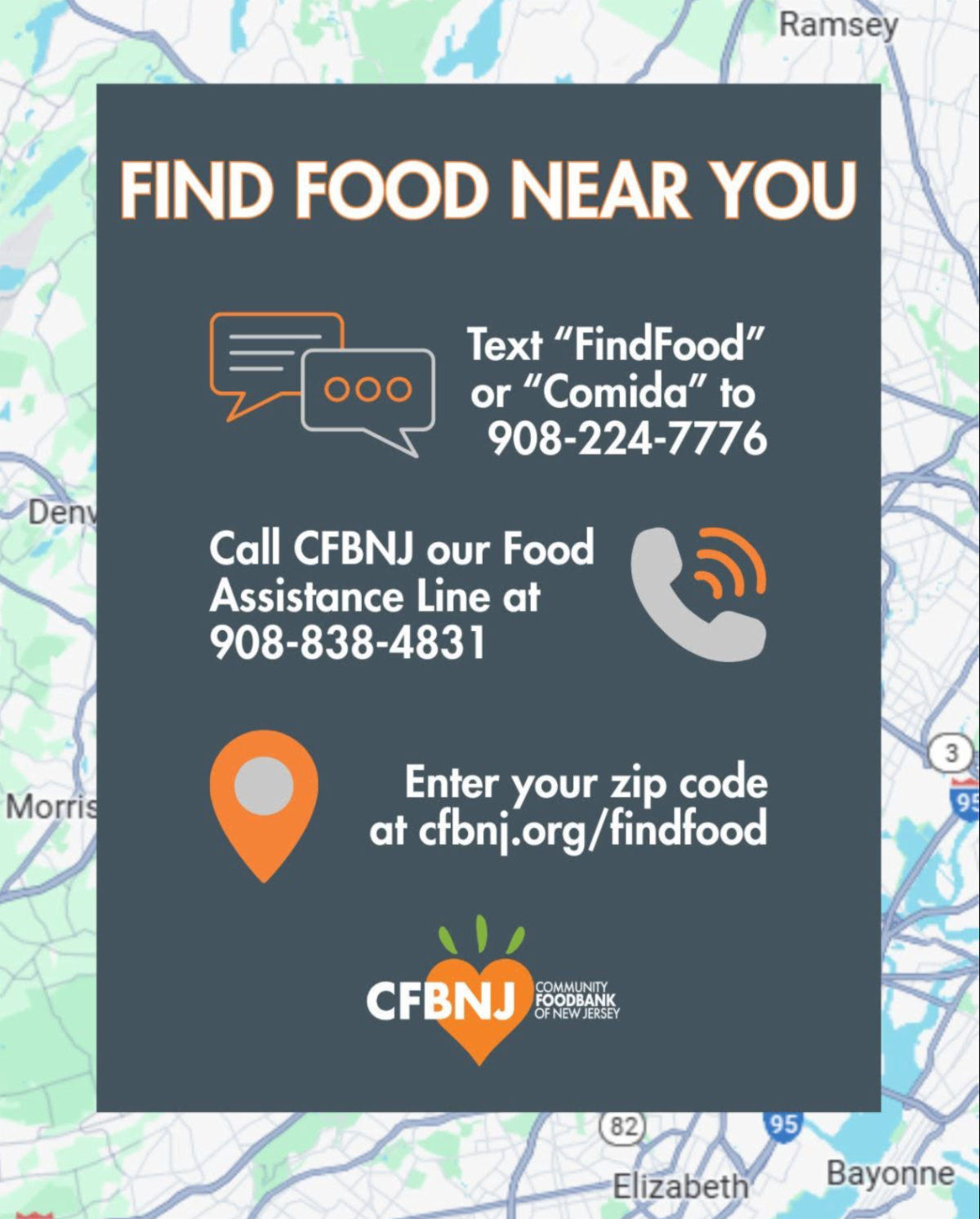
Need help accessing food?
Community Food Bank of NJ (CFBNJ) and local community partners are here for you. There are a few quick and easy ways to find help in your area.
- Text "FindFood" for English or "Comida" for Spanish to 908-224-7776.
- Provide your zip code to find local pantries in just seconds.
- Call CFBNJ's Food Assistance Line at 908-838-4832 to speak to someone on the multilingual Community Connections team.
-
Visit cfbnj.org/findfood.
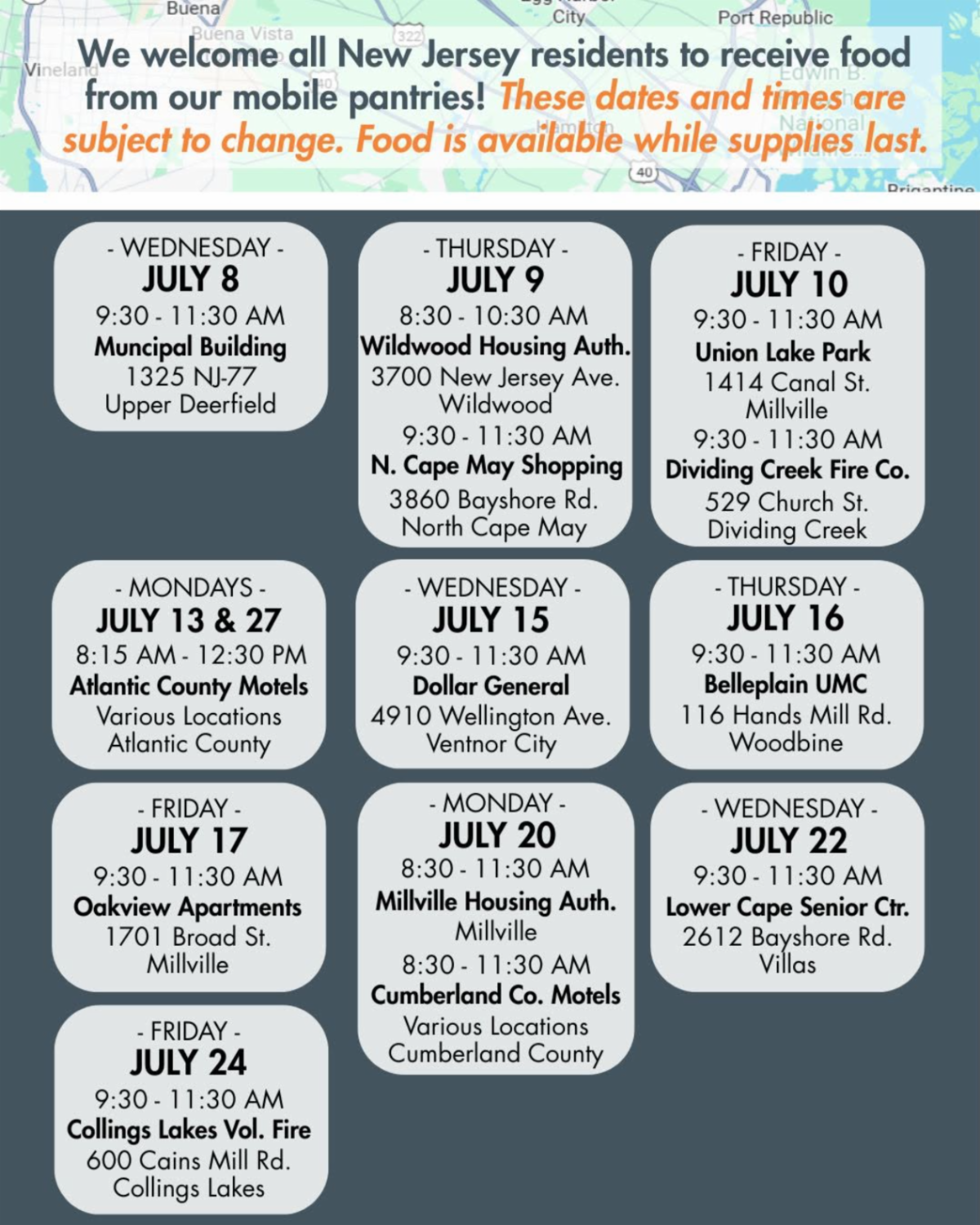
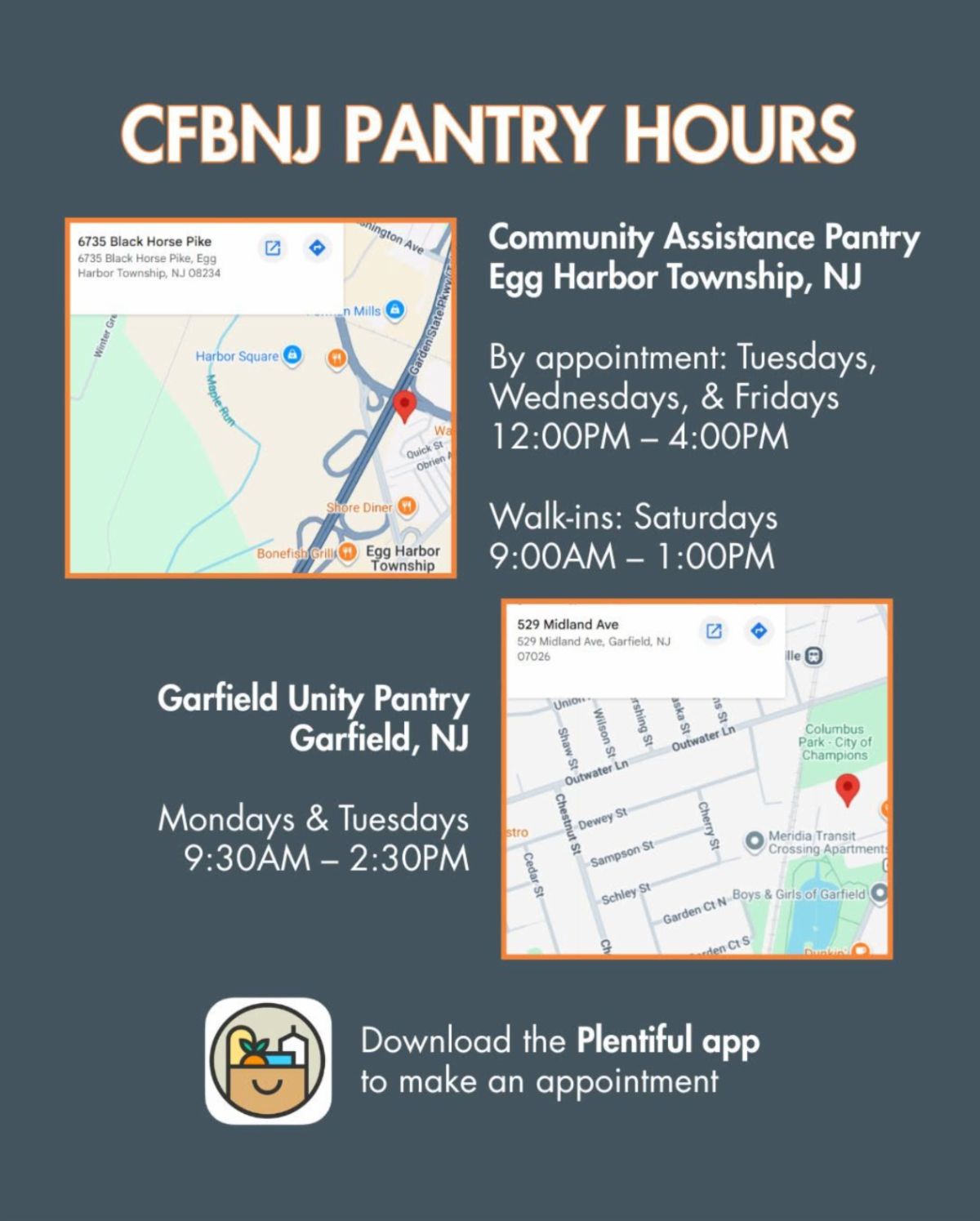
In July, the mobile pantry will visit neighborhoods in South Jersey with fresh produce, proteins, and shelf-stable items — free of charge to anyone in need. Check out the month’s schedule in the graphic below or visit cfbnj.org/findfood to find a mobile pantry location near you.
| | *Please Note: there is a NEW electronic application! Click the flyer above to view the NEW application. | |
| What topic would you like to be included in future newsletters? | | |
| | | |