MAY 2026

🎉 Early Intervention Week 🎉

is Coming Up This Month!


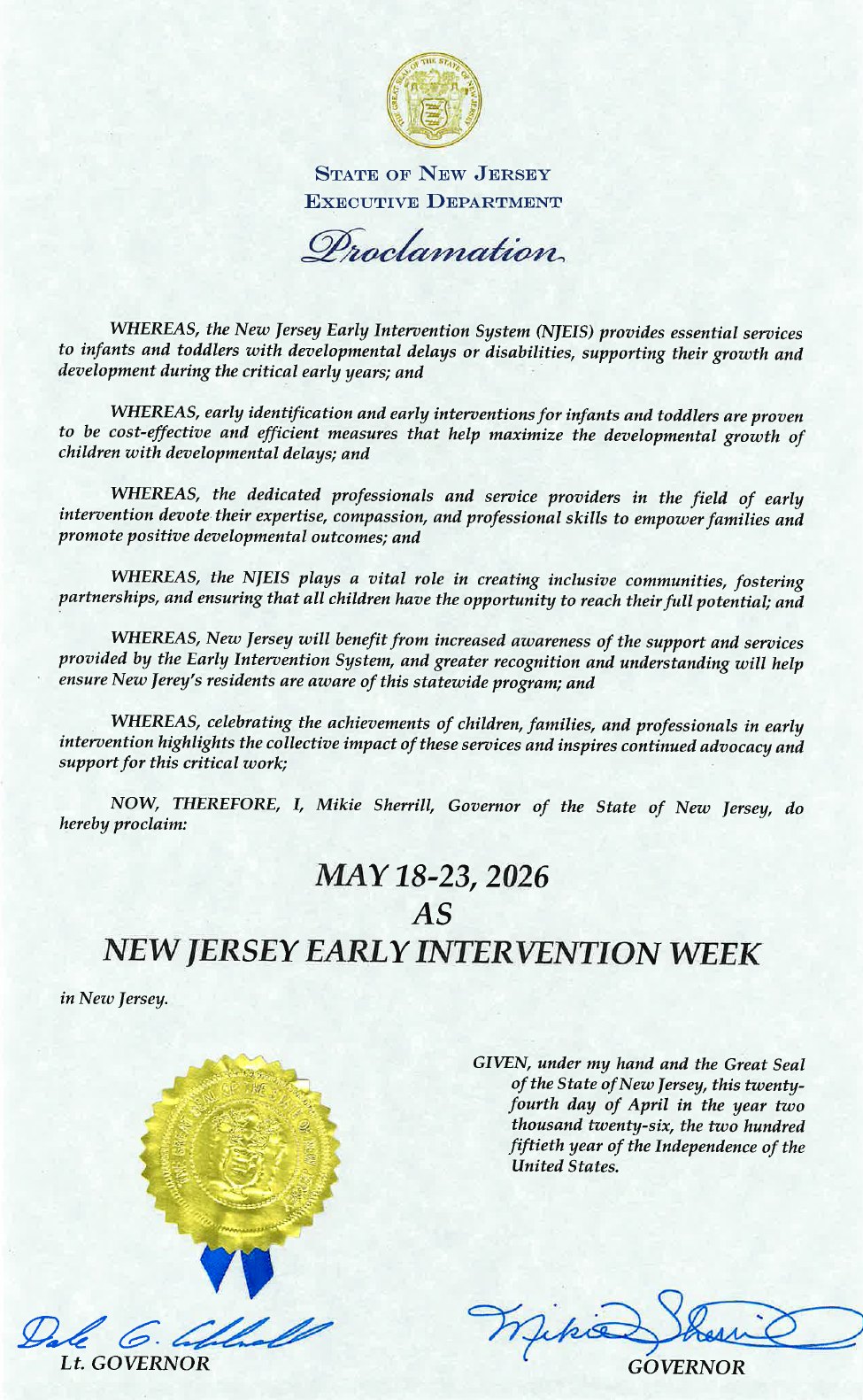
May 18th - May 23rd!


What is Early Intervention Week?


Early Intervention Week is celebrated every year during the 3rd week in May.

It is meaningful time to celebrate the inspiring children and their incredible families who are at the heart of

Early Intervention—

their resilience, their determination, and the everyday moments of connection and growth that mean so much. It is a time to honor the courage of families as they advocate, nurture, and support their children with unwavering love, and to recognize the amazing progress their children make in their own unique ways.

It is also a time to express gratitude for the dedicated professionals who walk alongside the families, offering guidance, encouragement, and compassionate support

every step of the way.

Throughout the week, we come together as a community to raise awareness, share resources, and create meaningful connections—reminding families that they are not alone on this journey. Whether you’re just getting started or have been part of Early Intervention for a while, this week is all about support, encouragement, and celebrating every step forward

(no matter how small!)


Join Us!


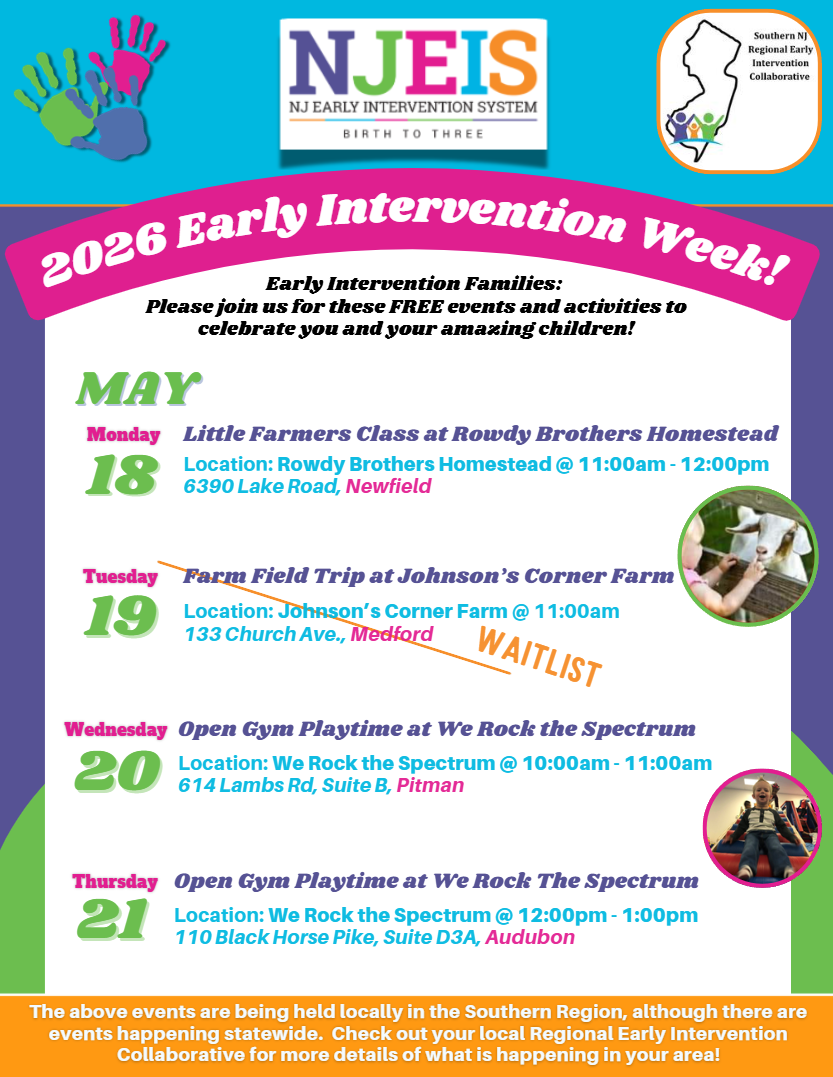
We have some exciting

in-person events planned around our region - and there are still some spots available!


Click the flyer above for more information and to register!


Unable to join us in person?

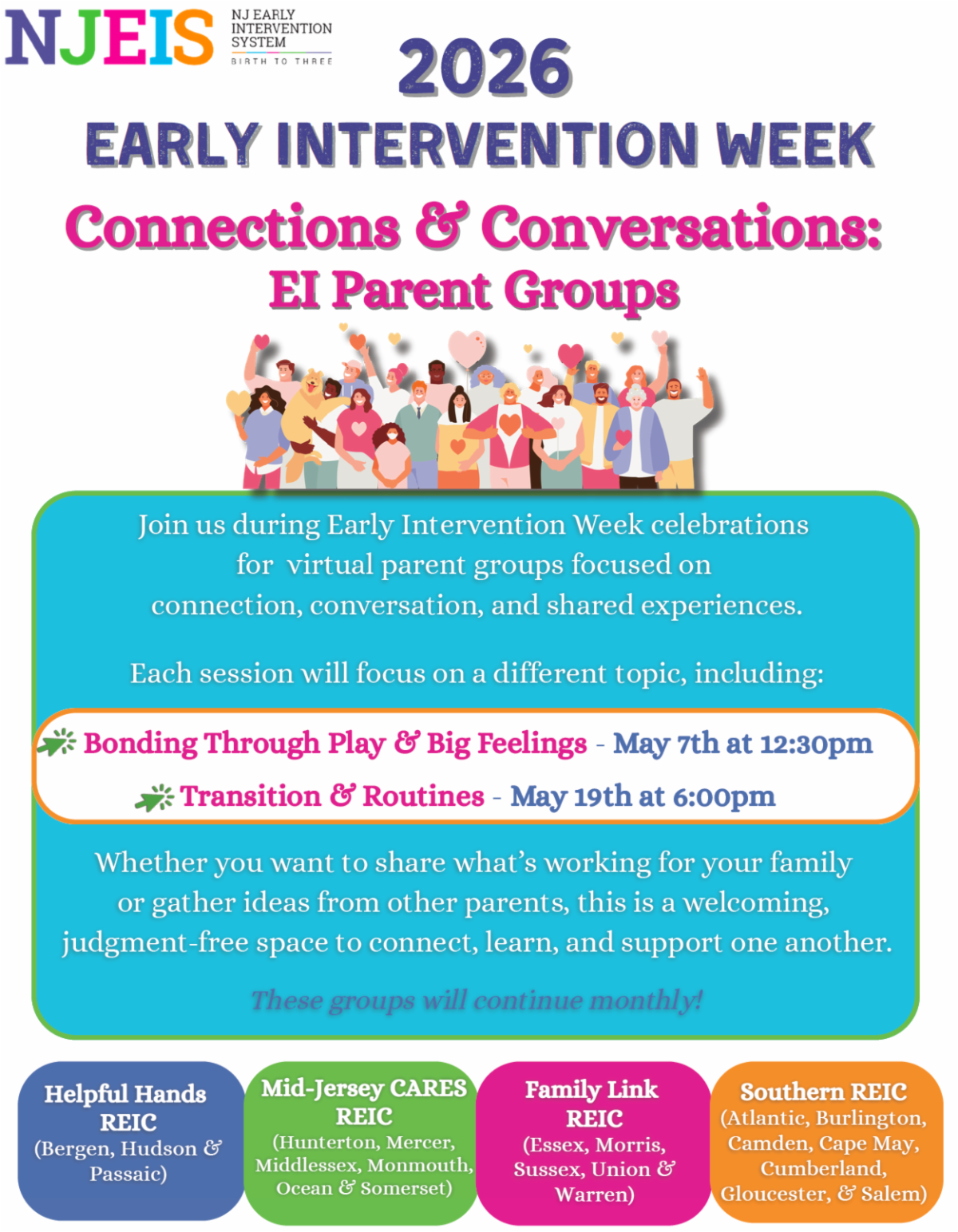
Join us as we launch our new virtual EI Parent Group Series!


Click the flyer above for more information and to register!


There is still time to

register for the

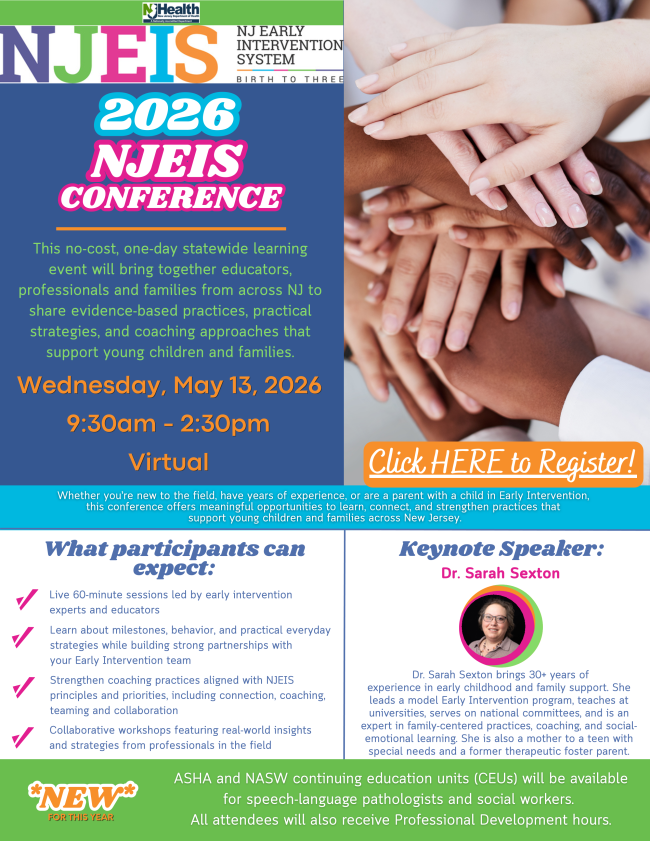
2026 NJEIS Conference!


Parents, community members, and NJEIS professionals—

this event is for you!


There will be breakout sessions designed for everyone.


ASHA and NASW CEUs will be available at no cost to you.


Mark your calendar for this free, virtual conference and

come learn with us!


Click HERE to register!


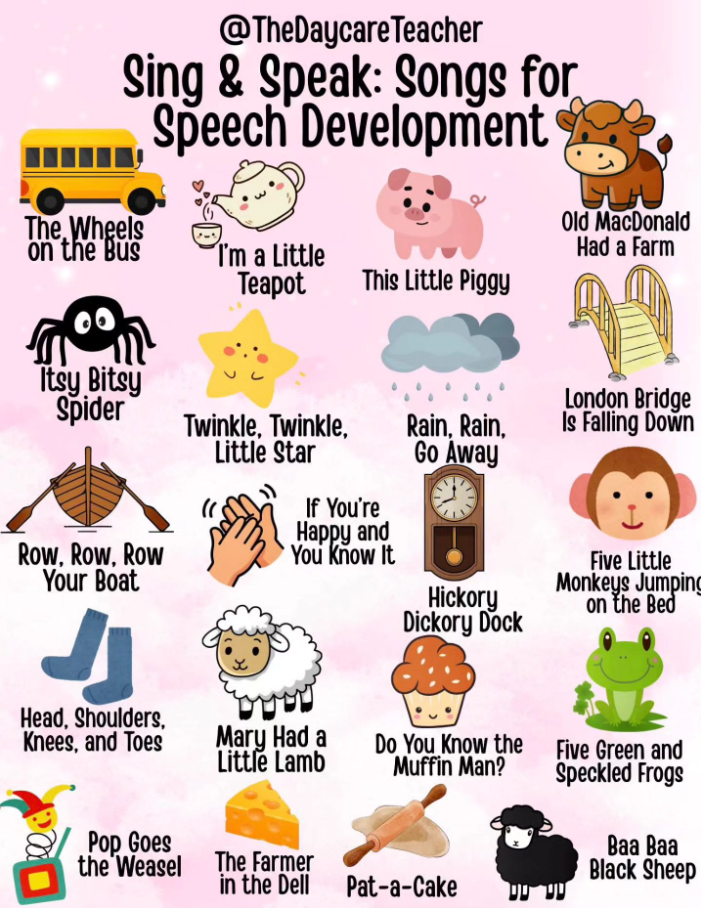
Repetition, rhythm, and rhyme

make it easier for little ones to hear sounds, learn new words, and

start imitating speech.

Add in motions and interaction, and you’re also building communication, memory, and connection.


Sing it, repeat it, and have fun—because that’s how learning happens!


Baby Sign Language:

Building Communication Before Words


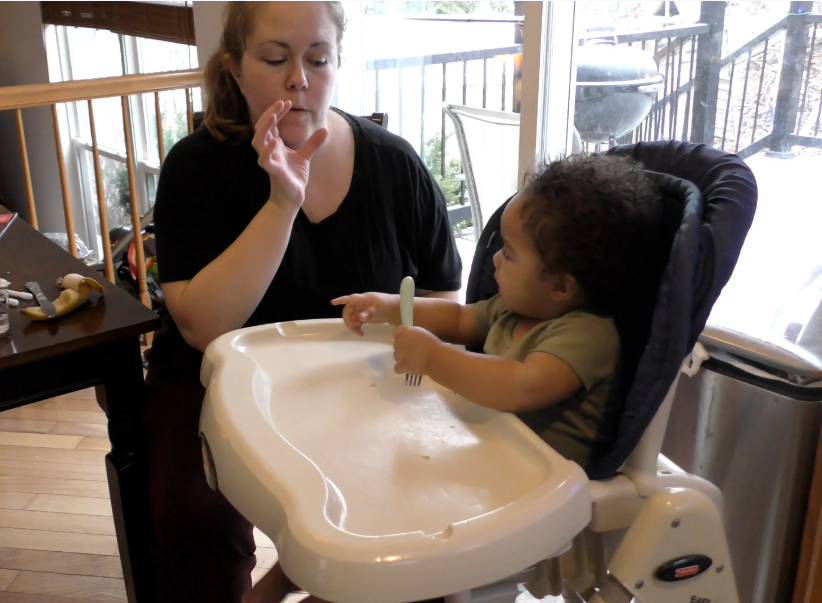
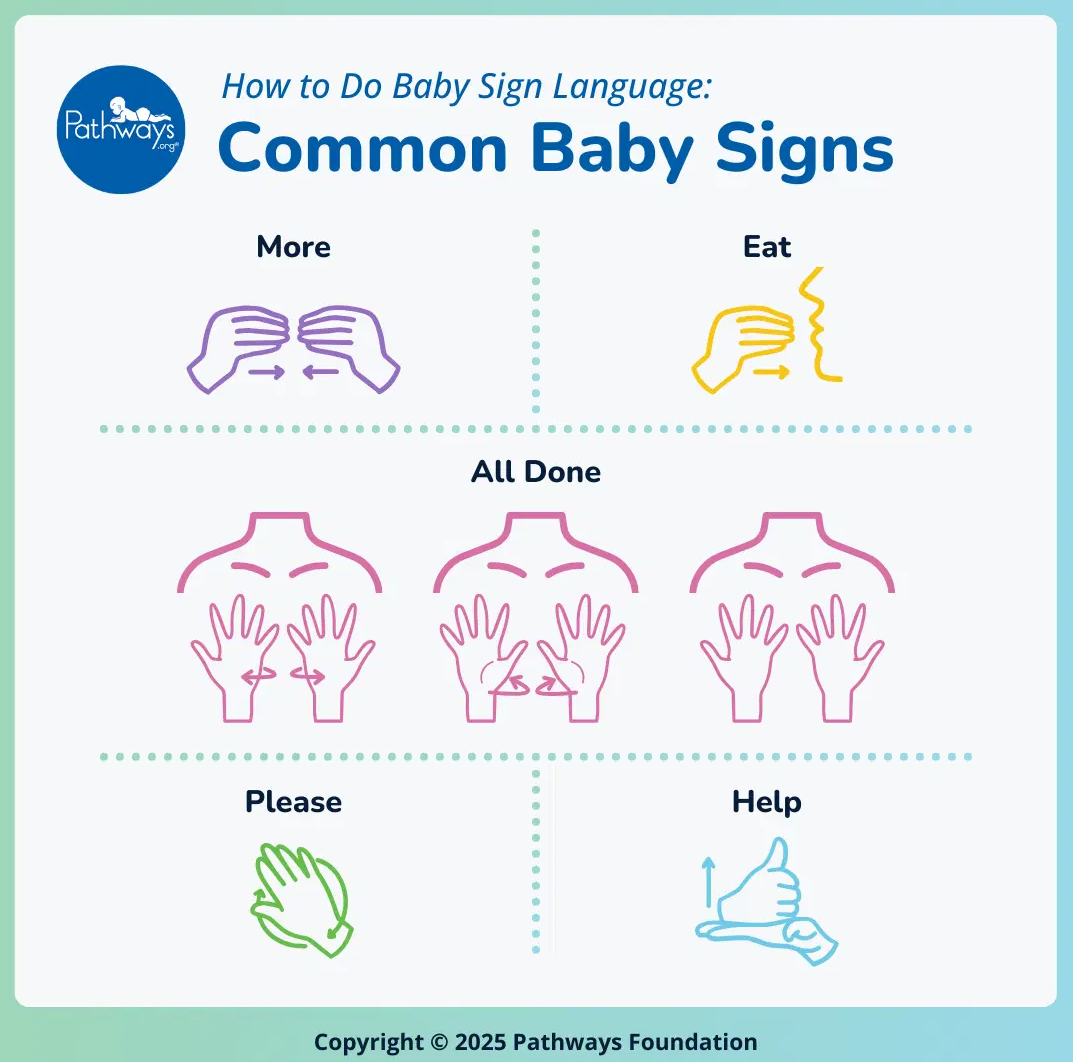
Baby sign language is a simple and effective way to help babies communicate before they are able to speak. By using basic hand signs—like “more,” “milk,” or “all done”—babies can express their needs, wants, and feelings earlier, reducing frustration for both the child and caregiver.

You don’t need to learn a full sign language to get started. Baby sign language uses a small set of easy, consistent gestures paired with spoken words. Most families begin around 6–9 months, when babies start to develop motor skills and show interest in interaction.


Over time, babies learn to associate the sign with the word and meaning.

The key to success is consistency and repetition. Use signs during everyday routines like feeding, playtime, and diaper changes. For example, signing “eat” before meals or “more” during snack time helps reinforce understanding.

It’s also important that all caregivers use the same signs to avoid confusion.


Research and experience show that baby sign language can support early communication, strengthen bonding, and may even support language development—not delay it. It gives babies a voice before they have words, helping them feel understood and

more connected to the people around them.


In the end, baby sign language isn’t about perfection—it’s about connection. Even learning a few simple signs can make a big difference in your baby’s ability to

communicate and engage with the world.


During EI Week in 2023, Yvonne Collins, Developmental Interventionist with Early Intervention and a Special Educator, Teacher for the Deaf/Hard of Hearing Clinical Expert for over 24 years presented a workshop on "Baby Signs."


She focused on combining American Sign Language (ASL) based signs, songs, and vocabulary we typically use with babies and toddlers while we talk in English Word order.


This is also great for parents of hearing children who are looking for a way to build their sign vocabulary.


Watch the video to the right! -->

ASL Story Directory

Did You Know?!


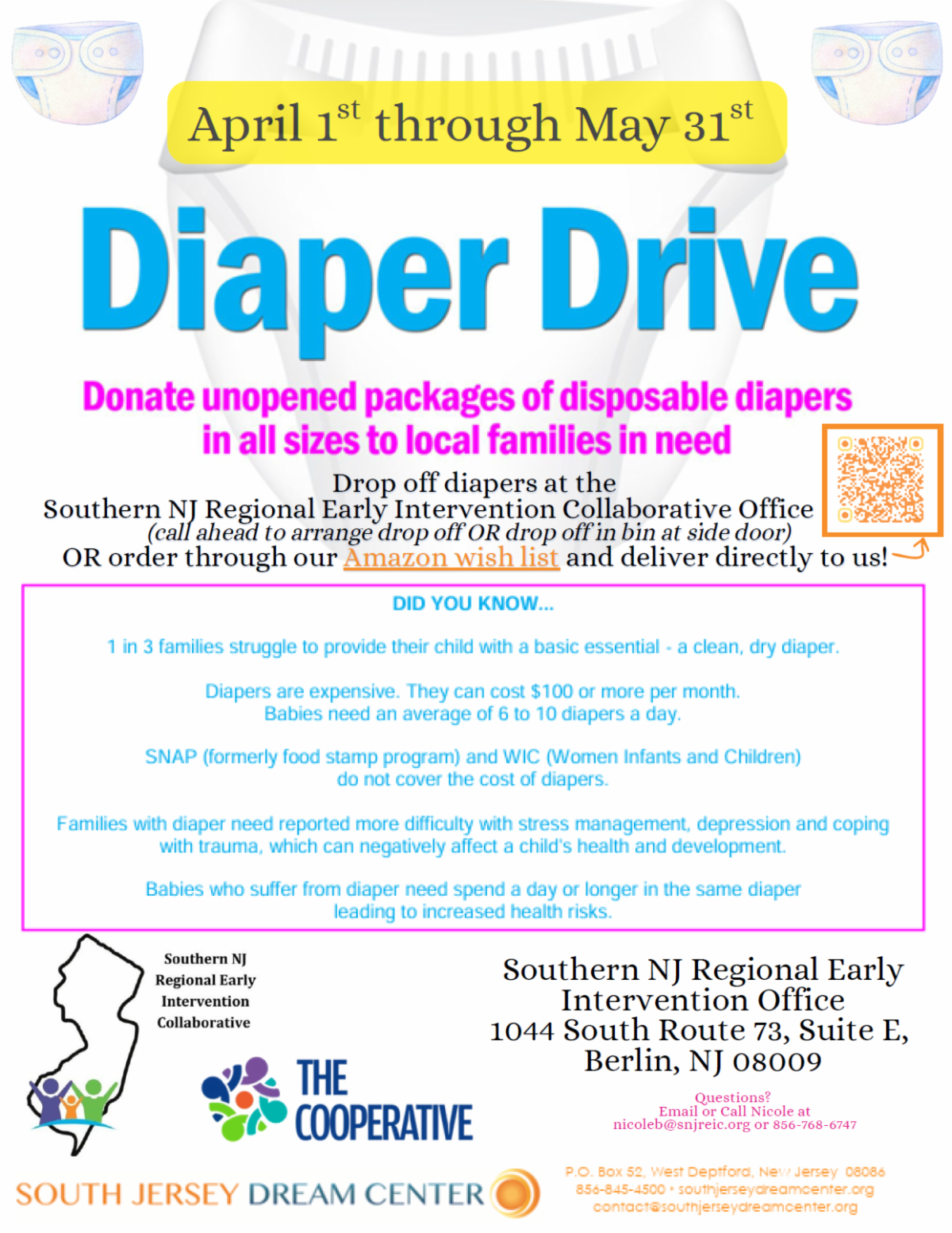
  • 1 in 3 families struggle to provide their child with a basic esential - a clean, dry diaper


  • Diapers are expensive! They can cost $100 or more per month and babies need an average of 6 to 10 diapers a day


  • Babies who suffer from diaper need spend a day or longer in the same diaper leading to increased health risks

If you have diapers your child has outgrown or would like to contribute, please consider dropping them off in the collection bin at the SNJREIC office or using our Amazon wish list to ship them directly to us!


Thank you for helping make a difference for families in our community!

(larger size diapers: sizes 4, 5, 6, 7 and pull-ups are needed the most!)

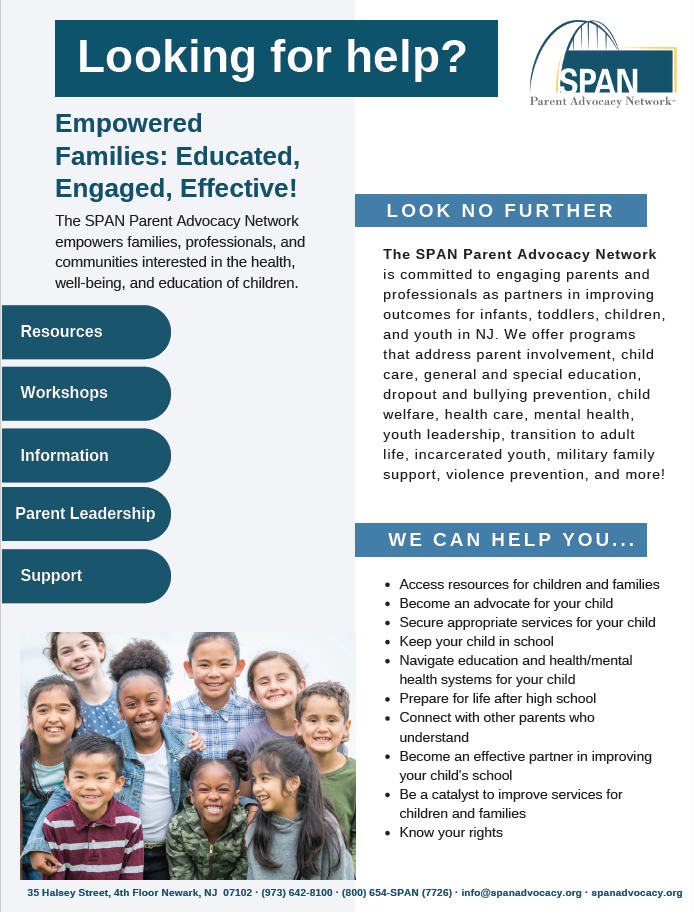
What topic would you like to be included in future newsletters?
 
Facebook  Instagram  TikTok  LinkedIn  YouTube  Web