RCSAR History: From Landline to InReach
How times have changed!
‘Back in the day’ stories, you know, the ones your parents or grandparents have told you about walking 3 miles uphill in 2 feet of snow every day to get to and from a school that never had a single snow day? Inevitably, the storytellers had it far harder than you ever will, or at least you hope you ever will! While sometimes funny and often awe inspiring, ‘back in the day’ stories are woven into our western culture and the fabric of our lives. They remind us to be grateful for what we have and often have something to teach us about preparedness, grit, and determination.
Let’s talk about Routt County Search & Rescue ‘Back in the Day’
Prior to cell phones, Garmin InReach, Spot, and other satellite messaging devices being commonplace, anyone needing help in the backcountry had to first get to a landline. Imagine, you and a friend are halfway down the Mica Lake trail late in the day and your friend slips on some loose rock, falls hard, and screams in pain. His leg is clearly broken and he cannot bear any weight on it. He outweighs you by 100 lbs. – there is no way for you to get him out of the Zirkel Wilderness area for medical care. It’s 1970. The only way to get help is to leave your friend with food and water, run pell-mell to the trailhead, and drive to the nearest landline. In 1970, this was likely in Clark. Time: approximately 2-3 hours just to get to a phone to ask for help.
In the earliest days of search and rescue in Routt County, 911 had not yet been introduced. A call to the Sheriff’s Office connected you with dispatch. Dispatch contacted the Sheriff, who contacted the person on-call for RCSAR. A phone tree was then put in action to field a rescue team. As all of these calls were via landline, garnering a group for the rescue required finding team members at home or tracking them down in some other way. Once located, notified of the rescue, and briefed on the location and nature of the injuries, available RCSAR team members headed out of town with their own knowledge of the backcountry, a map and compass for navigation, and all their own equipment in their personal vehicles. Time: very best case 2 hours, worst case 3-4 hours to develop a rescue plan, prepare a team, and depart for the Zirkel Wilderness area.
Lacking radios, once on the way to a rescue and in the field, RCSAR team members did not have any way to communicate with the Sheriff’s Office or each other. They were on their own to execute the rescue without access to additional input or support. If an ambulance was needed at the trailhead, it was requested prior to leaving town, or after the person was brought out of the backcountry and someone could make it back to town to call for an ambulance. Chuck Vale, one of the founders of RCSAR, reminisced that ‘back in the day’, the team had to call the doctor on-call to make sure a doctor and nurse would be at the Emergency Room as it was not staffed 24/7. Time: Injured party to ER, best case 4 hours; worst case 5-7 hours. In this scenario, it would take 8-14 hours for your friend to arrive at the ER.
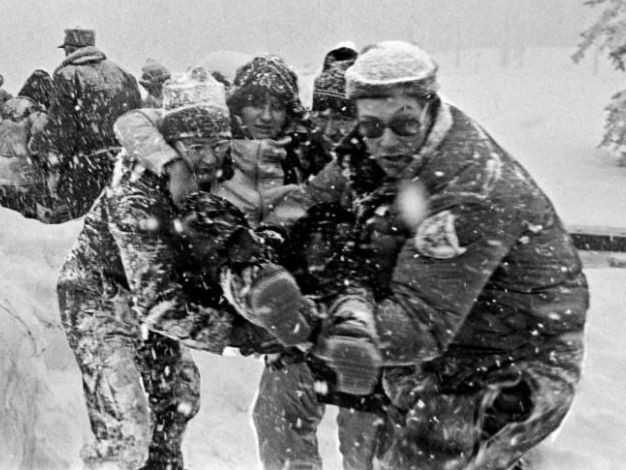
As rudimentary as the communications were back in the 1970s and 1980s, RCSAR successfully executed hundreds of searches and rescues in those 20 years, including rescuing survivors of the Rocky Mountain Airways plane crash on Buff Pass, by bringing outstanding skills, resourcefulness, and preparedness, along with exceptionally hard work and sacrifice, into the backcountry.
Routt County Search & Rescue Now
Today, a lost or injured party might be able to call for help via their cell phone or satellite messenger device, like a Spot or Garmin InReach. Dispatch notifies RCSAR team members via pager and a cell phone app, and they respond via the app to indicate their availability.
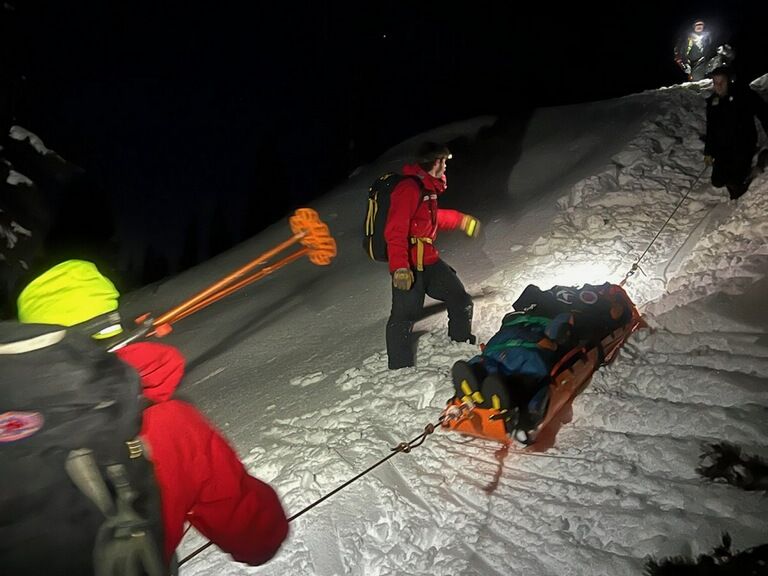
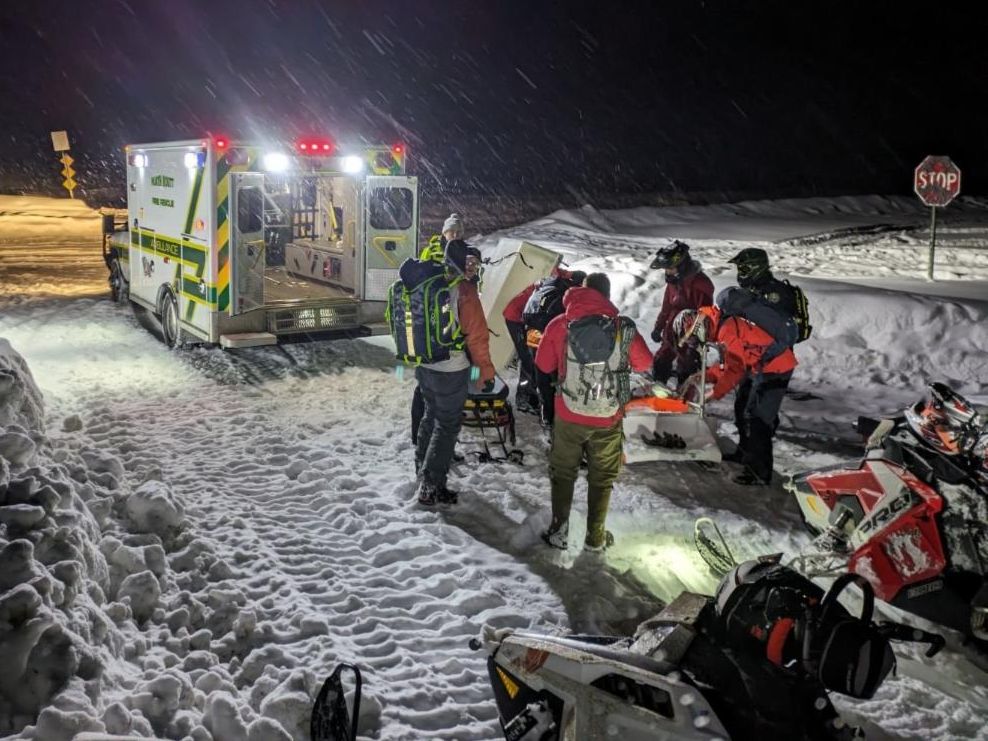
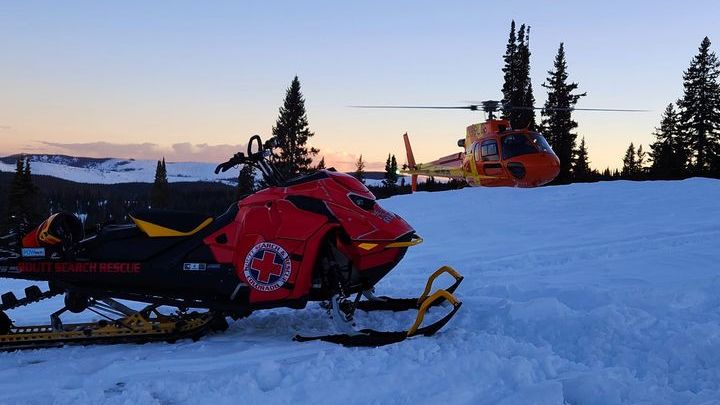
RCSAR team members meet in town at RCSAR’s headquarters and travel to rescues in RCSAR vehicles. The team often knows the exact location of the injured or lost party and the recommended route to reach and evacuate them. Team members are fully equipped with GPS navigation tools and radios. They are in full communication with each other, the Incident Commander, and all other involved first responders via the State’s DTRS radio system, e.g., North and West Routt Fire Protection Districts, Steamboat Springs Fire Rescue, Routt County Sheriff’s Office, and Classic Air Medical. An ambulance can be dispatched as needed to meet the team at a trailhead, and patients can be transported to the 24/7 fully staffed Yampa Valley Medical Center.
Technology has greatly enhanced RCSAR’s ability to get into the backcountry to rescue someone as quickly as possible. In emergent situations, team members don’t have to wait for the Incident Commander to finish all mission planning before leaving headquarters because plans can be shared via radios and locations updated via a GPS mapping program. The Incident Commander can guide the mission from headquarters, again using these technology resources.
Technology has also improved the safety of RCSAR team members because they have more knowledge of the mission and the location of the lost or injured person, and they can communicate if they need additional resources or information. The internet also allows the team and IC to access current weather and avalanche forecasts, see real-time conditions on webcams and video conference with a CSAR State Coordinator if needed. With enhanced technology and the availability of other resources, such as Classic Medical, your friend could arrive at the ER in as little as 4 hours.
Oh No, My Cell Phone is Out of Battery!
Technology is a great resource, yet it can lull backcountry adventurers into a sense of complacency. It doesn’t always work, and it’s vital to have a back-up plan. What to do:
- No cell service or emergency device? Find someone else with a cellular or GPS connection or get to the nearest landline or area with service. Note: always try to call or text 911 as your phone may have service but via another provider. If so, you will be able to talk to dispatchers.
- Always travel with a friend and share your plans with someone.
- No navigation? Carry a paper map and compass and be familiar with your surroundings. Navigation apps are awesome, however, if you run out of battery or didn’t download an offline map, they don’t work.
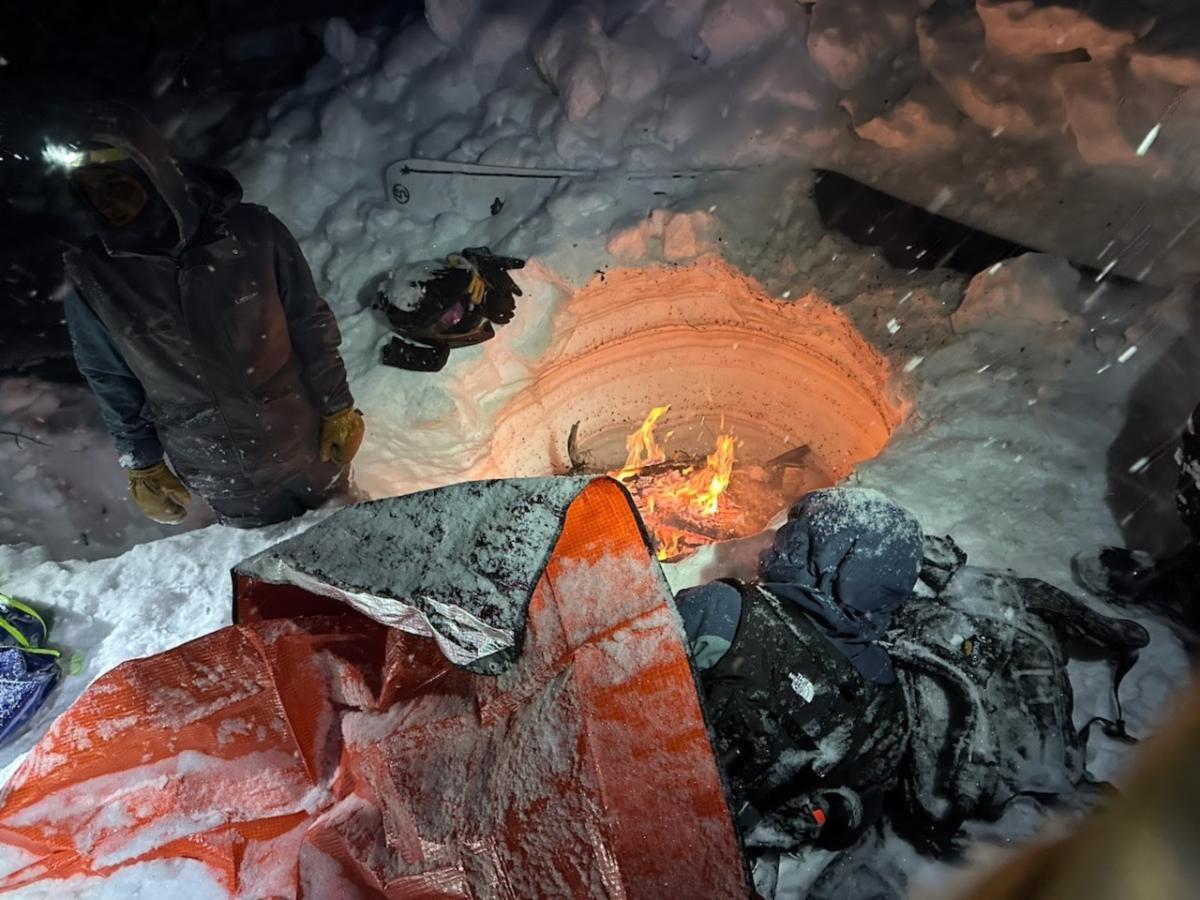
- Help will be a long time coming? Always be prepared to spend the night out and carry the 10 essentials, including a way to charge your phone or SOS device.
|