You are receiving this email because you are enrolled in WEESSN or signed up to receive this monthly newsletter.

weessn 4.jpg
Facebook  Twitter  Instagram  Pinterest  LinkedIn  YouTube
Farm to ECE _1_.png

July 2022 Newsletter

Providing Hands-on Learning in Food, Nutrition and Agriculture.

Local Foods and Resources

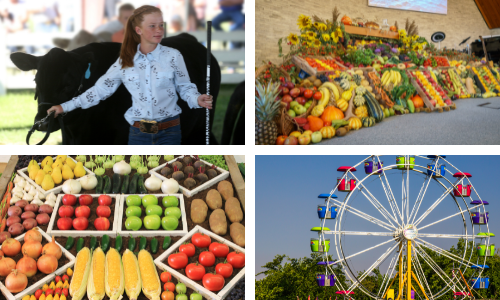
July is the beginning of county fair season in Wisconsin! The history of agricultural fairs in the United States dates to 1811. Fairs were created to showcase agricultural products, and they still do today (in addition to all the other entertainment they offer!) Wisconsin has more than 75 fairs, including county, district, and state fairs. Fairs are great opportunities to see what the agricultural community in your area is producing, including livestock, fruits and vegetables. Consider planning a field trip to a fair in your area. You also can promote engagement by asking your families to join you for a couple of hours of fun at the fair. 

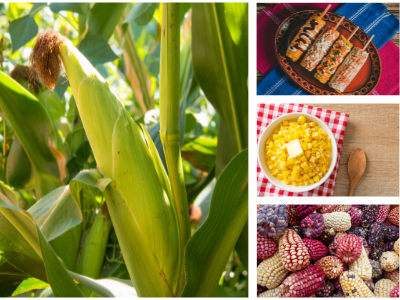
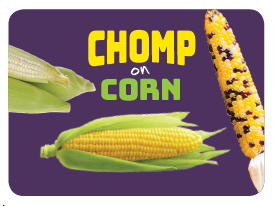
This month’s harvest of the month vegetable is corn. How about trying one of these simple and delicious recipes that call for fresh corn? Although it may seem like a hassle, it definitely will be worth it to use corn fresh off the cob!


Wondering how to get the kernels off the cob? Watch this video. If you want an especially summery corn flavor, roast the corn on a grill before removing it from the cob and using it in these recipes. Enjoy!


Mexican street corn cups (Esquites) ● Sweet corn pizza ● Summer sweet corn sauté

Hands-On Learning in Food, Nutrition and Agriculture

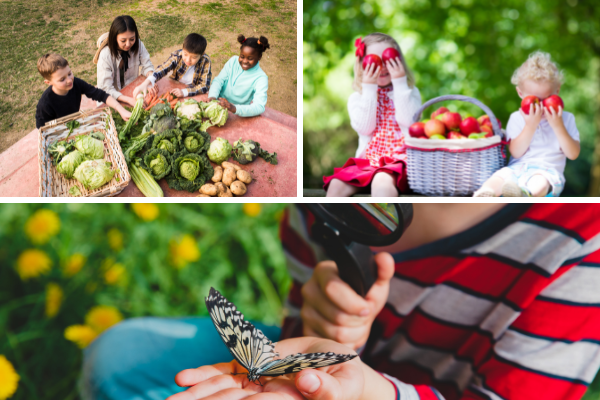
Looking for some activities to do with your kids this month? Why not try any (or all!) of these activities?


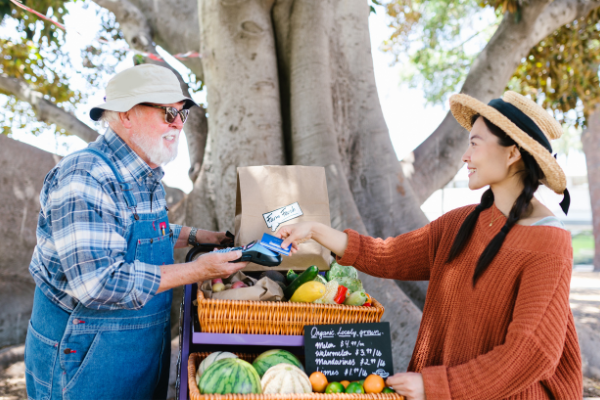
Do you purchase food from a farmer or a farmers’ market? See if you can get a photo of your farmer to hang at your child care program. Learn about him/her so you can share this information with your enrolled families. Encourage your families to purchase from your farmer.


During group time, show examples of different varieties of the same fruit or veggie. Talk about how they are the same and different. Then do a taste test to see if there are differences in flavor.

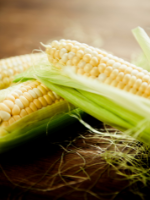
Bring in corn on the cob and explore its different features – the husk, silk, kernels, cob. Compare the size of the corn stalk to the size of an ear of corn. Discuss how a stalk of corn produces one ear, and many other plants produce multiple pieces of fruit/veggies (tomatoes, beans, peas, etc.). Explain that each kernel is a seed.


Compare fresh corn to dried corn (popcorn). Use a balance scale to compare the weight. Prepare and eat both – discuss how they look, feel and taste different!


Make popcorn dance in water! This simple experiment requires inexpensive materials you likely have on hand. Watch the video and/or follow these simple instructions.


Check out this resource from Rooted for some additional ideas.

Enter Our Monthly Drawing!


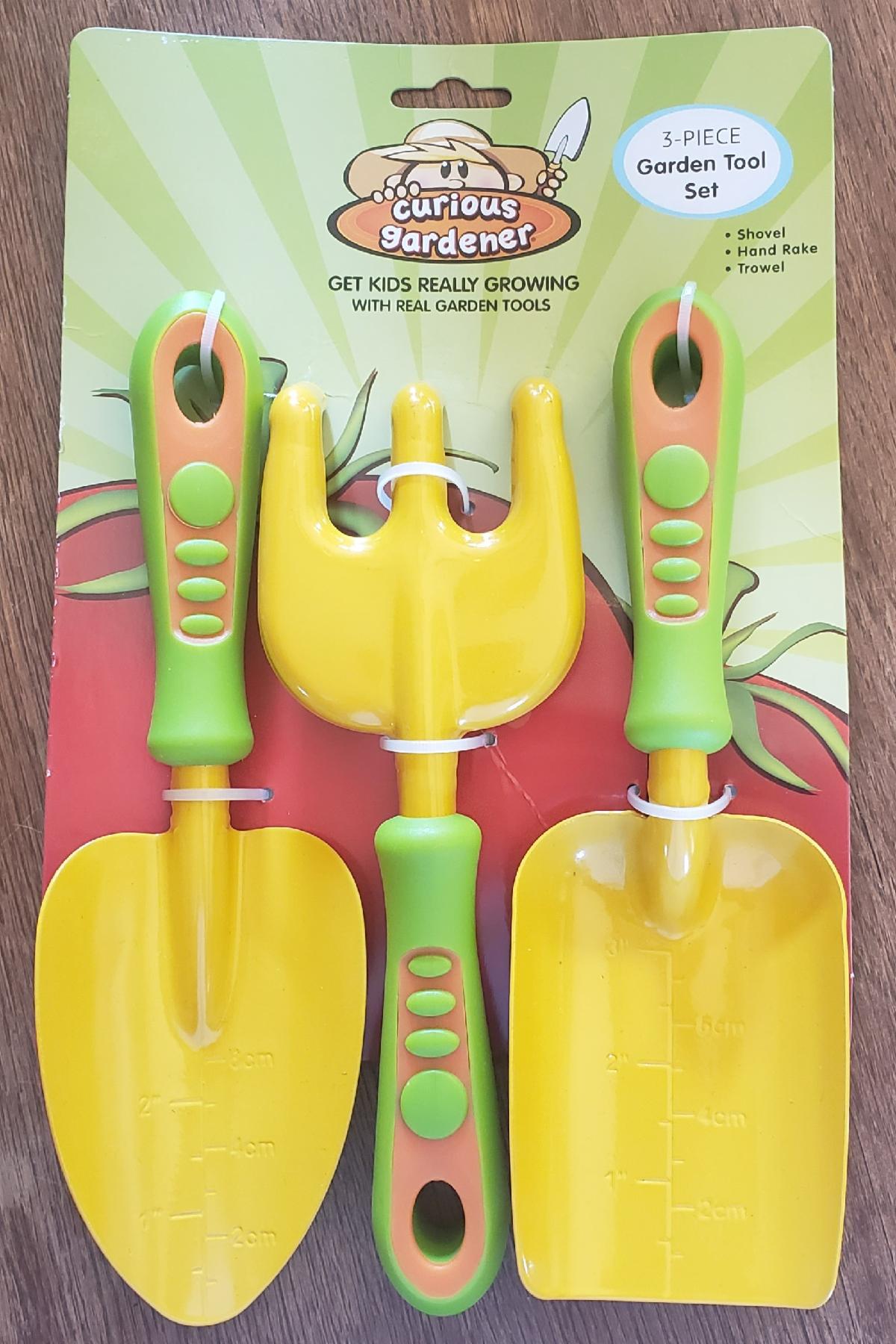
This month, we will be giving away three-piece sets of child-size garden tools Five names will be randomly drawn (and each winner will receive a three-piece set of child-size garden tools. Fill out this form to enter. You must enter no later than 5 p.m. on July 15th. Items will be mailed in late July.

Enter to Win

Congratulations to June's winners:

 • Silvana Dollanarte, Mis Colores Family Child Care LLC, Mount Horeb 

 • Chrissy Moore, Luv ‘N Learn Family Child Care, DeForest

 • Banmeet Dadwal, Ingenious, Franklin 

Gardens

If you are thinking about gardening with the children enrolled in your program, consider the benefits to them…and to you! Use some of these ideas to align activities to the Wisconsin Model Early Learning Standards (WMELS).


Physical development: Gardening activities encourage the use of many physical skills, such as digging, raking, pushing a wheelbarrow and pulling weeds. Find child-sized tools and have the children work alongside you. It is a perfect opportunity to model physical activity!


Emotional development: Discovering butterflies, ladybugs and other insects provides opportunities for children to be delighted. While feeling disappointed is a real possibility if there is a “crop failure,” there is sure to be a feeling of satisfaction when they can harvest and eat things they have had a hand in growing successfully! And the garden provides many opportunities to learn to work alongside peers as they take turns watering plants, weeding and picking cherry tomatoes (among other things).

Developing a real world understanding of math and science concepts: The garden will provide opportunities to measure things (the size of zucchini and strawberries), compare sizes (the difference in size between cherry tomatoes and slicing tomatoes), identify shapes (the circle of a cherry tomato and the mostly straight line of a green bean), learn about concepts such as below and above ground, and develop spatial awareness as they observe plants grow and take up more space.


Exploration with all five senses: Spending time outdoors in a garden offers many ways to engage the senses. Look around – see the plants in the garden and the animals and insects that visit the space. Listen for the sound of insects and birds or the breeze moving leaves in the trees. Smell the plants, soil and the fruits and veggies as they are picked. Feel the soil, leaves, sun, rain and the different textures of the produce being grown. And, of course, enjoy all the flavors of the various herbs, fruits and vegetables that come from the garden!

Family Engagement

For Ages 1-2 years: 2 different servings of fruits/vegetables are needed at lunch and supper –⅛ cup of each vegetable OR ⅛ cup of vegetable & ⅛ cup of fruit.


For Ages 3-5 years: 2 different servings of fruits/vegetables are needed at lunch and supper – ¼ cup of each vegetable OR ¼ cup of vegetable & ¼ cup of fruit.


From UW-Madison,

Division of Extension FoodWIse

Download Activity Sheet

Corn is the Harvest of the Month! 


Add corn to your favorite family meals:


• Add frozen corn to chili or chowder.

• Make a delicious salad with corn, black beans, onions, tomatoes, peppers, cilantro, lime juice, olive oil, garlic, cumin, and salt and pepper.

• Add fresh or canned corn to guacamole or taco salad.


Make meals and memories together. It’s a lesson kids will use for life.


Did You Know?

In Aztec, Incan, Mayan and Native American cultures, corn was grown in companionship with squash and beans. Corn, squash and beans make up the traditional “Three Sisters.”


Select: Sweet corn is available fresh, frozen and canned. If selecting fresh corn, choose ears with bright green husks, fresh silks and tight rows of plump kernels.


Store: Refrigerate corn with husks on and use within 1-2 days.


Prepare: Peel husks and silks from ears of corn. Break off the stalk at the base of the ear of corn. Rinse under cool running water. Boil, microwave, grill or roast!

Do you have questions or suggestions for future content in our Farm to ECE newsletter? Contact Rebecca Breda, WEESSN Food Systems Coordinator.

Facebook  Instagram  LinkedIn  Pinterest  Twitter  YouTube
weca_long_logo_RGB.gif

Explore more of what WECA has to offer:

T.E.A.C.H. | REWARD | FOOD PROGRAM | WECA MEMBERSHIP | CONFERENCE | TRAINING | WEESSN | RAISING WISCONSIN