September 5, 2025

Share, Grow, Lead: Present at the 2026 PSW Educational Conference!

It’s never too early to start planning ahead for the 2026 PSW Educational Conference, and we invite pharmacists and pharmacy technicians to submit a request to present!


The submission process is simple and serves as a great first step in shaping your session by identifying key goals, your intended audience, and even post-session check-for-understanding questions. The PSW Speaker Handbook includes information and details to help you prepare your submission.


 Whether you’re a first-time presenter or a seasoned speaker, this is an excellent opportunity to make an impact. As a bonus, speakers of sessions with two or fewer speakers receive complimentary 1-day conference registration. Start your submission today and be part of the learning and growth that make PSW conferences special!

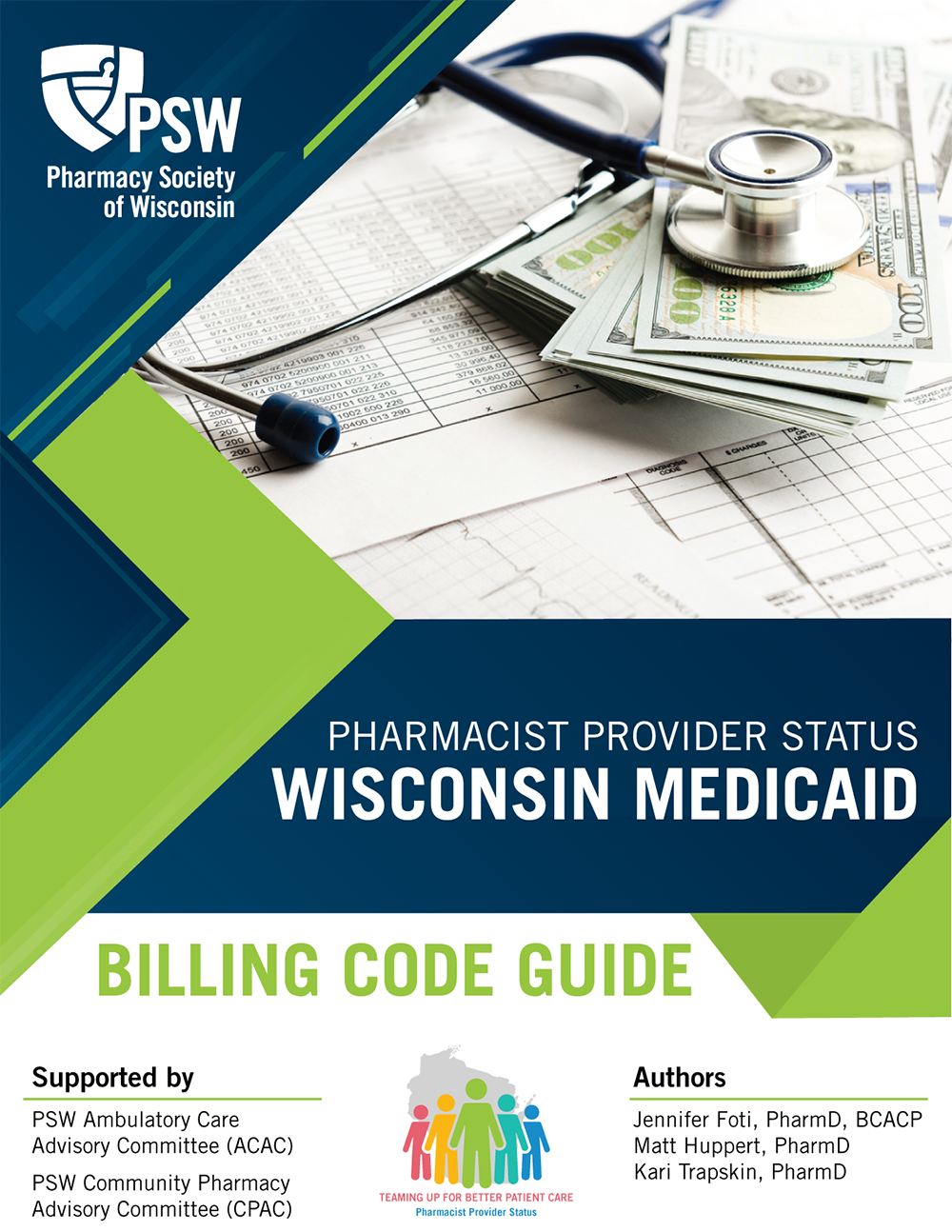
Wisconsin Medicaid Billing Code Guide

Interested in implementing pharmacist-provided medical service billing at your pharmacy? Let PSW help you!


PSW provides many online resources regarding pharmacist provider status, including the Wisconsin Medicaid Billing Code Guide. This free resource for PSW members outlines 2024 payment rates and basic coding guidance for specific covered Wisconsin ForwardHealth (Medicaid) medical services. Click here to access the guide. You will need to log in to access the guide, as this is an exclusive PSW member benefit.

Webinar on AI: Free CE Available for PSW Members

PSW is offering a CE webinar in partnership with the West Virginia Pharmacists Association.


Artificial Intelligence in Pharmacy: Practice, Research, and the Future Ahead

Tuesday, September 23, 2025

6:00 PM - 7:00 PM central


Artificial intelligence (AI) is rapidly reshaping healthcare, but what does it mean for pharmacy practice, education, and research? This continuing education session brings together experts from pharmacy and academia to explore the future of AI from two unique perspectives. Learners will gain a foundational understanding of AI concepts, discover how AI is currently being integrated into medication use systems and decision-making, and examine the potential benefits and challenges of AI adoption in practice, business, and research. The discussion will also address the ethical, regulatory, and professional considerations that accompany AI innovation. By the end of the program, participants will leave better prepared to understand and engage in the evolving role of AI in pharmacy.


Click here to register.

2025 AHA/ACC Hypertension Guidelines: What’s New in Blood Pressure Care


The American College of Cardiology/American Heart Association (ACC/AHA) Joint Committee on Clinical Practice Guidelines published new 2025 hypertension (HTN) guidelines on August 14, 2025 (access here). Here is a brief summary of the most notable changes. PSW will be working with experts to update the PSW Hypertension Clinical Toolkit.


  • PREVENT Personalized Risk Assessment: Replaces the ASCVD Risk calculator, which removes race as a factor and replaces it with zip code to more accurately account for the social drivers of health (SDoH) (access here).
  • Stage 1 HTN Treatment: Initiate therapy if ASCVD risk is ≥ 7.5% (changed from 10%).
  • Stage 2 HTN Treatment: Initiate therapy with a combination pill when feasible.
  • Severe HTN: Reclassified from hypertensive urgency; BP >180/120 with no target organ damage. Recommendation against the use of parenteral antihypertensives and aggressive BP-lowering therapy. Treat in the outpatient setting if possible. 
  • GLP-1s: Recommended as an adjunct to therapy in patients with a BMI ≥ 27 kg/m².
  • Potassium Intake: Supplementation, ideally from diet, can reduce blood pressure and is recommended unless otherwise contraindicated.
  • Sodium Intake: Intake <2300 mg/d now recommended, though the optimal goal remains <1500 mg/d.
  • Urine Albumin-to-Creatinine Ratio: Recommended to test for microalbuminuria at diagnosis and annually.
  • Dementia Risk: Blood pressure control significantly decreases dementia risk.

Putting Opioid Settlement Funds into Pharmacy Action: Fall Reading Series

Week 2: Know Your Community: Researching Local Opioid Trends. To make an impact, you need to understand your local landscape. This chapter introduces tools and tips to help you identify opioid-related trends and target pharmacy-led initiatives accordingly.


What you can do:

  • Explore the Wisconsin Interactive Data Dashboard, county health reports, and emergency response trends.
  • Identify at-risk populations or underserved areas in your service area/community where pharmacy intervention could be life-saving.
  • Use the “Know Your Epidemic” model to frame grant applications or outreach proposals.


Action tip: Use data to justify programs like naloxone co-prescribing or outreach to patients on high-dose opioids.


Read the Toolkit – Chapter 3 (PDF)

Upcoming PSW Member Events

Click here for a full list of PSW membership groups and more details.

Ambulatory Care Pharmacy Member Meet Up

November 6, 2025 at 12:00 pm

Click here to register


Medication Safety Member Meet Up

September 18, 2025 at 3:00 pm

Click here to register


Pain Stewardship Member Meet Up

September 23, 2025 at 2:00 pm

Click here to register

Residency Program Director Member Meet Up

November 26, 2025 at 1:00 pm

Click here to register


Tribal Pharmacy Member Meet Up

November 13, 2025 at 11:00 am

Click here to download the calendar appointment

Your weekly news & updates

Stay up-to-date on weekly statewide and national news that is relevant to the Wisconsin pharmacy profession! Did you miss a week? Check out the online FastFacts archive.

Pharmacy Society of Wisconsin| P: 608-827-9200 | F: 608-827-9292 | www.pswi.org

STAY CONNECTED

LinkedIn  Facebook  X  Instagram  Youtube