Faulkner County Agriculture Update

April 10, 2026


General Conditions

Weather


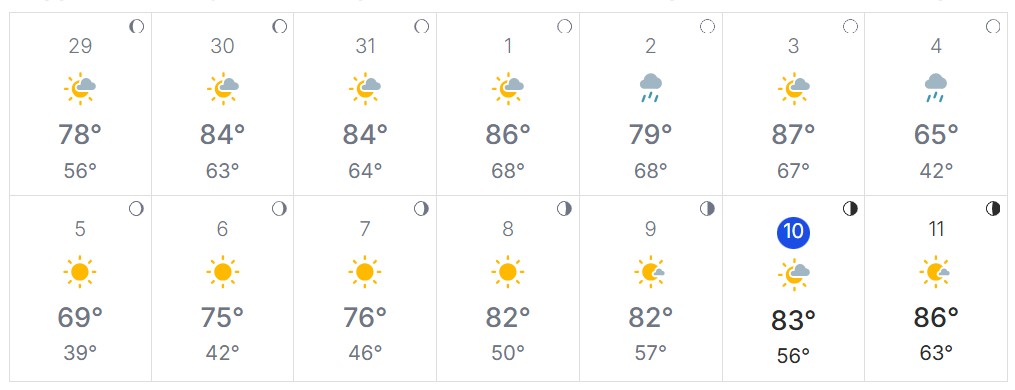
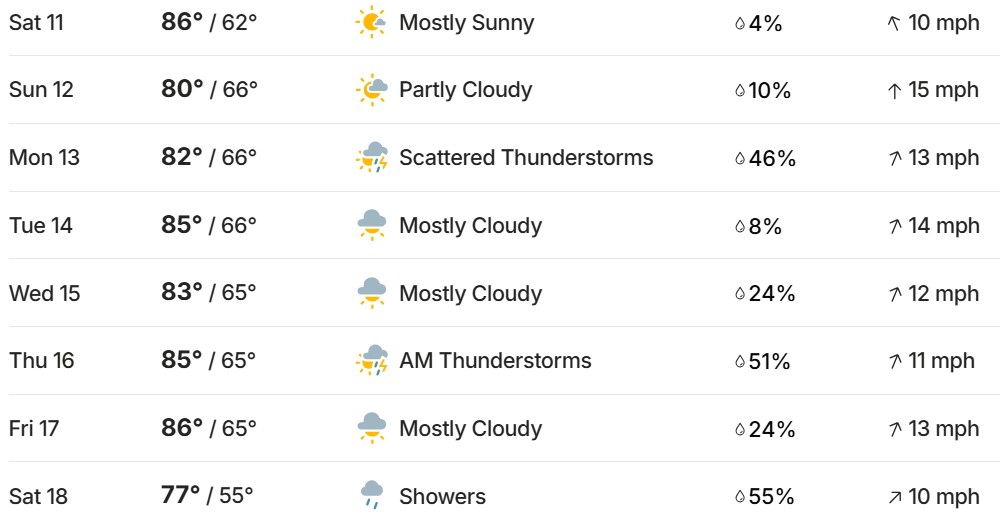
We finally got a significant rain on Saturday. Most of the county got between 3/4 and 1 inch of rain. The good thing was the rain fell slowly and it all soaked in. We had some pretty cool temperatures after the rain, but the week ended back up in the 80's. Next week has some good chances of rain as of right now. Let's hope we get some of those chances and help with this drought.

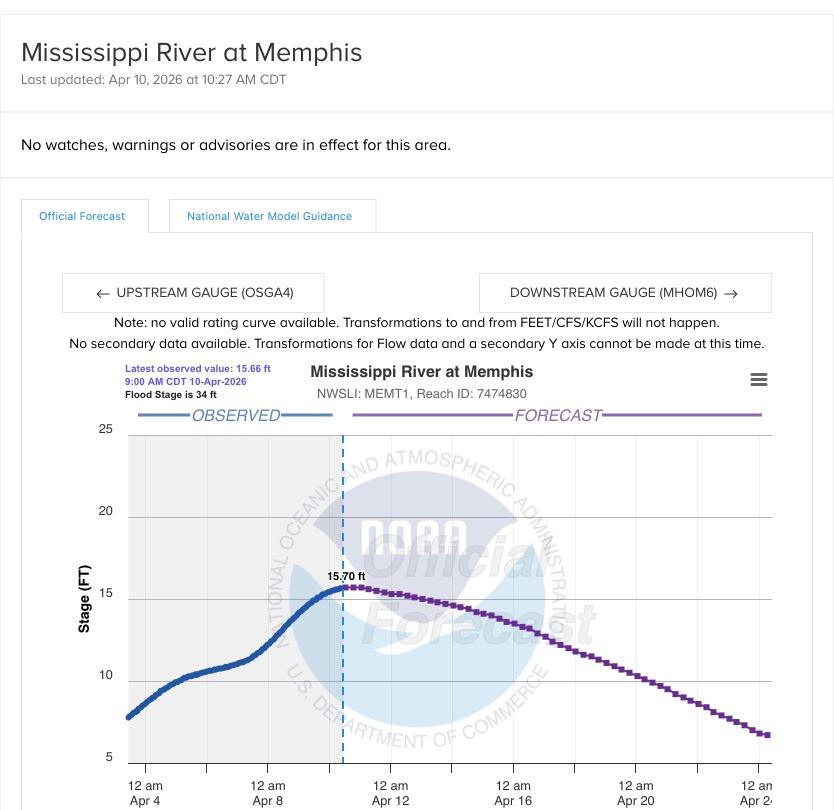
Arkansas and Mississippi River

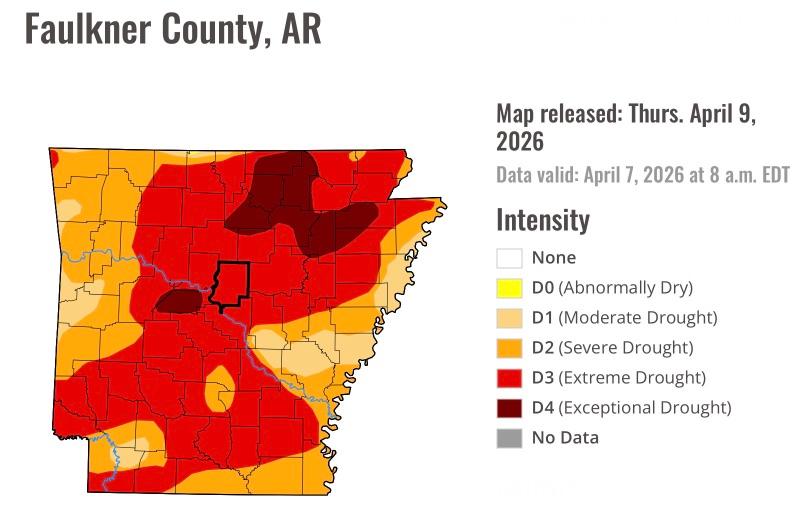
Drought Monitor

Row Crop

Wheat


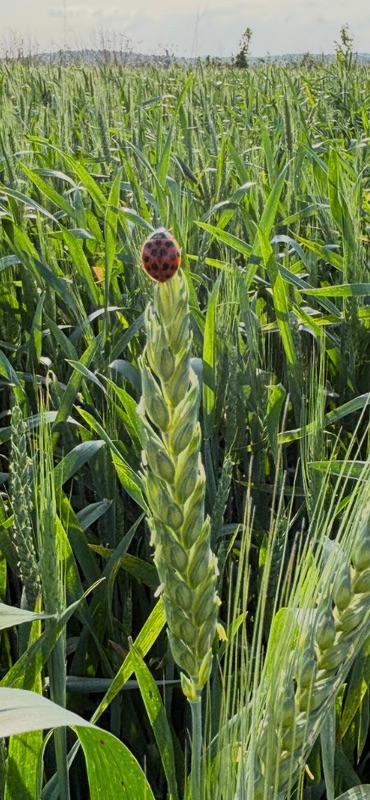
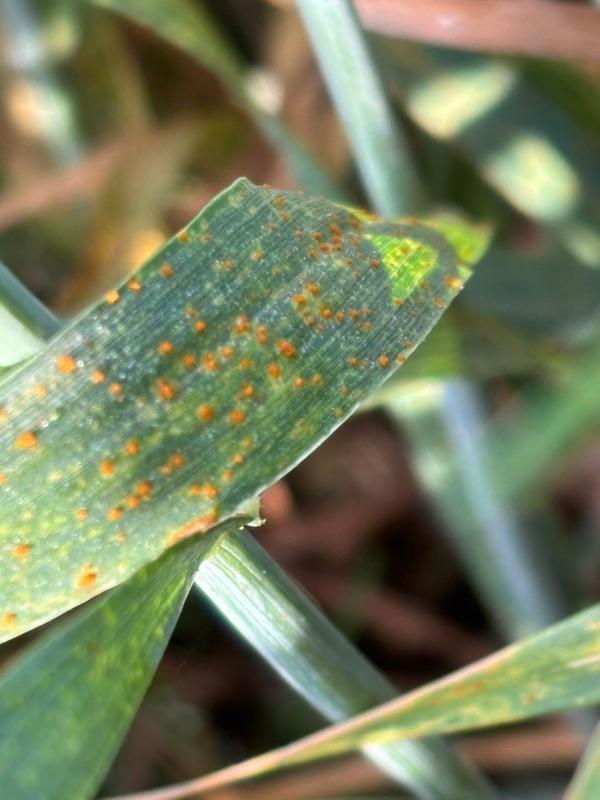
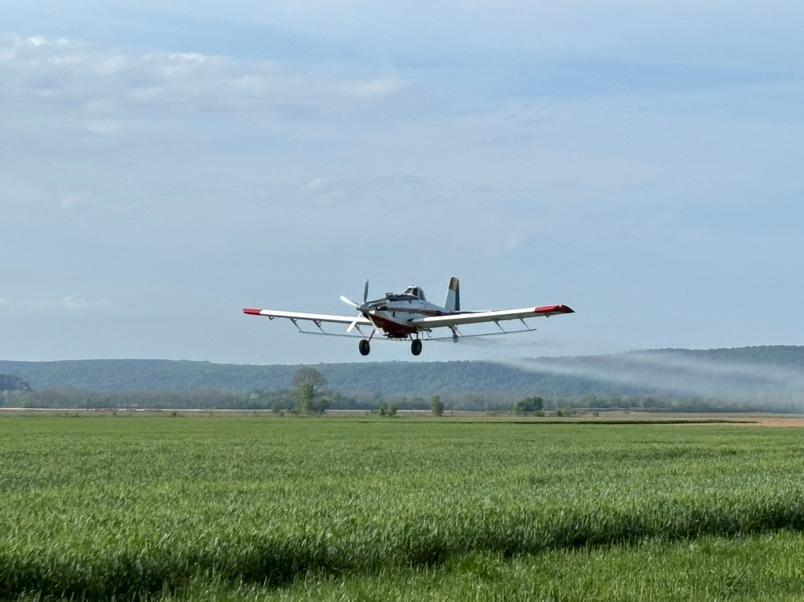
The wheat is really taking up the fertilizer that was applied before the rain. It is greening up and looks really good. We found some fields this week with some aggressive leaf rust. Those fields are currently being sprayed to hopefully slow it down enough to fill out the heads.

Corn


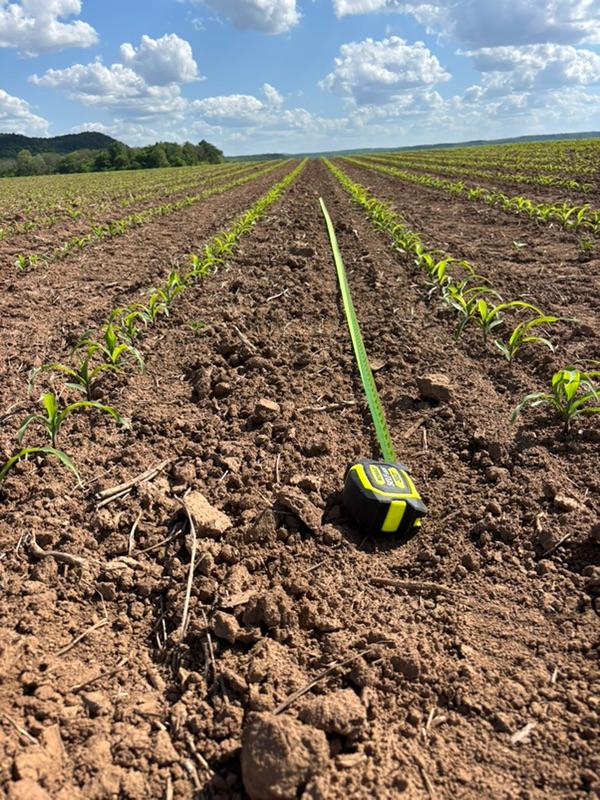
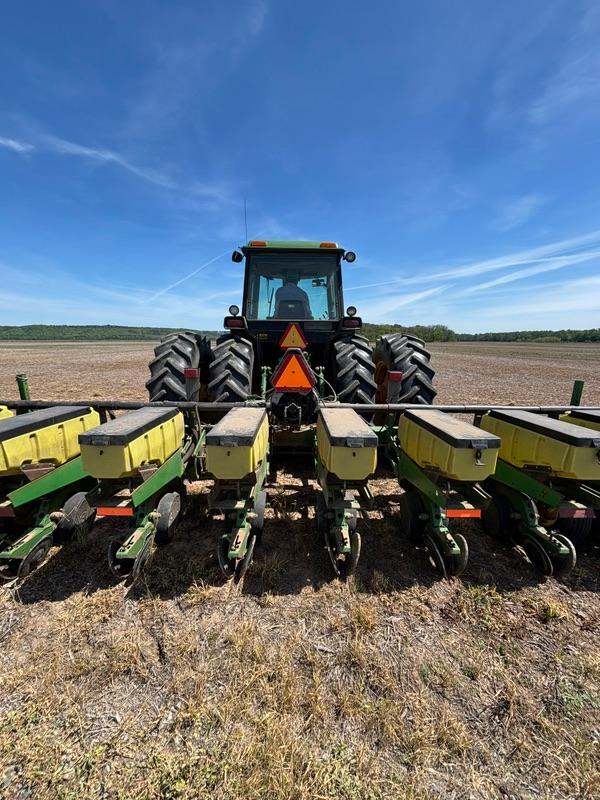
The is some of the best stands of corn I have ever seen. Most stand counts are around 33,000 because I think every seed has come up. We always want that picket fence stand and this year we have it. We are off to a great start on corn. Next week we will be looking at fertilizer and herbicide for the earliest planted corn.


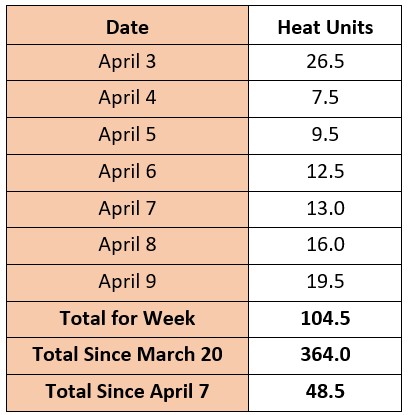
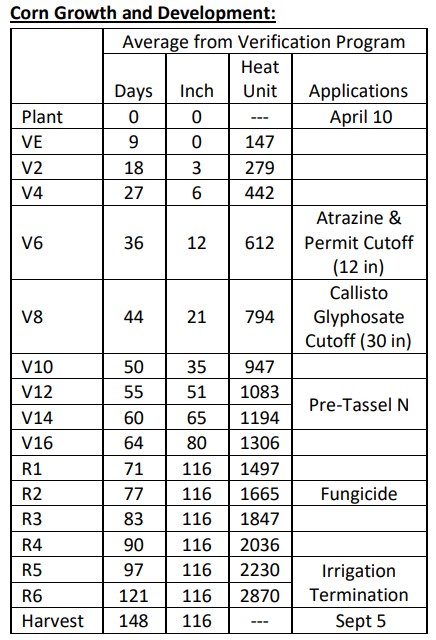
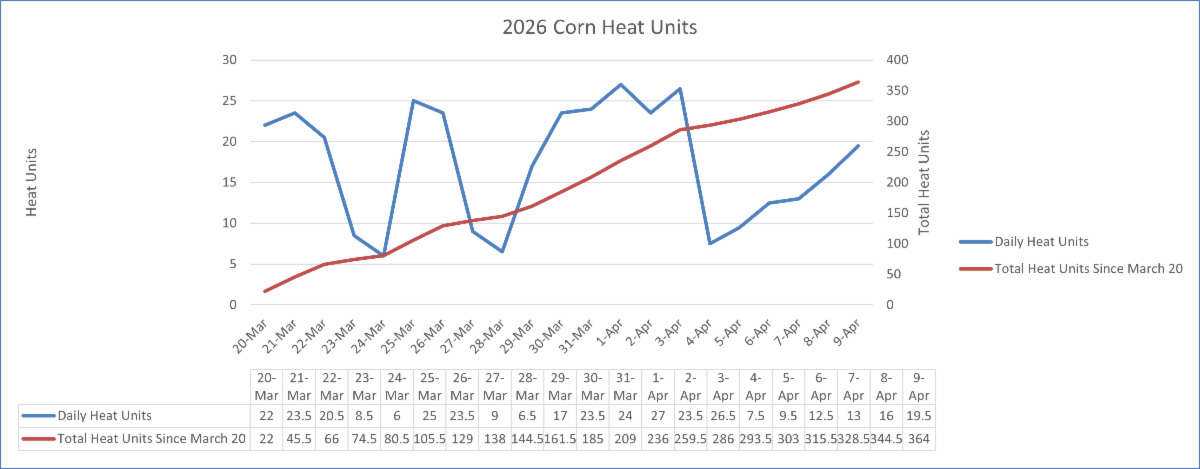
Heat units for corn planted on March 20 is at 364 and for fields planted on April 7 there is 48.5 heat units. That will put the early corn at V3 and the corn that was just planted should emerge in a few days.

Corn Hybrid Trial


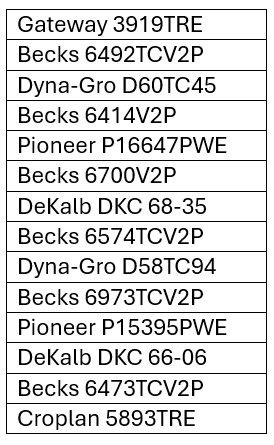
We planted the corn hybrid trial on April 7 on Joe and Austin Thrash. Here is the list of the 14 hybrids in the trial this year.

Rice


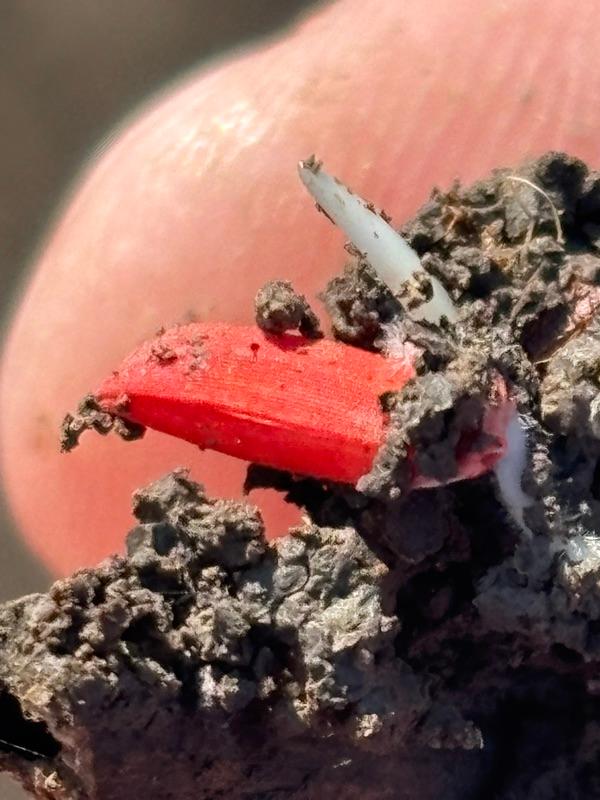
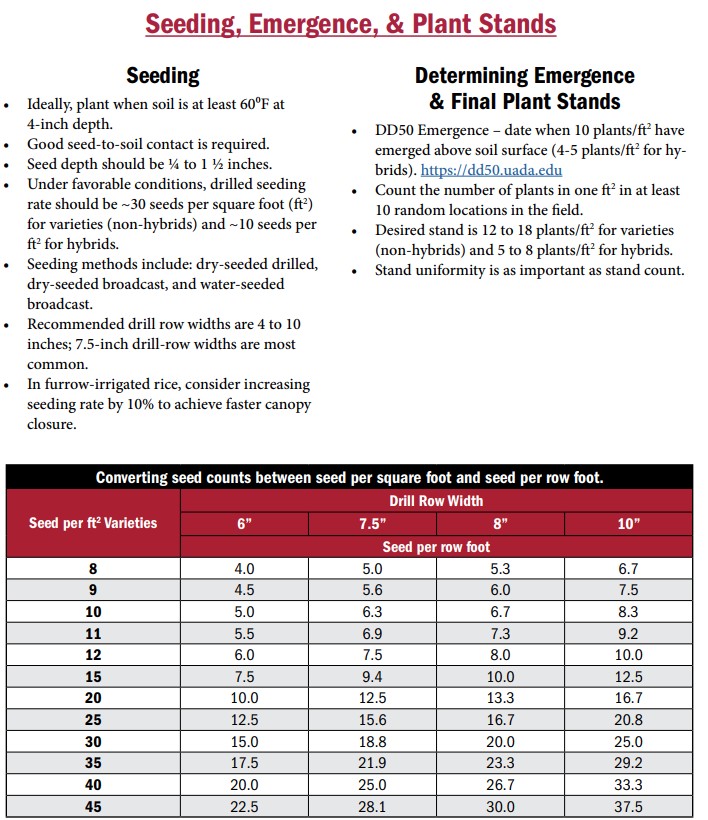
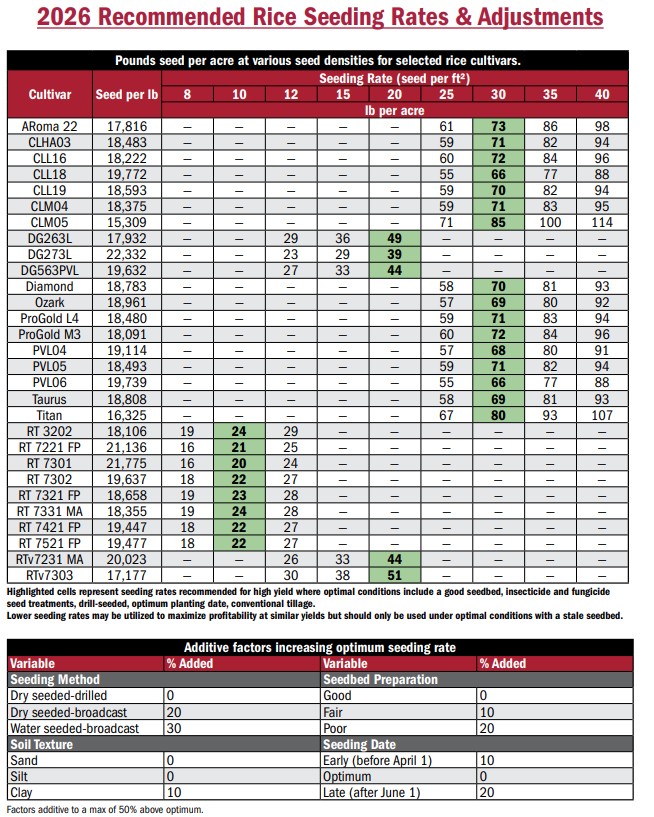
Rice is probably the crop that needed this rain the most. Most of the rice was needing a rain to germinate and to activate the Command that was applied. This rain was perfect to get that process started. We should start seeing seedlings up early next week and can start putting data into the DD50 program. Another rain wouldn't hurt right now as some of the ground is trying to crust over with all this wind.

The 2026 Rice Management Guide is now available on our website. I have added a link below. I have hard copies and will hand them out as I see producers.

Latest rice update from Dr. Jarrod Hardke.

Crop Enterprise Budgets


Below is a link to the 2026 Crop Enterprise Budgets. If anyone needs assistance with these budgets please let me know.

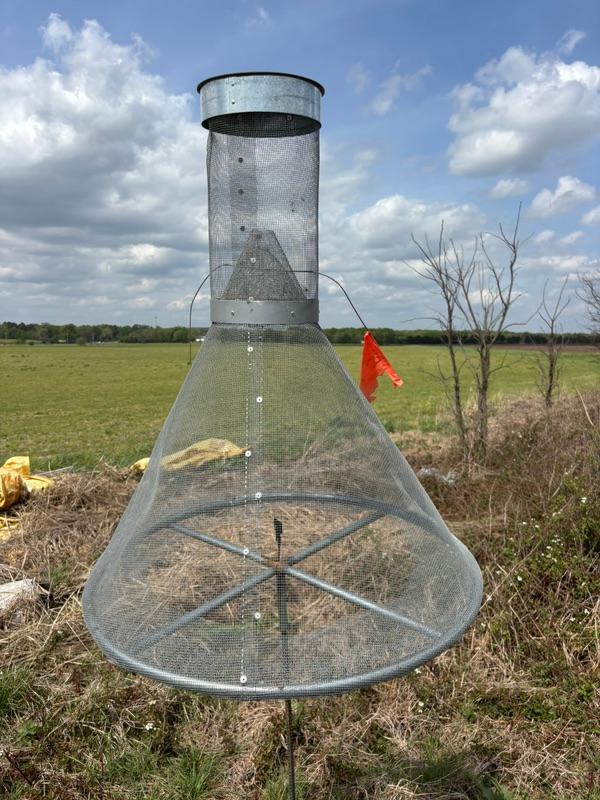
Corn Earworm Moth Traps


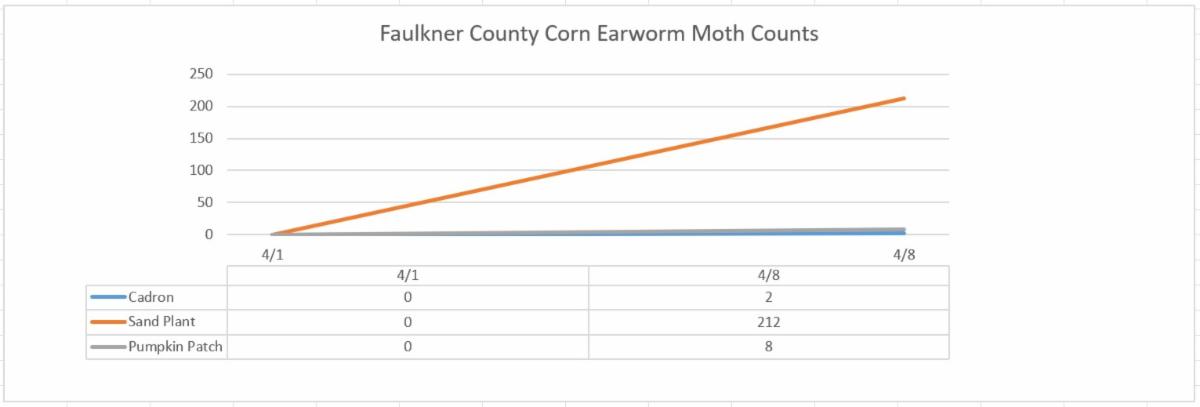
Here are the first moth trap numbers for 2026


Corn Earworm Moth Counts for April 8, 2026

Cadron - 2


Sand Plant - 212


Pumpkin Patch - 8

March 31 Prospective Plantings Report Offers Few Surprises

H. Scott Stiles, Program Associate, University of Arkansas

Hunter D. Biram, Assistant Professor and Extension Agricultural Economist, University of Arkansas


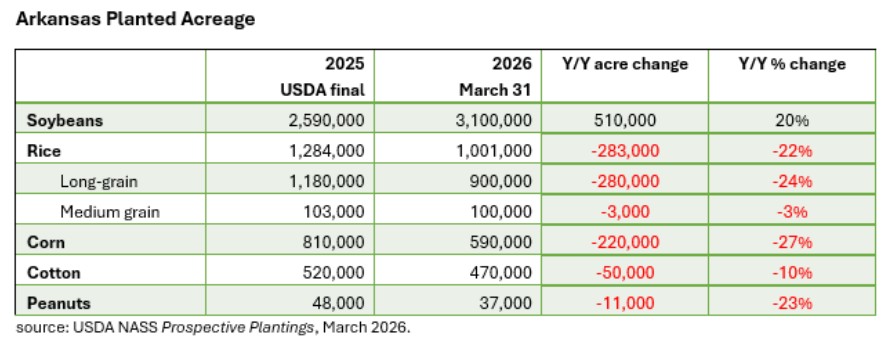
Compared to general ideas ahead of the report, NASS' March 31 survey results had every crop moving in the expected direction. There has been a clear indication for some time there would be a sizeable increase in 2026 soybean acres and a sharp reduction in rice and cotton. Corn direction was a little more uncertain, but recent events likely influenced planting decisions. The table below provides a summary of NASS’ Prospective Plantings survey and findings for 2026 Arkansas crop acres. 

Of all U.S. states, Arkansas had the largest expected increase in soybean acres at 510,000 acres. Many industry observers had Arkansas’ soybean acreage possibly reaching 3.3 million and pulling in additional ground from rice and cotton. 


Survey Highlights:

  • Arkansas soybean acres fell short of expectations but increasing a comparatively large 510,000 acres to 3.1 million.
  • As expected, Arkansas rice acres fell to the lowest level since 1983 at 1.001 million. Final long-grain acres could be lower as input costs increased through March.
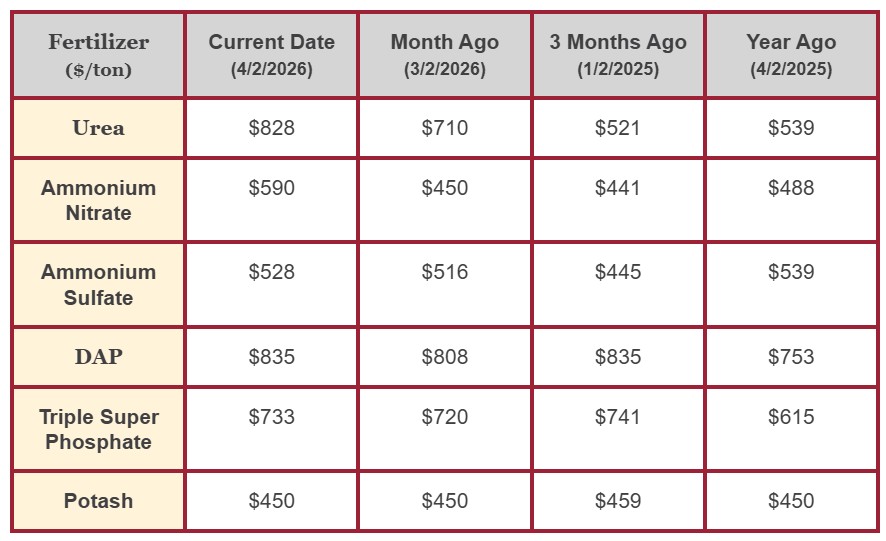
  • A sharp, 40% rise in Urea following the Mid East conflict may have reduced corn acres more than expected.
  • Cotton acres fall to lowest level since 2017, but higher than expected.


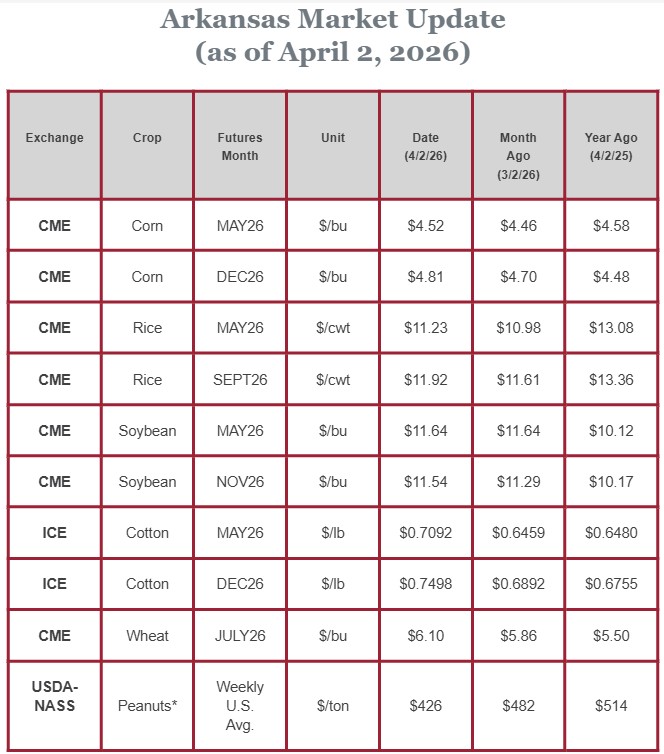
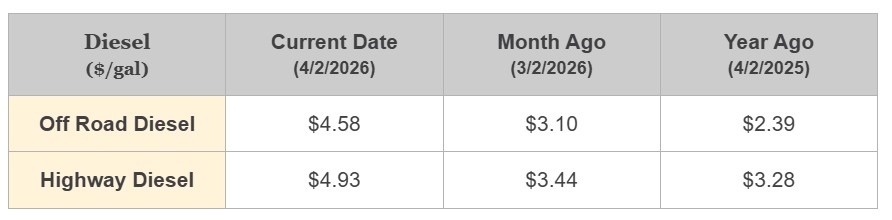
A point to consider in the Prospective Plantings is the timing of the survey, which ran from February 27 to March 17. Throughout March, nitrogen fertilizer prices continued to work higher. Urea prices surged 40% during the month to 4-year highs. There are some unknowns as to the potential impact of the surge in fertilizer and fuel prices. Diesel prices are also at 4-year highs. These sharp increases in nitrogen have impacted rice, cotton and corn budgets most of all. Fuel has impacted all crops, but some to a greater degree depending on irrigation needs. For growers that had already locked-in or booked input costs prior to the Middle East conflict, it's unlikely they'll alter their planting strategy. An unusually drawn-out crop loan renewal season was noted by ag lenders this winter. This may have delayed some grower’s decisions on pre-paying or booking fuel and fertilizer for the 2026 crop.


In summary, the March planting intentions are a benchmark from which to add or subtract acres as we move through the growing season. Acres will no doubt change based on weather this spring, market direction and other factors, which this year will include fertilizer and fuel prices.

Beef, Small Ruminants, & Forages

2026 Fertilizer Markets Survey


The American Farm Bureau Federation is inviting farmers and ranchers to complete this survey about the impact of fertilizer market volatility on farms across the U.S. following the closure of the Strait of Hormuz. Participation is open to all farmers; Farm Bureau membership is not required. Responses will be aggregated and anonymized. We are asking that this survey not be posted on social media or on websites at this time. 

Do You Have Adequate Bull Power?

Mark Z. Johnson, Oklahoma State University Extension Beef Cattle Breeding Specialist


It is time for bull turnout for herds that calve in January. As we prepare for breeding season it is critically important to address bull to female ratios and answer the question: Do you have adequate number of bulls on hand to get females bred promptly?


The first goal of breeding season is to get cows bred early in breeding season resulting in more calves born earlier in calving season, shorter breeding/calving seasons, older calves at weaning and ultimately, more pay weight at weaning due to calf age. The typical beef calf gains about 2 lbs./day up until weaning, accordingly a calf born one heat cycle (21 days) earlier will wean off about 40 lbs. heavier. How do we get this accomplished? By having an adequate amount of bulls to get cows serviced. The following shows a conservative expectation of the number of cows we should expect bulls to cover in a defined (45 – 90 day) breeding season.


12 - 15 month old bulls = 10 – 12 females

15 - 18 month old bulls = 12 – 18 females

18 - 24 month old females = 18 – 25 females

24 mo. & older = 25 – 35 females

2 – 6 year old bulls = 25 – 35 females


Rule of Thumb: One female per month of age at turnout for yearling bulls after passing a Breeding Soundness Exam (BSE).


For example: If I have 60 heifers to breed and plan to turn out 15 month old bulls, I will need four bulls.


What is the typical life expectancy of a breeding bull? Typically up to the age of 6 is “prime of life” for breeding bulls. This isn’t to say that all bulls will break down at this age, but it is more likely to happen after age six. Often when an older bull goes bad, it isn’t discovered until after breeding season when we are doing pregnancy checks.


Get prepared, make sure your herd bulls have passed a BSE prior to turnout and take measures to have an ample number of bulls with females to insure prompt breed up this season. . 

Faulkner County Cattlemen's Meeting


The next meeting of the Faulkner County Cattlemen's Association will be April 23, 2026 at 6:30 at Simon Farms.

Increased Beef Carcass Quality

Mark Z. Johnson, Oklahoma State University Extension Beef Cattle Breeding Specialist


The percentages of USDA Select and Prime grade beef carcasses continue to shift in the direction of higher quality, more marbling-rich beef. Through the early part of 2026, Select grade percentages dropped into the single digits, while the percentage of Prime is reaching new highs. During the month of March the percentage of carcasses grading USDA Select was approximately 8% of the harvest mix, down about 4% from a year ago. The percentage of Prime advanced to 15%, up roughly 4% from March, 2025. The 73 – 74% of carcasses grading Choice are basically unchanged from last year and the previous five year average. Quality grades lower than Select have declined to less than 3% of the harvest mix.


As recently as 2010, Select grading beef represented 30% of the quality grade mix. While Prime and Choice accounted for less than 65% that year. In 2025, Select was down to 13% of all graded beef carcasses, while Prime and Choice exceeded 84%.


Why?

Increased additive genetic potential for marbling is the foundation of the increase in beef carcass quality. Without question, increased days on feed and pushing cattle to historically higher finished weights contribute to tapping this genetic potential for marbling.


What is the Impact?

Consumers have responded favorably to improving beef quality. Since the turn of the century, beef demand has continued upward. The Cattle-Fax Beef Demand Index hit another record in 2025, up roughly 50% compared to 1998-1999. The beef industry is experiencing greater demand for Prime and the upper two-thirds of Choice. Greater supply of Prime and upper two-thirds of Choice has allowed more consumers to try the higher quality product. Consumers like it and are willing to spend more to enjoy it. The phenomenon has increased demand across the entire beef industry.  

Arkansas Shepherds Association


The Arkansas Shepherds Association went live this week! ASA is an organization for sheep owners or businesses that want to support the Arkansas sheep industry. They will have lots of information for sheep owners and an annual educational workshop.


Anyone that is interested in joining the association can click the link below to find out more and to join.

Upcoming Meetings

Save the date for April 30th in Heber Springs. There will be a multi county small ruminant conference at the Mountain Top Cowboy Church. Agenda will be coming soon.

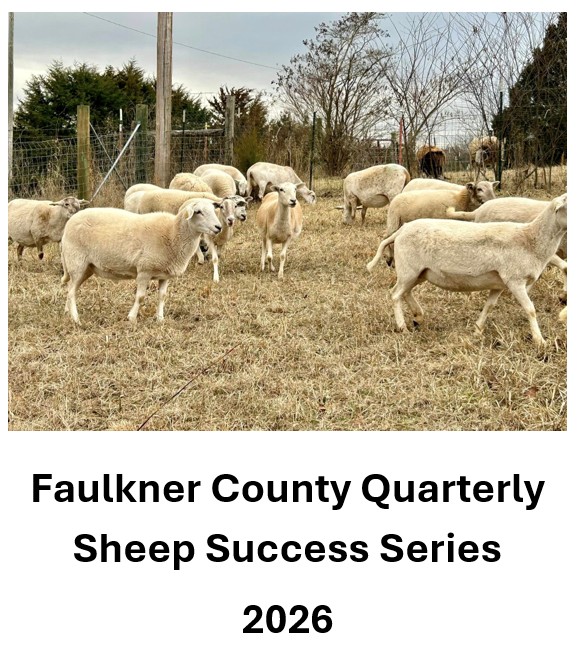
The next sheep success series meeting will be May 9 starting at 9:00 am. I am still working on the agenda and the place but as soon as I get it together I will put it on here. I just wanted everyone to get it on their calendar.

Pesticide Applicator Trainings


In order to purchase restricted use pesticides (herbicides, insecticides, fungicides, etc) you must have a private applicators license. The license is good for 5 years.


To obtain a license you must first attend a certification training. Certification trainings are done in person by a County Extension Agent or you can go online and be certified. Below is a link to the online training.


In person trainings this year will all be at the Faulkner County Extension Office and will be on:


April 30 - 2:00 PM


A certification training costs $20 and is due the day of the training.


Once a producer is certified, they will go through the Arkansas Department of Agriculture to obtain the license which is $45.


Please call the Extension office at 501-329-8344 to sign up for one of these dates.


If you have a question about your license, please follow the License Search and Verification link below to find your license.

Livestock Market Report


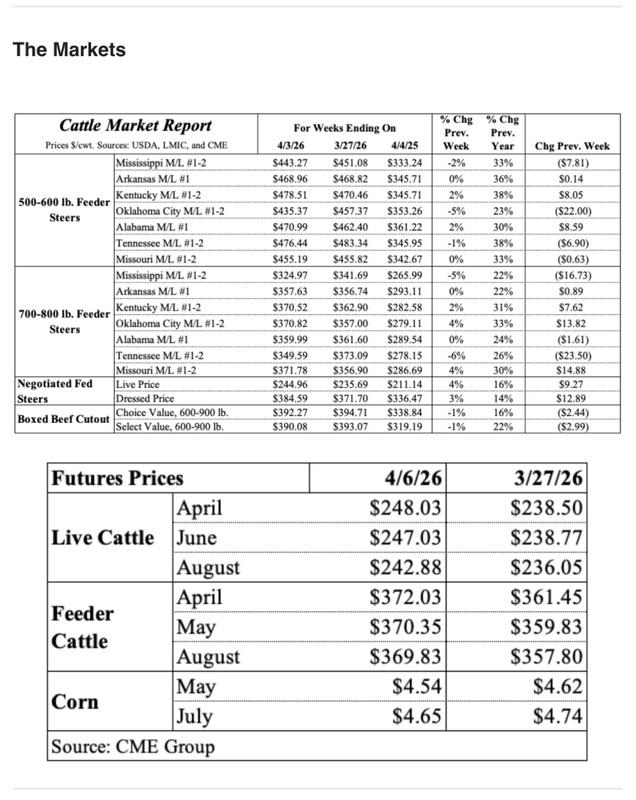
The following links are for the weekly livestock market report from the Arkansas Department of Agriculture website and the Livestock Auction Dashboard from USDA. Both sites have marketing data for all livestock sold at Arkansas Sale Barns.

2025 Faulkner County Agriculture Demonstration Summary


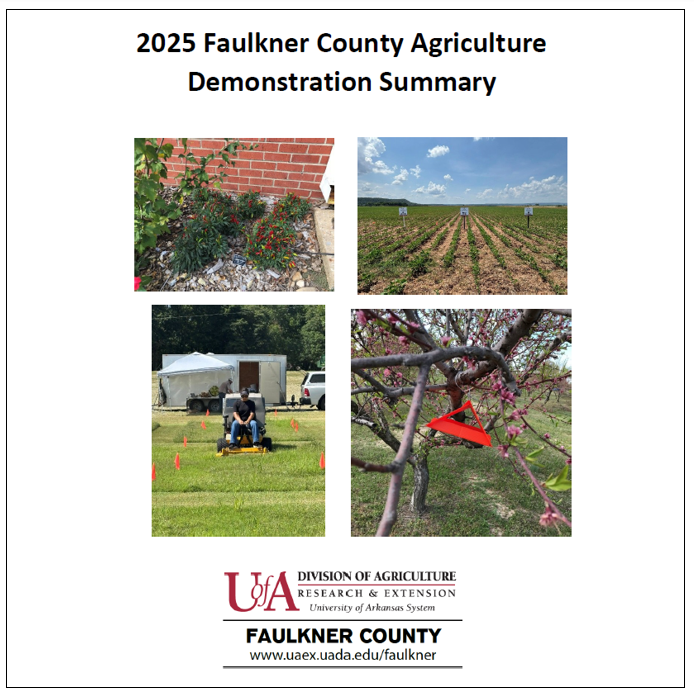
The 2025 Faulkner County Agriculture Demonstration Summary is now available at the link below.


The 2025 Faulkner County Demonstration Summary is a collection of on-site demonstration results conducted in Faulkner County by local County Agents. Demonstrations are the cornerstone of the University of Arkansas System Division of Agriculture Cooperative Extension Service’s mission which is:


“We strengthen agriculture, communities, and families by connecting trusted research to the adoption of best practices.”


On-site demonstrations allow producers and homeowners to see firsthand how Extension recommended varieties and best management practices work in their counties and surrounding area.

Sign up for Text Alerts


You can now sign up for text alerts from me throughout the year. I have two areas you can sign up for which includes Faulkner Livestock or Faulkner Ag (Row Crop Updates). To sign up you can follow one of these links or use the QR Codes below.

Faulkner Livestock


Use either the QR Code or this link:

https://slktxt.io/10lLe

Faulkner Ag (Faulkner Row Crops)


Use either the QR Code or this link:

https://slktxt.io/10lLc

Pursuant to 7 CFR § 15.3, the University of Arkansas System Division of Agriculture offers all its Extension and Research programs and services (including employment) without regard to race, color, sex, national origin, religion, age, disability, marital or veteran status, genetic information, sexual preference, pregnancy or any other legally protected status, and is an equal opportunity institution.

Contact Kevin Lawson, County Extension Agent–Agriculture, Faulkner County | Kevin Lawson