Faulkner County Agriculture Update
April 17, 2026
| | |
Weather
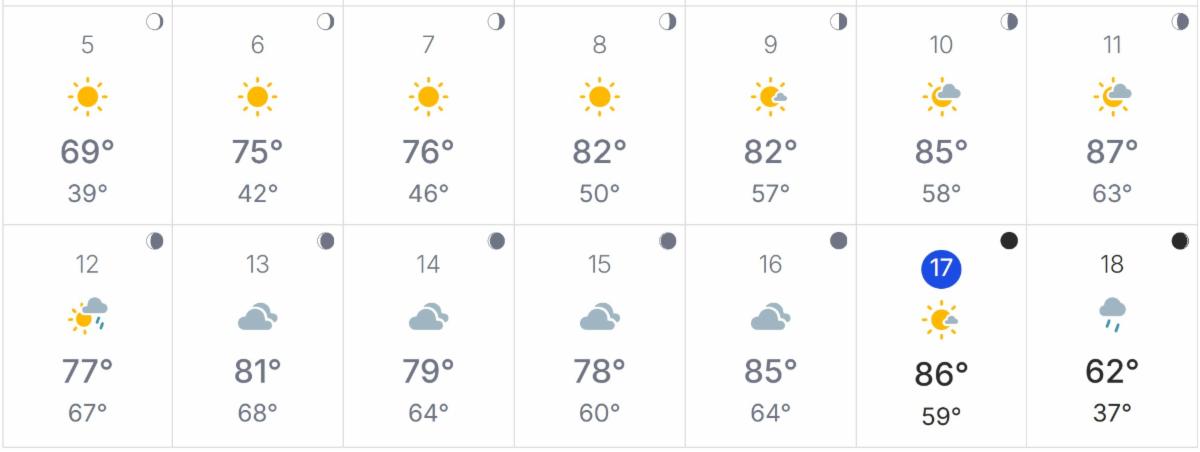
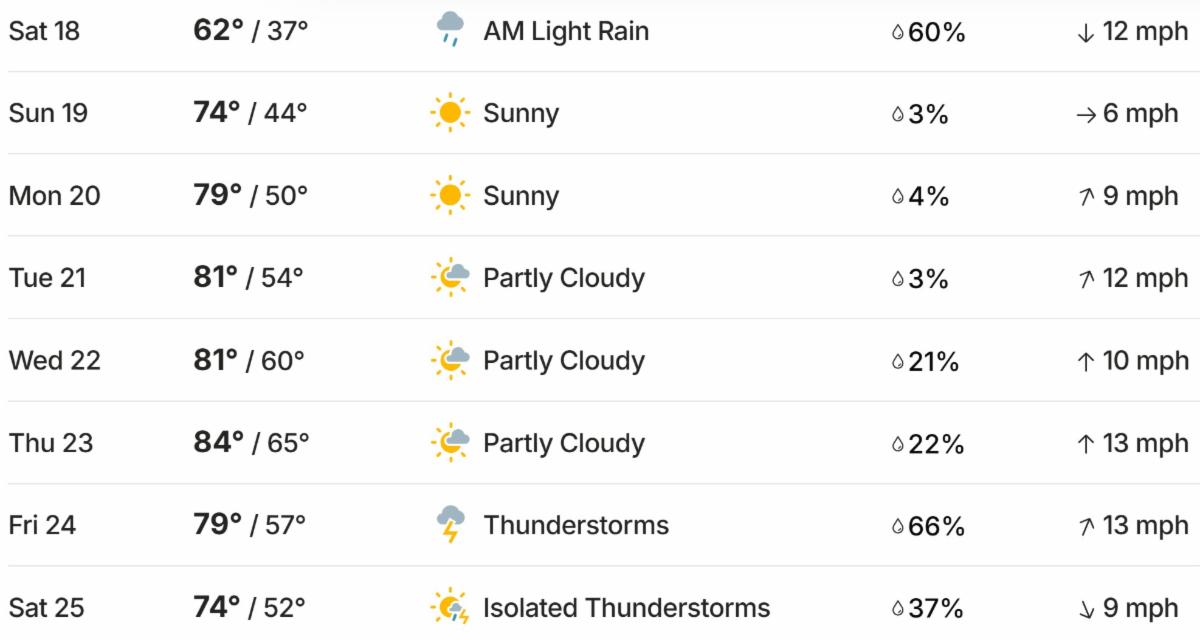
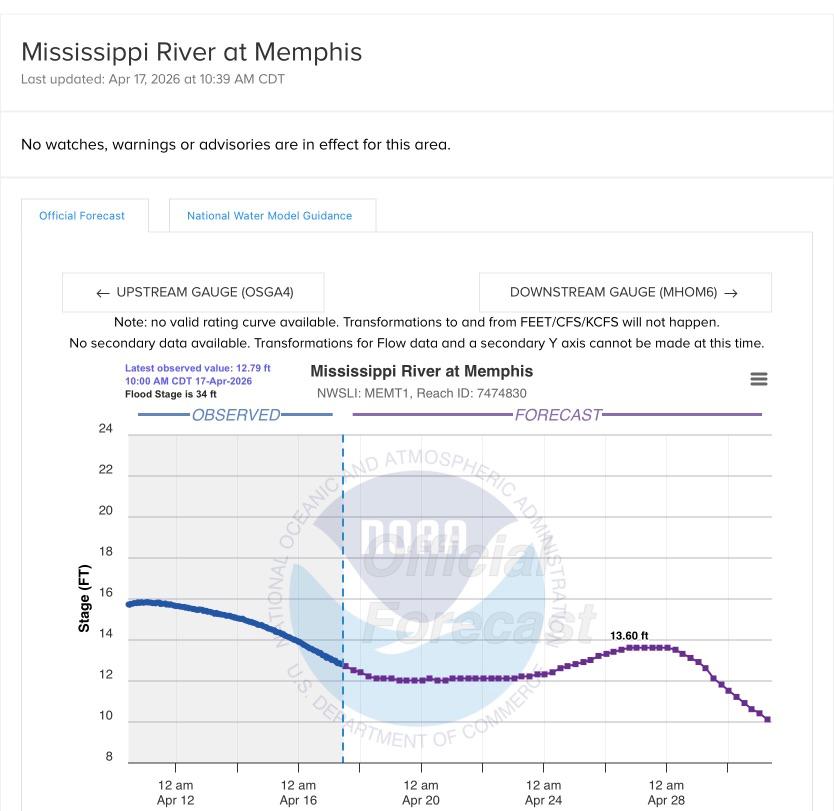
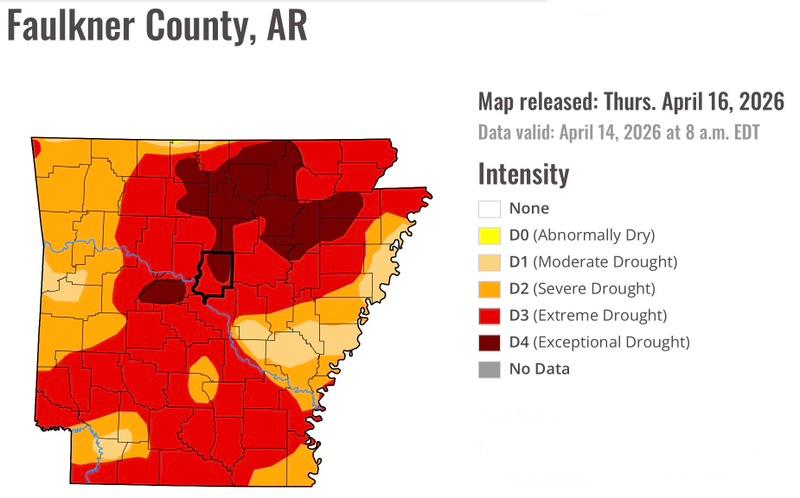
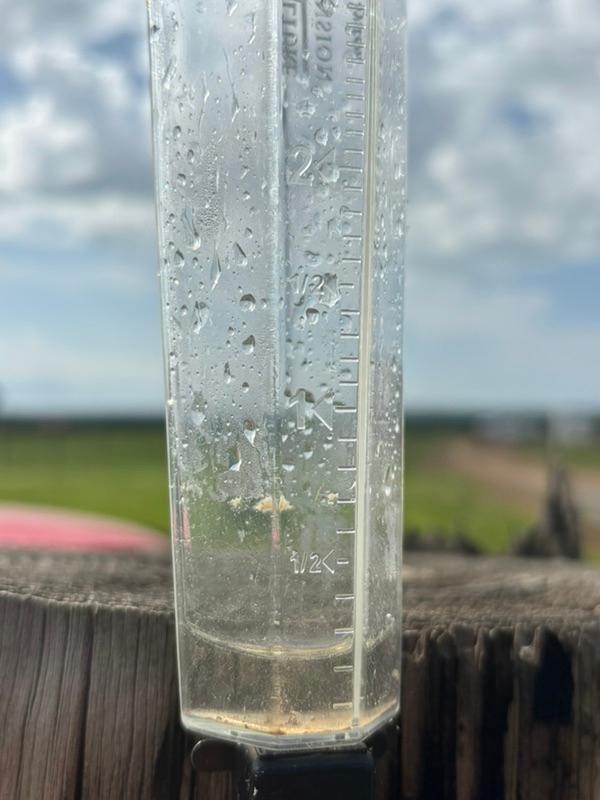
Rain came through on Wednesday night with amounts anywhere from 0.5 inches to 0.15 inches. It was a nice rain, but we need way more. Parts of Faulkner County have moved into D4 drought. This is not good and there isn't much relief in site. We have a chance for a small amount of rain tomorrow then the next chance isn't until next weekend. Things are getting serious as we have started irrigation on crops and flushing rice.
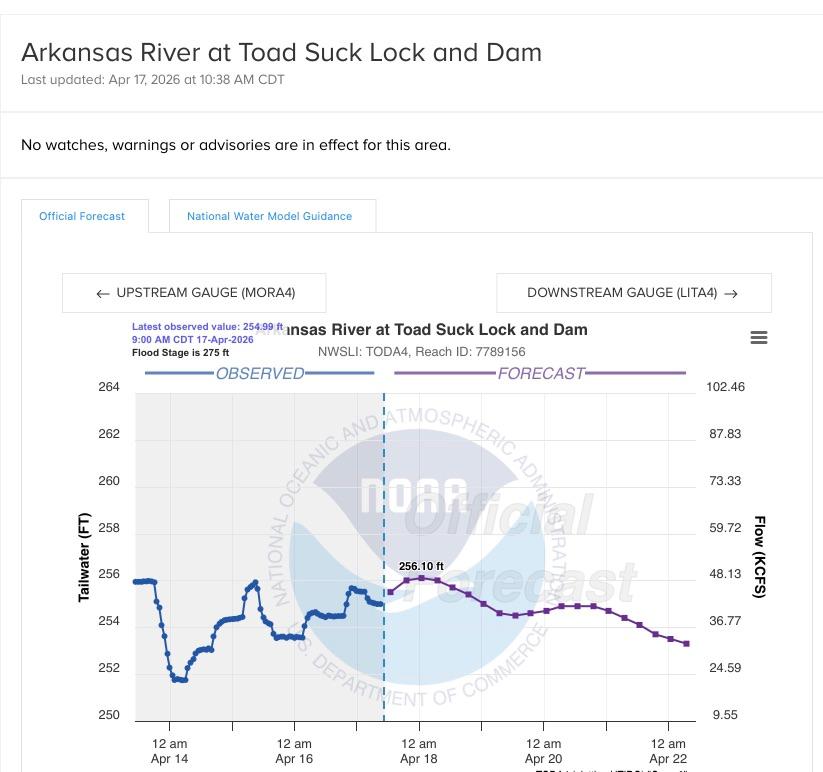
| | Arkansas and Mississippi River | | |
Wheat
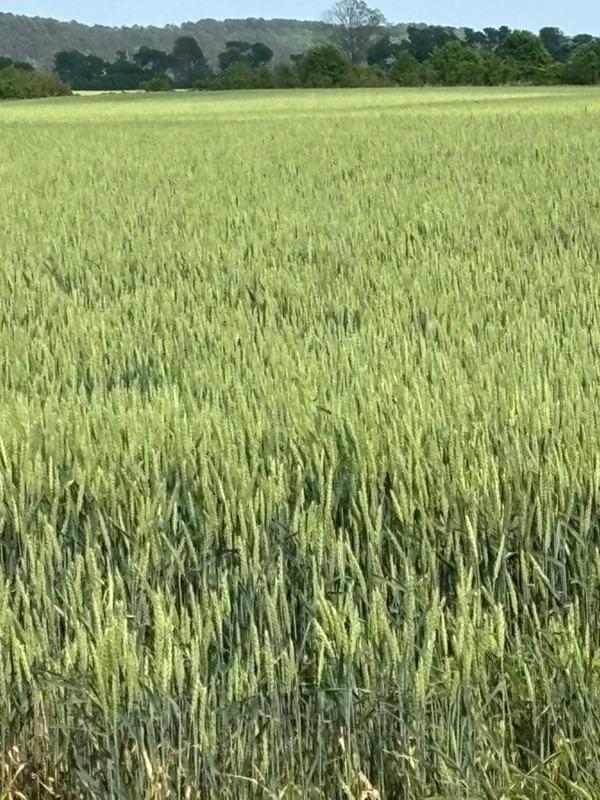
Fields with high levels of leaf rust had fungicide applications last weekend. Hopefully we caught it fast enough to protect the flag and flag minus one leaves to help fill out the grain. The majority of the wheat has headed out and is either flowering now or just finished up flowering. The one good thing about dry weather is it is making the wheat very happy. It loves dry weather so this might turn out to be a very good wheat crop.
| |
Corn
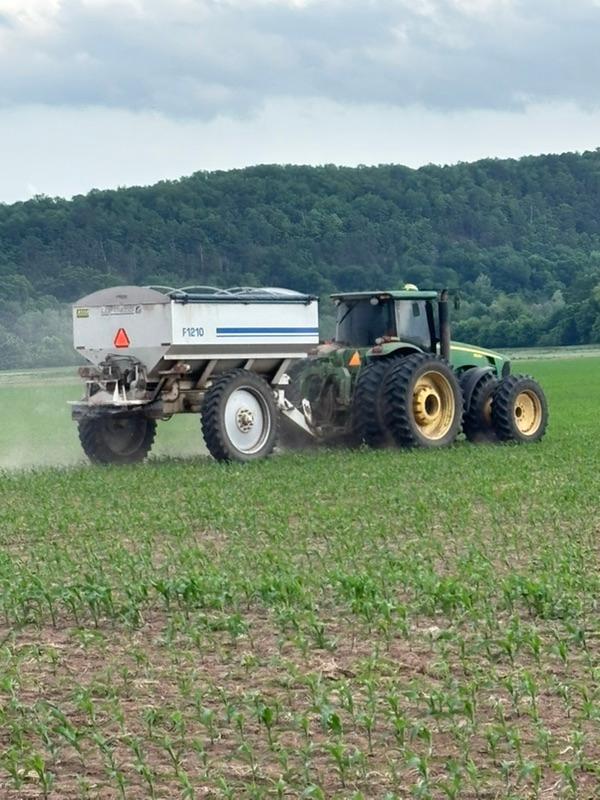
Corn in the county continues to impress and amaze me. Corn is growing like crazy and looks amazing. Sidedress fertilization started this week and weed control has been recommended on several fields. Some producers are looking at doing two sidedress applications while some will go with just one. Remember, in all we want to get between 200 to 220 total units of nitrogen. We will put out 45 (100 lbs of Urea) units at tassel, so subtract that and what you put out preplant from your target nitrogen amount and that is what you will need now. Go ahead and apply some sulfate with this sidedress application where you have sandier soils.
For weed control, my go to is Halex GT at 3.6 pints plus some atrazine. A quart to quart and a half of atrazine usually works good. Halex has Callisto, Dual, and Glyphosate in it so we will need a rain to activate the Dual part of that combination to help with residual. Add permit or permit plus if you have a severe nutgrass problem.
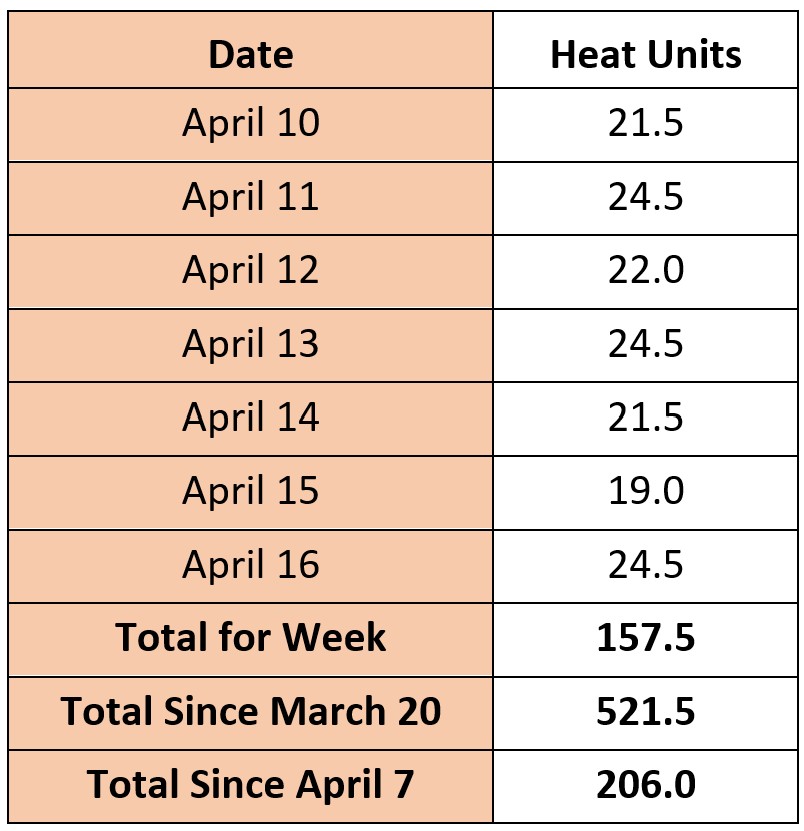
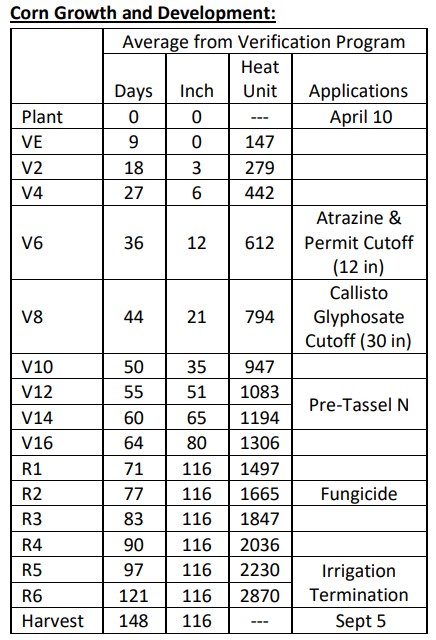
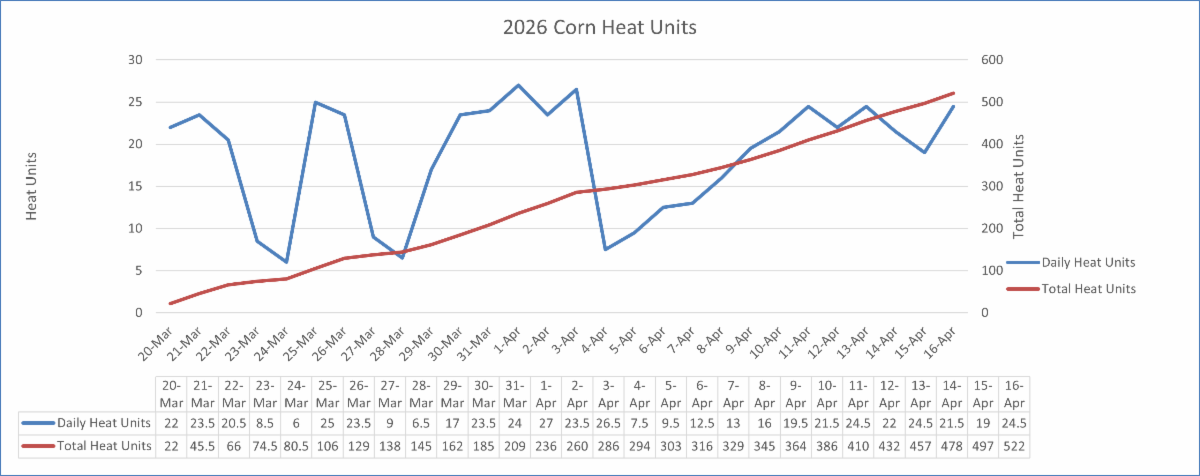
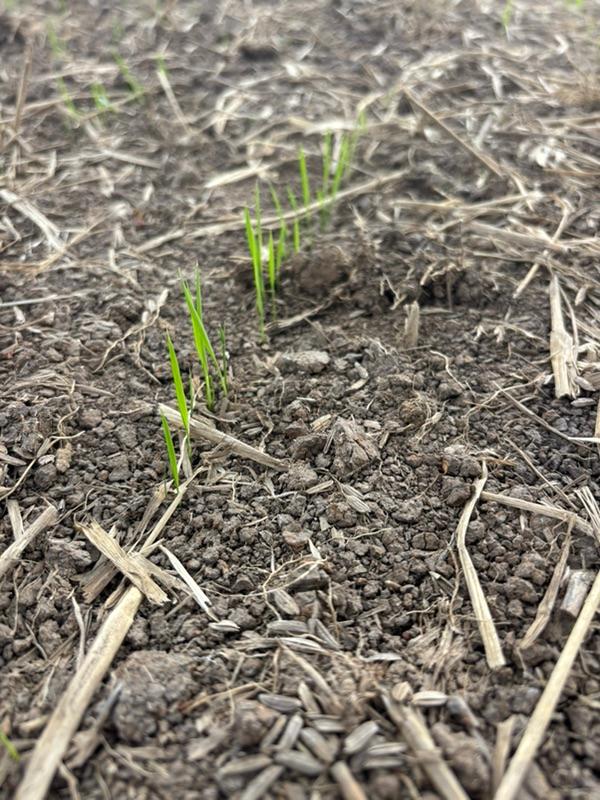
Heat units for corn planted on March 20 is at 521.5 and for fields planted on April 7 there is 206 heat units. We are gathering anywhere from 21 to 24 heat units a day. I looked back at last years heat units and this time last year we were gathering between 13 to 19 a day. Early planted fields are at V5 while late planted fields just emerged and the second collar is just about to appear.
| | |
Rice
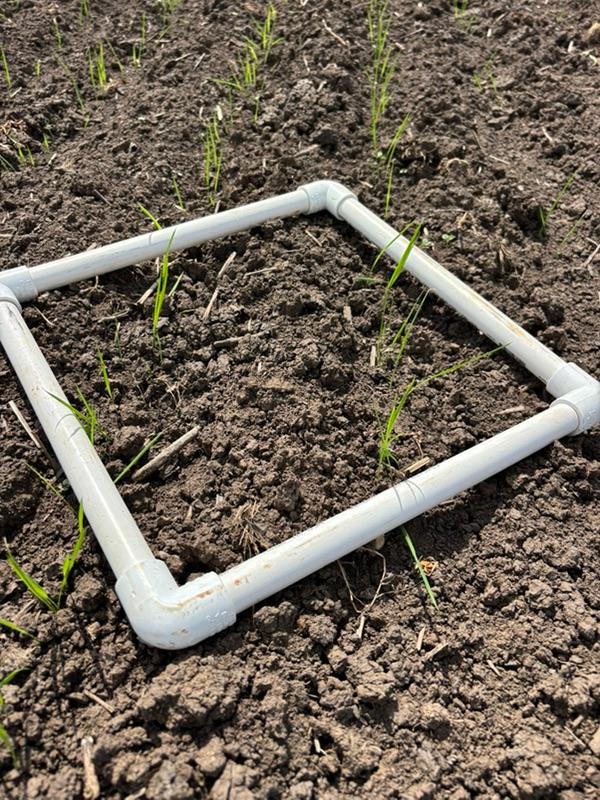
Rice is still trying to emerge. Flushing was started on some fields on Wednesday and even though it rained, it didn't rain enough to stop the flush. Some rice fields emerged okay but several fields are having uneven stands. Depending on how the rice was planted and soil texture we have some rice up and then areas that haven't emerged yet. A rain tomorrow is needed badly or more flushing will have to start.
Be on the lookout for grass starting. Command didn't get activated timely and grass is starting to show up. Now is the time to get ahead of it and add a residual like Facet or Prowl with whatever you decide to apply.
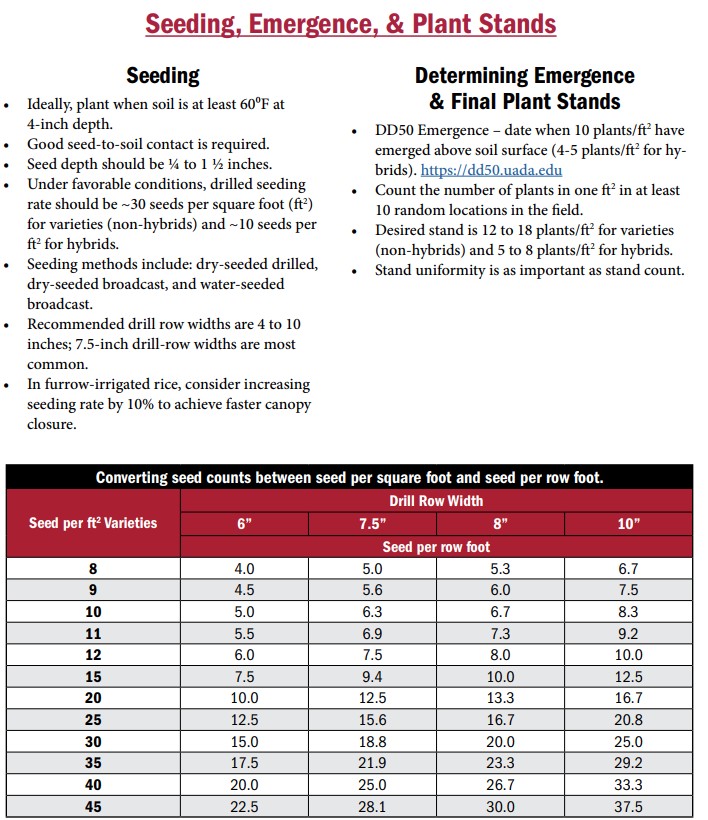
Make sure to get emergence dates to me and I will put them in the DD50 program.
| | Latest rice update from Dr. Jarrod Hardke and our 2026 Rice Management Guide. | | |
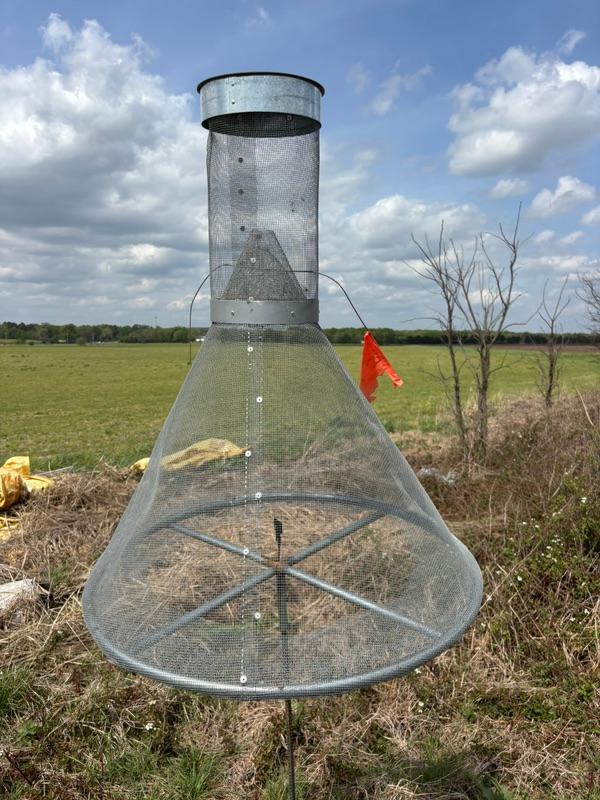
Corn Earworm Moth Traps
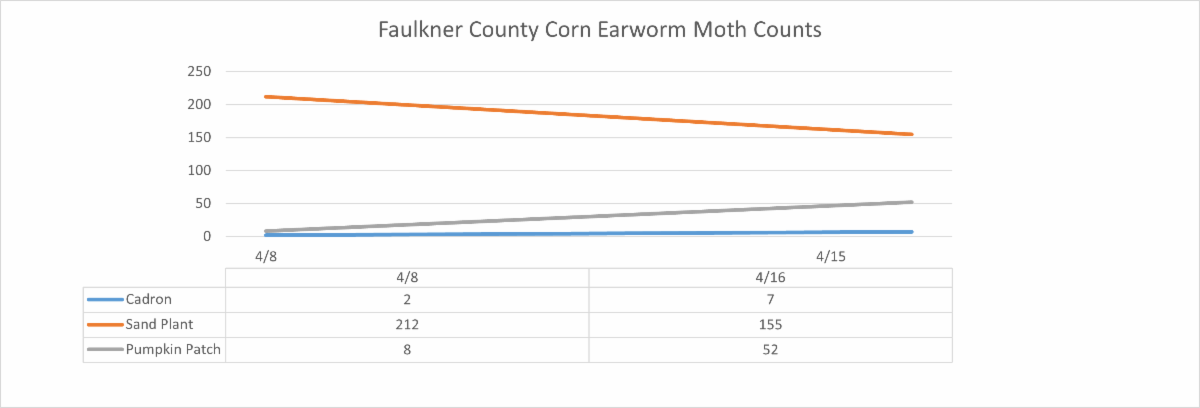
Corn Earworm Moth Counts for April 8, 2026
Cadron - 7
Sand Plant - 155
Pumpkin Patch - 52
| | |
Exploring Floating Solar on Arkansas Farms
Mike Popp, Harold F. Ohlendorf Professor of Farm Management, University of Arkansas
Ryan Loy, Assistant Professor and Extension Agricultural Economist, University of Arkansas
A recent study looked at whether Arkansas irrigation reservoirs could help expand solar power without taking productive farmland out of use. Instead of placing panels on cropland, the idea is to install floating solar on irrigation reservoirs and, in some cases, place panels on reservoir embankments as well.
That matters in Arkansas, where irrigation reservoirs are already a major part of the agricultural landscape. The study suggests these reservoirs could offer meaningful solar generation potential while also providing added benefits such as reducing water evaporation and limiting some embankment wear. In other words, this is not just about electricity. It is also about making use of existing farm infrastructure in a different way.
The catch is cost. Floating solar is still more expensive to install than traditional land-based solar. So while the concept appears promising, it is not yet the low-cost option. That means broader adoption would likely depend on continued cost reductions, pilot projects, and possibly policy support.
For farmers, stakeholders, and policymakers, the big takeaway is straightforward: floating solar is not a near-term fit everywhere, but it may represent a practical way to add energy capacity in Arkansas without putting more farmland into competition with other land uses. It is a concept worth watching as technology improves and water, land, and energy pressures continue to converge.
To that end, we need your feedback on willingness to pay NOT to use farmland for solar panels and whether you value not seeing solar systems as they would be hidden from view in irrigation reservoirs. Please support an Honors undergraduate student for their thesis work to get answers to these questions by filling out a short 5-10 minute survey available here or scan the QR code below.
| | Beef, Small Ruminants, & Forages | | |
Forages
We are way ahead on forages in Faulkner County. Bermuda and bahia grasses are growing at a fast rate as the growing degree days are way ahead of last year. Just when I think it is time to apply our first round of fertilizer on forage fields the weather tells me to hold up. Our recommendation is to apply fertilizer when we have night time temperatures in the 60's for a week. We had that last week, but if you look at the week coming up, we will be back down in the 50's and even 37 one night. Fertilizer costs to much to apply it and just lose it. So I am still recommending that we wait at least another week for fertilizer.
I am getting several calls about the yellow weeds out in the fields. Most people don't think about the buttercups until they flower. They will be done pretty soon but you have two choices if you want to get rid of them right now. 1 to 2 pints of 2,4-D will take them out or you can cut the tops out of them with a bush hog. If you decide to top them, make sure to keep your bush hog height up above any grass that is out there.
| | |
Impact of Selection Pressure Applied to Marbling
Mark Z. Johnson, Oklahoma State University Extension Beef Cattle Breeding Specialist
As covered last week, in recent years there has been a significant increase in the percentage of fed cattle in the US reaching the USDA Quality Grade of Prime. This level of quality is driven primarily by the degree of marbling in the ribeye at the 12th-13th rib interface of a beef carcass. Historically speaking, the beef industry routinely saw 1 – 2% of the youngest maturity groups of fed cattle reaching the Prime Quality Grade. March, 2026 ended with 15% of the monthly harvest mix grading USDA Prime and only 8% grading Select. Of the 73 – 74% grading Choice, more are shifting into the upper two-thirds of Choice, the standard that needs to be reached for quality based, premium, branded beef products like Certified Angus Beef.
The Quality Grade of Prime indicates the highest level of tenderness, juiciness and flavor of cooked beef. Thereby, Prime indicates the greatest likelihood of a satisfying eating experience. It is apparent consumers have responded favorably to improving beef quality. The beef industry is experiencing greater demand for Prime and the upper two-thirds of Choice. Greater supply of the higher quality product has permitted more consumers to try it. Consumers like it and are willing to spend more to enjoy it. The phenomenon has increased demand and value across the entire beef industry.
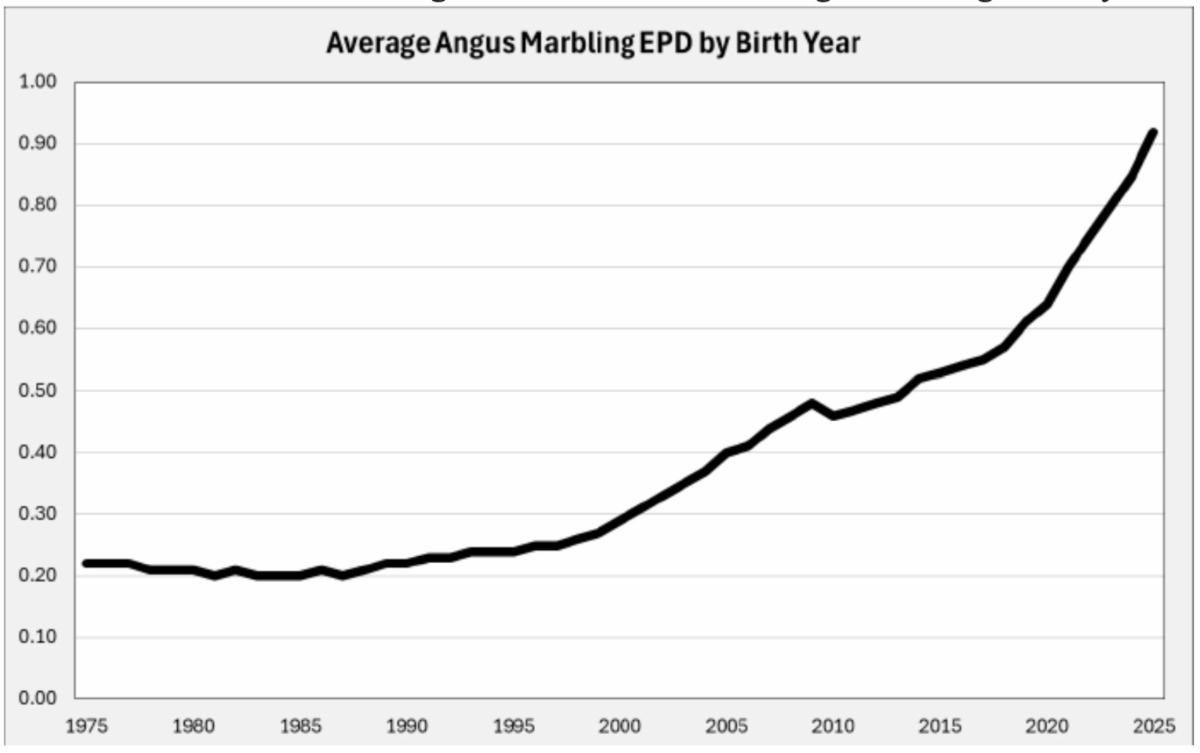
Marbling is a high heritability trait and selection pressure applied to Marbling EPDs has resulted in an increased genetic potential of the US cattle population to reach this level of quality. There is no doubt that the modern norm of finishing cattle longer and to heavier weights has helped to tap this genetic potential. That being said, the additive genetic potential had to be bred in before it could be tapped.
The chart below shows the significant increase in average Marbling EPD by birth year in the Angus breed over the past half century.
| | This serves as an example of what can be accomplished when we use the modern tools available to make genetic change. Selection tools such as EPDs, genomic testing, selection indexes and genetic merit scorecards make identifying high marbling genetics more dependable and more valuable than ever before. Selection for increased marbling has been driven by economics. Because marbling increases the value of carcasses and genetic potential for increased marbling increases the value of feeder cattle and breeding stock without raising production cost, cattle breeders and producers are incentivized for select for it. | | |
Tug-of-War in the Cattle Industry: Balancing Cow Size, Carcass Weights, and Total System Efficiency
Paul Beck, Oklahoma State University Extension Beef Cattle Nutrition Specialist
The beef industry is currently experiencing a tug-of-war between biological efficiency and market signals that reward heavier carcass weights.
Carcass weights are increasing largely because feedyards are keeping cattle on feed longer and marketing systems reward pounds of carcass weight. At the same time, cow size has increased in turn raising maintenance requirements and forage demand.
Speakers also discussed the biological factors behind heavier carcasses. Growth in finishing cattle remains relatively linear even at heavier weights, and modern marketing systems favor carcass-based pricing. There are market incentives that encourage feeding cattle to heavier endpoints, including low cattle numbers, relatively inexpensive feed, and reduced discounts for heavy weight and yield grade 4 carcasses. These conditions can improve gross revenue at the feed lot but also increase days on feed and reduce feed efficiency.
Bigger cows are not necessarily more efficient cows. Cow size is closely related to feed intake, so selecting for larger mature size without considering forage resources can reduce stocking flexibility and increase production risk, particularly during drought or periods of high feed costs. Matching cow type to the ranch environment remains one of the most important management decisions producers make.
Ultimately, long-term profitability of beef production depends on balancing genetics, nutrition, and available resources across the entire production system. Producers who align cow size, stocking rate, and marketing strategy with their forage base are better positioned to remain resilient in volatile markets and challenging weather conditions.
Efficiency should drive replacement and management decisions. The most profitable cowherds are those that fit their environment and optimize performance from pasture to packer.
| | |
Faulkner County Cattlemen's Meeting
The next meeting of the Faulkner County Cattlemen's Association will be April 23, 2026 at 6:30 at Simon Farms.
| |
Arkansas Shepherds Association
The Arkansas Shepherds Association is an organization for sheep owners or businesses that want to support the Arkansas sheep industry. They will have lots of information for sheep owners and an annual educational workshop.
| | |
American Lamb Board Producer Grants
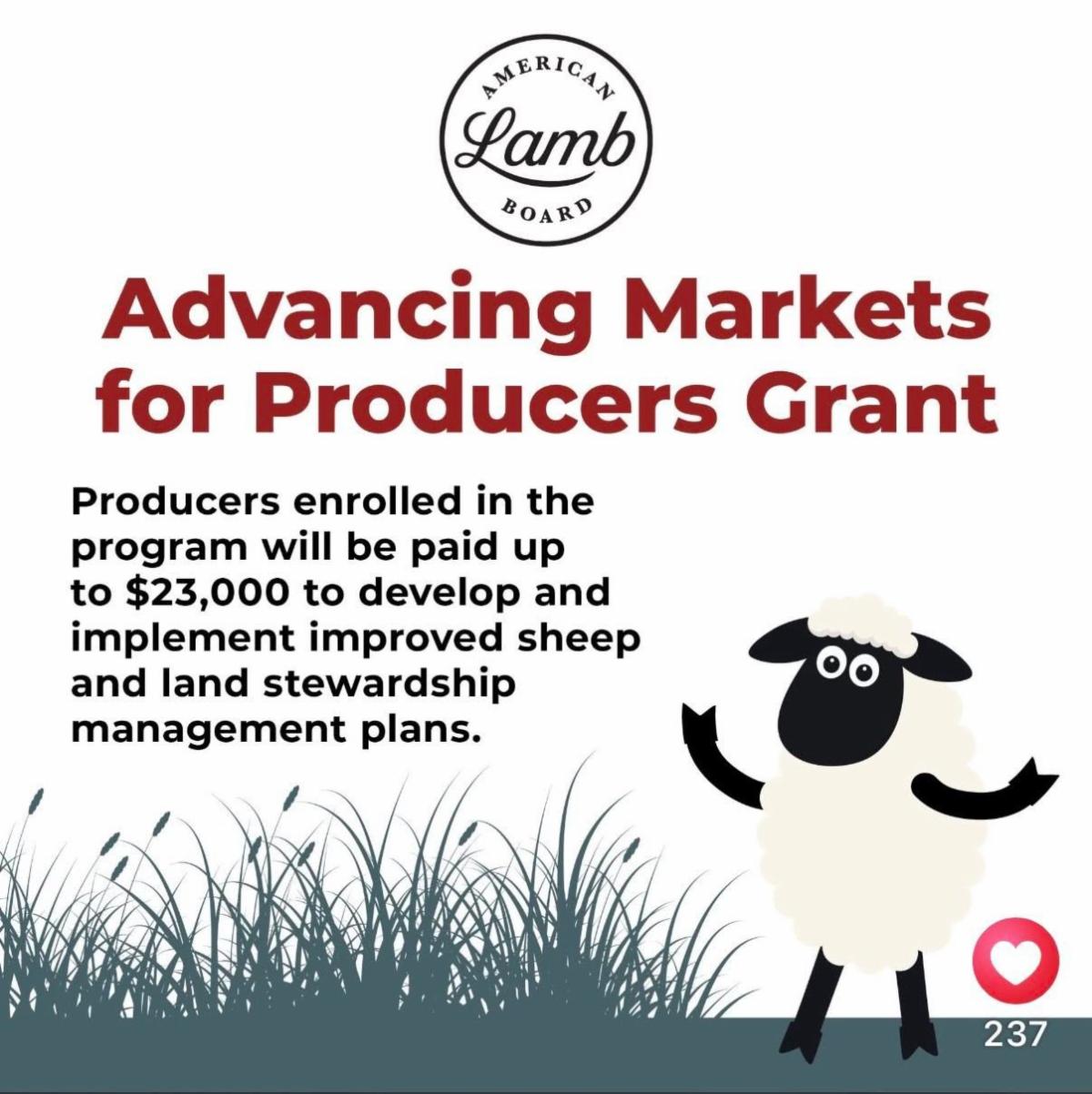
ALB has received a USDA AMP (Advancing Markets for Producers) grant, and we’re excited to invite sheep producers to be part of this opportunity to help grow the US sheep industry. This grant will integrate new technology and sustainable management strategies to boost productivity, open new markets, and strengthen opportunities for the next generation of producers.
Producer Program
The project will provide an opportunity for 150 sheep producers to identify production inefficiencies and to develop conservation plans. Producers will also modify management plans through technology implementation to mitigate emissions and improve their overall productivity. Enrolled producers will work with a Technical Service Provider (TSP) to establish operational plans, implement recommended changes and organize farm data to identify best management practices for productivity improvements.
Enrollment Benefits
Producers enrolled in the program will be paid up to $23,000 to develop and implement improved sheep and land stewardship management plans. Additional enrollment benefits:
- Technical Service Provider
- Electronic livestock identification system
- Soil sampling
- NSIP ultrasound and genetic consulting services
Timeline
Applications for enrollment are now open through May 1. Accepted producers will be notified by June 1, 2026. For each producer, the program will start once the required eligibility documents are submitted and will conclude on September 30, 2028.
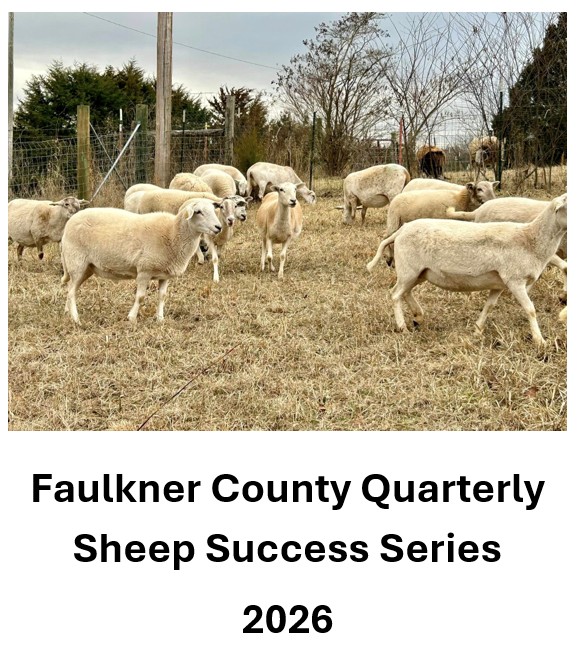
| | The next sheep success series meeting will be May 9 starting at 9:00 am. | | |
Pesticide Applicator Trainings
In order to purchase restricted use pesticides (herbicides, insecticides, fungicides, etc) you must have a private applicators license. The license is good for 5 years.
To obtain a license you must first attend a certification training. Certification trainings are done in person by a County Extension Agent or you can go online and be certified. Below is a link to the online training.
In person trainings this year will all be at the Faulkner County Extension Office and will be on:
April 30 - 2:00 PM
A certification training costs $20 and is due the day of the training.
Once a producer is certified, they will go through the Arkansas Department of Agriculture to obtain the license which is $45.
Please call the Extension office at 501-329-8344 to sign up for one of these dates.
If you have a question about your license, please follow the License Search and Verification link below to find your license.
| | |
Livestock Market Report
The following links are for the weekly livestock market report from the Arkansas Department of Agriculture website and the Livestock Auction Dashboard from USDA. Both sites have marketing data for all livestock sold at Arkansas Sale Barns.
| | |
2025 Faulkner County Agriculture Demonstration Summary
The 2025 Faulkner County Agriculture Demonstration Summary is now available at the link below.
The 2025 Faulkner County Demonstration Summary is a collection of on-site demonstration results conducted in Faulkner County by local County Agents. Demonstrations are the cornerstone of the University of Arkansas System Division of Agriculture Cooperative Extension Service’s mission which is:
“We strengthen agriculture, communities, and families by connecting trusted research to the adoption of best practices.”
On-site demonstrations allow producers and homeowners to see firsthand how Extension recommended varieties and best management practices work in their counties and surrounding area.
| | |
Sign up for Text Alerts
You can now sign up for text alerts from me throughout the year. I have two areas you can sign up for which includes Faulkner Livestock or Faulkner Ag (Row Crop Updates). To sign up you can follow one of these links or use the QR Codes below.
| | Pursuant to 7 CFR § 15.3, the University of Arkansas System Division of Agriculture offers all its Extension and Research programs and services (including employment) without regard to race, color, sex, national origin, religion, age, disability, marital or veteran status, genetic information, sexual preference, pregnancy or any other legally protected status, and is an equal opportunity institution. | | | | |