Faulkner County Agriculture Update
April 18, 2025
| | |
Faulkner County Farm Roundup
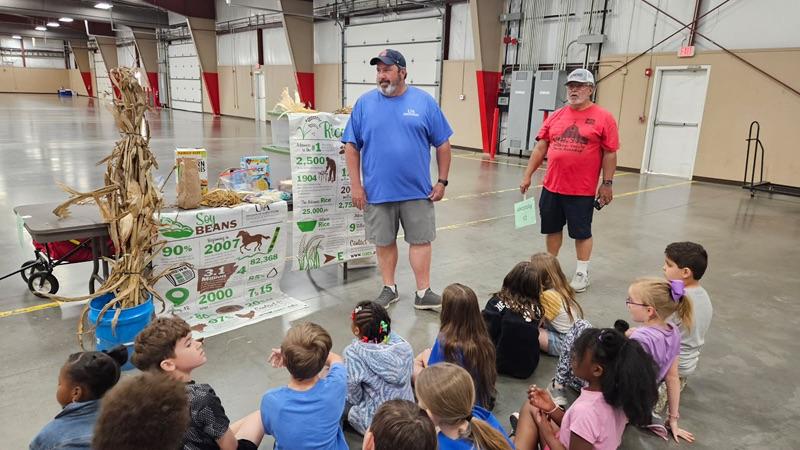
This week the Faulkner County Extension Office hosted our annual Farm Roundup. This is held each April at the Expo Center in Conway. We had over 800 second graders from schools all over Conway attend this year. The youth go through 16 different stations and learn about agriculture in Faulkner County. There are stops with live animals in the livestock barn and then stops inside the Expo center. I was proud to talk to the youth about the row crops that we grow here in Faulkner County. This is a great program and I am proud to be part of it.
| | |
Weather
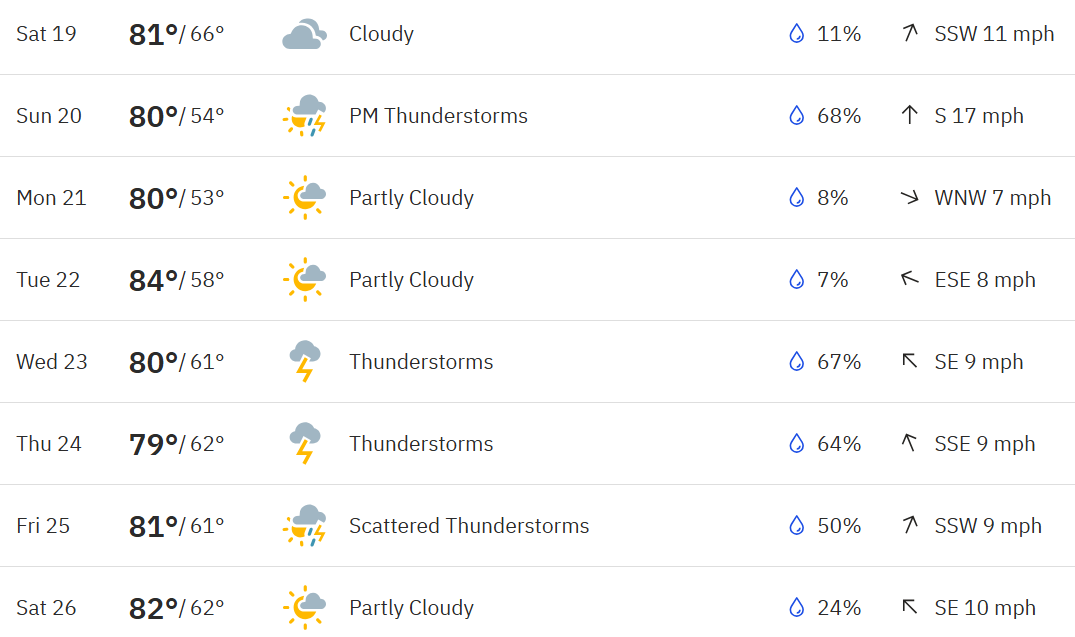
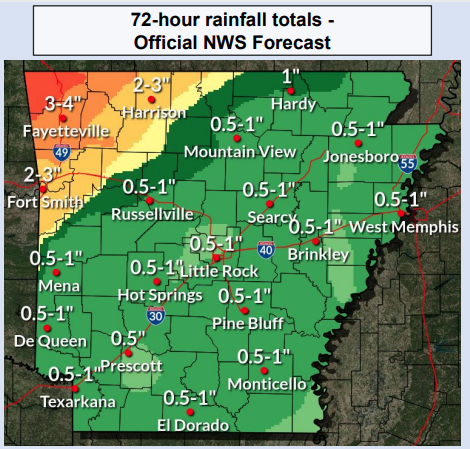
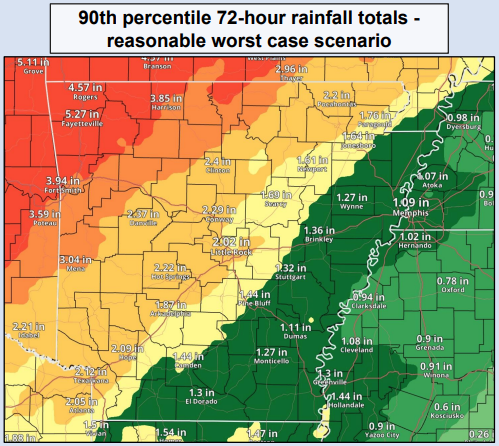
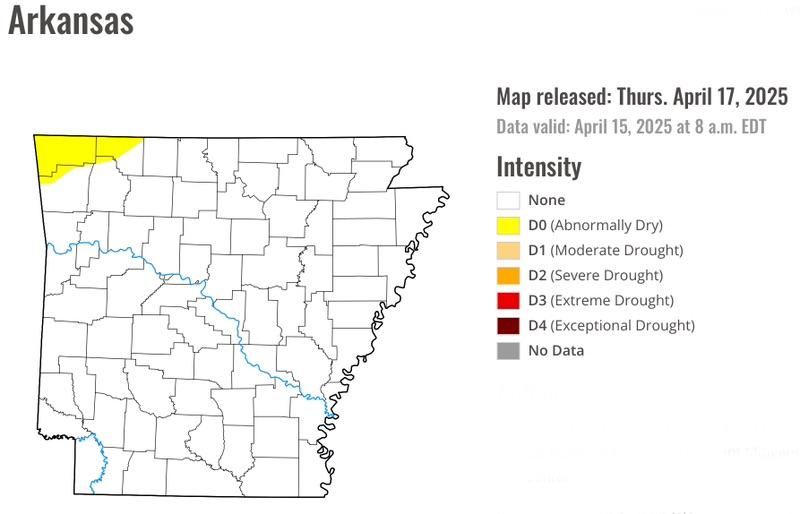
This was a nice and mild weather week. The wind blew too much, but other than that the temperatures were nice and we didn't have any rain. This weekend is a different story. We have a chance of storms on Easter Sunday and another round of significant rain. Northwest Arkansas will get the most of this round, but that could still effect us here with the river. I have included a couple of charts on predicted rain this weekend and worst case scenario rain. We could use a rain, we are dry and the wind has created a crust on top of the soil that is making it hard for some crops to emerge. We just don't need a lot of rain.
| | |
Arkansas and Mississippi River
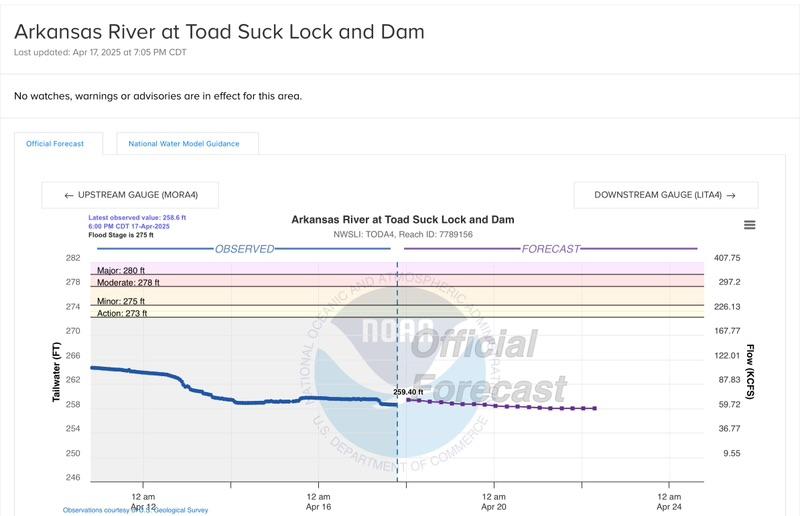
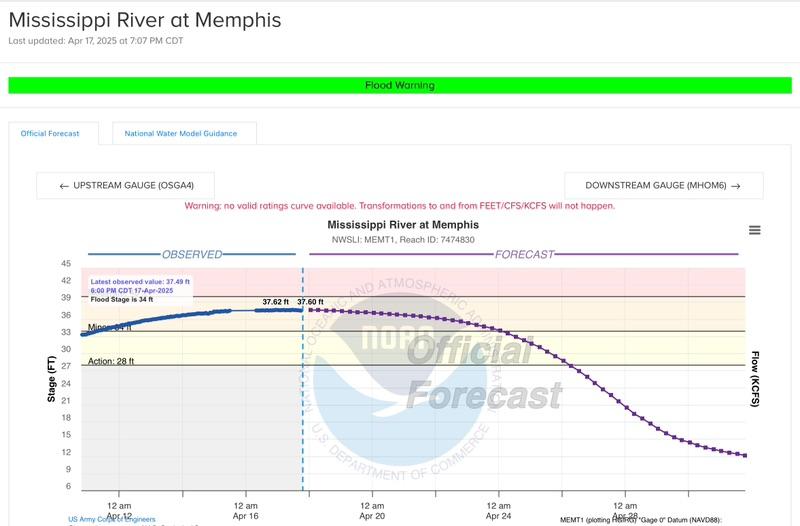
The river continues to fall after the crest of 275 feet. We could see another rise early next week depending on the rainfall in northeast Oklahoma and western Arkansas this weekend.
| | |
Preliminary Analysis Suggests Historic Flooding Results in $79 Million in Crop-Related Damages
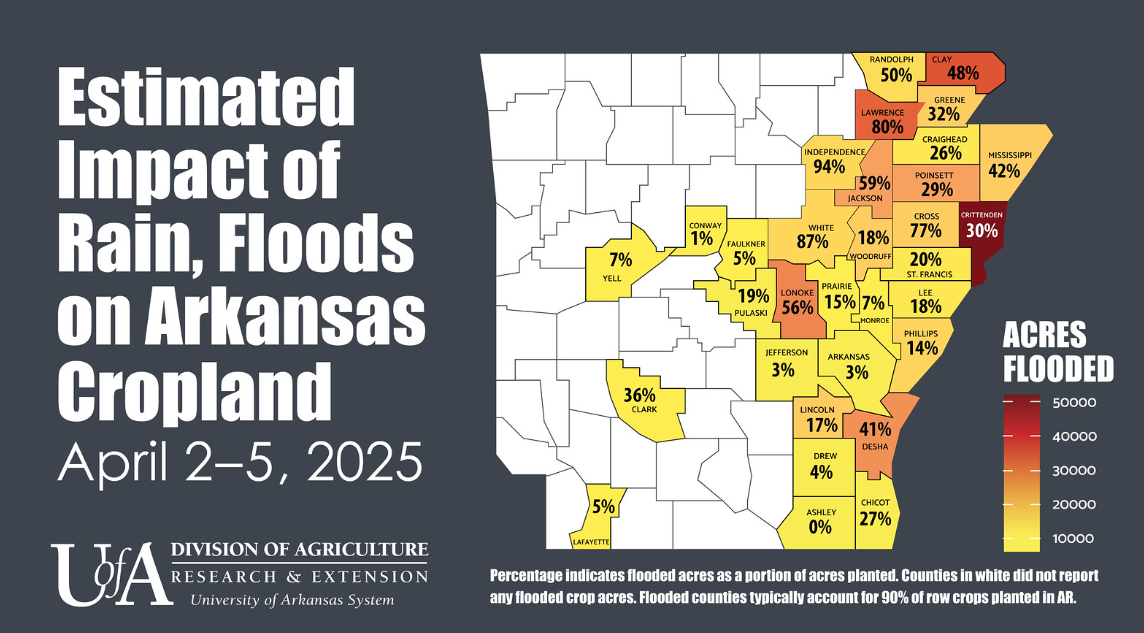
Between April 2, 2025 and April 5, 2025, the National Weather Service at Little Rock, Arkansas and Memphis, Tennessee reported the equivalent of three months’ worth of expected rainfall (i.e., 12 inches), with six inches of rain reported on April 5 alone. While early season rainfall is generally beneficial to agriculture, excess rainfall can result in significant economic losses for farmers and others throughout the agricultural industry. In this fact sheet, we estimate the economic impact of this “generational” flooding (Brooks, 2025) on the Arkansas agricultural crop sector. Using field-level reports, crop enterprise budgets, and historical insurance loss data, we provide a preliminary estimate of the economic impact to be $78,932,457.
Field-Level Data Collected on Flooded Crop Acreage
We surveyed county extension agents across 32 impacted counties in Arkansas, which account for nearly 90 percent of all historical acres planted, and asked them how many acres had been planted before the flood event and how many acres were flooded during the April 2-5 time frame. We collected acreage data for corn, rice, soybeans and wheat, since these crops had either some acreage planted or had a fully emerged crop before the flood event. The 2025 planted acreage, reported as of April 7, 2025, totaled 839,798 acres (i.e., 13 percent of historical acreage) with 31 percent of these acres reported as having been flooded. Corn, rice, soybeans, and wheat accounted for 23, 46, 30, and 1 percent of total flooded acres, respectively. This is reflective of the planting progress of each crop, as well as the historical crop mix with corn, rice, soybeans and wheat accounting for 8, 22, 50, and 8 percent of historical acres planted, respectively. A county-specific breakdown of flooded acreage is provided in figure 1 below.
| | To read more about the impact of flooding please continue reading the fact sheet here: | | |
Wheat
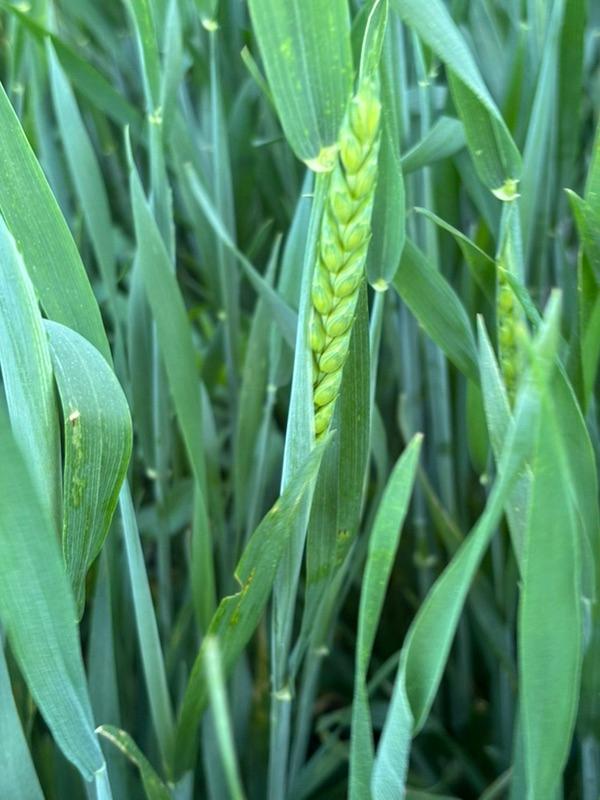
Wheat is starting to head across the county. The plants will start flowering soon after heading and are susceptible to scab at this time. Miravis Ace and Prosaro are products that can be applied around flowering to help suppress scab. Rates and timings are listed below.
| | |
Corn
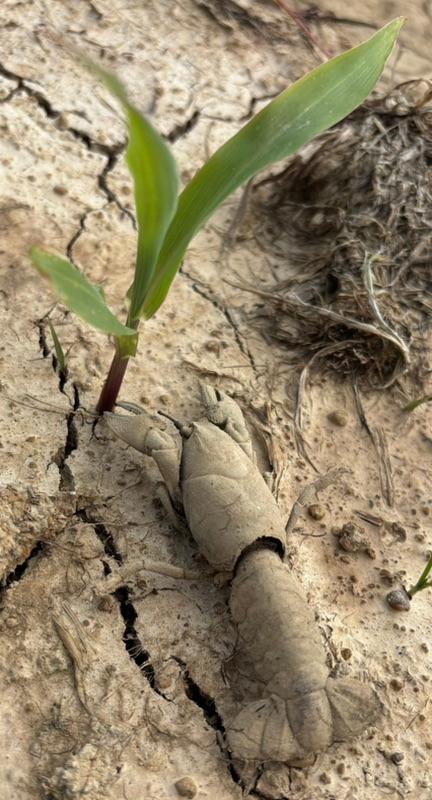
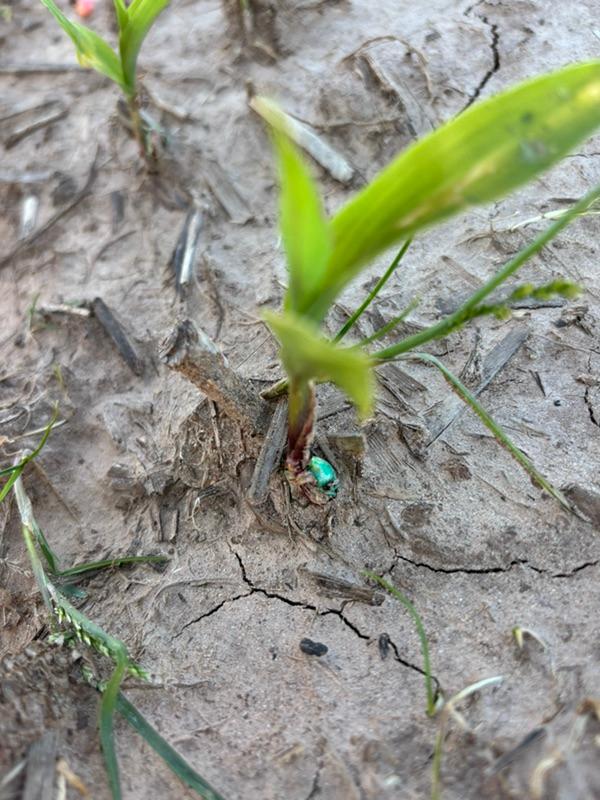
Corn planting got back into gear this week as we dried up from the rains. After evaluating the corn that had been planted we only had a field or two that needed complete replants. The picture of this corn plant shows how the rain melted some beds to the point that the seed was exposed, which means that plant won't make it.
Some fields we could drop in and plant the holes that didn't come up. All and all we are in good shape corn wise. We will have to replant our corn hybrid trial, that should go in sometime next week.
We still have corn to plant, but some of the earlier planted corn should be looking at weed control and the first application of nitrogen soon. My go to for corn weed control is 3.6 pints of Halex GT plus 1.5 to 2 quarts of atrazine. I know some have talked about making their own version of that cheaper, and I don't have a problem with that either.
Arkansas Corn DD50 Program - Arkansas Corn DD50
The 2025 Arkansas Corn Quick Facts is available by clicking the following link.
| | |
Rice
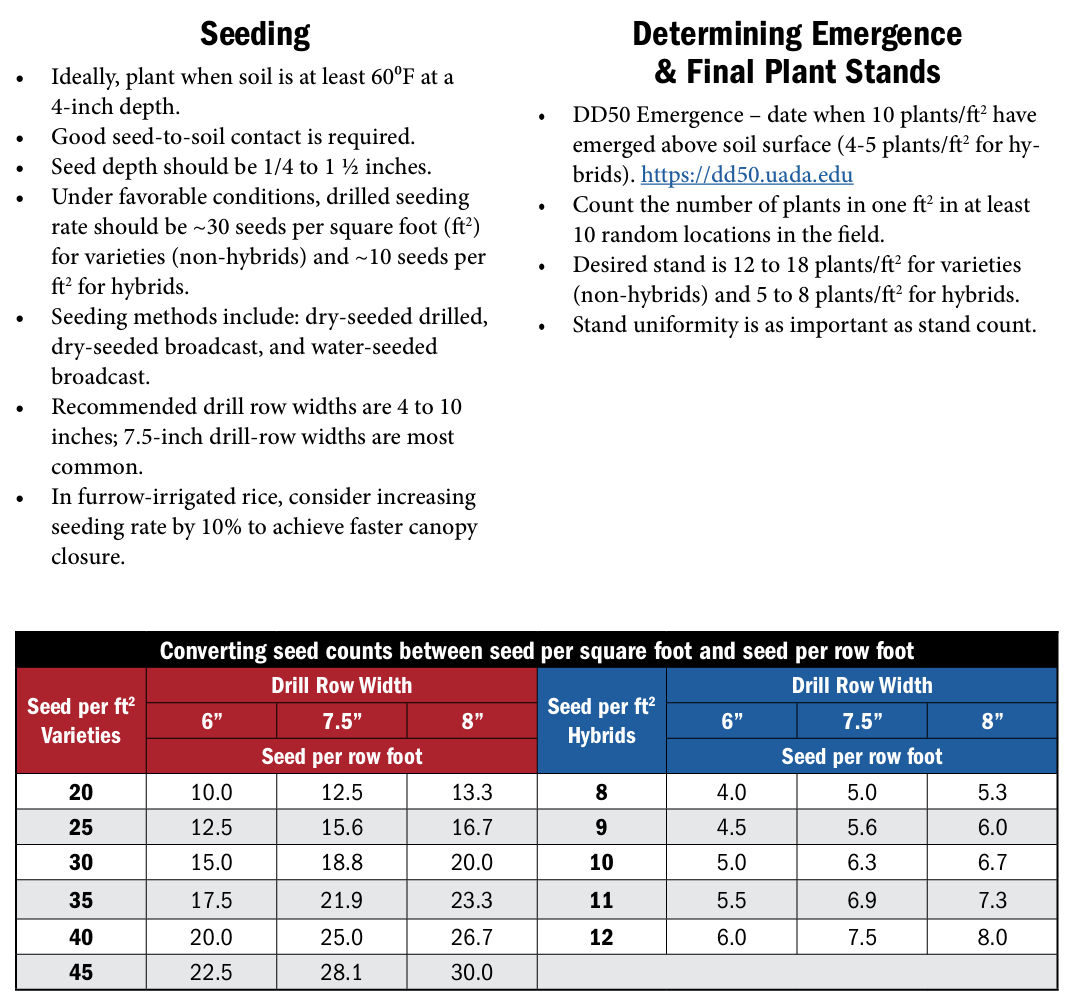
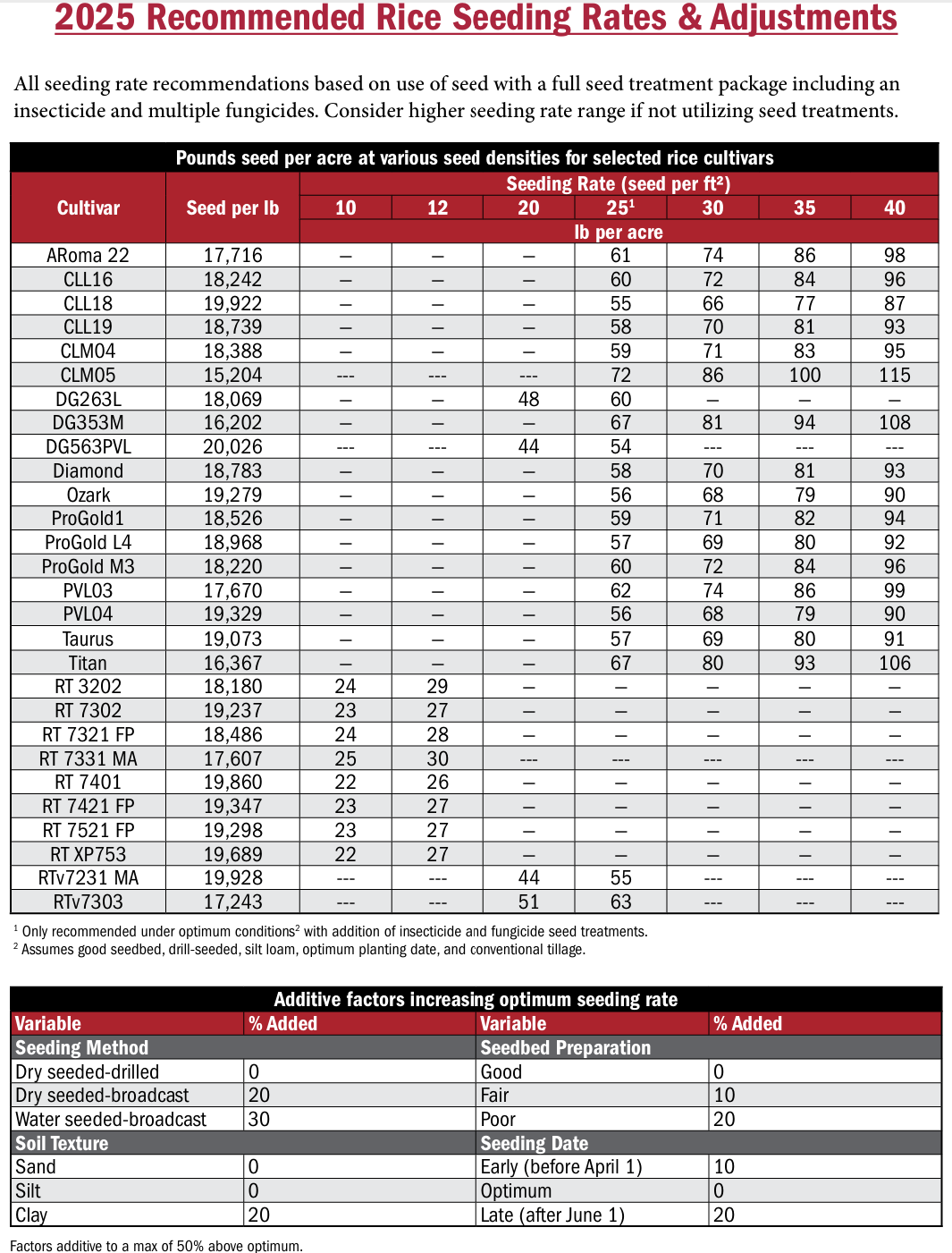
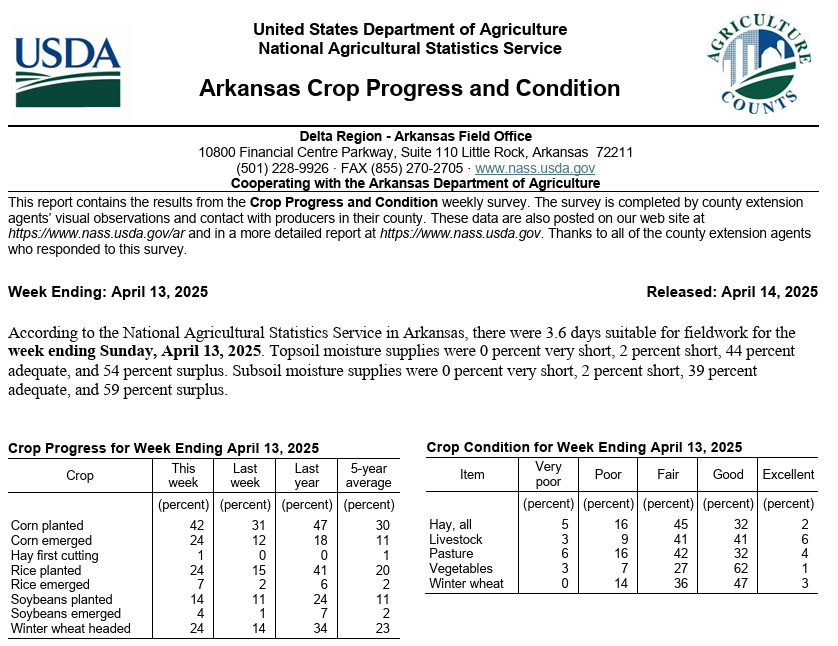
Rice planting has started in Faulkner County with a bang. We had several acres go in this week trying to get ahead of the rain. This week was a good opportunity to plant, spray Command, and then get the rain to activate the Command. I have talked to a few producers about this but add glyphosate to that Command application to make sure you get anything already up. I have seen a ton of signal grass germinated in fields. Remember though, if we do not get the rain this weekend, or into next week be prepared to FLUSH! We have to get that Command activated soon.
This is a good start to the rice crop!
| | Here is Dr. Jarrod Hardke's latest Arkansas Rice Update. | | Beef, Small Ruminants, & Forages | | |
Fertilizing Our Forages
Next week we start getting into more of a weather pattern that I like for applying fertilizer as far as temperatures go. We are looking at 60 degree nights towards the end of next week. The problem is we might have rain all next week. Remember never apply fertilizer especially urea into standing water. You will waste your nitrogen because it will go into the air instead of into your plants. I prefer dry conditions followed by a rain, but if it is a little muddy and rain is coming, that will work also.
| | |
Challenging Traditional Paradigms
Mark Z. Johnson, Oklahoma State University Extension Beef Cattle Breeding Specialist
During the past half century, the cattle business has seen times when maximizing pounds produced at weaning, or as yearlings, or through finishing equated to profitability. As input cost increased, profit margins in all sectors of our business have become more closely related to efficiency or the cost of each pound gained. Interestingly enough, with current record high prices, input cost still have significant potential to pull down or wipe out our profit margin.
Curiosity about the beef industry is essential to stay “ahead of the curve” with regard to breeding, managing and marketing cattle. All pounds are not created equal – not from the cost of production side, nor in the market place. Did you know?
- Beef consumer preferences have changed. Buyers today want (and are willing to pay for) high quality, consistently great tasting beef as well as transparency into how we care for the cattle and the land.
- As a result of improved genetic potential and management, we now see approximately the same percentage of beef carcasses reaching USDA Quality Grade Prime as USDA Select.
- Historically the Choice/Select spread was the primary factor impacting beef carcass value. Today, with more beef carcasses reaching the Prime grade, the Prime/Choice price spread has greater impact on the value of a beef carcass.
- In the market place, documentation of genetic potential of weaned calves, yearlings and potential replacement heifers is resulting in premiums paid by the next owner.
The best managers have the curiosity to be life-long learners and stay ahead of the curve. Challenging traditional paradigms, considering a better way is essential to permit our beef operation to profit, sustain and survive.
| | |
Forage Finishing Nutrition and Management’s Impact on Beef Quality
Paul Beck, Oklahoma State University Cooperative Extension Service Beef Cattle Nutrition Specialist
Forage-based finishing systems are gaining attention among cattle producers and consumers. Forage-finishing plays to the natural grazing behaviors of cattle and appeals to many consumers. There are many excellent reasons to consider finish calves on forage, however, this system presents two major challenges: land requirement and variable calf performance. A summary of research trials between 1978 and 2013 revealed that cattle finished on forage gain less per day, are typically slaughtered at a lighter weight, have lower dressing percentage, and have less subcutaneous fat and marbling. The leaner carcass results in beef that is generally rated as less tender, juicy, and flavorful by sensory panels. Despite this, health-conscious consumers may prefer forage-finished beef for its leanness and potential for heart-healthy fat content. Others may still prefer grain-finished beef, especially when sourced locally.
Calf growth rates in forage-finishing systems vary widely. Gains can range from over 2.0 lbs/day in spring and summer to under 0.5 lbs/day during less favorable conditions. It can take over a year for a weaned calf to be market ready especially if daily gains are low. Low quality pastures like toxic tall fescue or bermudagrass limit performance resulting in long finishing times and leaner carcasses unless supplemental nutrients from higher quality forages or concentrate feeds are provided. Research shows that forages like alfalfa and chicory supported higher average daily gains and better carcass fat deposition compared to grass pastures like bermudagrass or summer annuals such as pearl millet.
Hybrid systems have been studied as an alternative to high-concentrate total mixed rations fed in confinement. These systems utilize the roughage supplied by pasture along with additional energy from supplemental concentrates. They may not meet the requirements to meet ‘grass-fed beef’ claims by the USDA but do provide free-choice access to pasture.
Comparisons were conducted where calves from the same ranch were finished at either a commercial feedlot in the High Plains or in the Southeast on bermudagrass pastures. In the first trial, calves from spring or fall calving herds were either sent to a Texas Panhandle feedyard for finishing as yearlings following a stocker program at the home operation and supplemented with 1% of bodyweight per head per day with a grain/grain byproduct supplement consisting of corn and soybean hulls until slaughter. Steers finished conventionally in confinement gained 4.4 lbs/day while steers fed concentrate supplement on pasture gained 2.5 lbs/day. Although the finishing period on pasture was 30 days longer on, steers finished in the conventional feedlot were 128 pounds heavier at slaughter and dressing percentage was higher 62.5% vs 60.6% for Conventional vs pasture finishing. Conventionally finished cattle were 86% Choice while pasture finished calves were 22% Choice quality grade. In the next trial, 60 calves were either finished in conventional Texas Panhandle feedyard or were kept on pasture with a grain/grain byproduct concentrate supplement fed at 1.5% of bodyweight daily. Steers finished on pasture with supplement gained 3.6 lbs per day (vs 4 lbs/day for conventional) and were fed 40 days longer than conventional steers but were still 40 pounds lighter at slaughter. Hot carcass weights, backfat thickness, and dressing percent were slightly lower for pasture finished calves. Cattle finished on pasture were 100% Choice while the Conventional steers were 93% Choice.
Ultimately, while forage-finishing systems can align with niche markets and consumer values, they require careful forage management, extended timeframes, and realistic expectations around carcass quality and palatability.
| | |
Weed of the Week
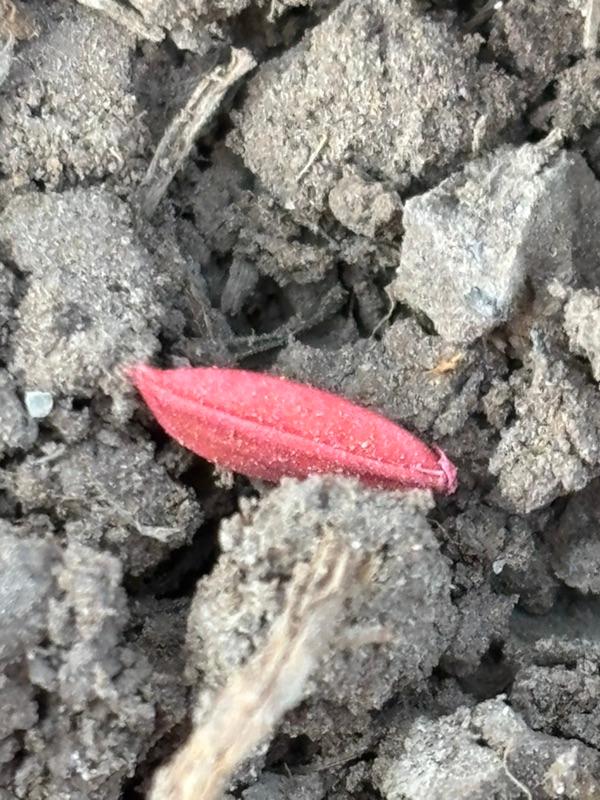
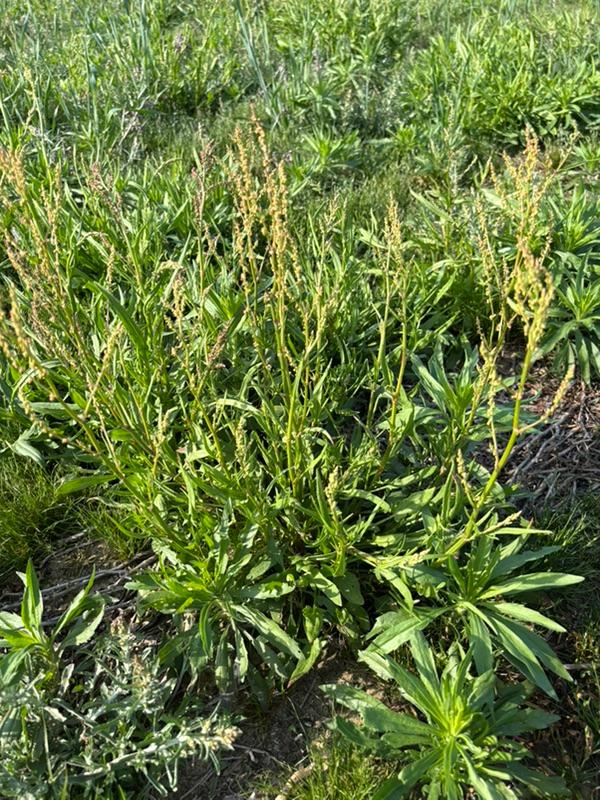
The weed of the week this week is showing up in pastures, hayfields and wheat fields all over Faulkner County right now. That weed is red sorrel.
Red sorrel is a perennial weed which spreads via rhizomes. It has a slender and reddish, upright stem that is branched at the top, reaching a height of 20 inches. The arrow-shaped leaves are small, about 1–2 in long and 1⁄4–3⁄4 in wide, with pointed lobes at the base. It blooms during March to November, when yellowish-green or reddish flowers develop on separate plants at the apex of the stem, which develop into the red fruits.
Grazon P+D at 1 qt/A provides excellent control of red sorrel. Metsulfuron 0.5 oz/A is also very good. Treat anytime the red sorrel is actively growing. Remedy Ultra is not effective on red sorrel.
| | |
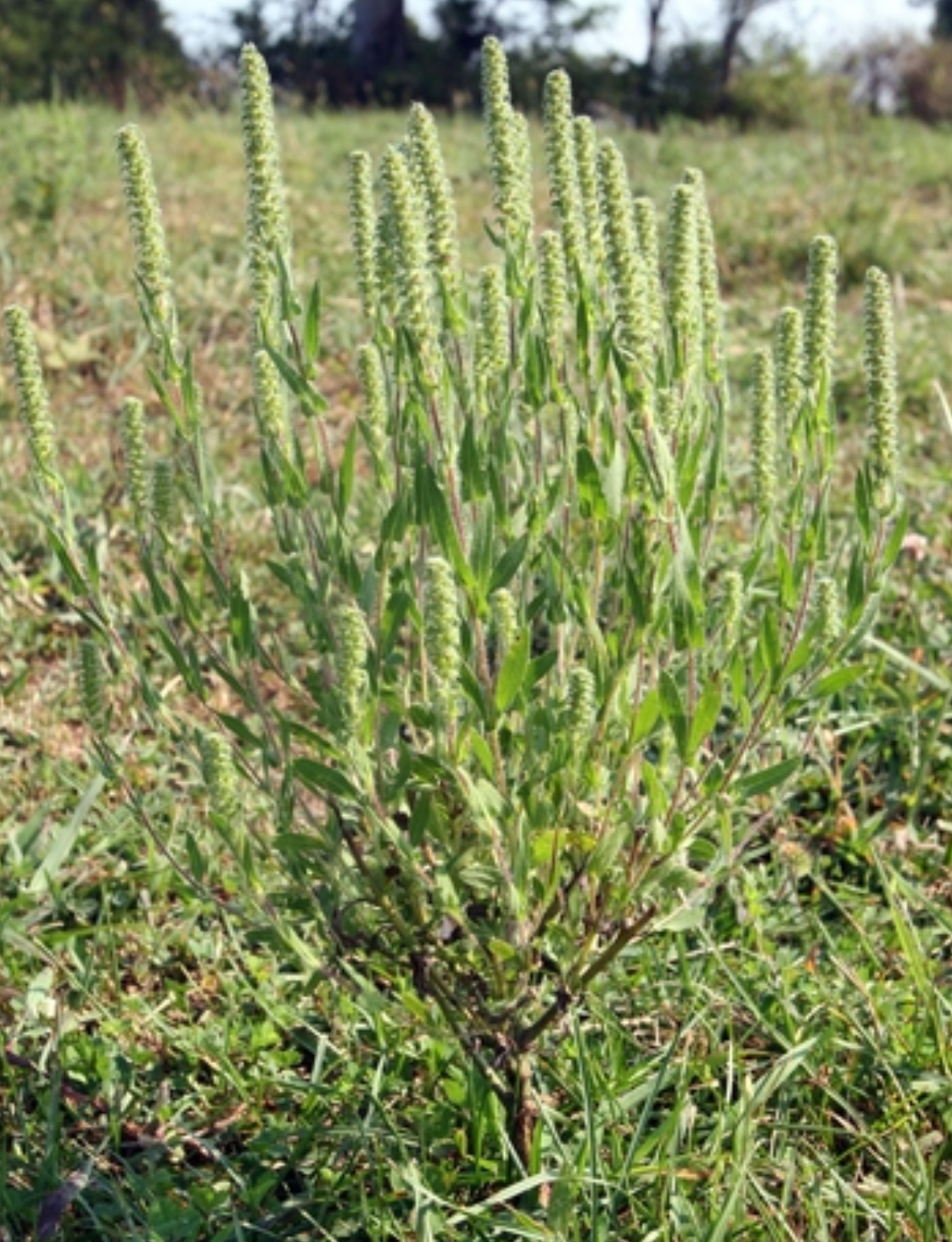
Lanceleaf Ragweed Research
I have had a request for a location for some small plot lanceleaf ragweed research. If anyone has a good location for this research and would be willing to work with me and Dr. Hannah Smith I would really appreciate it. Either send me an email, shoot me a text or call me if you have a good location.
| | |
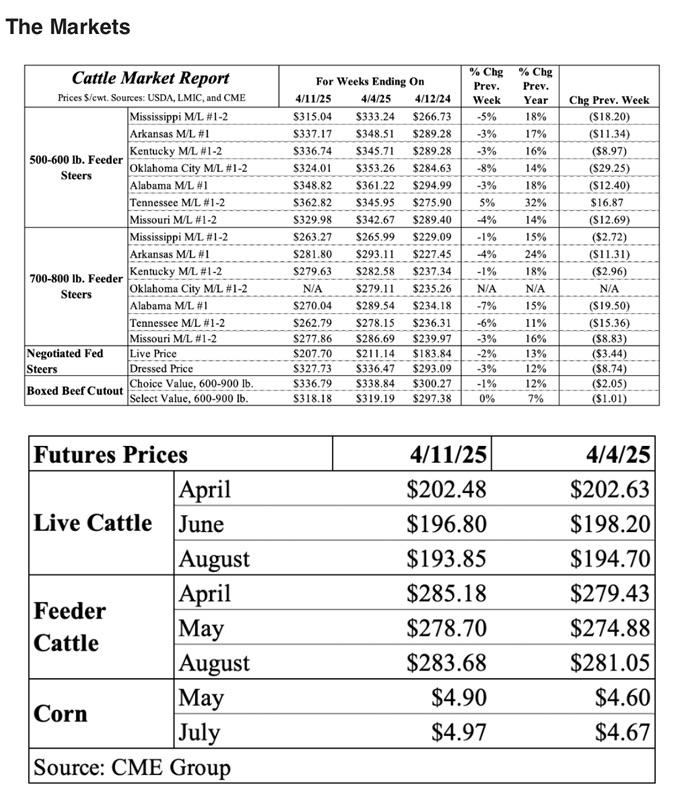
Livestock Market Report
The weekly livestock market report is available on the Arkansas Department of Agriculture website.
| | |
Pesticide Applicator Trainings
This is the Pesticide Applicator Training Schedule for Faulkner, Perry and Conway County.
Cost for the certification training is $20 that is payable at the training. It is a good idea to call and register for the class or if you have any questions, feel free to call and ask. Office numbers are located below. Anyone can go to any of these trainings. You don't have to just go in your county.
Faulkner County call and talk to Mindy Beard at the office at 501-329-8344 or email at rbeard@uada.edu
Perry County - 501-889-2661
Conway County - 501-977-2146
You can also get certified online. It also costs $20. The link to the online training is listed below.
| | |
Sign up for Text Alerts
You can now sign up for text alerts from me throughout the year. I have two areas you can sign up for which includes Faulkner Livestock or Faulkner Ag (Row Crop Updates). To sign up you can follow one of these links or use the QR Codes below.
| | Pursuant to 7 CFR § 15.3, the University of Arkansas System Division of Agriculture offers all its Extension and Research programs and services (including employment) without regard to race, color, sex, national origin, religion, age, disability, marital or veteran status, genetic information, sexual preference, pregnancy or any other legally protected status, and is an equal opportunity institution. | | | | |