Faulkner County Agriculture Update

April 24, 2026


General Conditions

Weather


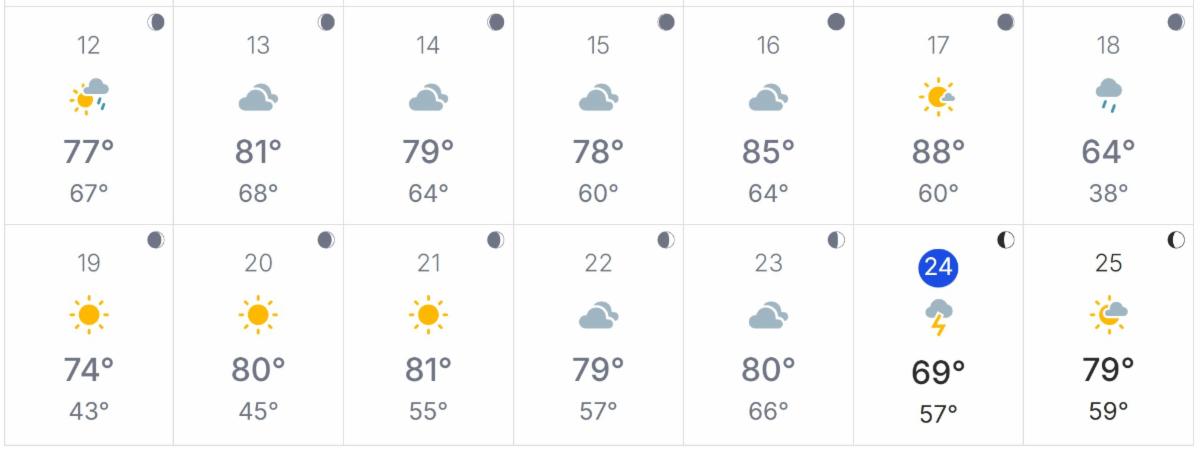
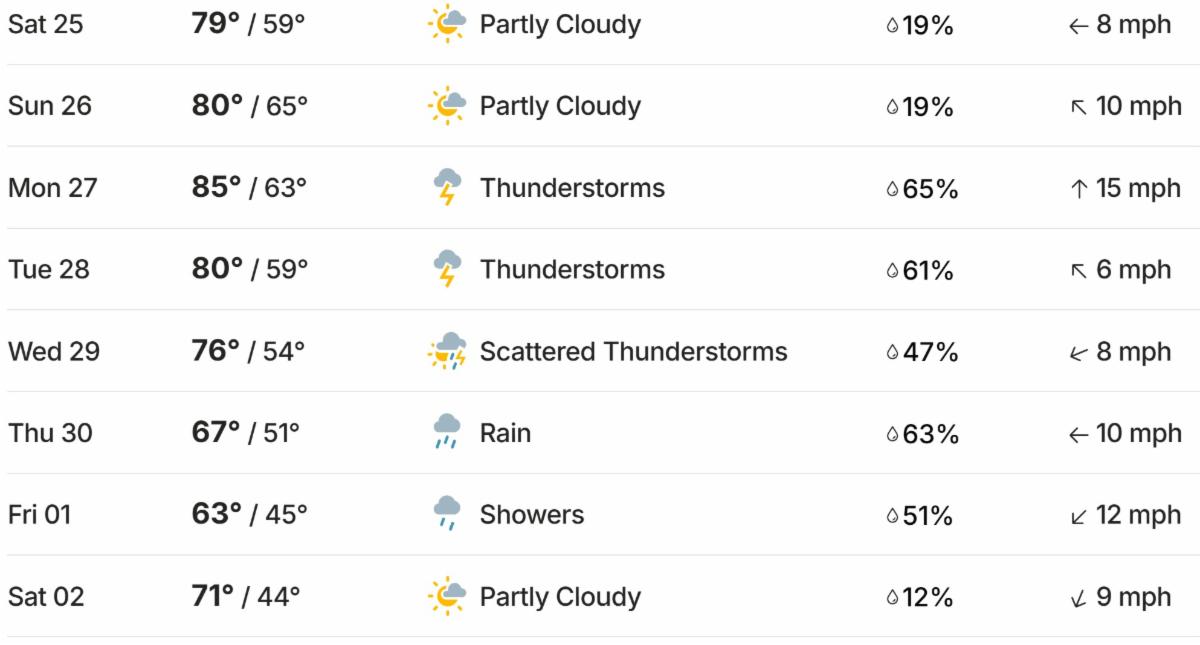
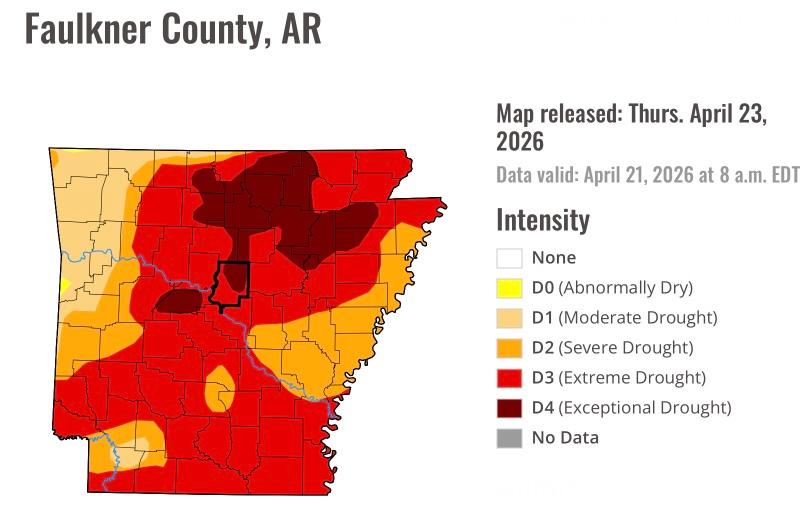
As I am writing this the rain is falling in Faulkner County. Right now we are around 3/4 of an inch over most of the county with more rain coming. There are better chances next week than we have seen in awhile. It is going to take a lot of rain to get us out of the drought we are in but hopefully this is a good start.


Temperatures fell down into the 30's this weekend. There were some reports of a frost in the northern part of the county. Every time I think we are getting to a good steady warm trend, we get one of these crazy temperature drops. If you look at the forecast we have another one predicted next weekend. This is some crazy weather.

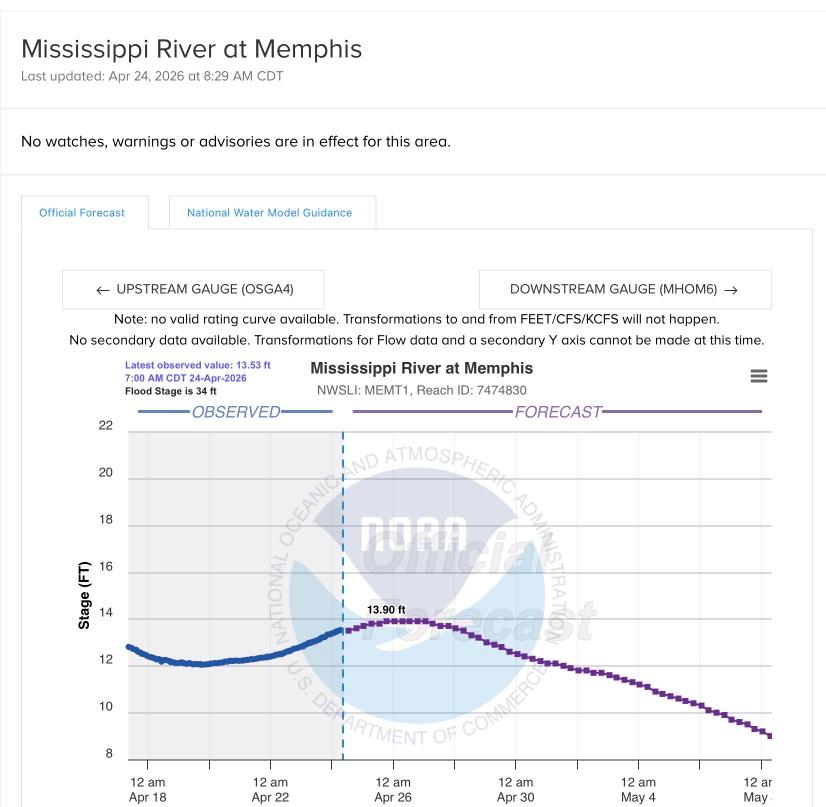
Arkansas and Mississippi River

Drought Monitor

Row Crop

Corn


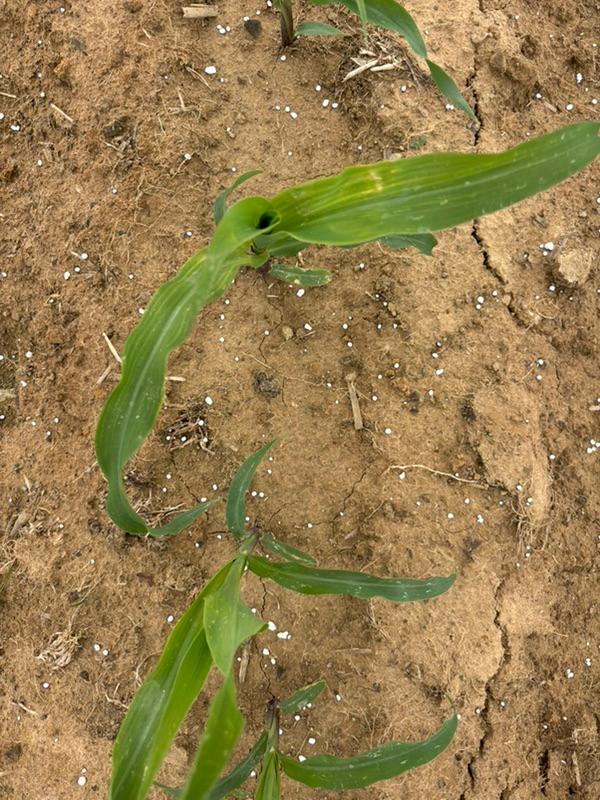
Corn went from looking amazing to looking yellow and sick in one weekend. The cool spell that we had slowed the corn down and made it look a little yellow. It looks like sandier spots in fields were hurt even more than heavier areas. Warm weather and sunshine should turn it around.


We continued to put out fertilizer this week ahead of this rain and tried to get everything sprayed with herbicide, but the wind did not cooperate. Hopefully we can get back into the field soon as many fields are approaching the 12 inch cut off on atrazine. The cutoff on Halex GT is 30 inches.


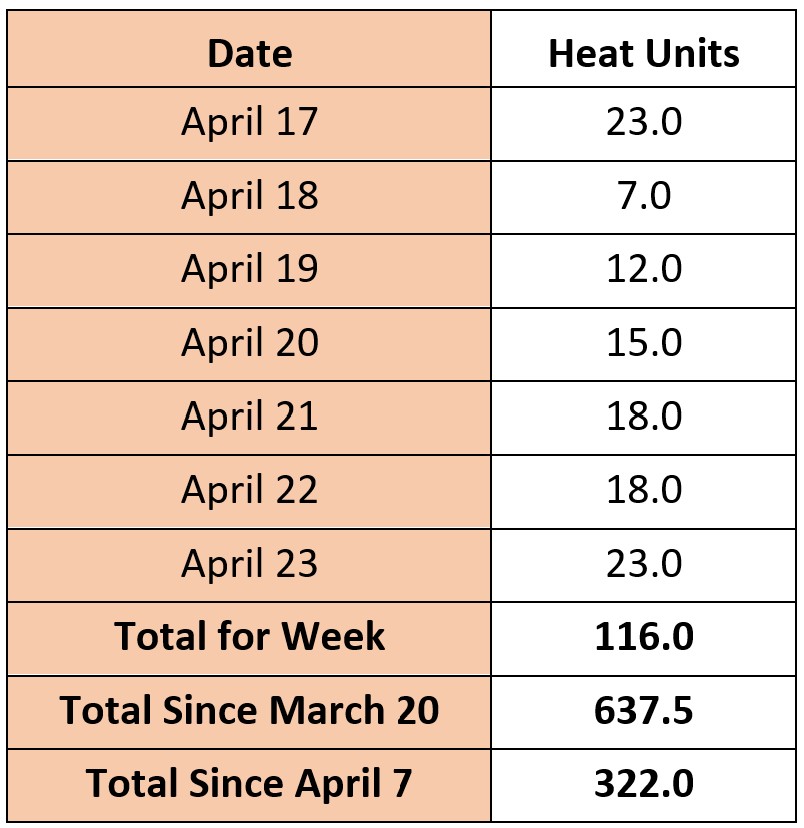
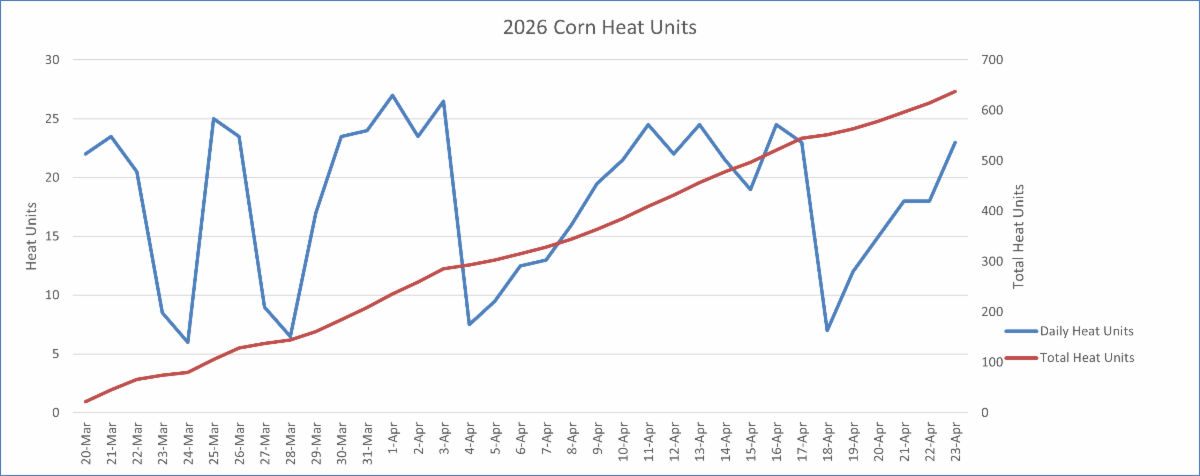
We take one step forward and two steps back on corn heat units. We were moving right along and we went from 23 heat units a day to 7. It is crazy how we are going up and down. The chart below shows heat units since March 20 and you can see the ups and downs we have seen over the last month.


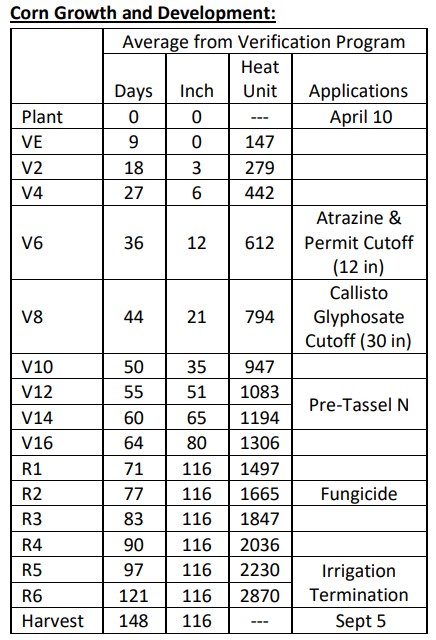
Heat units for corn planted on March 20 is at 637.5 and for fields planted on April 7 there is 322 heat units. Early planted fields are at V6 while late planted fields are around V3.

Rice


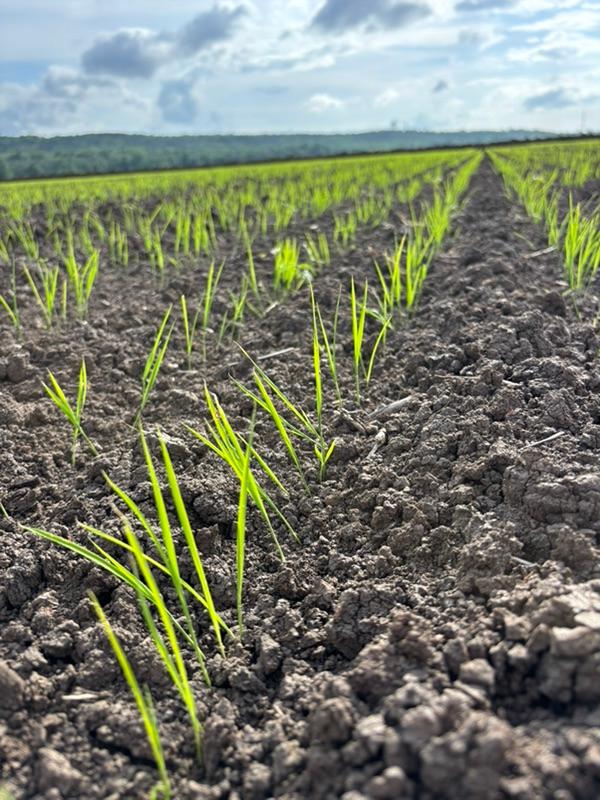
Rice is starting to shine around the county. The rains and flushes have rice up and growing. Most of the first planted rice is 2 leaf. We continue to watch fields for grass and weeds. I am concerned about a few fields that have grass that didn't get controlled before this rain. If we stay in this rainy pattern, we could have a jungle to try and control once we can get back on the field. We should be looking at the first Provisia applications on those fields as soon as it dries up also.


Make sure to get emergence dates to me and I will put them in the DD50 program.

Latest rice update from Dr. Jarrod Hardke and our 2026 Rice Management Guide.

Soybeans


Soybean planting was moving along pretty good in front of this rain. Several acres have went in the ground and pre-emerge herbicides have been the main questions I have been getting. I continue to like 1.5 pints of Boundary with glyphosate or glufosinate as a good mix. Boundary is metribuzen and metolachlor. If you have a heavier soil you can go up on that rate just a little bit. There are other options out there and if you have any questions just give me a call and we can go over them.

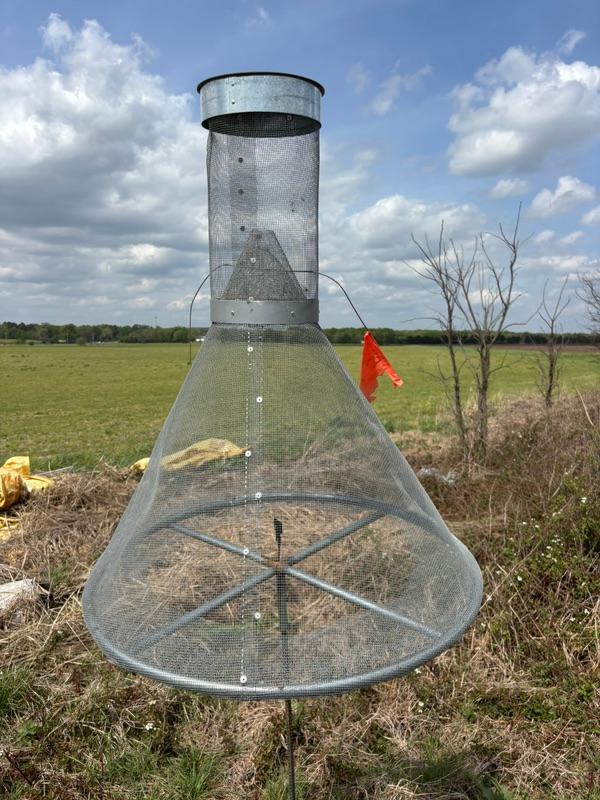
Corn Earworm Moth Traps


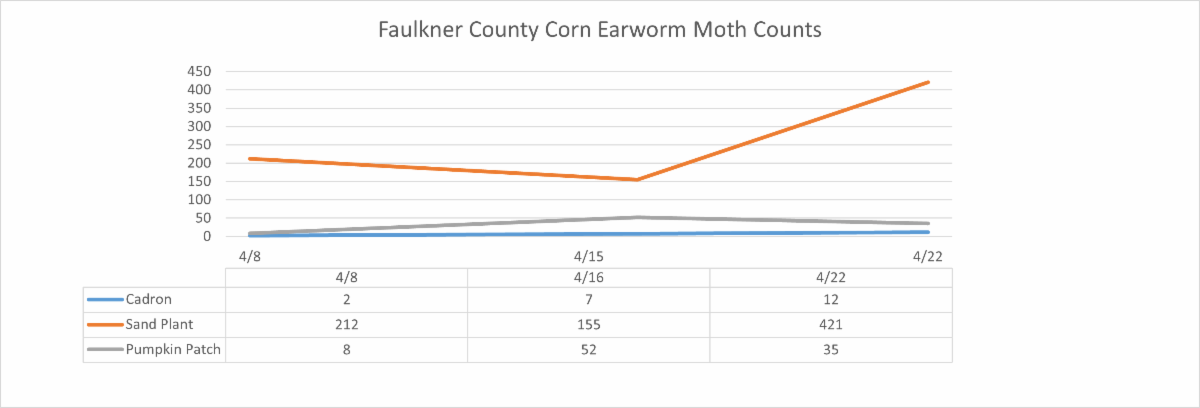
Corn Earworm Moth Counts for April 22, 2026

Cadron - 12


Sand Plant - 421


Pumpkin Patch - 35

What Lower Interest Rates Mean for 2026 Budgets


Ryan Loy, Assistant Professor and Extension Agricultural Economist, University of Arkansas, rloy@uark.edu


Following the benchmark rate reductions in 2025, the Federal Open Market Committee (FOMC) left the federal funds target rate unchanged at 3.50–3.75% at its March 2026 meeting (Federal Reserve, 2026). While benchmark rates have come down from post-pandemic highs, borrowing costs continue to remain elevated compared to the low-interest-rate environment before 2022. For farmers across the country, this poses a significant challenge, as interest expenses remain a notable portion of crop budgets while trying to balance the drastic increase in operating expenses. The expectation of near-zero rates might be unrealistic, but it’s important to highlight that even with lower rates, interest expense continues to contribute to the on-farm price-cost squeeze.


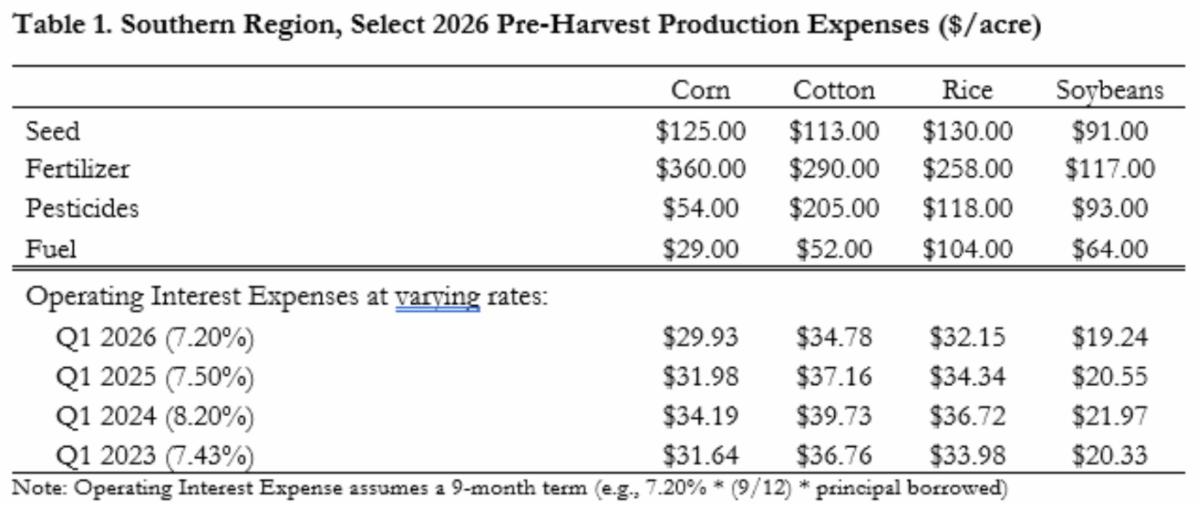
Table 1 is derived from a previous article (see Loy, 2023) and updated to reflect an average budget for a Midsouth corn, cotton, rice, or soybean farmer in 2026. Interest expenses are based on the average fixed operating loan rates from the Federal Reserve Bank of Kansas City Agricultural Credit Survey. Operating loan terms are assumed to have a 9-month payback period and include select 2026 pre-harvest production expenses.

Table 1 illustrates that the benchmark rate reductions, when applied to this year’s production expenses, have provided little relief. Estimated interest expenses for 2026 are down marginally compared to the peak rate of 2024, when operating costs would have generated about $4.26, $4.95, $4.58, and $2.74 more interest expenses per acre for corn, cotton, rice, and soybeans, respectively. However, the reductions are even more modest compared to interest costs in 2023 and 2025.


Overall, while interest expenses have eased, it remains a meaningful part of pre-harvest production planning. Recent benchmark rate reductions have provided some relief, but razor-thin on-farm margins persist. At the same time, higher input costs to grow the same crop have increased the amount that must be financed, potentially offsetting some of the benefits from a lower interest rate environment.  

Beef, Small Ruminants, & Forages

Forages


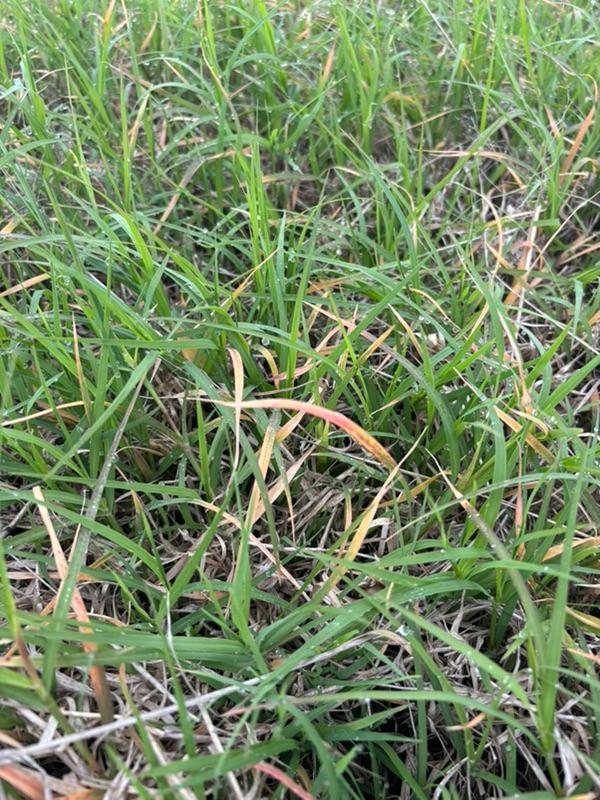
Well just like in corn, the temperatures made a 180 degree turn on us this past weekend and all of a sudden grasses didn't look so good. This picture is from our hay verification field and you can see we had a little damage from the low temperatures. The grass was kind of like the corn in the county, it had a little bit of a yellow tinge to it with some the tips burnt back. It should come out of this no problem, but I still think we need to hold off on fertilizer until these temperatures straighten out. Looking at the week coming up we have more low temperatures next weekend. This rain will do wonders for this grass as we were starting to see the effects of the drought.


There has been several fields of ryegrass harvested for hay this week. This if the first time I can remember ryegrass drying so easy for hay. Remember that as ryegrass gets more mature the quality of your hay will continue to go down.

Controlling Flies in Cow-Calf Operations

Mark Z. Johnson, Oklahoma State University Extension Beef Cattle Breeding Specialist


One of the realities of beef production in Oklahoma is dealing with significant fly populations. The Oklahoma beef cattle industry loses millions of dollars each year due to external parasites. Blood loss, irritation and annoyance lead to reduced levels of performance due to flies. Horn flies, Stable Flies, house flies or horse flies must be controlled. With an abundance of early spring warmth, recent rains, humidity and warmer temperatures most of Oklahoma now serves as an ideal breeding ground for these annoying pests that rob profit potential from beef operations.


Horn flies are the most significant external parasites of cattle causing an estimated $1.8 billion impact on the cattle industry as a whole annually. Although this fly is small and feeds from the back down the side and onto the belly of cattle it is the sheer numbers of these flies on a per animal basis that cause stress to cattle. Considering that an individual horn fly will feed on an animal 25 times per day, they will certainly cause significant stress. In a cow – calf system, horn flies on the cow negatively impact weaning weights due to that stress causing decreased milk production. This is further compounded by the number of flies on the calf. 


Stable flies are usually a problem in cattle from March through early May and typically decrease with higher temperatures from June through August (with consistent temperatures above 90°F.) In a typical year, there are two distinct peaks of stable fly populations with one occurring in early April and another one occurring in late September. The stable fly preferably feeds on the front legs of cattle and occasionally on the belly. Their bite is very painful to cattle causing significant behavioral reactions such as leg stomping, bunching and standing in water for long periods to avoid the bites. One of the preferred breeding sites for stable flies are old hay feeding areas that never dry out and retain moisture for several months. A typical ring/round bale feeding area can provide sufficient habitat for approximately 60,000 stable flies per week. Treatment thresholds for stable flies are 10 flies per animal when observing just the front legs of animals. These numbers will cause significant stress to cows and calves.


Horn flies and stable flies are on cattle herds across Oklahoma. This means cattle are dealing with both fly pests and that rely on blood meals as their main food resource. Cattle will need some relief from the biting activity from these fly pests now and the quickest method are insecticides applied directly to the animals. 


For stable flies, it is best to find their breeding habitats (hay feeding areas) and clean them up or pull some type of implement through those areas so they can dry out. Consider that a hay feeding area may not look conducive for fly development but if you walk on that area and there is moisture seen beneath your feet then it can support stable fly development. For an insecticide application, the best method is to spray the legs, brisket and belly areas with a product that is labeled for on-animal use. Since cattle will get their legs wet from laying in pastures or walking through water then applying the insecticide with a diesel oil as the carrier will persist a little longer than one applied with water. Cattle producers will have to use a product that can be mixed with diesel and utilize a sprayer with pumps designed for diesel not water.


For horn flies, there are many different options to control this pest. One of the most popular applications for horn fly control are pour-on products. If using a pyrethroid pour-on be sure that it is synergized with piperonyl butoxide (PBO). The synergist inhibits enzymes that insecticide resistant flies can develop to detoxify the insecticidal compound. Insecticide impregnated ear tags are still a viable option for longer horn fly control but operators will need to rotate the type of product used every year to limit insecticide resistance. Rotating products is not based on trade names but by the chemical class the product belongs in. For instance, a product can be in three broad chemical classes based on its mode of action (the manner in how it kills the fly based on target site) and products labeled for on-animal applications are either pyrethroids, organophosphates, or macrocylic lactones. Veterinarians or country extension personnel can help identify which chemical class a product belongs based on the active ingredient listed on the product label if assistance is needed to identify the chemical class. Sprays are still a good option to provide some relief to cattle with heavy horn fly infestations and the spray should be applied as a course spray that is directed at the backs, sides and belly of the animal.


Insect growth regulators (IGR) that are fed through mineral are a very good option when combined with other control applications whether it be ear tags, pour-ons or sprays but producers will need to monitor consumption to be sure that the herd is averaging ~4 oz. / hd/ day to prevent flies from developing from the manure pats. Self-application devices such as oilers can be effective if you make it a force use system or put multiple oilers out to ensure the whole herd is treated properly. A typical force use system is setting it up where cattle have to go under the oiler to get to water or a feed area. Regardless of the type of insecticide application chosen it is important to get cattle treated to provide some relief and reduce stress from biting flies.    

Cattle Records


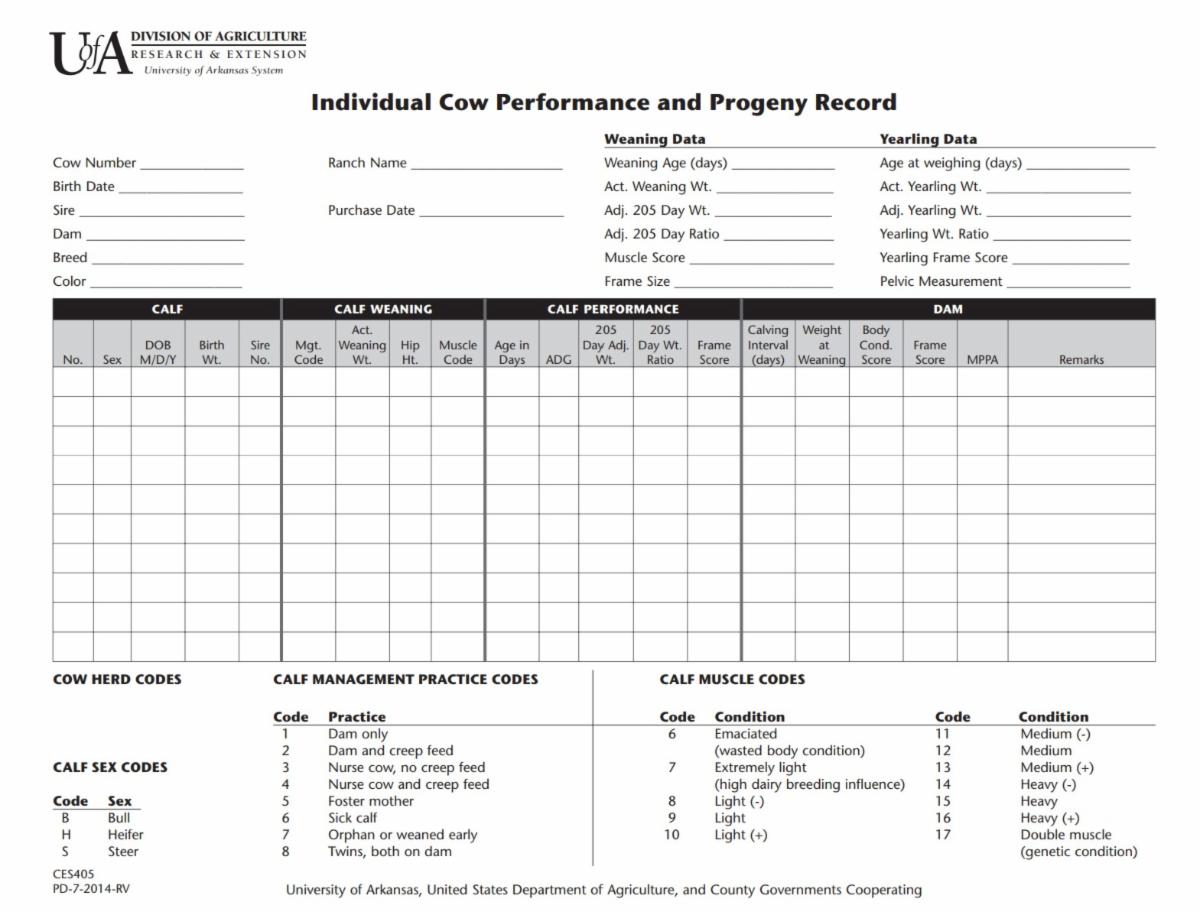
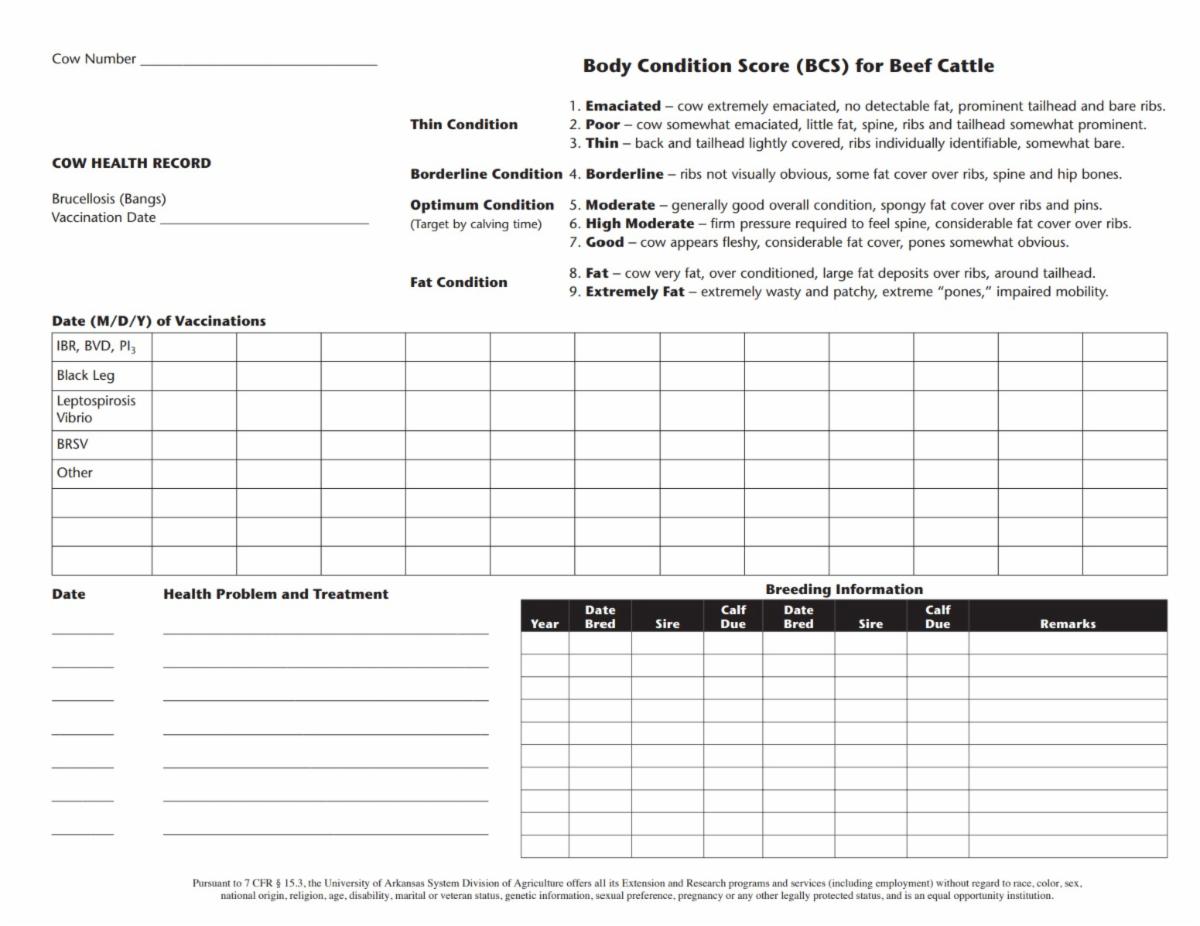
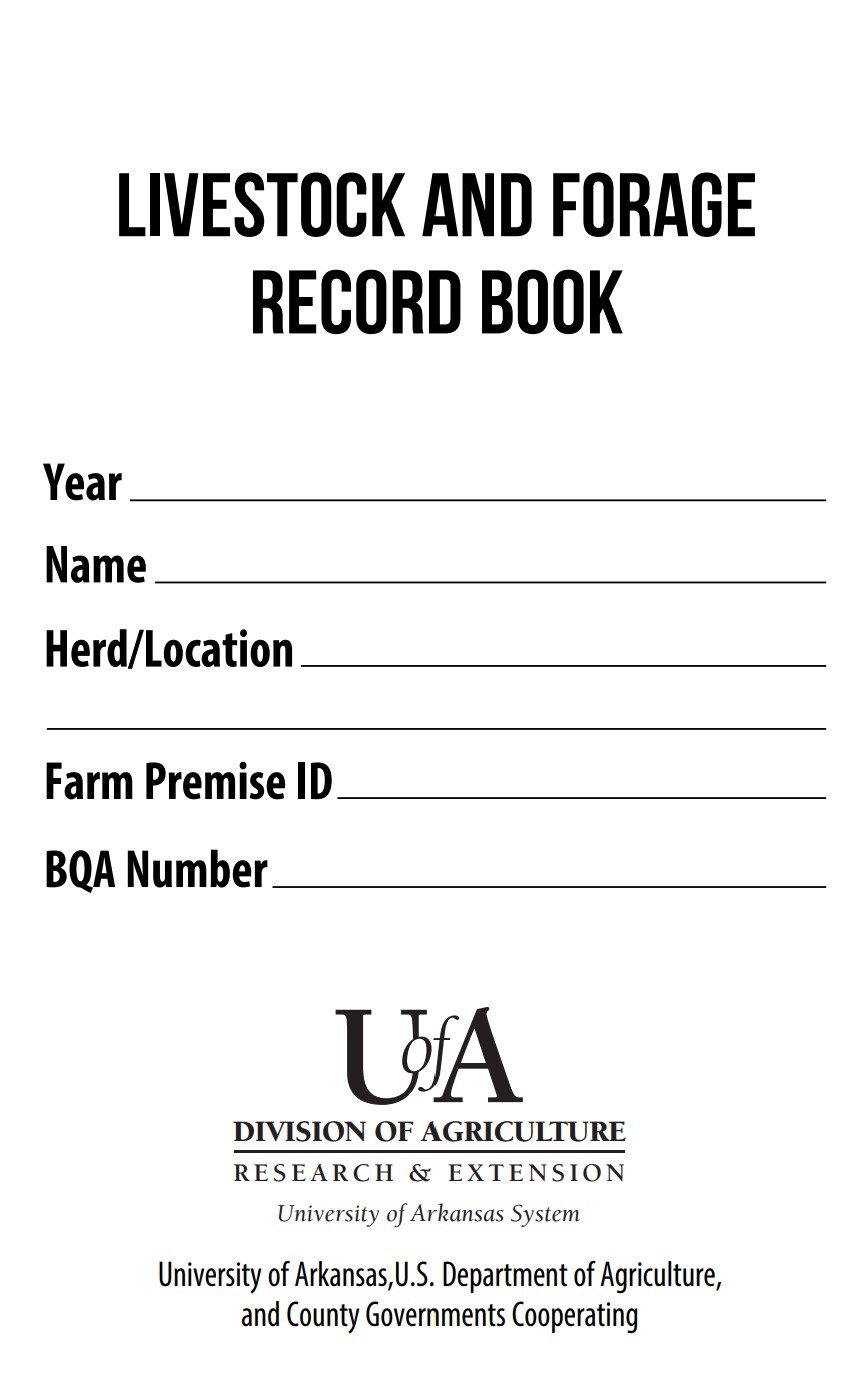
Keeping good records is essential in being a successful cattle operation. There are all kinds of cattle record keeping books and software out there and depending on what you are comfortable with they all have advantages and disadvantages. Below are some examples of record keeping sheets that we have from Extension and a link to our record keeping website which has even more.


Here is a image of our individual cow performance and progeny record. This can be downloaded from the Beef Cattle Record Keeping Website. If you need some copies of this feel free to come by the office and we can make you some copies.

You can find a copy of this Livestock and Forage Record Book on the website also, but we do have a few copies of this at the office if you need one. They are pocket size and are a great way to keep records in the field.

Faulkner County Cattlemen's Meeting


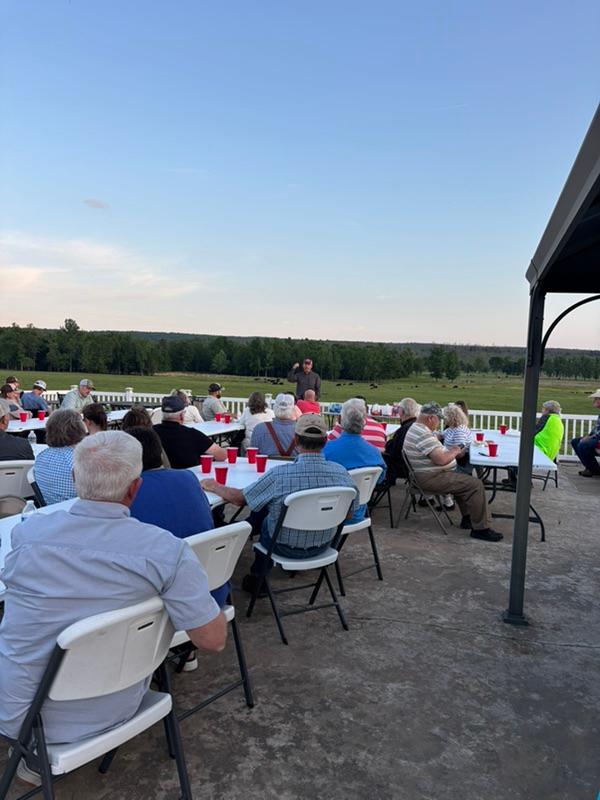
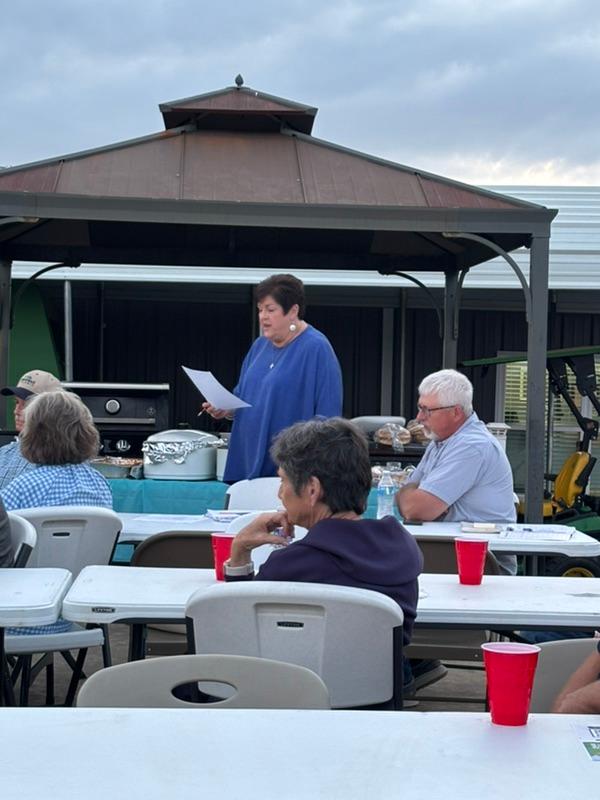
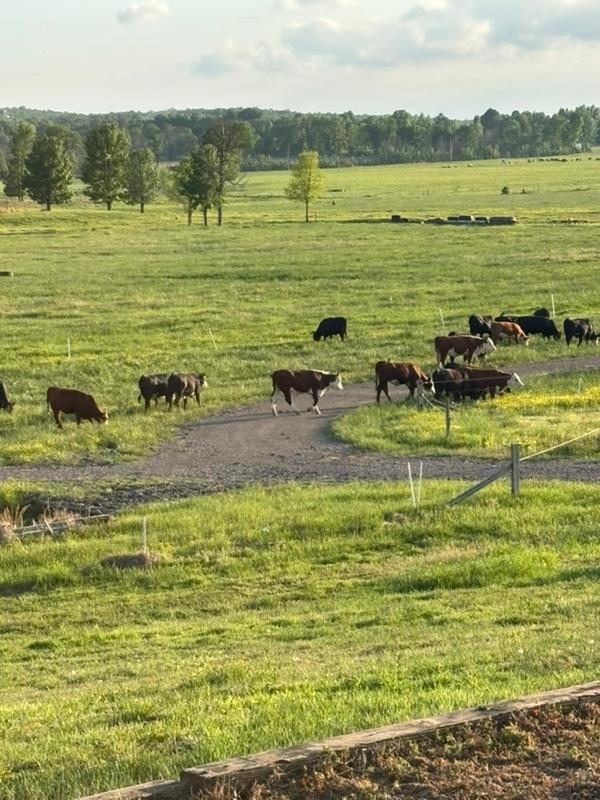
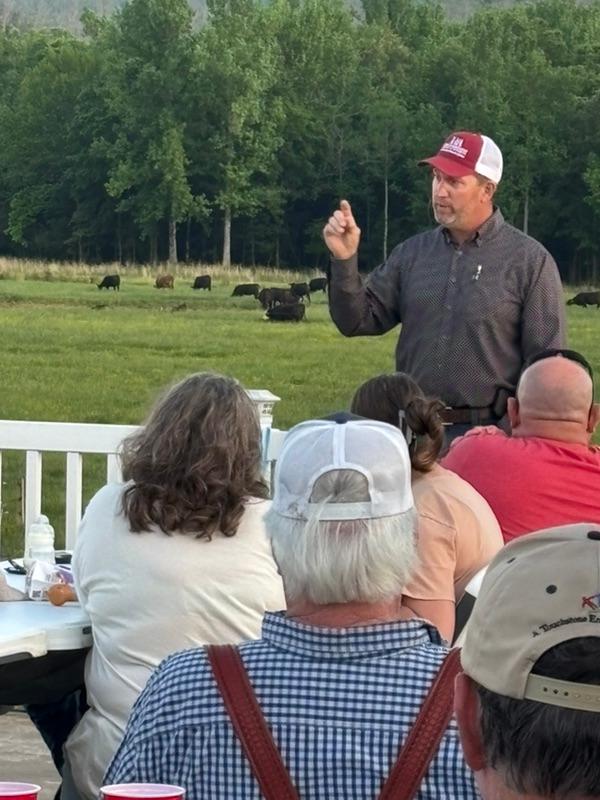
The Faulkner County Cattlemen's met on April 23 at Simon Farms in Saltillo. Farm Credit Services and Oakley's were the sponsors and Hank DeSalvo from Farm Credit Services cooked the meal. The presentation was from Kenny Simon and his family on the improvements they have had on their farm over the years. It was a beautiful afternoon for a meeting and there was a good crowd that showed up. The next meeting will be May 28 at the Jeremy Riddle Farm.

Arkansas Shepherds Association


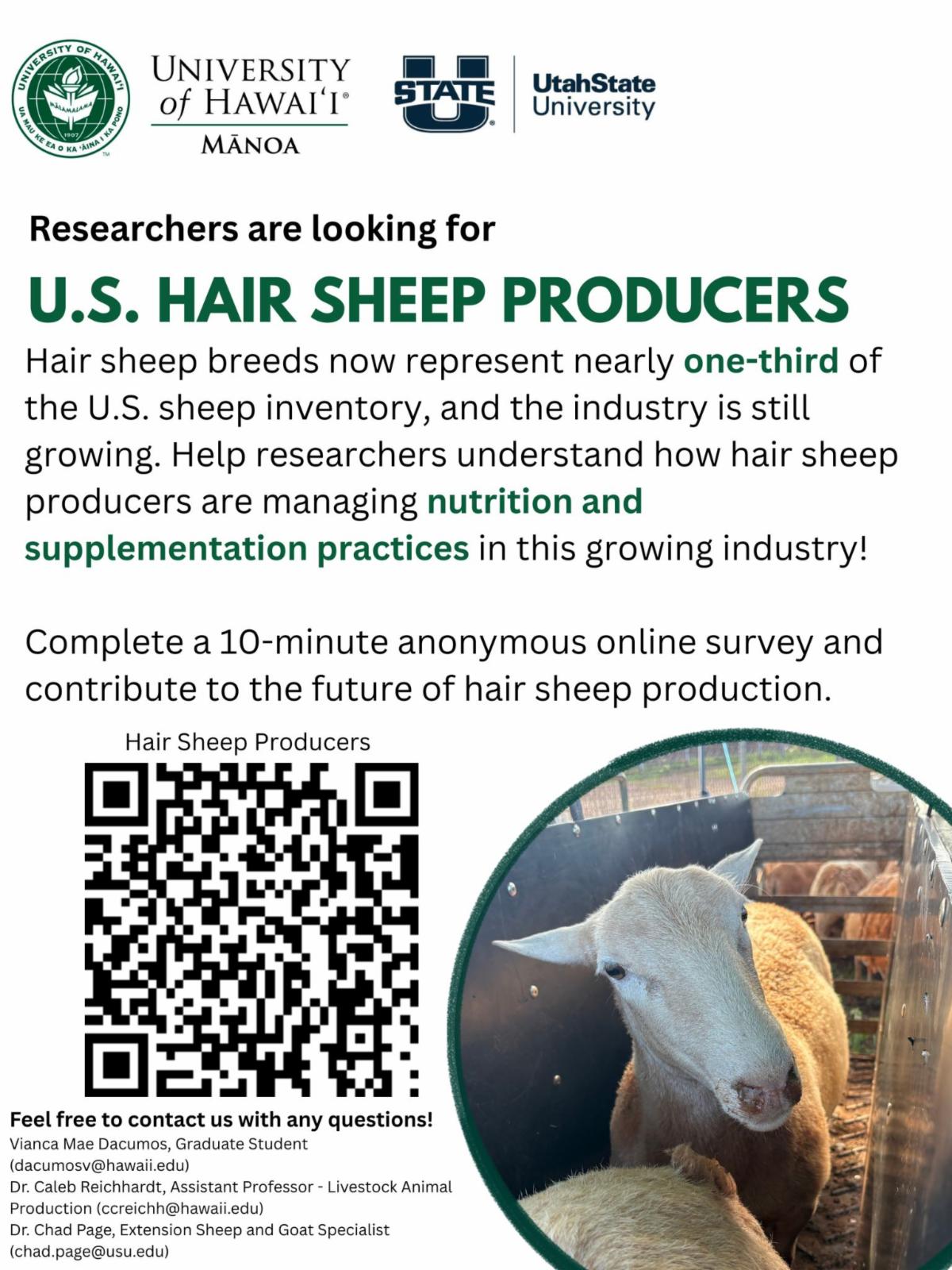
The Arkansas Shepherds Association is an organization for sheep owners or businesses that want to support the Arkansas sheep industry. They will have lots of information for sheep owners and an annual educational workshop.

Upcoming Meetings

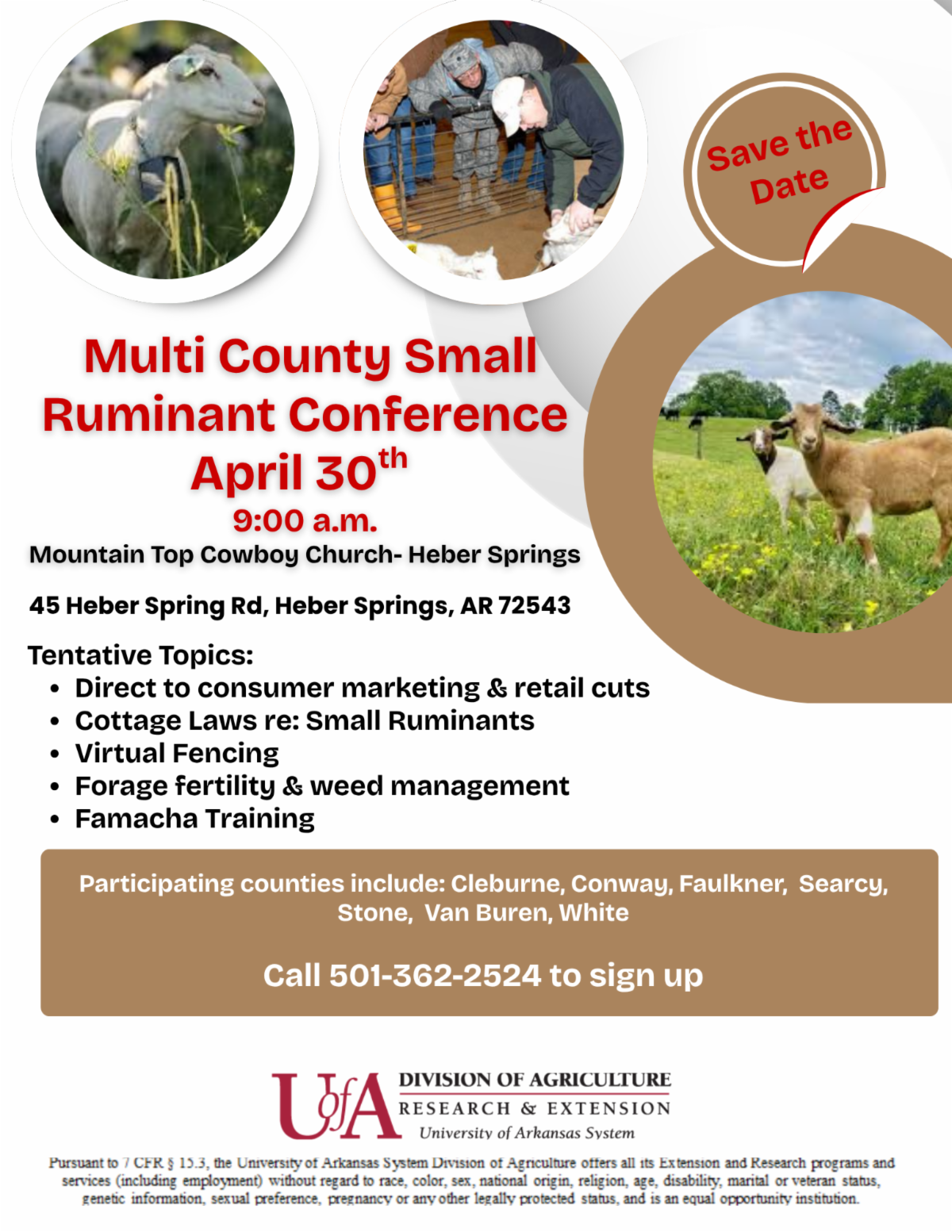
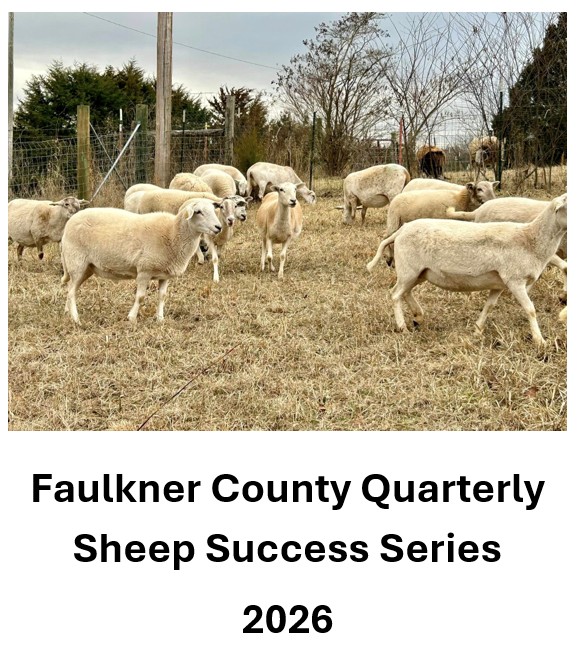
The next sheep success series meeting will be May 9 starting at 9:00 am.

Pesticide Applicator Trainings


In order to purchase restricted use pesticides (herbicides, insecticides, fungicides, etc) you must have a private applicators license. The license is good for 5 years.


To obtain a license you must first attend a certification training. Certification trainings are done in person by a County Extension Agent or you can go online and be certified. Below is a link to the online training.


In person trainings this year will all be at the Faulkner County Extension Office and will be on:


April 30 - 2:00 PM


A certification training costs $20 and is due the day of the training.


Once a producer is certified, they will go through the Arkansas Department of Agriculture to obtain the license which is $45.


Please call the Extension office at 501-329-8344 to sign up for one of these dates.


If you have a question about your license, please follow the License Search and Verification link below to find your license.

Livestock Market Report


The following links are for the weekly livestock market report from the Arkansas Department of Agriculture website and the Livestock Auction Dashboard from USDA. Both sites have marketing data for all livestock sold at Arkansas Sale Barns.

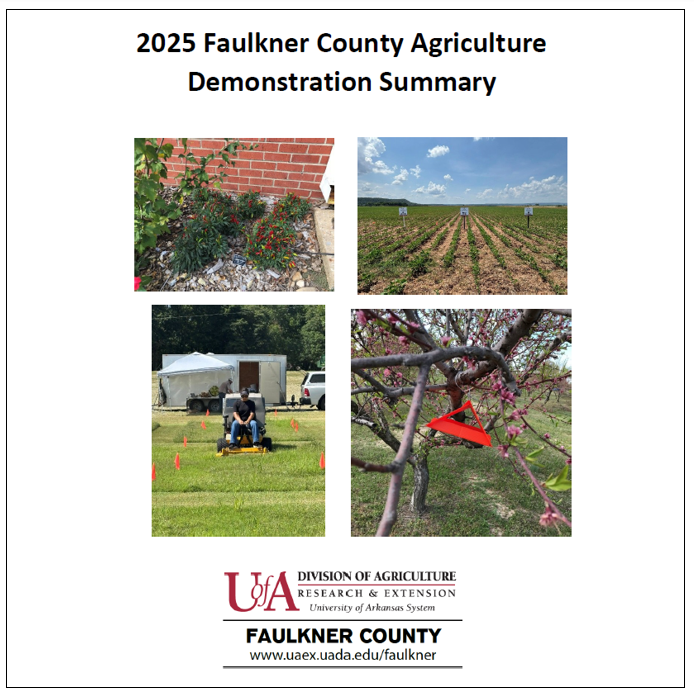
2025 Faulkner County Agriculture Demonstration Summary


The 2025 Faulkner County Agriculture Demonstration Summary is now available at the link below.


The 2025 Faulkner County Demonstration Summary is a collection of on-site demonstration results conducted in Faulkner County by local County Agents. Demonstrations are the cornerstone of the University of Arkansas System Division of Agriculture Cooperative Extension Service’s mission which is:


“We strengthen agriculture, communities, and families by connecting trusted research to the adoption of best practices.”


On-site demonstrations allow producers and homeowners to see firsthand how Extension recommended varieties and best management practices work in their counties and surrounding area.

Sign up for Text Alerts


You can now sign up for text alerts from me throughout the year. I have two areas you can sign up for which includes Faulkner Livestock or Faulkner Ag (Row Crop Updates). To sign up you can follow one of these links or use the QR Codes below.

Faulkner Livestock


Use either the QR Code or this link:

https://slktxt.io/10lLe

Faulkner Ag (Faulkner Row Crops)


Use either the QR Code or this link:

https://slktxt.io/10lLc

Pursuant to 7 CFR § 15.3, the University of Arkansas System Division of Agriculture offers all its Extension and Research programs and services (including employment) without regard to race, color, sex, national origin, religion, age, disability, marital or veteran status, genetic information, sexual preference, pregnancy or any other legally protected status, and is an equal opportunity institution.

Contact Kevin Lawson, County Extension Agent–Agriculture, Faulkner County | Kevin Lawson