Faulkner County Agriculture Update

April 25, 2025


General Conditions

Weather


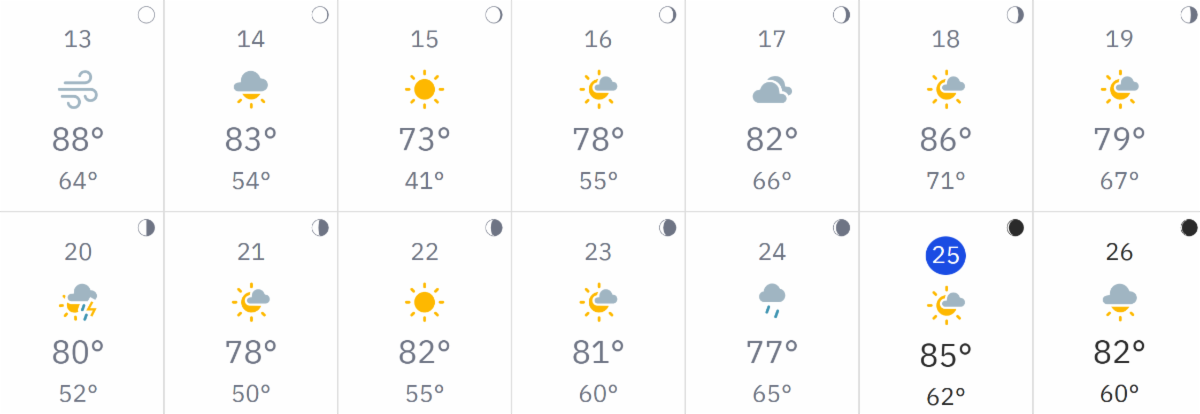
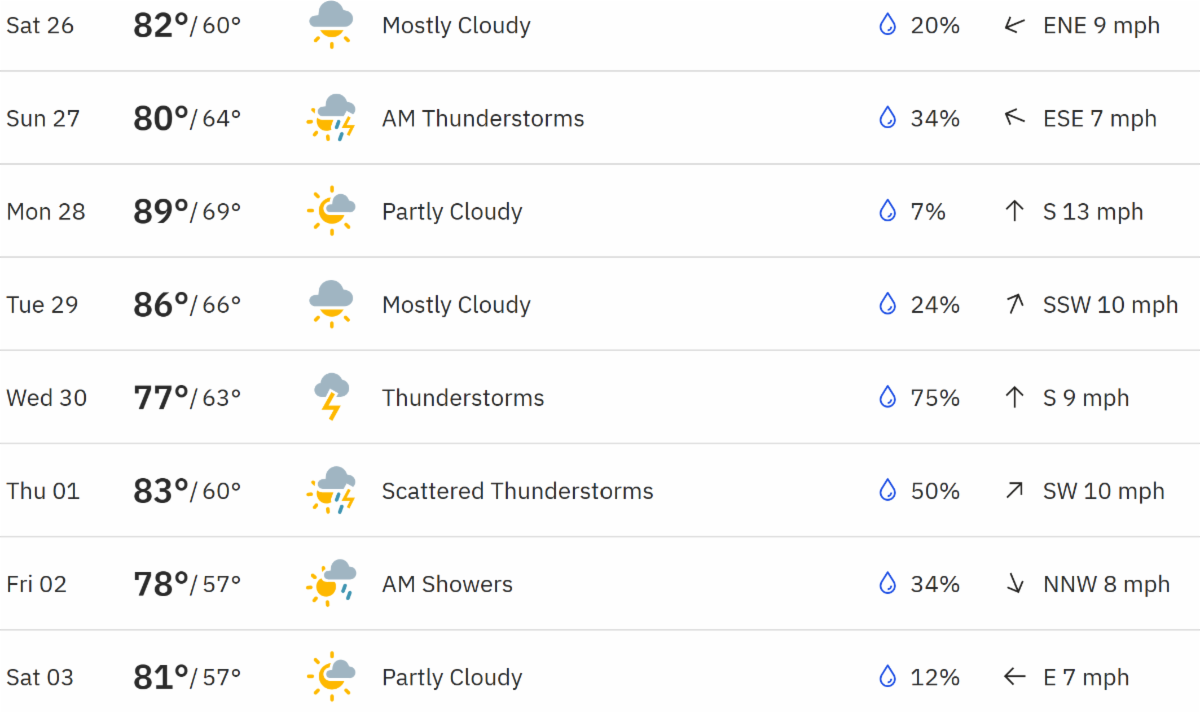
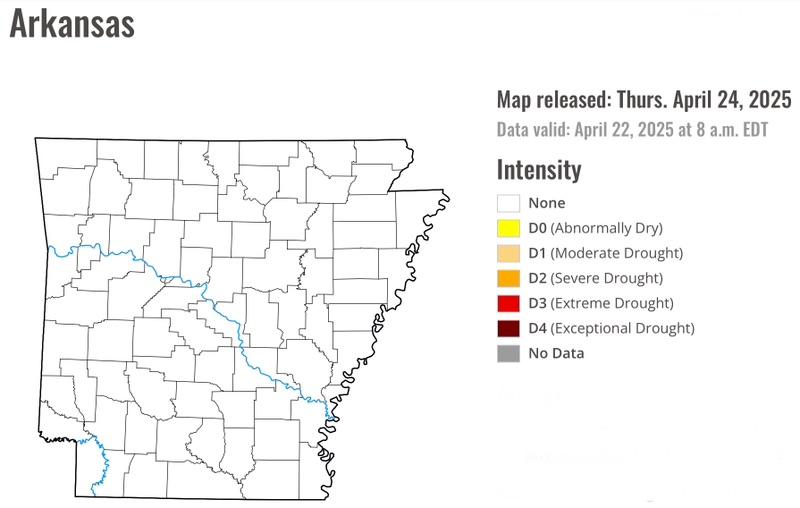
We didn't see the rain that was predicted this week. The rain that did fall was spotty across the county. We started out Sunday with severe storms. I heard of areas that got as much as 0.75 inches from those storms, but just 5 miles down the road they got nothing. Same thing happened on Thursday. Some places got 0.30 inches while just down the road it is dry. Next week has more rain predicted and another round of storms. Those places that missed the rains this week need a rain, so maybe they will get one soon. Check out the drought monitor on down in the newsletter. This is the first time I can remember in a long time that the whole state is drought free.

Arkansas and Mississippi River


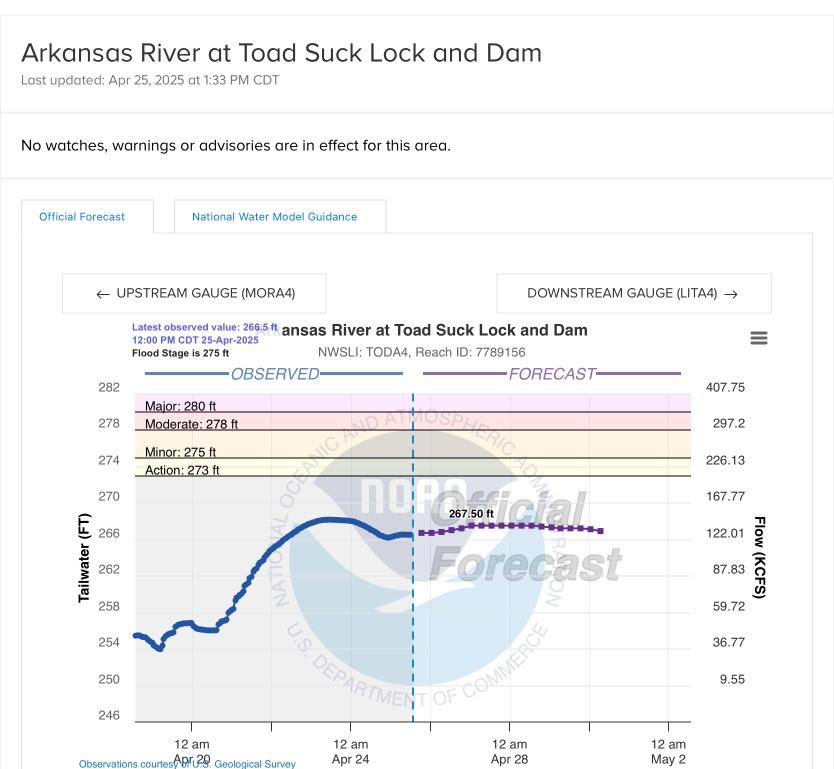
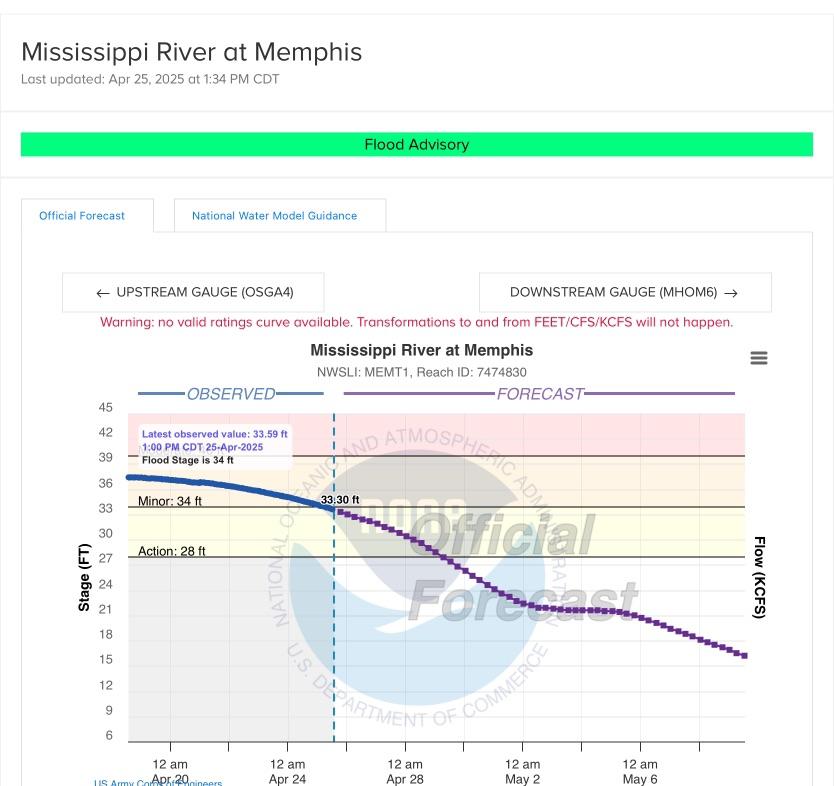
The river is still running high as we catch all the rains from Oklahoma. The prediction is to keep it high into May. I just hope we don't catch more big rains and get another flood event.

Drought Monitor
US Drought Monitor

Row Crop

Wheat


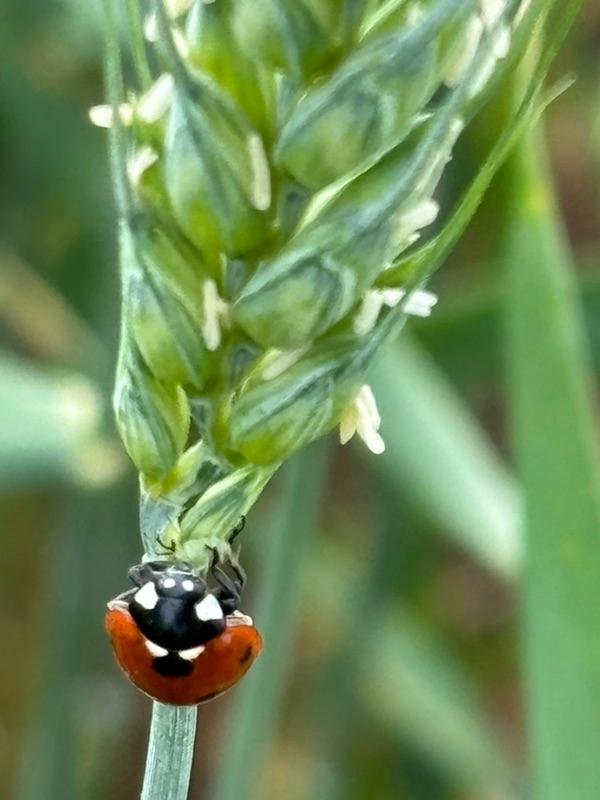
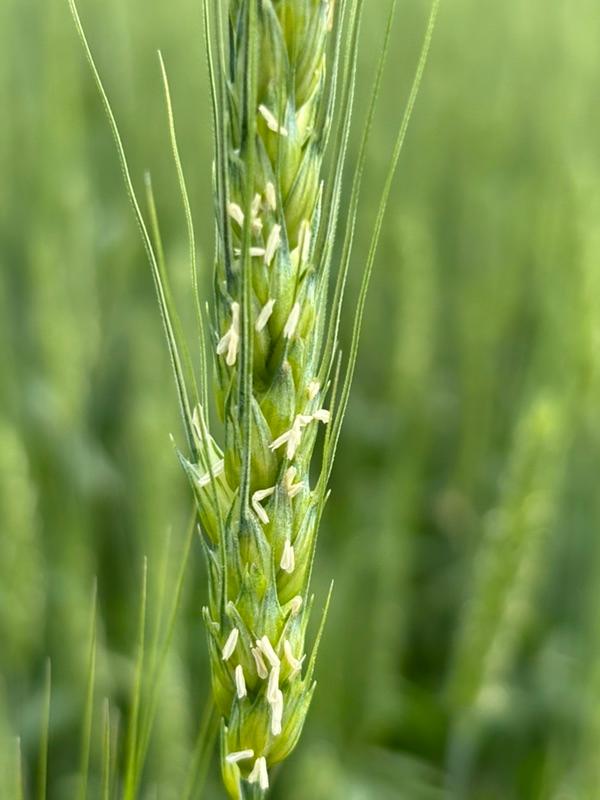
All of the wheat in the county is just about completely headed and going through flowering. As we go through flowering missing a few rains wouldn't hurt my feelings to help with scab, but as we get to grain fill we will need a few to make some good grain. Harvest isn't too far away.

Corn


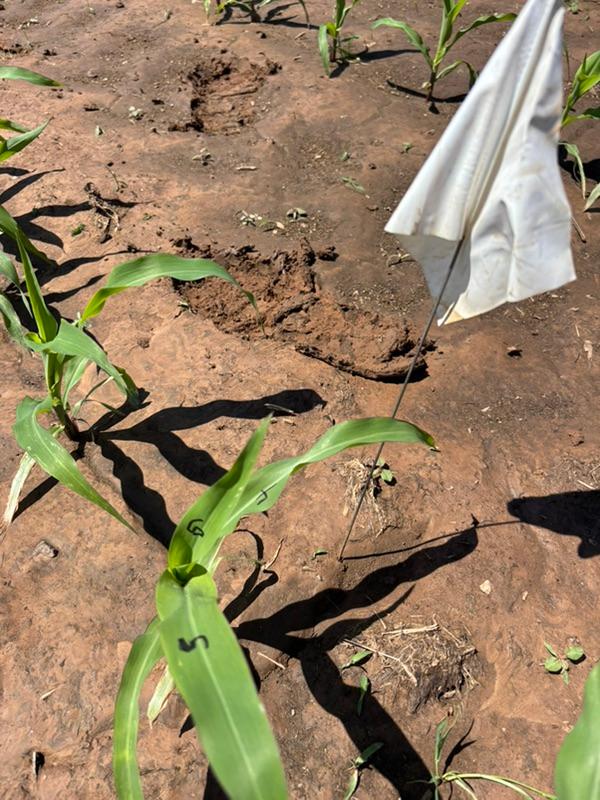
Corn has really jumped the last couple of weeks. I got a call about looking at a field this week for spraying and fertilizing and I couldn't believe it when I got there. It was already at V4 and growing fast. We have had the perfect weather for corn lately. The more sunshine we can get the better it likes it. Remember the rate on Halex GT is 3.6 pints per acre.


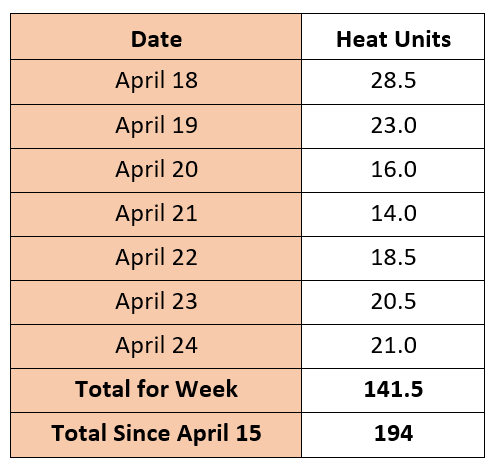
Every year I like to keep up with heat units. Usually we have a fairly close planting window. This year, planting is all over the place from mid March to now. We planted a corn seeding rate trial on April 15, so I picked that date to do heat units on this year. Last week we had a couple of days with summer like heat unit numbers. Then two days later it was more typical spring like numbers. Last week we gathered 141.5 heat units and have 194 since April 15. That should put us right around V3.


Arkansas Corn DD50 Program - Arkansas Corn DD50

2025 Corn Quick Facts

Rice


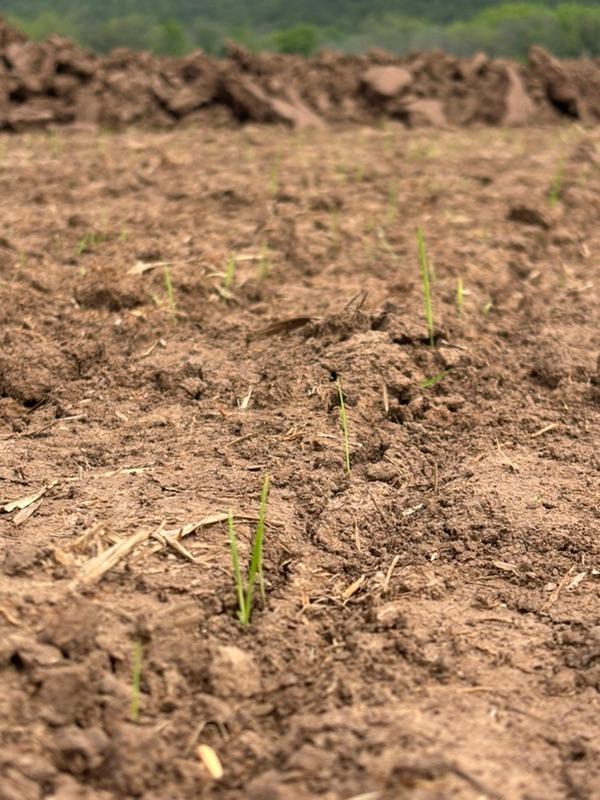
Rice has jumped out of the ground and is really growing. I have also noticed the grass is moving right along with it. If you missed one of the rains this past week you may want to think about flushing to keep that Command going.


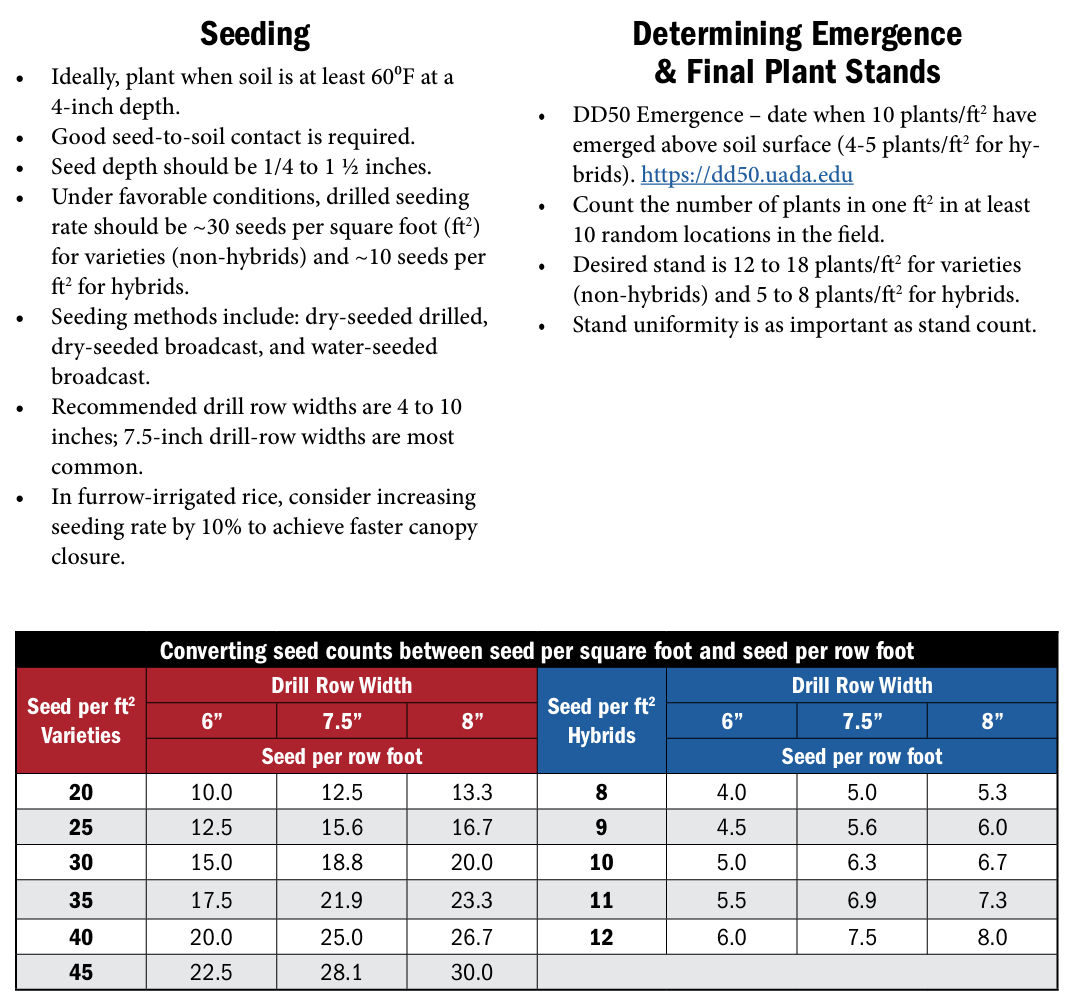
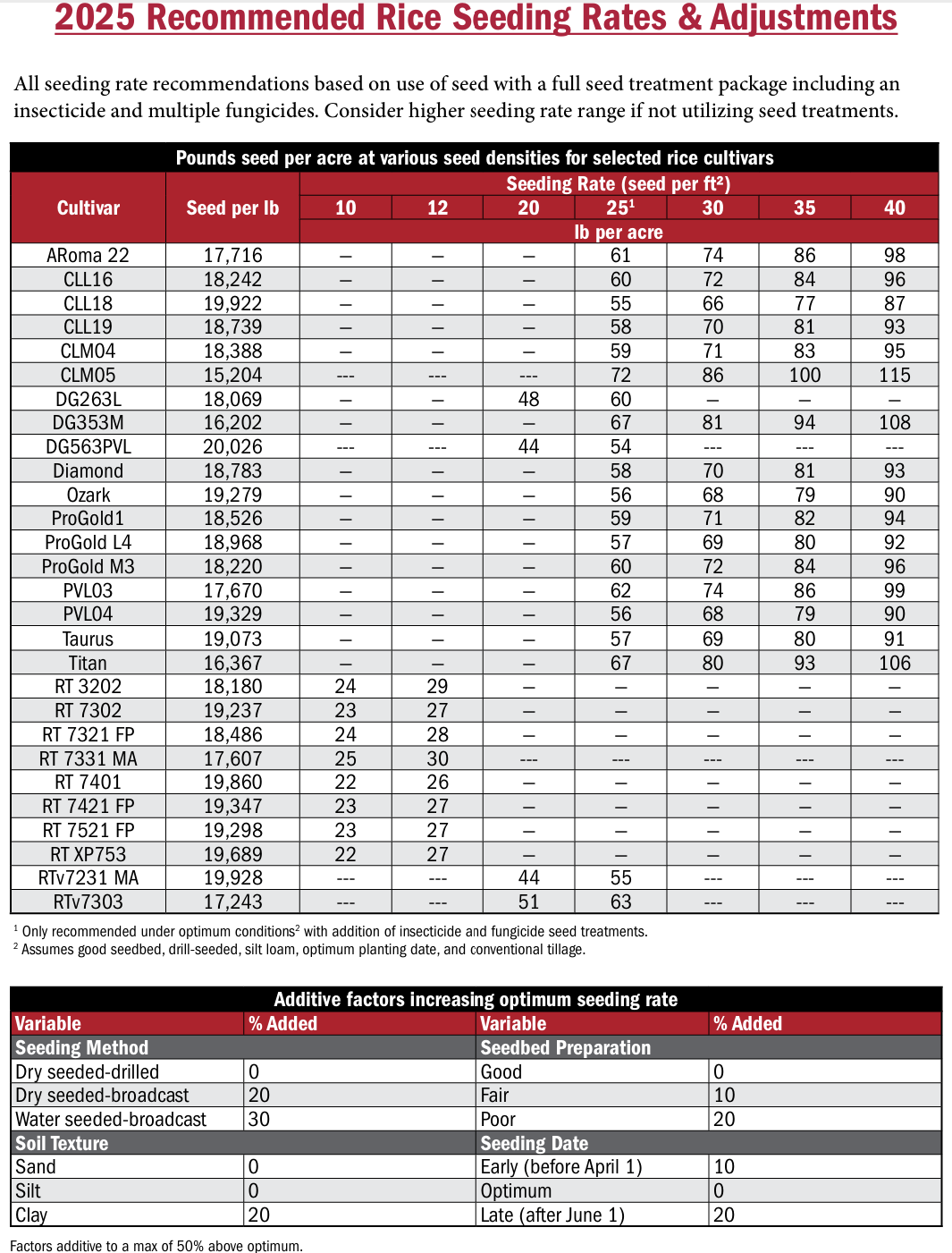
I have had a few questions about seeding rates, so I will keep the seeding chart in here for a week longer. I also have physical copies of the Rice Management Guide in my truck. I keep forgetting to hand them out so if you see me ask for one!


If you need help with DD50, please let me know. I would be glad to run those for anyone that needs help.

2025 Rice Management Guide

Here is Dr. Jarrod Hardke's latest Arkansas Rice Update.

Arkansas Rice Update 4/18/2025
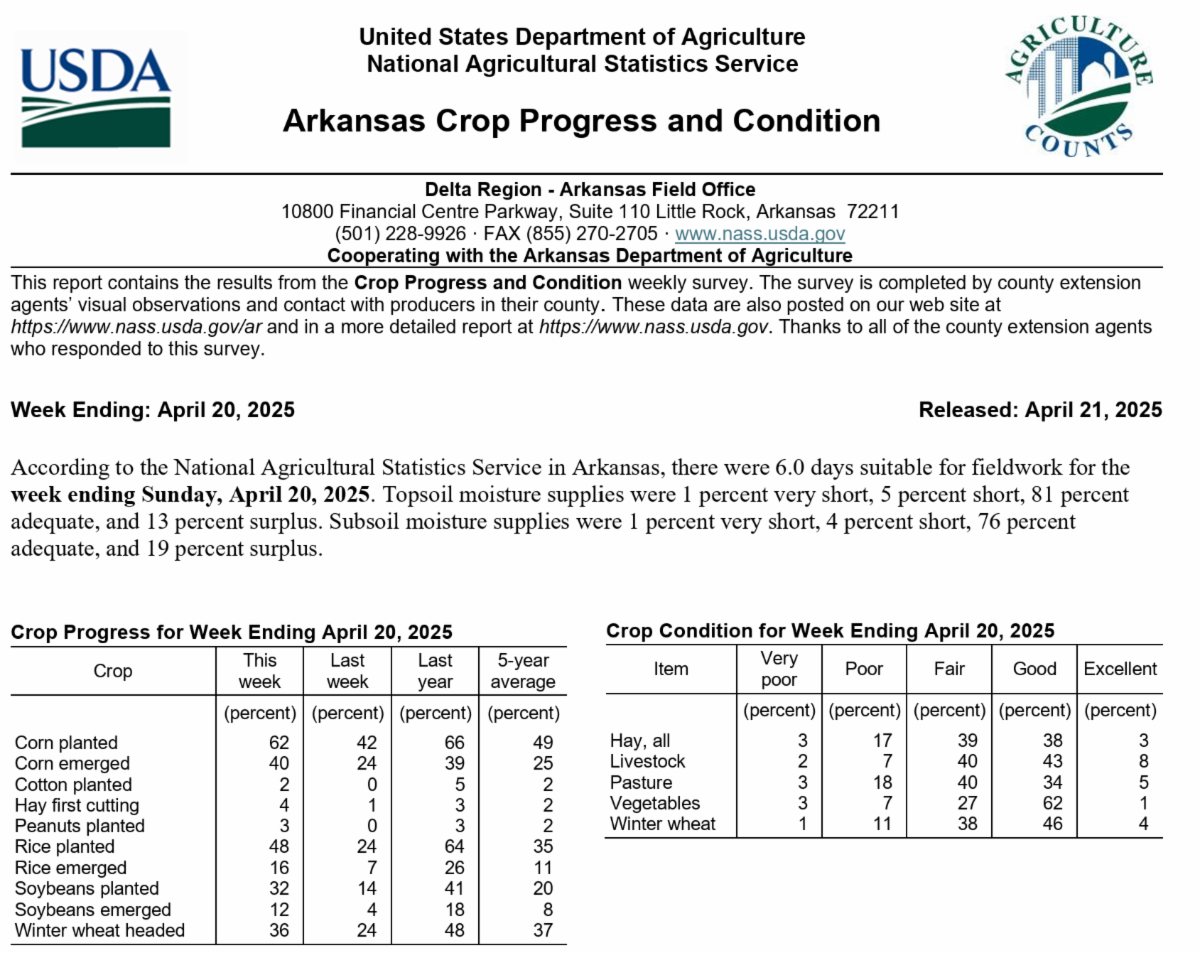
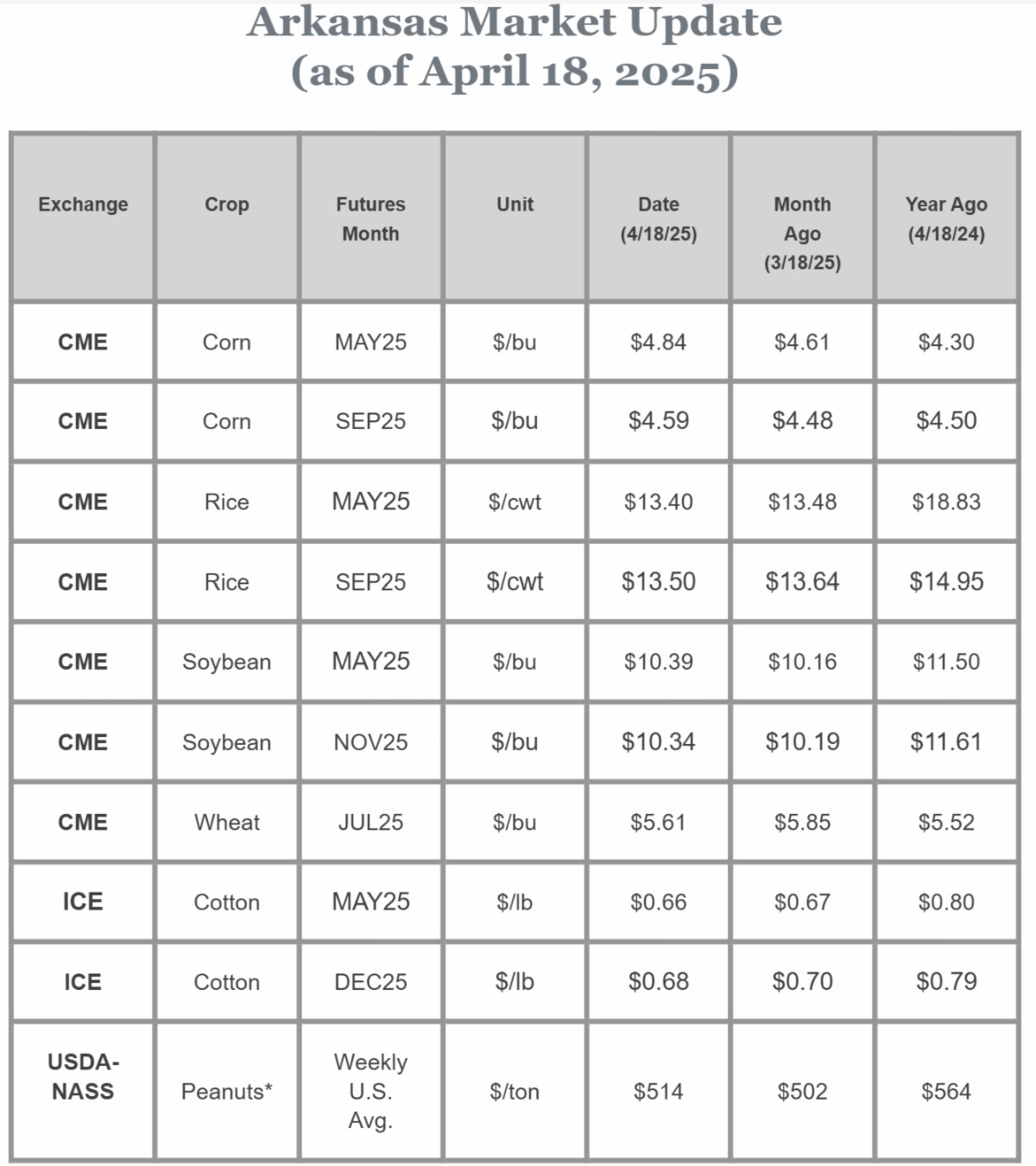
Arkansas weekly Crop Progress & Condition Report for the week ending Sunday, April 20, 2025

Beef, Small Ruminants, & Forages

Brucellosis Vaccinations


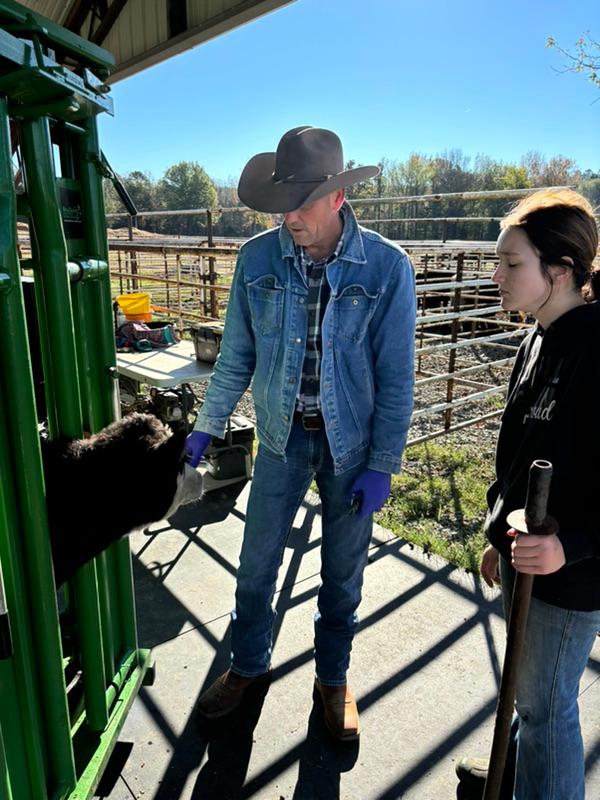
Faulkner County’s Brucellosis (Bang’s) Vaccination Program will be held Wednesday May 21.


Even though it’s no longer a state law, it is highly recommended to have your heifers vaccinated between the ages of 4 and 12 months against Brucellosis to keep brucellosis eradicated in Arkansas. 

A representative from the Livestock & Poultry Commission and the Faulkner County Cooperative Extension Service will offer an on-farm vaccination program at no cost to all Faulkner County cattle producers. If you are interested please CALL the office at 501-329-8344, by Friday May 9 to be added to the schedule. After the registration deadline, a schedule will be put together and producers will be notified. 


Producers must have a premise ID. You can apply for a premise ID at the Livestock & Poultry website. A link is provided below.


The Livestock & Poultry Commission has stated that each farm where cattle are to be vaccinated MUST have a chute or squeeze chute with a head gate where cattle can be subdued. Even with good facilities, the chances of someone getting hurt are possible. If the proper facilities are not available or safe, the vaccinator has the right to refuse to vaccinate your calves. Calves will not be vaccinated unless the owner or someone representing the owner is present.

Premise ID Application

North Central Small Ruminant Production Meeting


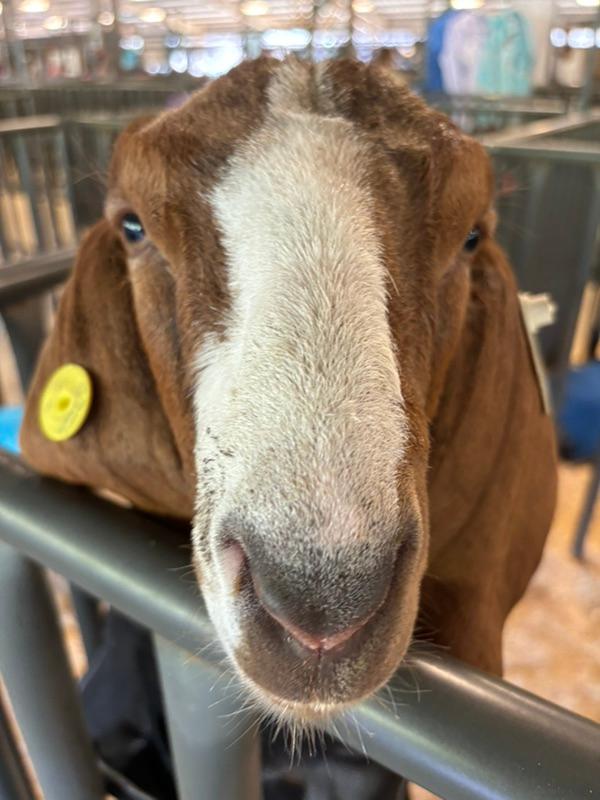
Save the date of May 30 for the North Central Small Ruminant Production Meeting at Hilltop Acres Goat and Sheep Auction near Romance.


More details to come soon!

Can We Get Calving Ease Without Sacrificing Performance?

Mark Z. Johnson, Oklahoma State University Extension Beef Cattle Breeding Specialist


Sire selection, natural service or AI is critical. Over time, 90% of genetic change is the result of sire selection. Your bull (or bulls) contribute more to the genetic makeup of your herd in a calving season than a cow does in her lifetime. Effective sire selection should be based on genetic values in the form of EPDs. Selection on EPDs is 7 – 9 times more effective than selection based on individual performance data, within herd ratios or performance testing because all this information (plus more) is taken into consideration in calculating EPDs. Selecting genetically superior sires is the fastest approach to herd improvement and bottom-line profitability when you select genetic superiority that matches your management, production and marketing system.


If you are identifying bulls to breed heifers this spring and calving ease is a priority, current sexing technology can work to your advantage. Research shows that heifer calves are, on average, approximately five pounds lighter than bull calves at birth. The lighter birth weights will equate to less likelihood of dystocia. If sexed heifer semen is your preferred path to calving ease, expect to pay a little more (approximately $20/straw) per unit than typical of conventional semen. As well, timing of AI should also be delayed by six to 12 hours if using sexed semen. 


Charting the genetic trend of beef breeds indicates purebred cattle breeders have been very successful over the past 30 years of applying selection pressure to maintain calving ease while improving the additive genetic merit for weaning and yearling weight performance. What we commonly refer to as “curve benders” are easier to find than ever, especially when sorting through bull stud offerings of potential AI sires.


So to answer the questions in the title, yes it is possible. With ample calving ease sires available in the current marketplace, you should still be able to identify sires that give you the growth, carcass merit or levels of maternal performance you seek to improve your operation’s bottom line.

Impacts of Nutrition during Finishing on Beef Quality

Paul Beck, Oklahoma State University Cooperative Extension Service Beef Cattle Nutrition Specialist


The last few weeks we have discussed factors that impact meat quality from prefinishing segments of beef production in today we will discuss the impact of nutrition during finishing in the feedlot on beef quality. Grain-finishing in confinement remains the predominant finishing system in North America due to land-use and management efficiency and consistency of beef supply. Grain finishing in confined feedyards requires less area to finish calves and it takes less time to get calves ready to harvest in feedyards than forage finishing systems common in other areas of the world.


Grain type and processing methods affect where and how starch is digested - altering available energy and impacting marbling. Wheat and barley have the fastest and most complete starch digestion in the rumen, processed corn and milo are somewhat slower in ruminal starch digestion, while whole unprocessed grains have the lowest starch digestion in the rumen. Processing increases grain digestion in the rumen which influences ruminal starch digestion, there are indications that shifting starch digestion in cattle from the rumen to the small intestine can increase marbling but also decreases performance and feed efficiency. For instance, rolled corn increases glucose availability in the small intestine, supporting intramuscular fat development, while steam-flaked corn increases ruminal fermentation and feed efficiency but is thought to reduce marbling.


Grain milling co-products, such as distillers’ grains, have become common in finishing diets. Inclusion rates matter: moderate levels (15–33%) can improve marbling, but excessive inclusion (>40%) may negatively affect tenderness, shelf life, and quality grade due to higher protein and fat content. In contrast, corn gluten feed, a byproduct of the artificial sweetener industry, does not appear to reduce marbling or carcass quality due to its lower fat and protein content.


Ultimately, meat quality is shaped by the series of management decisions starting before conception and continuing through finishing. By understanding how each production phase—from genetics and gestation to diet and feed processing—affects the end product, producers can better align their management strategies with production of high quality beef for our consumers.

Weed of the Week


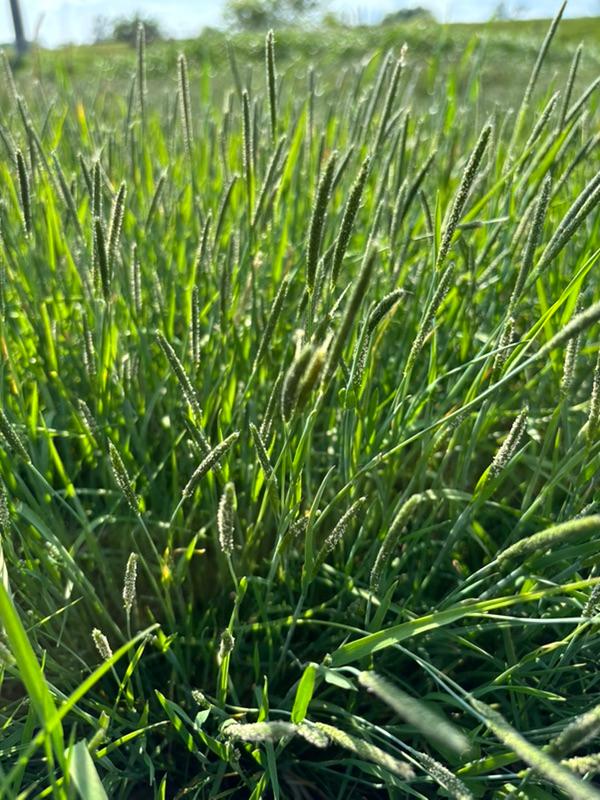
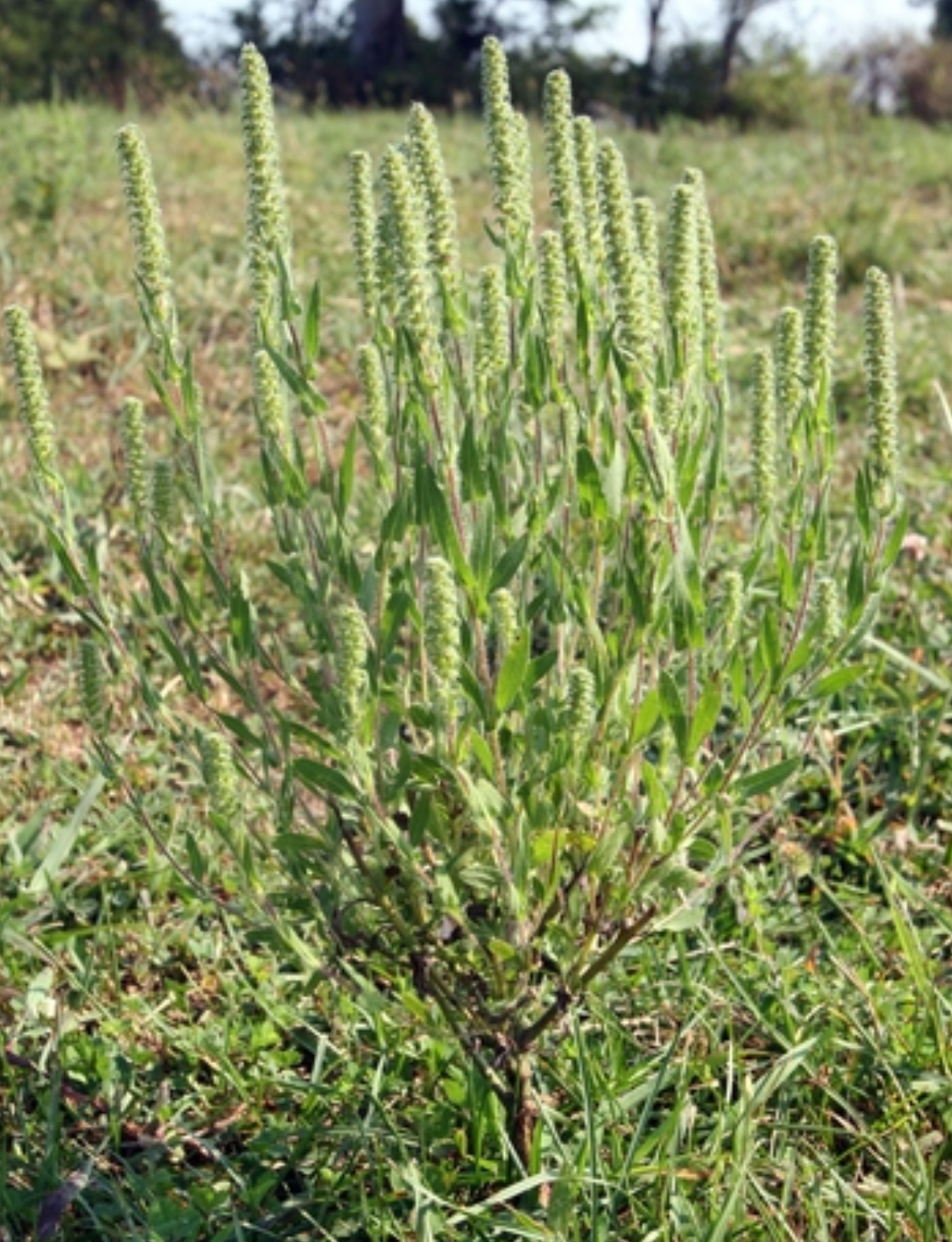
The weed of the week this week is little barley. I can't explain why, but little barley has been everywhere this year. I looked at several fields back early where producers were asking what type of grass they had. In some fields it was so thick it was like they planted it. But it was all little barley. Sometimes this gets confused with foxtail, because they both have similar heads. Little barley though is a winter weed and will be gone before long. What I hate most about little barley is the seed gets in my socks and shoes and that is not fun!


Control for pastures or hay fields has to be done early on with glyphosate. There isn't much else that will get it.

Lanceleaf Ragweed Research


I have had a request for a location for some small plot lanceleaf ragweed research. If anyone has a good location for this research and would be willing to work with me and Dr. Hannah Smith I would really appreciate it. Either send me an email, shoot me a text or call me if you have a good location.

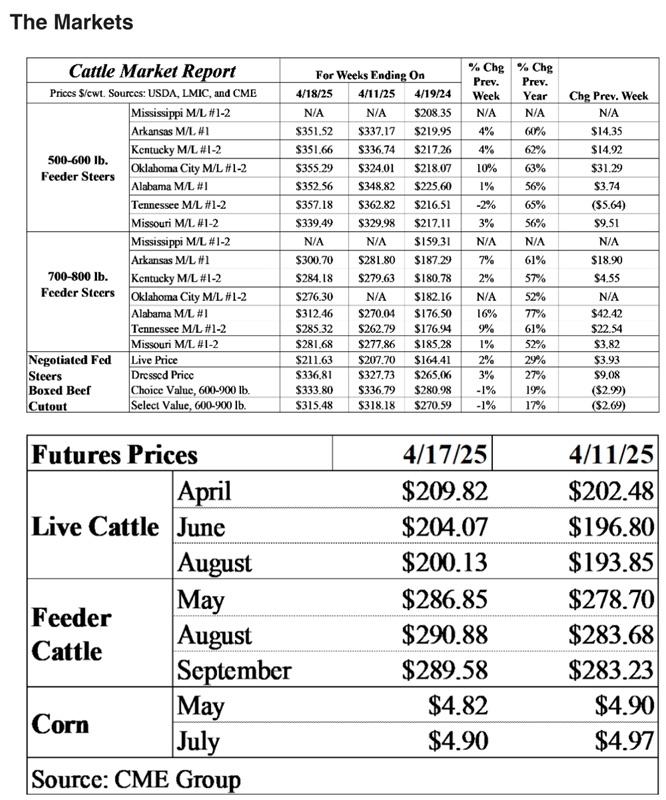
Cattle Market Notes Weekly

Livestock Market Report


The weekly livestock market report is available on the Arkansas Department of Agriculture website.

ADA Livestock Market Report

Pesticide Applicator Trainings


This is the Pesticide Applicator Training Schedule for Faulkner, Perry and Conway County.


Cost for the certification training is $20 that is payable at the training. It is a good idea to call and register for the class or if you have any questions, feel free to call and ask. Office numbers are located below. Anyone can go to any of these trainings. You don't have to just go in your county.


Faulkner County call and talk to Mindy Beard at the office at 501-329-8344 or email at rbeard@uada.edu

Perry County - 501-889-2661

Conway County - 501-977-2146


You can also get certified online. It also costs $20. The link to the online training is listed below.

Online Pesticide Applicator Training

Sign up for Text Alerts


You can now sign up for text alerts from me throughout the year. I have two areas you can sign up for which includes Faulkner Livestock or Faulkner Ag (Row Crop Updates). To sign up you can follow one of these links or use the QR Codes below.

Faulkner Livestock


Use either the QR Code or this link:

https://slktxt.io/10lLe

Faulkner Ag (Faulkner Row Crops)


Use either the QR Code or this link:

https://slktxt.io/10lLc

Upcoming Events


Pursuant to 7 CFR § 15.3, the University of Arkansas System Division of Agriculture offers all its Extension and Research programs and services (including employment) without regard to race, color, sex, national origin, religion, age, disability, marital or veteran status, genetic information, sexual preference, pregnancy or any other legally protected status, and is an equal opportunity institution.

Contact Kevin Lawson, County Extension Agent–Agriculture, Faulkner County | Kevin Lawson
uaex.uada.edu/faulkner