Faulkner County Agriculture Update

August 14, 2026

Burn Ban


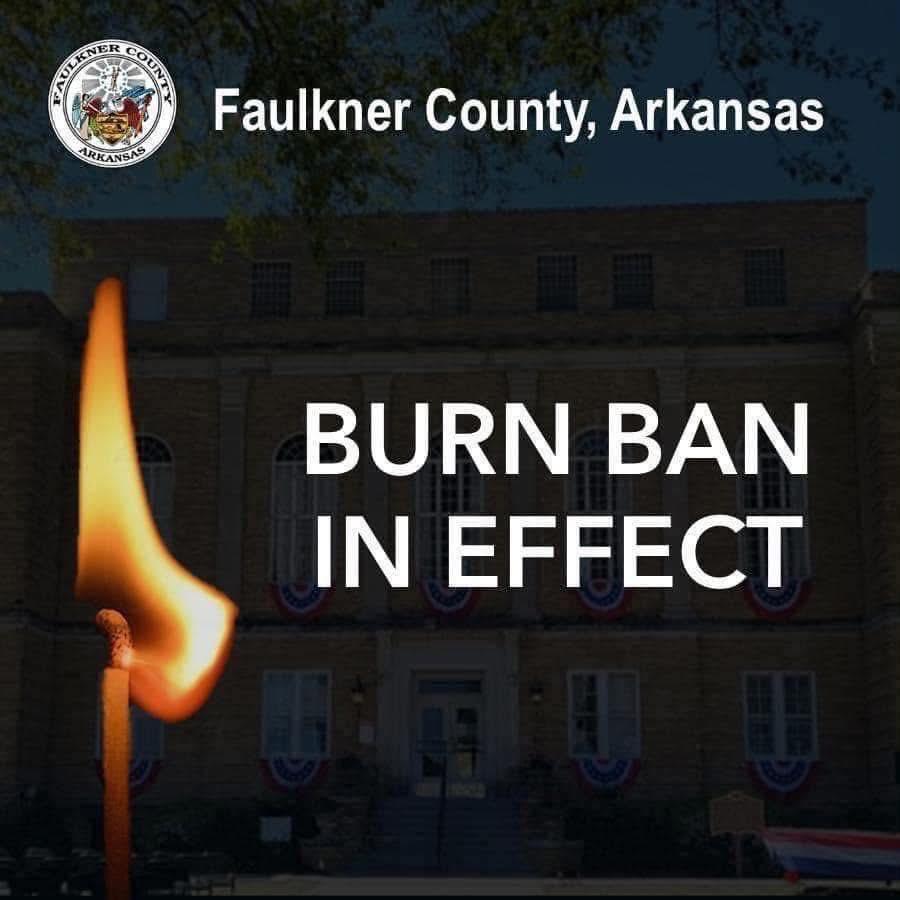
Effective Thursday, August 13, 2026, Faulkner County is under a Burn Ban until further notice.


General Conditions

Weather


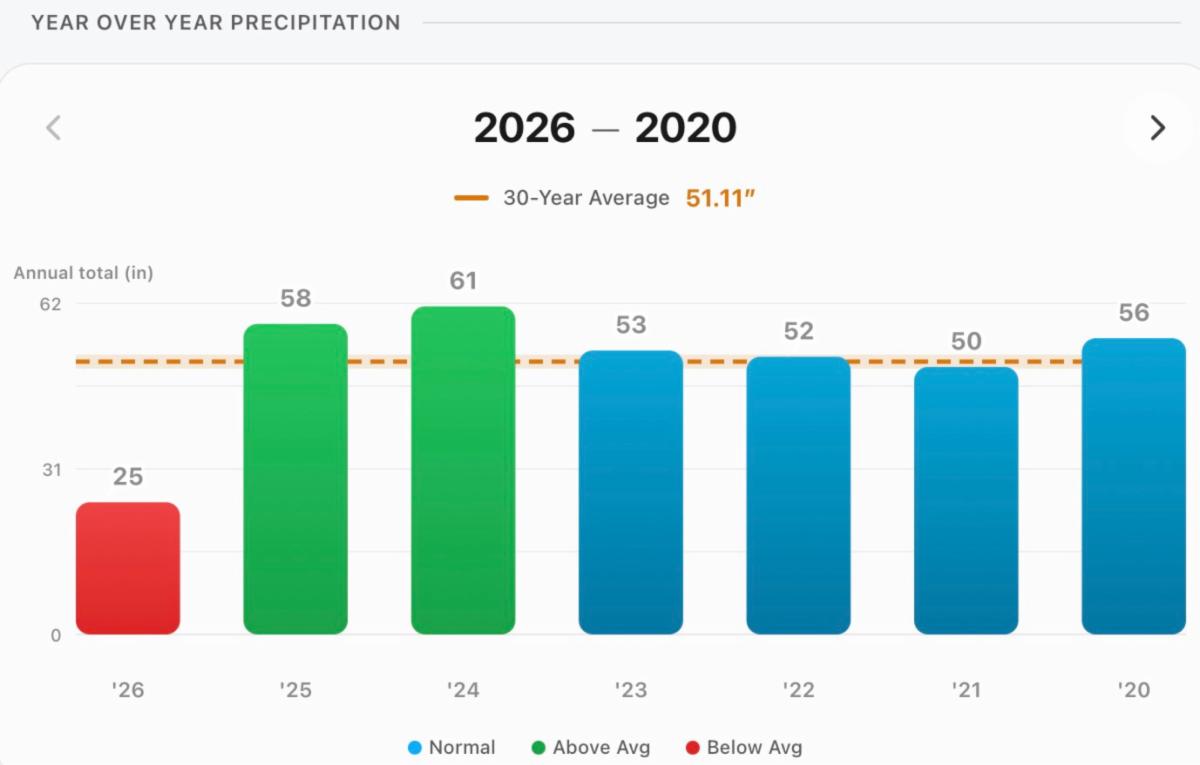
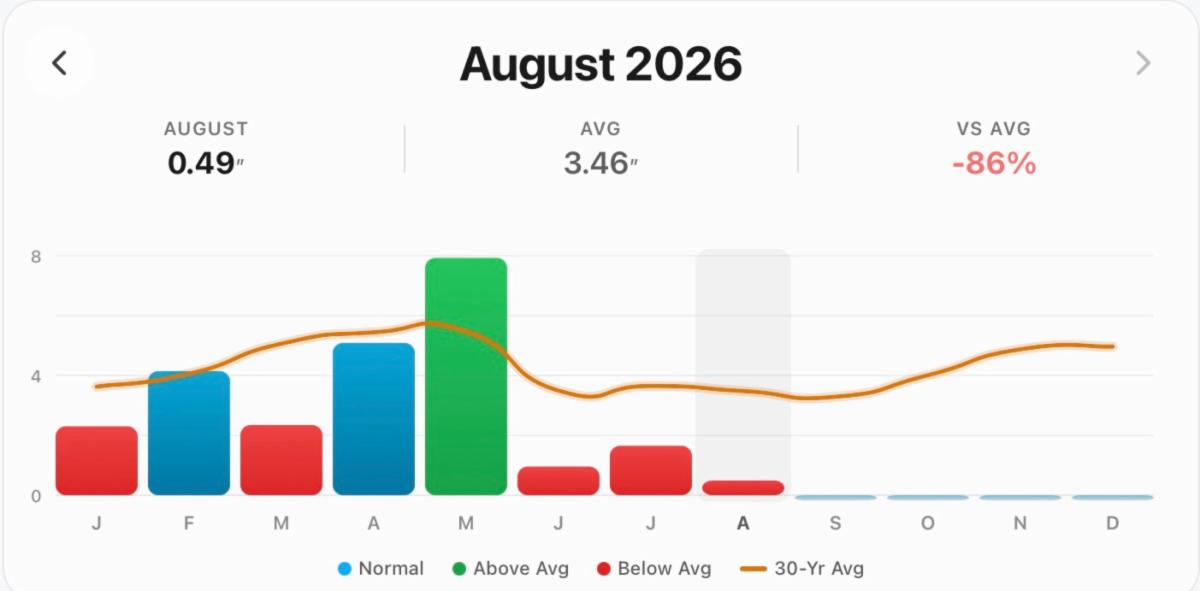
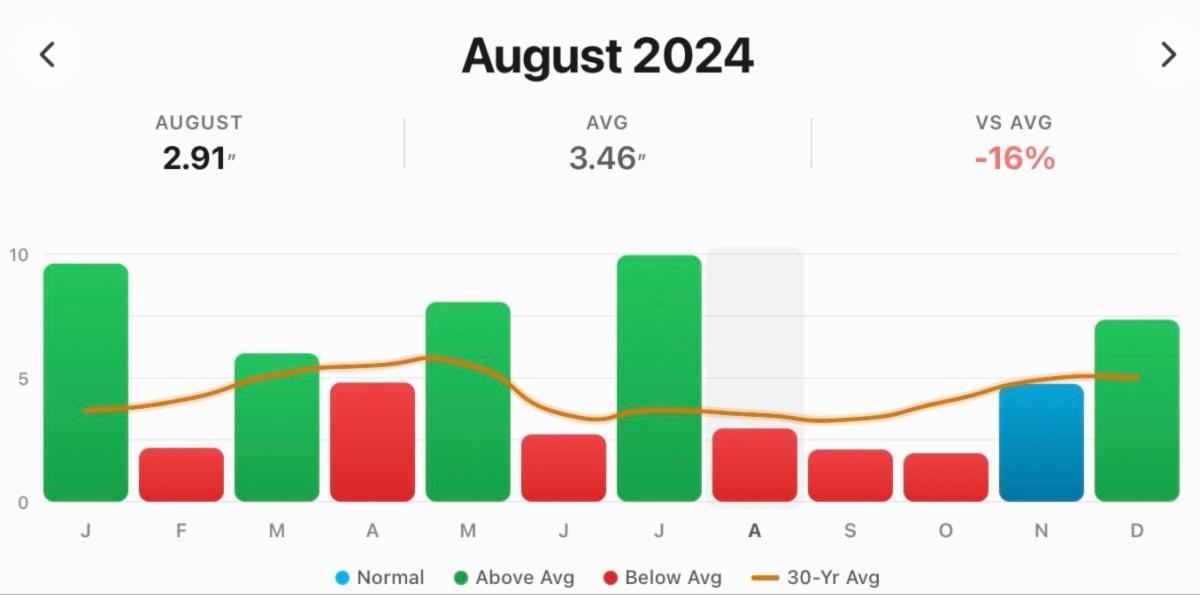
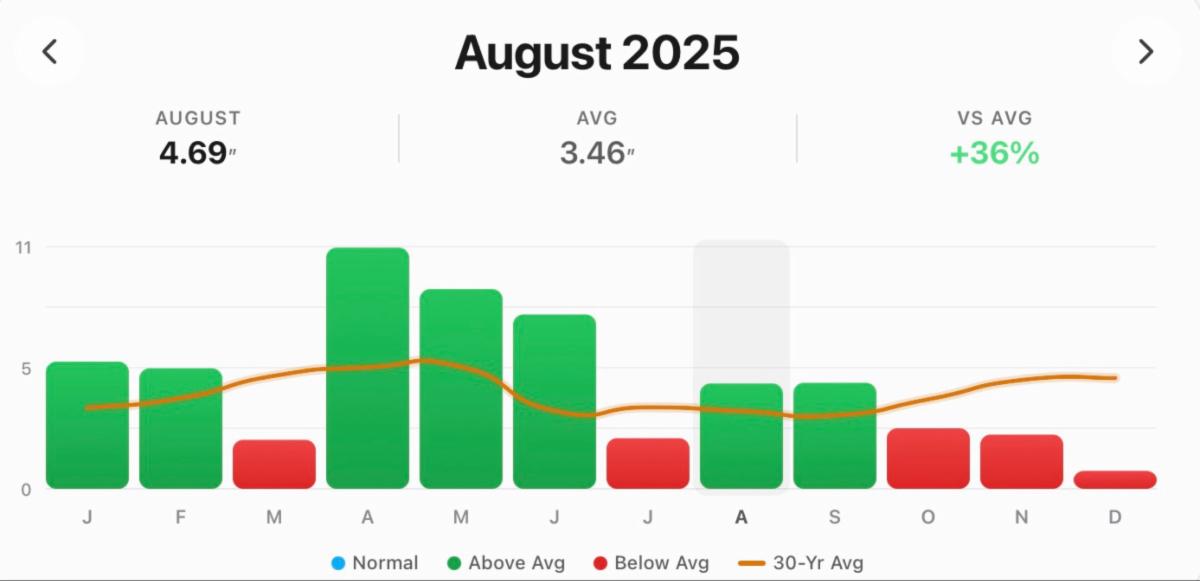
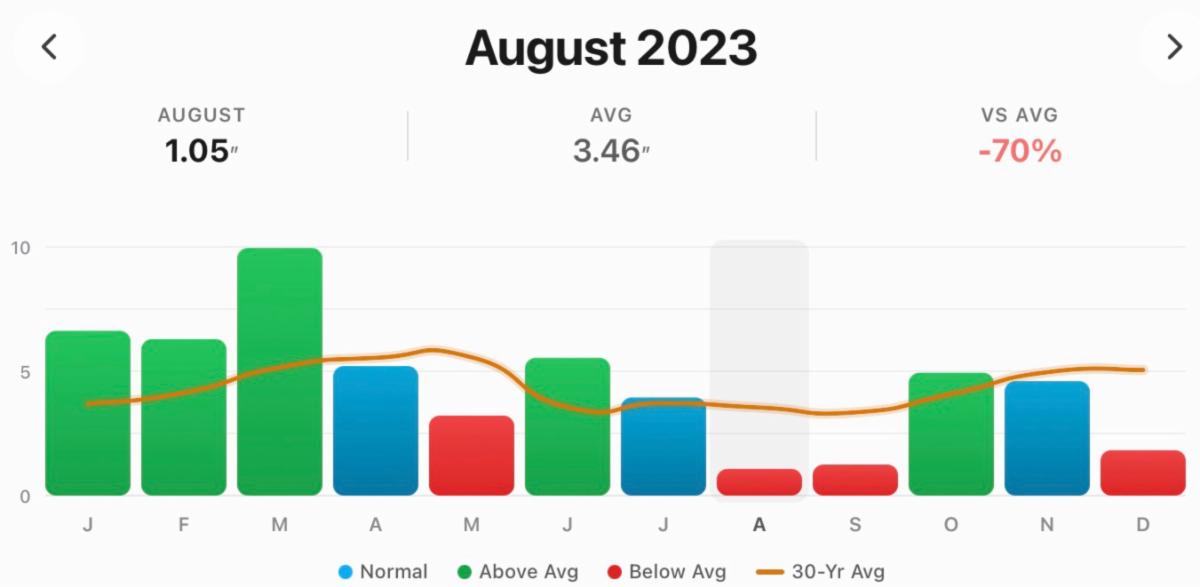
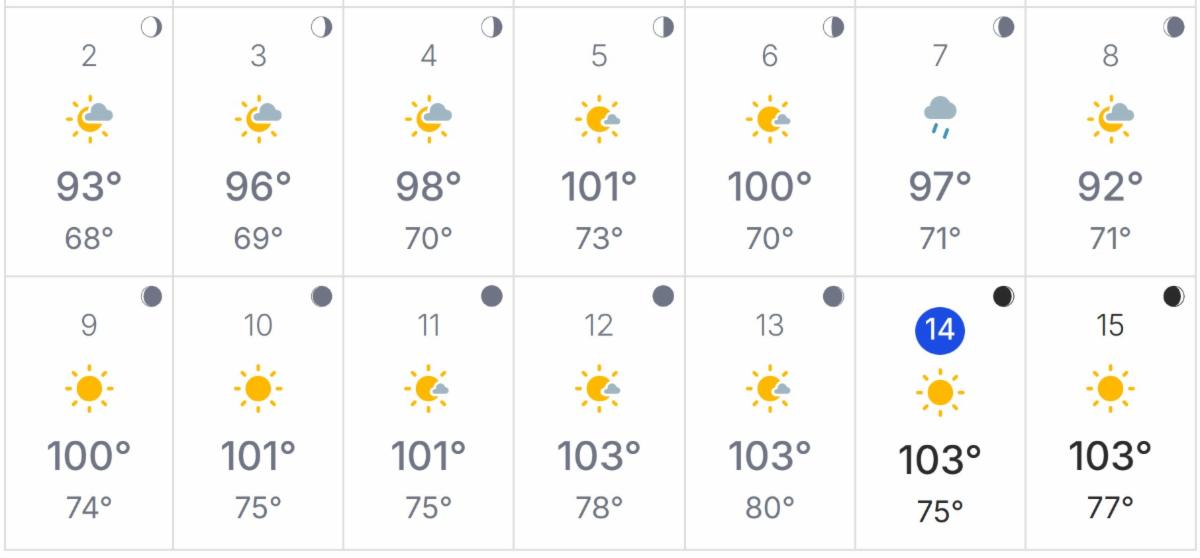
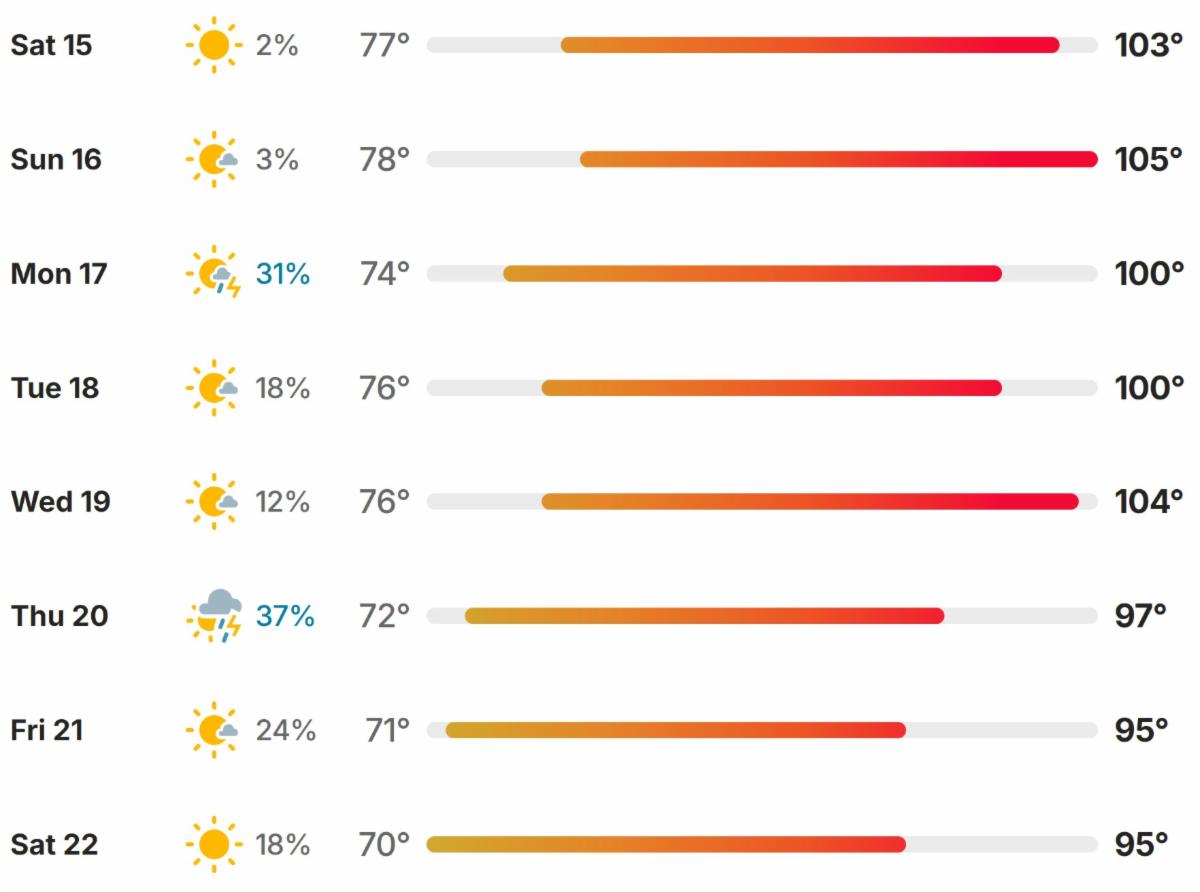
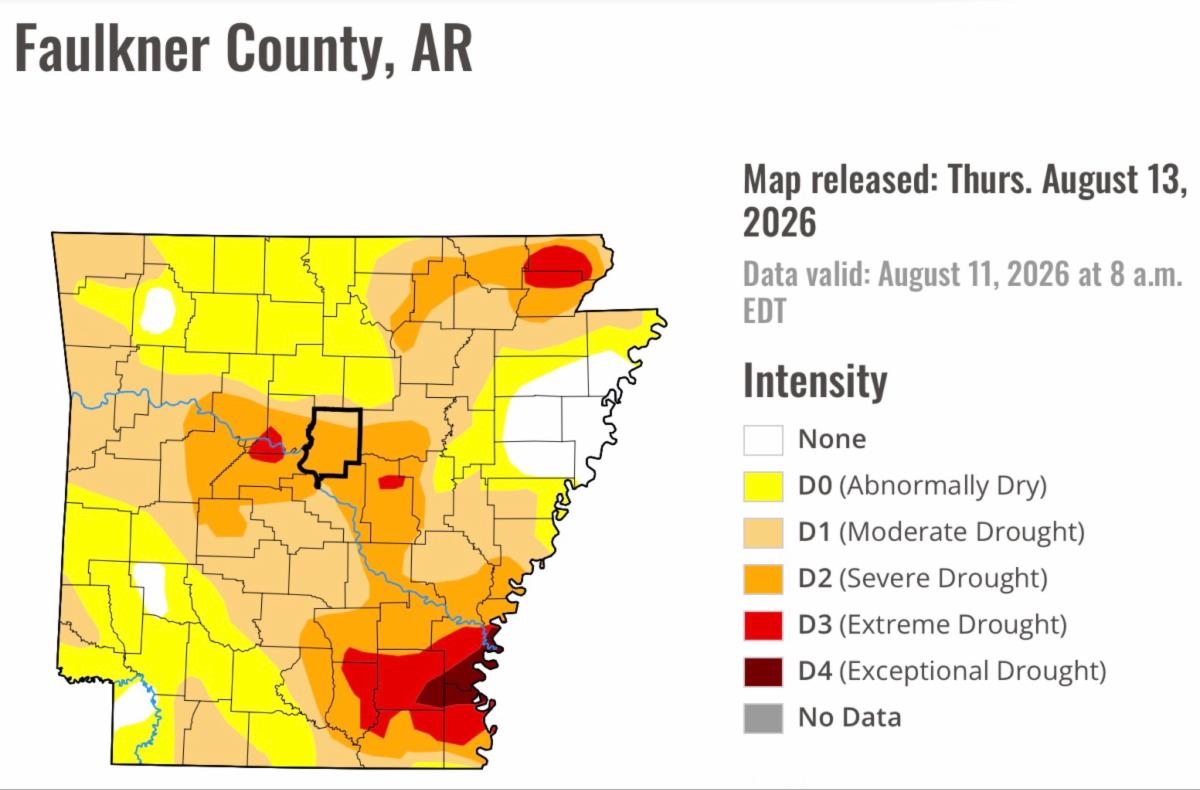
We have entered a continuous hot and dry period in Faulkner County. This is the hottest I can remember in a long time. We started with 100 degree days on August 5th and are predicated to have over 100 degree days until August 19th. The effects on all crops is really showing. Also we are way behind on rain with very little relief in site. I have added a few charts showing the average rain in August the last four years. I know it is only the middle of August, but the comparison of the four years shows that we are way below average for June, July, and August. If you take the other years, there was at least a good June or July in there. The drought monitor still shows us in D2 status, but I wouldn't be surprised if that doesn't move next week. 2026 weather will go down as one to remember.

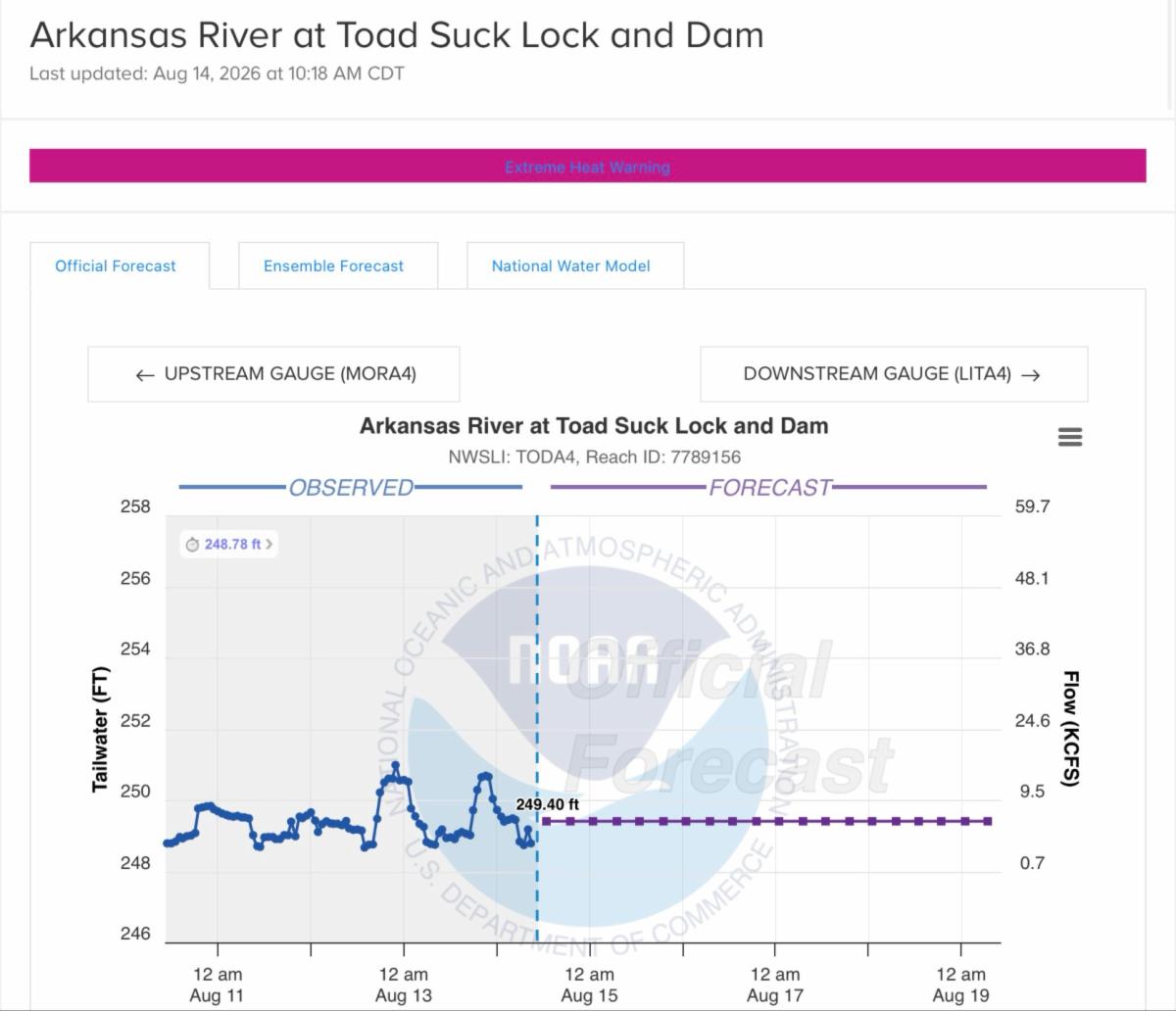
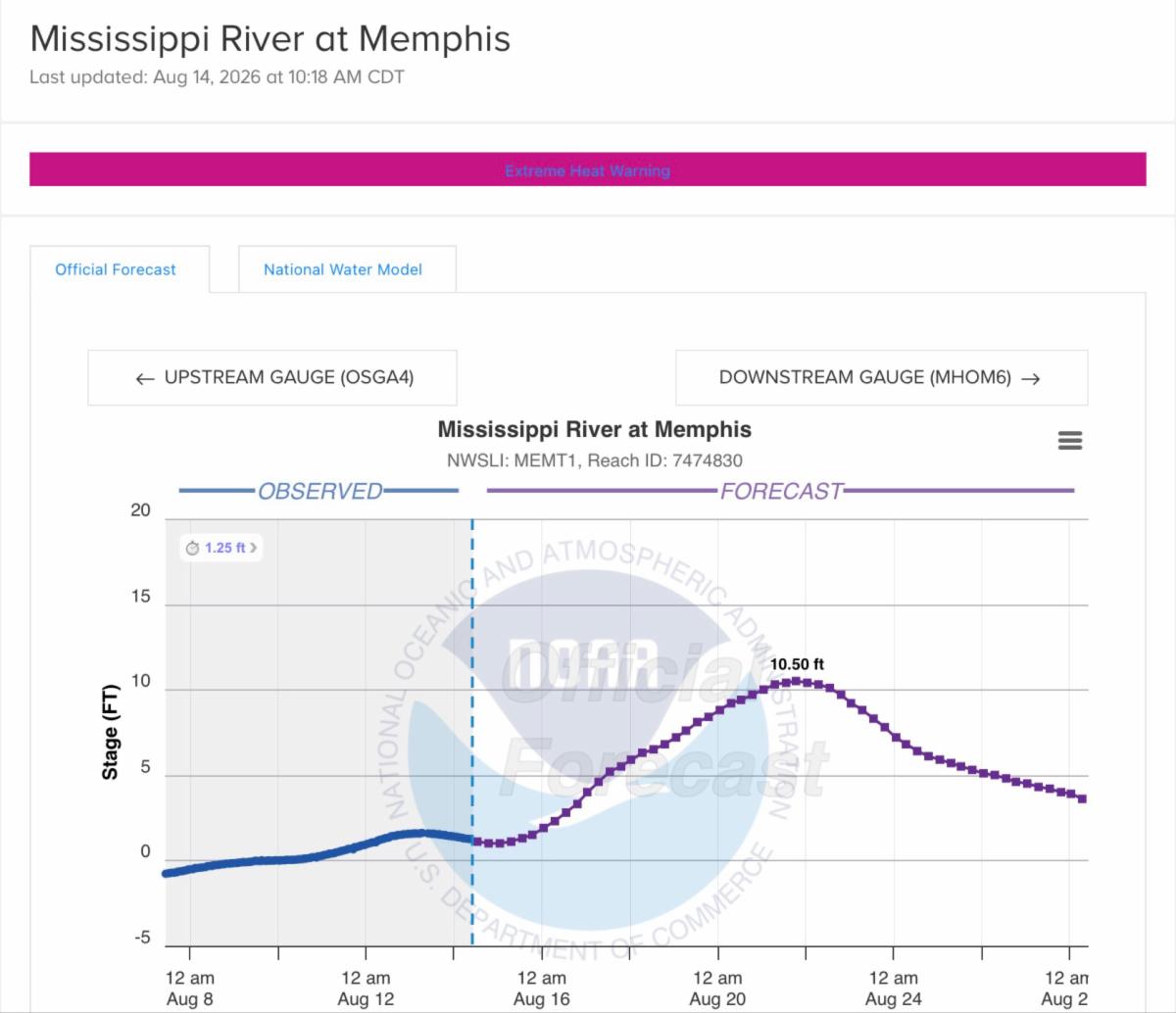
Arkansas and Mississippi River

Drought Monitor

Row Crop

Rice


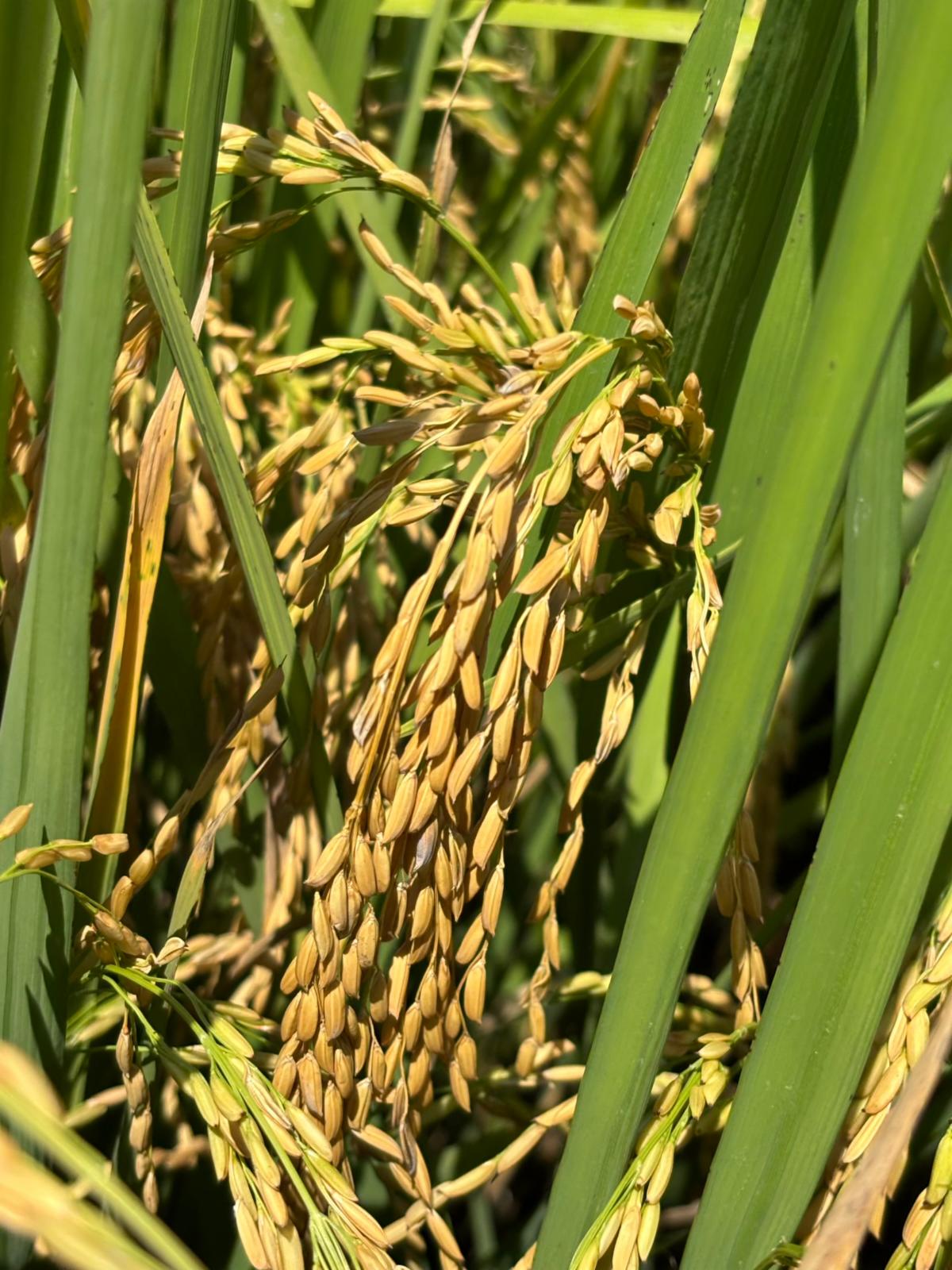
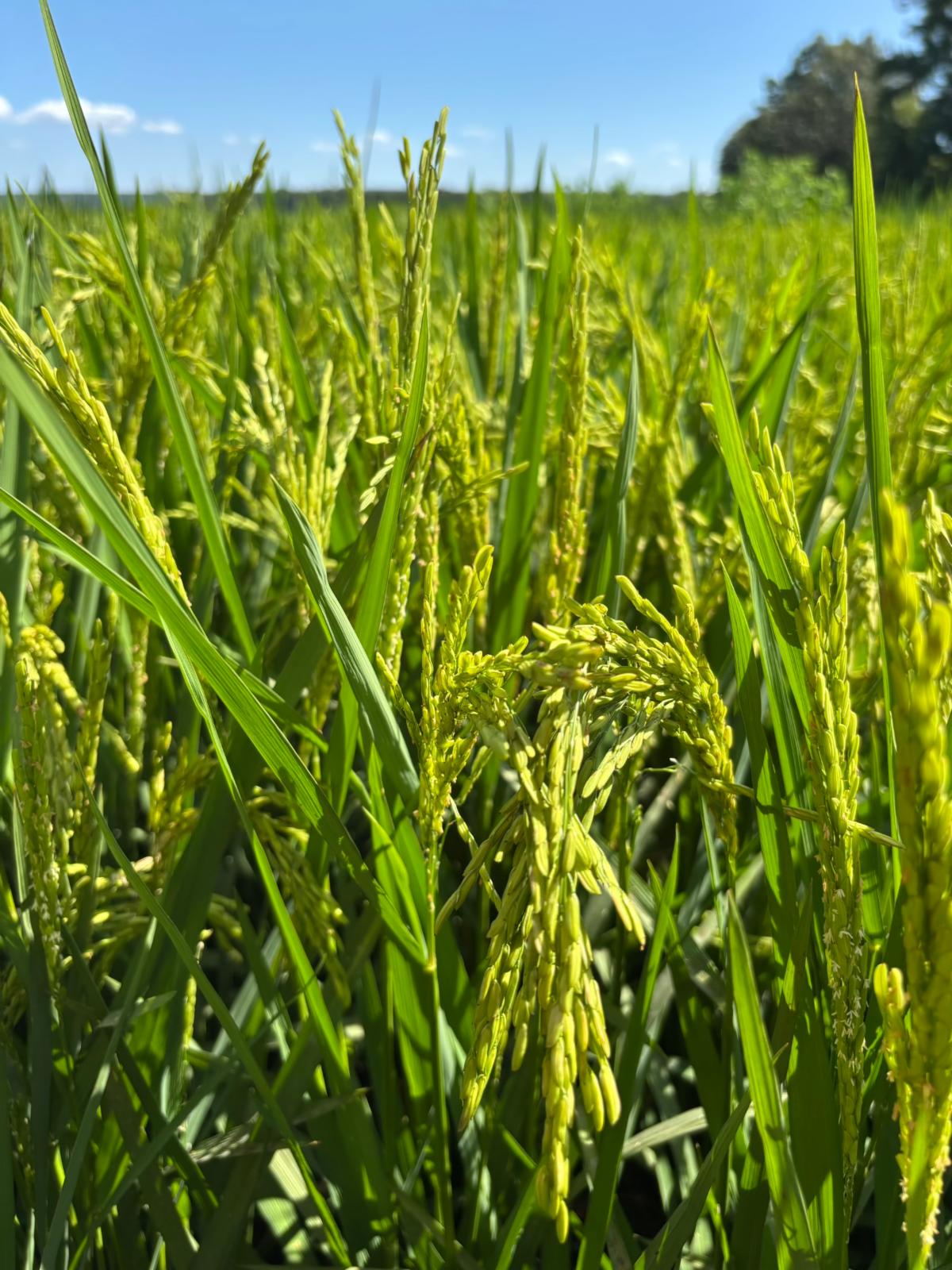
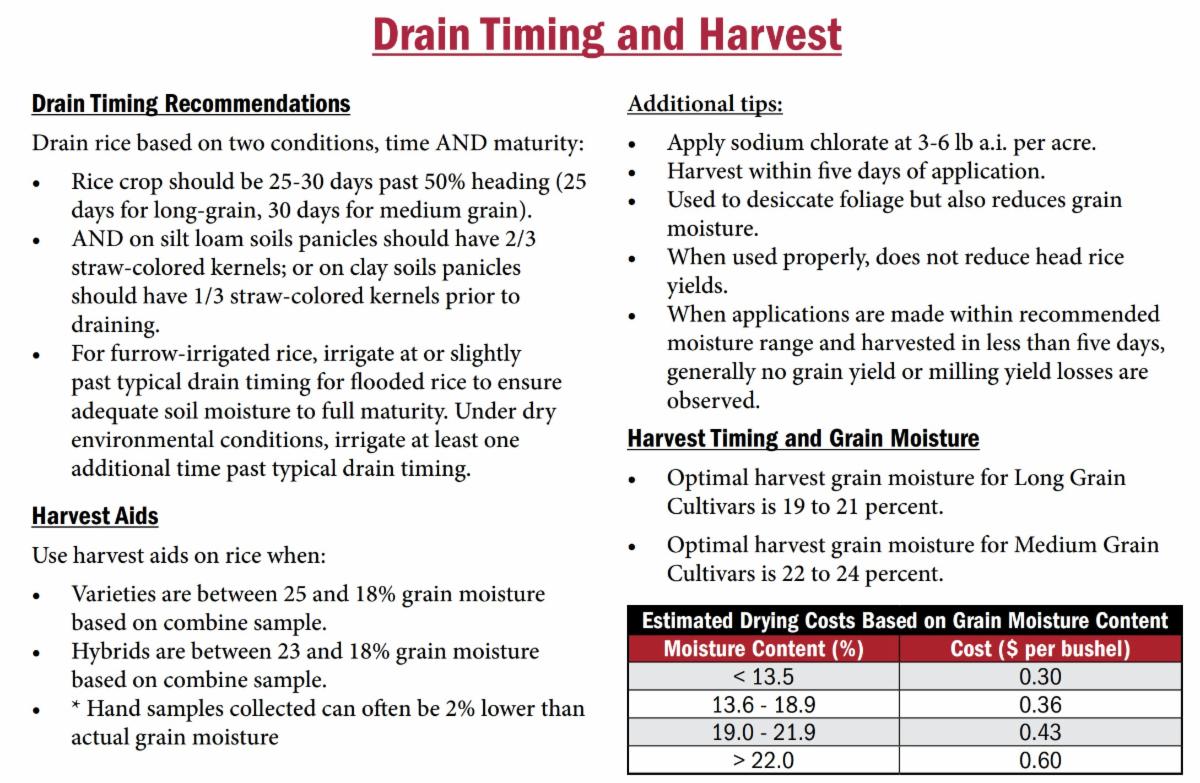
The hot dry weather is drying rice down at a fast rate. Fields are about to be drained and I wouldn't be surprised to see rice harvest start soon. I know corn harvest is important, but with rice we have to protect the quality and that means we need to start harvesting at a higher moisture and end up harvesting at an optimal moisture. In the end, taking a hit on drying cost is better than taking a hit on milling quality. Corn will still be there when rice is done.

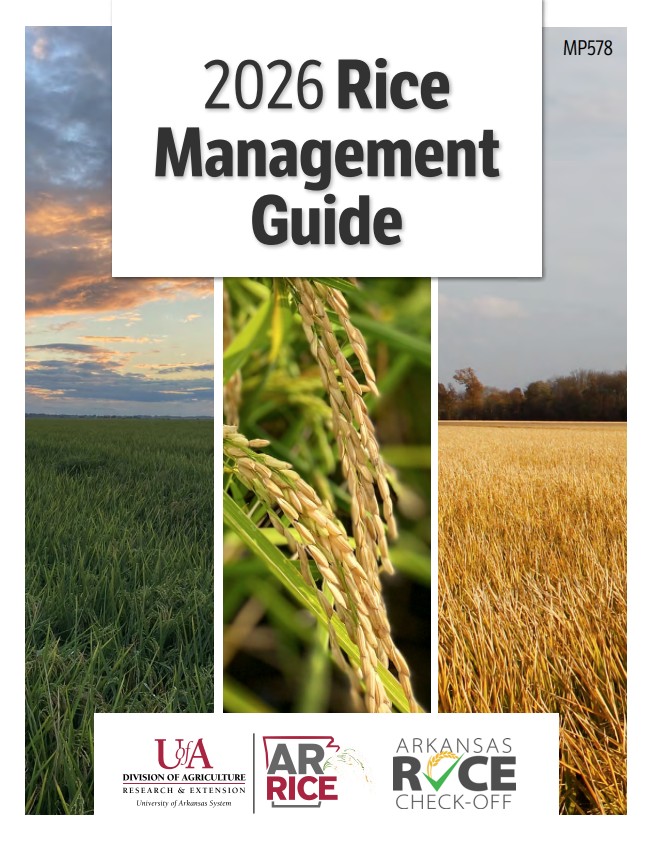
Dr. Jarrod Hardke's Rice Update and 2026 Rice Management Guide

Soybeans


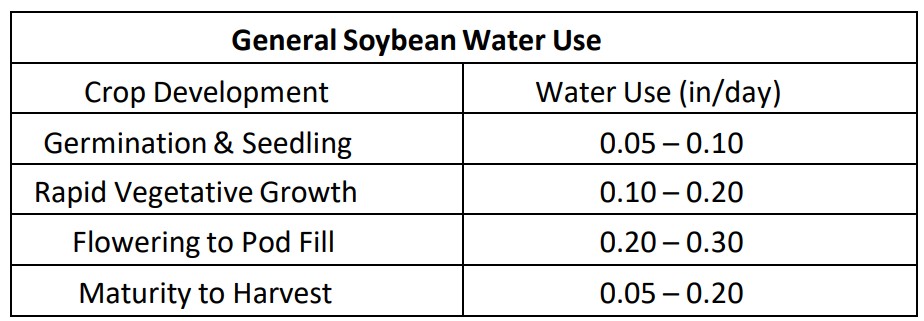
The main thing for soybeans right now is water, water, water. We need to keep up with irrigation and don't stop. Soybeans that are filling out pods are using up to 0.30 inches of water per day. We need big seed, so keep it going.


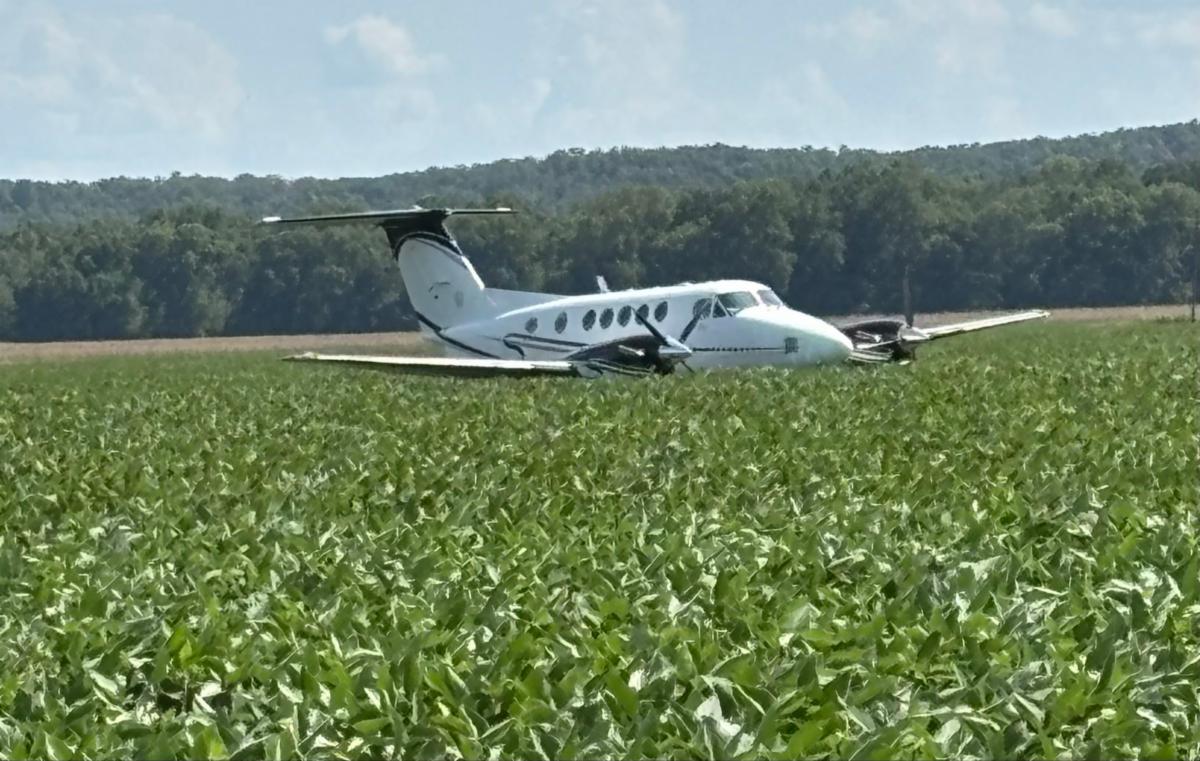
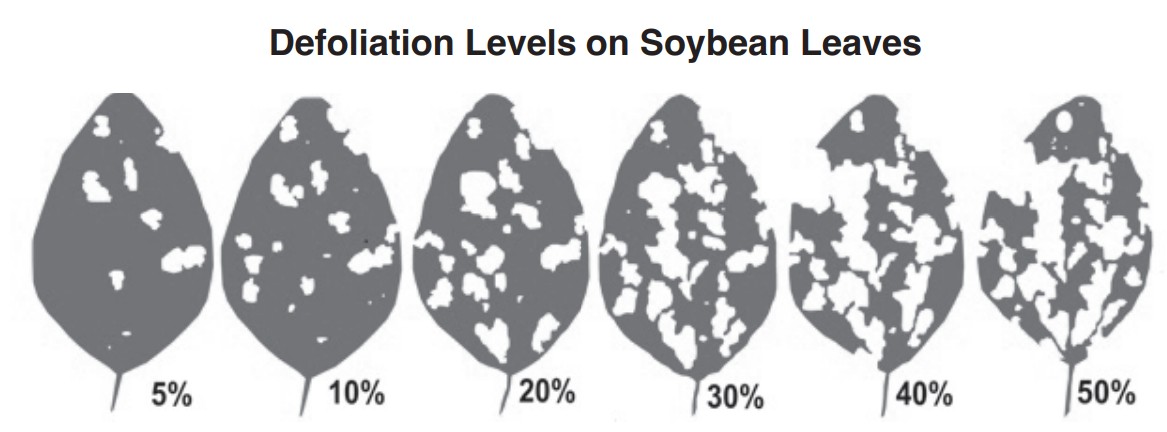
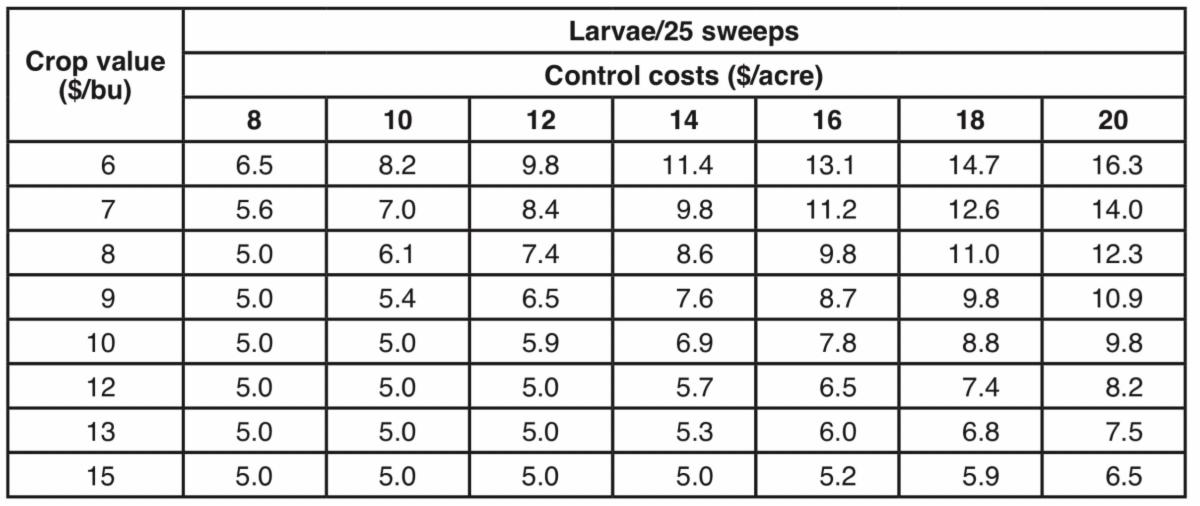
Worms and stinkbugs were a little more quiet this week. Fields where I would find a few last week didn't have any this week. I don't know if they have moved on, but I would still keep an eye out. Also watch out for airplanes in your soybean fields. They can show up overnight!

Fungicide Research and Taproot Decline


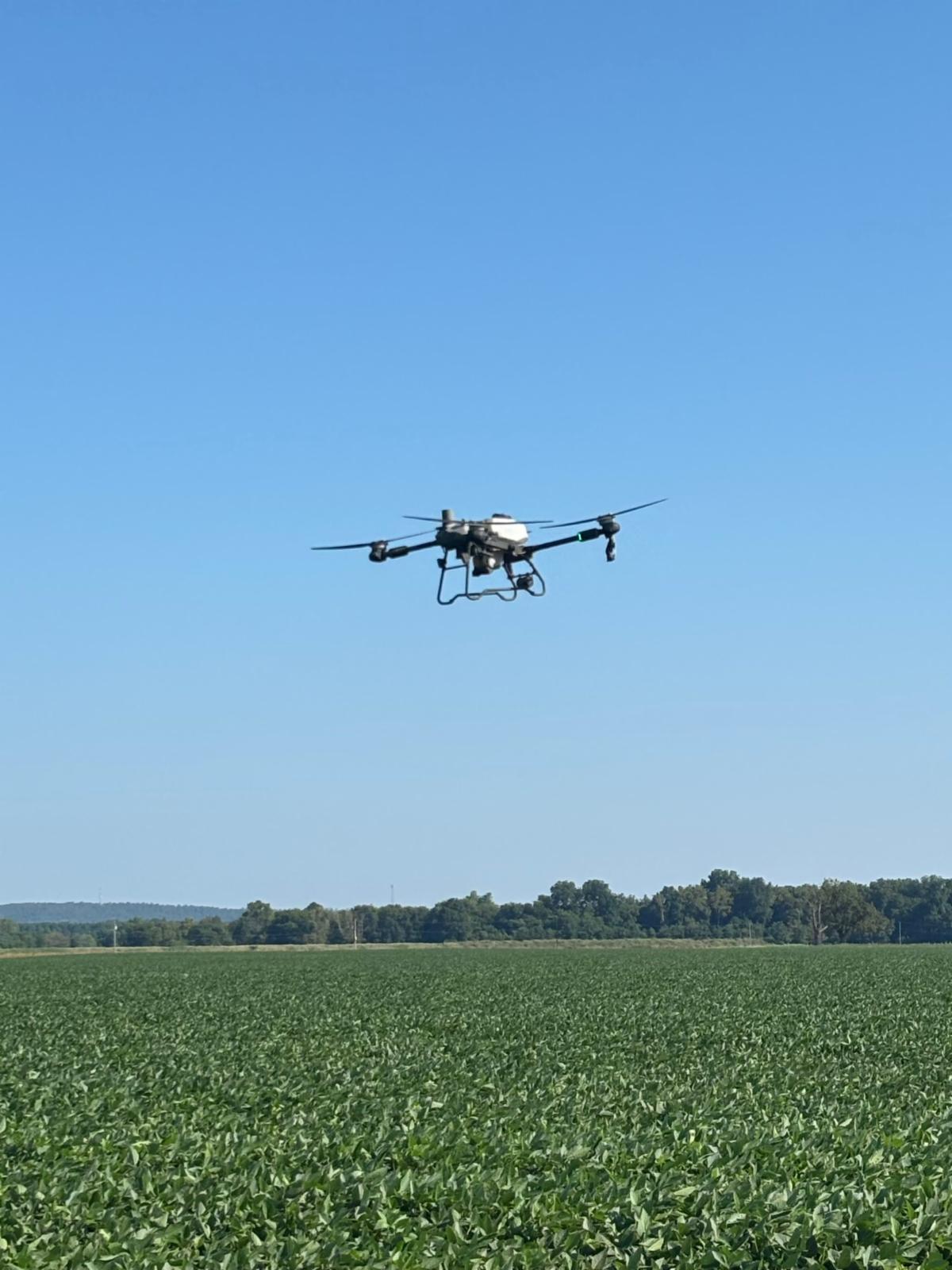
This week Dr. Terry Spurlock added a location to his statewide fungicide research at Lollie. A drone applied two different fungicides at two different speeds (22 and 32 mph) along with an untreated check. The soybeans were at R3. We will rate the trial in a few weeks for disease control.


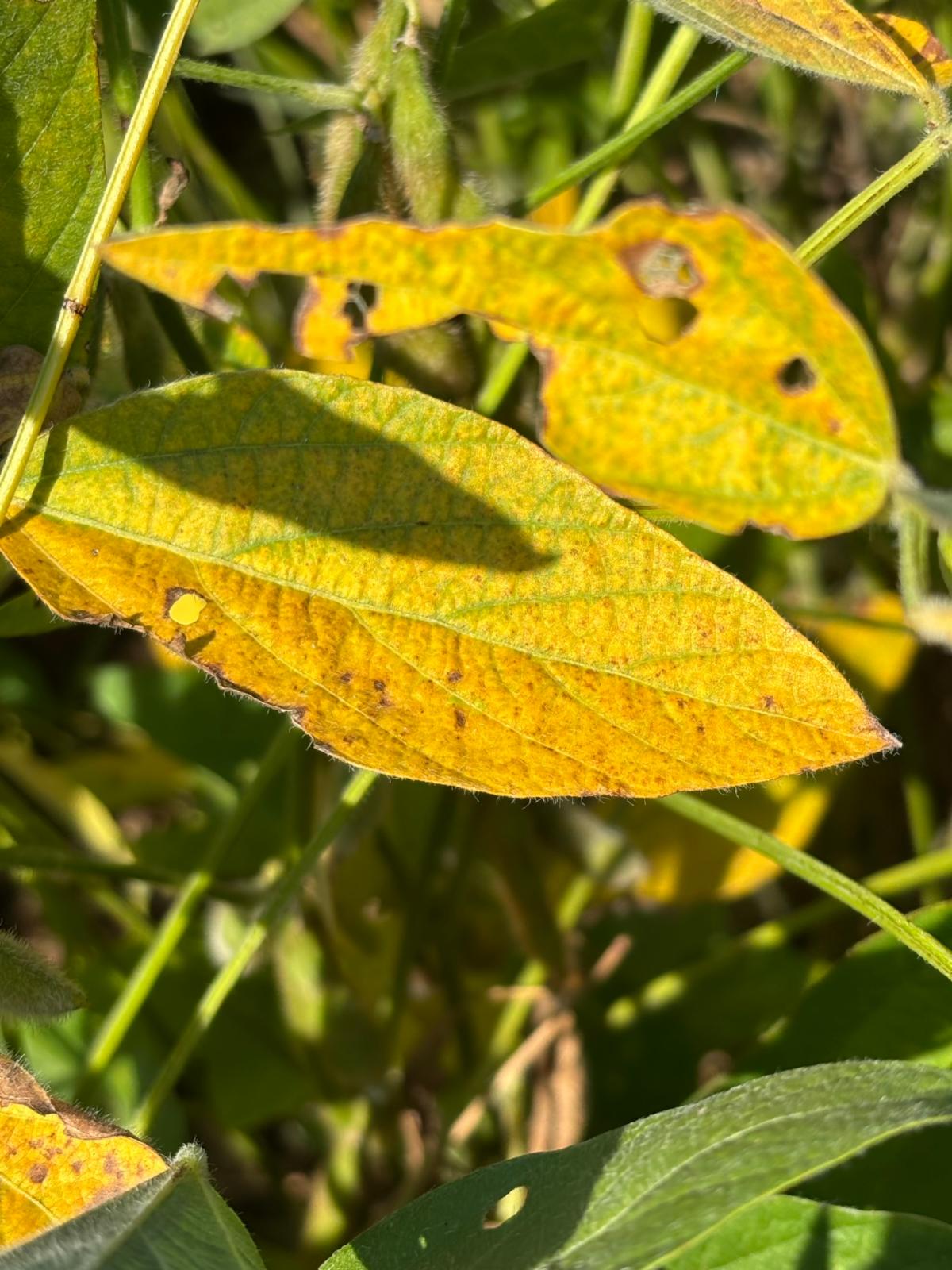
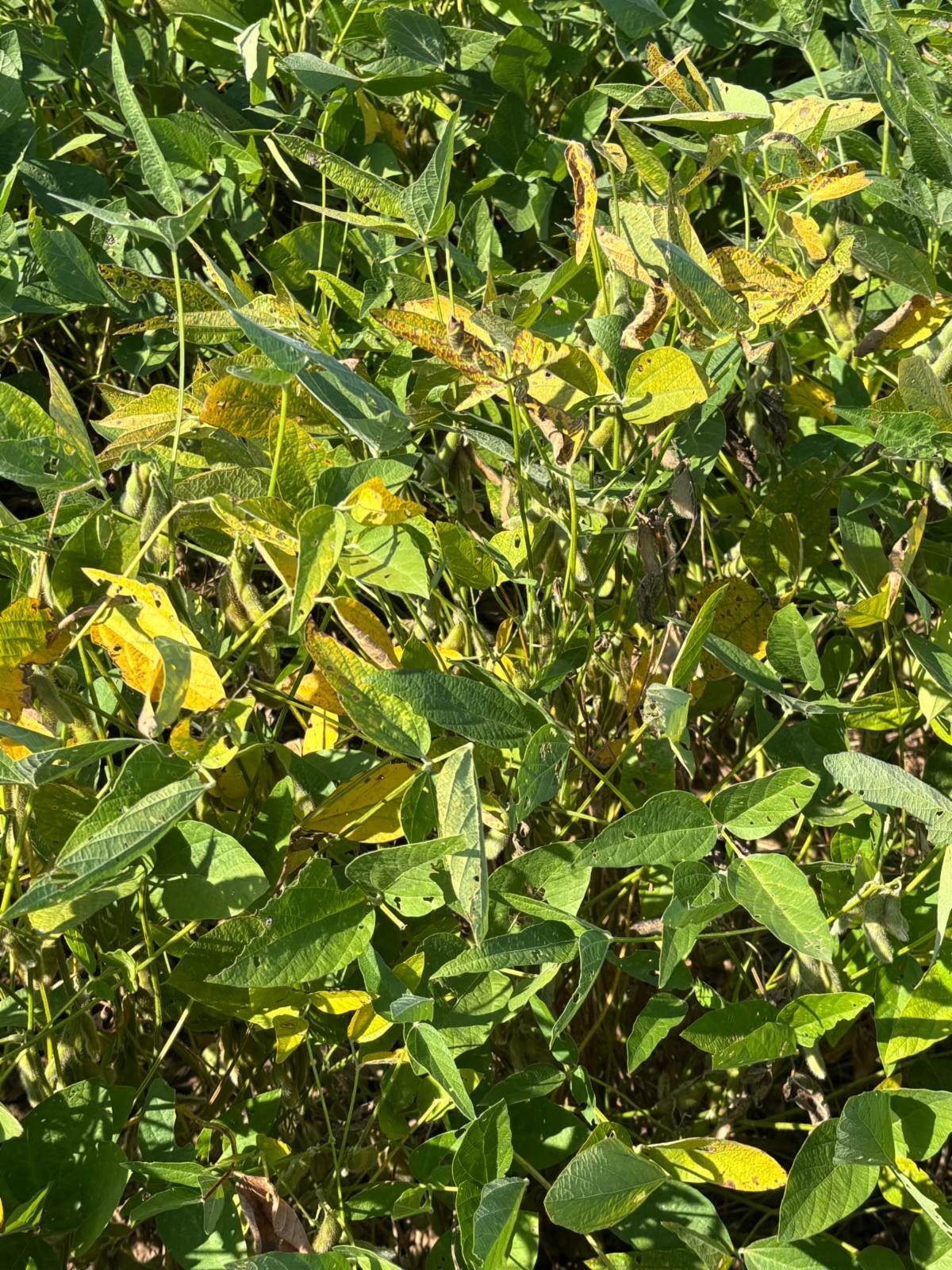
While Dr. Spurlock was here, he noticed some disease in a field across the road. After examining the plants he said it looked like taproot decline. After asking around this is probably the first documented case of taproot decline in the River Valley. I have included a fact sheet from LSU with some more information about taproot decline and a few pictures from the field.

Corn


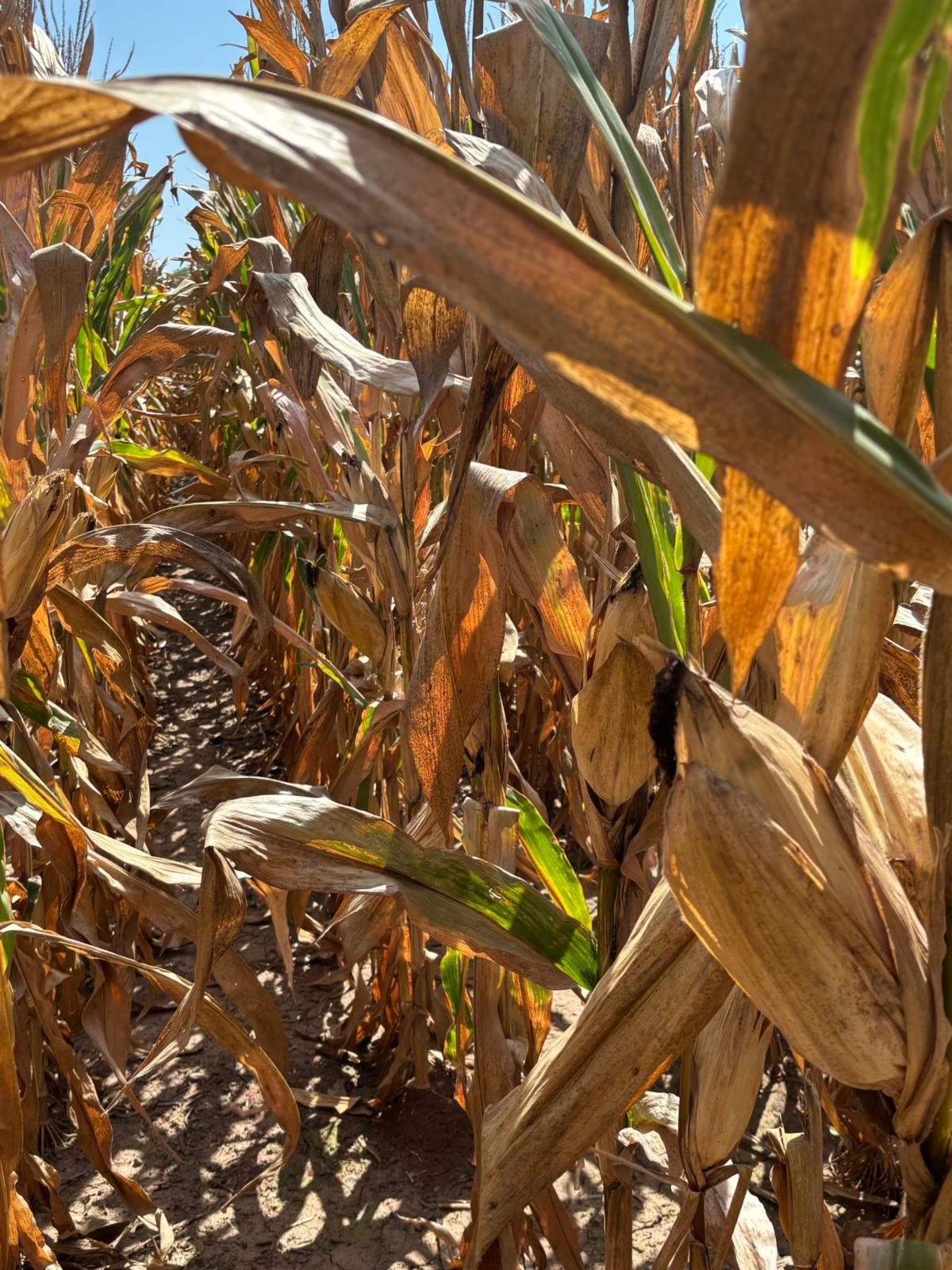
Corn harvest started this week in Faulkner County. Corn is drying down at a very fast rate with moistures already down to 14% and below. The lower the moisture the higher the chances are for broken kernels and yield loss due to shattering. With the weather that is predicted it shouldn't take long to get this corn harvested.

Wheat


The preliminary yields from the Arkansas Wheat Variety Testing program are now available.


To view the results click the link below.

Corn Earworm Moth Traps


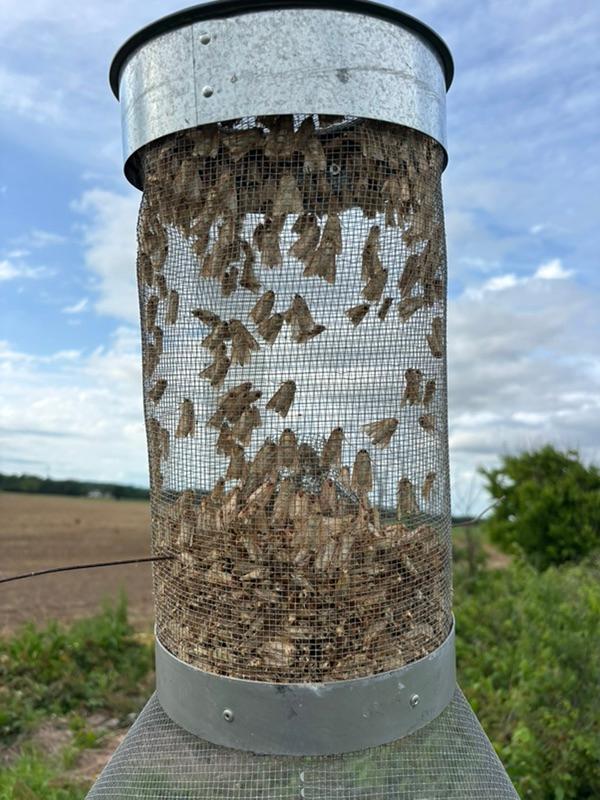
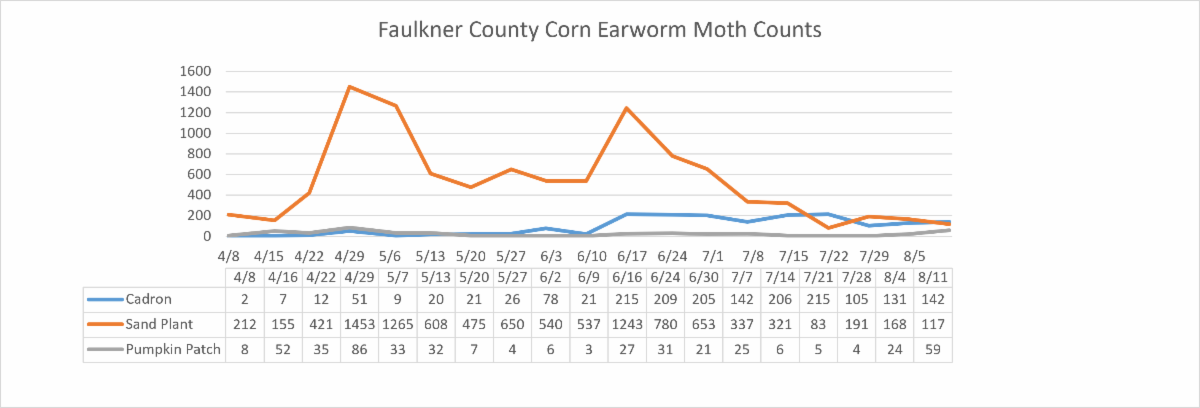
Corn Earworm Moth Counts for August 14, 2026

Cadron - 142


Sand Plant - 117


Pumpkin Patch - 59

Beef, Small Ruminants, & Forages

Forages


Well we have went downhill fast on forages. A very common question this week is "do you think I should go ahead and cut this hay?". The answer is YES. You are losing quality and quantity everyday we go through this extreme heat. We have also went from a situation where we had plenty of hay to now I am not so sure. If we continue down this path, we may have to start feeding hay a lot sooner than we anticipated. If you have a chance, get the hay now.


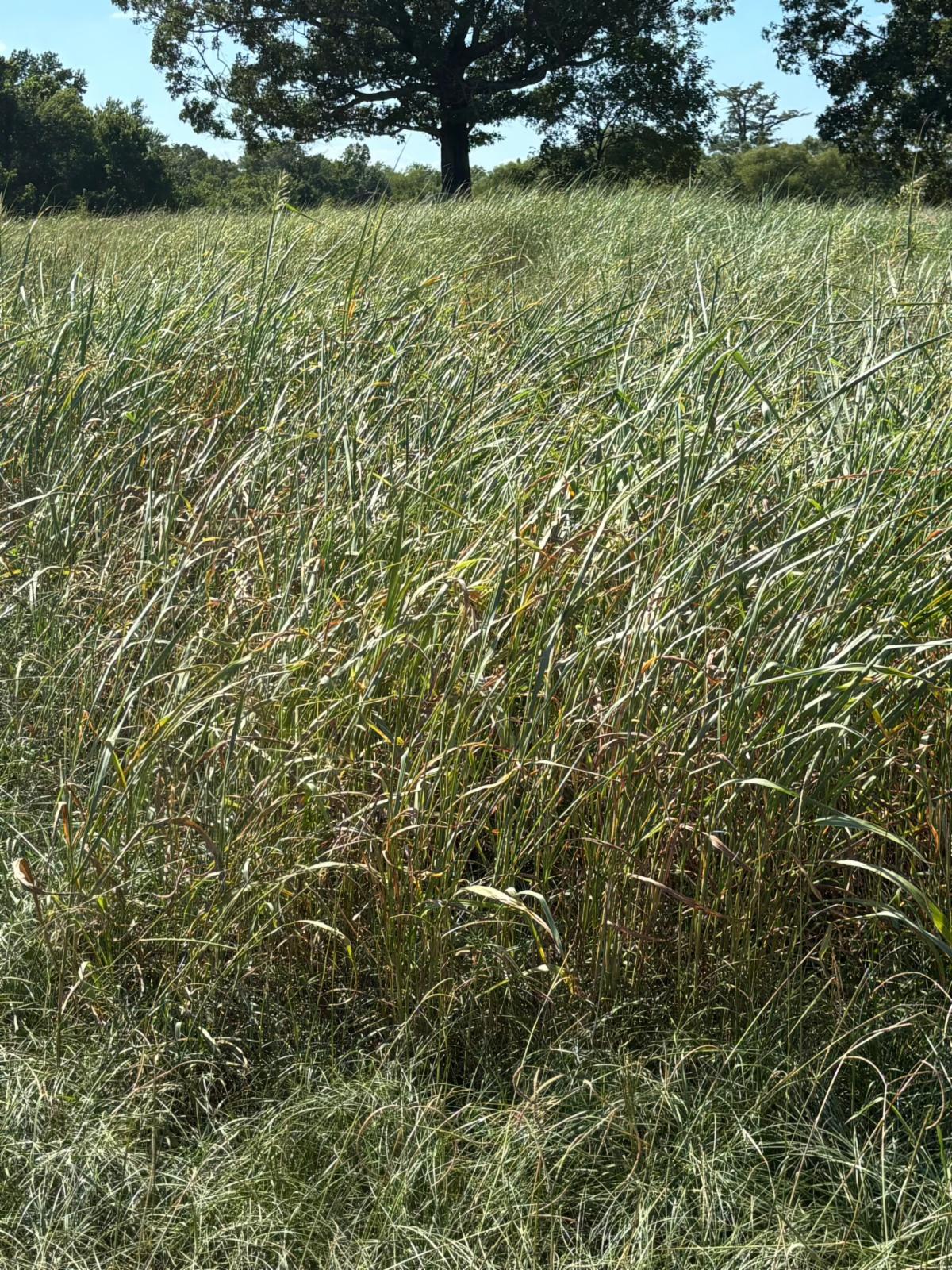
This situation is also leading up to more questions about nitrates and prussic acid. The main questions are coming from producers with johnsongrass that is starting to wilt. There are a couple of links listed below that will tell you more about that and I am also putting in this newsletter a good explanation from Dr. Paul Beck at Oklahoma State. Be careful with these wilted forages as we move forward, and also be careful if we get a rain and get quick regrowth.


As far as armyworms go, I am still yet to get one report from anywhere except where I found them two weeks ago. Don't sleep on them just yet, keep an eye out. But for right now they just aren't here.

Prussic Acid or Nitrates?

Paul Beck, Oklahoma State University Extension Beef Cattle Nutrition Specialist


Drought, high temperatures, and other stresses can create forage toxicity concerns for cattle producers. Two of the most commonly discussed problems I am asked about this time of year are prussic acid and nitrate toxicity. They can occur in some of the same forage species and produce similar symptoms in affected cattle , but they are not the same problem and require different management.


Sorghums, sorghum-sudan hybrids, sudangrass, Johnsongrass, and corn can all be associated with these toxicities. Prussic acid is primarily a concern with plants in the sorghum family, while nitrate accumulation can occur in a much wider range of grasses, crops, and weeds. Pigweed, Johnsongrass, corn, sorghums, and Sudan grasses are among the more common nitrate accumulators. Pearl millet and corn do not produce prussic acid but can accumulate nitrates.


The two toxins interfere with oxygen delivery in different ways. Prussic acid, or cyanide, is rapidly absorbed and hemoglobin from releasing oxygen to tissue. Blood from an affected animal may remain bright cherry red because it is highly oxygenated. With nitrate toxicity, nitrate is converted in the rumen to nitrite. Excess nitrite converts hemoglobin to methemoglobin, which does not carry oxygen. Blood from cattle severely affected by nitrate is dark chocolate brown.


Plant stress is important for both problems, but the risk patterns differ. Prussic acid is especially concerning following drought stress and frost. Young plants and new regrowth contain more prussic acid than mature plants, and concentrations are generally higher in leaves than stems. Producers should avoid grazing fresh regrowth after harvest or frost-damaged susceptible plants for at least seven days or until the plants are completely dry and brown. Prussic acid volatilizes so will decrease with wilting and dry hay does not usually retain prussic acid when baled.


Nitrate accumulation occurs when plant growth is slowed while nitrate uptake continues. Drought, high temperatures, cloudy weather, disease, and herbicide injury can contribute to accumulation. Unlike prussic acid, nitrate concentration is generally greatest in the lower portion of the plant stem. Nitrates do not volatilize and will remain in the plants after wilting and baling.


Both toxicities can act rapidly. Signs may include anxiety, weakness, rapid or labored breathing, staggering, tremors, collapse, and death. With prussic acid poisoning, the progression can be so rapid that dead cattle are often the first indication of a problem. Nitrate toxicity can also result in abortions as oxygen supply to the fetus is compromised.


The most important management tool is testing when there is reason for concern. County Extension offices may have screening tests available, and suspect samples can be submitted to a laboratory for quantitative analysis.


Although “stressed forage” does not automatically mean toxicity knowing the forage species, the type of stress, where the toxin accumulates in the plant, and having the forage tested can prevent costly mistakes.


Don’t Guess, Diagnose: Pregnancy Testing Options for the Cow Herd

Dr. Ramiro Oliveira – Beef Cattle Production Systems


A cow’s job in a commercial cow-calf operation is to produce a healthy calf every year. However, without pregnancy diagnosis, producers may continue feeding and managing open cows for several months before discovering that those cows will not produce a calf.

Pregnancy testing provides information that can be used to make timely culling, marketing, feeding and replacement decisions. It can also help producers evaluate the success of the breeding season, estimate the upcoming calving period and identify possible problems involving bull fertility, cow nutrition, herd health or breeding management.


Late summer and fall are especially useful times to evaluate pregnancy status in spring-calving herds. Identifying open cows before winter can prevent producers from investing additional forage, supplemental feed and labor in females that will not generate income from a calf the following year. Pregnancy diagnosis can also be used to sort early- and late-calving cows into different management groups.


When Should the Herd Be Tested?


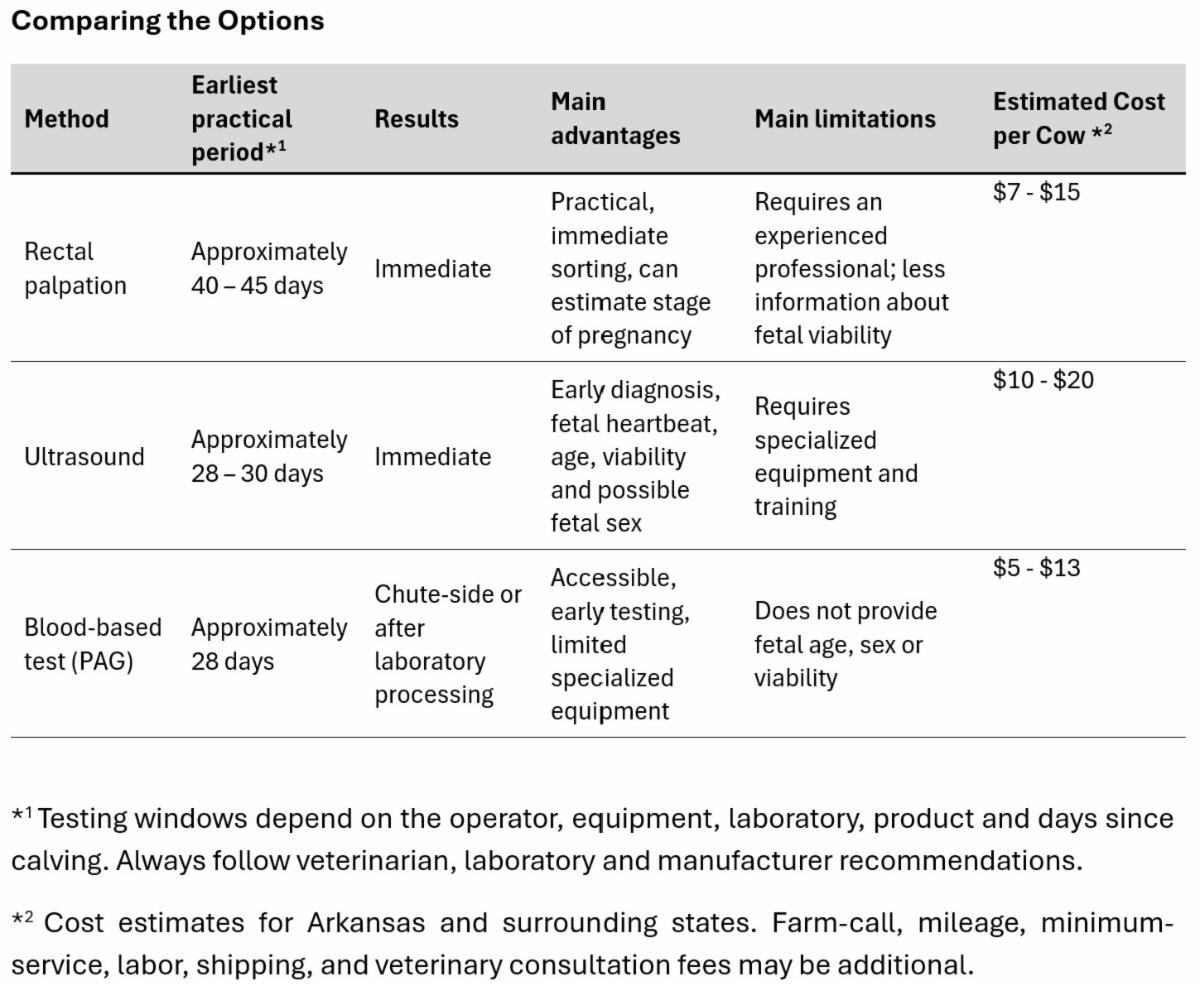
The correct timing depends on the method selected and the herd’s breeding records. In herds with a controlled breeding season (less than 90 days), pregnancy diagnosis can generally be done 28 – 45 days after the bulls are removed, depending on the method used.


Transrectal ultrasound and most commercial blood-based tests can be used beginning approximately 28 to 30 days after breeding or bull removal. Rectal palpation is commonly performed beginning approximately 40 to 45 days after breeding, although the appropriate timing depends greatly on the veterinarian’s experience. Testing later in gestation may make pregnancy easier to detect, but it also delays decisions about open cows.


Useful times to pregnancy-test include:

  • Shortly after the end of a controlled breeding season
  • Before weaning or when cows are already being processed
  • Before fall and winter-feeding expenses increase
  • Before making culling and replacement decisions
  • Following artificial insemination (AI) or embryo transfer (ET), especially when early identification of open females is important


Producers should record AI/ ET dates and the dates bulls enter and leave each pasture. Without those records, it becomes more difficult to select the correct testing date and estimate when cows are expected to calve.


Pregnancy-Testing Options


Rectal palpation

Rectal palpation is the most utilized method of pregnancy diagnosis. During rectal palpation, a veterinarian or other properly trained professional examines the reproductive tract through the rectal wall. Several landmark changes occur throughout gestation, including changes in uterine size, uterine fluid, fetal membranes, placentomes and the fetus can be used to determine pregnancy status and estimate the stage of gestation. More specifically, around day 40 – 45, there is distinct asymmetry between gravid and non-gravid uterine horns, which allow this method to be accurate when employed by a skilled examiner.


Palpation provides immediate results, allowing open and pregnant cows to be sorted as they leave the chute. It does not require expensive equipment and may be a practical option when a veterinarian is already scheduled to perform her health work.

The main limitation is that accuracy, particularly early in gestation, depends on the examiner’s training and experience. Palpation also provides less information about fetal viability and reproductive abnormalities than ultrasound.


Transrectal ultrasonography

Transrectal ultrasonography is a method that uses a probe placed in the rectum to produce an image of the uterus, fetus and surrounding reproductive structures. It’s a widely used method used by veterinarians and embryologists to identify pregnant females with high accuracy as early as 28 days post breeding, depending on the technician's experience and the quality of the ultrasound used.

Ultrasound provides immediate results and can offer information beyond a simple pregnant-or-open diagnosis. Depending on the stage of gestation, the examiner may evaluate fetal heartbeat and viability, estimate fetal age, detect twins and identify certain uterine or ovarian abnormalities. Fetal sex may also be determined during an appropriate window, generally around 60 to 90 days of gestation.

Ultrasound requires specialized equipment, training and experience. Availability and cost may vary among locations, but the additional information can be valuable when producers need accurate calving groups or want to distinguish artificial-insemination pregnancies from pregnancies produced by cleanup bulls.


Blood-based pregnancy testing

Blood tests detect pregnancy-associated glycoproteins, commonly called PAGs, which are produced by placental tissue and enter the cow’s bloodstream. Most commercial PAG tests are designed for use beginning approximately 28 days after breeding. Producers must also follow the product’s minimum interval after calving (> 70 days) because PAGs from the previous pregnancy can remain in circulation and affect results. The exact post breeding and postpartum requirements vary by product.

Blood-based pregnancy testing can be especially useful for producers with limited access to a veterinarian or ultrasound technician. Sample collection requires only a blood collection tube containing EDTA, a needle, and a syringe, and producers can be trained to collect samples correctly from the tail or jugular vein and tested by the chute-side or submitted to a laboratory. Chute-side tests can provide results in approximately 20 minutes, allowing pregnancy status to be determined right after cattle are processed. Alternatively, samples can be labeled, handled, and shipped to a laboratory for analysis, with results later matched to each animal’s identification.

Blood tests determine pregnancy status but do not estimate fetal age, confirm fetal viability, identify reproductive abnormalities or determine fetal sex. They should be viewed as an additional management tool that complements, not replaces, the herd veterinarian.

Which Method Fits Your Operation?


There is no single best method for every herd. Consider herd size, cattle-handling facilities, veterinarian availability, labor, cost per animal, distance from a laboratory and how quickly results are needed.


A producer who plans to sell open cows immediately after processing may prefer palpation or ultrasound because the results are available at the chute. A producer located far from veterinary services may find blood testing more practical. A herd using artificial insemination may benefit from early ultrasound to estimate fetal age and distinguish AI pregnancies from pregnancies produced by cleanup bulls.


Pregnancy diagnosis is most useful when producers decide beforehand what they will do with the results. Will open cows be sold? Will late-bred cows be managed separately? Testing cattle without using the information limits the value of the program.

Faulkner County Sheep Success Series


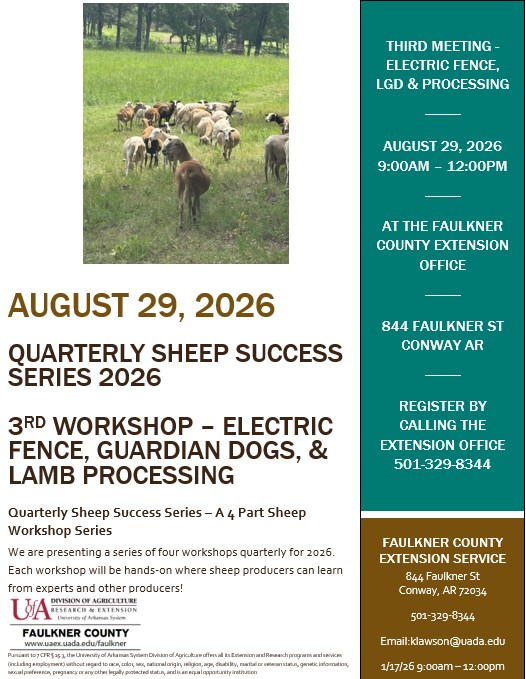
It is time for our 3rd quarterly meeting of the 2026 Sheep Success Series. The next meeting will be held on August 29 at the Faulkner County Extension Office. We will start at 9:00 and go until noon. Our speakers include:


Kenny Simon - Arkansas Extension Forage Instructor - Electric Fencing

Bill Constanzo - Texas A&M - Guardian Dogs (zoom)

Janeal Yancy - University of Arkansas Meat Science - Custom cuts of Lamb


Please call the Extension Office to register, 501-329-8344.

Scrapie Found


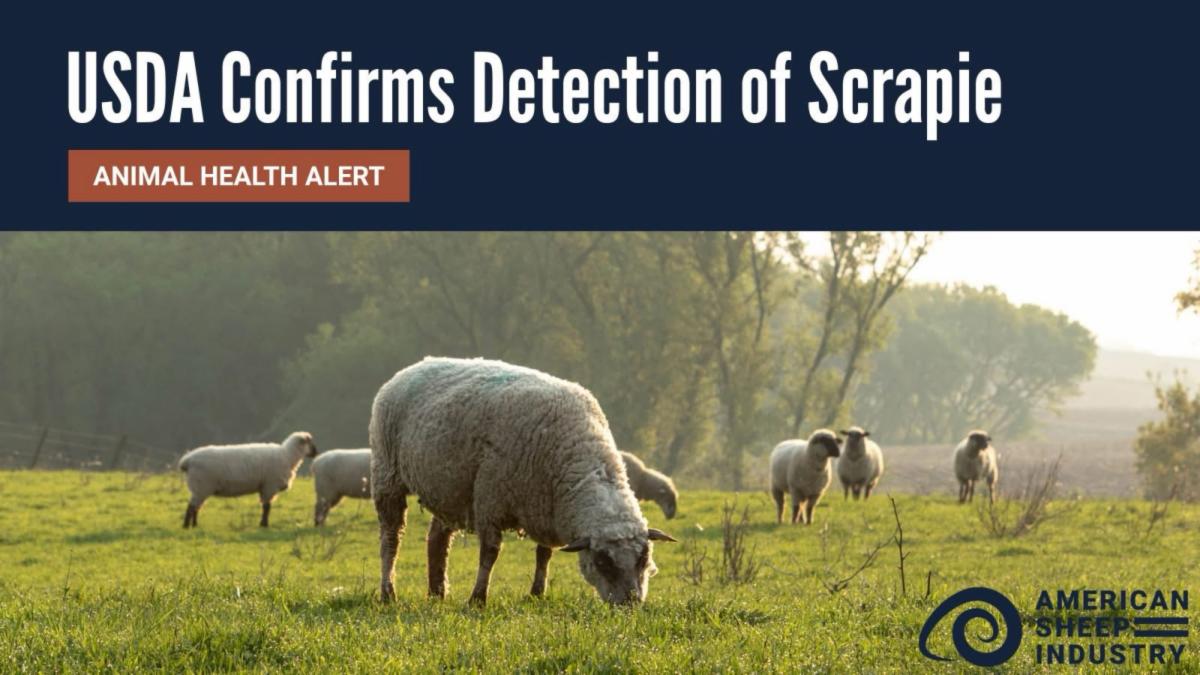
USDA APHIS confirmed classical scrapie in a sheep slaughtered in a facility in Oregon.


APHIS and state animal health officials recently initiated an investigation to determine the flock of origin. The affected animal did not have an ear tag. This case is a reminder of why tagging compliance and surveillance participation are critical to safeguarding flocks nationwide.


Please read the full American Sheep Industry press release here: https://champ.ly/XD8kUh9y.


For additional information regarding scrapie, visit: https://www.aphis.usda.gov/livestock.../sheep-goat/scrapie.

Sheep IQ


The American Lamb Board and the American Sheep Industry Association have joined forces to launch Sheep IQ, a new website designed to give sheep producers one trusted site to find practical education, tools, and expert guidance.


https://sheepiq.com/

Arkansas Shepherds Association Field Day


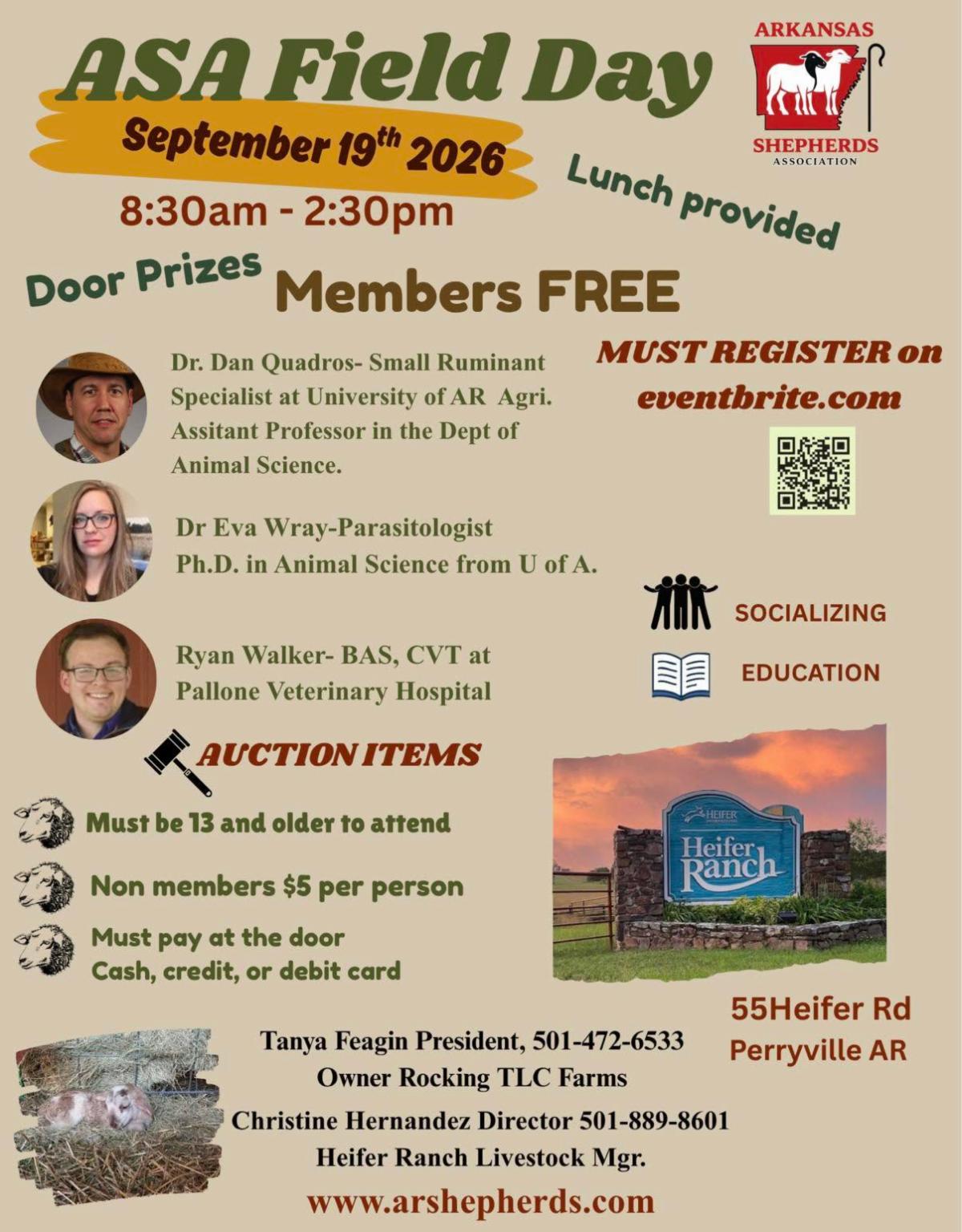
ASA Field Day — Saturday, September 19, 2026

8:30am - 2:30pm

Heifer Ranch, 55 Heifer Road Perryville, AR


Join us for a full day of hands‑on learning, great speakers, door prizes, and silent auction items benefiting the Arkansas Shepherds Association.


Members attend FREE.

Non‑members: $5 per person, paid at the door.

Must be 13 and older to attend.


Everyone must register on Eventbrite to attend.


Topics include:

 Nutrition

 Hoof care and trimming

 How to draw blood

 How to give shots

 Parasites

Signs/Symptoms

Identifying

Treatment


We’re excited to see producers from across Arkansas and surrounding states come together for education, community, and a great day at Heifer Ranch.

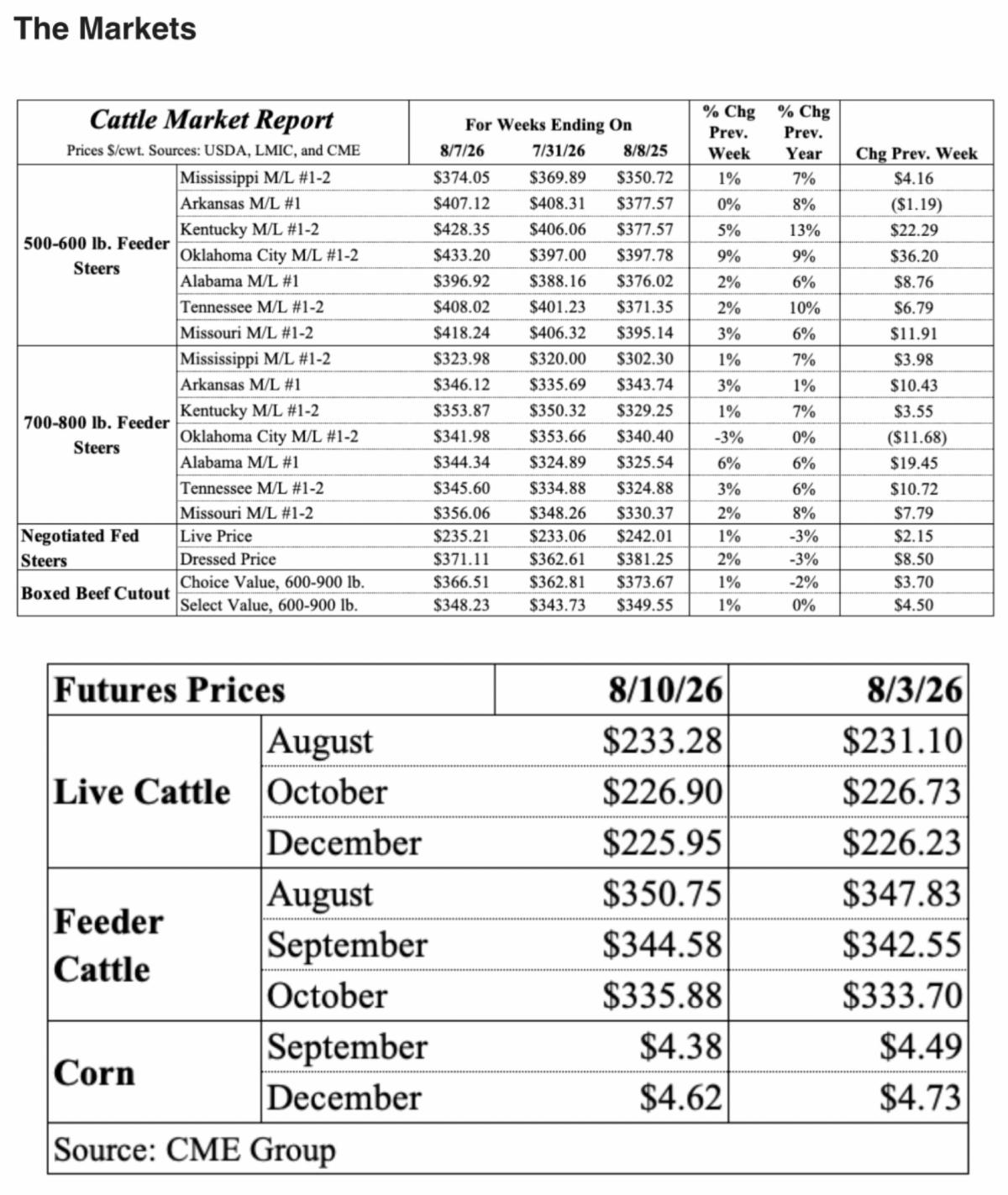
Here is this weeks Cattle Market Notes Weekly

Pesticide Applicator Trainings


There will be no more in person Pesticide Applicator Trainings until this winter. If you need a license you can still do the training online. There is a link below for the online training and a link to check your license status.

Livestock Market Report


The following links are for the weekly livestock market report from the Arkansas Department of Agriculture website and the Livestock Auction Dashboard from USDA. Both sites have marketing data for all livestock sold at Arkansas Sale Barns.

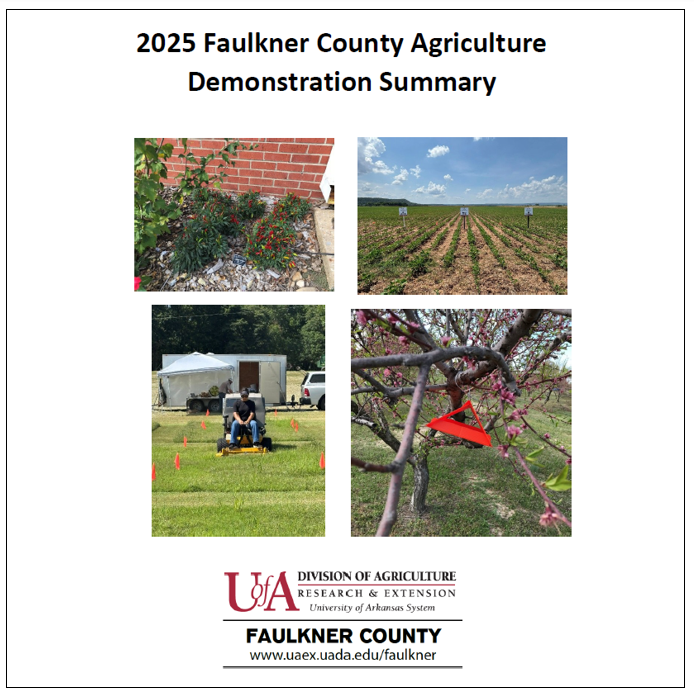
2025 Faulkner County Agriculture Demonstration Summary


The 2025 Faulkner County Agriculture Demonstration Summary is now available at the link below.


The 2025 Faulkner County Demonstration Summary is a collection of on-site demonstration results conducted in Faulkner County by local County Agents. Demonstrations are the cornerstone of the University of Arkansas System Division of Agriculture Cooperative Extension Service’s mission which is:


“We strengthen agriculture, communities, and families by connecting trusted research to the adoption of best practices.”


On-site demonstrations allow producers and homeowners to see firsthand how Extension recommended varieties and best management practices work in their counties and surrounding area.

Sign up for Text Alerts


You can now sign up for text alerts from me throughout the year. I have two areas you can sign up for which includes Faulkner Livestock or Faulkner Ag (Row Crop Updates). To sign up you can follow one of these links or use the QR Codes below.

Faulkner Livestock


Use either the QR Code or this link:

https://slktxt.io/10lLe

Faulkner Ag (Faulkner Row Crops)


Use either the QR Code or this link:

https://slktxt.io/10lLc

Pursuant to 7 CFR § 15.3, the University of Arkansas System Division of Agriculture offers all its Extension and Research programs and services (including employment) without regard to race, color, sex, national origin, religion, age, disability, marital or veteran status, genetic information, sexual preference, pregnancy or any other legally protected status, and is an equal opportunity institution.

Contact Kevin Lawson, County Extension Agent–Agriculture, Faulkner County | Kevin Lawson