Faulkner County Agriculture Update

August 22, 2025


General Conditions

Weather


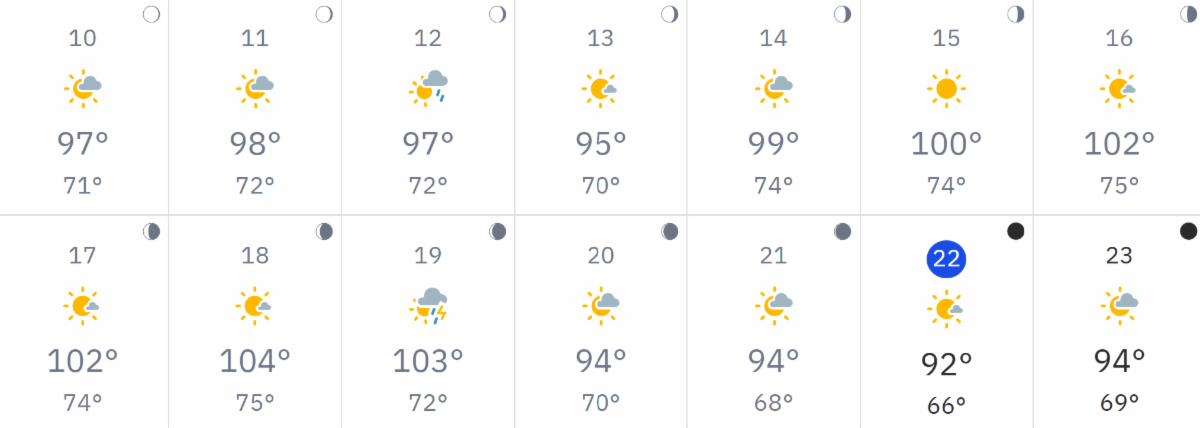
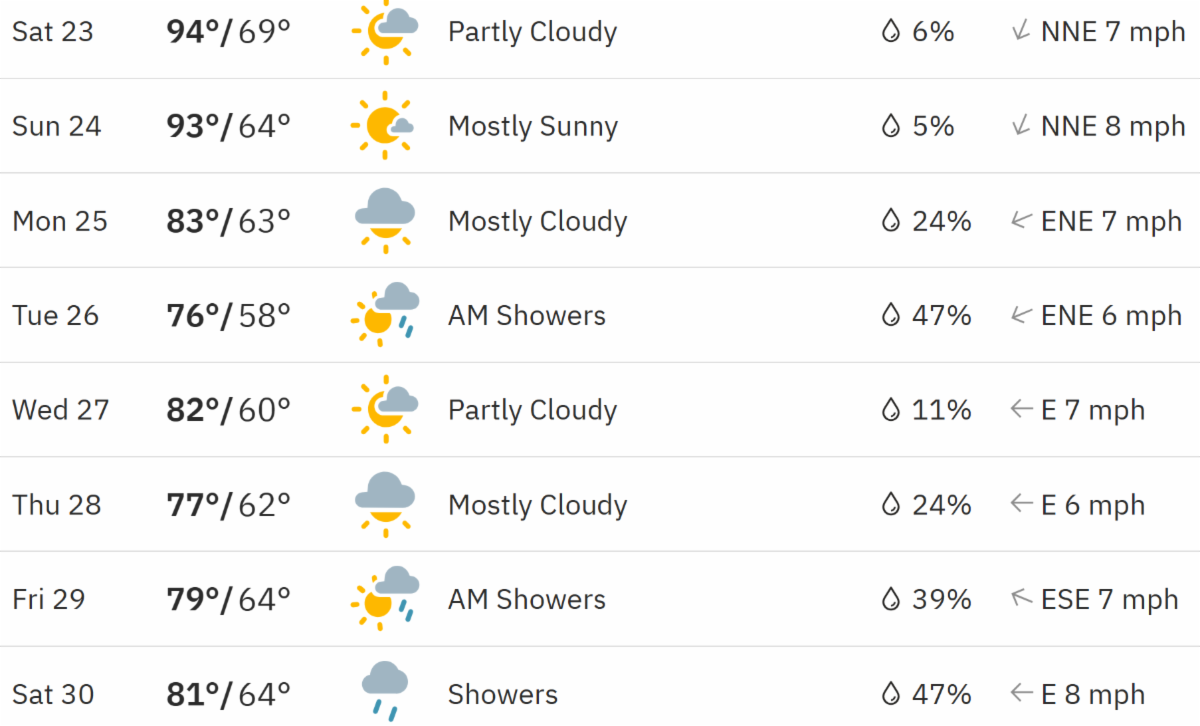
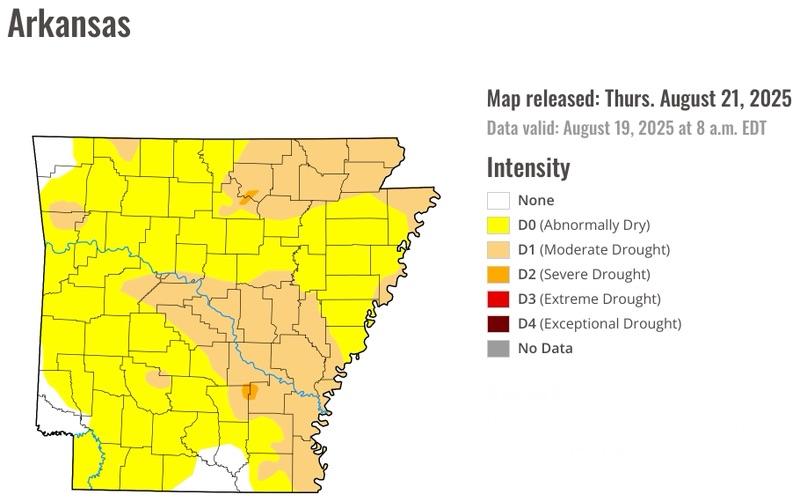
We saw the hottest temperatures of the year this past week. The County Judge placed us in a burn ban on Monday. Rain showers came through on Tuesday and Wednesday but they were very spotty. Even the rain that came was soaked up very fast and wasn't enough to lift the burn ban. The bottom half of Faulkner County moved up to D1 on the drought monitor this week and the first couple of D2 areas showed up on the Arkansas map. Remember to report to the drought monitor the conditions you are seeing at your farm. There is a link below the drought monitor picture later in this newsletter that you can use to report your conditions.


Next week is bringing a big cool down that I think everyone is looking forward too. Rain chances are the best they have been in awhile next week also!

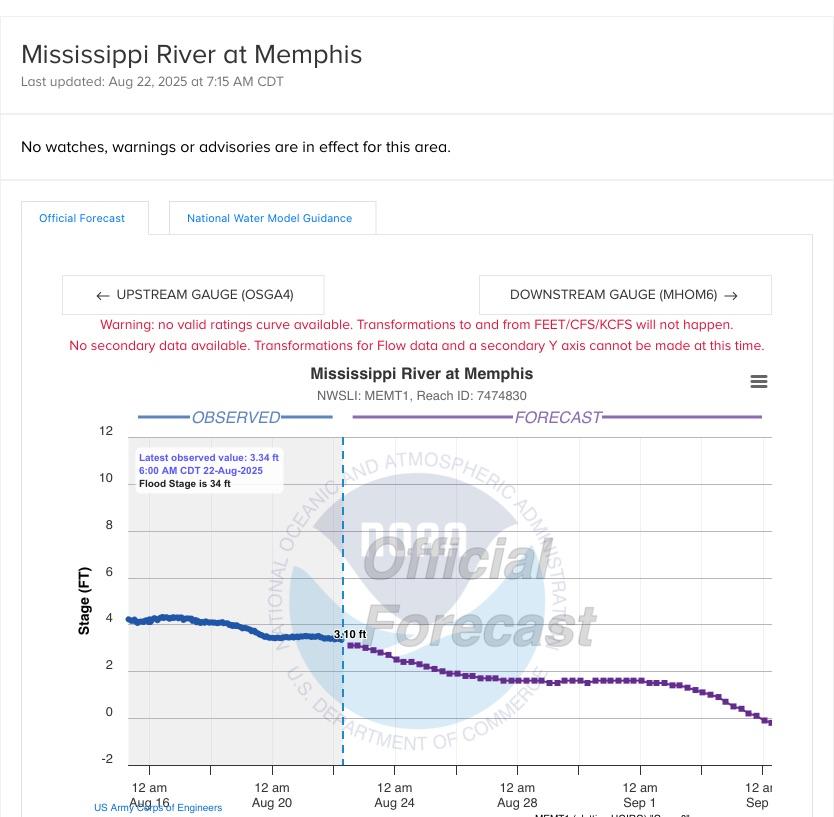
Arkansas and Mississippi River

Drought Monitor

Row Crop

Corn


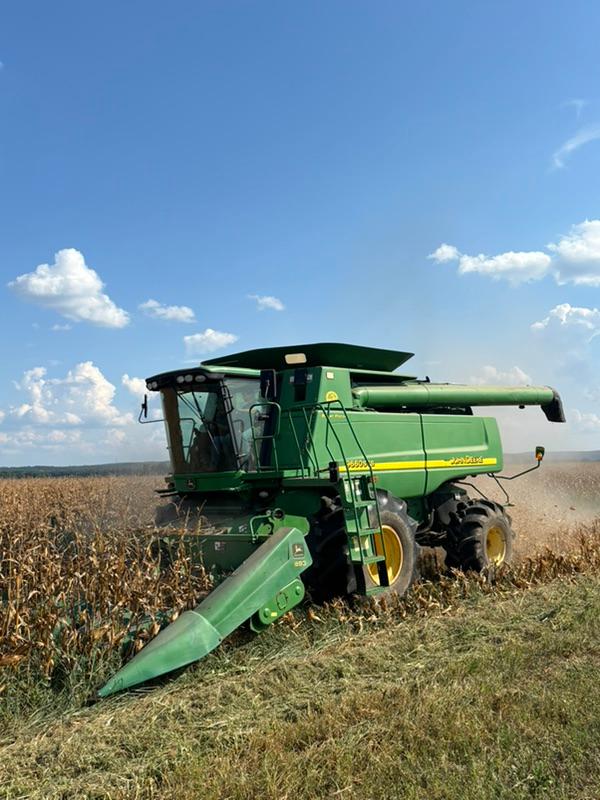
Corn harvest is going on full blast right now. The preliminary reports on the early corn being harvested is very good. Producers are reporting good yields on dryland fields that were planted early. We will move into irrigated fields early next week.

Rice


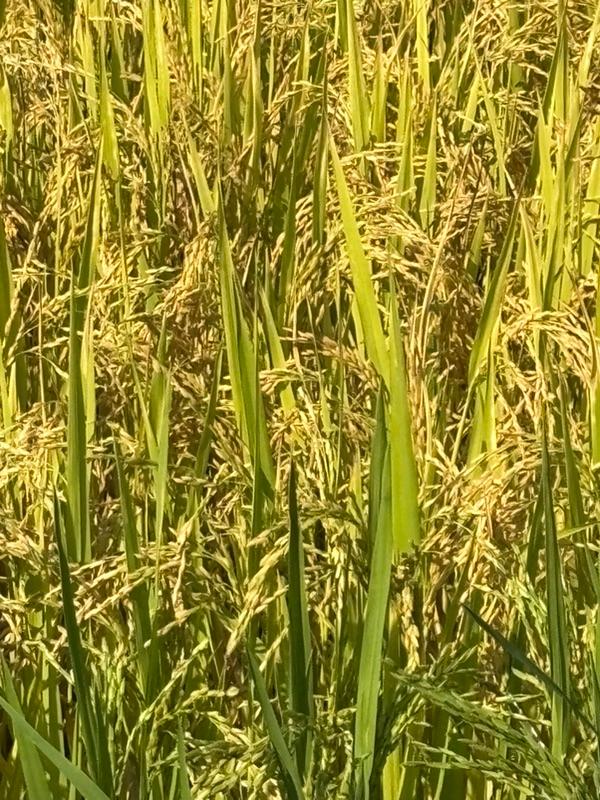
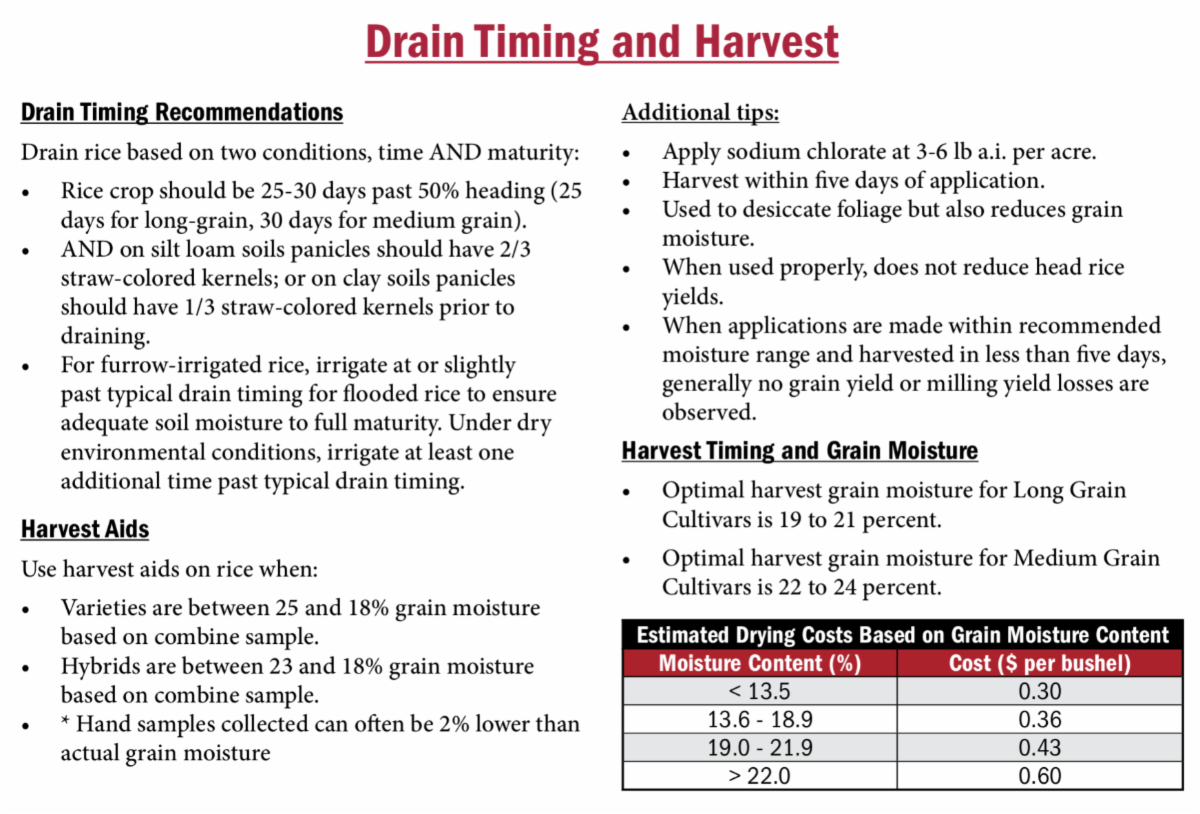
We are moving towards harvest as more fields are having the water turned off and some draining is taking place.


The last few fields are still being sprayed for stinkbugs.

Dr. Hardke's Latest Rice Update

Soybeans


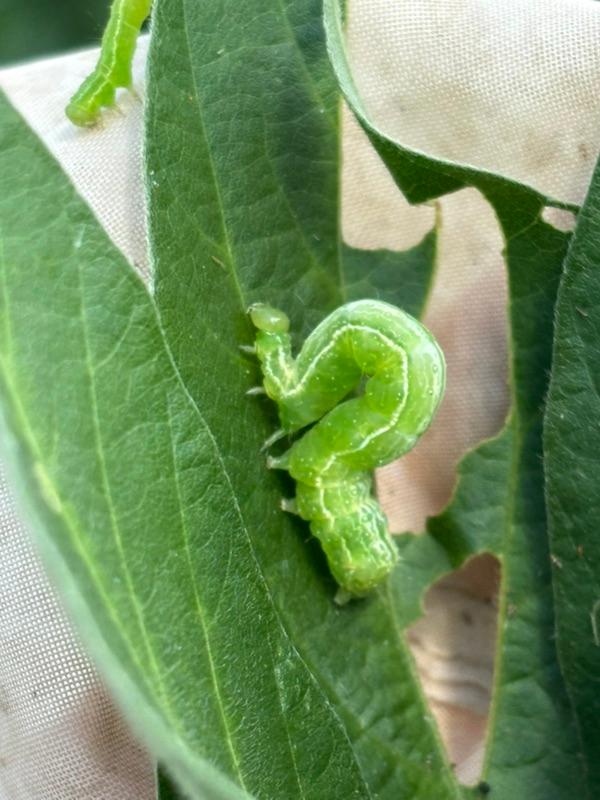
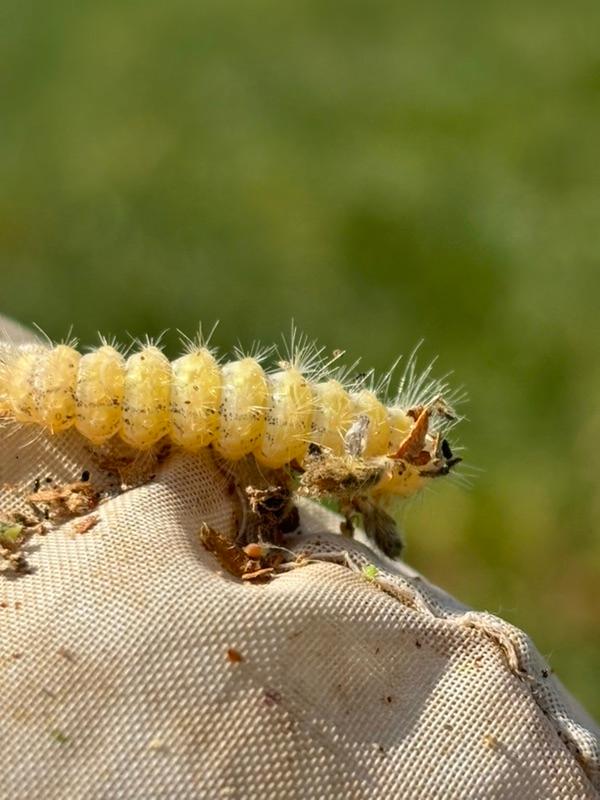
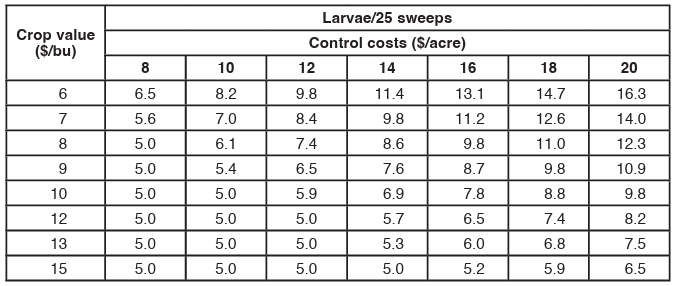
Well the odd year that is 2025 keeps getting weirder. This week I found soybean loopers and salt marsh caterpillars in my sweeps. I have found a few salt marsh over the years but I don't remember ever catching loopers and a few of those sweeps had a good number of loopers in them. I haven't found anything worth spraying, but it is something just to be on the lookout for. These worms can do as much damage as a velvetbean. Corn earworm numbers are still low but we are having another flight of moths so don't go to sleep on worms just yet.

Salt Marsh Caterpillar

Soybean Looper

Harvest Aid Products and Timing in Soybean

by Jeremy Ross and Tom Barber - August 18, 2025


With the 2025 soybean harvest season starting in Arkansas, we’re starting to get calls about what is the proper timing for harvest aid applications and what products work the best. With the weedy fields I’ve seen driving across the state due to either preemerge herbicides not being activated early in the season, or the poor control from or lack of post-herbicide applications, we could potentially see more harvest aids applied this fall to help with harvesting our soybean crop. A lot of work has been conducted on the use of harvest aids in the mid-South U.S. and below are results from research conducted here in Arkansas.


To read more click on this link

Preventing Insect Infestations in Stored Grain

by Glenn Studebaker – Extension Entomologist - August 19, 2025


Stored grain pests can cause significant losses if left unchecked. There is a complex of insects that can infest grain stored in bins. There are several beetles as well as some caterpillars that will feed on grain during storage. Many of these species live for several months and some may live for up to 2 years. Maize and rice weevils are Arkansas's most destructive stored grain pests. These species will attack and feed on unbroken kernels and can cause significant losses. Other beetle species such as the red flour beetle, confused flour beetle and sawtoothed grain beetle, prefer to feed on broken kernels and grain dust. All of these species have been detected in surveys of grain bins in Arkansas. The first line of defense against these pests is placing grain into a clean bin free of old grain and insects.  


An important source of infestations in grain storage facilities is old grain and grain dust that has been left in or around the bin. Even a small amount of grain or dust can produce many stored grain insects. Stored grain insects are very small and can live for a long time. They can often survive for long periods of time with little moisture or food. Before placing fresh grain into a bin, floors should be swept clean of ALL old grain. Any spilled grain near the outside of the bin should also be removed. Areas that are often overlooked are augers and subfloor areas of the bin. These also need to be cleaned of old grain. Once all bins and equipment have been cleaned, bin floors and walls should be treated with a residual insecticide just prior to placing fresh grain in the bin. Malathion, Centynal or Suspend can be used to treat the inside of empty bins used for storing corn or grain sorghum. Malathion is NOT LABELED for rice storage facilities and should not be applied to bins where rice will be stored. Also, liquid formulations of Malathion cannot be applied directly to grain, only dust formulations. Most importantly, many species, such as Indian meal moth, red flour beetle and lesser grain borer, have developed resistance to Malathion. Remember, proper sanitation of bins can go a long way in preventing insects from attacking grain while in storage.  


Once grain is ready to go into the bin, it should be treated with insecticide if it is going to be in storage for an extended period of time. Always check insecticide labels before treating grain. While some insecticides can be used on multiple types of grain, others are restricted to only certain crops. An example is Actellic which can only be used on corn or grain sorghum, and as noted above Malathion cannot be applied in any form to rice grain going into storage or to the bin walls or flooring before rice is placed into the bin. A list of insecticides for controlling insects in grain during storage can be found under the Row Crops section of Insecticide Recommendations for Arkansas - MP144. This information is also available in the Mobile Friendly Version of MP144. Application rates for bin wall and floor treatments can also be found in this section of MP144.   


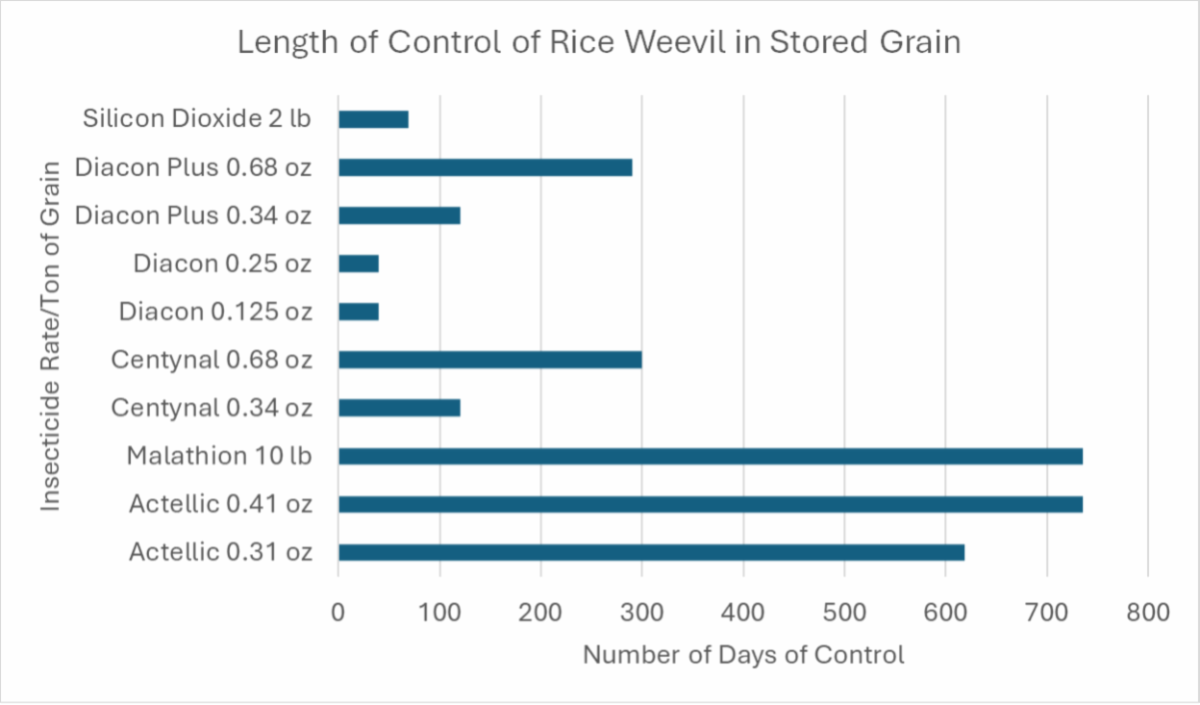
Insecticide selection and/or rates depend on how long a grower plans on keeping the grain in storage. The figure below indicates the effectiveness of labeled products tested on stored corn grain. This study was funded through the Arkansas Corn and Grain Sorghum Promotion Board and gives an indication on what products should be considered. Actellic and Malathion protected stored corn for over 700 days in a lab study. The high rates of Centynal and Diacon Plus provided protection for up to 300 days.  


Even under the best circumstances, infestations can occur if grain is stored for an extended period. Once grain becomes infested, fumigation will be necessary to eliminate insect pests. Fumigants are dangerous and extreme caution is recommended when using them. Never enter a bin that has been fumigated until it has been well ventilated. Fumigants also take 3 to 5 days to work effectively.  

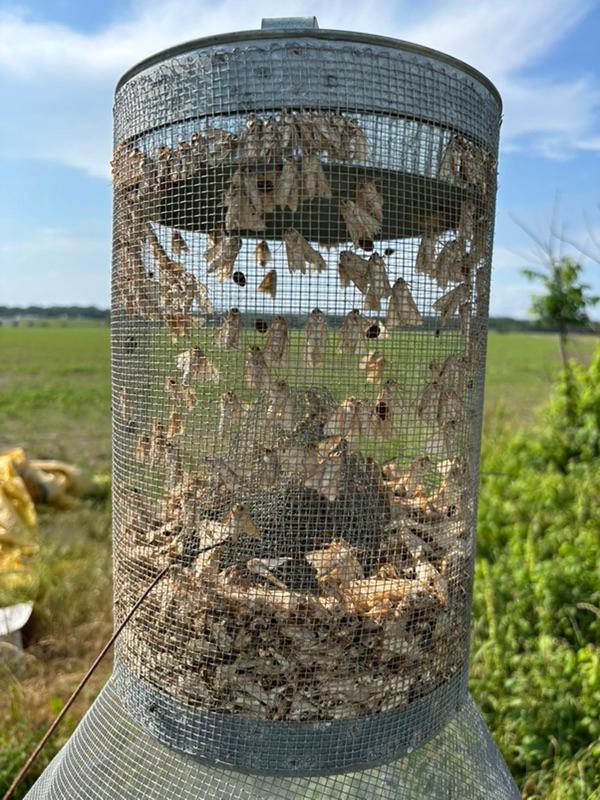
Corn Earworm Moth Traps


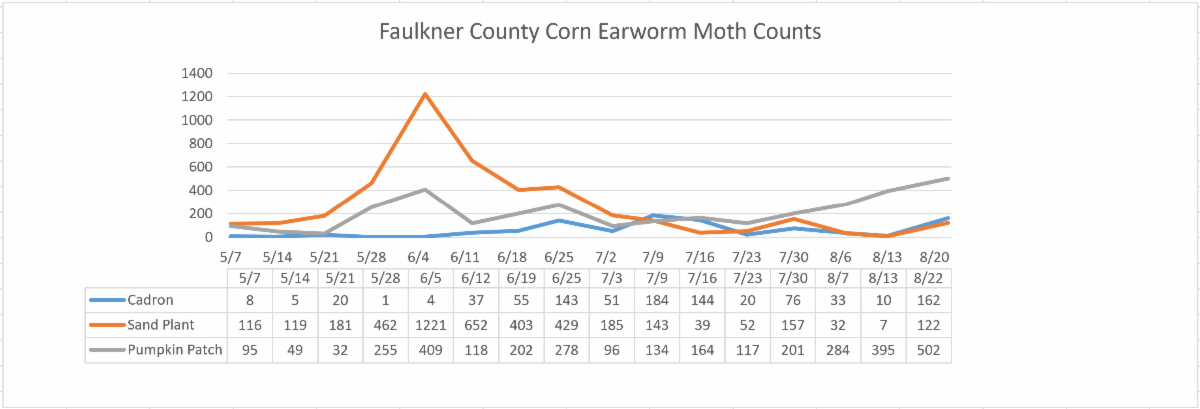
Trap numbers went way up this week. It looks like a new flight of moths is taking place. As I sweep fields I am seeing moths in the fields. Continue to scout soybeans.


Cadron - 162 moths

Sand Plant - 122 moths

Pumpkin Patch - 502 moths

USDA’s August Crop Forecasts Point to Record Corn and Soybean Yields


Mr. Scott Stiles, Program Associate, Agricultural Economics and Agribusiness

Dr. Hunter D. Biram, Assistant Professor and Extension Agricultural Economist, University of Arkansas


On August 12th the USDA released the first survey-based forecast of the 2025 U.S. crops. In addition, forecasts for consumption and ending stocks for the 2024/25 and 2025/26 marketing years were updated. The following is a summary of this month’s key changes for the major crops.


Corn


The forecast of harvested corn acreage increased by a sizeable 1.9 million acres from the July report to a total of 88.7 million acres—which could be the highest since 1944. The U.S. average yield is forecast at a record 188.8 bushels, resulting in a record production forecast of 16.742 billion bushels, slightly over 1 billion bushels larger than last months’ projection of 15.705 billion. The August forecasts far exceeded pre-report expectations for production and were at the very top end of yield projections. Historically high crop ratings throughout the growing season have pointed to above trend yields. Eleven (11) states are currently projected to produce record corn yields in 2025. Key Cornbelt states such as Iowa, Illinois, Indiana and Minnesota are all projected to have state average yields above 200 bushels per acre.


For the current 2024/25 marketing year, the forecast of exports increased by 70 million bushels while the forecast for food, seed and industrial use was reduced by 35 million bushels. Year-ending stocks are forecast at 1.305 billion bushels, compared to 1.340 billion last month. For the upcoming 2025/26 marketing year, USDA increased usage in all categories due to the much larger production forecast. Use for all purposes was increased 545 million bushels to a total of 15.955 billion bushels, leaving year-ending stocks at 2.117 billion bushels, or 13.3 percent of projected use. The 2025/26 marketing year average farm price is projected to be $3.90, down $.30 from last month’s projection.


Soybeans


The forecast of soybean harvested acreage was reduced by 2.4 million acres from the July report to a total of 80.1 million acres. The U.S. average yield is forecast at a record 53.6 bushels, above the average pre-report trade guess of 52.9 bushels. The 2025 crop is forecast at 4.292 billion bushels, down 43 million bushels from last month. Like corn, state average soybean yields are expected to reach record levels in several key states. The averages are forecast at 63 bushels for Iowa, 65 bushels for Illinois and 62 bushels for Indiana.


For the current marketing year, the forecast for exports and crush was increased by 10 million bushels each. Year-ending stocks for 2024/25 are forecast at 330 million bushels, 20 million smaller than the July forecast. For the 2025/26 marketing year, the projection of exports was reduced by 40 million bushels, but the smaller production and beginning stocks resulted in a 20 million bushel cut in projected ending stocks. New crop ending stocks are projected to be 290 million bushels with a stocks-use ratio of 6.7 percent. The 2025/26 marketing year average farm price was unchanged this month at $10.10 per bushel.


Long-Grain Rice


USDA made old crop and new crop adjustments this month to the U.S. long-grain balance sheet. Old crop 2024/25 exports were reduced by 3 million hundredweight (cwt.) to 60.5 million. This in-turn increased new crop beginning stocks by the same amount to 39.8 million cwt. New crop production was increased by 1.7 million cwt. this month to 154.5 million as NASS increased its estimate of Midsouth harvested area by 52,000 acres. Imports were reduced by 1 million cwt. The net change to total supply was an increase of 3.7 million cwt. this month. Much of the supply increase was offset by a 3 million cwt. increase in total demand (+2 million domestic use, +1 million exports). The projection of 2025/26 ending stocks was increased by .7 million to 35.3 million cwt. The forecast for the 2025/26 marketing year average farm price was unchanged at $13.00/cwt or $5.85 per bushel.


Cotton


The new crop 2025/26 U.S. cotton balance sheet saw sharp reductions this month in planted and harvested acreage. Planted area was lowered 8 percent to 9.3 million acres based on the NASS August Crop Production report which included large downward adjustments to Georgia and Texas acres. Harvested area was reduced 15 percent to 7.4 million acres. The national average yield for 2025/26 was raised over 6 percent to 862 pounds. The production forecast was reduced to 13.2 million bales, almost 1.4 million bales below the July forecast and 1.2 million bales lower than 2024/25. Exports were reduced by 500,000 bales to 12 million on this month’s smaller crop estimate. Beginning stocks for 2025/26 were reduced 100,000 bales following a corresponding increase in exports for 2024/25. As a result of these revisions, ending stocks for 2025/26 are projected at 3.6 million bales, down 1 million from last month. With tighter domestic supplies and reduced carry-over, the projected season-average price for 2025/26 increased 2 cents this month to 64 cents per pound.


Summary


The updated forecasts point to a significant rebuilding of U.S. corn supplies driven by expectations of record yields and production this year. Current expectations see some year-over-year reduction in U.S. soybean, rice and cotton stocks. While the current world economic and trade environment create some demand uncertainty, the prospects for ample grain, oilseed and cotton stocks on a global basis suggest that crop prices could remain near multi-year lows for the next several months. 

Beef, Small Ruminants, & Forages

The Importance of Pasture Rest


As I was reading this months Arkansas Cattle Business from the Cattlemen's Association I ran across this article from Jeremy Huff. I thought he made some really great points that I wanted to highlight in the update this week. If you want to see the whole article, read this months magazine, but I am going to just quote a few of his points.


by Jeremy Huff, NRCS State Grazing Lands Specialist


Cattle are selective in the plants they'll graze. In general, cattle prefer: 1) grasses and legumes (clover) over broadleaf forbs, 2) new growth and re-growth over old growth, 3) leaves over stems, 4) novel endophyte tall fescue over endophyte infected tall fescue. This selectivity will put increased pressure on preferred plants.


Therefore, these plants are more susceptible to be grazed short. When these forages are repetitively grazed short without opportunity to replenish their carbohydrate reserves - overgrazing occurs. The plant becomes weakened and susceptible to drought. Forage stand losses can occur. Do not believe that cattle just ignores those plants until they regrow to adequate heights. Cattle are incredibly instinctive on where they grazed high quality forages in the past. That is why cross fences are needed for pasture management.


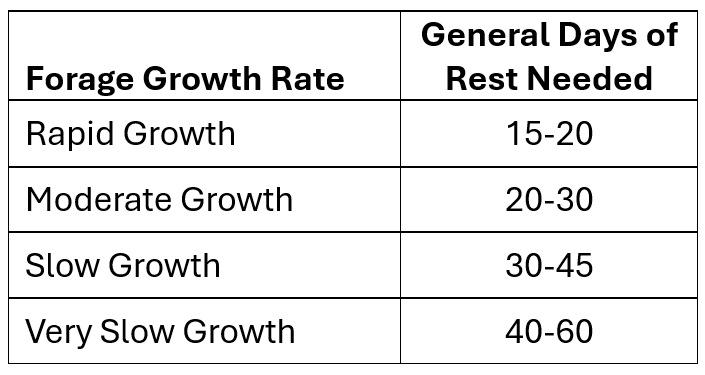
So how many days of rest per pasture is needed? Well, as with most answers - it depends. Some forage species need more days of rest compared to others. Also, the current forage growth rate plays a major factor on the number of days of rest needed. In general, rest periods should be 20 to 40 days in Arkansas depending on rainfall.


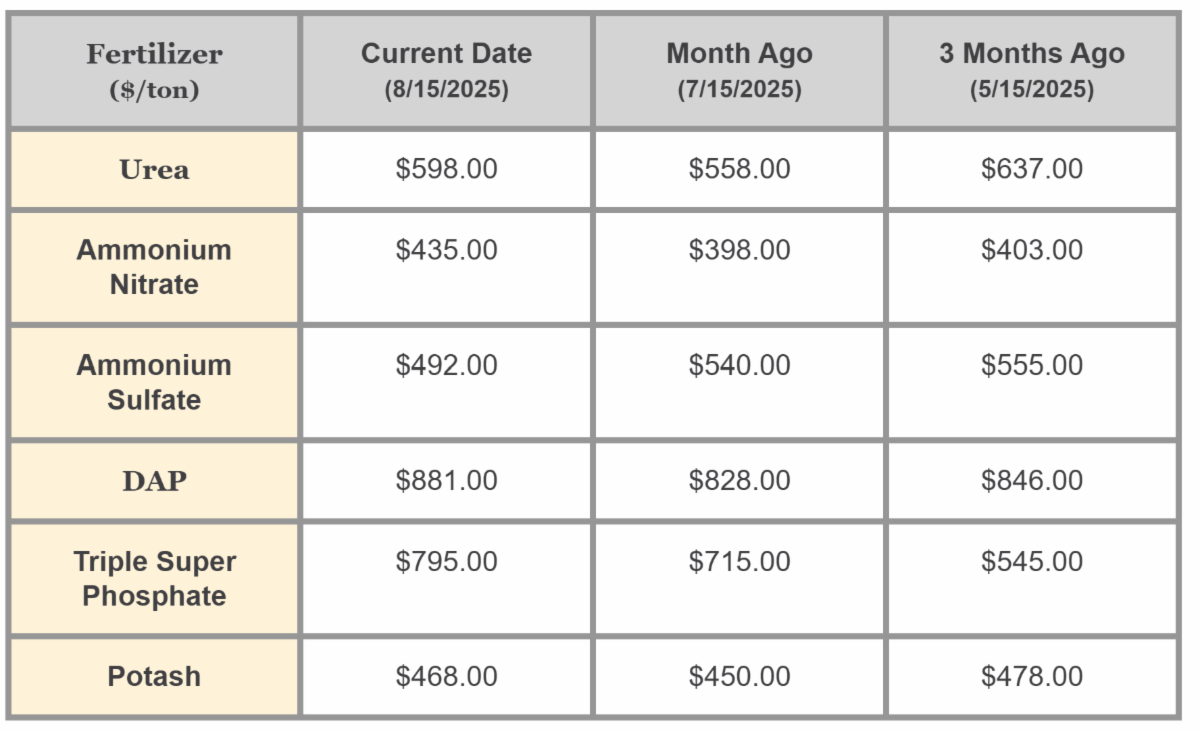
So let's talk about the elephant in the room! Many producers have stocking rates adjusted to what they typically have when fertilizer is applied on an annual basis. Pastures that have nitrogen routinely applied will have more rapid growth. Fewer days of rest are therefore needed. What happens when nitrogen is not applied because of the excessive cost? Slower forage re-growth rates after grazing. This results in producers having to consider adjusting stocking rates and/or giving pastures more days of rest through better management.

Drought Situations


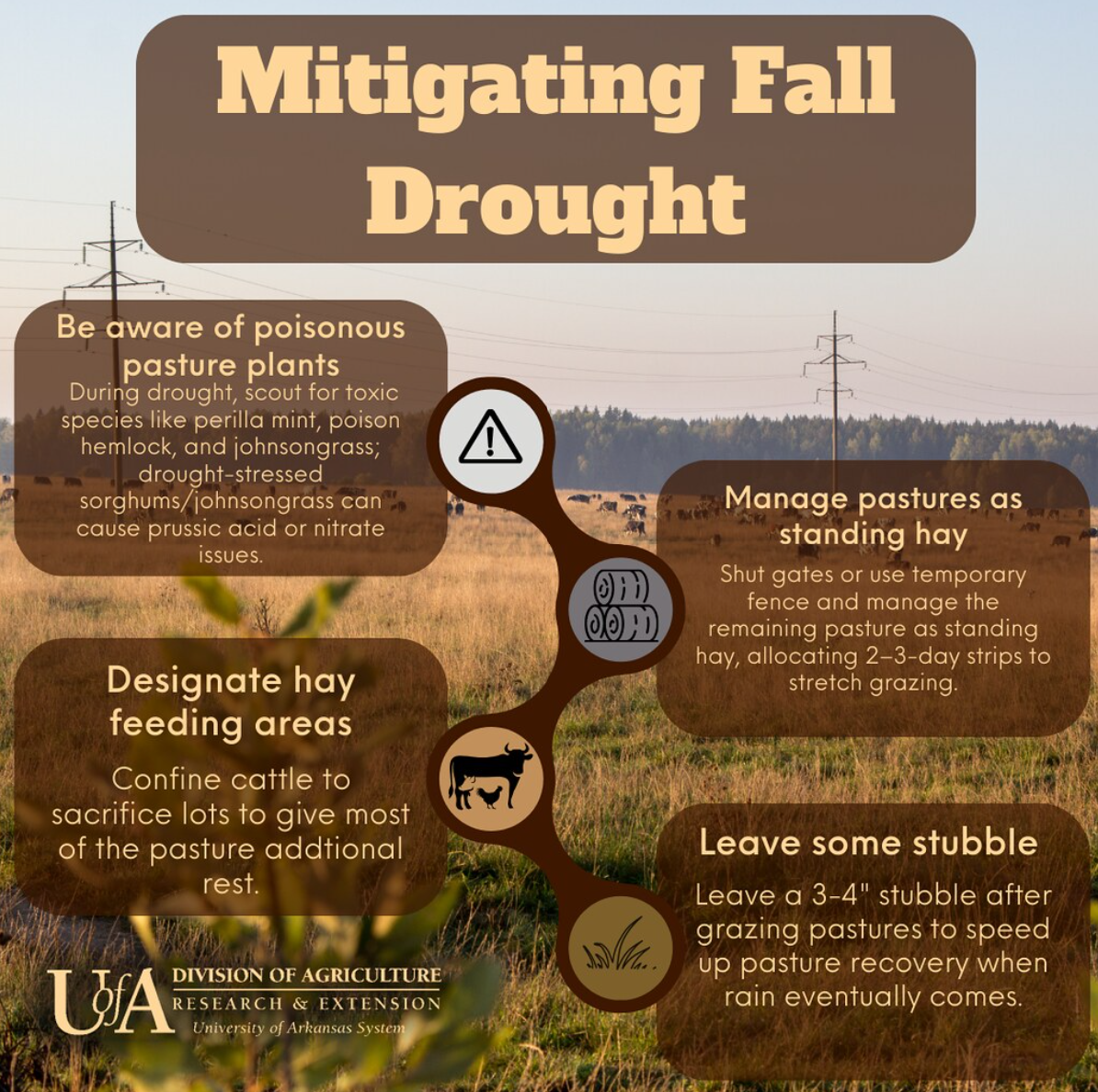
Drought situations are starting to get serious in Faulkner County. We have moved into D1 drought status in the south part of the county. To get assistance for drought we need to be in D2 status for 8 consecutive weeks. Hopefully we will get rain next week and get us out of that situation, but if we don't you need to be prepared. Below are a few management strategies to think about as we continue through the drought.

Nitrates and Prussic Acid


I posted this last week, but wanted to leave it in one more week. Watch out for drought stressed johnsongrass!


We are getting to that time of year where we are seeing drought symptoms in our pastures and hay fields. Here are some key points from Forage Instructor Kenny Simon to keep in mind:


  1. Prussic acid toxicity can occur on stressed forages in the sorghum family. This includes johnsongrass and sorghum sudan. Pearl millet does not have prussic acid.
  2. The risk of prussic acid toxicity is high when the plants are less than 18-20" tall or when they are wilted from drought. So advise producers not to turn animals in to pastures with these forages in this condition. 
  3. Prussic acid dissipates as the forage dries out so it is safe to harvest stressed forages for hay. Just make sure the forage is dry when baled.
  4. In pastures with scattered johnsongrass, the plants can be mowed and allowed to dry out before turning animals in to graze the rest of the pasture.
  5. In pastures where the johnsongrass in concentrated in a specific area, an electric fence wire can be placed to keep animals away from the potentially dangerous forage.
  6. Nitrate is a different toxin. It often occurs in nitrogen fertilized fields or where poultry litter has been applied. Nitrate can be a problem in johnsongrass, sorghum sudan, millet, corn, grain sorgum.
  7. Nitrate does not dissipate in dry hay and remains at the level present when harvested.
  8. Look at these fact sheets for more information.

Nitrate poisoning in cattle https://www.uaex.uada.edu/publications/pdf/fsa-3024.pdf 

Prussic acid https://www.uaex.uada.edu/publications/pdf/fsa-3069.pdf

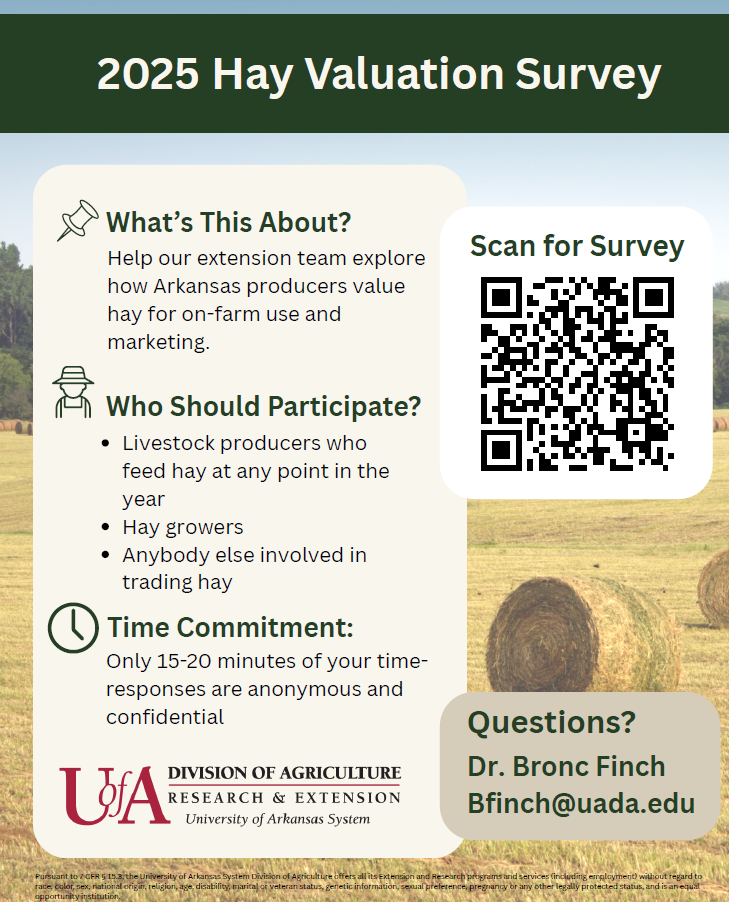
2025 Hay Valuation Survey


If you are a hay producer, please take the time to take our hay valuation survey. Our specialists are wanting to learn more about how producers value their hay.

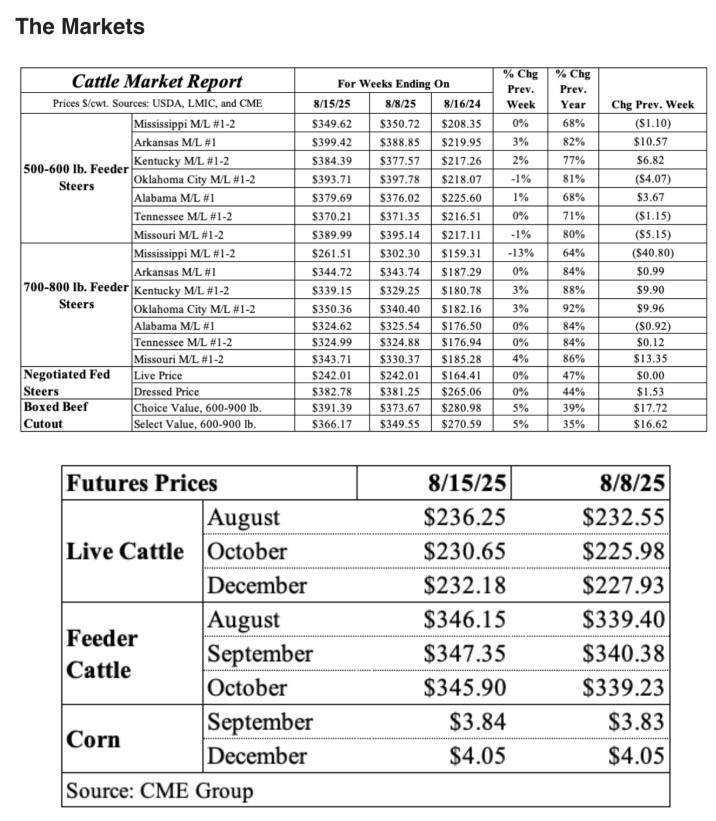
Livestock Market Report


The weekly livestock market report is available on the Arkansas Department of Agriculture website.

Sign up for Text Alerts


You can now sign up for text alerts from me throughout the year. I have two areas you can sign up for which includes Faulkner Livestock or Faulkner Ag (Row Crop Updates). To sign up you can follow one of these links or use the QR Codes below.

Faulkner Livestock


Use either the QR Code or this link:

https://slktxt.io/10lLe

Faulkner Ag (Faulkner Row Crops)


Use either the QR Code or this link:

https://slktxt.io/10lLc

Pursuant to 7 CFR § 15.3, the University of Arkansas System Division of Agriculture offers all its Extension and Research programs and services (including employment) without regard to race, color, sex, national origin, religion, age, disability, marital or veteran status, genetic information, sexual preference, pregnancy or any other legally protected status, and is an equal opportunity institution.

Contact Kevin Lawson, County Extension Agent–Agriculture, Faulkner County | Kevin Lawson