|
Living Resourcefully to Strengthen Farm Households
Dr. Laura Hendrix, Professor, Personal Finance + Consumer Economics
Dr. Ryan Loy, Assistant Professor, Agricultural Economics
Dr. Brittney Schrick, Associate Professor, Family Life Specialist
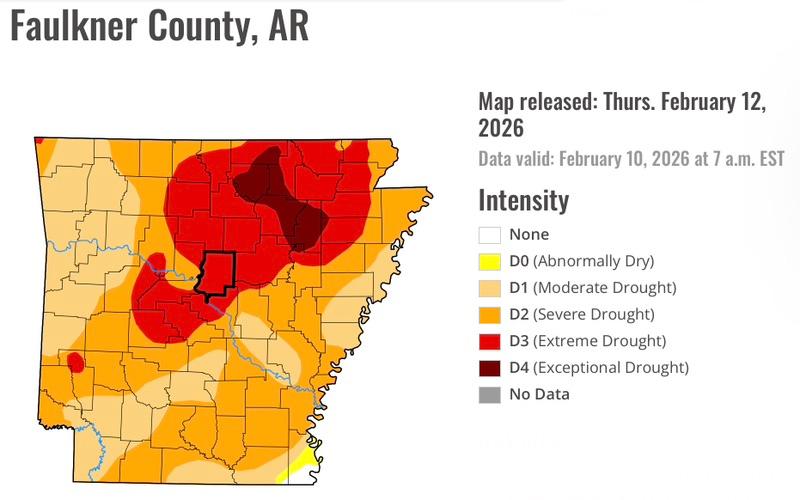
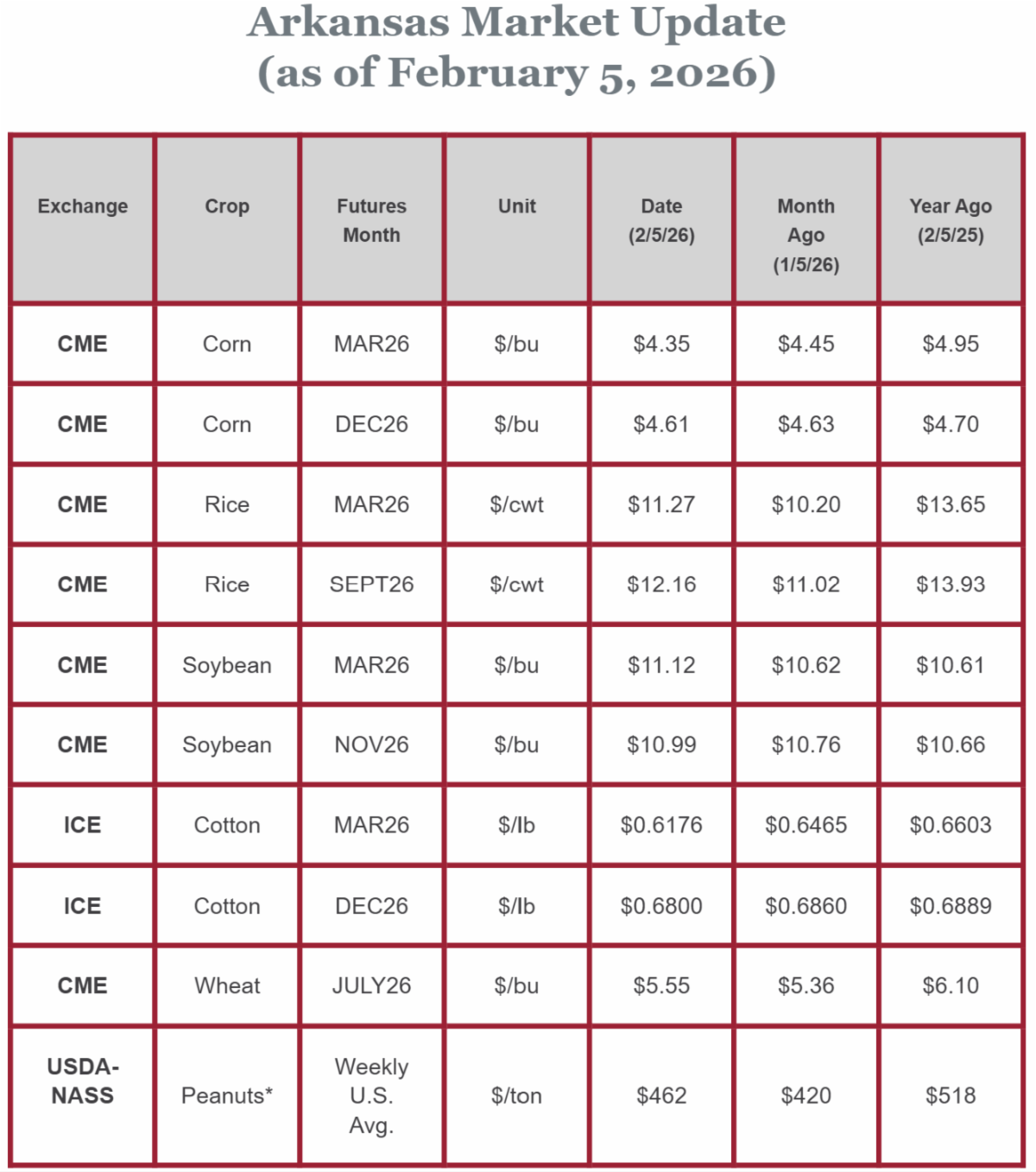
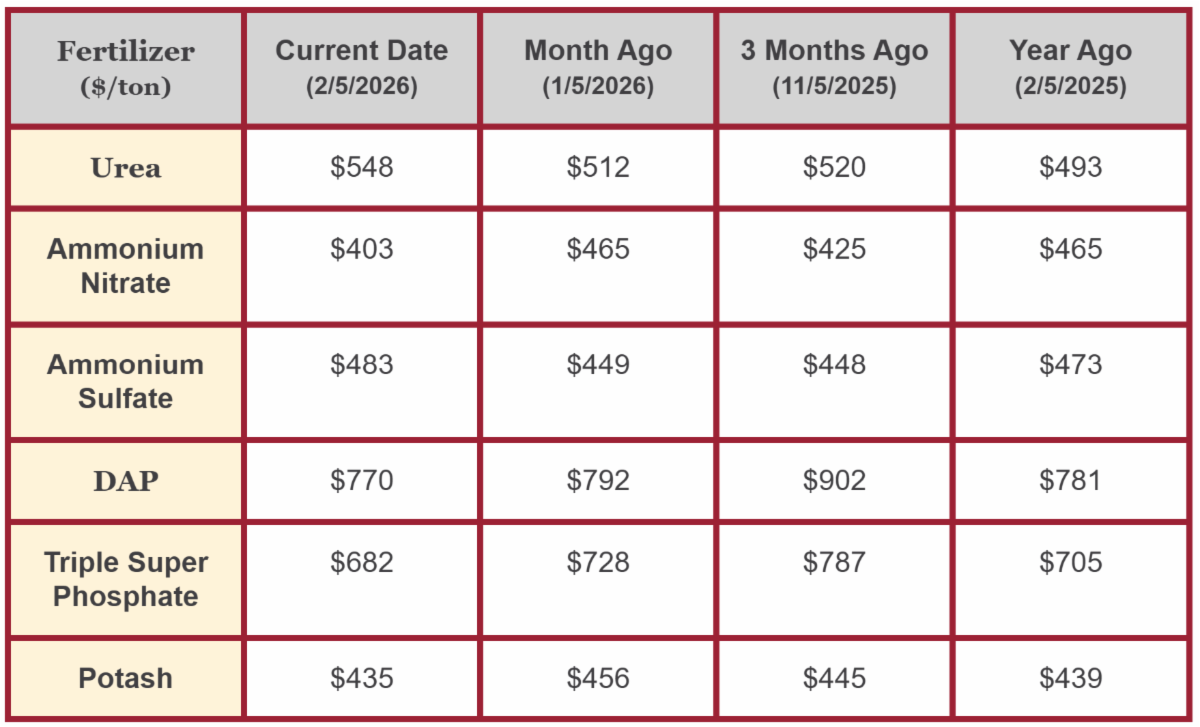
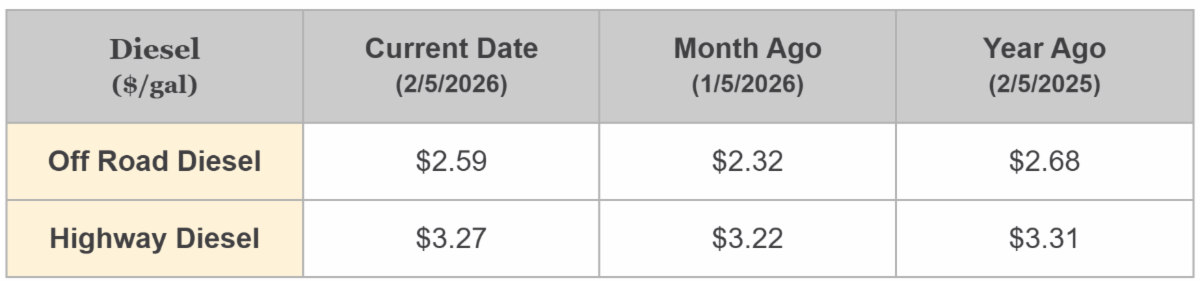
Farm and ranch income can be unpredictable. It is often called volatile income because it fluctuates unpredictably over time due to factors like weather, prices, crop yields, and more. Volatile income can result in seasons or years of low-to-negative returns, which leave farm families financially stressed. While the reasons for reduced income vary, loss of income can cause stress and financial hardship. Reduce anxiety and improve financial stability by taking charge of aspects that are in your control. Take steps to downsize spending, talk with creditors, and utilize available resources.
10 WAYS TO TAKE CONTROL
Focus on what you can do. Identify things you can change and make a plan.
1. Identify basic needs. Food and shelter top the list. What else is essential?
2. Discuss and prioritize your family’s needs.
3. Reduce personal and household expenses to basic needs.
4. Stop using credit except for emergencies.
5. Prepare and follow a written budget.
6. Set limits to control spending for each item in your budget.
7. Set priorities for paying bills.
8. Negotiate new repayment terms with creditors when possible.
9. Identify and use resources available to you.
10. Maintain good health and minimize stress.
COMMUNICATION
Communicate with your family and be honest about the situation. All adults in the household should be aware of financial difficulties. and family members may add to the plan of action. You may discover new ideas and resources. Children need to feel secure so be sure to reassure them that you will take care of them.
Communicate with bankers, lenders, and other creditors. Contact them before you miss payments. Let them know you are trying to reorganize your budget. You may be able to negotiate a new payment plan.
EXAMINE INCOME AND EXPENSES
Make a list of income and expenses. Analyze your cash flow. A cash flow budget projects what money you expect to come in and how much you think you’ll spend each week and when you expect the expenses to occur. A cash flow budget can also help you target areas where you can cut back or postpone expenses. For people who have irregular, seasonal, or one-time income, a cash flow budget is even more important. Take a look at your total income and benefits and your total expenses. Are there things you can adjust so you have enough to cover your needs?
Prioritize bills. Make a list of all bills and rank from most to least important. If you can’t pay all bills, which ones can be renegotiated or delayed? Rent, House payment, utilities, and insurance should be top priorities. Make minimum payments on credit cards and other debts to avoid penalties.
Decrease Expenses
Examine spending habits –Eliminate unnecessary spending. Avoid impulse buys, window shopping, and browsing online merchants. Stop using credit cards.
Reduce or eliminate services, subscriptions, and memberships. Make a list of all streaming and entertainment services. Small fees for multiple services can add up. You may also be able to downsize your internet, data, and phone plans. Stop subscriptions for regular delivery of curated products (beauty, food, clothing, pet care, etc.). Discontinue memberships for gyms, golf/athletic clubs, and associations.
Check your insurance policies for due dates and amounts due. If you can’t make a payment, call your insurance agent or the company. You can often lower your premium by changing to a higher deductible. Make sure you receive any discounts offered by your company.
Avoid incurring new debt. For major items that may break, such as farm equipment, trucks, or appliances, take time to compare repair costs with the cost of buying new (or used). A lower-cost repair may extend the equipment’s life long enough to avoid incurring new debt during an economic downturn. Avoid ‘replacement is the only option’ and evaluate the tradeoffs. Choose the option that best fits a reduced-income budget.
Increase Income
Brainstorm ideas for ways to earn extra money. Explore possibilities. Here are a few ideas to consider. Find options that work for you and your household situation.
Jobs – Are there other potential earners in the family who can enter the workforce? Could current earners consider higher earning jobs, work extra hours or work a second job? Potential jobs may be available; for example, working in construction, installing fiber optics, starting a lawn service. Driving-related jobs include short-haul and long-haul driving, package delivery, food delivery or ride share. Technical training like CDL (commercial driving), welding certificate, HVAC technician, medical coding, and others can lead to good earning potential with a short-term investment in training. Beware of jobs that come with high start-up costs.
Sell Stuff - Turn a hobby into income. Quilting, woodworking, and other arts & crafts can be used to earn extra income. Sell items on Etsy, Facebook Marketplace, flea markets, or vendor fairs. Check cottage food laws before selling homemade food or beverage items. Are there items in your home or on the farm that are not being used and could be sold to generate funds? Beware of scams and fraud when using online sales platforms.
Auction - People hold farm auctions to sell property, equipment, or produce quickly and efficiently, maximizing the sale price through competitive bidding. They are also used for liquidating assets. Auctions are a way to quickly convert tangible assets into cash. It’s important to use a reliable company. To find a reliable auction company, research online reviews, check for state licensure and Better Business Bureau (BBB) ratings, and ask for references and testimonials from past clients. Evaluate potential companies based on their expertise, marketing plan, and experience with your specific type of item or property
Conservation Reserve Program (CRP) – CRP is a voluntary Farm Service Agency (USDA-FSA) program that provides rental payments to landowners that remove acres from production for a contractual length of time (typically 10 – 15 years). CRP contracts can help stabilize income by turning marginal land into a steady revenue source all while improving the local wildlife habitat. There are several resources available, including program eligibility and sign-up dates, at fsa.usda.gov.
Natural Resources Conservation Service (NRCS) Programs – The NRCS offers several programs to help improve productive use of crop acres. Programs such as, the Environmental Quality Incentives Program (EQIP) and the Conservation Stewardship Program (CSP) offer options to cost-share as well as annual payments for conservation practices. The main point is to improve land productivity while not bearing large up-front implementation costs. To learn more about the NRCS and other available programs, please visit nrcs.usda.gov.
Hunting Leases – Leasing land for hunting is another common revenue-generating stream for farmers. Depending on region and available wildlife habitat, a lease can provide additional revenue without requiring major changes to land or the farming operation. In practice, a lease can complement an already existing conservation program (e.g., CRP) and make even better financial use of marginal or erodible land. Those interested in developing a hunting lease, visit Arkansas Game and Fish Commission Land Lease Permits or Code of Regulations.
DEAL WITH DEBT
Know the penalties for late or missing payments. There may be late fees or increases in interest rate on revolving credit. Some loans may have the risk of the item purchased being repossessed. Late and missing payments can lower your credit score. Pay the minimum on credit cards.
Contact lenders and bankers - Banks and lenders often have formal hardship or forbearance options, such as temporary payment reductions, interest-only periods, or deferred payments. These options are usually available only if you reach out before you fall too far behind. Early communication builds trust. Reaching out shows you’re being proactive rather than avoiding the problem. Communicate early and openly to build trust.
Consider consolidation. Consolidating debts can be a useful option to improve liquidity, which can be utilized to cover family living expenses and unexpected costs.
Consolidating loans may reduce the immediate financial obligation but often will stretch the new loan over a longer period and accrue more interest. However, every operation and farmer’s financial situation is different. Work closely with creditors to weigh the short-and-long-term benefits and choose an option that balances immediate cash flows and future stability. Second mortgages or home equity lines of credit can be used for debt consolidation but may put your home at risk. The home serves as collateral for the loan and can be lost if payments are late or missed.
Be cautious of debt management and credit repair companies. Some companies may seem to offer a quick fix for your credit problems. Beware of companies that ask for money up front. A reputable program will spend time reviewing your financial situation, help you set up a budget and teach you about money management. Check the company’s references before you provide any personal information or credit card account numbers. Reputable credit counseling organizations have counselors who are certified and trained in the areas of consumer credit, money and debt management, and budgeting.
Bankruptcy
Personal Bankruptcy - Bankruptcy should only be considered as a last resort. Personal bankruptcy is usually either Chapter 7 or Chapter 13: Chapter 7 – A trustee is appointed to take over your property. Any property of value will be sold or turned into money to pay your creditors. You may be able to keep some personal items and possibly real estate depending on the applicable laws. Chapter 13 – You can usually keep your property, but you must earn wages or have some other source of regular income and you must agree to pay part of your income to your creditors. The court must approve your repayment plan and your budget. A trustee is appointed and will collect the payments from you; pay your creditors and make sure you live up to the terms of your repayment plan. Consumers who file bankruptcy must still pay child support, alimony, fines, taxes and some student loans. You will be required to have credit counseling and financial management education. Bankruptcy will stay on your credit report for 10 years and can make it difficult to obtain credit.
Farm Business Bankruptcy - Chapter 12 was created out of the 1980s farm crisis to help reorganize debt that reflects seasonal cash flows, volatile markets, and the need to keep farms running rather than forcing an entire liquidation (e.g., Chapter 7). To qualify for Chapter 12, you must be a “family farmer”, which means earning at least 50% of gross income from farming last year or more than 80% of the family’s assets are tied to the farming operation. Once a case is filed, debt collections stop, a trustee is appointed, and the farmer (debtor) proposes a repayment plan based on what the operation can realistically cash flow (typically lasting three years). For more information on filing for Chapter 12 bankruptcy, please visit the following resources:
· United States Courts: Chapter 12 – Bankruptcy Basics
· The National Agricultural Law Center: Bankruptcy on the Farm: A look at Chapter 12
RESOURCES
The University of Arkansas System Division of Agriculture strengthens agriculture, communities, and families by connecting trusted research to the adoption of best practices. Arkansas Extension Life Skills and Wellness programs empower individuals and families to thrive. Extension affords Arkansans immediate and timely access to cutting-edge, reliable, unbiased information to develop critical life skills in health, nutrition, family life, and personal finance. Please visit here for more information: https://uaex.uada.edu
Ag-related- University of Arkansas System Division of Agriculture Cooperative Extension Service farm and ranch information and resources. https://uaex.uada.edu/farm-ranch/default.aspx
Agricultural Finance, Tax, and Asset Protection Program (AgFTAP) – AgFTAP is an electronic repository of resources for farmers, ranchers, and educators to enhance financial literacy and business decisions for their operations. The online portal contains various resources from basic financial literacy to heir’s property. Go-at-your-own-pace online courses and local state contacts are also available. If you’d like to learn more, please read the AgFTAP 101 Factsheet, visit AgFTAP.org. This initiative is led by the University of Arkansas and University of Minnesota.
USDA- Farm Service Agency (FSA) Loan Assistance Tool – The Loan Assistance tool is an online web portal that serves as the one-stop shop for all FSA Farm Loan Program resources. FSA borrowers can take the self-guided Farm Loan Quiz to help determine eligibility and even apply for a farm loan online! For more information, please visit The Loan Assistance Tool or The Structure of the USDA-FSA Farm Loan Program.
Managing Farm Family Finances: Ag Decision Maker - A comprehensive resource from Iowa State University that provides budget template resources and questions to ask when operating on a tight budget. See here for a printable PDF of the publication.
Arkansas Profit and Loss Calculator – An online web application for farmers to develop price, yield, and marketing strategy targets that help to improve financial planning and on-farm decision making. The application is free to all users and available on fryar-risk-center.uada.edu.
Employment – Arkansas Workforce Centers offer job search assistance, résumé writing, labor market information, job fairs, and info on training programs. https://dws.arkansas.gov/
Food and Nutrition Resources
SNAP - The Supplemental Nutrition Assistance Program, a federal program in the United States that provides food assistance to low-income individuals and families.
https://humanservices.arkansas.gov/divisions-shared-services/county-operations/supplemental-nutrition-assistance-snap/
WIC - The Women, Infants, and Children program, a federally funded initiative that provides free nutritious foods, nutrition education, and referrals to health care services for low-income pregnant, breastfeeding, and postpartum women, as well as infants and children up to age five.
https://healthy.arkansas.gov/programs-services/community-family-child-health/wic-women-infants-children/
Food Banks and Food Pantries
School meals - In Arkansas, free or reduced-price lunches are available to eligible students based on their household income. Check with your child’s school for an application.
Legal Resources
Arkansas Legal Aid - Legal Aid is a nonprofit, public interest law firm that provides free information and some free legal services. https://arlegalaid.org/
Arkansas Law Help - Provides free legal information and resources. https://www.arlawhelp.org/
Arkansas Bar Association – locate an attorney by type of practice or location https://www.arkbar.com/home
The National Agricultural Law Center – The leading source of agricultural and food law research and information. The Center is part of the University of Arkansas Division of Agriculture and located in Fayetteville, AR. Please visit nationalaglawcenter.org.
Medical and Health
Children’s Health Insurance -ARKids First is a health insurance program for children in Arkansas. It is designed to provide affordable health insurance to families who may not have access to other insurance options.
https://humanservices.arkansas.gov/divisions-shared-services/medical-services/healthcare-programs/arkids/
Fitness – It’s important to maintain health during times of stress. Physical activity doesn’t have to cost a fortune. Run, walk, hike, do body-weight exercise at home, jump rope, use public facilities for basketball or tennis. Check local community centers for free or low-cost programs in your area.
The Farm Stress Management & Resilience Project provides educational opportunities that support rural communities and those working in agriculture. The purpose of these offerings is to surround farmers, ranchers, and other agriculture workers with community members who recognize the unique stressors and challenges of working in agriculture.
https://uaex.uada.edu/life-skills-wellness/personal-family-well-being/farm-stress.aspx
Crisis Lifeline - 988 offers 24/7 access to trained crisis counselors who can help people experiencing mental health-related distress. That could be:
· Thoughts of suicide
· Mental health or substance use crisis, or
· Any other kind of emotion distress
People can call or text 988 or chat 988lifeline.org for themselves or if they are worried about a loved one who may need crisis support.
|