Faulkner County Agriculture Update
February 20, 2026
| | |
Farmers Market 101
If you've ever considered selling food at a farmers market, be sure to join us for Farmers Market 101. You'll learn:
-What types of foods you can sell
-Where you can sell
-What are the rules for selling meat, eggs, produce, plants, baked and canned goods
-How to market and price your products so you actually make a profit
When: February 24, 5:30-7:30
Where: Faulkner County Extension Office at 844 Faulkner St. in Conway.
Cost: FREE
Questions: Contact the Faulkner County Extension Office at 501-329-8344
| | |
Weather
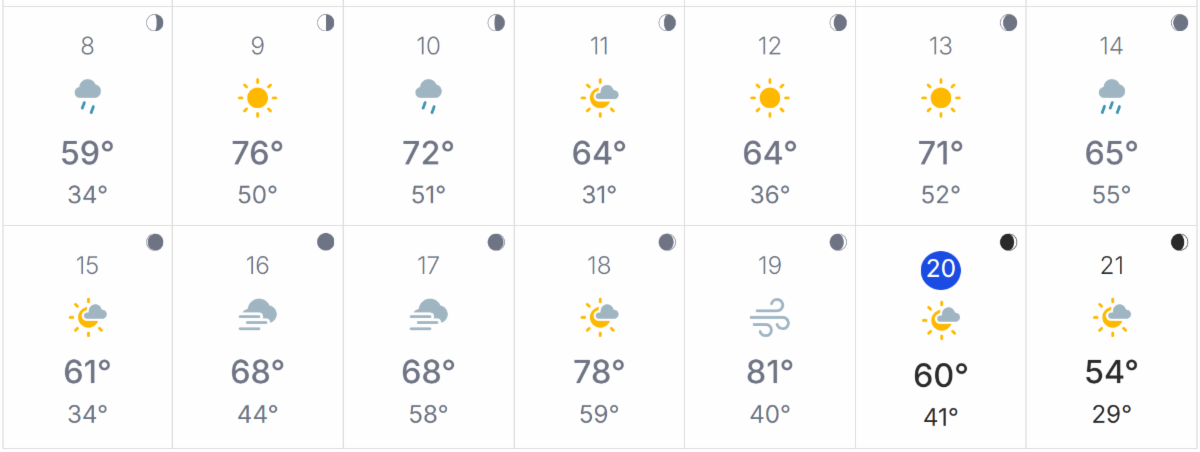
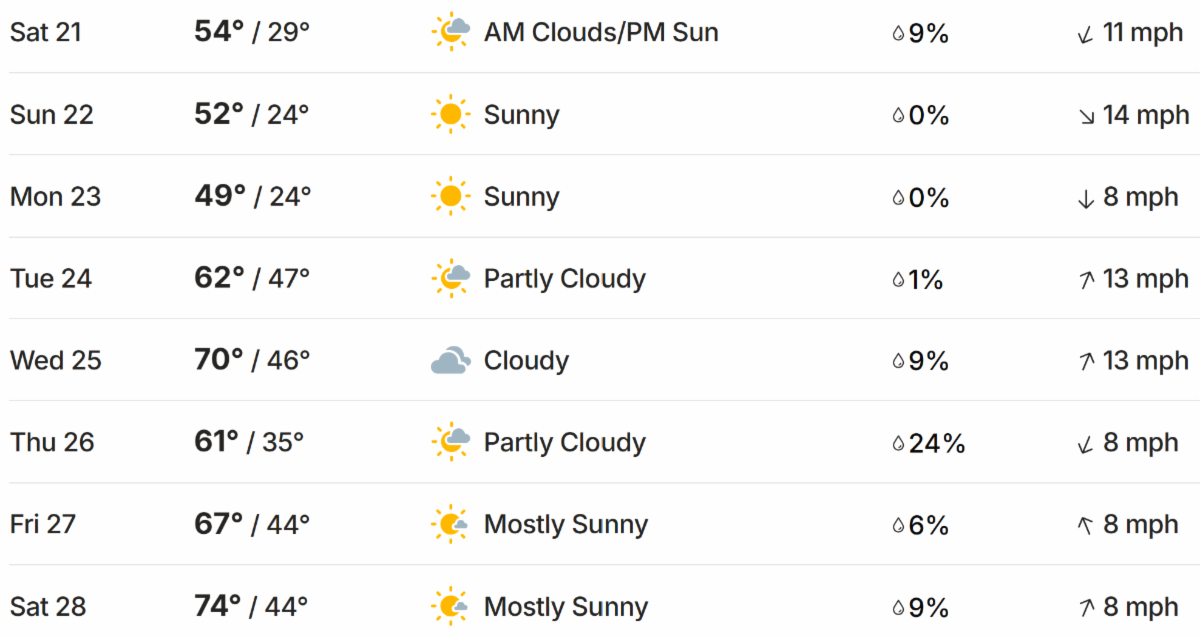
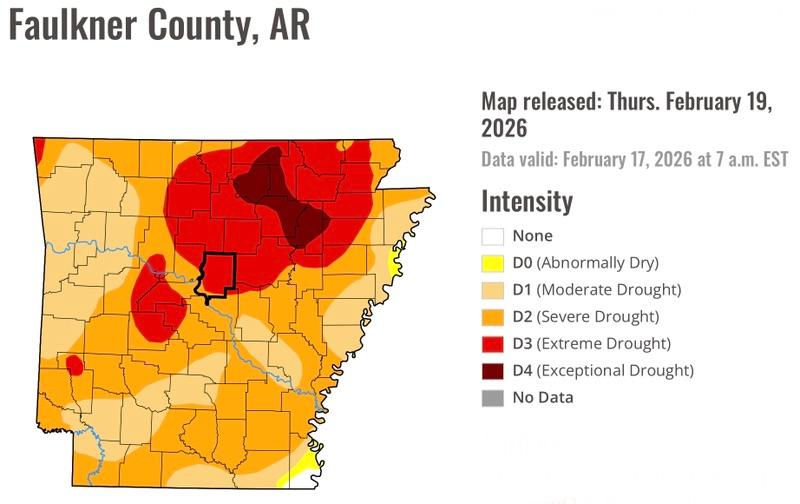
We finally got a good rain last Saturday. It looks like we got anywhere between 3 to 3.5 inches of rain over most of the county. Looking at this weeks drought monitor, most of the county is still in a D3 drought even with the recent rain. The only part of the county that moved into D2 is the southwest part of the county that got more rain. Winter isn't done with us just yet. Cold weather will come in this weekend and then we will warm up with another chance of rain later in the week.
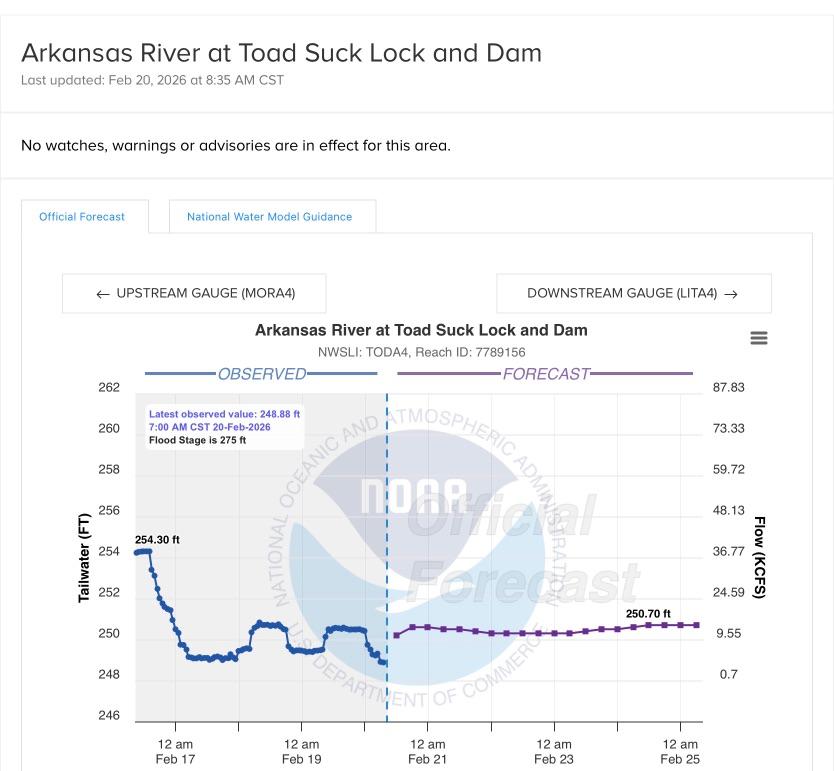
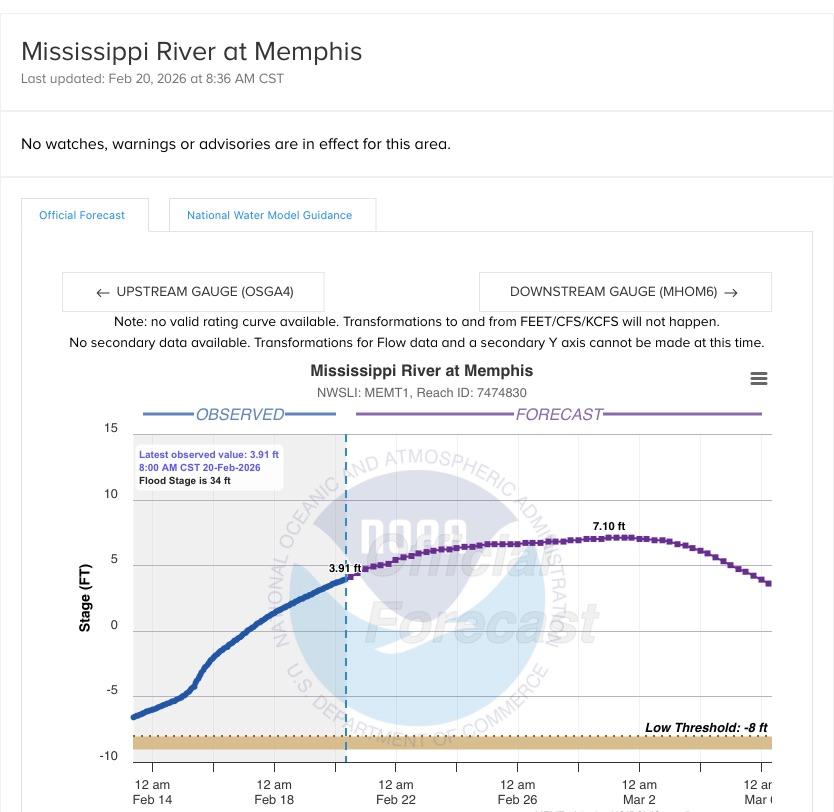
| | Arkansas and Mississippi River | | |
Wheat
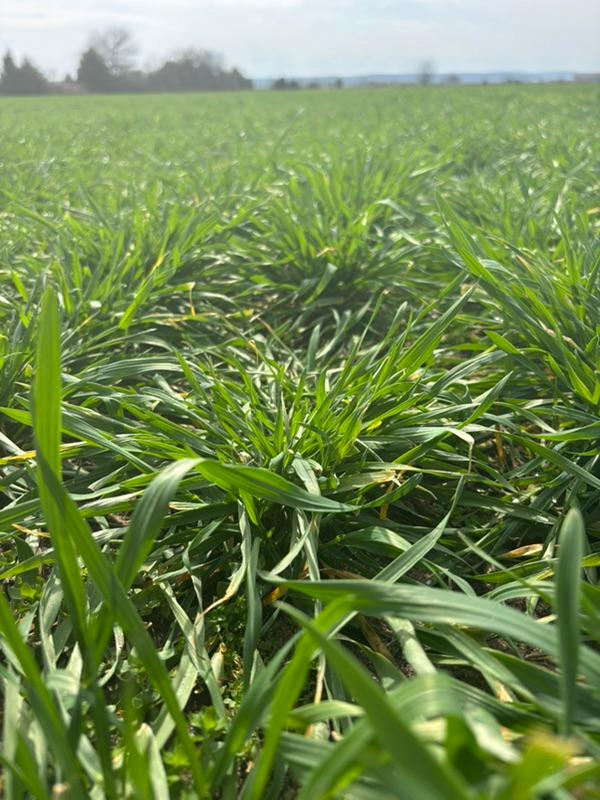
Wheat looks great across the county. This warm weather and fertilizer has it growing. There are varying sizes of wheat out there but it all looks good and I am feeling better about where we are for this time of year. I have noticed some wild garlic in a few fields. Harmony Extra is the best herbicide for wild garlic, but 2,4-D has some activity on them also. The wild garlic I have found is spotty, and you may can get by without treating, but if the delivery point smells any wild garlic in a sample that is another discount that we can't stand when selling wheat.
| | |
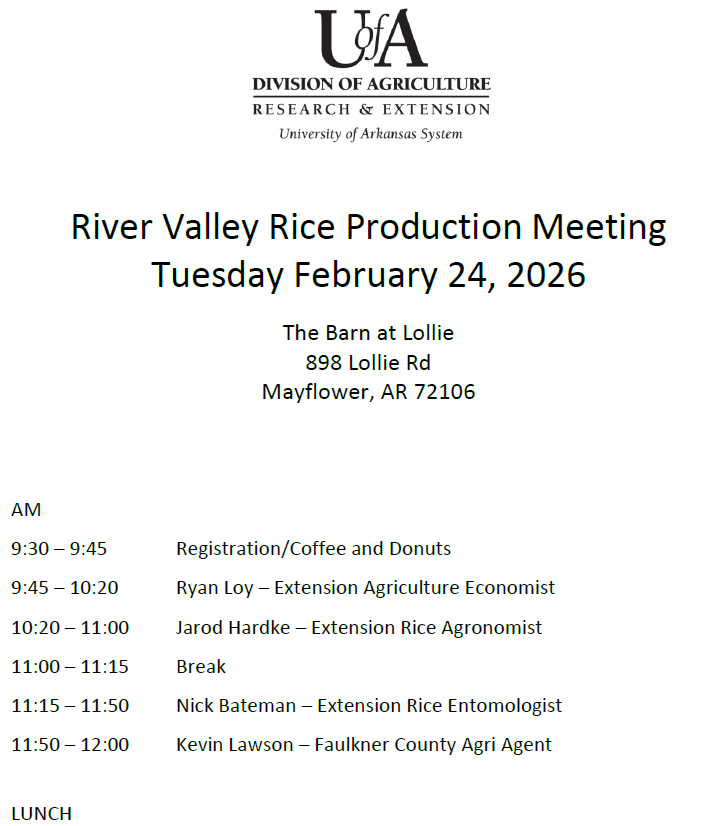
River Valley Rice Meeting
River Valley Rice Production Meeting coming up on February 24, 2026.
|
Updated Annual Soybean Publications Now Available
by Jeremy Ross - Extension Soybean Specialist
The 2025 Arkansas Soybean Update, 2025 Metribuzin Tolerance Testing of Soybeans and the 2026 Soybean Cross Reference Guide are now available. Below are a link to each publication.
2025 Arkansas Soybean Update
| 2025 Metribuzin Tolerance Testing of Soybean Varieties | 2026 Cross Reference Guide for Common Soybean Varieties | | |
Crop Enterprise Budgets
Below is a link to the 2026 Crop Enterprise Budgets. If anyone needs assistance with these budgets please let me know.
| |
Corn and Grain Sorghum Research Verification Program Report
By Chuck Capps, Corn and Grain Sorghum Verification Coordinator
The 2025 growing season was the twenty-sixth year for the Corn and Grain Sorghum Research Verification Program (CGSRVP). The CGSRVP is an interdisciplinary effort between growers, county Extension agents, Extension specialists, and researchers. The CGSRVP is an on-farm demonstration of all the research-based recommendations required to grow corn and grain sorghum profitably in Arkansas.
The specific objectives of the program are:
1. To verify research-based recommendations for profitable corn and grain sorghum production in all corn and grain sorghum-producing areas of Arkansas.
2. To develop a database for economic analysis of all aspects of corn and grain sorghum production.
3. To demonstrate that consistently high yields of corn and grain sorghum can be produced economically with the use of available technology and inputs.
4. To identify specific problems and opportunities in Arkansas corn and grain sorghum production for further investigation.
5. To promote timely implementation of cultural and management practices among corn and grain sorghum growers.
6. To provide training and assistance to county agents with limited expertise in corn and grain sorghum production.
Each CGSRVP field and cooperator was selected before planting. Cooperators agreed to pay production expenses, provide crop expense data for economic analysis, and implement the recommended production practices in a timely manner, from seedbed preparation through harvest. Ten growers enrolled in the CGSRVP in the spring of 2025, totaling 10 corn fields. The fields were located on commercial farms and ranged in size from 34 to 212 acres, with an average of 64 acres per field. No grain sorghum fields were included in the program in 2025 due to a lack of acres grown in the state.
The 2025 CGSRVP corn fields were in Arkansas, Cross, Drew, Jefferson, Lonoke, Mississippi, Monroe, Phillips, Poinsett, and Woodruff Counties. Management decisions were based on field history, soil test results, hybrids, and data collected from each field during the growing season.
The report can be found in the link below.
| | Beef, Small Ruminants, & Forages | | |
New World Screwworm Update: What Producers Should Know in 2026
Rosslyn Biggs, DVM, Oklahoma State University Extension Beef Cattle Specialist
New World screwworm (NWS), Cochliomyia hominivorax, was eradicated from the continental United States decades ago through a coordinated effort that pushed the pest into Central America, and for years a biological barrier was maintained in Panama. The fly resurfaced in southern Mexico in late 2024. While the U.S. remains free of an established NWS population, recent developments, including sterile fly release in Texas, expanded treatment options, and new infrastructure investments, highlight continued concern among animal health officials.
NWS larvae infest open wounds and feed on living tissue, causing pain, swelling, foul odor, and rapid tissue damage that can be fatal in less than two weeks if untreated. Female flies lay eggs in wounds, mucous membranes, and body openings. In cattle, risk is highest after branding, tagging, dehorning, castration, and at newborn navels, though even minor injuries can be targeted. Because females mate only once, control has relied on releasing sterile males to disrupt reproduction.
The sterile insect technique has historically been the hallmark of screwworm control and eradication. Sterile fly release has expanded into areas of northern Mexico and strategic locations up to 50 miles north into Texas. The goal is to create a preventive buffer zone inside the U.S., not just in Mexico, to intercept any flies that might move north. Movement controls have also been part of the response, and southern border ports between the U.S. and Mexico remain closed to live ruminants.
Treatment options for control and prevention have also expanded, including emergency approval for macrocyclic lactone products including Ivomec® (ivermectin) and Dectomax® (doramectin). ExZolt Cattle-CA1® (fluralaner) has also been conditionally approved as a topical solution for prevention and treatment. Use of these products in response protocols may occur under veterinary guidance and, in some cases, extra-label drug use provisions.
The opening of the sterile fly dispersal facility in Edinburg, Texas, in mid-February marked a major step forward. This facility will allow USDA to distribute millions of sterile male flies, strengthening the biological barrier designed to prevent establishment of the pest. USDA also announced plans for a domestic sterile fly production facility nearby. The production plant represents an investment of roughly $750 million and is expected to eventually produce up to 300 million sterile flies per week, reducing reliance on international production and significantly expanding preparedness and response capacity.
In parallel, the USDA NWS Grand Challenge was announced to provide up to $100 million in funding to support research, surveillance, and improved control tools aimed at preventing NWS.
Additional information about NWS may be found at the following websites:
All information is accurate as of February 13, 2026.
| | |
Should Corn be Used as an Energy Source for Cows?
Dana Zook, OSU Cooperative Extension NW Area Livestock Specialist
We have weathered our first shot of cold for the year and I hope everyone is holding up well. Over the last few weeks, there has been great deal of good information about feed and water needs of cows in cold weather. This week I wanted to touch on the use of corn as an energy source for cows in cold weather due to some recent inquiries from producers.
Although feeding corn in Oklahoma isn’t common, it still plays a big role in our nations beef industry. That being said, you don’t see a lot of information about feeding corn to mature beef cows. This is because most of our mature beef cows primarily graze or are fed a forage-based diet. In certain times of the year, forages become deficient in protein, but energy isn’t usually an issue. Corn, being an “energy feed” that is low in protein (84% TDN, 8-9% CP) doesn’t help our protein deficiency in a forage-based diet.
Given this, the recent cold weather has amplified the conversation about increased energy needs for cows. Because of its energy value, corn might be considered as an additional boost in cold weather, but it’s important to know how it can be specifically utilized. Corn is an entirely different feed option compared to our commercially pelleted and cubed supplements. These commercial supplements contain products such as wheat midds, distillers’ grains, and cottonseed meal and are pretty balanced in both energy (above 65% TDN) and protein (greater then 15% CP) while also being high in fiber. Comparatively, corn is a starchy feed low in protein (8-9%) and high in energy (84% TDN). Feeding too high a level of starchy grains can cause digestive upset (founder, acidosis, etc.) but it also wrecks the forage efficiency in cows on a forage-based diet. To avoid these complications, corn should be fed at low levels to cattle on forage-based diets. Producers should also make sure that protein needs are met in the forage portion of the diet (through a hay test or nutritional analysis). Limit total consumption of corn to 3-4 pounds per head when fed along with a good forage source (again, adequate in protein). Feeding this level of corn each day should have a minimal effect on forage efficiency and provide a good energy boost during cold winter weather. As always, producers should properly adapt cattle to any new feed, starting with a pound or two for a few days before increasing to the maximum level of 4 pounds a day. Corn isn’t a feed available to everyone nor is it appropriate in every situation, however it can be used strategically to keep our cows in good condition.
| | |
Faulkner County Cattlemen's Meeting
The February meeting of the Faulkner County Cattlemen's will be at Faulkner County Extension Office on February 26 at 6:30.
Sponsors are Diversified Ag Nutrition and TSA Financial and the program will be Deborah Bolin with the USDA Farm Service Agency with special guest Mayflower FFA.
Remember to bring your favorite dessert!
| | |
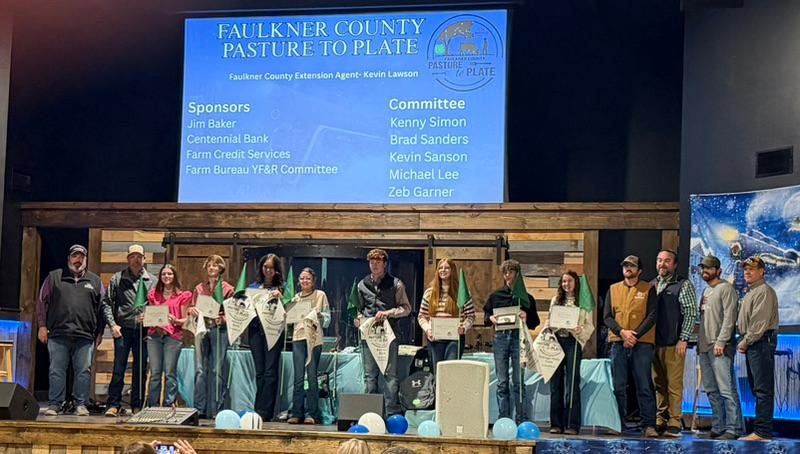
2026 Pasture to Plate Awards
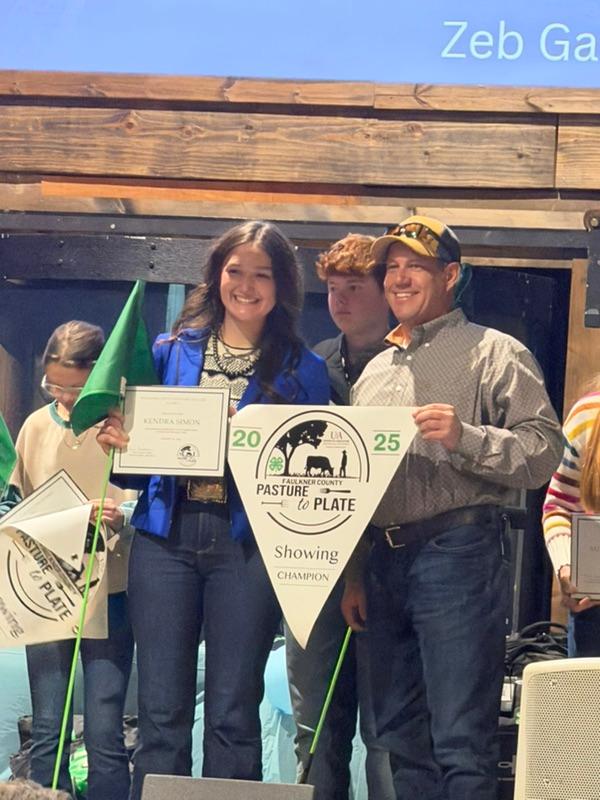
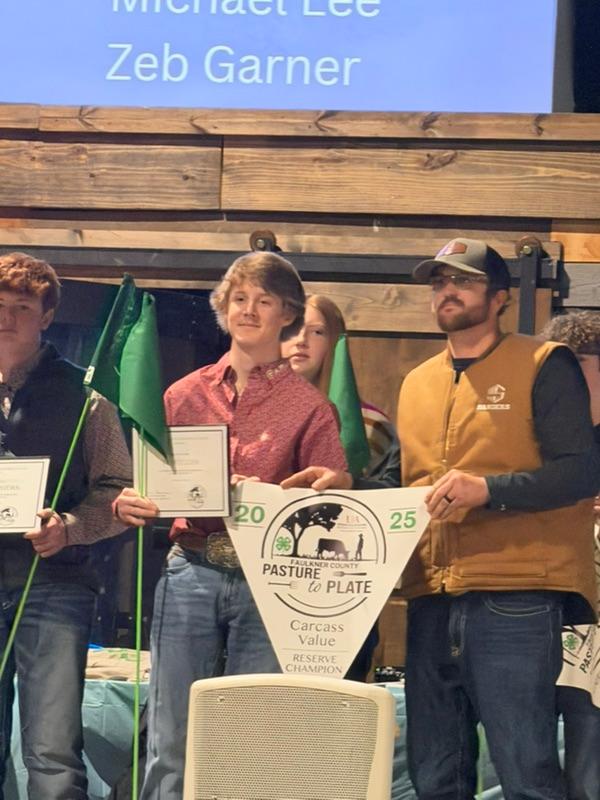
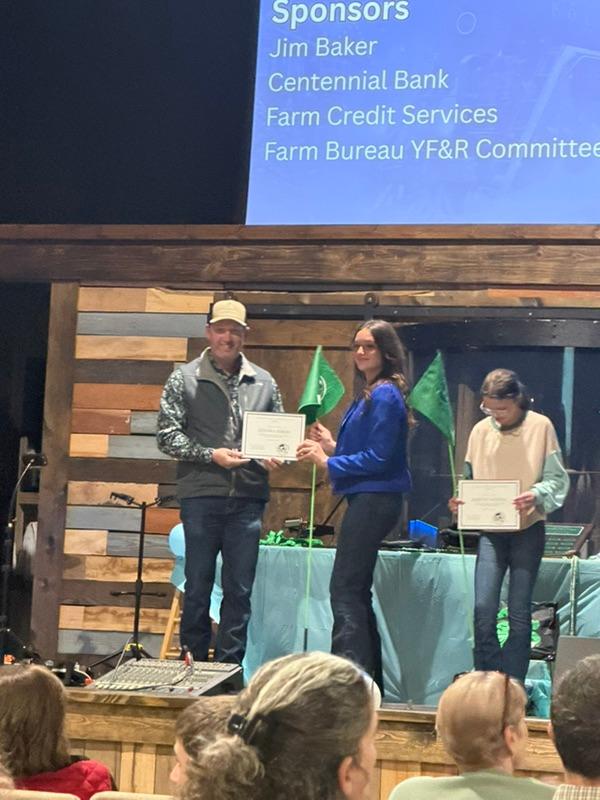
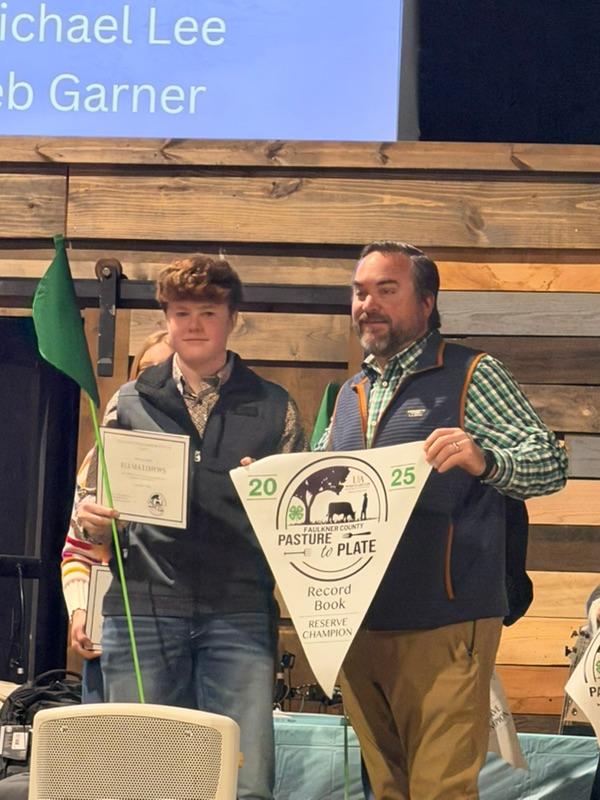
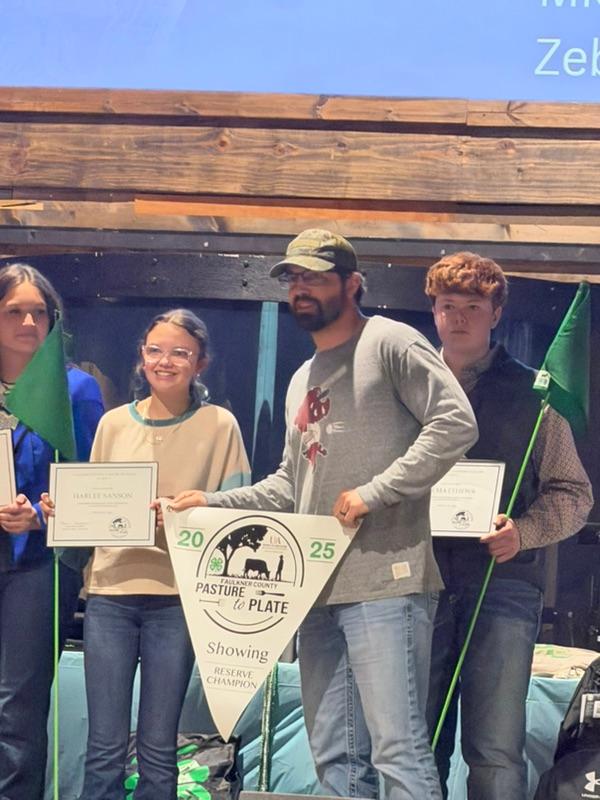
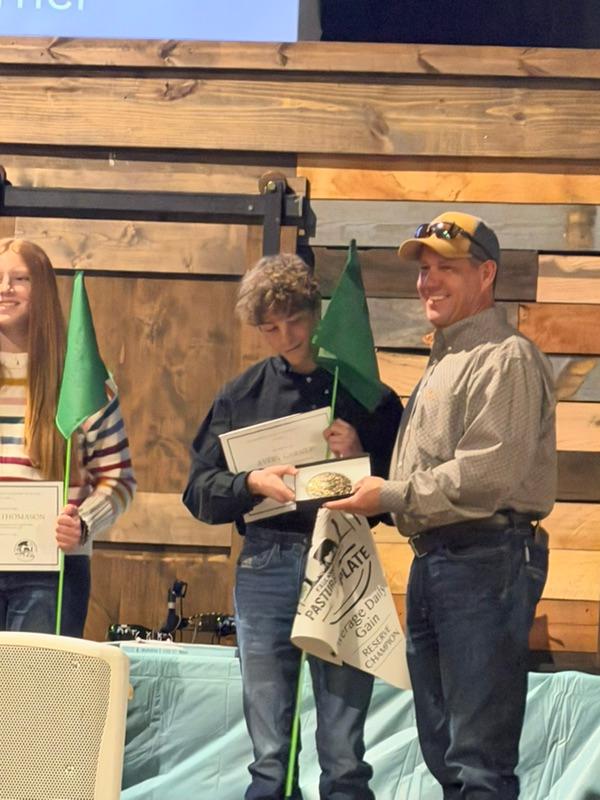
Friday February 13 was our annual Faulkner County 4-H Banquet and we were able to give out our 2025 4-H Pasture to Plate Awards. I had a great time in 2025 and really enjoyed handing out these awards to these deserving youth! That brings 2025 to an end as we continue on with 2026. Thank you to our sponsors:
Farm Bureau YF&R Committee
Jim Baker
Centinneal Bank
Farm Credit Services
2025 winners:
Grand Champion - Avery Garner
Reserve Grand Champion - Landree Hartness
Average Daily Gain Champion - Ella Sanson
Average Daily Gain Reserve - Avery Garner
Fair Show Champion - Kendra Simon
Fair Show Reserve - Harlee Sanson
Carcass Value Champion - Landree Hartness
Carcass Value Reserve - Ty Mullins
Record book Champion - Kendra Simon
Record book Reserve - Eli Matthews
| | |
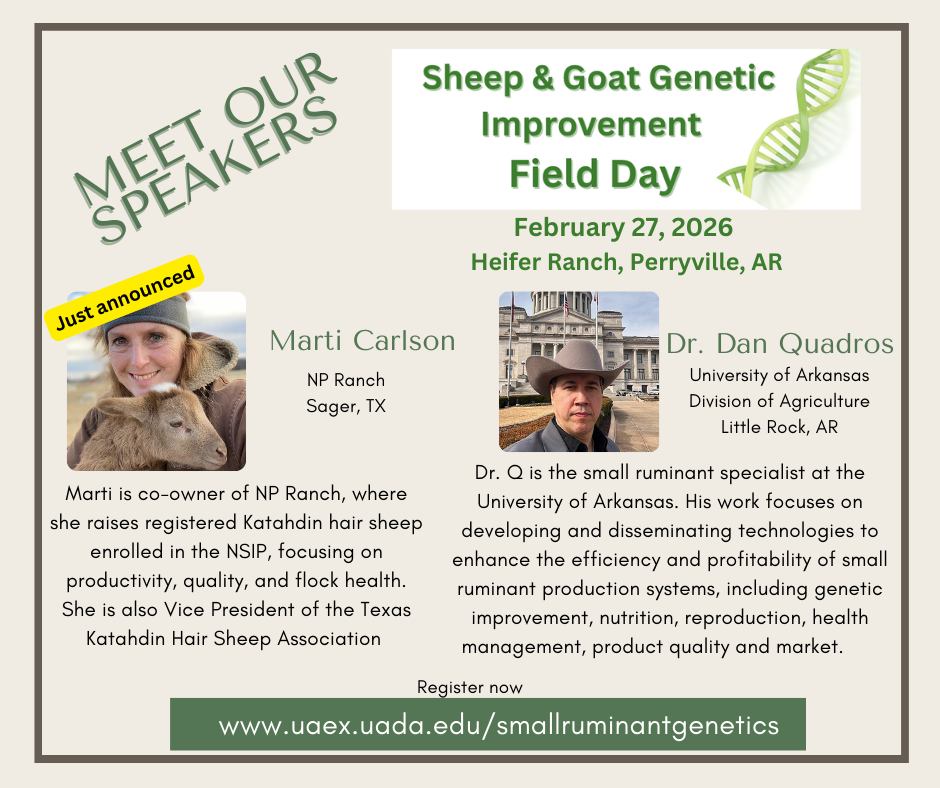
Sheep & Goat Genetic Improvement Field Day
by Dr. Dan Quadros
Registration is now open for the "Sheep & Goat Genetic Improvement Field Day" (www.uaex.uada.edu/smallruminantgenetics), one of the premier events of its kind that has ever taken place in the U.S. Don’t miss the opportunity to learn from top researchers, ask questions, develop networks, and participate in live demonstrations on how to put into practice the available technology to increase productivity and profit. It’s free of charge. It will be on February 27th (Friday) at Heifer Ranch (55 Heifer Rd, Perryville, Central Arkansas), from 9:30 am to 3:30 pm. Check the tentative agenda below. Lambing/kidding season will make things a bit complicated, I know, but it is a reschedule from a previous date, and we have a tight deadline established by the funding agency. So, plan in advance to attend it.
Sheep & Goat Genetic Improvement Field Day
Heifer Ranch, Perryville, Arkansas
9:30 am: Welcome, Christine Hernandez, Heifer Ranch; Blake Erbach and Dr. Dan Quadros, University of Arkansas Division of Agriculture; Dr. Jake Thorne, Texas A&M
9:45 am: Economic benefits of using rams/bucks with EBVs, Dr. Tom Murphy, USDA/ARS
10:30 am: Breakdown sessions I: Collecting and recording data
Parasites: FAMACHA system, Dr. Joan Burke, Sheep Management Solutions, LLC
Parasites: Collecting and submitting fecal samples, fecal egg counting methodology, body condition scoring, Dr. Dan Quadros, UADA
12:00 pm Lunch and learn: Implementing an on-farm genetic improvement program, Dr. James Morgan, Sheep Management Solutions, LLC
1:00 pm: Breakdown sessions II: Collecting and recording data
Growth performance: types of ID and RFID, number of lambs born/weaned, birth weight, weaning weight, postweaning weight and collecting tissue, Heifer Ranch; Texas A&M University; UofA
Buying rams with good genetics: visual assessment vs. EBVs, Dr. Joan Burke, Sheep Management Solutions, LLC
Using ultrasound for pregnancy check and carcass evaluation, Dr. Jake Thorne, Texas A&M AgriLife
2:30 pm: The future development of the NSIP, Dr. Tom Murphy, USDA/ARS and Dr. Jake Thorne, Texas A&M AgriLife
3:00 pm: Producer Panel: Using Estimated Breeding Values (EBVs) to improve economically important traits, TBA
3:30 pm: Adjourn
Optional, 3:30 p.m - 4:30 pm: One-on-one with experts: Learn more about the National Sheep Improvement Program (NSIP)
Dr. Tom Murphy, USDA/ARS
Dr. Joan Burke, Sheep Management Solutions, LLC
Dr. James Morgan, Sheep Management Solutions, LLC
Dr. Jake Thorne, Texas A&M AgriLife
| | |
Pesticide Applicator Trainings
In order to purchase restricted use pesticides (herbicides, insecticides, fungicides, etc) you must have a private applicators license. The license is good for 5 years.
To obtain a license you must first attend a certification training. Certification trainings are done in person by a County Extension Agent or you can go online and be certified. Below is a link to the online training.
In person trainings this year will all be at the Faulkner County Extension Office and will be on:
March 12 - 6:00 PM
April 30 - 2:00 PM
A certification training costs $20 and is due the day of the training.
Once a producer is certified, they will go through the Arkansas Department of Agriculture to obtain the license which is $45.
Please call the Extension office at 501-329-8344 to sign up for one of these dates.
If you have a question about your license, please follow the License Search and Verification link below to find your license.
| | |
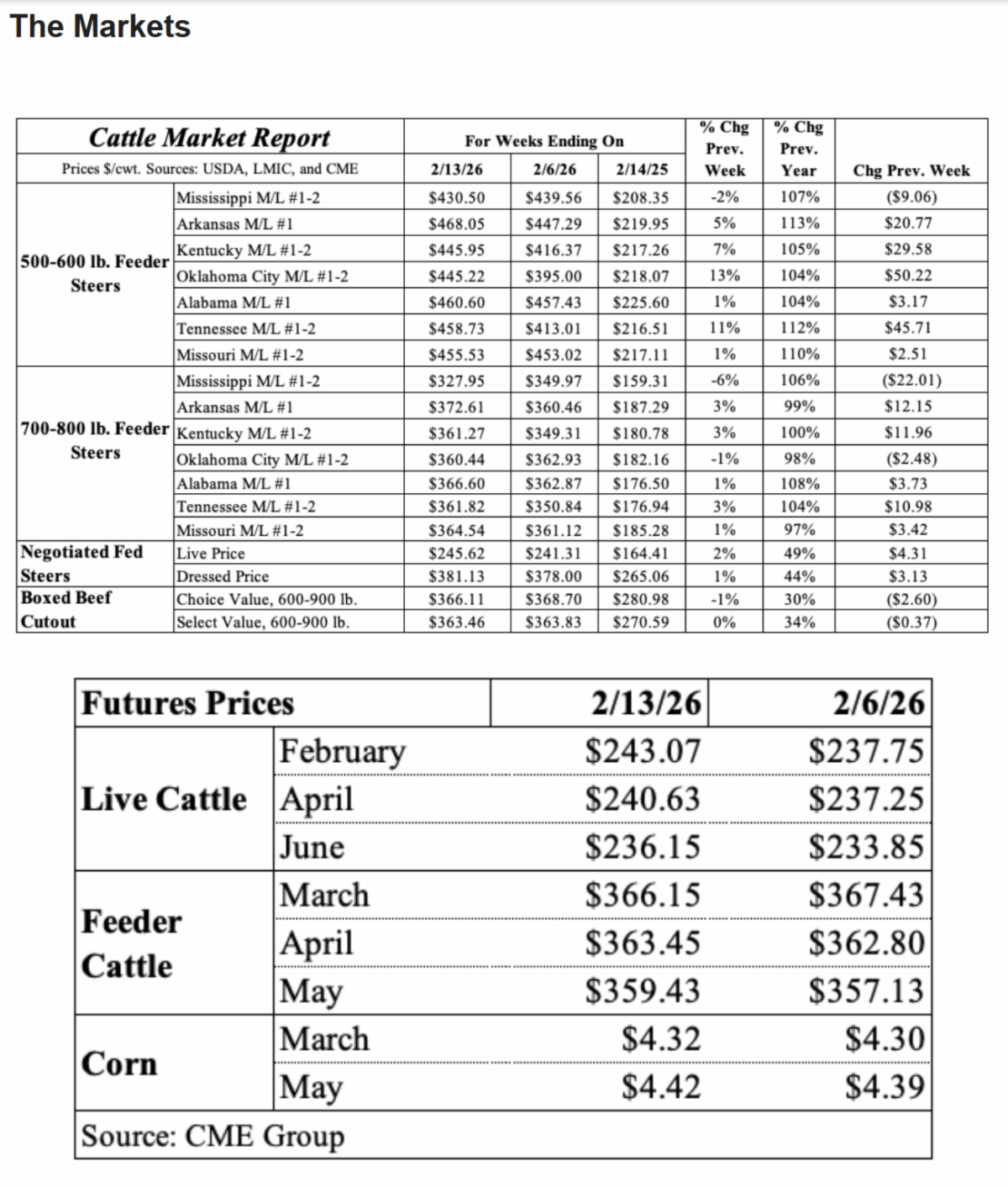
Livestock Market Report
The following links are for the weekly livestock market report from the Arkansas Department of Agriculture website and the Livestock Auction Dashboard from USDA. Both sites have marketing data for all livestock sold at Arkansas Sale Barns.
| | |
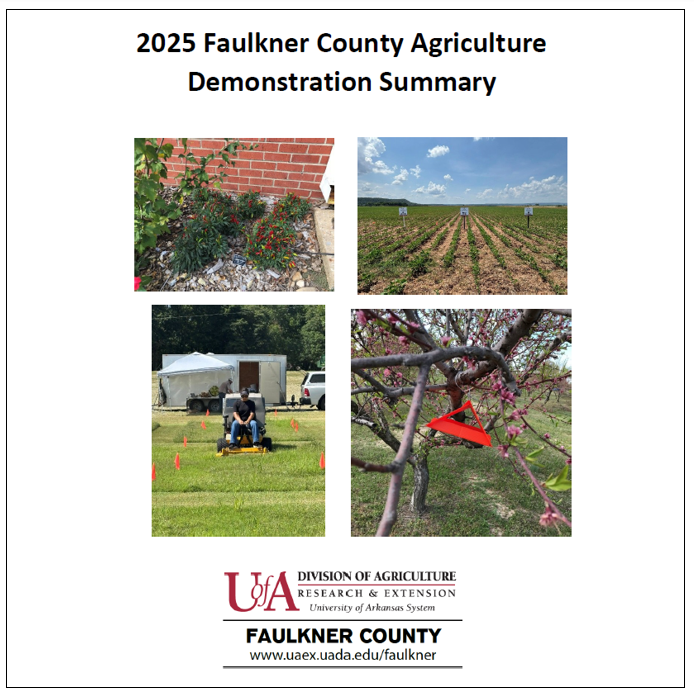
2025 Faulkner County Agriculture Demonstration Summary
The 2025 Faulkner County Agriculture Demonstration Summary is now available at the link below.
The 2025 Faulkner County Demonstration Summary is a collection of on-site demonstration results conducted in Faulkner County by local County Agents. Demonstrations are the cornerstone of the University of Arkansas System Division of Agriculture Cooperative Extension Service’s mission which is:
“We strengthen agriculture, communities, and families by connecting trusted research to the adoption of best practices.”
On-site demonstrations allow producers and homeowners to see firsthand how Extension recommended varieties and best management practices work in their counties and surrounding area.
| | |
Sign up for Text Alerts
You can now sign up for text alerts from me throughout the year. I have two areas you can sign up for which includes Faulkner Livestock or Faulkner Ag (Row Crop Updates). To sign up you can follow one of these links or use the QR Codes below.
| | Pursuant to 7 CFR § 15.3, the University of Arkansas System Division of Agriculture offers all its Extension and Research programs and services (including employment) without regard to race, color, sex, national origin, religion, age, disability, marital or veteran status, genetic information, sexual preference, pregnancy or any other legally protected status, and is an equal opportunity institution. | | | | |