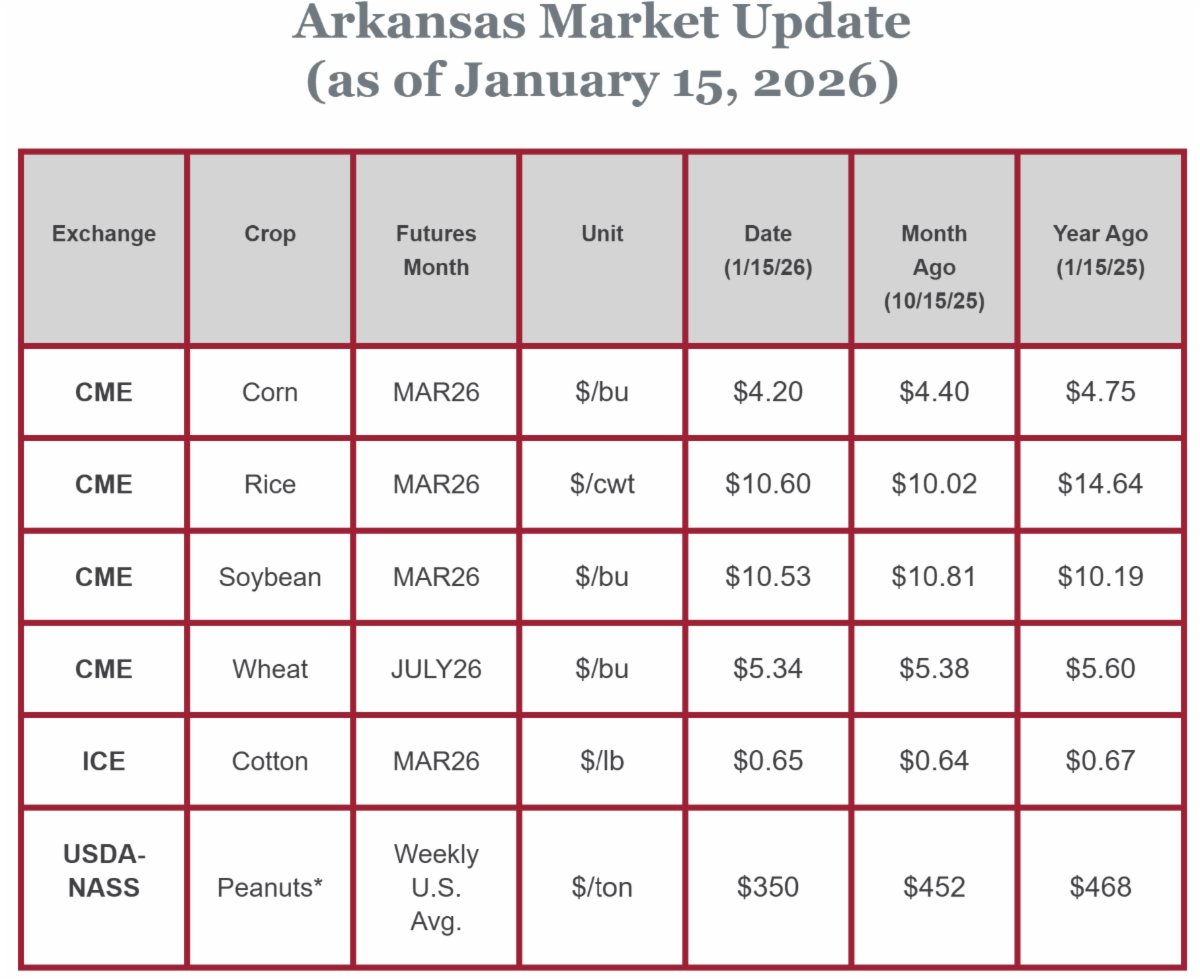
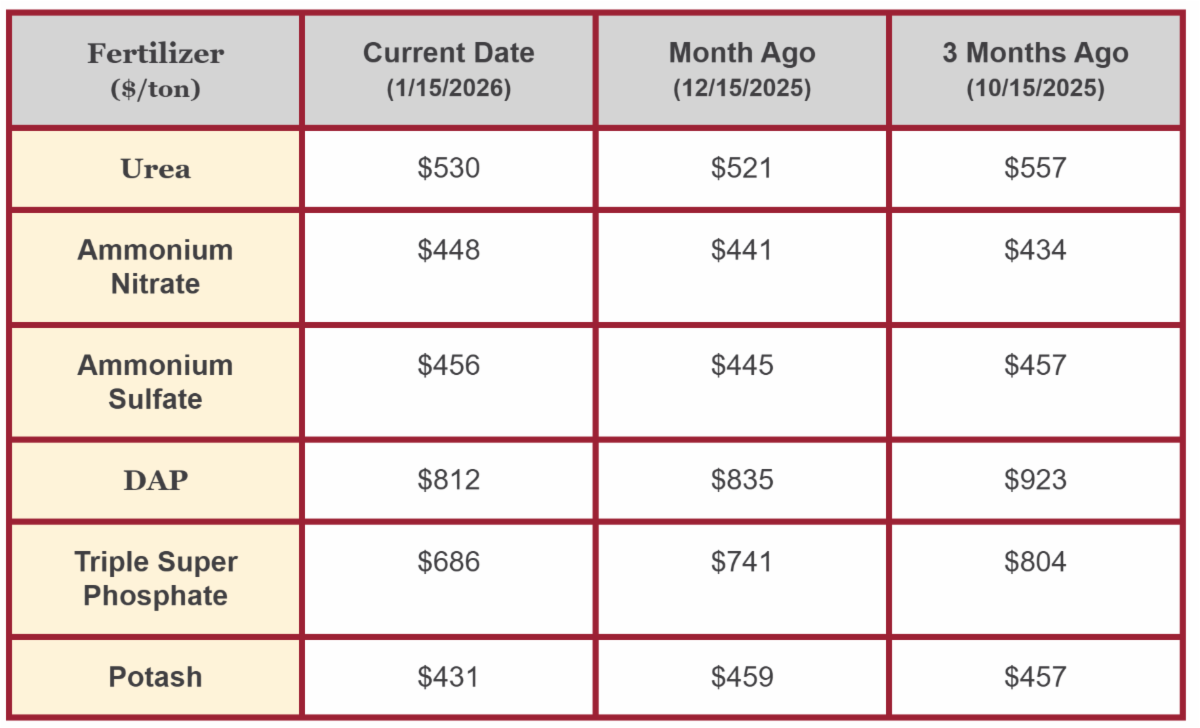
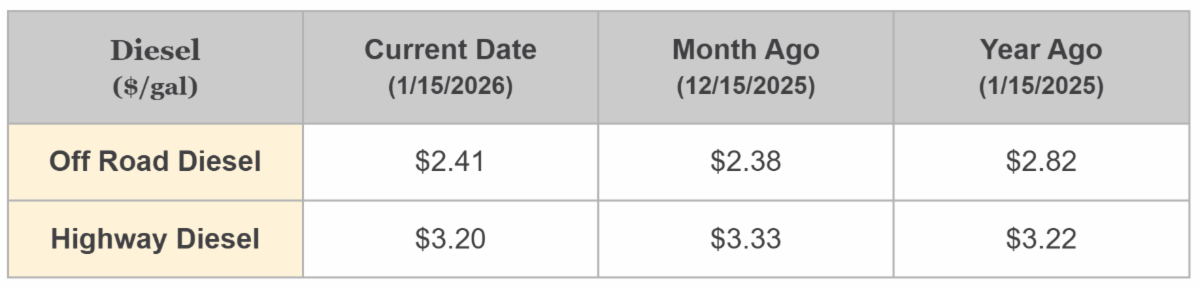
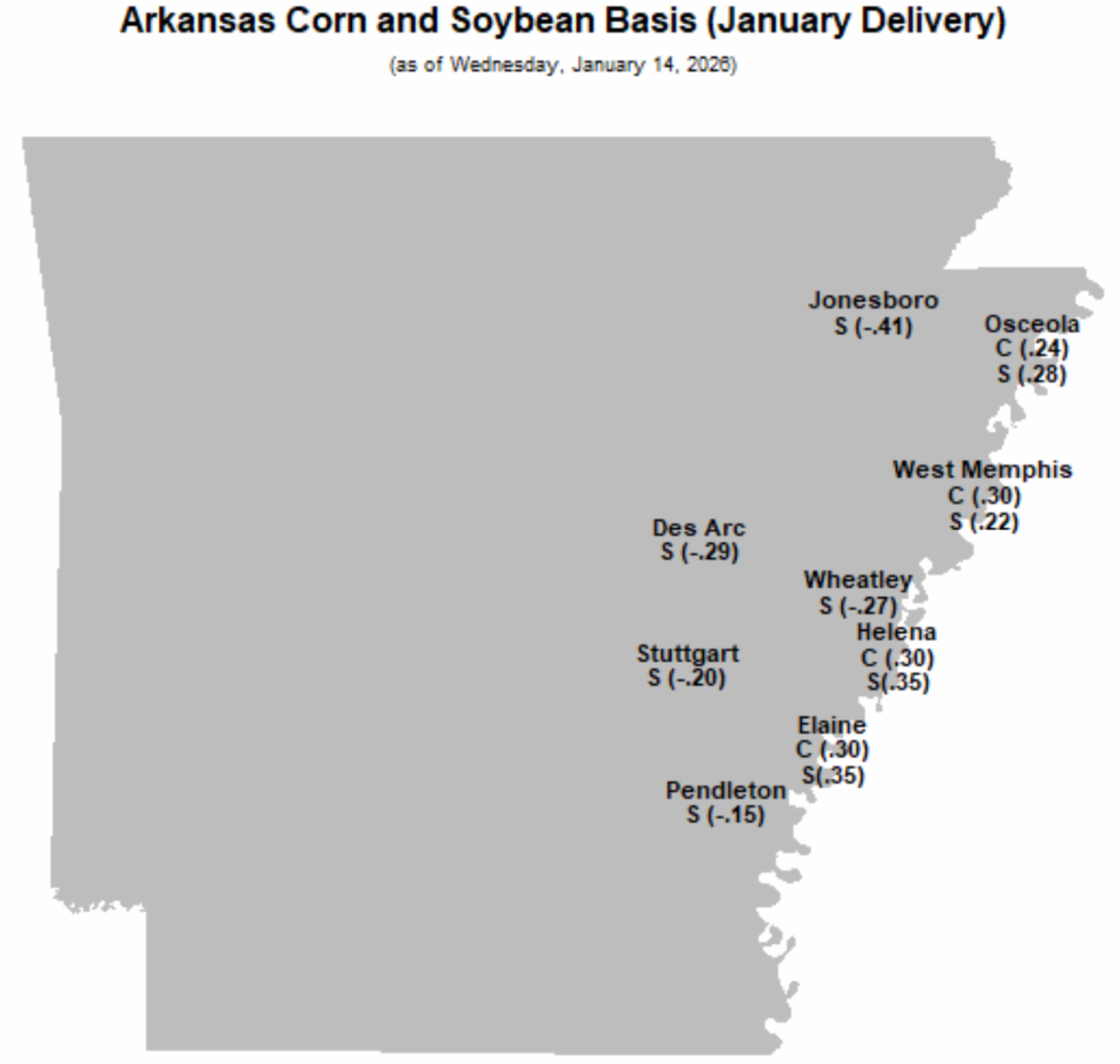
Faulkner County Agriculture Update
January 23, 2026
| | |
Burn Ban Lifted
After the rain we received Wednesday the County Judge lifted the burn ban. Still be cautious when burning.
| | |
Weather
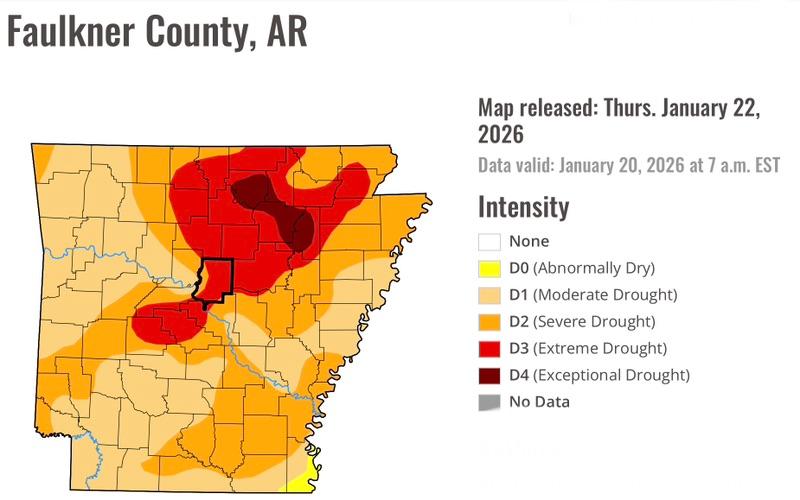
We finally received around a 1/2 inch of rain on Wednesday to help a little bit with the drought conditions. Even with that rain, the drought monitor update on Thursday showed Faulkner County to be in a D3 drought status.
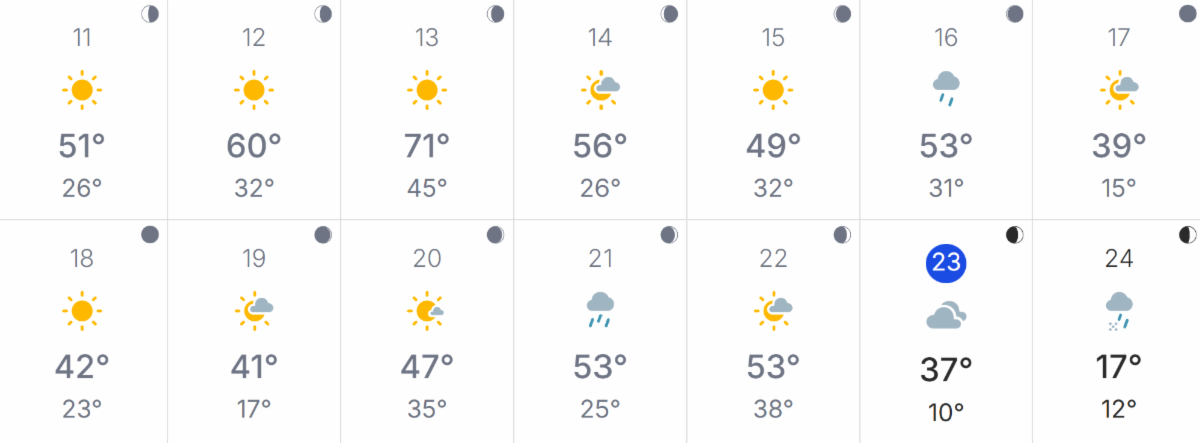
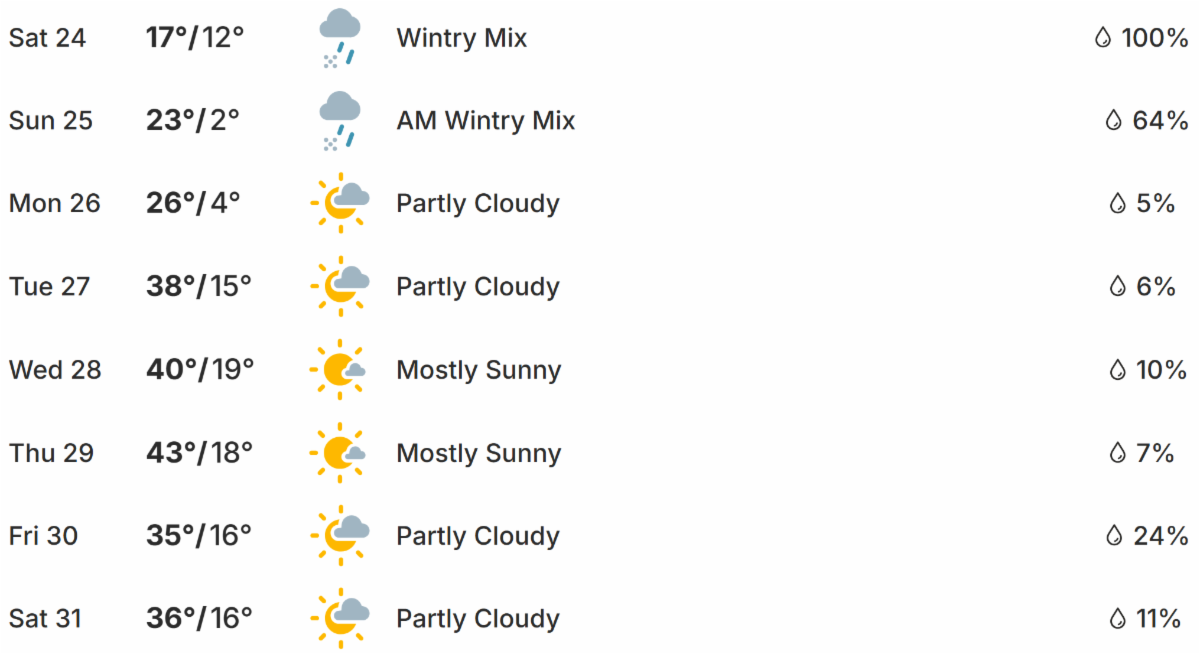
The big story right now is what will this weekend bring. Wintry weather along with frigid cold temperatures are forecasted for the weekend. This is going to cause many issues to water supplies and livestock. Please be careful, especially if anyone has to break ice on ponds. Ice is going to be thin and falling through could happen. There are many predictions about what we will receive this weekend, but the truth is we won't know for sure until it is over. Everyone stay safe!
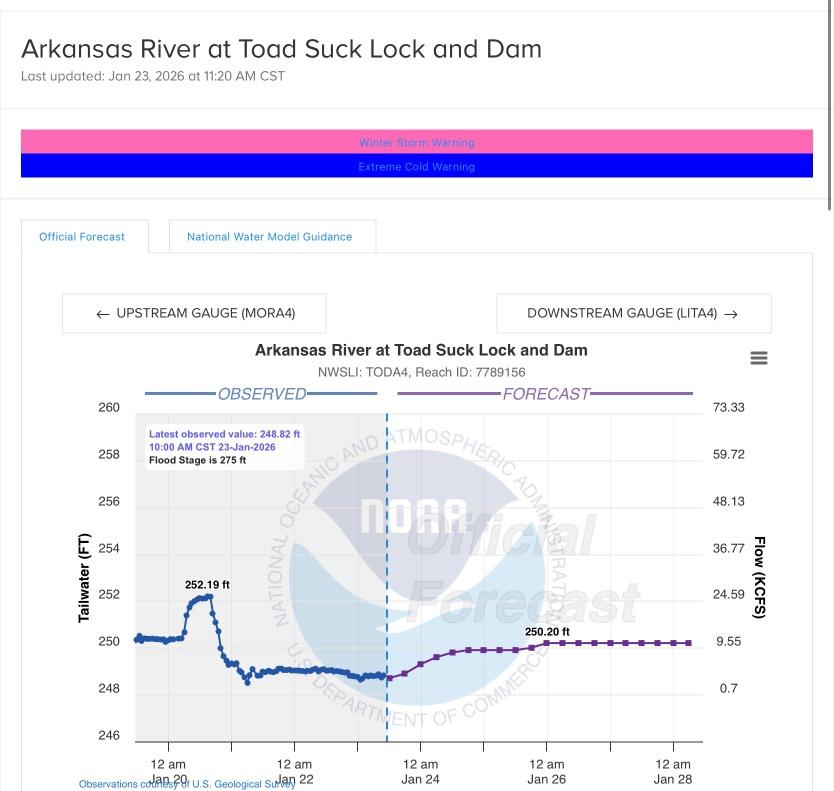
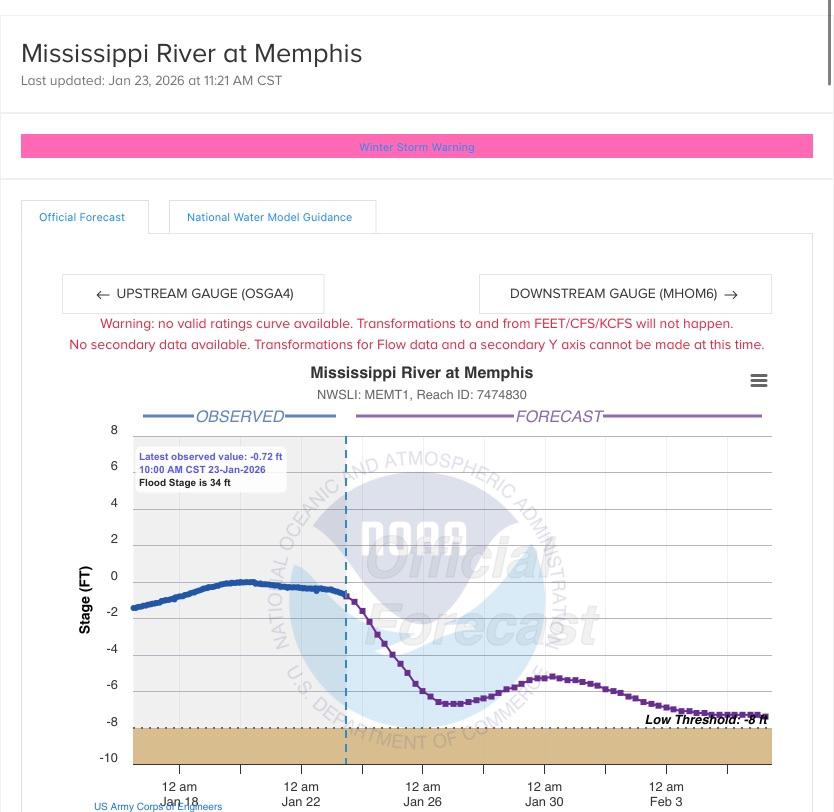
| | Arkansas and Mississippi River | | |
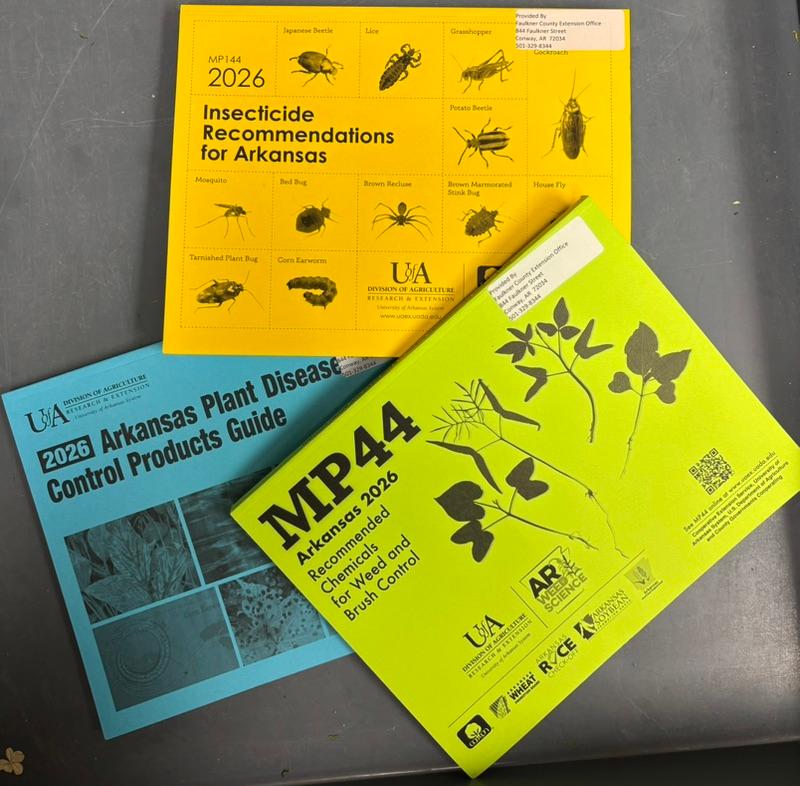
MP Pesticide Publications
The most widely used publications from the University of Arkansas System Division of Agriculture have been updated for 2026 with the latest research-based recommendations for managing weeds, disease and pests in row crop agriculture, as well as fruit, vegetable and garden production.
These publications are free and we have them at the office. Feel free to drop by and pick some up or let me know and I can get some to you.
| | |
River Valley Row Crop Meeting
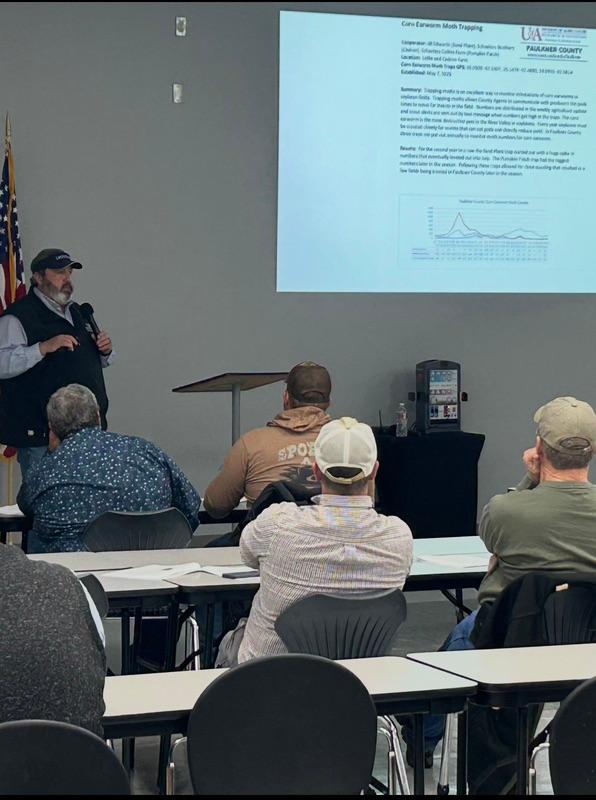
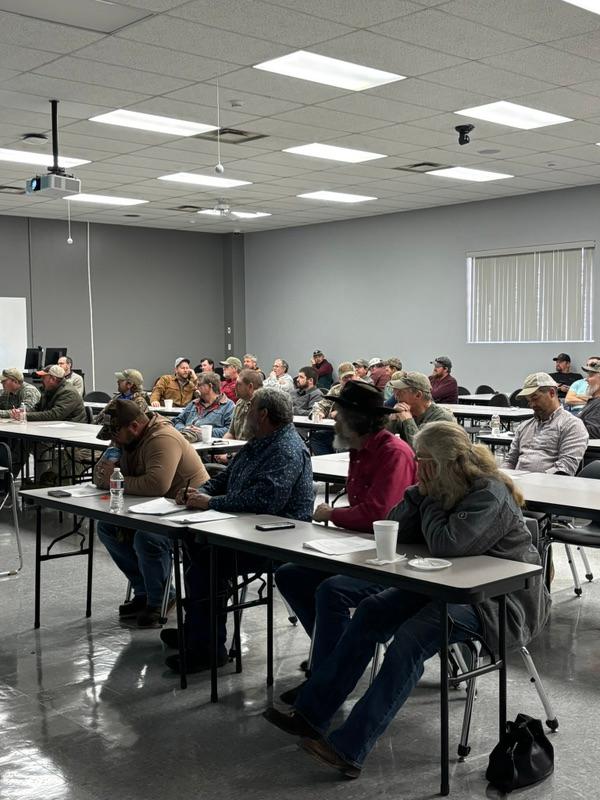
We had a great turnout for the River Valley Row Crop Meeting Thursday in Morrilton. The Conway County Extension Office has a very nice new meeting room that we got to use for the first time and it was an awesome meeting. Thank you to all our sponsors and speakers for supporting our River Valley Farmers. Big thank you to all of the farmers that came out. I know things still don't look the best for 2026, but hopefully you took away some information that can help.
| |
River Valley Rice Meeting
Our next meeting will be the River Valley Rice Meeting. It will be held at the Barn in Lollie on February 24. I am still working on the agenda and should have it ready next week.
|
2026 Arkansas Rice Meeting
The Arkansas Rice Council and Arkansas Rice Farmers will hold their annual joint meeting on Wednesday, Feb. 4 at the Northeast Arkansas Rice Research and Extension Center in Harrisburg. To see more information and register click the link below.
| | |
Crop Enterprise Budgets
Below is a link to the 2026 Crop Enterprise Budgets. If anyone needs assistance with these budgets please let me know.
| | |
How could insured farmers adjust to the Expanding Access to Risk Protection (EARP) rule from USDA?
Dr. Francis Tsiboe, Research Assistant Professor, Agricultural Risk and Policy Center at North Dakota State University
Dr. Hunter D. Biram, Assistant Professor and Extension Agricultural Economist, University of Arkansas
Prevented planting insurance, a component of the Federal Crop Insurance Program (FCIP), provides compensation when adverse weather conditions prevent farmers from planting insured crops. This protection is embedded within standard crop insurance policies and is directly linked to the elected coverage level: higher coverage levels mechanically translate into higher prevented planting payments.
Historically, farmers could purchase additional prevented planting protection through a “buy-up” option, which increased prevented planting payments without expanding exposure to other types of losses. This structure allowed early-season planting risk to be managed in a targeted manner while keeping overall FCIP risk largely confined to within-season production losses. That adjustment margin was eliminated by the U.S. Department of Agriculture’s Federal Crop Insurance Corporation (FCIC) through the Expanding Access to Risk Protection (EARP) final rule issued on November 28, 2025. Beginning with the 2027 commodity year, producers can no longer purchase prevented planting buy-up coverage. As a result, farmers seeking to maintain similar levels of protection must instead increase their overall insurance coverage. While higher coverage can raise prevented planting payments, it also increases premiums and broadens exposure to non-prevented planting losses, limiting farmers’ ability to target planting risk alone and requiring the FCIP to assume greater risk and higher costs across the entire policy for a given producer.
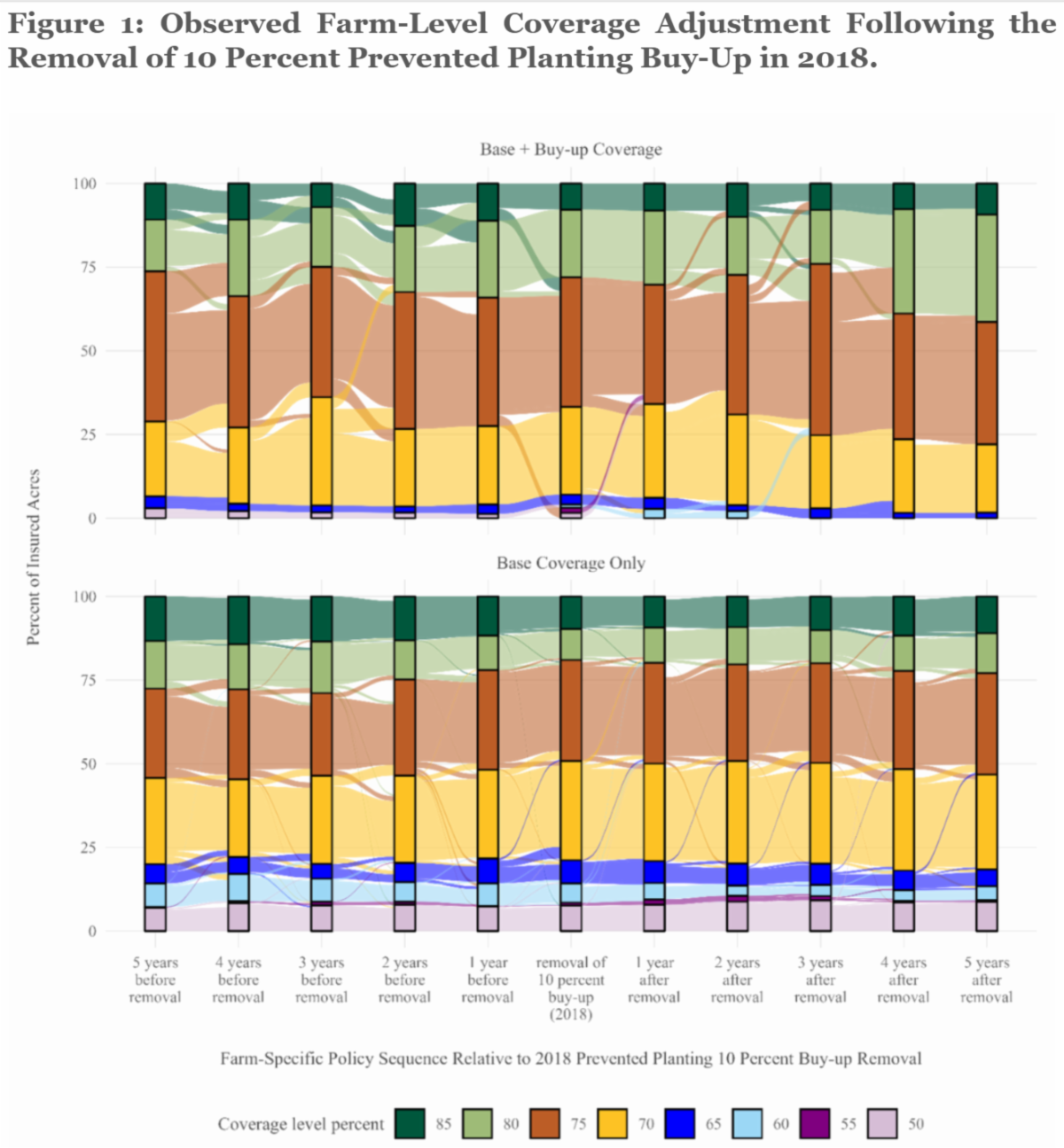
The earlier removal of the 10 percent prevented planting buy-up option in 2018 provides important context for how producers adjust when targeted prevented planting protection is no longer available. Evidence from a recent ARPC analysis (Tsiboe, 2026) shows that some farmers responded by gradually increasing their base coverage over time rather than making large or immediate changes, reflecting constraints related to higher premiums, program limits, and farm-specific conditions (Figure 1). Farmers who did not previously purchase buy-up coverage generally made little or no adjustment following the policy change. Even among former buy-up users, coverage increases were typically modest, as many producers were already insured near the maximum allowable coverage level, leaving limited room to offset the lost protection. Overall, this evidence suggests that eliminating prevented planting buy-up reduces producers’ flexibility, with coverage-based substitution offering only partial, uneven, and often more costly compensation for the loss of targeted planting risk protection.
| | |
Note: The horizontal axis does not represent calendar time or a balanced panel. Instead, it indexes the chronological order of observed coverage elections within each farm, normalized so that the year in which the buy-up option was removed is coded as zero. Earlier and later observations reflect the sequence of policy elections as they appear in the administrative record. The figure focuses on only the six major commodities (corn, soybeans, wheat, cotton, rice, and sorghum) by insured liabilities in the Federal Crop Insurance Program (FCIP)
Source: NDSU Agricultural Risk Policy Center (ARPC), using data from USDA, Risk Management Agency Summary of Business as of June 04, 2025.
| | Beef, Small Ruminants, & Forages | | |
Winter Weather
Winter weather is on the way this weekend. We aren't sure how much winter precipitation we will get, but we for sure will get some bitterly cold temperatures. Below is two articles from Oklahoma State with good information on getting beef cattle through this winter weather.
| | |
Winter is Finally Coming
Paul Beck, Oklahoma State University State Extension Beef Cattle Nutrition Specialist
We have had a great winter so far, with dry but warm weather making it easy for our cows out in the elements, but a winter storm is predicted in Oklahoma later this week. Cows need to get adjusted to cold temperatures over time and grow a thick winter haircoat to be acclimated before winter storms arrive, or they will suffer from cold stress and require extra care. Body condition of cows and their hair coat can play a large part in their tolerance to colder conditions. What do we need to do to get through this week’s arctic blast?
Consider the Cow.
Cows in good body condition, those with body condition scores of 5 to 6, with good thick winter hair coats have a lower critical temperature around 32° Fahrenheit. Thin cows with thin hair coat are at more risk to cold stress with lower critical temperatures of around 40° F, while cows with wet haircoat have lower critical temperature of 59° F. For each degree below the lower critical temperature energy requirements increase by 1%. With wind chills down to expected to get below 0° F, maintenance energy requirements will increase by up to 30 to 40%.
How much more feed?
Let’s use a 1,200-pound cow in good body condition that needs 2 pounds of supplemental 20% range cubes to meet her requirements in normal conditions as an example. When temperatures get down to 20°F her requirements increase by 12%, to meet the shortfall in energy she will require 3 pounds of additional cubes per day for a total of 5 pounds of cubes per day.
If we consider a thin cow with a thin hair coat, it gets to be more critical. She is already needing to gain body condition to increase her chances of rebreeding for the next calf crop so we should already be feeding around 4 pounds of cubes a day. Her lower critical temperature is 40° F so, when temperatures fall to 20°F her requirements increase by 20%. We will need to provide 7 additional pounds of supplement for a total of 11 pounds of supplemental feed daily. Feeding this much supplement is expensive and hard to manage.
Water is Still Important.
Northwest Area Livestock Specialist Dana Zook summarized the water needs for cows during cold weather in a previous article (https://extension.okstate.edu/programs/beef-extension/cow-calf-corner-the-newsletter-archives/2024/february-12-2024.html). Feed intake is tied to water consumption. Access to clean fresh water is always essential. Water is essential to feed digestion. Limiting water decreases passage rate of feeds which will in turn compromise feed intake, making it very hard for cows to maintain weight. Another factor that affects water needs is the stage of production. The need for water increases with the demands of production. For example, lactating cows require more water than dry pregnant cows. Dehydration is an added stress and cows deal with winter stress better when we ensure they have adequate water.
Other Considerations.
This week's arctic blast can create significant dangers for animal health and production. OSU Extension cold-weather recommendations include:
- Make sure cattle have access to as much hay as they want to eat. Ruminal fermentation helps keep the animals warm.
- If increasing concentrate supplementation rates to help offset energy deficiencies it is best to provide feed concentrate supplements every day.
- Provide a windbreak to lower the animal’s cold stress.
- Unrolling low-quality hay as bedding will provide some relief from the extreme temperatures.
| | |
Hypothermia in Calves
Mark Z. Johnson, Oklahoma State University Extension Beef Cattle Breeding Specialist
Hypothermia (lower than normal body temperature), is one of the major causes of death in newborn calves. With a significant winter storm on the way to Oklahoma this article addresses how to identify, prevent and manage cold stress in baby calves. Moderate environmental temperatures aren’t typically a problem for calves produced by cows with adequate milk/colostrum supply that are in good condition (Body Condition score of 5.5 – 6). Calves from cows that have had good nutrition during the last trimester of pregnancy have a layer of brown fat that serves as a rapidly mobilized energy reserve to make them vigorous at birth and quick to get up and nurse. On the other hand, calves from thin cows may not have the energy needed and are more susceptible to hypothermia. Wet and cold weather (below 50 degrees F) accompanied by wind will take a toll on calves especially if the calving process takes longer than normal. Dystocia (calving difficulty), increases the amount of time a calf will take to stand and nurse, which increases the potential of hypothermia. Calves maintain body temperature by converting food into body heat. Calves need to stand and nurse an adequate amount of colostrum as soon as possible after birth. If there is any question as to whether a calf has ingested an adequate amount, use a tube feeder or bottle to administer warm, high fat (up to 10%) colostrum. A practical rule-of-thumb is to feed 5% to 6% of the calf's body weight within the first four hours and repeat the feeding when the calf is about 12 hours old. For an 80-pound calf, this will equate to about 2 quarts of colostrum per feeding. Calves that nurse or are given colostrum within the first two to four hours after birth fare much better throughout their entire lives.
There are several ways to assist a hypothermic calf, the first step is knowing when to help. Normal rectal temperature of a newborn calf is 101.5 – 102.5 degrees F. A thermometer will help to know if a calf is at risk. If the temperature drops below 101 degrees F, help may be needed. Place a finger in the mouth to check for a suckling reflex. The mouth of a healthy calf will be warm and moist and the calf will attempt to chew or suck your finger. Lack of a suckling reflex is a definite sign that you are dealing with a cold stressed calf that needs assistance. When calves are cold, the body responds in two ways: shivering and diverting blood flow to their inner core. Shivering is an involuntary reflex that increases heat produced by the muscle, but it requires energy. Excessive shivering, erratic behavior, confusion and clumsy movement are all signs of hypothermia. Mild hypothermia is a calf temperature below 100 degrees F. Severe hypothermia, when internal organs start to cool is below 94 degrees F.
When rewarming a calf is necessary, there are two routes: internal and external. Administering colostrum should be the first step to warm the calf internally. Warm (100 – 102 degrees F), high quality colostrum is vital as it provides fat and energy that will be burned for internal heat. In some cases, administering colostrum or milk replacer may need to be repeated. Externally, the following steps should be followed to treat and prevent hypothermia in at risk calves.
- Dry calves immediately, remove all wetness with towels or a blow dryer.
- Warm externally, use heat lamps, the floor board of your farm truck, a "hot box," or a warm water bath (around 100°F, gradually increasing). Remove heat source when calf’s temperature is up to 99 degrees F and monitor to ensure they are able to maintain their temperature.
- Get calves off the cold ground, place calves on pallets or blankets to prevent heat loss.
- Get calves to a warm, dry, sheltered area like a barn, garage or shop.
| | |
Lice on Cattle
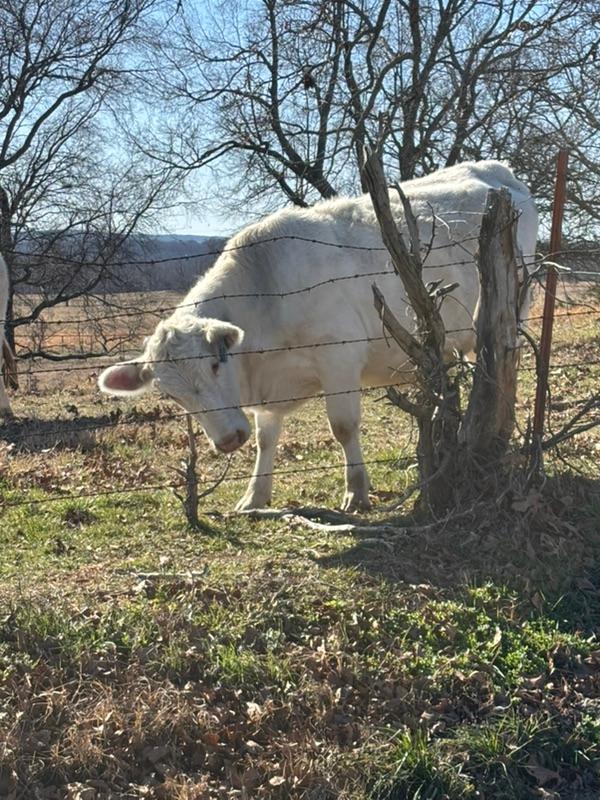
As I was driving around the county last week I noticed a herd of cattle by the road and one of the cows was rubbing her neck on a guide wire of a power pole. I instantly knew that heard had a lice problem. I turned around to take a picture and the one cow of course would just look at me so I couldn't get a good picture, but the cow in the picture here was scratching on a stick, so I got a picture of her instead.
Winter is lice time, so check cattle for scratching. You may notice patches of hair gone around the neck area and that is a good indication of lice. There are several pour-ons that you can use and even some shots that work. Look in the MP144 (now available at the office) for a list of products.
| | |
Faulkner County Cattlemen's Meeting
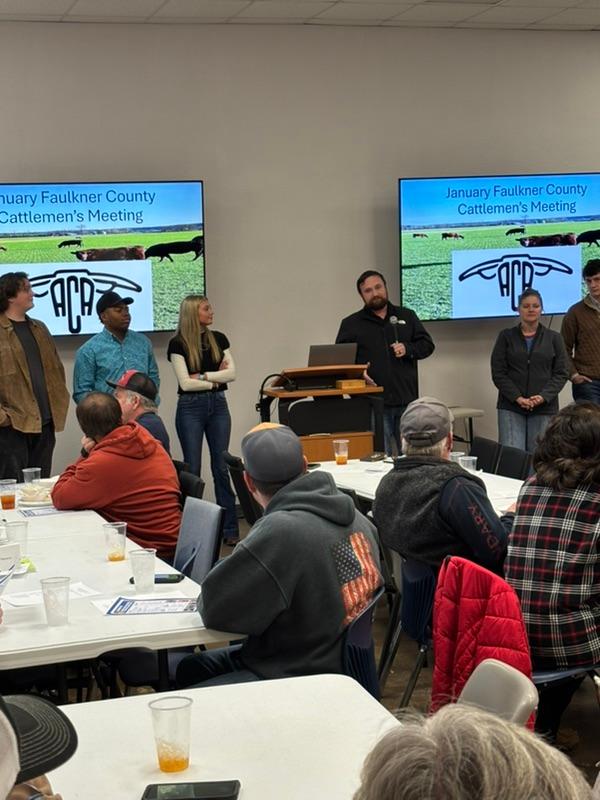
The Faulkner County Cattlemen's met at the Faulkner County Extension Office on Thursday January 22. It was a great meeting with good food, good program, and good fellowship. The sponsors presented updates on liming, fertilizing and hay equipment. Conway FFA members were in attendance and each of them went over their projects and highlighted what the loved about being in FFA.
The next meeting of the Faulkner County Cattlemen's will be February 26, 2026 at the Faulkner County Extension Office starting at 6:30.
| | |
River Valley Beef Meeting
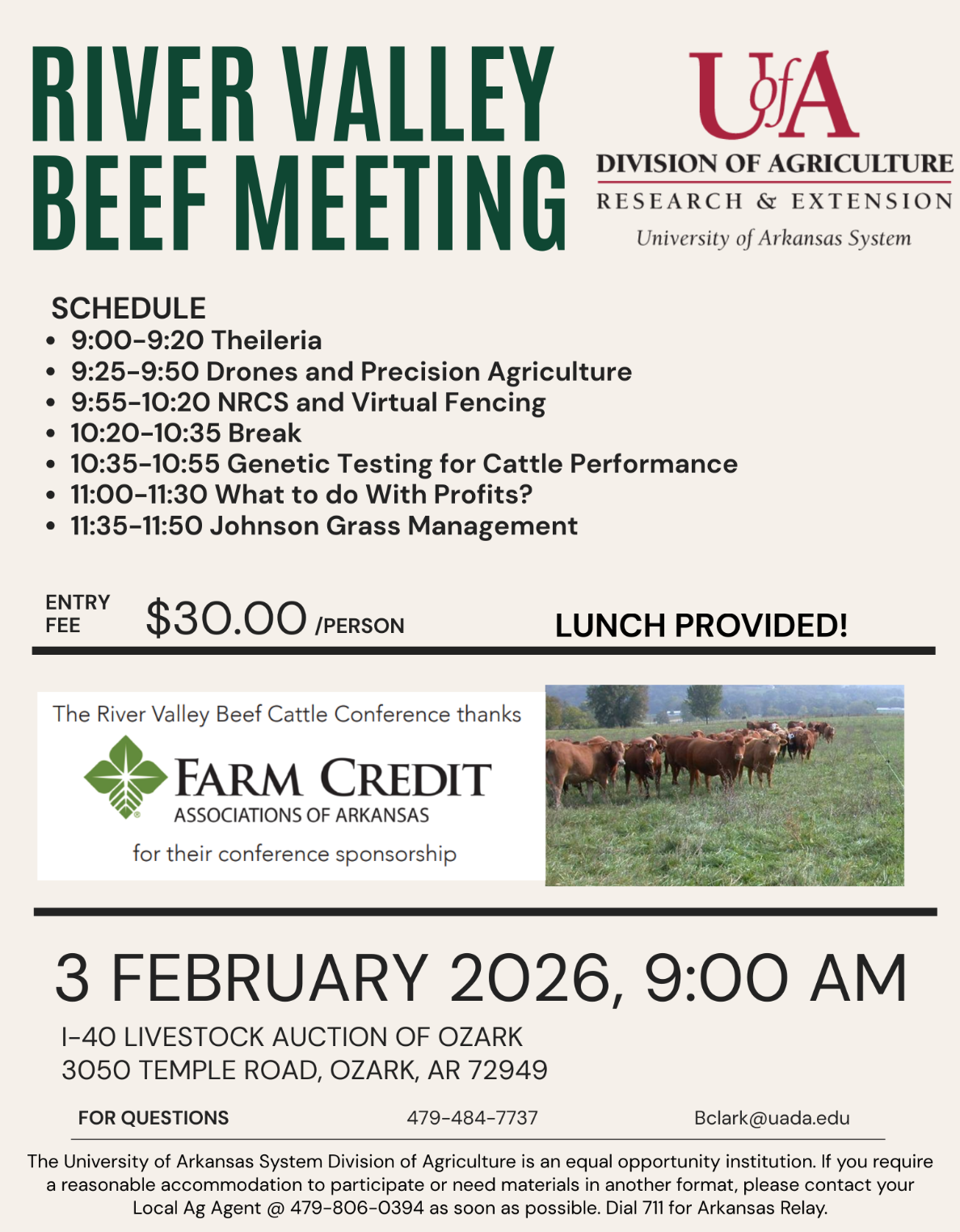
The Arkansas River Valley Beef Meeting will be February 3, 2026 at the I-40 Livestock Auction at 3050 Temple Rd, Ozark, Arkansas 72949. The meeting will start at 9:00 and go to 12:00 and end with a steak lunch. Registration this year is $30. Thanks to Farm Credit Services of Western Arkansas for sponsoring.
| | |
Backyard Poultry Seminar
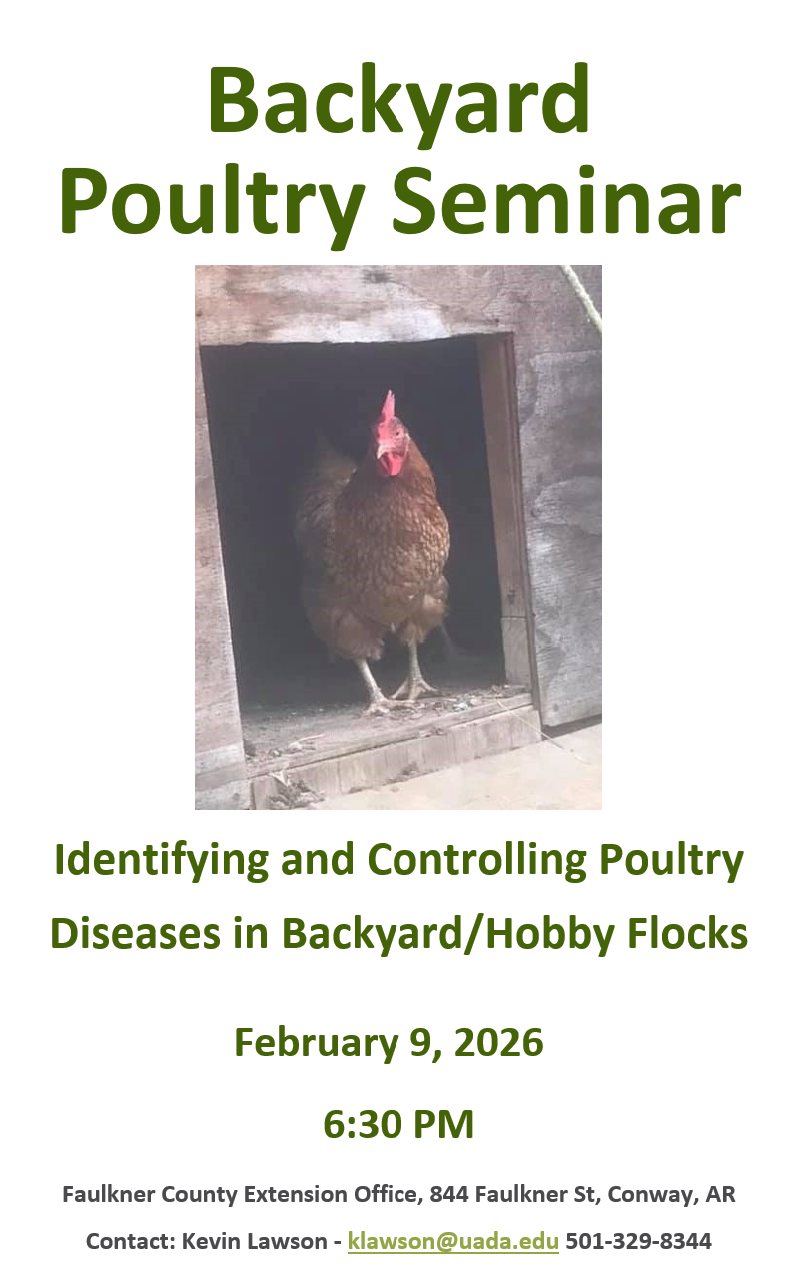
There has been a confirmed case of Avian Influenza in Faulkner County. With this recent outbreak of Avian Influenza, we have decided to have a seminar here at the Extension office. Dr. Dustin Clark will be here to speak on "Identifying and Controlling Poultry Diseases in Backyard/Hobby Flocks".
The meeting will be at the Extension Office at 844 Faulkner Street, Conway on February 9th starting at 6:30 pm.
| | |
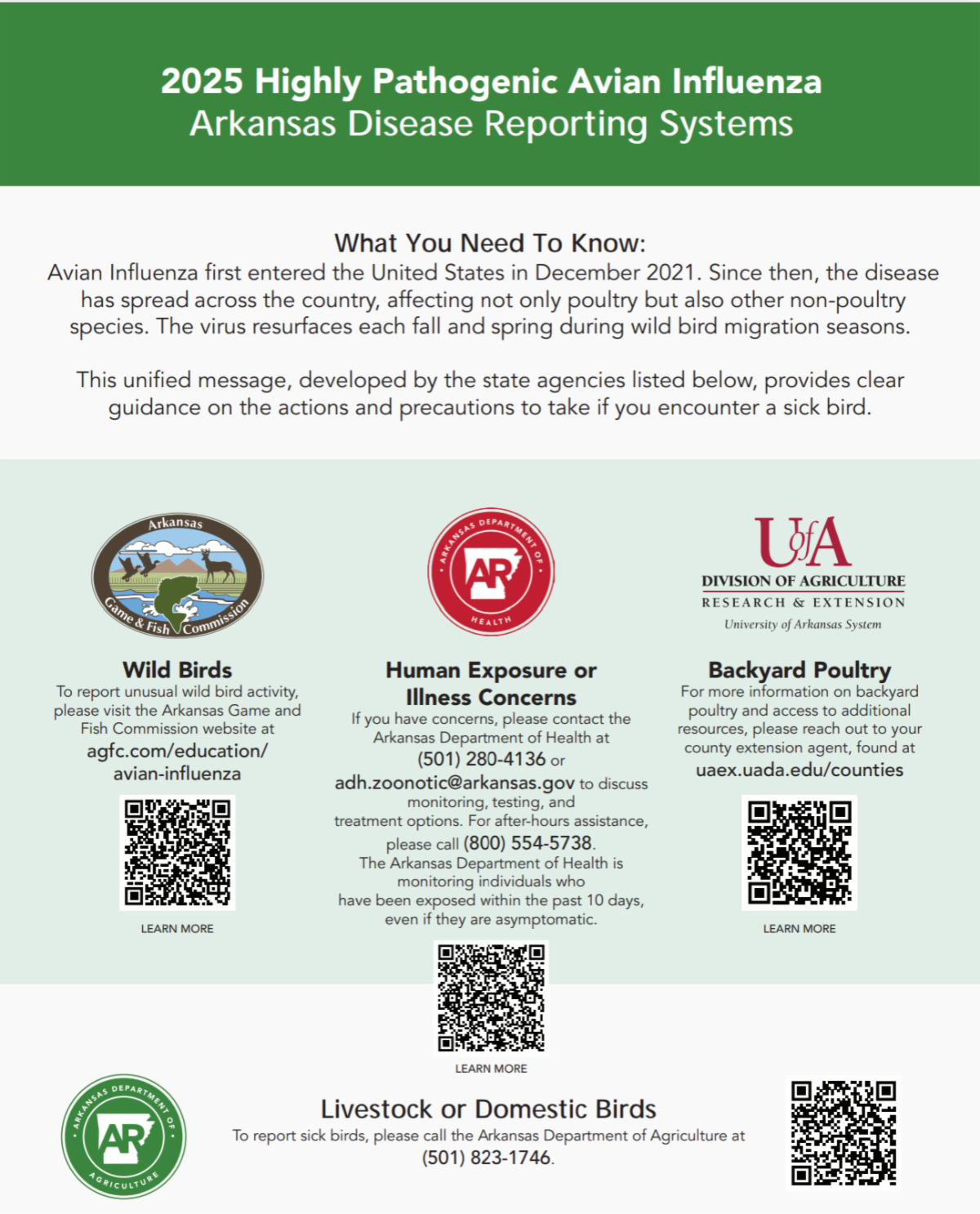
Where to Report Sick Birds
If you happen to see sick birds (wild or domesticated) in the county, depending on where you see them will depend on who to contact. The following flyer gives you a guide on who to contact if you see sick birds.
| | |
Quarterly Sheep Success Series 2026
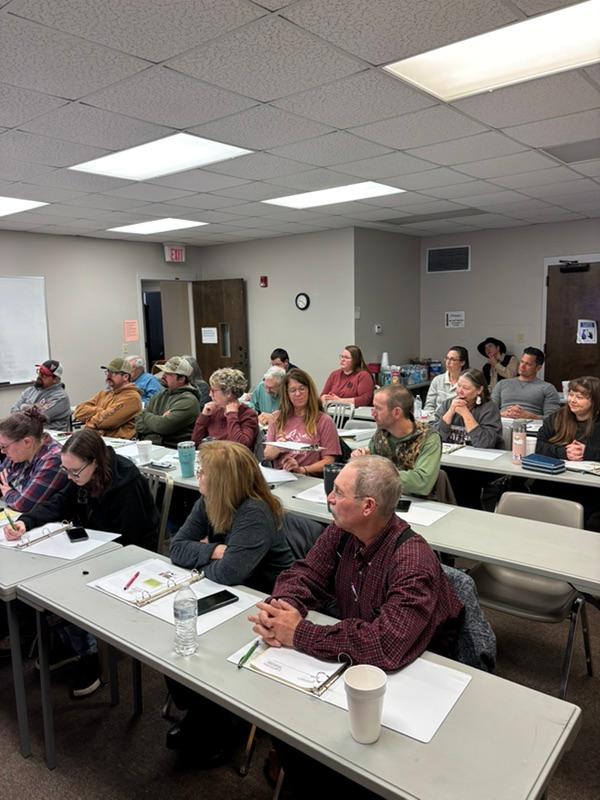
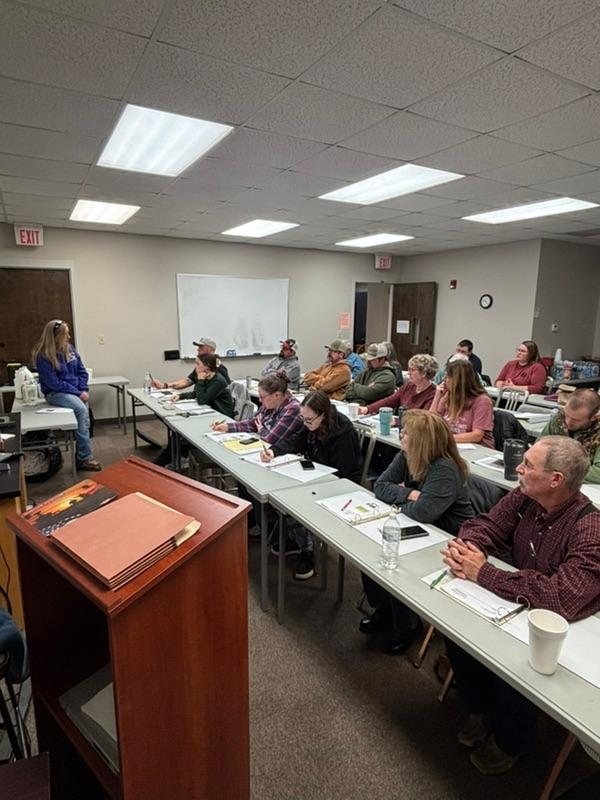
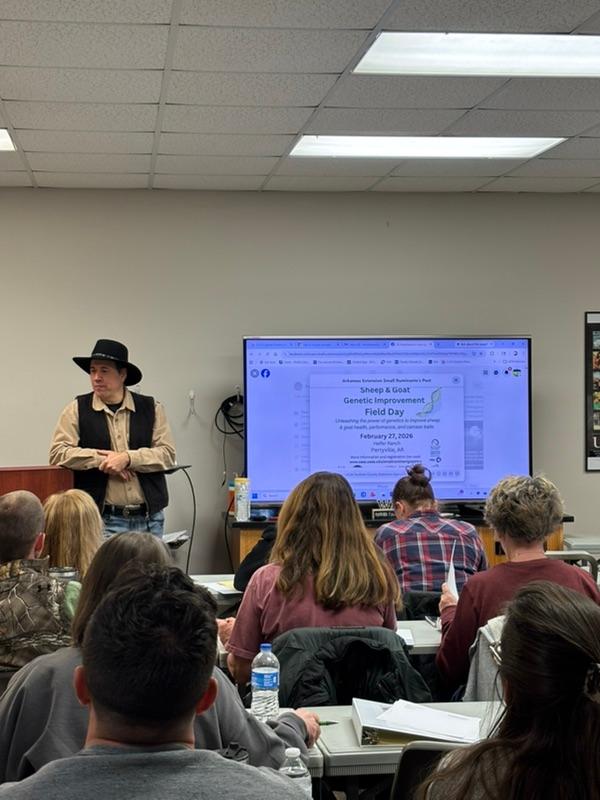
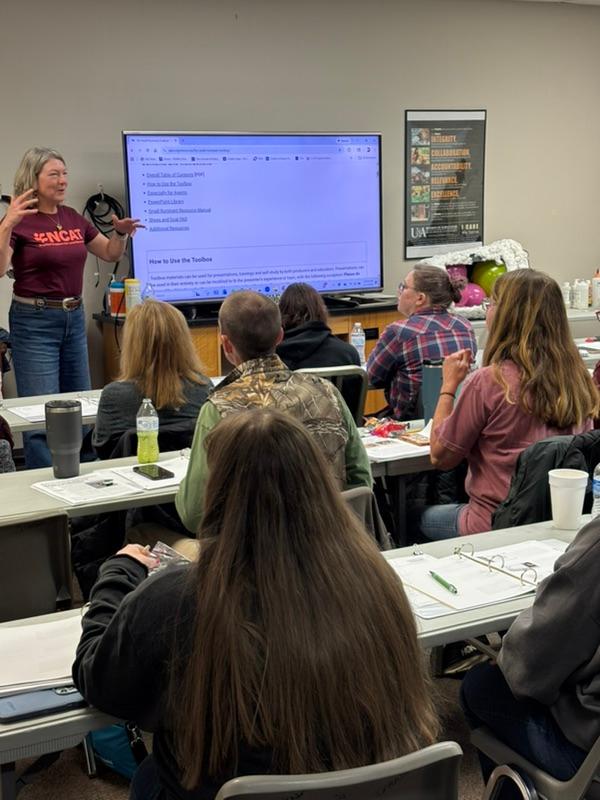
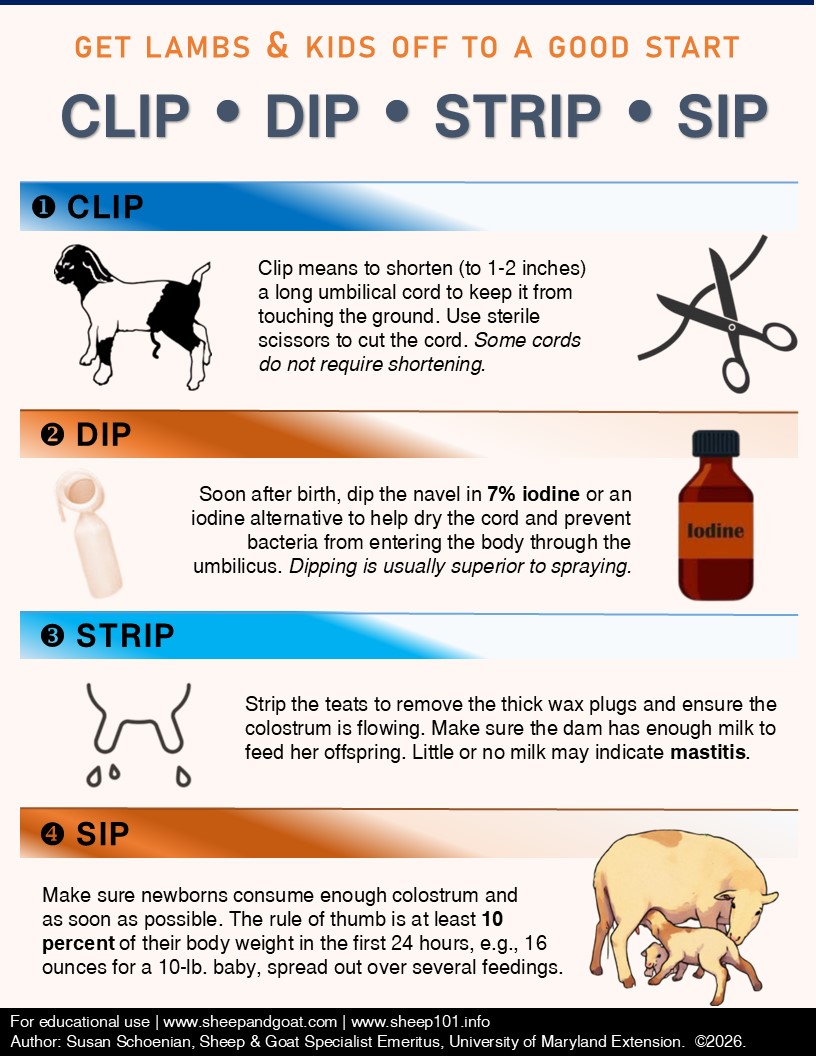
The first quarter meeting of the Sheep Success Series was a huge success this past weekend. We had a full class and everyone learned a ton about lambing and lambing supplies. Dr. Dan Quadros, Tanya Feagin, and Linda Coffey from ATTRA did a great job working with producers on how to be successful with the upcoming lambing season. The second quarter meeting will be May 9. More details to come soon.
| | |
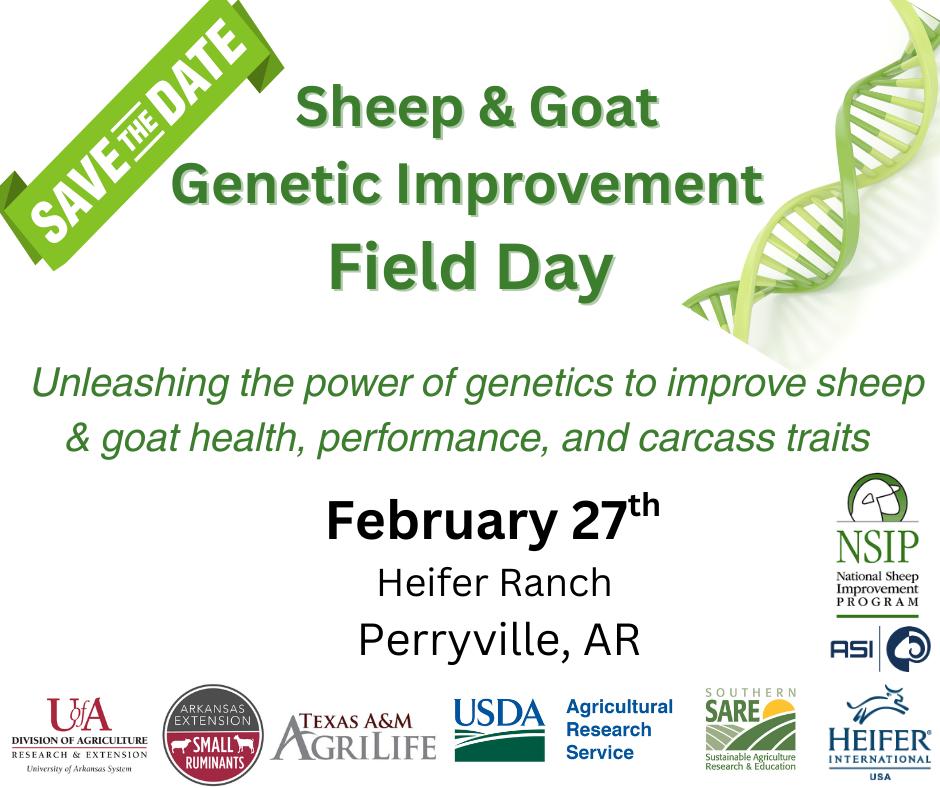
Sheep & Goat Genetic Improvement Field Day
by Dr. Dan Quadros
We have rescheduled it! Save the date: The "Sheep & Goat Genetic Improvement Field Day" will take place on February 27th (Friday), now in a new location, at Heifer Ranch (55 Heifer Rd, Perryville, Central Arkansas), from 9:30 am to 3:30 pm. The program and registration website will be released in January.
I know that some of you will be busy with the lambing/kidding season, but please plan in advance to attend.
| | |
Pesticide Applicator Trainings
In order to purchase restricted use pesticides (herbicides, insecticides, fungicides, etc) you must have a private applicators license. The license is good for 5 years.
To obtain a license you must first attend a certification training. Certification trainings are done in person by a County Extension Agent or you can go online and be certified. Below is a link to the online training.
In person trainings this year will all be at the Faulkner County Extension Office and will be on:
January 29 - 6:00 PM
March 12 - 6:00 PM
April 30 - 2:00 PM
A certification training costs $20 and is due the day of the training.
Once a producer is certified, they will go through the Arkansas Department of Agriculture to obtain the license which is $45.
Please call the Extension office at 501-329-8344 to sign up for one of these dates.
There will be other opportunities for trainings in Perry and Conway County and I will post those as soon as those dates are available.
If you have a question about your license, please follow the License Search and Verification link below to find your license.
| | |
Livestock Market Report
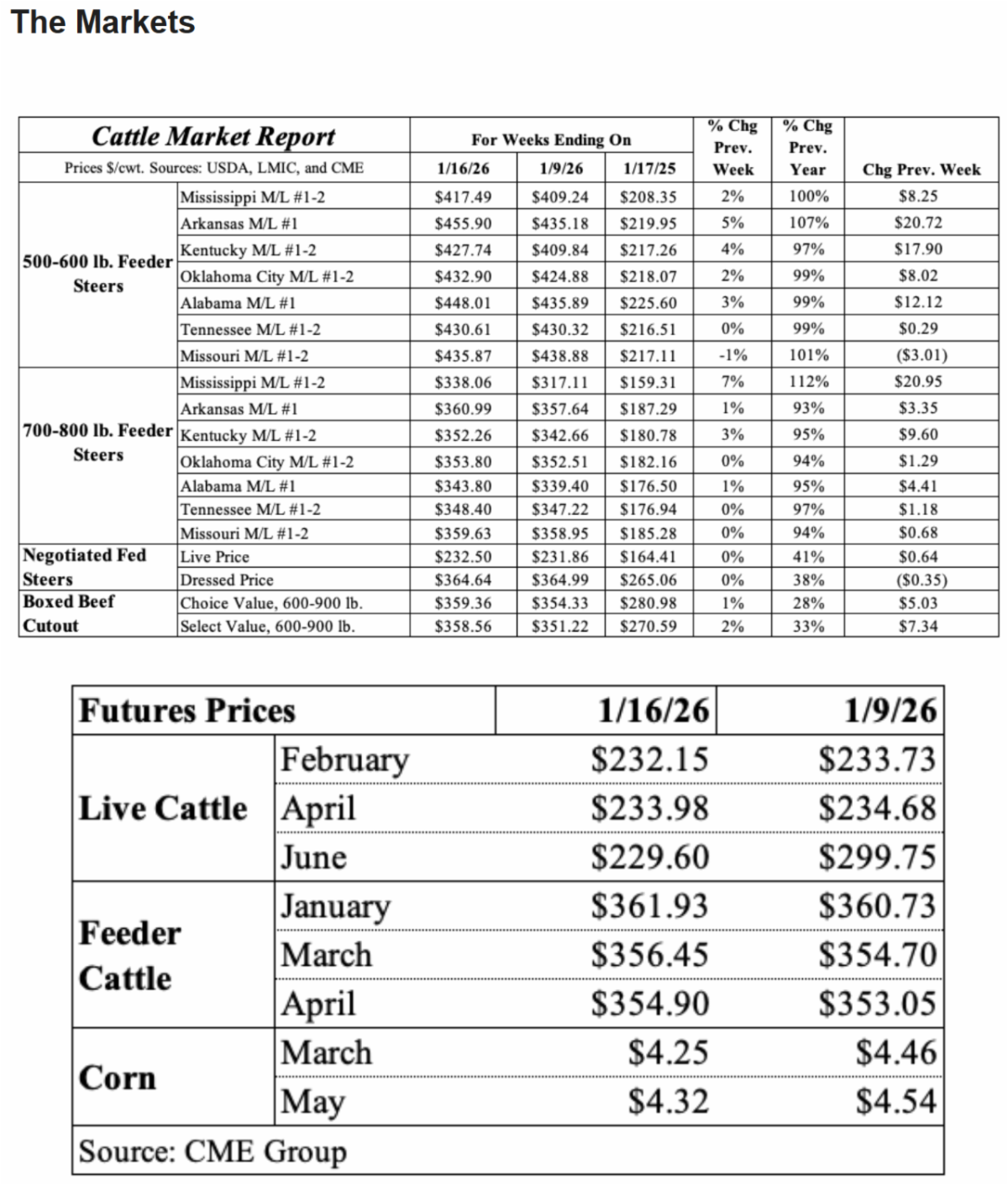
The weekly livestock market report is available on the Arkansas Department of Agriculture website.
| | |
Grow Your Own Groceries Conference
The award winning Grow Your Own Groceries program is moving to the next level with an in-person conference! Join us February 10, 2026 at the Conway Expo & Event Center for a fun-filled and educational day of learning how to grow healthy, nutritious food in your own backyard and get some tips for cooking and preserving your harvest.
You will be able to choose 6 different classes (3 in the morning and 3 in the afternoon) from the topics below. We’ll also serve lunch and have a fun presentation to enjoy while you eat.
Break-out Session Topics
- Using Cover Crops in the Garden
- Planning for an Abundant Harvest
- Food Preservation Methods
- Growing in High Tunnels
- Hydroponic Vegetable Production
- Composting
- Nurturing Your Soil
- Getting Started with Beekeeping
- Setting Up a Drip Irrigation System
If anyone has any questions feel free to give me or Krista Quinn a call at the office. I have included the registration link below.
| | |
Sign up for Text Alerts
You can now sign up for text alerts from me throughout the year. I have two areas you can sign up for which includes Faulkner Livestock or Faulkner Ag (Row Crop Updates). To sign up you can follow one of these links or use the QR Codes below.
| | Pursuant to 7 CFR § 15.3, the University of Arkansas System Division of Agriculture offers all its Extension and Research programs and services (including employment) without regard to race, color, sex, national origin, religion, age, disability, marital or veteran status, genetic information, sexual preference, pregnancy or any other legally protected status, and is an equal opportunity institution. | | | | |