Faulkner County Agriculture Update

June 12, 2026


General Conditions

Weather


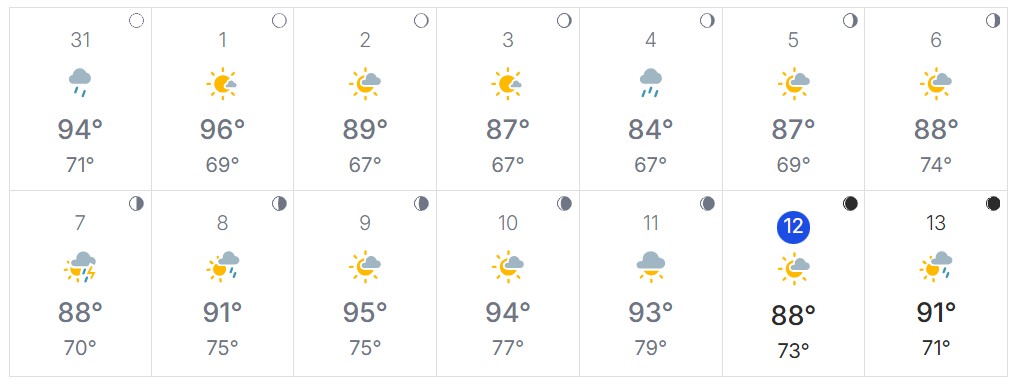
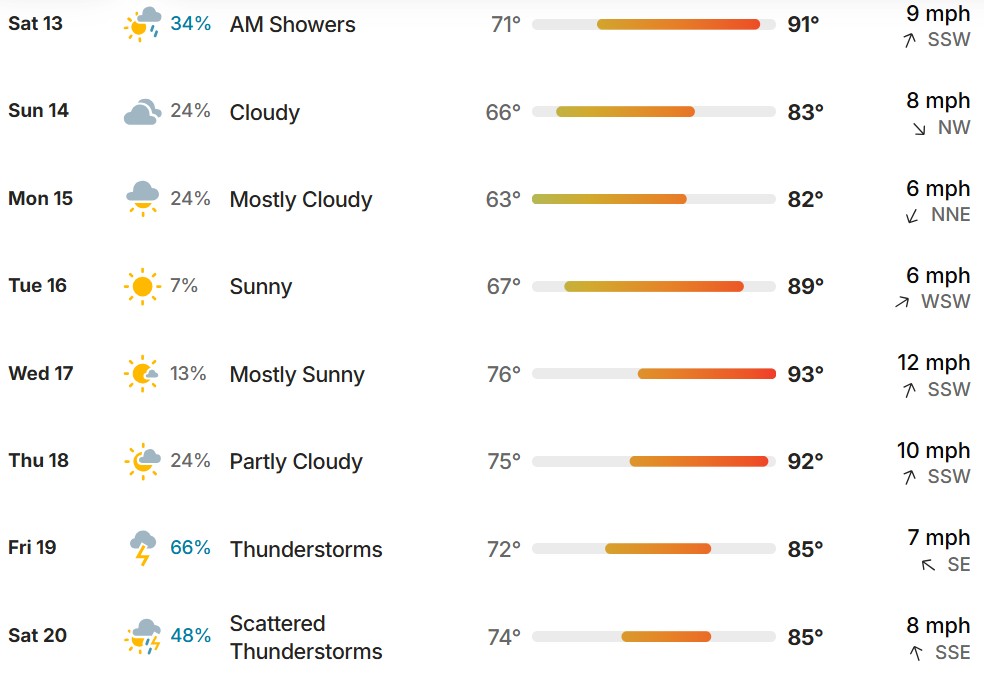
We got a little rain last weekend. It was actually perfect for soybeans that had been planted in some dry ground. It also extended irrigation on corn. It has been a hot and humid week though. Rain was predicted early this morning but we missed that one. That has allowed for more soybean planting and herbicide applications. More rain is predicted this weekend and next weekend.

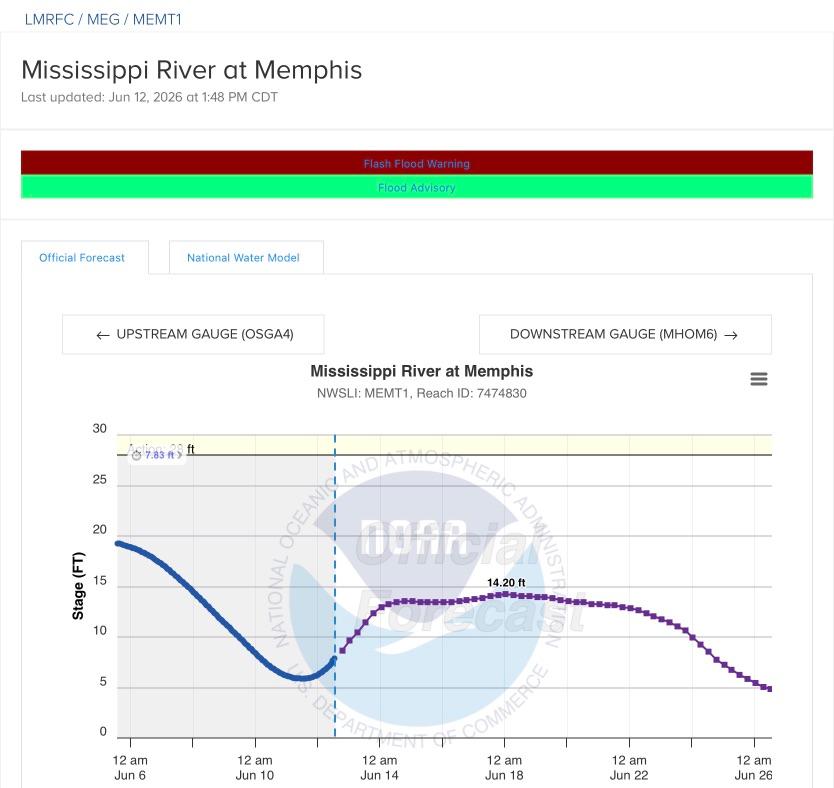
Arkansas and Mississippi River

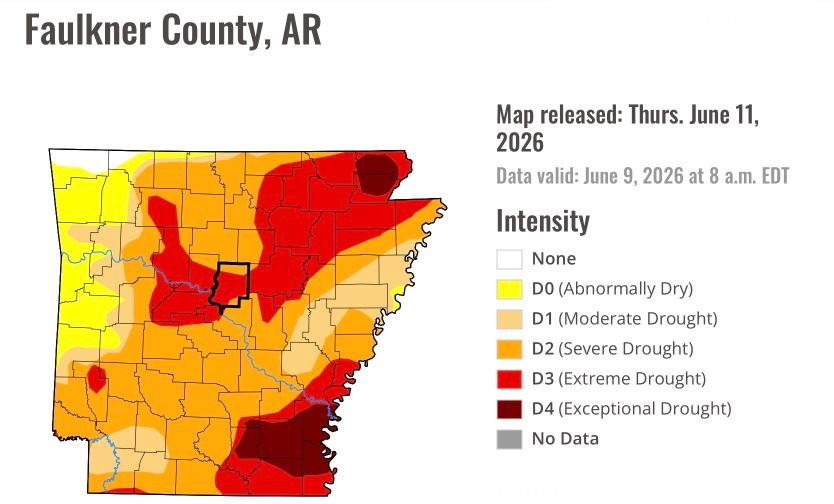
Drought Monitor

Row Crop

Corn


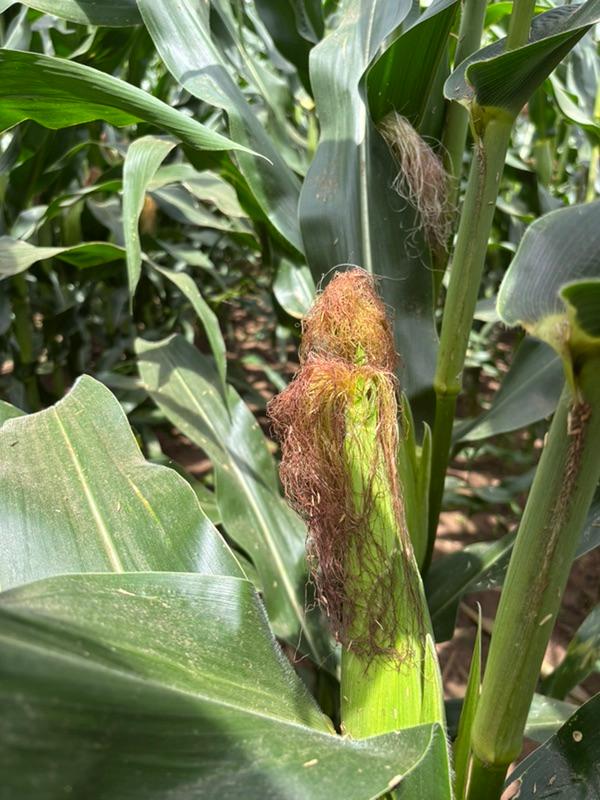
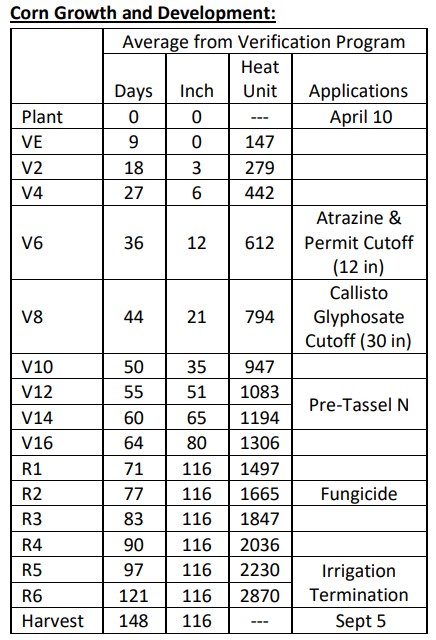
Corn is loving this hot and humid weather. I checked a few fields this week and it looks like we had good pollination. I talked to Dr. Jason Kelley and he said the whole state had pretty good pollination. Now it is down to irrigation to get the crop through the end. If it doesn't rain at least an inch this weekend start the pivots and the polypipe.


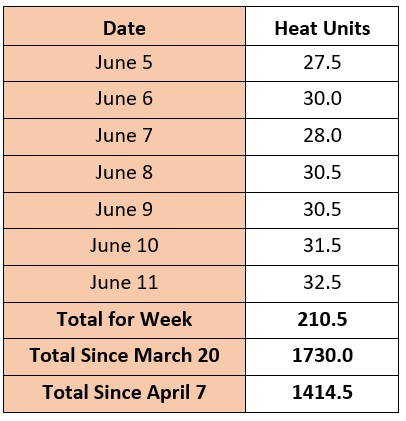
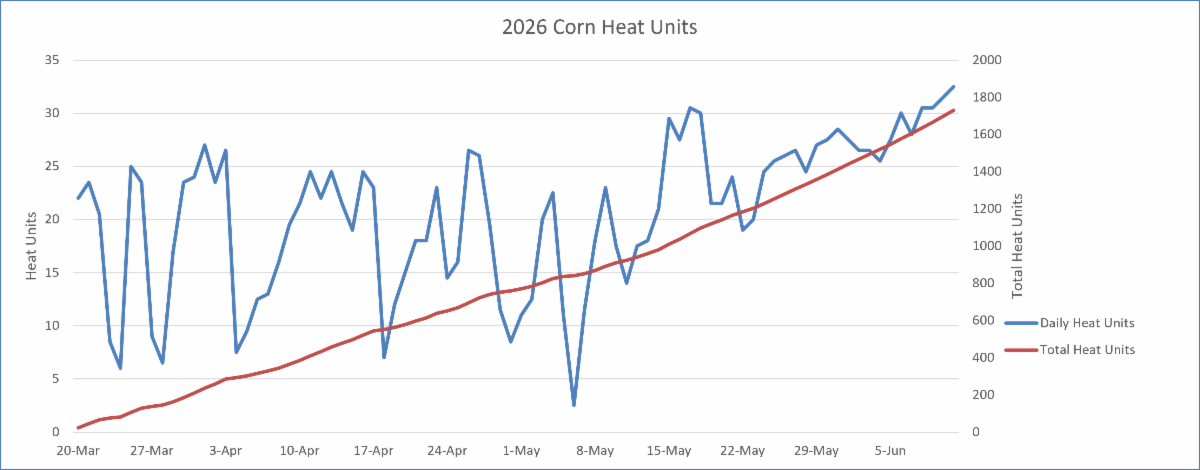
This was the most heat units we accumulated all year. We were finally over 200 with multiple days about 30. We accumulated 210.5 heat units for this week. Heat units for corn planted on March 20 is at 1730 and for fields planted on April 7 there is 1414.5 heat units. Early planted fields are at R3 while late planted fields are about to tassel.

Rice


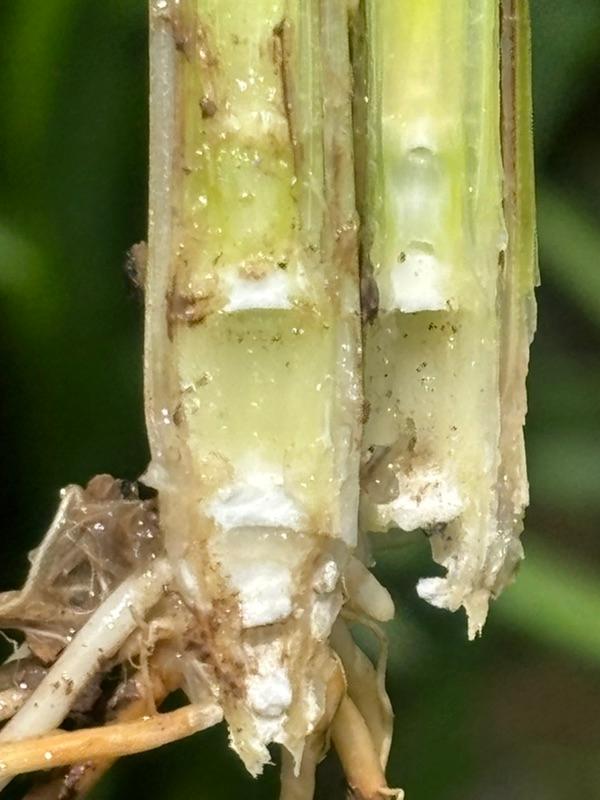
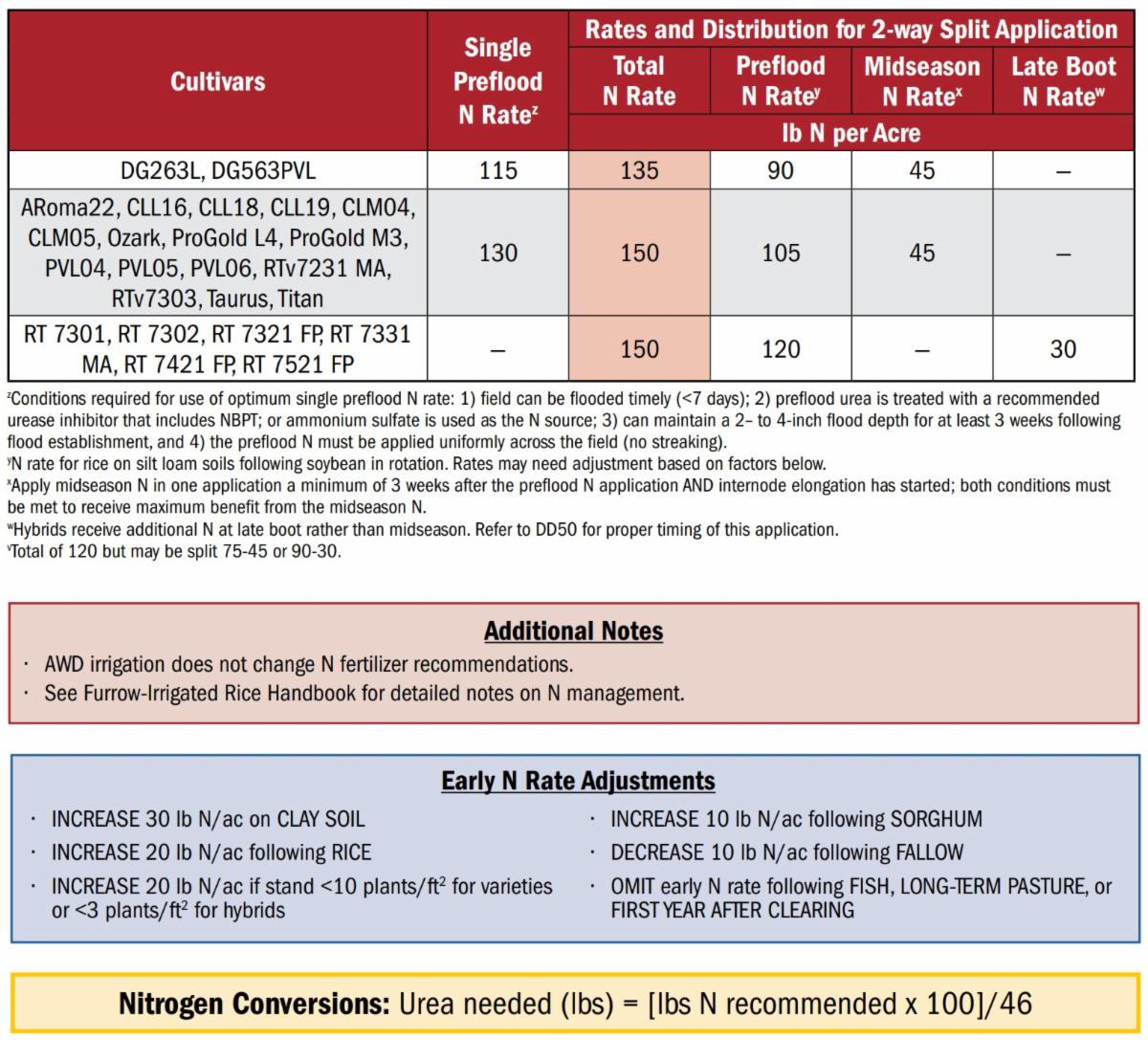
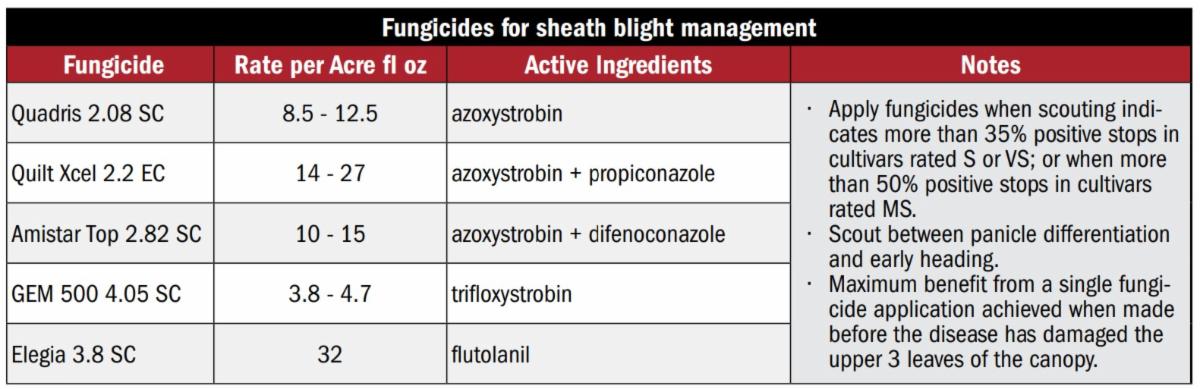
Rice is moving into reproductive stage in most of the fields. Nodes are starting to move as we get ready for midseason nitrogen. With the recent rise in heat units it looks like we are about 3 or 4 days ahead of the DD50's that have been sent out. Get ready to start scouting for sheath blight.

Latest rice update from Dr. Jarrod Hardke and our 2026 Rice Management Guide.

Soybeans


Soybeans are taking off around the county and are looking good. We got a soybean variety plot planted today on a clay field. We should get the wheat variety plot harvested soon and we will plant a group V plot behind that.


Clay Variety Trial

  • Pioneer 53Z89E
  • NK 47-G5E3S
  • Becks 4860E3
  • NK 49-D7E3S
  • Becks 4970E3
  • NK 52-D6E3
  • Revere CT5293E3


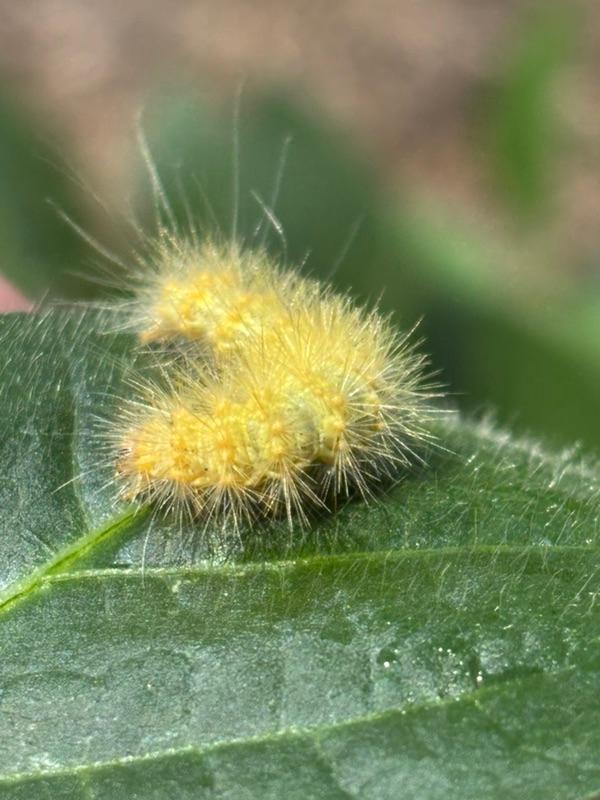
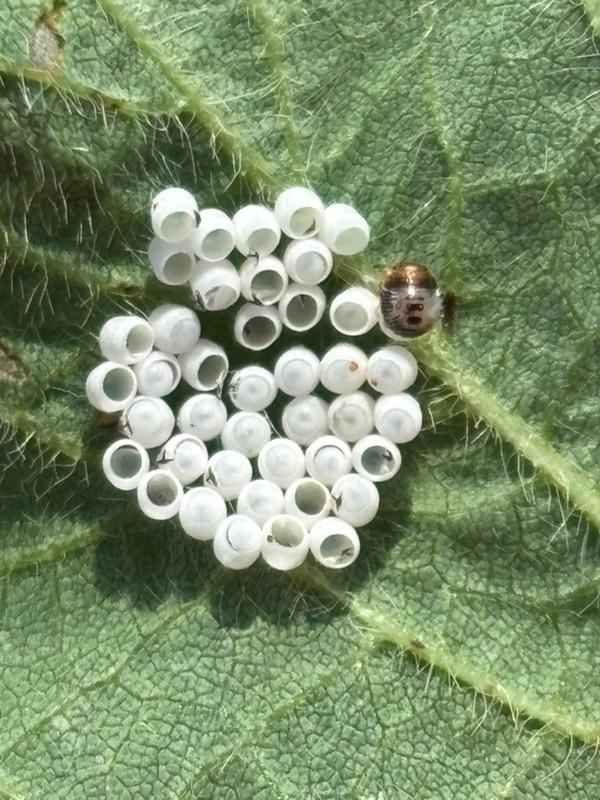
Sweeping fields are showing several stinkbugs. I don't think it is enough to treat and as other beans get older they will spread out. We did find one salt marsh caterpillar, but that was about it.

Potassium Soybean Trial


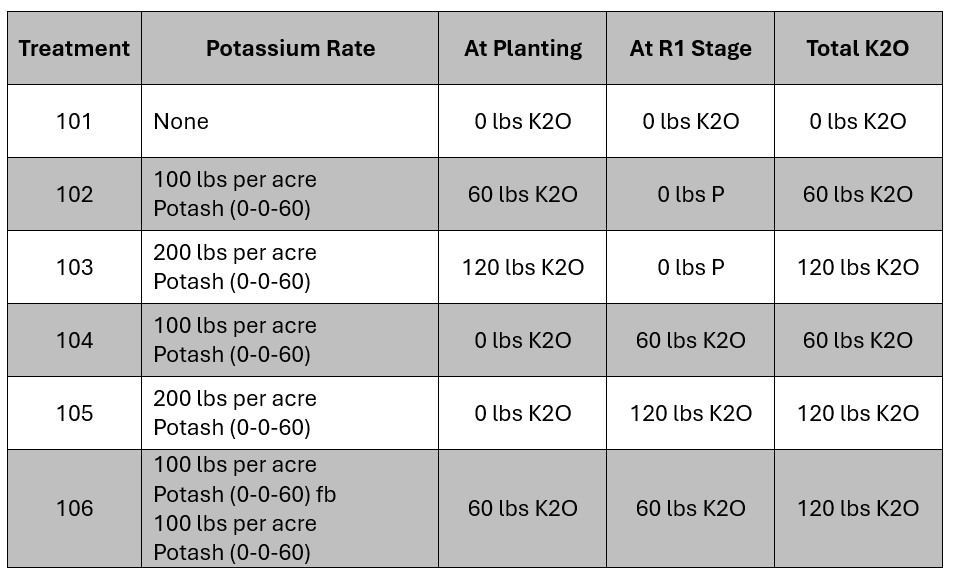
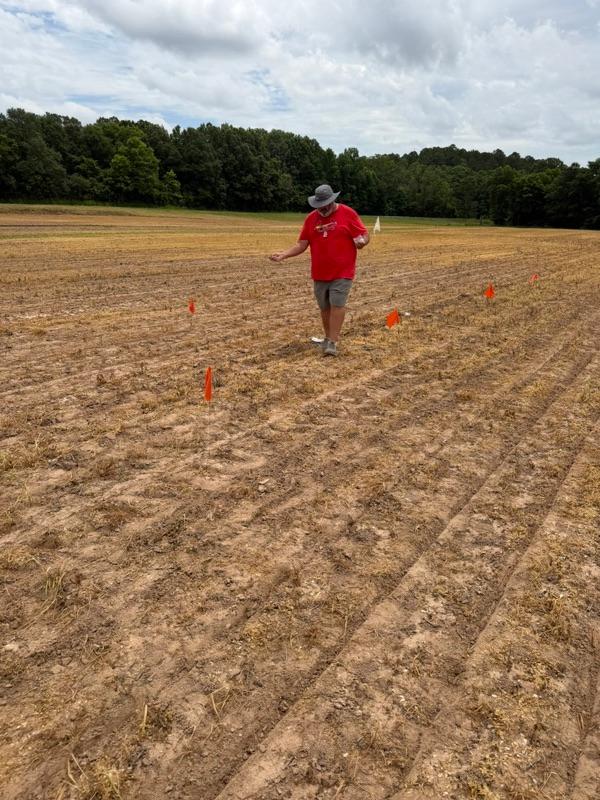
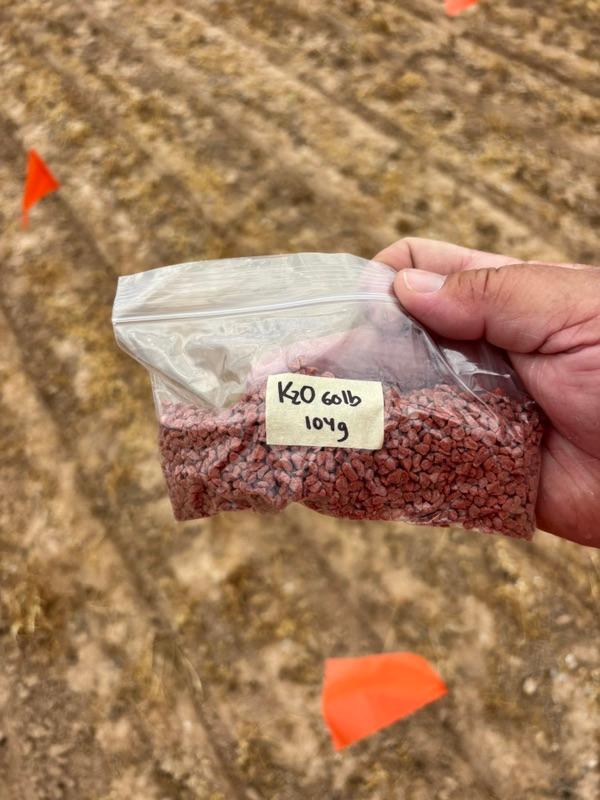
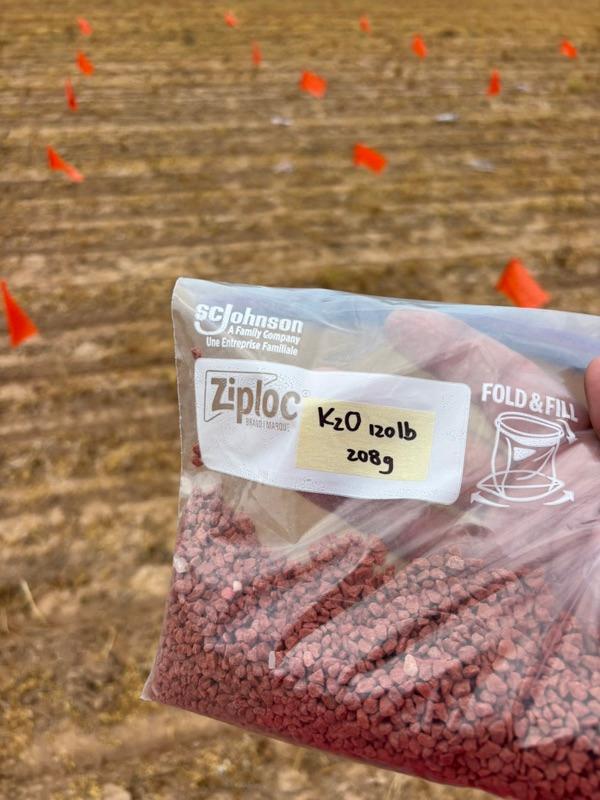
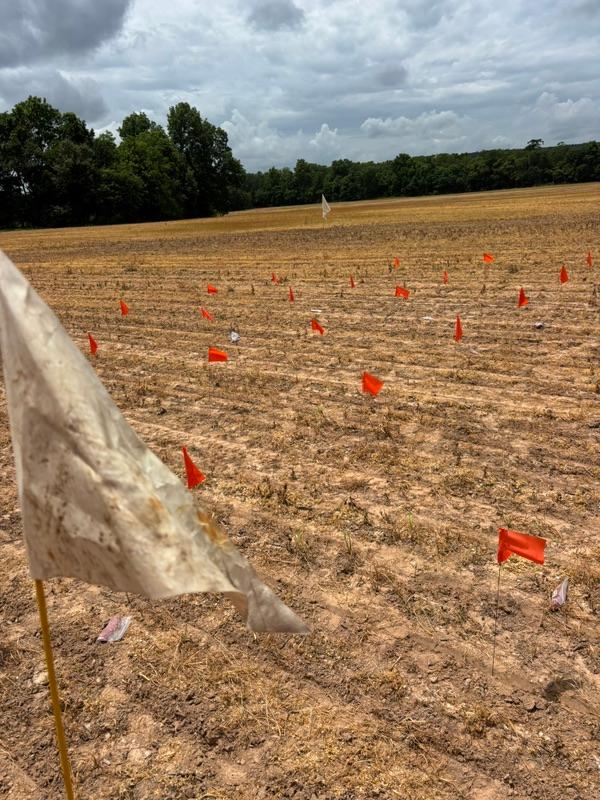
I established a potassium trial in a soybean field that showed potassium deficiency symptoms last year, this past Saturday. I have put out at planting applications and will come back with R1 applications. I will also be taking leaf samples and monitoring K uptake throughout the year. The field got a good rain after the applications so we should have some good data.

Corn Earworm Moth Traps


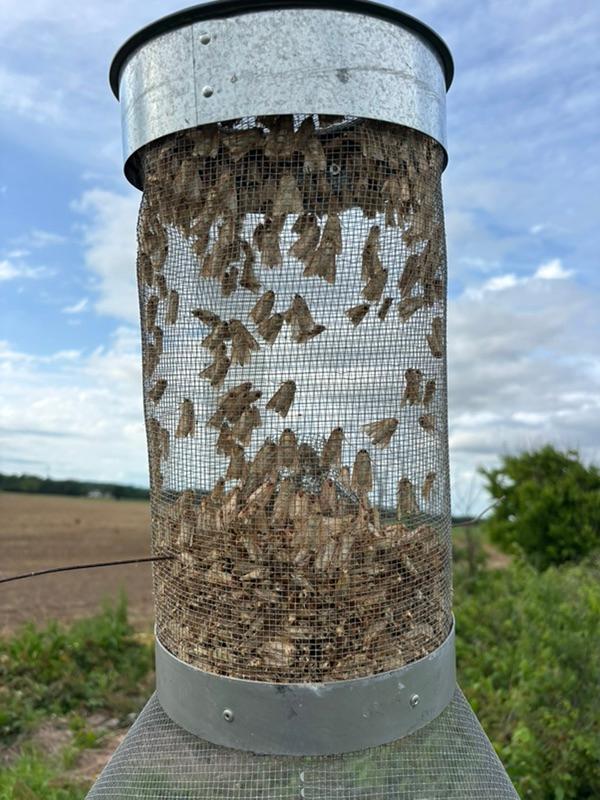
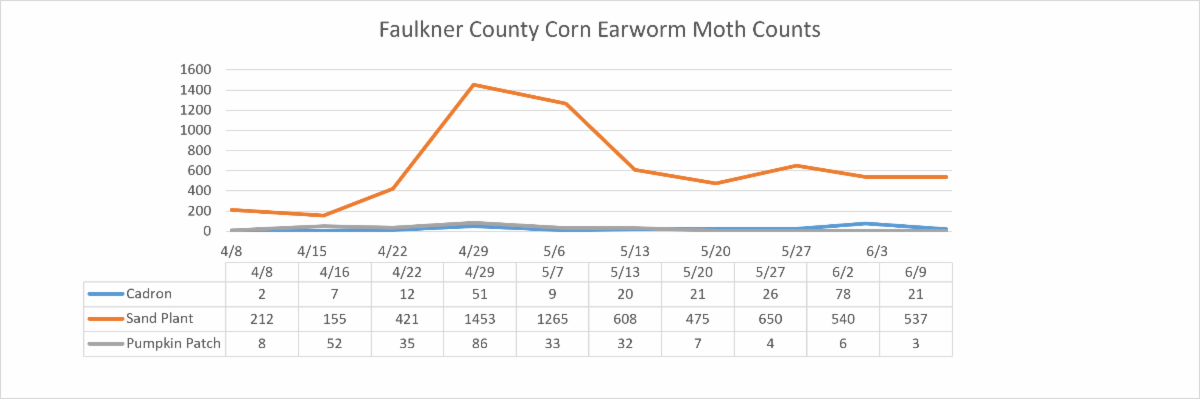
Corn Earworm Moth Counts for June 9, 2026

Cadron - 21


Sand Plant - 537


Pumpkin Patch - 3

Moisture Sensors


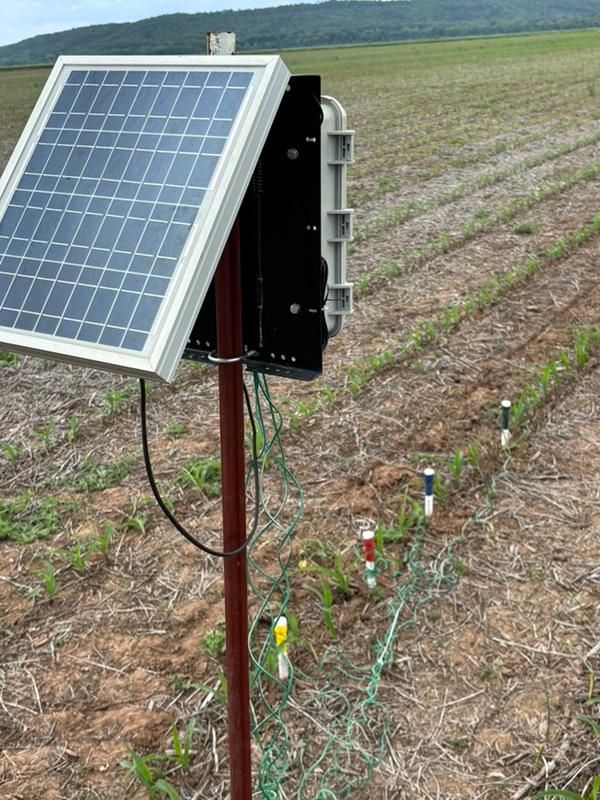
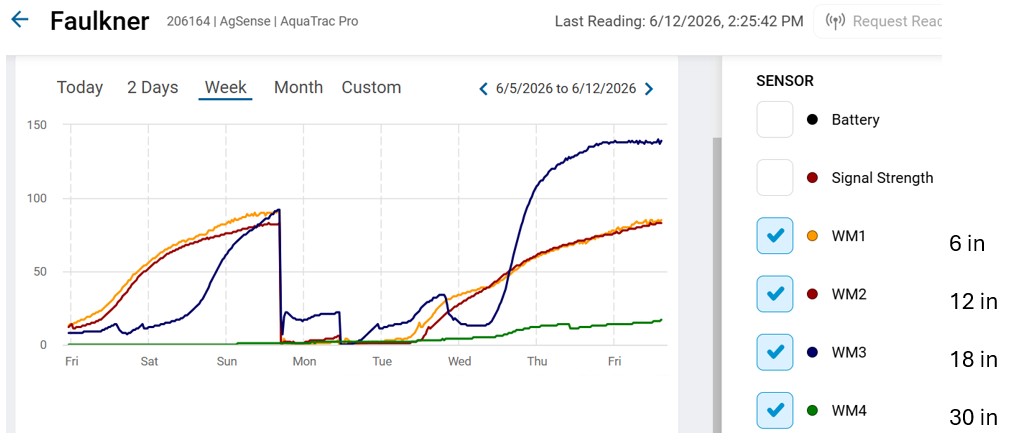
The corn in the moisture sensor field has really started pulling from the 18 inch sensor. We are going to have to start irrigating early next week if we don't get a rain.

Red Rice

Korbin Singleton - Faulkner County Intern


Red rice (Oryza sativa), also known as weedy rice, is a variety of rice that produces far fewer grains per plant than cultivated rice. Due to the close genus between the two, it is very difficult to control with most herbicides, as you risk damaging your crop. Leaving the weedy rice in your crop can result in reduced yields as great as 82% and affects grain quality. Unlike most grass weeds, red rice is competitive in the midseason, which can give some extra time to be on the lookout.  


Poor crop rotation, increased herbicide resistance, and how the seeds are able to remain in the soil for years before germinating are the main reasons red rice is a continuing problem. The increased use of hybrids is also a cause of the increasing red rice problem. This problem is due to hybrid rice being more compatible with red rice and the fact that the outcrossing rate is double that of conventional rice varieties. Researchers with the UADA have stated that any field with Clearfield rice for many years will be more likely to encounter red rice. 


The control of red rice is dependent on whether you use the Clearfield or Provisia rice system. For preplanting in water-seeded rice, the UADA recommends an application of Bolero “water-seeded" for preemergence at 4 lb/A. For the Clearfield Rice system, Newpath 2 AS is recommended at 4-6 oz/A PPI, followed by another 4-6 oz/A for post-emergence. (In cloudy, cool, or wet conditions Newpath may injure hybrid rice.) The post-program application for Clearfield rice is 4-6 oz/A plus a nonionic surfactant at 0.25% v/v. For the Provisia rice system, the UADA recommends the application of Provisia .88 EC at the rate of 10 oz/A, followed by 10 oz/A, and then 11 oz/A. Add 1% v/v COC (apply the first application to small grasses). 

Analyzing the relationship between the yield ratio and optimal crop insurance coverage levels

Dr. Hunter D. Biram, Assistant Professor and Extension Agricultural Economist, University of Arkansas

Mr. Enil Serrano Puerto, Ph.D. Student, University of Kentucky

Dr. Grant Gardner, Assistant Extension Professor, University of Kentucky


The Federal Crop Insurance Program (FCIP) has been a standard in farm risk management with nearly 500 million acres insured across row crops, forages, and specialty crops, resulting in up to $192 billion in insured liability in 2024, or 78% of the total value of U.S. crops (USDA-RMA and USDA-ERS, 2026). Despite its popularity as a risk management tool, the question of the best coverage level remains each year. While base premiums change very little year to year, with increases limited to 20% per year, expected insurance prices based on the futures market, in addition to crop acreage mixes, change depending on prices for both crops and inputs. In cases where the farmer does not automatically renew the same coverage from last year, this often leaves farmers with the question of how much insurance to buy.


In response, a large suite of tools has been developed by university extension services. A total of 13 decision aids have been developed by universities from across the U.S., with 9 focusing on farm programs (i.e., Agriculture Risk Coverage and Price Loss Coverage) administered by the Farm Service Agency (FSA), and 4 focusing on federal crop insurance programs administered by the Risk Management Agency (RMA) (Serrano, Gardner, and Biram, Forthcoming). We add to this suite of tools a decision aid that provides analysis for both FSA farm programs and federal crop insurance programs, the Crop Insurance Decision-Maker (CIDM). The CIDM is a free, web-based decision aid that provides expected revenue net of expenses under scenarios with and without crop insurance. The risk management option, which includes purchasing no insurance, with the highest expected net return is the optimal coverage choice. The tool further provides analysis of farmer risk preferences by including data for farmers who are risk-averse and are concerned about extreme weather and pest pressured lowering expected net returns.


In an article published in the latest edition of the Journal of the American Society of Farm Managers and Rural Appraisers (JASMFRA), Serrano, Gardner, and Biram (2026) provide an explanation for CIDM, how to interpret the results in the decision aid, how the results were generated, and where it fits in the greater suite of farmer decision aids. In most instances, results follow that of Biram et al. (2022) who show that even in the presence of ARC and PLC, the optimal decision in most cases is to choose 80-85% coverage. Biram et al. (2022) show that the base premium rate drives the coverage level with higher base premiums resulting in lower optimal coverage reflective of the increasing cost of insurance.


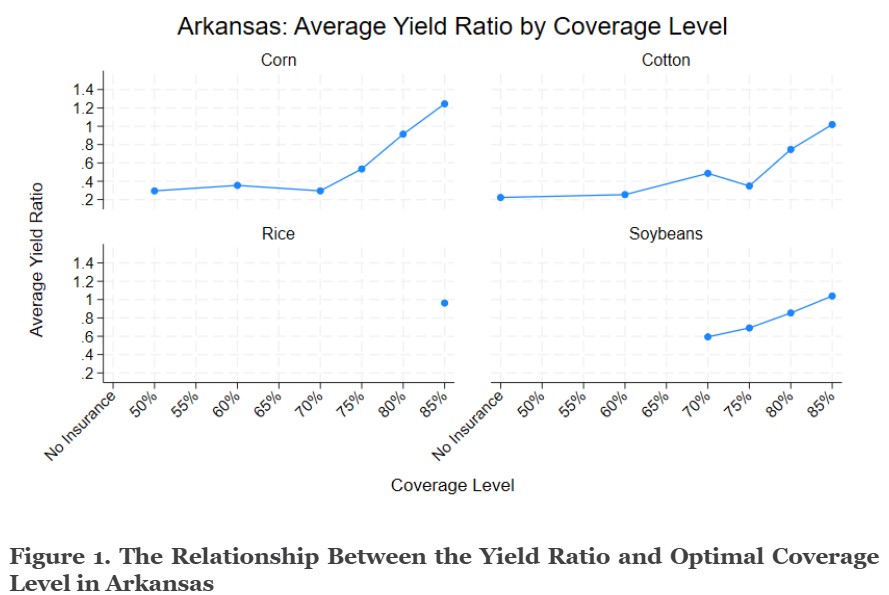
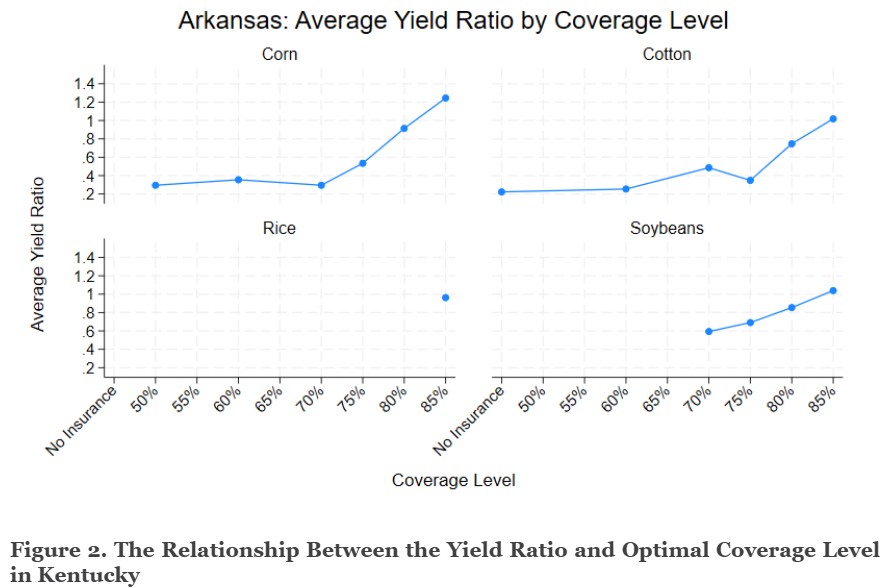
We suggest here that another driver of optimal coverage is the ratio of the farm-level yield expectation, measured by the Actual Production History, to the county-level yield expectation measured by the county Reference Yield determined by RMA. We provide a synthesis of the results generated by Serrano, Gardner, and Biram (Forthcoming) by plotting the optimal coverage level for risk-averse farmers across various levels of the yield ratio for Arkansas and Kentucky. We first note that in all instances, except for cotton grown in one county in Arkansas, purchasing some level of crop insurance is always preferred to not purchasing any crop insurance at all (see Figures 1-2). We also find that the optimal coverage level is at least 70% or greater when the farm-level yield expectation is at least half that of the county yield expectation for Arkansas (Figure 1) or the farm yield expectation is at least 60% of the county yield expectation in Kentucky.


Since these main results are across multiple combinations of states, counties, and coverages, we direct farmers and other users involved in the crop insurance purchase process to consult the CIDM for optimal coverage in a specific county.

Beef, Small Ruminants, & Forages

Forages


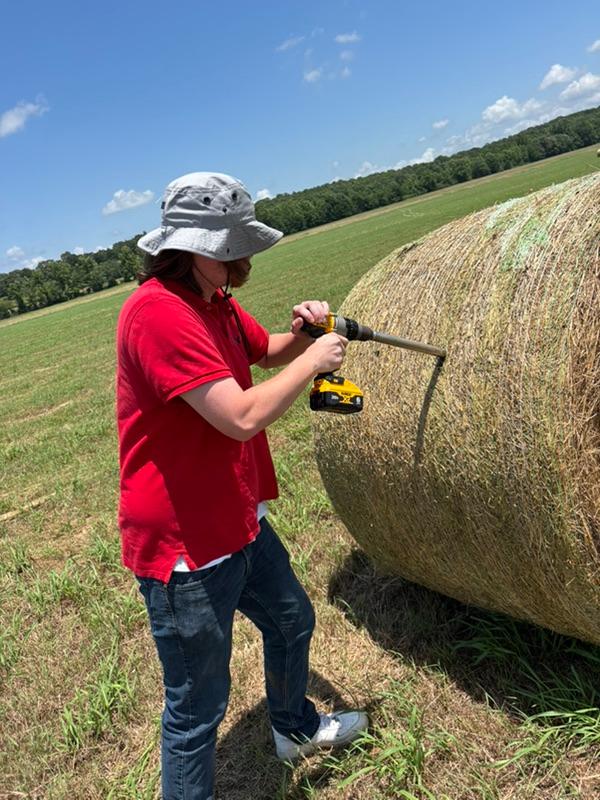
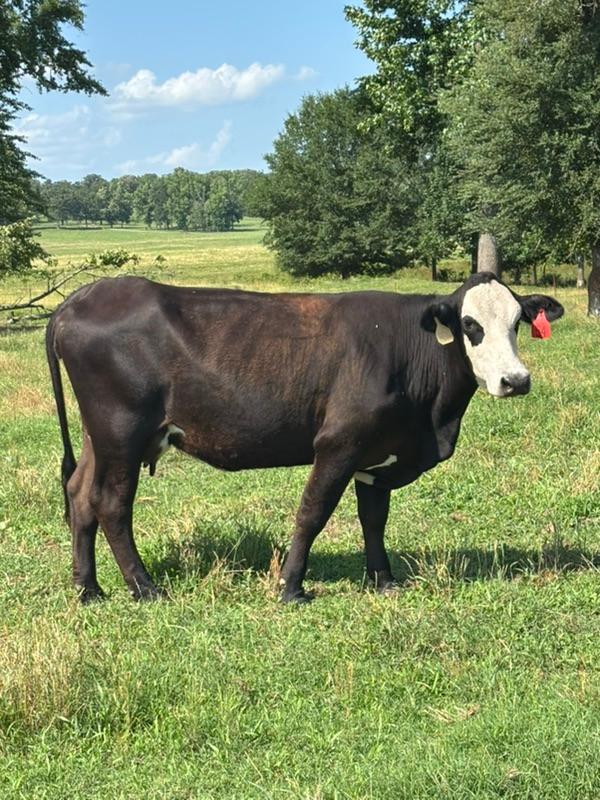
More hay hit the ground this week and was rolled up as we get through the first harvest on 2026 hay fields. Fertilizer is going out ahead of predicted rain this weekend. Grass is loving this hot and humid conditions so hay and pasture fields look pretty good. I am already seeing some pastures where animals are starting to selectively graze around things they don't care for. That is leading to poor utilization of the forages that you have. Think about using rotational grazing or just closing a few gates to make your animals graze more efficiently. Now is a good time to hay sample that first cutting. Let me know if you need any help.

New World Screwworm

Kirsten Midkiff - Arkansas Extension Animal Health and Wellbeing Specialist


As you have likely seen, New World Screwworm (NWS) has been confirmed in La Pryor, Texas, last week on June 3, 2026. This is the first case of NWS in the United States since the movement north through Mexico. The affected animal is a 3-week-old calf, and the larvae were found in the umbilical area. This is going to be quite long, but there is a ton of pertinent information I want to point out about this detection, what NWS is, and what this means for Arkansas and our producers:


What is New World Screwworm

The New World screwworm is a parasitic fly which causes myasis, meaning the fly larvae burrow into the flesh of any warm-blooded mammal. This can cause serious damage, and often it is deadly if not caught and treated. Screwworm can affect livestock, pets, wildlife, occasionally birds, and even people. This is not just a livestock problem.

In 2023, the United States Department of Agriculture (USDA) Animal and Plant Health Inspection Service (APHIS) confirmed an unprecedented number of NWS cases in Panama. Since then, the movement of NWS has trekked north into Mexico. Due to the movement, the United States/Mexico border was closed. It has not reopened since its closing. Screwworm has been eradicated from the United States since 1966. There was an outbreak in the Florida Keys in October 2016, but it was contained and eliminated by March 2017 utilizing the Sterile Insect Technique and additional treatment protocols.

There are several opportunities for NWS to infest an animal: ranging from an open wound (such as a cut, dehorning site, castration site), the umbilical area, a tick bite, a scrape by barbed wire, or even mucous membranes (think the nostrils) and other external orifices. These are all places where the NWS fly can lay an egg packet near the area. A few hours later, larvae will emerge and begin to burrow into the flesh. After approximately 7 days, the larvae will fall out to pupate. Following another 7 days, a new fly will emerge. As you can see, this cycle is not very long, approximately a 21-day life cycle. As the larvae are feeding, there is an incredibly foul odor that continues to attract more flies to lay eggs around the wound.


Food Safety

The U.S. food and meat supply remains safe. NWS does not infest meat, fruits, vegetables, or other food products. Any affected animal would be identified during USDA Food Safety and Inspection Service inspection, and no contaminated product will enter commerce. 


What Has Happened Since the Detection Last Week

The USDA confirmed the presence of NWS in the United States. This detection on June 3, 2026, was in a 3-week-old calf in the umbilical area in Zavala County, Texas. Since this detection, there was second case detected on June 5, 2026, in a 1-month-old calf in Zavala County, Texas, approximately 5.6 miles from the first confirmed detection. As of this morning (June 8, 2026), there were two more detections in the United States, all still in Texas – a calf in La Salle County, Texas and a dog in Andrews County, Texas. HOWEVER, as of this afternoon, a notice was issued after more investigation into the case in the dog in Andrews County. The veterinarian who reported the case is in Texas; but the dog resides in Lea County, New Mexico. Therefore, the location of this case will be reclassified to be the first case detected in New Mexico.


To view the current confirmed detections of NWS in the United States, there was a dashboard created to provide a current snapshot of confirmed NWS animal detections and fly detections: https://www.aphis.usda.gov/animals/animal-health/livestock-and-poultry-disease/current-status/us-confirmed-cases-new-world


The USDA and Texas Animal Health Commission (TAHC) continues to lead an aggressive unified response, with a total of 75 people actively responding on the ground and hundreds of additional people around the country providing laboratory diagnostics, logistics, treatment distribution, air operations, outreach, operational planning, and resource support for the response. APHIS and TAHC will continue to surge additional trained personnel as needed to ensure an effective response.  For each new case, the USDA and TAHC implement the following actions:

  • Establishing and maintaining a 20-km infested zone with quarantines, movement controls, and heightened surveillance around confirmed detections
  • Increased trapping along the border and outside the dispersal zone
  • Conducting surveillance and management strategies in wildlife
  • Implementing targeted outreach to local producers, veterinarians, and communities

The USDA continues to release sterile flies over and just outside the infested areas. To ensure sterile fly release operations can be deployed to affected areas in Texas and in northern Mexico near the border as quickly and efficiently as possible, the USDA has activated the sterile fly dispersal facility at Moore Air Base in Edinburg, Texas. Sterile pupae arrived at the facility on Friday, and aerial dispersal flights originating from the base will begin tomorrow. 


Because it is important to continue ongoing surveillance efforts while releasing sterile insects, it is possible that sterile NWS flies could be caught and/or reported. To ensure officials can tell the difference between sterile and wild NWS flies, the USDA dyes the sterile pupae which transfers to the sterile flies when they hatch. The fluorescent green or orange dye glows under UV light and may also be visible to the naked eye. If a sterile fly is captured in a trap, this dye allows animal health officials to quickly rule the fly out as a threat. 


What Does This Mean for Arkansas

The Arkansas Department of Agriculture (AR Dept. of Ag.) issued a statement on Saturday, June 6, 2026, discussing the new requirements of entry of animals from Texas.

To be clear - There has NOT been a confirmed case of NWS in Arkansas at this time. Movement of animals into Arkansas from the affected area in Texas will be restricted according to established federal NWS response guidance, and a state entry permit will also be required for those animals (see https://ar.accessgov.com/animal-health-division/Forms/Page/animal-health-division/entrypermit/1).


Additionally, all warm-blooded animals from Texas must be accompanied by an Interstate Certificate of Veterinary Inspection (iCVI) dated within 7 days of entry into Arkansas and must include the following statement: “All animals were inspected and found free of evidence of NWS infestation.” Group-housed food producing animals may be visually inspected in their group settings according to federal NWS response guidance. Individual inspection is required for all other animals.


If NWS is confirmed in Arkansas in the future, state and federal officials will implement a coordinated response. This will include quarantines, movement restrictions, and the designation of surveillance zones to contain and eliminate the pest. These measures are designed to protect animal health and prevent the spread of NWS.


To read more about the AR Dept. of Ag. notice, please use the link below.

https://agriculture.arkansas.gov/public-notice/notice-usda-confirms-presence-of-new-world-screwworm-in-the-united-states-new-requirements-for-entry-of-animals-from-texas/


What Does This Mean for Arkansas Producers and Animal Owners

Surveillance is incredibly important – our eyes are some of our best tools. Producers and animal owners should be watching for wounds that are not healing, foul-smelling discharge, tissue damage, or visible maggots in or around a wound. Animals may also be lethargic, refusing to eat, or showing signs of pain. Symptoms can progress quickly. There may be needs to check animals and outdoor pets more frequently, as a situation may change within 24 hours. Also, any procedures that can increase the risk of infestation (elective management decisions including branding, castration, and dehorning) should be shifted to a cooler time when the NWS fly is not active.


Prevention is going to be key. The umbilical cord is the most common condition to see myiasis, so consider dipping the navel in iodine solution. Treat all wounds promptly and maintain clean facilities. Think about fly control practices and what can be done to reduce fly breeding areas like accumulated manure. Work with a veterinarian to get a fly control program established that could aid in the prevention of NWS in the herd. Remember, NWS is both preventable and treatable. Please discuss this with a veterinarian.


A list of products that are conditionally approved or have an Emergency Use Authorization, and products that have shown to have utility against NWS, can be found at the website below:

https://www.aphis.usda.gov/sites/default/files/pesticides-for-nws.pdf?fbclid=IwY2xjawSOeeJleHRuA2FlbQIxMABicmlkETFqODdhNU0zbEpPN2I2UnNxc3J0YwZhcHBfaWQQMjIyMDM5MTc4ODIwMDg5MgABHkttW7I6U93AboJbN5EHE00htSmcrxmH9HRjBbdqlkzu4-40a9CbfSM6qPpi_aem_x7wUufdfDCa3KbY8OK-4AA


What to do if You Suspect Screwworm

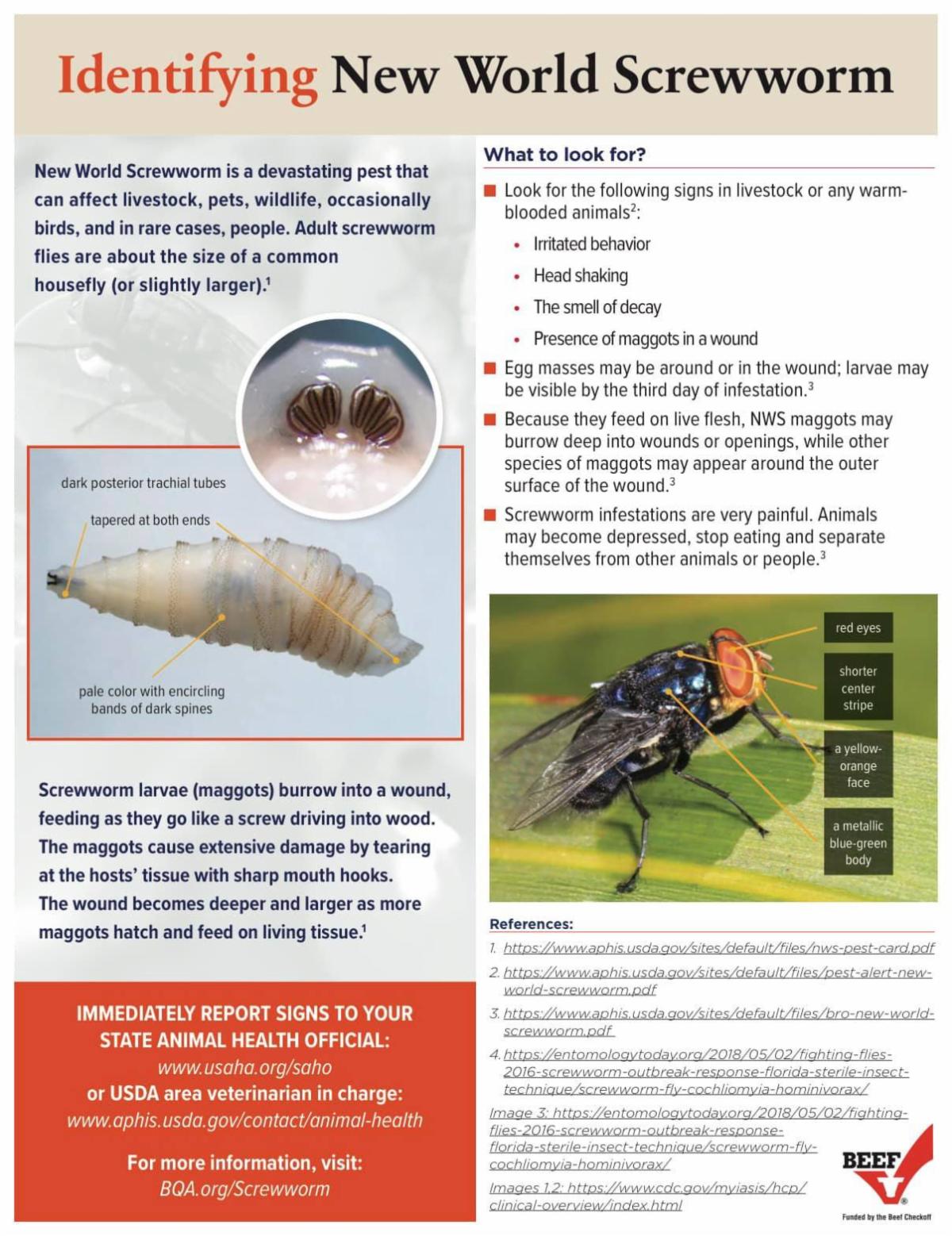
If NWS is suspected, isolate affected animal(s) immediately and avoid moving animals off the premises. This is an incredibly important piece to the puzzle, as movement can aid in the spread of the pest. The NWS fly is a metallic blue/green color, about the size of a common house fly or slightly larger, with orange eyes and three dark stripes from the head and down the abdomen. The larvae are cream/white color, with two hooks on the mouthpiece and they taper from the head (smaller portion) to their vent (where they breathe; larger portion). Both the fly and larvae look incredibly similar to other flies and maggots. Know that both flies and larvae can be collected and submitted to your veterinarian or AR Dept. of Ag. to determine the next steps. Contact information for the Dept. of Ag. are as follows: 501-225-1598; info@agriculture.arkansas.gov.


General collection tips - when collecting flies, be cautious about smushing/crushing them. The identification is based on characteristics of NWS flies, so a whole fly will be the best form to send for sampling. There is also a PCR test that may be done, but best-case scenario is looking at the physical characteristics of the fly. For larval collections, larvae can be collected from a wound. It is best here to have a tarp down to collect as many larvae as possible (think if you are treating an animal, whether it is a spray or some other type of treatment – they will fall out and will be difficult to catch them at once). There is also a chance to have different types of maggots (including secondary screwworm) that may be present, which looks incredibly similar to NWS. It is not uncommon to have these secondary flies come in behind a NWS infestation to lay their eggs. This is why it is important to collect many larvae, not just one or two.


Resources

Vigilance is going to be key with NWS, but please know that this is not an instance to panic. There is a plan in place for IF screwworm makes it to Arkansas, both a response on a state and federal level, to ensure that the confirmed case can be contained effectively. There are a ton of resources that we have available to view information, fact sheets, recordings of webinars, etc. Some resources are below:


This is a concern and can be extremely devastating; however, we are in a much better position now than we were last year at this time when it was predicted to come into the United States. It is preventable as well as treatable. There is a heavily mounted response occurring for the cases in South Texas at this time. The food supply is safe. Please remember to stay vigilant and stay informed utilizing reputable resources. 

Foot Rot in Cattle

Mark Z. Johnson, Oklahoma State University Extension Beef Cattle Breeding Specialist


Recent moisture and wet ground has led to some producer questions about the cause, prevention and treatment of foot rot. Foot rot is a sub-acute or acute necrotic (decaying) infectious disease of cattle, causing swelling and lameness in at least one foot. This disease can cause severe lameness and decreased weight gain or milk production. Lame bulls and females will be reluctant to breed. If treatment is delayed, deeper structures of the foot may become affected, leading to chronic disease and a poor recovery prognosis. Severely affected animals may need to be culled from the herd. The incidence of foot rot varies according to the weather, season of the year, grazing periods and housing system. Foot rot occurs in all ages of cattle, it is usually random in occurrence but does increase during wet, humid conditions.


Cause

Fusobacterium necrophorum is the bacterium most often isolated from infected feet. This organism is present on healthy skin, but it needs injury or wet skin to enter the deeper tissue. Normal healthy skin will not allow the bacteria to enter the deeper tissues. Moisture, nutrient deficiency, injury or disease can result in compromised skin or hoof wall integrity, increasing the likelihood of the bacteria invading the skin. Deficiencies of zinc, selenium and copper can lead to higher frequency of foot rot infections due to the important role these trace minerals play in skin and hoof integrity as well as immune function. Injury is often caused by walking on abrasive or rough surfaces such as stony ground, sharp gravel and grazing stubble on recently mowed pasture, which may irritate the interdigital skin. Standing in pens or lots heavily contaminated with feces and urine softens the skin and provides high exposure to the causative bacteria. High temperatures and humidity will also cause the skin to chap and crack, leaving it susceptible to bacterial invasion.


Clinical Signs

When case incidence increases in hot and dry conditions, attention must be directed to loafing areas, which are often crowded and extremely wet from urine and feces deposited in small shaded areas. The first signs of foot rot include:

  • Extreme pain leading to sudden onset of lameness, which increases in severity as the disease progresses.
  • Acute swelling and redness of interdigital tissues and adjacent coronary band.
  • Lesions in the interdigital space are often necrotic along its edges and have a characteristic foul odor.
  • Evenly distributed swelling around both digits and the hairline of the hoof, leading to separation of the claws.
  • Loss of appetite.

 Diagnosis

Diagnosis of foot rot can be made by a thorough examination of the foot, looking at the characteristic signs of sudden onset of lameness (usually in one limb), elevated body temperature, interdigital swelling and separation of the interdigital skin. There are several other foot conditions causing lameness that may be confused with foot rot. That being said, early treatment of lameness is key to quick recovery.


Treatment

Treatment of foot rot is usually successful, especially when instituted early in the disease course. When possible, treatment should always begin with cleaning and examining the foot to establish that lameness is actually due to foot rot. A veterinarian may recommend antibiotics and dosages for each situation. Use of a non-steroidal anti-inflammatory product may be indicted for pain relief. There are multiple antimicrobial products labeled for the treatment of foot rot. When possible, treated cattle should be kept in dry areas until healed. If improvement is not evident within three to four days, it may be an indication that the infection has invaded the deeper tissues. Infections not responding to initial treatments need to be re-evaluated by a veterinarian in a timely manner. A veterinarian will determine if re-cleaning, removing all infected tissue, application of a topical antimicrobial and bandaging are appropriate, along with a change in the antimicrobial regimen. In severe cases, options may be limited to harvesting the animal (following drug withdrawal times), claw amputation or claw-salvaging surgical procedures. A veterinarian will be able to provide information needed in making this decision.


Summary

Foot rot is a major cause of lameness in cattle and can have a severe economic impact on animal health, animal performance and enterprise profitability. Skin and hoof lesions allow bacteria to invade live tissue. Therefore, the most important preventive measures are centered on the protection of interdigital skin health. Important preventative measures include a well-balanced mineral nutrition program and minimizing exposure to conditions that may cause skin or hoof injury. Treatment is frequently successful if the disease is diagnosed and treated soon after symptoms develop.

Coccidiosis in Sheep and Goats


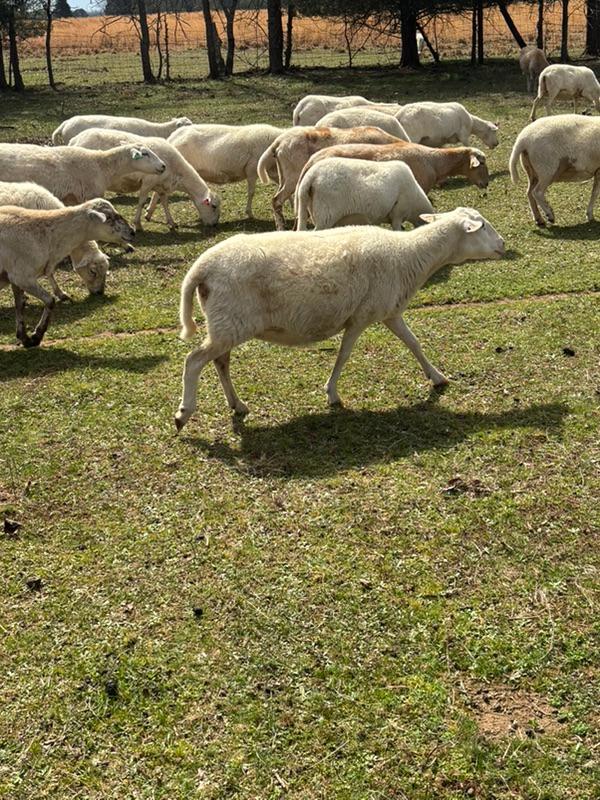
Coccidiosis is a common gastrointestinal disease among sheep and goats with young animals between 1-4 months of age being the most susceptible. The disease is caused by a tiny single-celled parasite that is not to be confused with intestinal worms. In small ruminants, coccidiosis is caused by organisms from the Eimeria genus. Coccidial organisms are host-specific, meaning they do not cross species, so Eimeria species that infect goats will not infect sheep and vice versa.


Coccidia oocysts (eggs) are passed through the feces. Once outside of the animal, they sporulate and become infective. Coccidia thrive in warm, moist environments making weaning an ideal season for lambs and kids to become infected. Sheep and goats ingest infective coccidia via udders and/or teats, feed, forages, hay, drinking water, bedding, and/or feeders that have been contaminated with infective feces. 


To read more click on the link below.

Arkansas Shepherds Association


The Arkansas Shepherds Association is an organization for sheep owners or businesses that want to support the Arkansas sheep industry. They will have lots of information for sheep owners and an annual educational workshop.

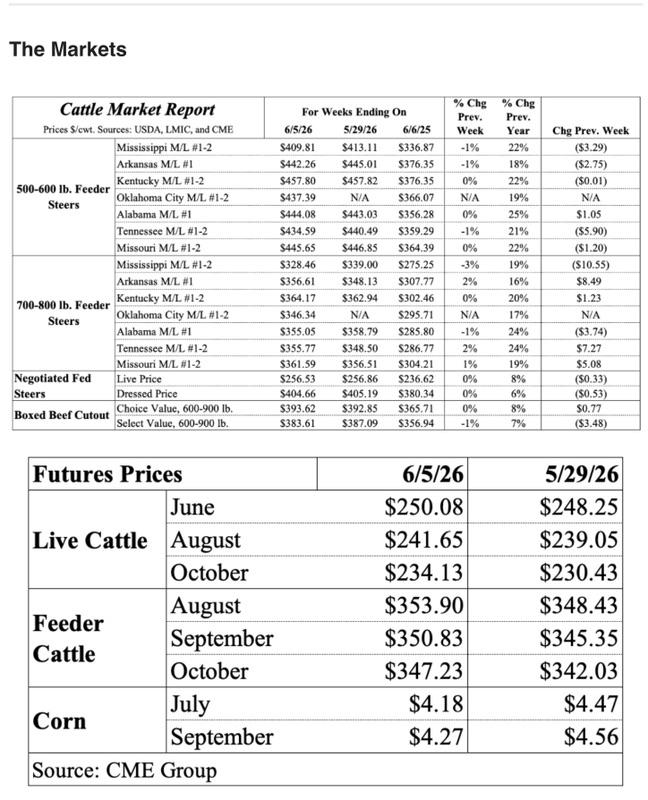
Here is this weeks Cattle Market Notes Weekly

Pesticide Applicator Trainings


There will be no more in person Pesticide Applicator Trainings until this winter. If you need a license you can still do the training online. There is a link below for the online training and a link to check your license status.

Livestock Market Report


The following links are for the weekly livestock market report from the Arkansas Department of Agriculture website and the Livestock Auction Dashboard from USDA. Both sites have marketing data for all livestock sold at Arkansas Sale Barns.

2025 Faulkner County Agriculture Demonstration Summary


The 2025 Faulkner County Agriculture Demonstration Summary is now available at the link below.


The 2025 Faulkner County Demonstration Summary is a collection of on-site demonstration results conducted in Faulkner County by local County Agents. Demonstrations are the cornerstone of the University of Arkansas System Division of Agriculture Cooperative Extension Service’s mission which is:


“We strengthen agriculture, communities, and families by connecting trusted research to the adoption of best practices.”


On-site demonstrations allow producers and homeowners to see firsthand how Extension recommended varieties and best management practices work in their counties and surrounding area.

Sign up for Text Alerts


You can now sign up for text alerts from me throughout the year. I have two areas you can sign up for which includes Faulkner Livestock or Faulkner Ag (Row Crop Updates). To sign up you can follow one of these links or use the QR Codes below.

Faulkner Livestock


Use either the QR Code or this link:

https://slktxt.io/10lLe

Faulkner Ag (Faulkner Row Crops)


Use either the QR Code or this link:

https://slktxt.io/10lLc

Pursuant to 7 CFR § 15.3, the University of Arkansas System Division of Agriculture offers all its Extension and Research programs and services (including employment) without regard to race, color, sex, national origin, religion, age, disability, marital or veteran status, genetic information, sexual preference, pregnancy or any other legally protected status, and is an equal opportunity institution.

Contact Kevin Lawson, County Extension Agent–Agriculture, Faulkner County | Kevin Lawson