Faulkner County Agriculture Update

June 20, 2025


General Conditions

Weather


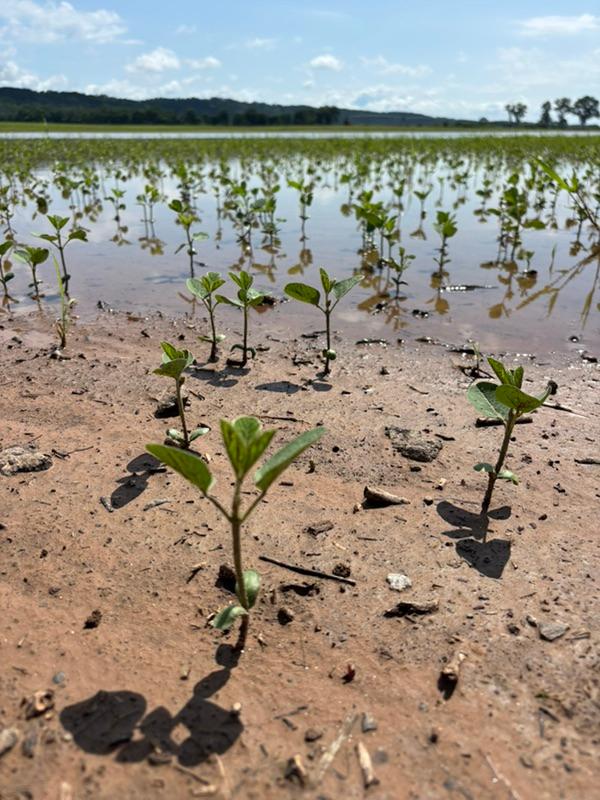
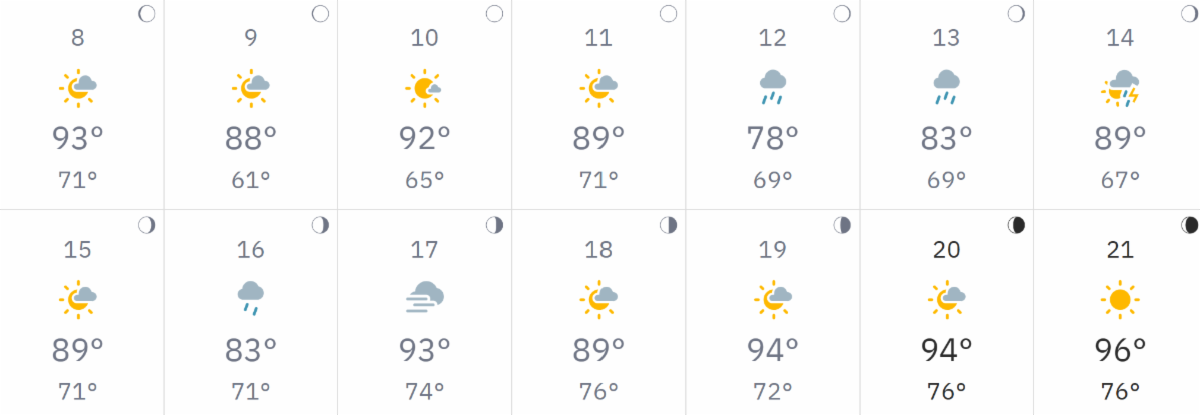
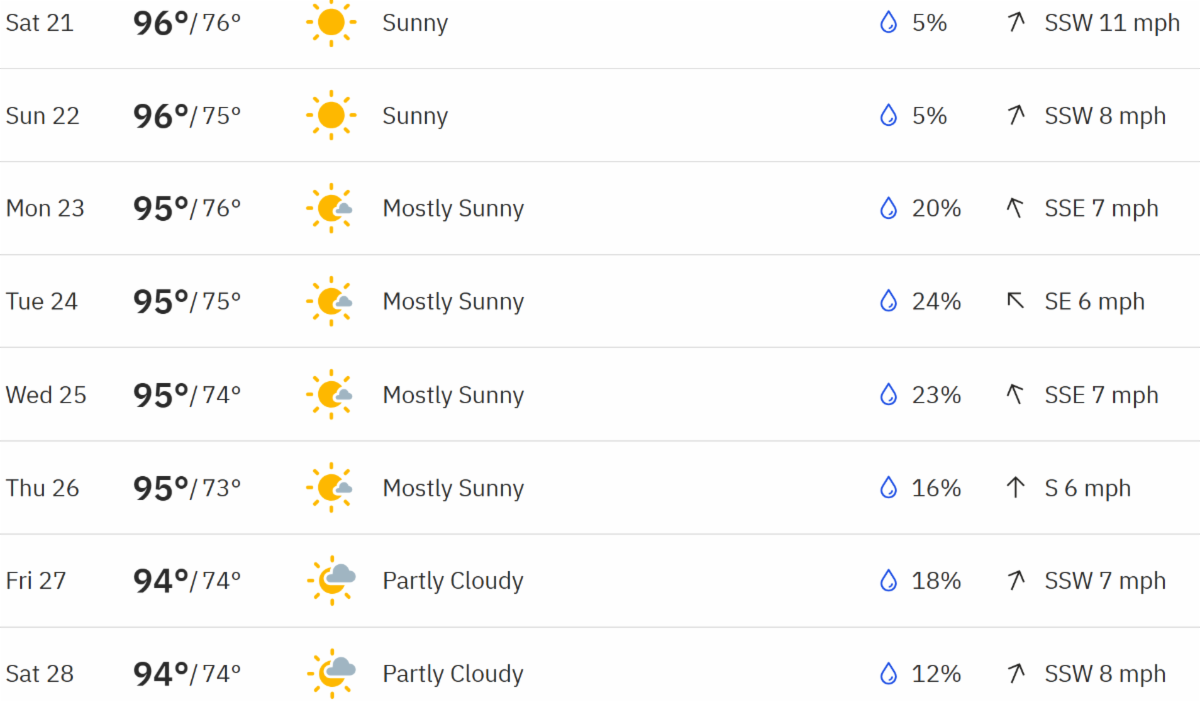
Hopefully this was the last week for rain for awhile. We have chances next week but they are lower than they have been for what seems like two months.

Arkansas and Mississippi River


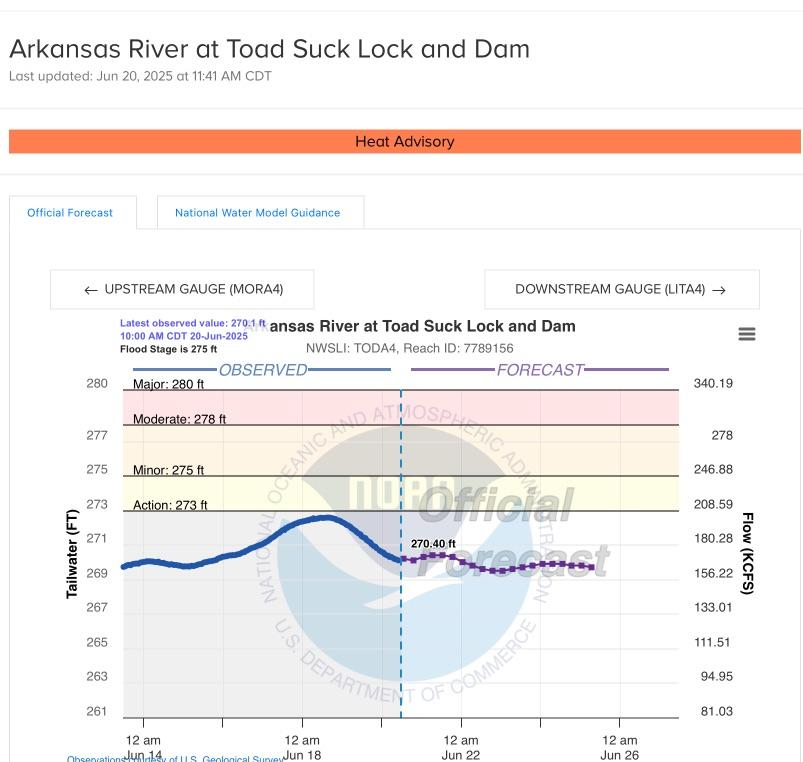
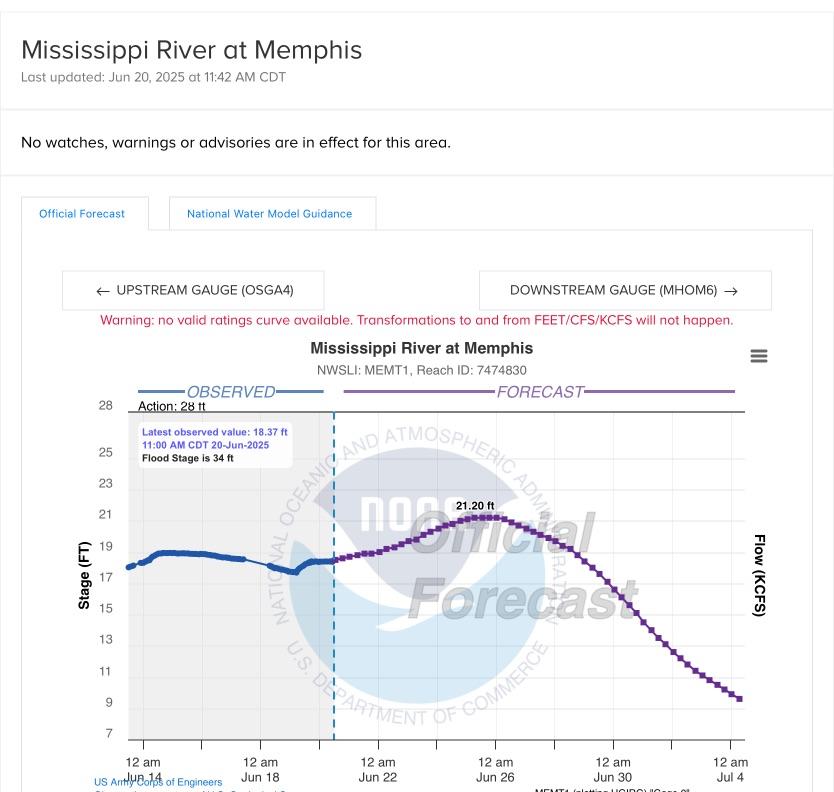
The river started dropping today and looks like it will get back down to 269 in the next few days. We need to get it down to get the flood gates open. There is a lot of backed up water we need to get rid of.

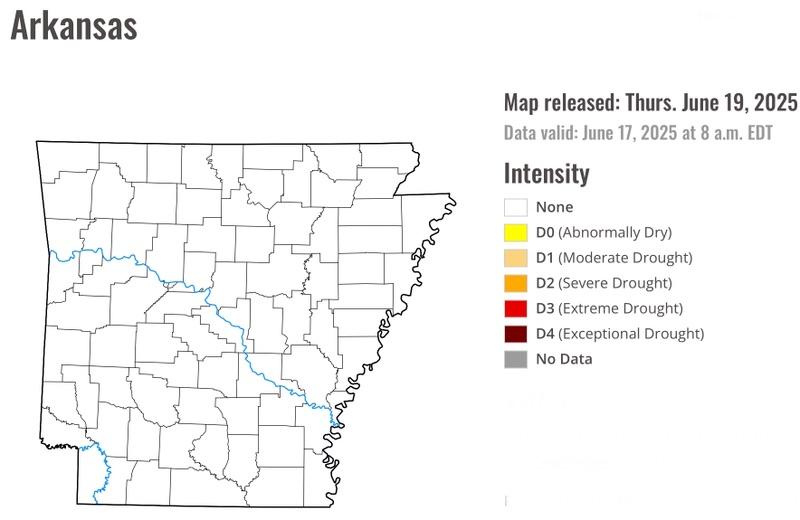
Drought Monitor

Row Crop

Wheat


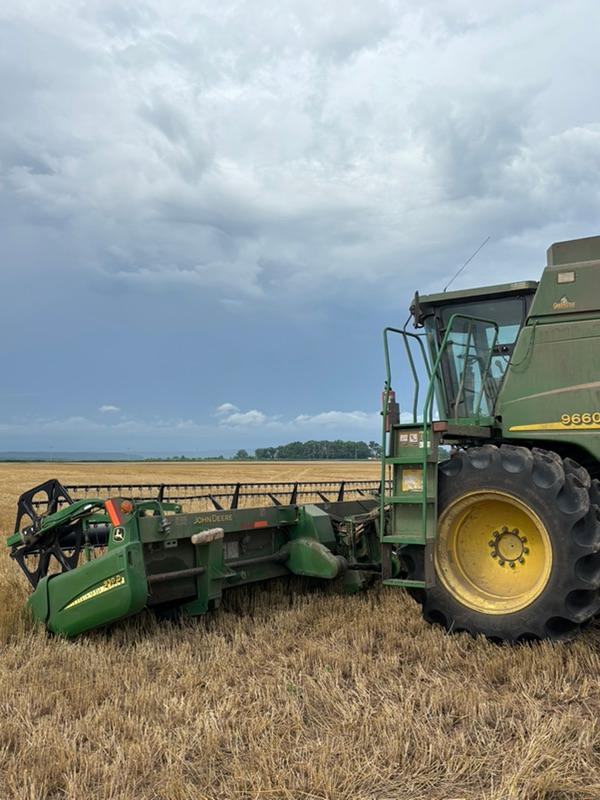
Wheat harvest is still on hold from last weeks rains. I talked to some producers that said they would try to start back up again this weekend.

Corn


Early planted corn has reached R3 which is roasting ear stage. Most of the later planted corn is starting to tassel.


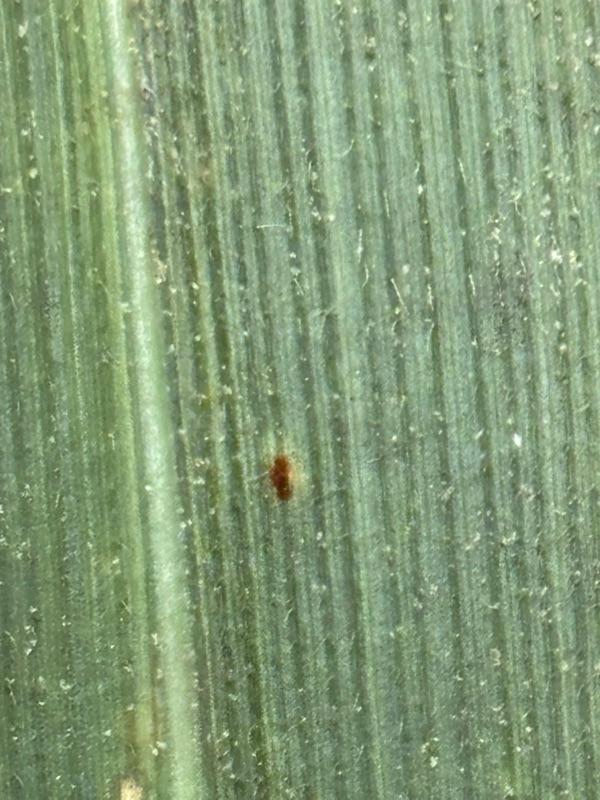
The picture I have here is of some common rust that I found in a field this week. Nothing to worry about on common. There aren't any reports of southern rust in the state, but I wouldn't be surprised to start hearing of some the way the weather has been.


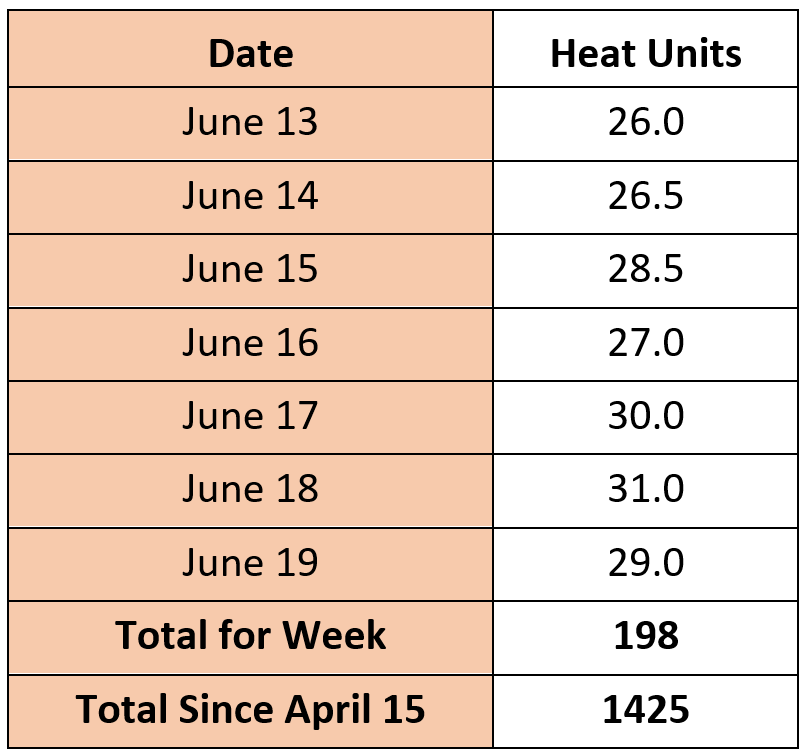
Heat units are getting closer to that 200 a week stage. That is when corn really takes off. We accumulated 198 heat units this week for a total of 1425 for corn planted on April 15.

Rice


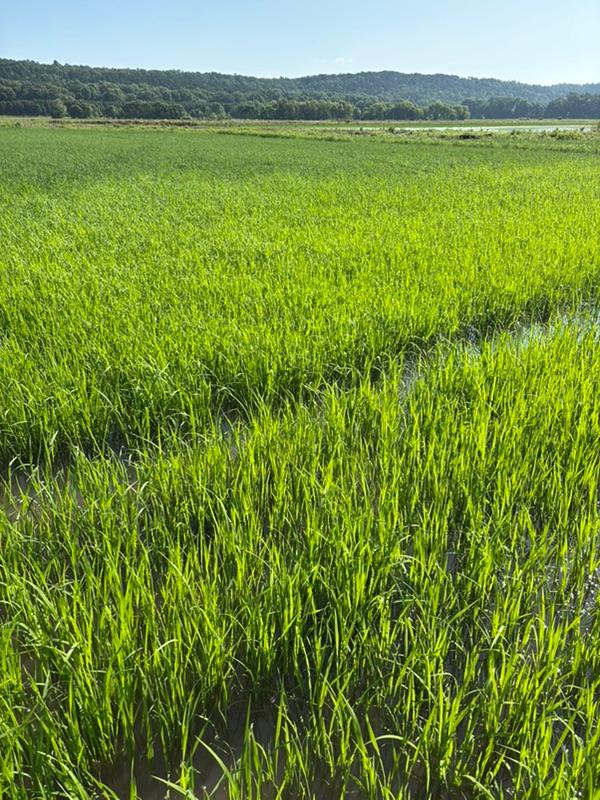
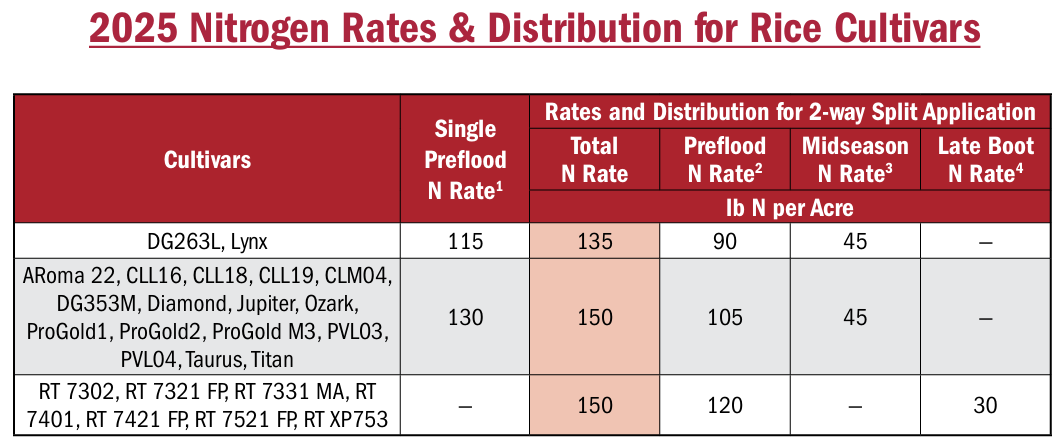
We are getting closer to mid season applications of fertilizer on rice in the county. DD50's show some fields hitting internode elongation the end of this week. Remember you need to have at least green ring and three weeks from the pre flood nitrogen before you apply your midseason.


If you are growing Provisia rice, make sure to scout your fields for any weedy rice escapes. We need to get those sprayed somehow. It can be through a drone or a mudmaster, but we can not afford to let it cross.

Here is Dr. Jarrod Hardke's latest Arkansas Rice Update.

Rice Disease and Insect Training


You're invited to attend the 2025 Rice Disease and Insect Training, which will be held at the Rice Research and Extension Center (RREC) in Stuttgart on July 14th, from 9:00 AM to 3:00 PM.


Please use the link below to register and indicate any dietary restrictions:

🔗 Registration Form

Corn Earworm Moth Traps


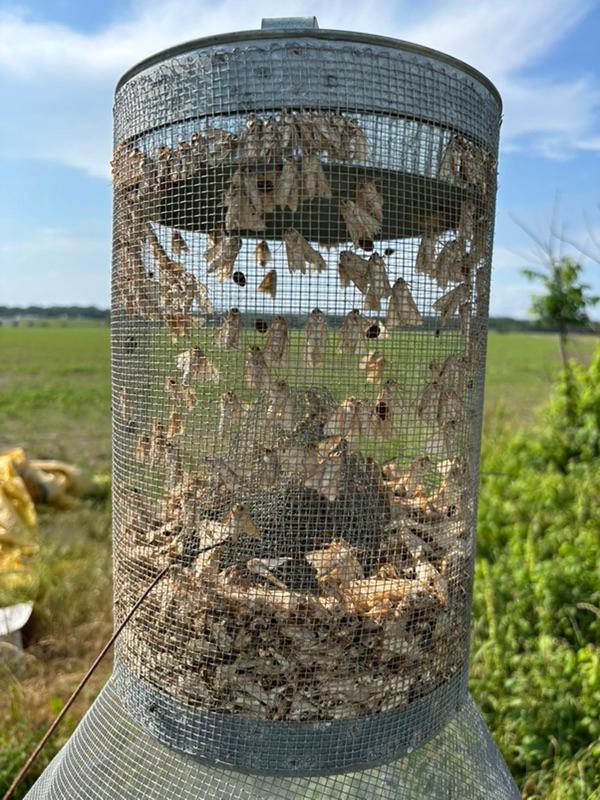
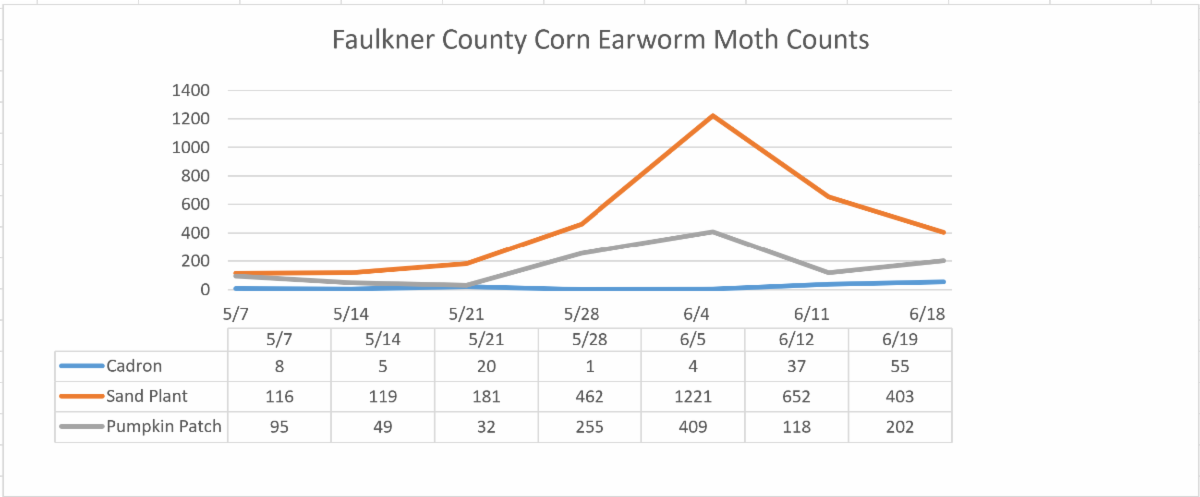
Moth numbers are remaining high in the traps. I saw a few moths in corn fields this week. I swept some soybeans but I am still not catching anything in soybeans.


Cadron - 55 moths

Sand Plant - 403 moths

Pumpkin Patch - 202 moths

June 2025 WASDE and Farm Safety Net Update

Mr. Scott Stiles, Program Associate, Agricultural Economics and Agribusiness

Dr. Hunter D. Biram, Assistant Professor, Agricultural Economics and Agribusiness


June WASDE Delivers Sharp Reduction in U.S. Rice and Cotton Crops

The USDA’s June Supply and Demand report (WASDE) is generally characterized as a “quiet” report with few, if any, changes from the previous month. That held true for the U.S. corn and soybean outlook.


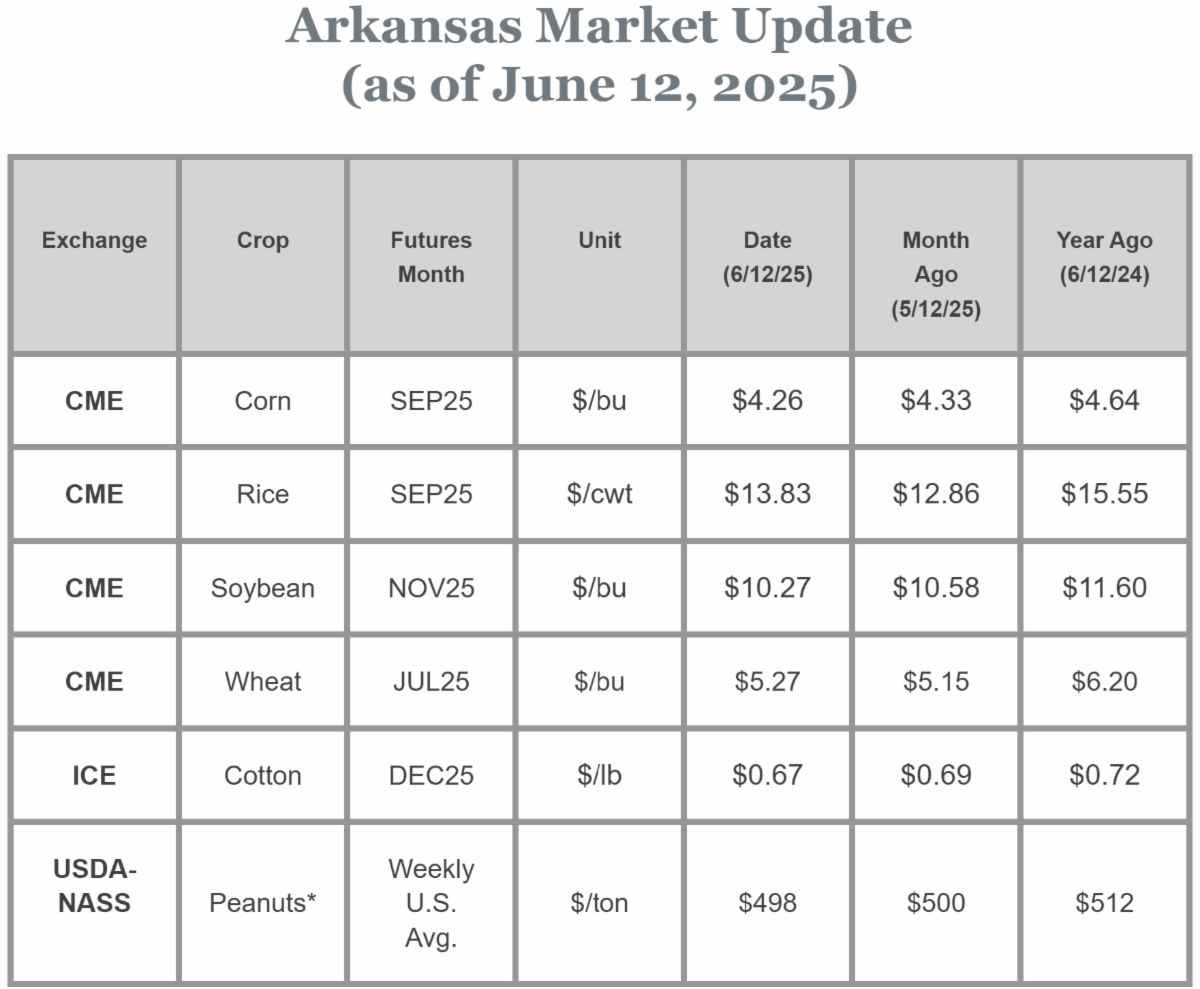
The only adjustments USDA made to the 2025/26 corn balance sheet included a 50-million-bushel reduction in beginning stocks. This reflected an increase in exports for 2024/25. With no demand changes for 2025/26, ending stocks were lowered 50 million bushels to 1.75 billion. The season-average farm price received by producers was unchanged at $4.20 per bushel.


There were no changes this month to the U.S. 2025/26 soybean outlook, with new crop ending stocks remaining at 295 million bushels. The U.S. season-average soybean price is forecast at $10.25 per bushel. On the World balance sheet, Brazil’s production estimate was unchanged at 169 million metric tons and Argentina’s was also unchanged at 49 million metric tons.


One of the big surprises in the June WASDE was the aggressive cut to 2025 long-grain rice production. Not waiting for the June Acreage survey, USDA made note of “the excessive spring precipitation in the Delta” and anticipated this would result in lower rice acreage in the region compared to the March Prospective Plantings. On the long-grain balance sheet, production was lowered by a sizeable 7.5 million cwt. (-4.5%) this month to 159.7 million cwt. Partially offsetting the sharp production cut was a 1 million cwt. increase in imports and a 3 million cwt. reduction in domestic and residual use. The net result was a 3.5 million cwt reduction in 2025/26 ending stocks to 34 million. This is slightly below the 35.3 million ending stocks of 2024/25. The projected 2025/26 long-grain season-average farm price was increased by $0.50 per cwt to $12.50 or $5.63 per bushel.


In another surprise move, USDA wasted no time lowering their expectations for the 2025/26 U.S. cotton crop. Pointing to the excessive rain and planting delays in the Delta, harvested acreage was lowered 2 percent this month to 8.19 million acres. The national average yield for 2025/26 was reduced more than 1 percent from last month to 820 pounds per acre, also because of the conditions in the Delta. As a result, the production forecast was reduced 500,000 bales to 14.0 million, below the 14.4 million bales produced in 2024/25 and the second smallest crop in the past decade. Beginning stocks for 2025/26 were reduced 400,000 bales following a corresponding increase in projected exports for 2024/25. The net result being a 900,000 bale reduction in 2025/26 ending stocks to 4.3 million bales, very close to the 4.4 million bale 2024/25 carry-over. The projected season-average price for 2025/26 was unchanged this month at 62 cents per pound.


As a reminder, USDA will release its Acreage report on June 30. It will provide survey-based indications of planted and harvested area. The acreage findings of the survey will be used in the July 11th WASDE.


Farm Safety Net Update

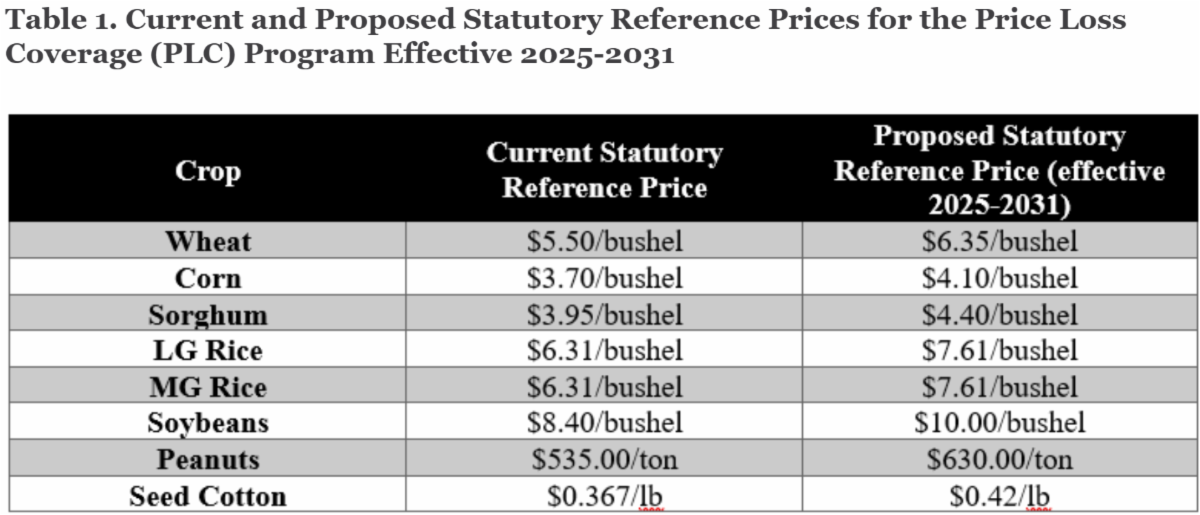
On Thursday, June 12, 2025, the Senate Committee on Agriculture, Nutrition, and Forestry released its language to be included in the reconciliation package (i.e., the “One, Big, Beautiful Bill”). The proposed changes to the farm safety net are essentially the same as those proposed in the House version of the reconciliation bill. The bill provides for an average increase of 15% in Statutory Reference Prices (SRPs) for the Price Loss Coverage (PLC) program effective for the 2025-2031 crop years and allows for a 0.5% increase in the SRP each year spanning 2031-2035 (see Table 1). It also provides an increase of the Agricultural Risk Coverage (ARC-CO) county revenue guarantee from 86% to 90% of expected county revenue, as well as a increase in the maximum payment rate from 10% to 12.5% of expected county revenue. Payment limits were increased from $125,000 to $155,000 per individual with CPI-based inflation adjustments starting in 2025.

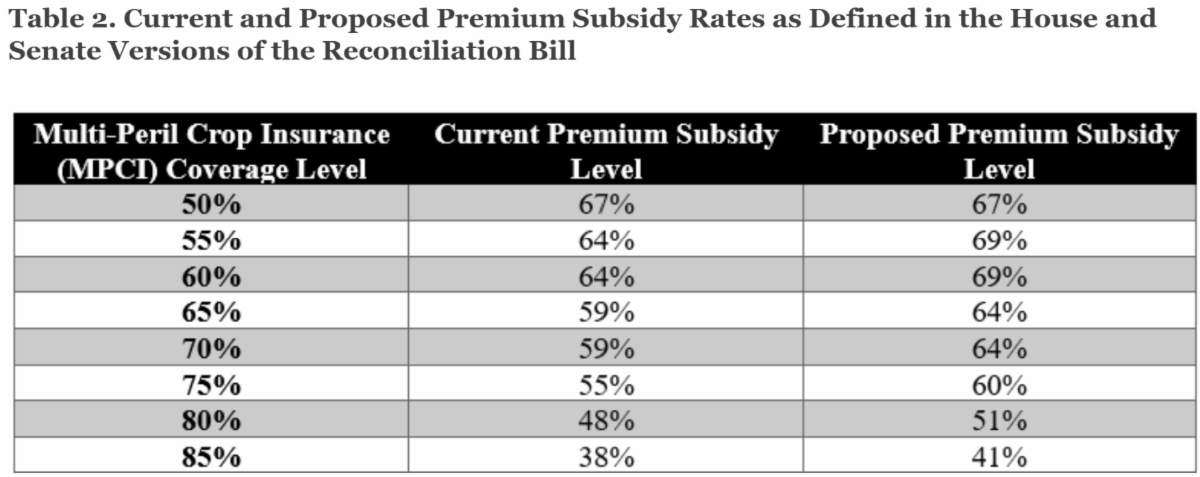
Crop insurance premium subsidy rates for standard multi-peril crop insurance (MPCI), such as Yield Protection (YP) or Revenue Protection (RP), would increase between 3 to 5 percentage points. A table of proposed premium subsidy rates by coverage level is given below. The Supplemental Coverage Option would see an increase in its coverage level from 86% to 90% of expected county revenue, as well as an increase in its premium subsidy rate from 65% to 80%. The Whole Farm Revenue Protection (WFRP) program would see an increase in its maximum coverage level from 85% to 90%. Additionally, Beginning Farmer and Rancher eligibility would be increased from 5 to 10 years allowing beginning farmers to hold status for 5 additional years providing them with assistance that can help them as they establish the farm operation. The full bill text can be found at this link.

Beef, Small Ruminants, & Forages

Fertilizer Prices Part 2


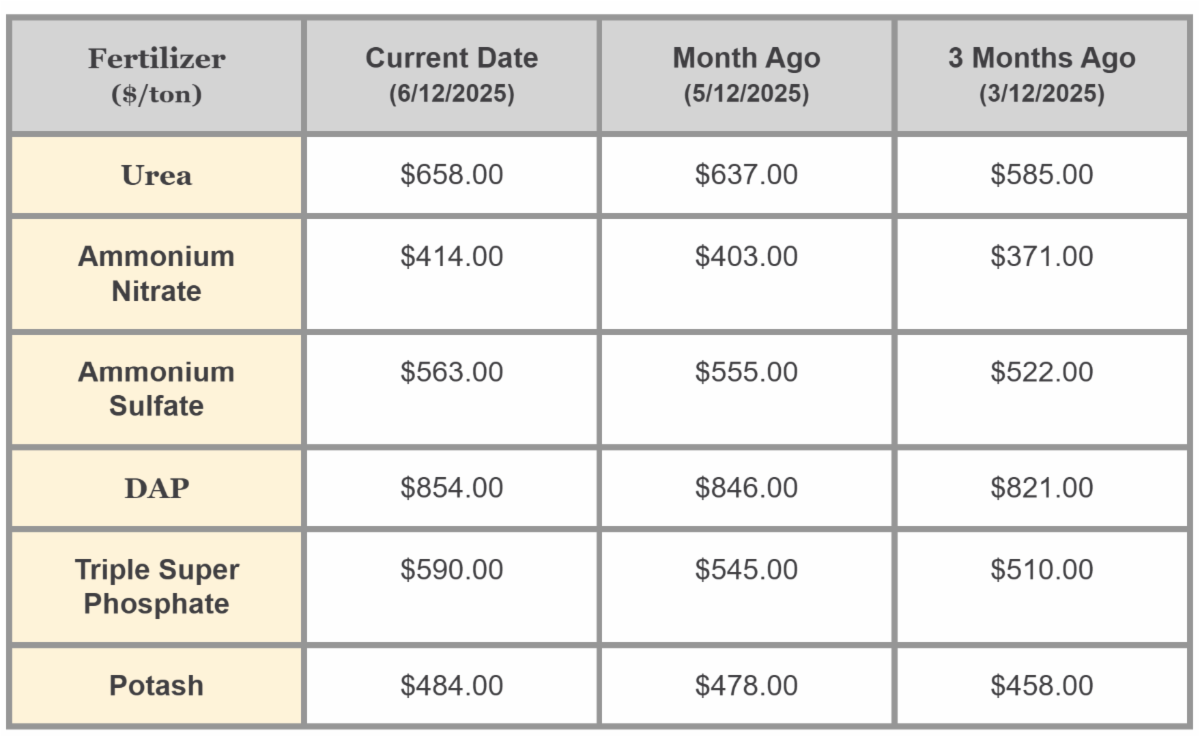
This week I want to discuss some of the same things I did last week but with a different nitrogen source. A new nitrogen source is being sold that is 28-0-5-6. It is 28% nitrogen, 0% phosphorous, 5% potassium and 6% sulfur. Again, I want to emphasize that yes this is cheaper per ton, but that doesn't mean it is cheaper in the end.


The prices I saw this week were Urea is $690 and 28-0-5-6 is $480. I will break this down just like I did Urea and Ammonium Nitrate last week.


Urea at $690 a ton is $0.345 a pound. 28-0-5-6 at $480 a ton is $0.24 a pound.


If I put out 100 pounds of Urea I get 46 pounds of actual nitrogen. That is $34.50 an acre. To put out the same amount of nitrogen with the 28-0-5-6 I would have to apply 165 pounds per acre, which would cost me $39.60 an acre. That would also give me 8 pounds of potassium and 10 pounds of sulfur.


Again, this product will do what you need it to do, just realize it takes a lot more of it.


I know an old County Agent that always had a saying "you can pay me now or you can pay me later but you are going to pay me". This is true more times than not. Always double check your prices based on how much actual nitrogen you are putting out.

Increased corn acres driving higher fertilizer prices; farmers may see fuel price relief


An increase in fertilizer prices in the Mid-South is driven more by a demand from the increase in corn acres than tariffs, economists with the University of Arkansas System Division of Agriculture said.


U.S. corn acres are expected to increase 4.73 million acres this year, according to the Prospective Plantings survey from the National Agricultural Statistics Service.

“That equates to a total of 95.3 million acres, which would be the highest since 2013 and third highest since the 1940s,” said Scott Stiles, extension economics program associate for the University of Arkansas System Division of Agriculture.


The Mid-South — Arkansas, Louisiana, Mississippi and Tennessee — “are following the national corn acreage trend with a sizeable increase in 2025,” Stiles said. “These four states will add a combined 670,000 corn acres this year, up 31 percent from a year ago. Arkansas is expected to increase its corn acres 210,000 acres to 710,000 acres.”


The Division of Agriculture tracks weekly trends in wholesale fertilizer prices for the Mid-South region, including urea, UAN or urea ammonium nitrate; DAP or diammonium phosphate; and potash. They supply three critical nutrients for plants: nitrogen, potassium and phosphorus.


Historically, fertilizer prices tend to increase with demand as planting season gets underway from early February through mid-May.


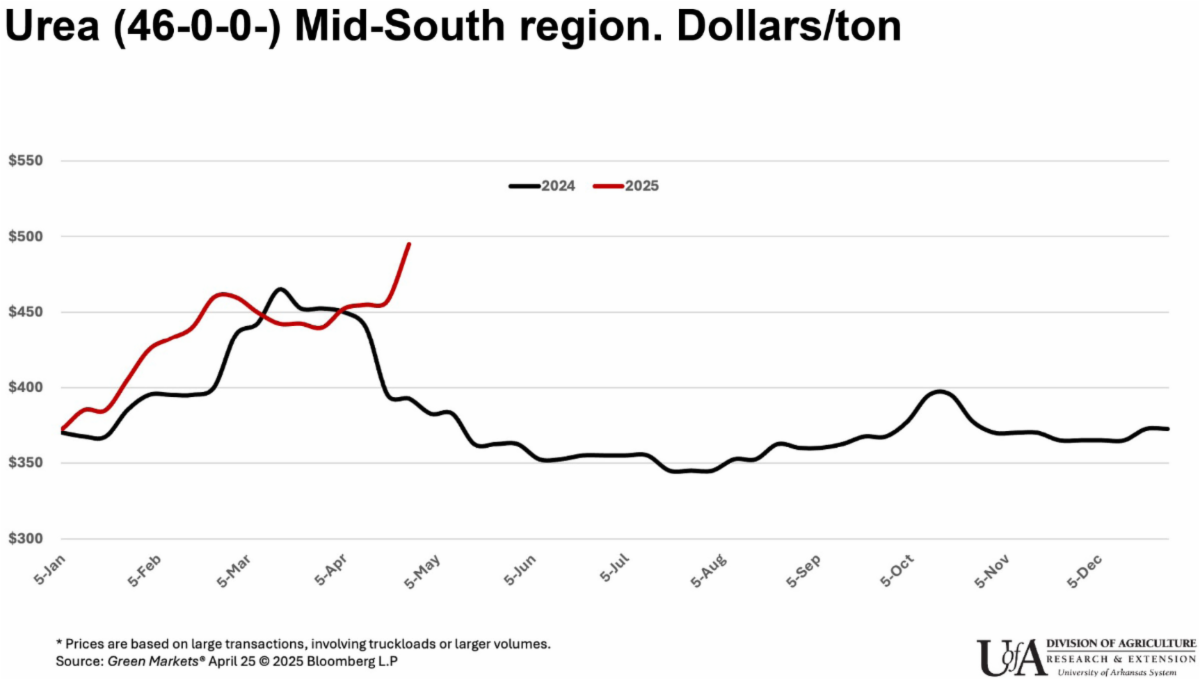
However, “we've noticed urea fertilizer prices have been on a steady climb since the start of the year,” Stiles said. “In the Mid-South region, urea has increased $122 per ton or 33 percent since Jan. 1. 


“UAN, or liquid nitrogen, has been on a similar path, increasing $103 per ton or 37 percent,” he said. “Compared to this time last year, urea is up $102 per ton or 26 percent and UAN is up $63 per ton or 20 percent.”


Stiles said DAP and potash “have been on a slower path higher this year and actually fairly quiet for the last three to four weeks. However, prices for both rose 2 to 3 percent last week.


“It's time,” he said. “Demand is picking up.”


“As we're trying to pinpoint what's driving nitrogen, I'd say it has little to do with the trade environment right now,” he said. 


“Of all the major fertilizers, import tariffs will have less of an impact on nitrogen. For one, the U.S. is the world’s fourth-largest producer of nitrogen fertilizers,” Stiles said.


“However, the U.S. does import some nitrogen from Trinidad and Tobago and Canada.”


Imports have accounted for 6 to 13 percent of total nitrogen consumption in the U.S. since 2020.  


Other factors


As with any commodity, there are multiple factors that act on pricing.


Stiles said that according to Monday’s Crop Progress report, “it's notable that the planting progress for all the major crops is still ahead of the five-year average pace.” 


For Arkansas, corn planting was 80 percent complete by April 27; rice planting at 68 percent. Soybean planting was 45 percent complete and cotton was 6 percent planted.


“So, demand is picking up, terminal supplies of fertilizer are tightening a bit with some river-related challenges lately,” Stiles said. “High water levels triggered some towing restrictions over the past two weeks on the Mississippi River. There was daytime-only navigation for barge traffic between Memphis and Vicksburg, Mississippi, plus a reduction in the number of barges that could be towed as well as reduced loading drafts.” 


As of April 24, the Mississippi at Memphis, Tennessee, was just above 36 feet — minor flood stage — but was forecast to fall below 28 feet by April 29.


“The Mississippi River is falling and these restrictions mentioned should be a short-term issue,” Stiles said.


Crude prices


West Texas Intermediate crude oil was trading near four-year lows.


During the first week of April, WTI traded as low as $55.12 per barrel—the lowest level since February 2021. 


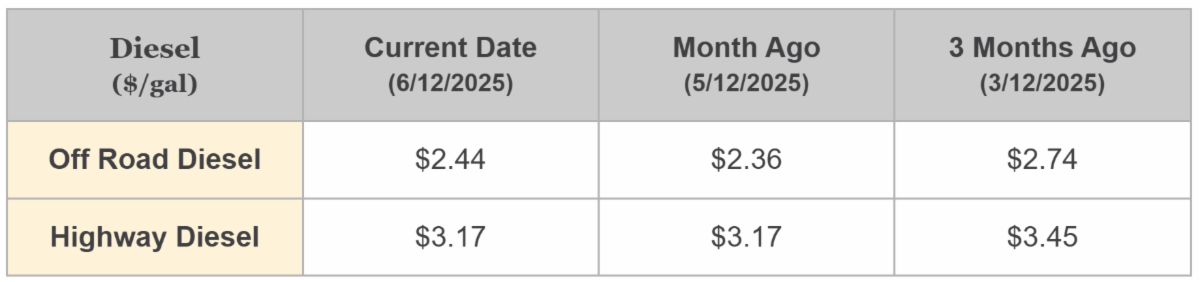
“Crude has since recovered above $60 and has generally traded in a range of $61.50 to $64.90 this week,” Riley Smith said in his Morning Coffee and Ag Markets article on Monday. “This could potentially signal some relief ahead in fuel costs, offering a positive outlook for producers as planting season continues.”


Smith is an extension economics program associate with the Division of Agriculture.

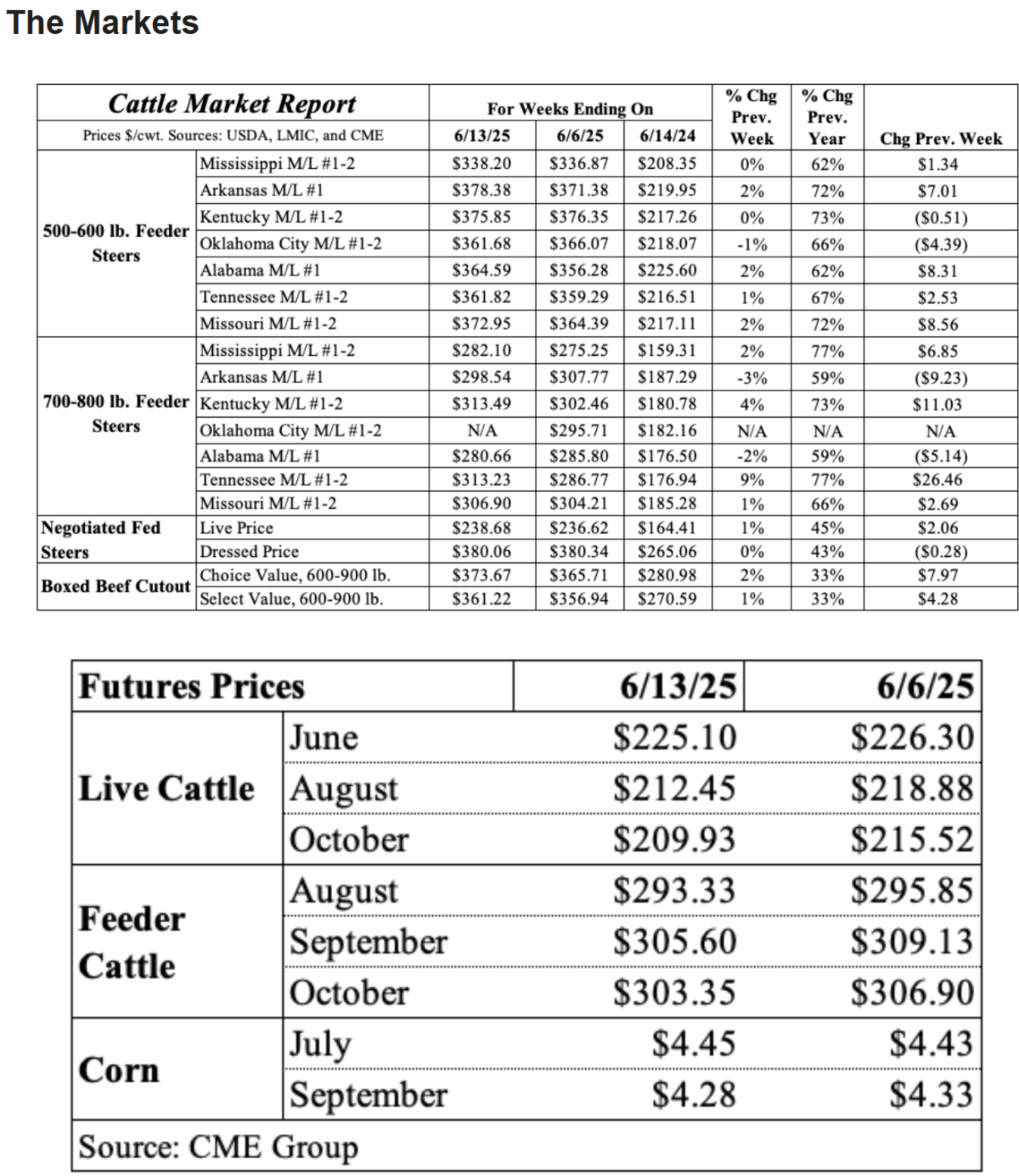
Livestock Market Report


The weekly livestock market report is available on the Arkansas Department of Agriculture website.

Sign up for Text Alerts


You can now sign up for text alerts from me throughout the year. I have two areas you can sign up for which includes Faulkner Livestock or Faulkner Ag (Row Crop Updates). To sign up you can follow one of these links or use the QR Codes below.

Faulkner Livestock


Use either the QR Code or this link:

https://slktxt.io/10lLe

Faulkner Ag (Faulkner Row Crops)


Use either the QR Code or this link:

https://slktxt.io/10lLc

Pursuant to 7 CFR § 15.3, the University of Arkansas System Division of Agriculture offers all its Extension and Research programs and services (including employment) without regard to race, color, sex, national origin, religion, age, disability, marital or veteran status, genetic information, sexual preference, pregnancy or any other legally protected status, and is an equal opportunity institution.

Contact Kevin Lawson, County Extension Agent–Agriculture, Faulkner County | Kevin Lawson