Faulkner County Agriculture Update
June 26, 2026
| | |
Weather
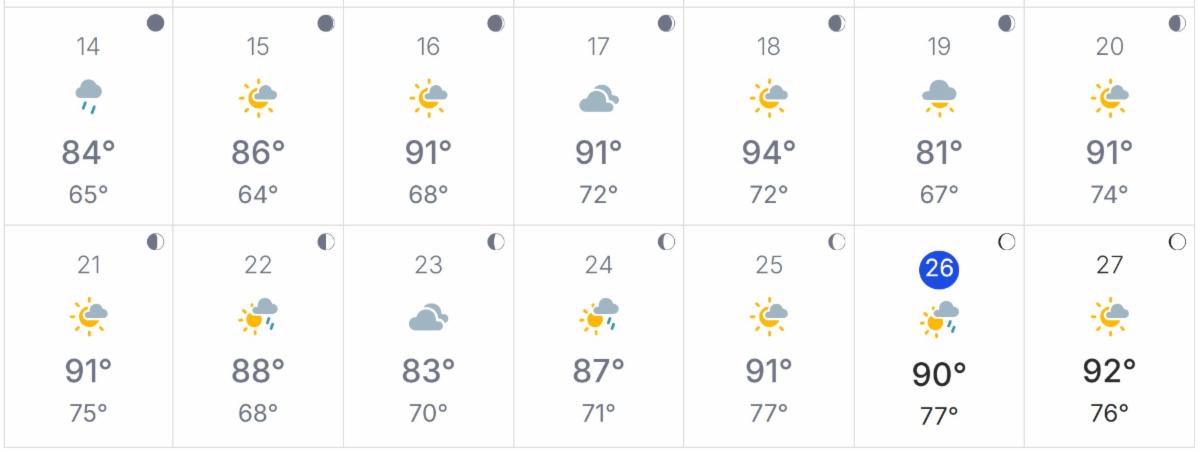
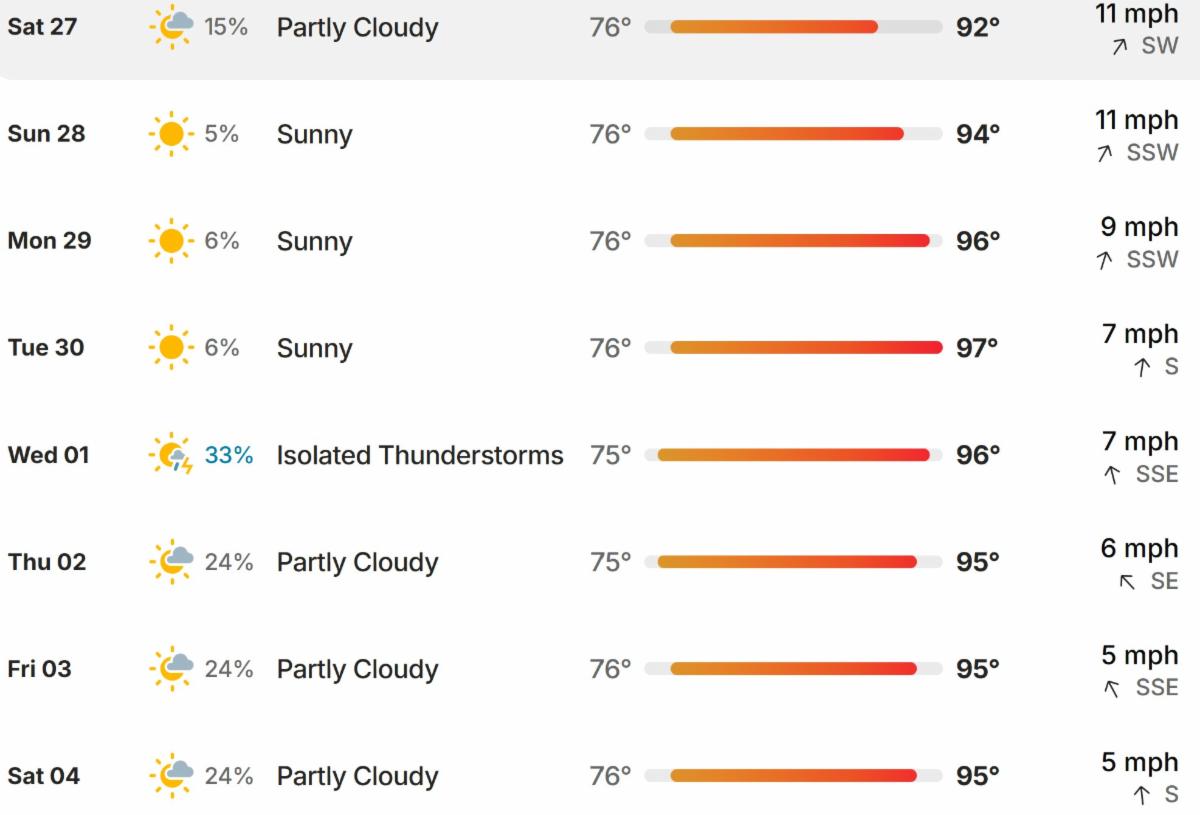
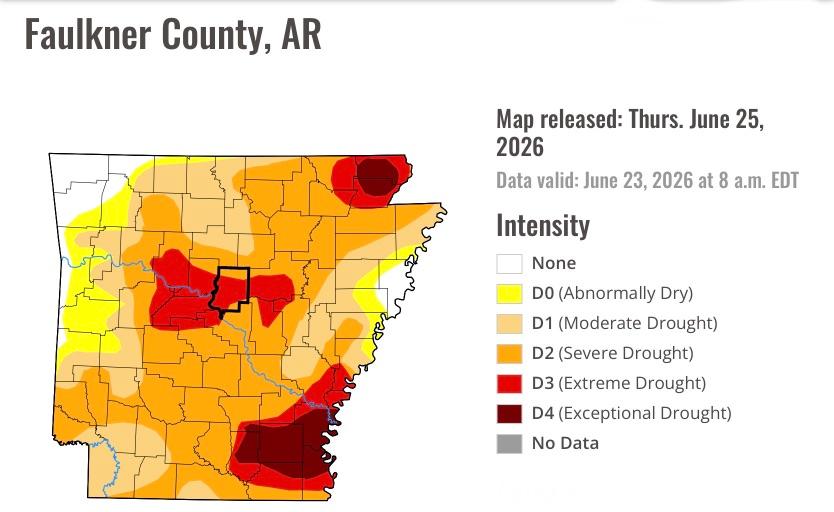
Temperatures were mild this week as a few rain showers fell in certain parts of the county. There were areas around Greenbrier that received over 1 inch of rain on Thursday while the southern part of the county is struggling for a drink as it is starting to get pretty dry again. Most of the county remains in a D3 drought. There isn't much of a chance for rain next week with temperatures rising and getting close to 100 degrees.
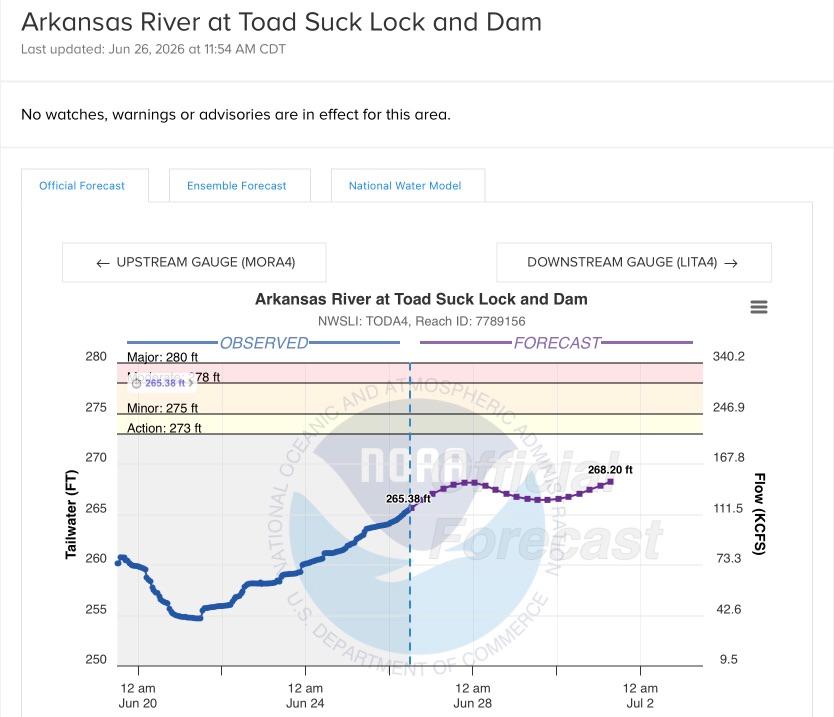
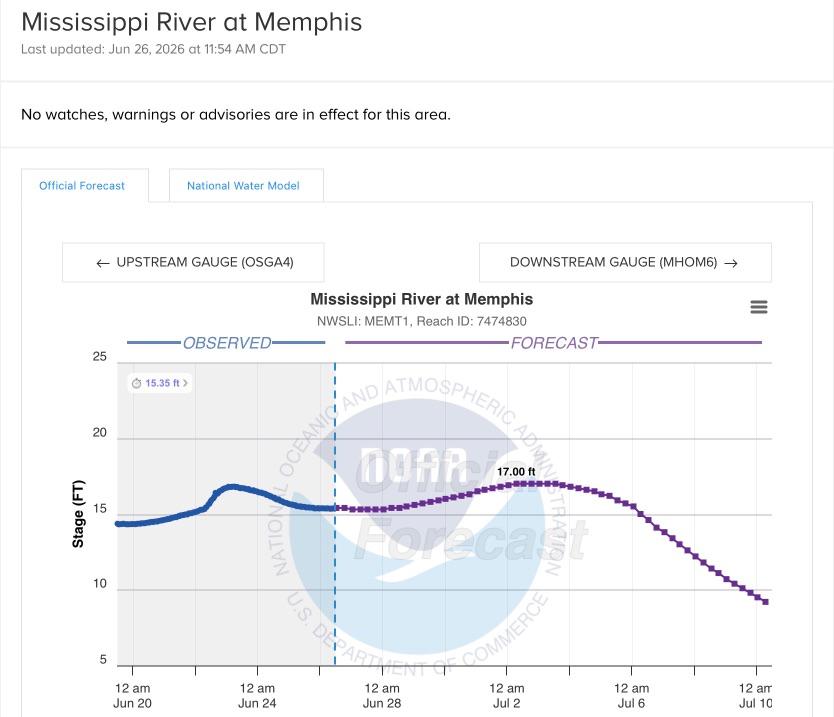
| | Arkansas and Mississippi River | | The Arkansas River continues to rise from heavy rains from the west of us. We will be getting up to 268 feet by next Thursday. That isn't far from the action level of 273 feet. This will probably effect the Cadron and some low lying areas. | |
Corn
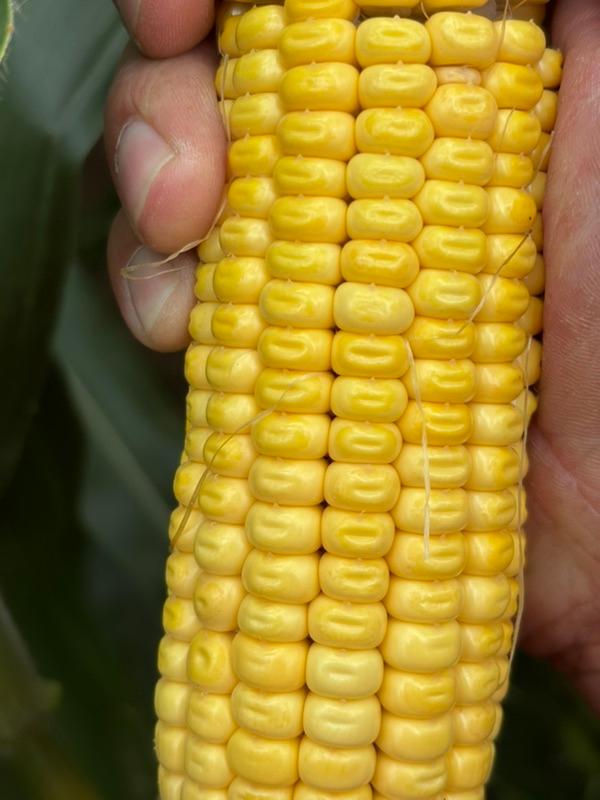
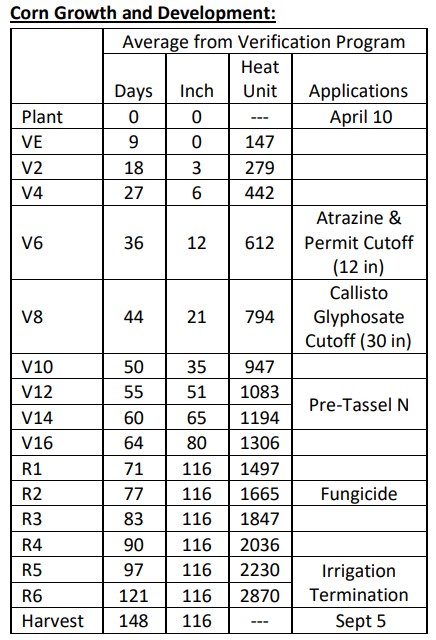
The early planted corn is denting and I can see the starch line starting. It is probably around R5.1 to R5.2. We still have work to do to keep this yield. Irrigation does not need to stop or be delayed right now. Later in this newsletter, I will show how much moisture we are losing in between pivot rotations. It is the best we can do right now without a rain, but I would not turn off a pivot on corn at this point. We need to get that starch line down to about 3/4 of the way down with good soil moisture before we can stop the pivots.
I talked to Jason Kelley early this week and there isn't any southern rust in the state as of right now. That is good news because we are getting to the point where we can outrun it if we do get it.
Silage harvest will be starting soon.
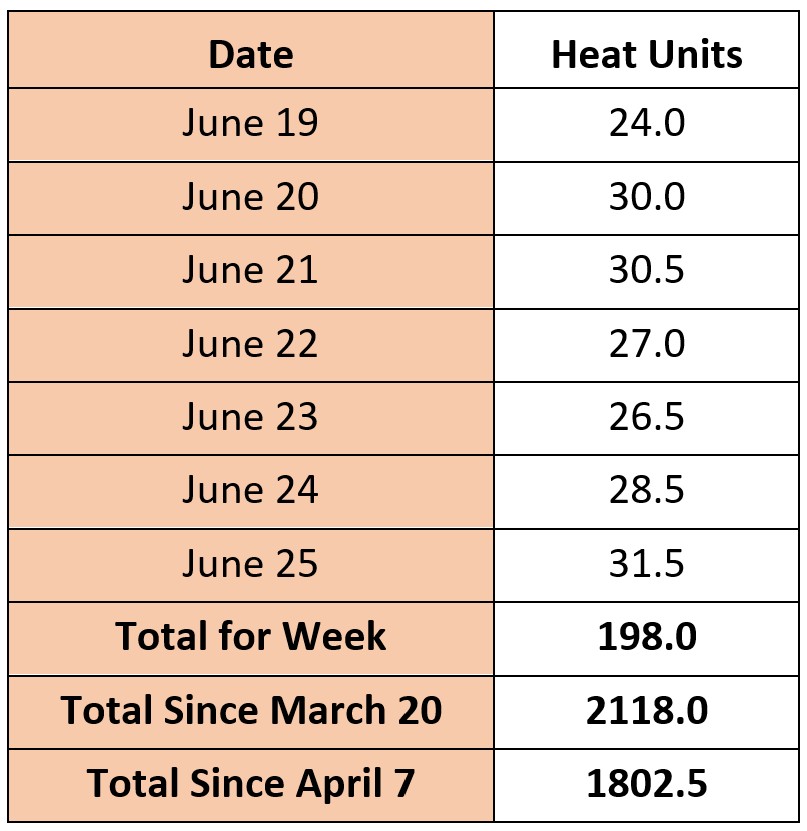
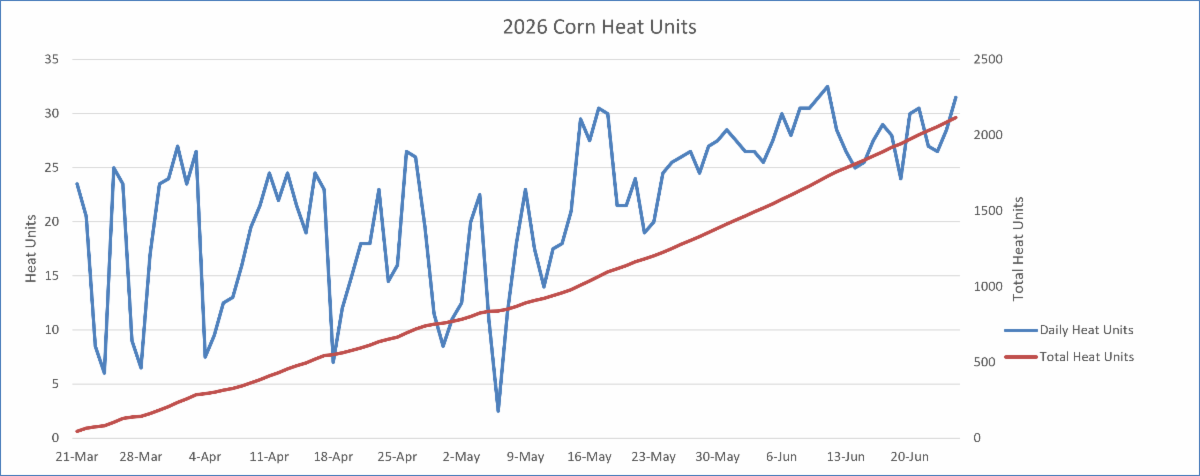
Heat units were back up this week as the night time low's moved back up. We accumulated 198 heat units for this week. Heat units for corn planted on March 20 is at 2118 and for fields planted on April 7 there is 1802.5 heat units. Early planted fields are at R5.1 while late planted fields are at R3.
| | |
Rice
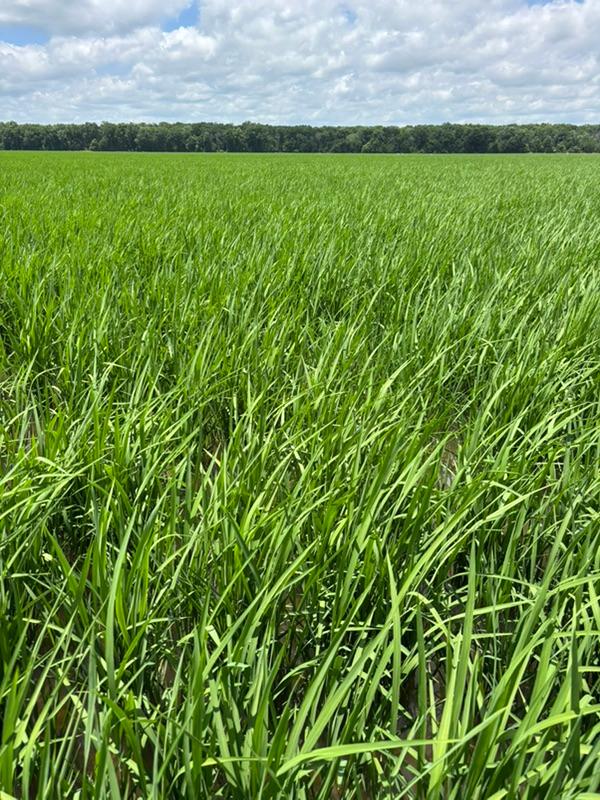
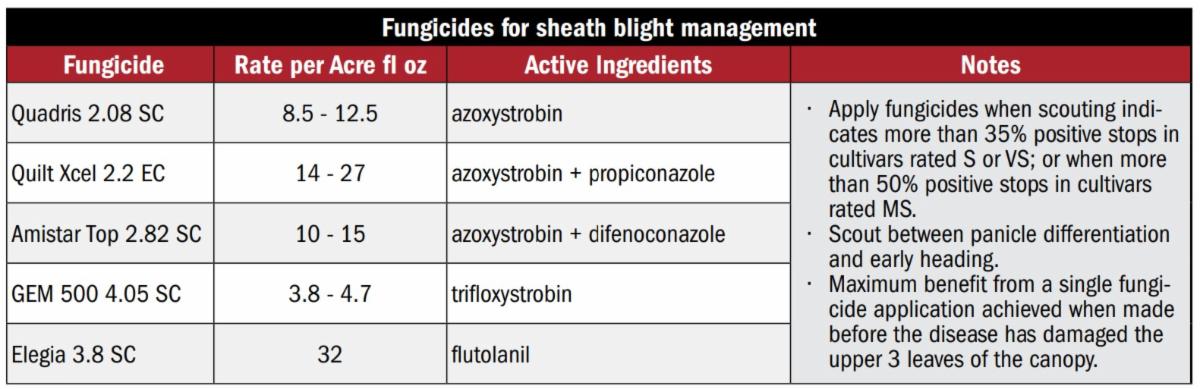
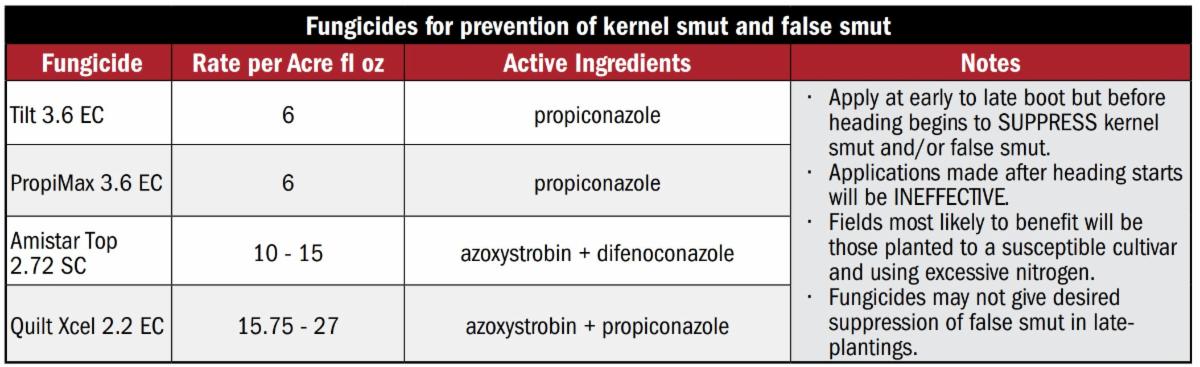
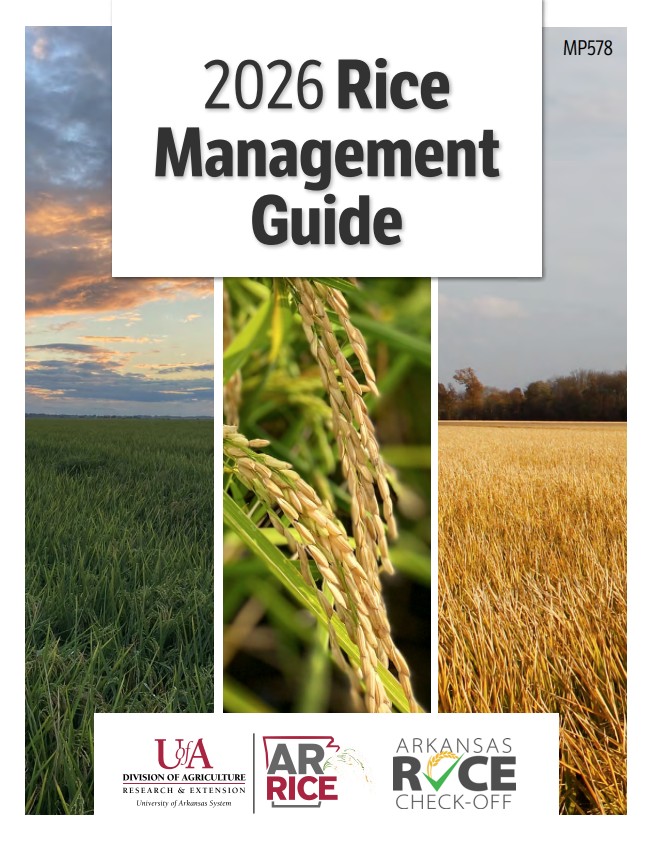
Rice is really looking good as we move beyond midseason fertilizer applications and into disease scouting. Check your DD50, but it is getting close to time to apply a mid boot application of propiconazole for kernel smut. This is one of those diseases we apply without having the disease but go off the rating of the variety and the history of the field. 6 ounces of a generic propiconazole is cheap insurance against smut. Sheath blight only needs to be treated if it is found in the field.
| | Latest rice update from Dr. Jarrod Hardke and our 2026 Rice Management Guide. | | |
Soybeans
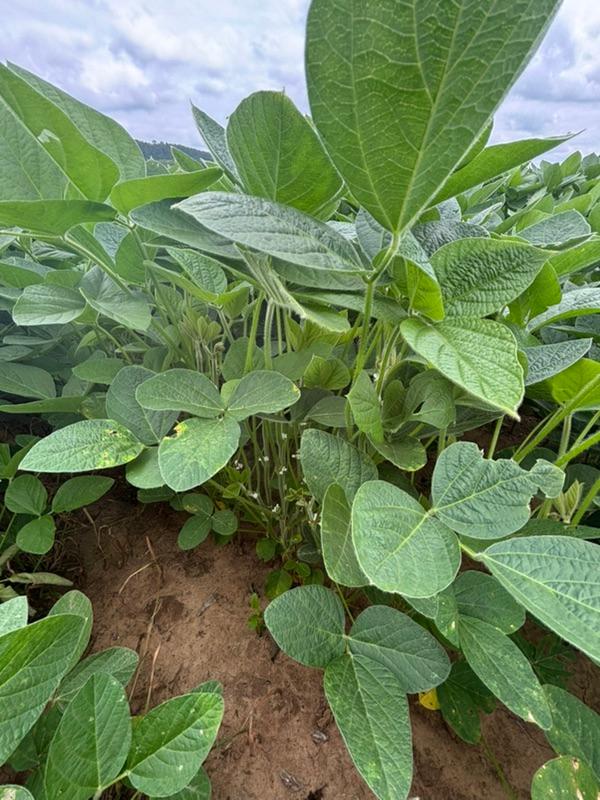
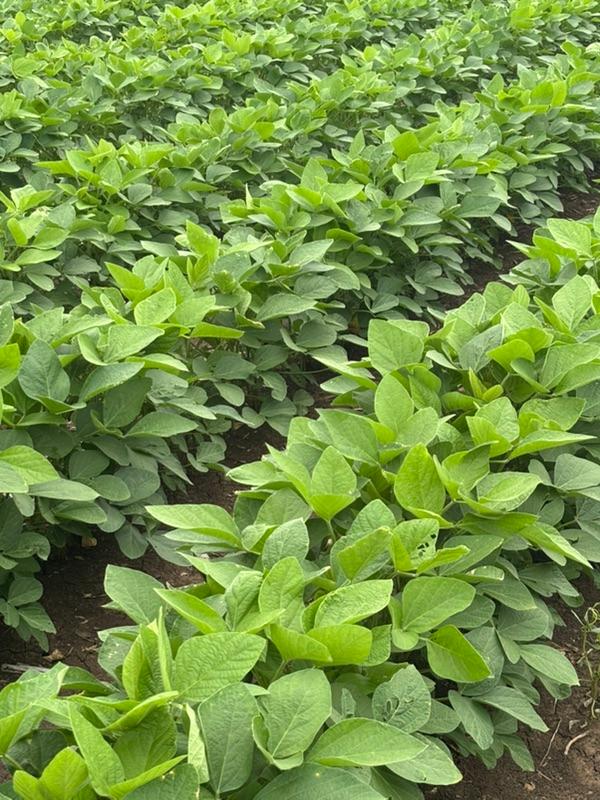
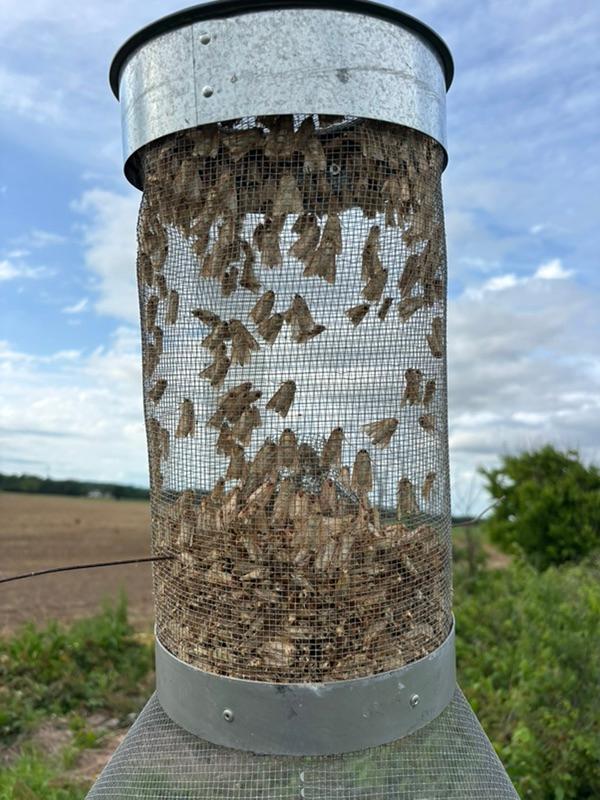
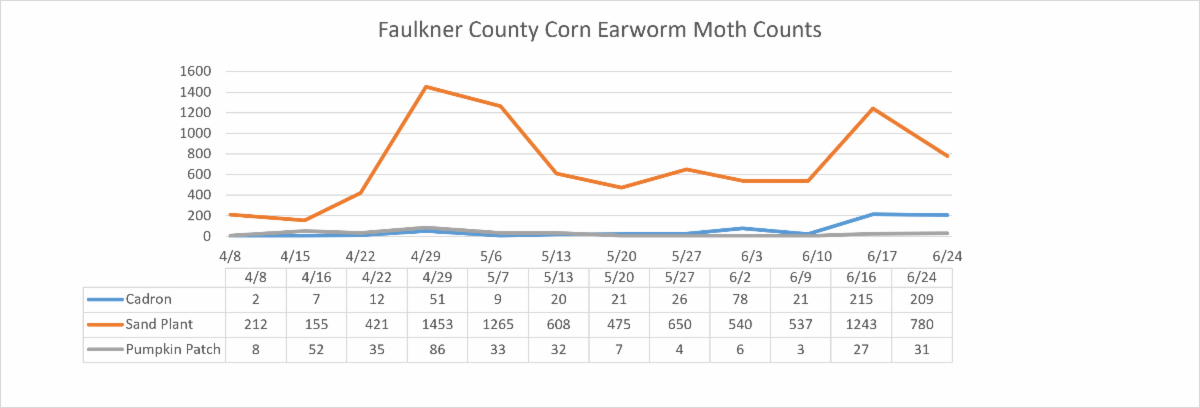
Soybean planting is about done in Faulkner County. There are a few fields left, but for the most part we are done. We have fields all the way from emergence to R3 out there. Several fields have received applications of herbicide the past week and fields are starting to really look good. We continue to catch elevated earworm moths in the traps, but sweeping fields we still aren't finding much in the fields. I will find a stink bug here and there, but for the most part we are good with insects. Fields that are entering reproductive stage need to be irrigated, so polypipe is going in on some fields and pivots are starting.
| | |
Corn Earworm Moth Traps
Corn Earworm Moth Counts for June 24, 2026
Cadron - 209
Sand Plant - 780
Pumpkin Patch - 31
| | |
Moisture Sensors
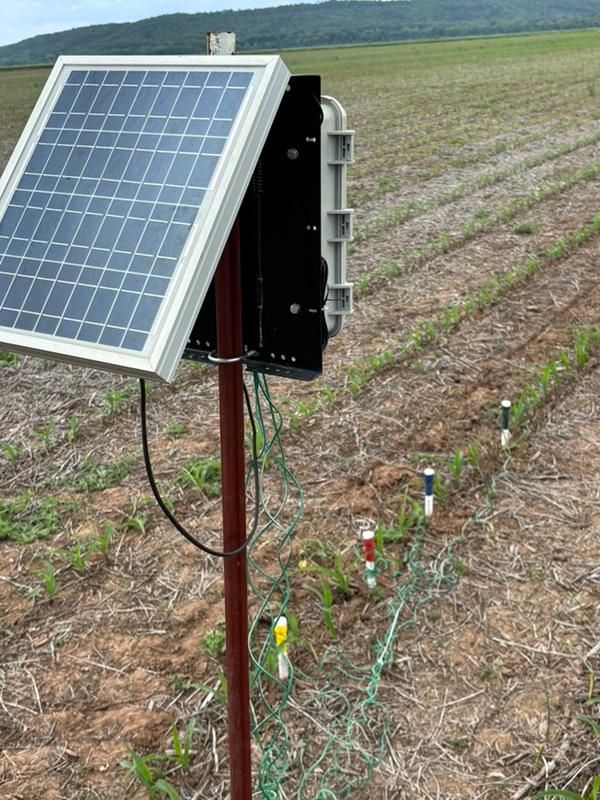
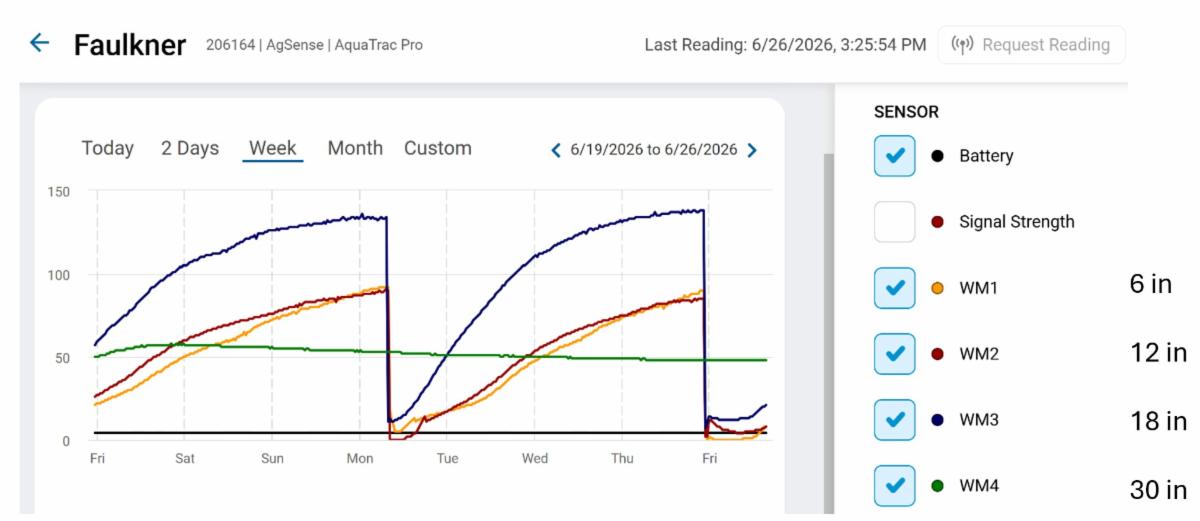
The corn moisture sensors are showing how much the corn is using right now. Once the pivot hits the sensors, it can zero out the 6 and 12 inch sensor and bring the 18 inch almost to zero, but 4 days later before the pivot can make it back around we are way above target moisture. The 30 inch sensor is not moving much at all.
| | |
Chapter 12 Bankruptcy Filings are up 20%, Underscoring the Impact of the Farm Safety Net on Crop Farmers
Dr. Hunter D. Biram, Assistant Professor and Extension Agricultural Economist, University of Arkansas
Dr. Ryan Loy, Assistant Professor and Extension Agricultural Economist, University of Arkansas
Dr. Michael Deliberto, Associate Professor and Louisiana Farm Bureau Endowed Professor in Agricultural Policy, Louisiana State University
Chapter 12 Bankruptcy Filings
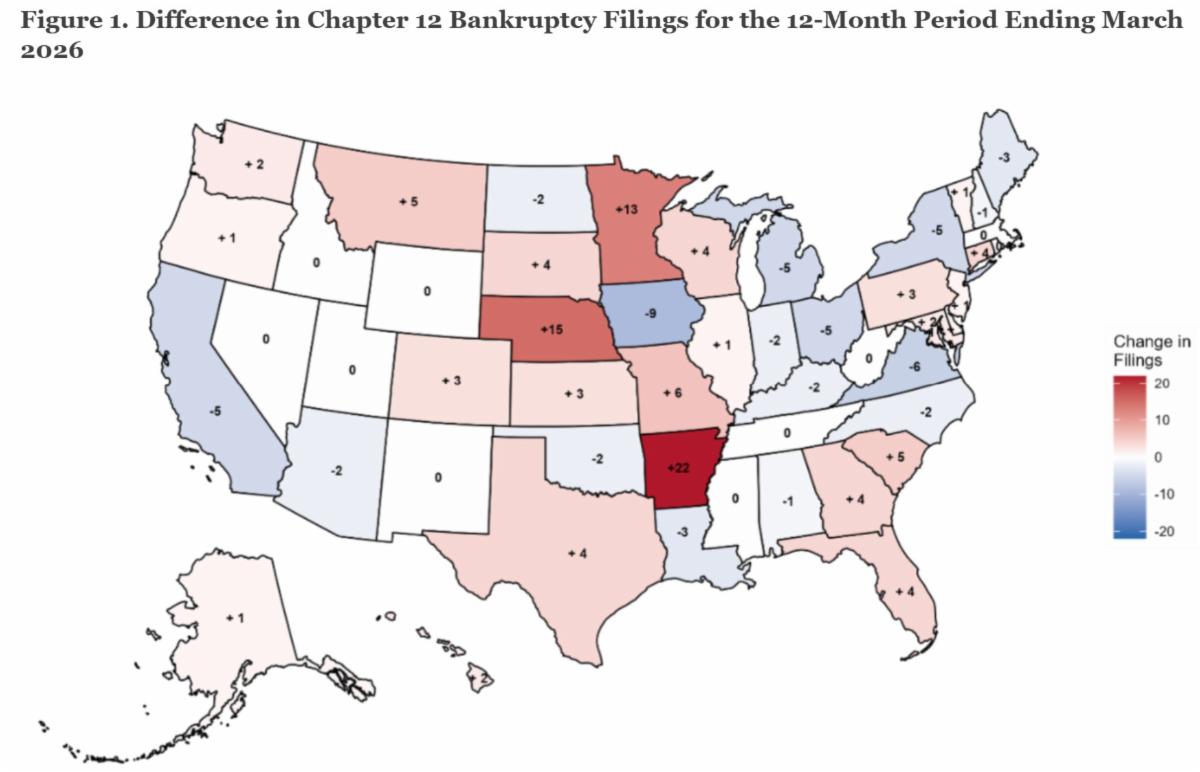
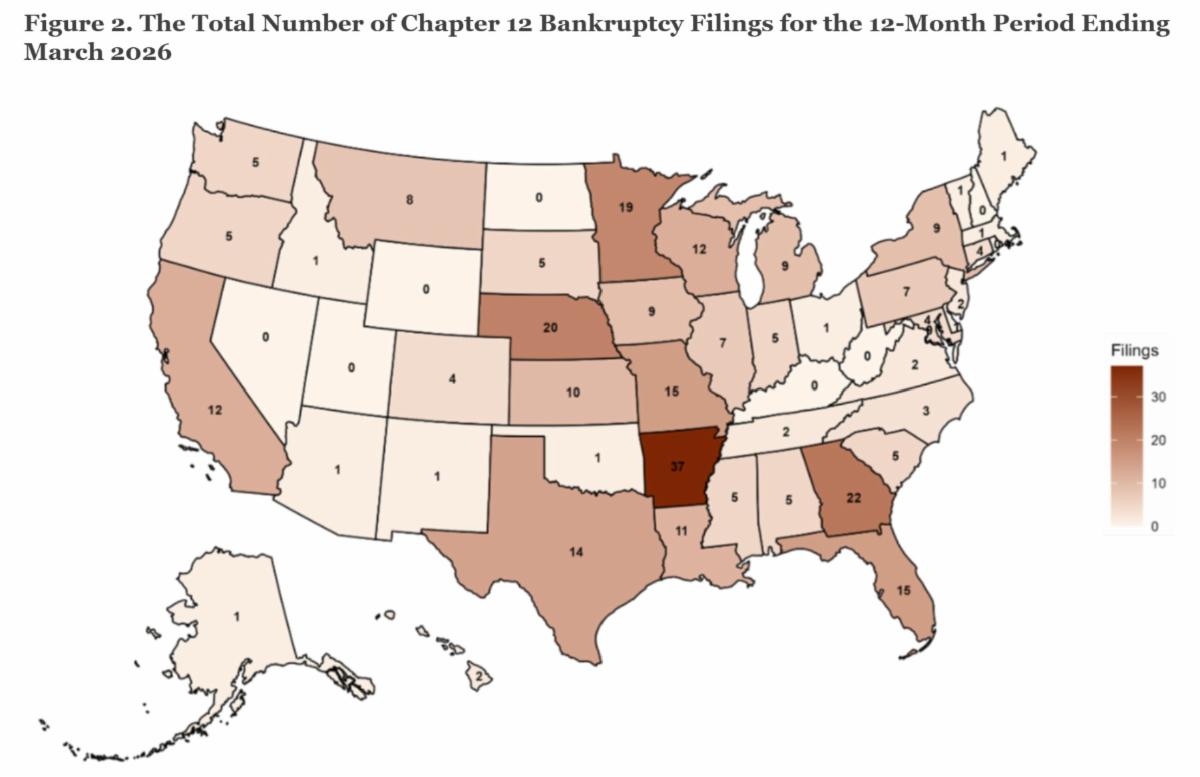
Chapter 12 bankruptcy filings increased substantially in the 12-month period ending March 2026, with 312 filings nationally compared to 259 during the same period in 2025. This represents nearly a 20% year-over-year increase in Chapter 12 filings. Filings were concentrated in major agricultural states, with Arkansas, Nebraska, and Minnesota seeing the largest year-over-year increases (Figure 1). For the 12-month period ending March 2026, Arkansas, Nebraska, and Minnesota have had 37, 20, and 19 filings, respectively (Figure 2). Low commodity prices, persistently high input costs, and interest rates have tightened farm cash flows considerably. Federal commodity programs like PLC are designed to offset price declines, but payment limits restrict the amount of support a farming operation can receive.
Chapter 12 bankruptcy filing in Louisiana through the first quarter of 2026 stands at 11. If realized, this marks the third consecutive year of double-digit filings in the state. In 2026, the occurrence of these filings is concentrated in the northeastern region of the state, where corn, cotton, and soybean crops are commonly produced. While the short-term increase in commodity prices is a welcome sign in farm country, chronic high production costs have eroded any opportunity for sustained farm margins. The southwestern region of Louisiana, home to nearly three-quarters of annual rice production, did not show an increasing rate in filings. This may be due to the fact that rice in this coastal prairie region is rotated with crawfish and idle (fallow) fields are used for grazing cattle. The ability of rice growers to produce a second (or ratoon) crop also helps support farm income. The overall trend of Chapter 12 filings are increasing in Louisiana, as it is across the Mid-south.
| | |
Bankruptcies are Likely Driven by Multiyear Increases in Farm Production Expenses Paired with Declines in Crop Receipts
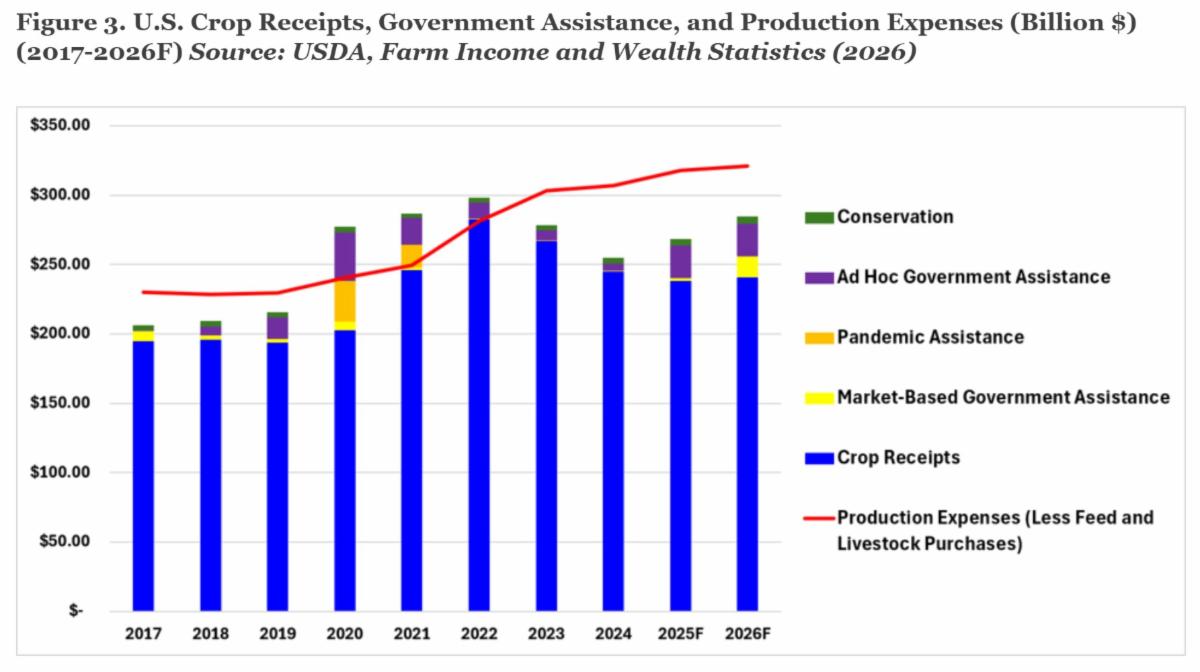
According to the United States Department of Agriculture (USDA), farm production expenses for crops (i.e., Production expenses less feed and livestock purchases) across the United States are projected to increase for the fifth year in a row from $250 billion in 2021 to $321 billion in 2026F (Figure 3). At the same time, the total value of crop production measured by crop receipts has declined in three of the last five years, falling from a high of $283 billion in 2022 to $241 billion in 2026F. Despite government assistance in the form of market-based programs, like Agriculture Risk Coverage (ARC) and Price Loss Coverage (PLC), or ad hoc disaster assistance programs like the Emergency Commodity Assistance Program (ECAP) and the Farmer Bridge Assistance Program (FBA), crop production expenses have outpaced total receipts since 2023, resulting in cumulative economic losses of over $160 billion.
Arkansas net farm income is projected to remain steady in 2026, largely driven by $1.12 billion in government assistance as reported in a previous newsletter (Biram, Loy, and Mitchell, 2026; Zaman et al., 2026). Total receipts consisting of both crops and livestock are projected to decline for the fourth consecutive year, with a total decline of $2.34 billion since 2022, while production expenses remain elevated and in line with the 2022-2025 average of $10.3 billion. Arkansas crop receipts are projected to decline for the third year in a row and have fallen by $1 billion since 2023. Receipts for all major crops are projected to decline, while soybeans are projected to increase driven by increased acres on more favorable margins. For instance, in 2026, net returns for crops grown in Arkansas are projected to be between breakeven, in the case of soybeans, and -$379/acre in the case of long grain rice on a 75-25 crop share rent. Cotton and corn have expected net returns of -$193/acre and -$220/acre, respectively. In 2025, expected net returns for corn, cotton, long grain rice, and soybeans were -$274/acre, -$353/acre, -$259/acre, and -$85/acre, respectively, resulting in an average loss of $242.75/acre (Biram, Loy, and Stiles, 2025).
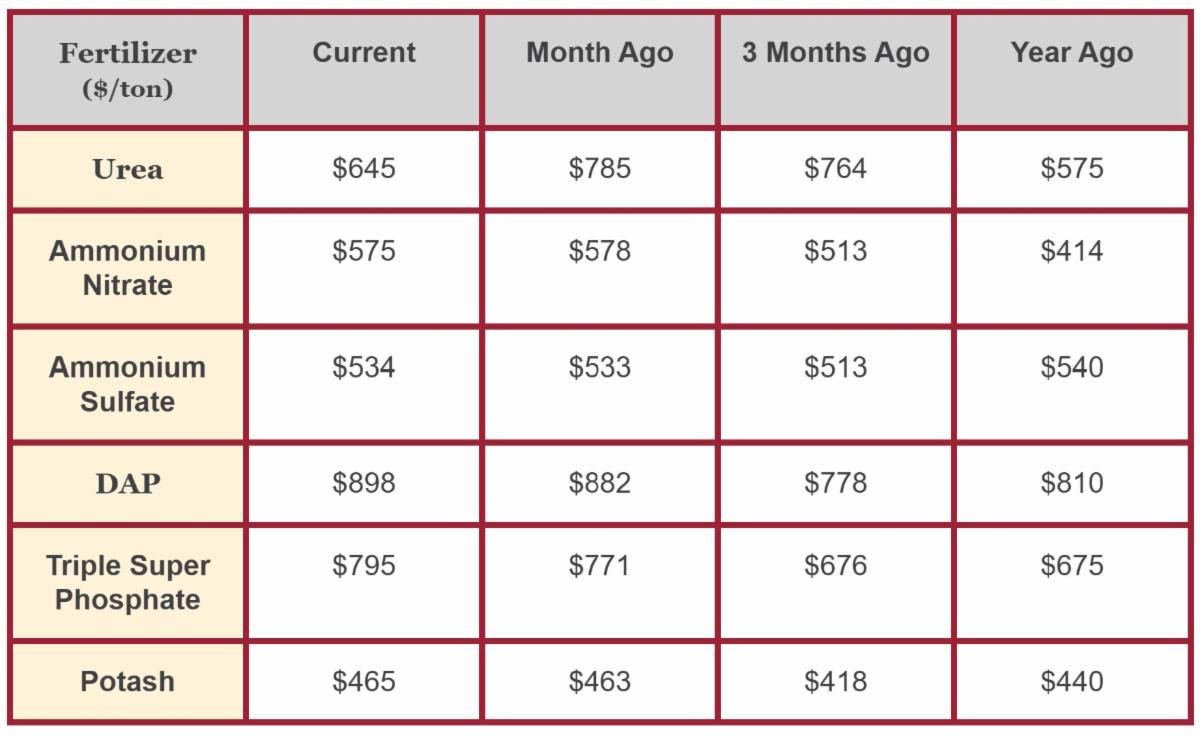
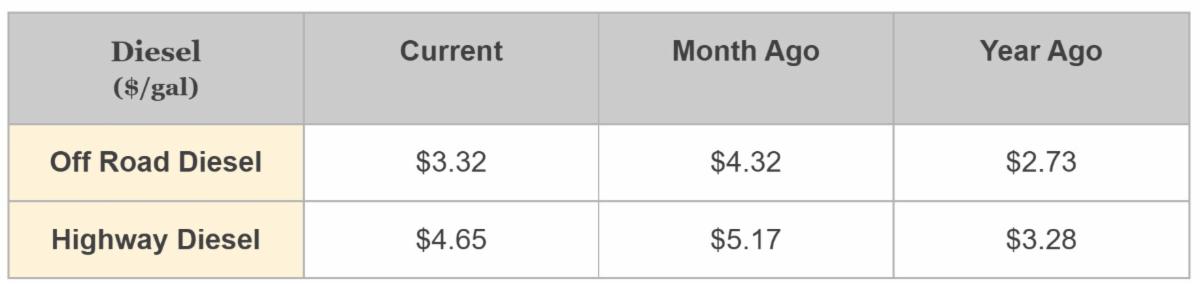
Production costs have risen significantly due to supply chain disruptions associated with the conflict in the Middle East. Notably, fertilizer and fuel input prices have followed the prices of crude oil and natural gas, as both products are consumed in the production of these energy-related farm inputs. The LSU AgCenter released enterprise budgets in January when urea (46% nitrogen) prices were $0.60 per pound of active ingredient. As of April, the price per pound of active ingredient has increased to $0.93 per pound (+55%). As rice and corn are dependent on relatively high N units per acre, fertilizer price increases are disproportionately felt by producers of these commodities as compared to a less intensive crop like soybeans. Over this same time, diesel fuel has increased from $2.85 to $4.80 per gallon (+68%). For irrigated crops, like rice, increases in fuel prices can translate into an additional $68 per acre in production costs. In Louisiana, production costs have increased anywhere from $40 to $140 per acre for their January estimates. While commodity prices have undergone somewhat of an increase since January, chronic high production costs continue to plague the farm profitability problem.
| | |
Changes to the Farm Safety Net in the One Big Beautiful Bill Act and Payment Limits
The PLC program, administered by the USDA Farm Service Agency (FSA), is a target price program designed to manage the risk of severe price declines for specified crops. The Statutory Reference Prices (SRP), or price “targets” set by Congress, were increased for all program crops under the One Big Beautiful Bill Act using a process known as budget reconciliation (Biram and Maples, 2025; Outlaw and Fischer, 2025). This is the first and only increase in SRPs since the inception of the PLC program in the 2014 farm bill, marking the end of more than a 10-year-old farm safety net (P.L. 113-79). Along with the increase in the SRP came an increase in the statutory payment limit per qualifying legal entity from $125,000 per entity to $155,000 per entity, as well as an inflation adjustment to be ultimately determined by USDA each crop marketing year. The inflation-adjusted payment limit per entity for the 2025/2026 crop marketing year is $160,000 (Commodity Credit Corporation, 2026).
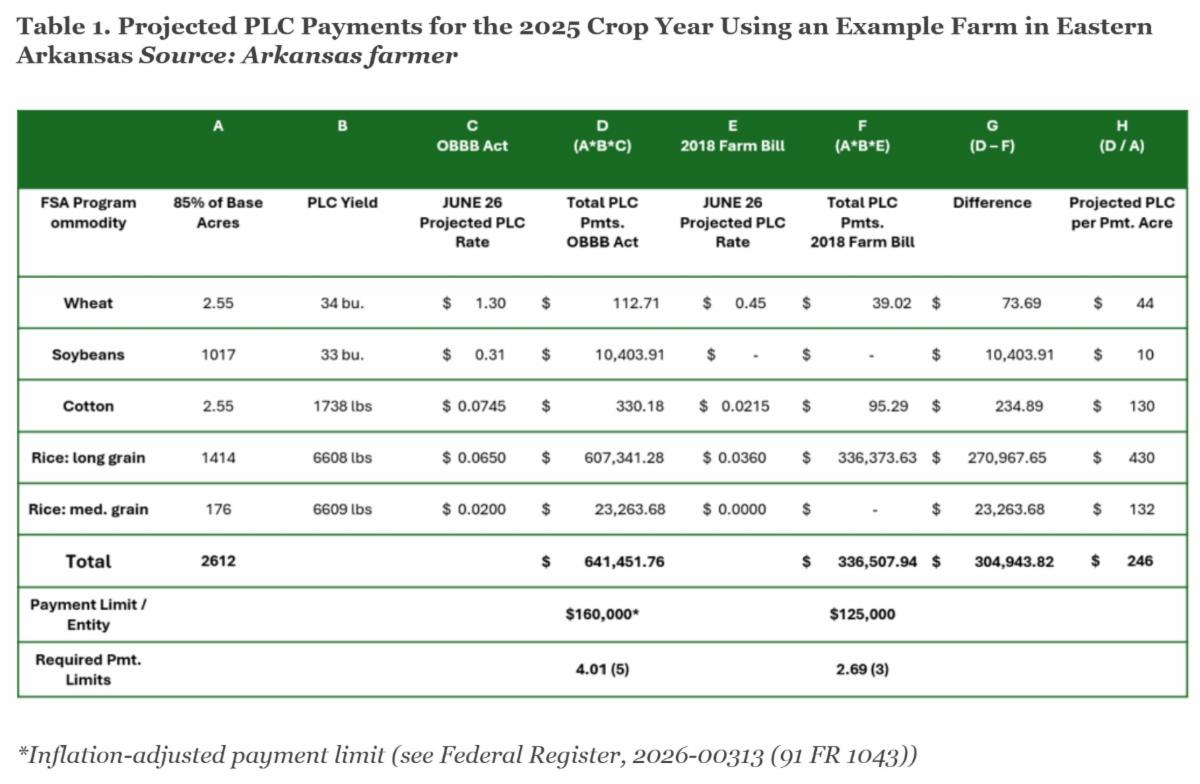
Despite the increases to the SRP and the payment limit per qualifying legal entity, producers with more than a few hundred acres of rice base acres, or acres upon which FSA farm program payments are made, may not fully capture the expected payment triggered by the PLC program. We provide an example of the distribution of PLC payments to five different program crops for an Arkansas farmer (Table 1). In this example, this farmer has 2,612 base acres with 1,590 long and medium grain rice base acres (i.e., 60.8%), 1,017 soybean base acres (i.e., 38.9%), 3 base acres of wheat (i.e., 0.15%), and 3 base acres of cotton (i.e., 0.15%). This farmer will see an over $300,000 increase in their farm-level PLC payment, which effectively requires two more payment limits. Put differently, if this farmer has three payment limits reflective of their legal business structure, allowing for a $480,000 total payment limit, they will not receive $161,452, or 25% less than the total expected payment. This reduces their average payment per base acre from $246 per acre to $184 per acre. These payments are based on economic losses incurred during the previous crop year and would imply that the expected payment1 per acre would not cover the average economic loss per acre of $242.75/acre incurred during the 2025 crop year.
1We recognize that the FBA program cited above provides an average payment rate of $81.37/acre when considering the payment rates for corn, cotton, rice, and soybeans (USDA-Farm Service Agency, 2026). However, planted acres often do not match base acres. In fact, Arkansas farmers planted 95.5% of their base acres for corn, cotton, rice, and soybeans in 2025. Further, the payments provided by the farm safety net should recoup most economic losses apart from any ad hoc disaster assistance program, which has largely been motivated by cash flow requirements.
| | Beef, Small Ruminants, & Forages | | |
Forages
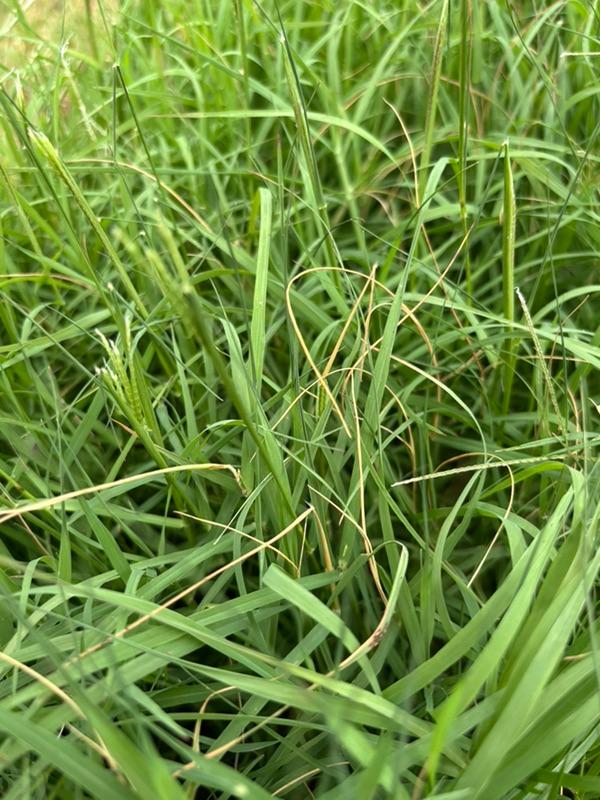
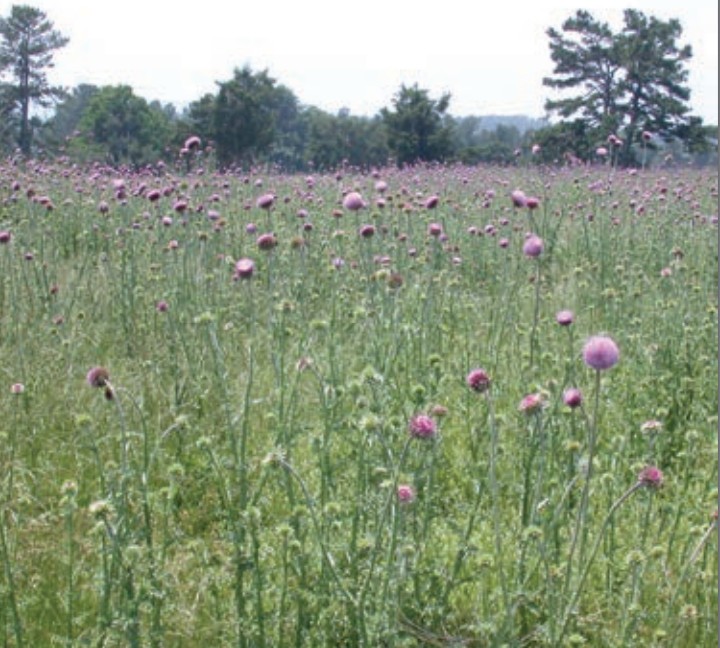
Forages are looking good out there. Several fields of hay were harvested this week. We harvested our high nitrogen trial this week also, and I noticed some of the damage shown below in the higher nitrogen plots. That is damage from Bermudagrass Stem Maggots. I have now idea why, but the flies seem to be more attracted to plants that are really green. I don't know if they are drawn to the color or if there is something else that pulls them in, but there was a big difference in damage according to how much nitrogen was applied. I feel like it is a little early to start seeing this damage, so we really need to watch out for damage. Once you start seeing it, these things can multiply fast so treatment may be needed. A treatment of lambda cy seven to ten days after a hay harvest is the best timing for control. I haven't heard of any armyworms yet, but another agent in a northern county says he has started finding a few, so keep an eye out.
| | |
New World Screwworm Seminar
New World Screwworm isn't gone from the headlines, and Arkansas livestock and pet owners shouldn't let their guard down either.
Join us for a free webinar on Thursday, July 2 (11:30 AM – 1:00 PM CST) with state and federal veterinarians and U of A Extension specialists to learn what this pest means for Arkansas livestock, pets, and wildlife. Topics include what NWS is and how it spreads, the current situation in Texas, how to identify it, prevention strategies, and more.
Free to attend. Will be recorded and shared after the webinar.
Register today: bit.ly/Arkansas-NWS-webinar
| | |
Musk Thistle
Korbin Singleton - Faulkner County Intern
Musk thistle (Carduus nutans) is an aggressive weed that infests pastures and can cause a considerable impact on forages. These weeds grow from 2 to 6 feet tall and have varied flower colors. The flowers will grow to have a 2-inch diameter and will cause the stem to bend as the flower reaches maturity. This is how musk thistle gets its other name, “nodding thistle." Musk thistle is usually classified as a biennial; however, under certain conditions, it may develop as an annual, biennial, or winter annual.
Reproduction is only possible by seed. This weed produces an average of 3,500 seeds, and the large ones produce around 10,000. Seeds are usually disseminated by wind but can also be spread in contaminated hay or on farm equipment. The seeds spread by the wind mostly fall within 100 yards of production. Germination typically happens in the fall or spring but remains possible with the correct moisture levels. After germination a fleshy taproot with a rosette of leaves will form; it then forms seed stalks in the spring, followed by flowering sometime in May. The thistle then dies after all of its plants mature.
Mowing can reduce the seeds produced, but more times than not the stem will remain intact with its crown to produce the flowers and seeds. Mowing within two days after the terminal flower head blooms effectively inhibits seed production and reduces some branching of the remaining plant stems. However, since musk thistle does not mature uniformly, mowing will have to be done regularly for control. Digging and pulling is an effective method for a small or scattered infestation. Plants must be cut off under the rosette or crown for effective control.
Good forage management can also help with musk thistle prevention. Overgrazing and improper soil fertility management reduce the health of the soils and allow the musk thistle seedlings to establish. Another prevention strategy is cutting hay before the thistles produce seeds. This prevents on-farm and off-farm movement of seed in the hay.
For herbicide control, the UADA says the key to effective thistle control is spraying while the thistles are in the rosette stage of growth (before the flower stalk appears). Biennial thistles in Arkansas are readily controlled with a properly timed application of 2,4-D amine at 1.5 qt/A. Spring applications should be made from late February to early March. Fall applications from late October through November will enhance a thistle control program. Grazon P+D, GrazonNext HL, and Dicamba + 2,4-D also provide excellent control of thistles at 1 qt/A.
| | |
The Market Value of Extended Weaning Periods
Kellie Curry Raper, Oklahoma State University Cooperative Extension Livestock Marketing Specialist
The weaning period for beef calves prior to them leaving your place for the next production phase is a critical time that strengthens their future performance in terms of health, gains, and production efficiency. Calves are usually considered “weaned” if they have been off the cow for at least 30 days. With respect to longer weaning, research has suggested that calves weaned for a minimum of 45 days before shipping have significantly fewer cases of bovine respiratory disease and lower death loss rates than calves weaned for shorter periods. Those benefits continue through the rest of the beef supply chain. The market has historically rewarded producers selling weaned calves with market premiums as compared to prices for similar unweaned calves. But how do those premiums change if producers choose extended weaning periods?
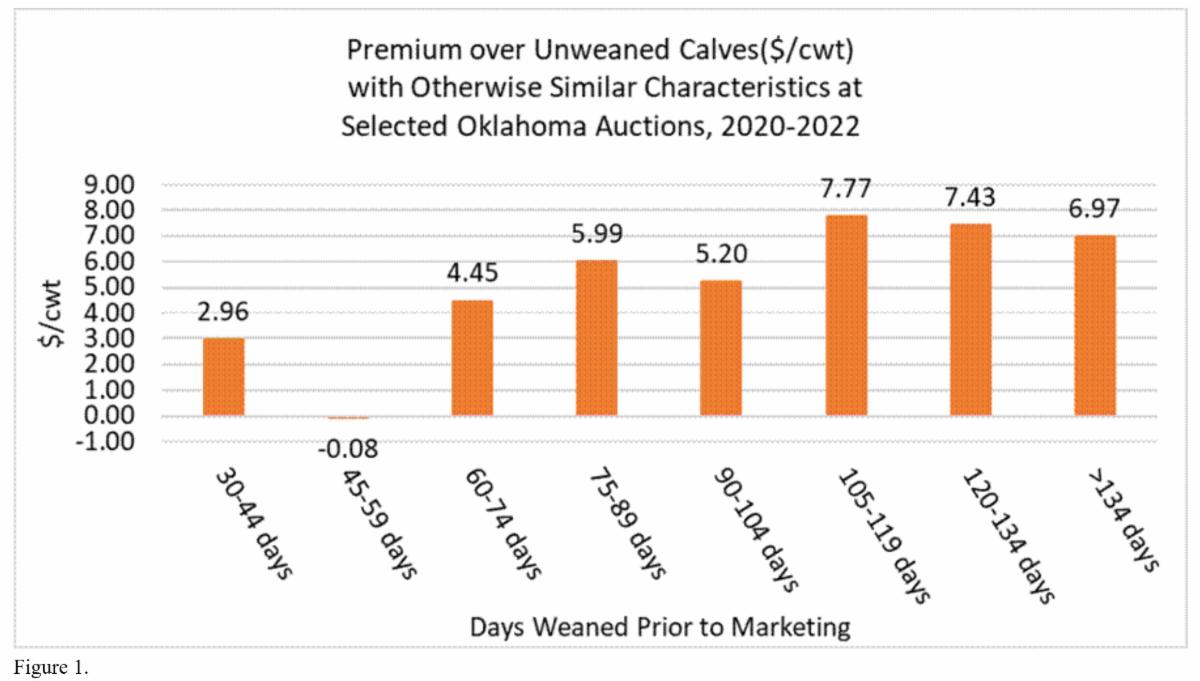
A recent OSU study looked at this question using Oklahoma feeder cattle data collected at multiple auctions during 2020-2022. In addition to noting whether calves were weaned or unweaned, OSU Extension personnel documented how long those cattle had been weaned, as communicated from the auctioneer to buyers at the auction. Figure 1 illustrates the estimated weaning premium by 15-day increments as compared to otherwise similar unweaned cattle with respect to physical characteristics and management characteristics at those auctions. The premiums reported here are each relative to lots with calves weaned 0-29 days, as most cattle buyers consider those calves to be unweaned.
| | |
An unexpected result in this data set is that calves weaned 45–59 days prior to sale did not receive prices that were statistically different from unweaned calves; that is, there was zero premium in this data set for those cattle. Aside from that, weaning premiums do generally increase as weaning length increases, with premiums ranging from $2.96/cwt for 30-44 days to $7.77/cwt for 105-119 days. Statistically speaking, the premiums from 60 days weaned to 104 days weaned are similar levels per hundred weight. Then, estimated weaning premiums take another jump up at 105 days, with premiums at similar levels through the >134 days category. Overall, the results indicate a positive relationship between weaning period length and feeder cattle prices in Oklahoma.
Why higher premiums for longer weaning periods? The premiums reflect buyer preferences for lower health and performance risks. Longer weaning periods provide more time for calves to recover from weaning stress, more time to develop stronger immune systems, and more time for feed bunk training. It is consistent with anecdotal indications from cattle buyers that longer weaning periods are a valuable way to manage health risks of purchased calves, especially for fall sales as weather fluctuations increase immune system stressors. While the standard weaning protocol in preconditioning programs has typically been 45 days, some programs have moved to 60-day minimum weaning protocols. Results here suggest that the market encourages that move and beyond. The stability of weaning premiums beyond 105 days suggest little additional effect on calf health risk beyond that.
Keep in mind that these estimates are revenue estimates only. The numbers here do not consider the associated costs for holding calves on the ranch longer. As with any management decision, pencil out the expected increase in revenue and the expected costs incurred as you consider alternatives.
| |
|
Arkansas Shepherds Association Field Day
ASA Field Day — Saturday, September 19, 2026
8:30am - 2:30pm
Heifer Ranch, 55 Heifer Road Perryville, AR
Join us for a full day of hands‑on learning, great speakers, door prizes, and silent auction items benefiting the Arkansas Shepherds Association.
Members attend FREE.
Non‑members: $5 per person, paid at the door.
Must be 13 and older to attend.
Everyone must register on Eventbrite to attend.
Topics include:
Nutrition
Hoof care and trimming
How to draw blood
How to give shots
Parasites
Signs/Symptoms
Identifying
Treatment
We’re excited to see producers from across Arkansas and surrounding states come together for education, community, and a great day at Heifer Ranch.
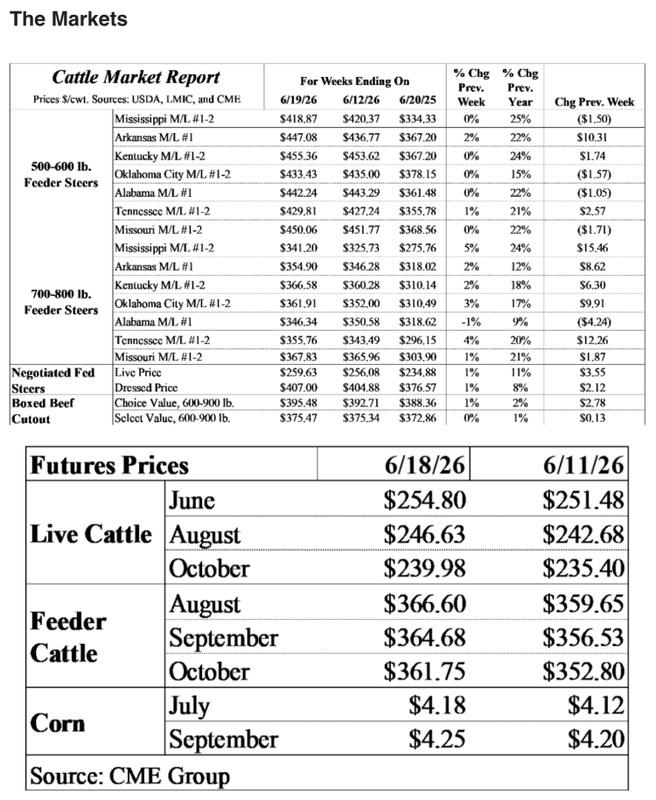
| | Here is this weeks Cattle Market Notes Weekly | | |
Pesticide Applicator Trainings
There will be no more in person Pesticide Applicator Trainings until this winter. If you need a license you can still do the training online. There is a link below for the online training and a link to check your license status.
| | |
Livestock Market Report
The following links are for the weekly livestock market report from the Arkansas Department of Agriculture website and the Livestock Auction Dashboard from USDA. Both sites have marketing data for all livestock sold at Arkansas Sale Barns.
| | |
2025 Faulkner County Agriculture Demonstration Summary
The 2025 Faulkner County Agriculture Demonstration Summary is now available at the link below.
The 2025 Faulkner County Demonstration Summary is a collection of on-site demonstration results conducted in Faulkner County by local County Agents. Demonstrations are the cornerstone of the University of Arkansas System Division of Agriculture Cooperative Extension Service’s mission which is:
“We strengthen agriculture, communities, and families by connecting trusted research to the adoption of best practices.”
On-site demonstrations allow producers and homeowners to see firsthand how Extension recommended varieties and best management practices work in their counties and surrounding area.
| | |
Sign up for Text Alerts
You can now sign up for text alerts from me throughout the year. I have two areas you can sign up for which includes Faulkner Livestock or Faulkner Ag (Row Crop Updates). To sign up you can follow one of these links or use the QR Codes below.
| | Pursuant to 7 CFR § 15.3, the University of Arkansas System Division of Agriculture offers all its Extension and Research programs and services (including employment) without regard to race, color, sex, national origin, religion, age, disability, marital or veteran status, genetic information, sexual preference, pregnancy or any other legally protected status, and is an equal opportunity institution. | | | | |