Faulkner County Agriculture Update
June 6, 2025
| | |
I have really enjoyed writing this weekly newsletter for several years, and I always keep it professional and never personal, but for this week I just had to add something on a personal note.
This past Sunday I lost my dad John Lawson. I know many of you have been through similar situations and know how hard it is. But what I wanted to say here is how much I appreciate him for making me the man in agriculture that I am today. He was a custom hay baler and I spent many summers working for him in the hay fields and those are honestly the best times of my life. He taught me how to work hard and still have fun. He taught me a lot about cattle. When I asked him why he didn't sell those wild cows that took us hours to get in the corral to work, he always said, "they make a good calf every year". We are slowly losing one of the greatest generations in agriculture and I hope I can be half the man in agriculture that he was.
| | |
Weather
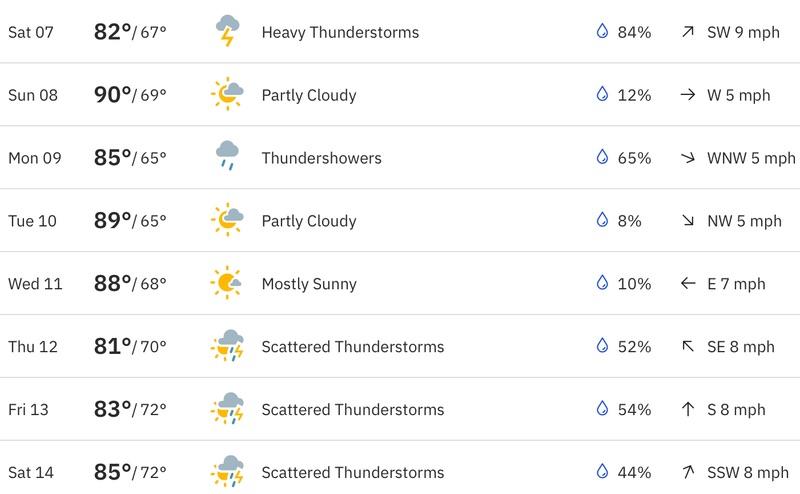
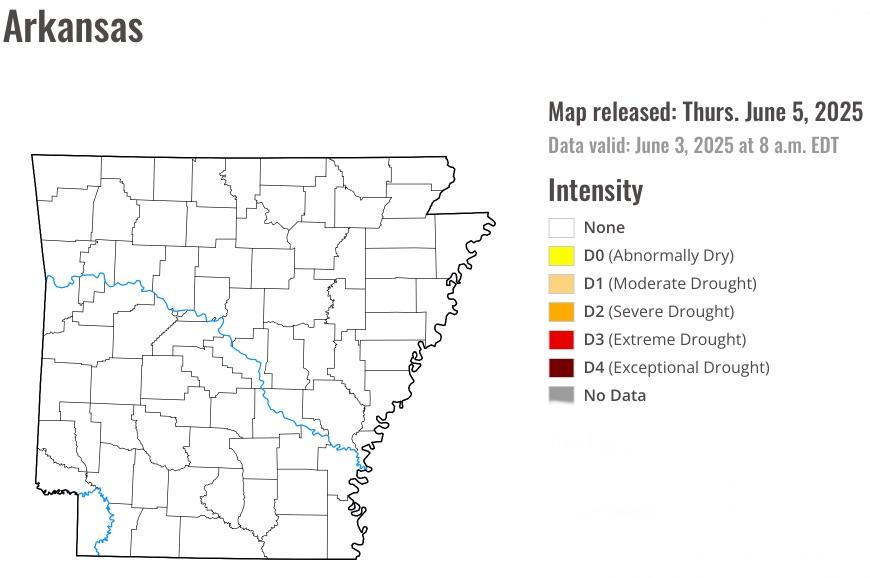
We were finally getting some field work done when a rain shower popped up again yesterday down in the bottom part of the county. The forecast doesn't look any better for next week.
| | |
Arkansas and Mississippi River
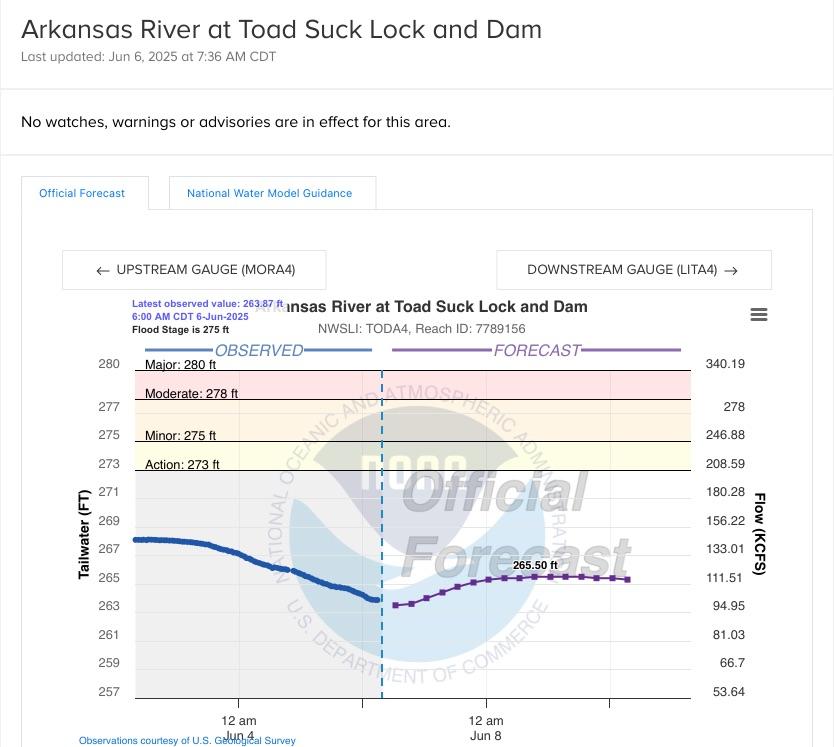
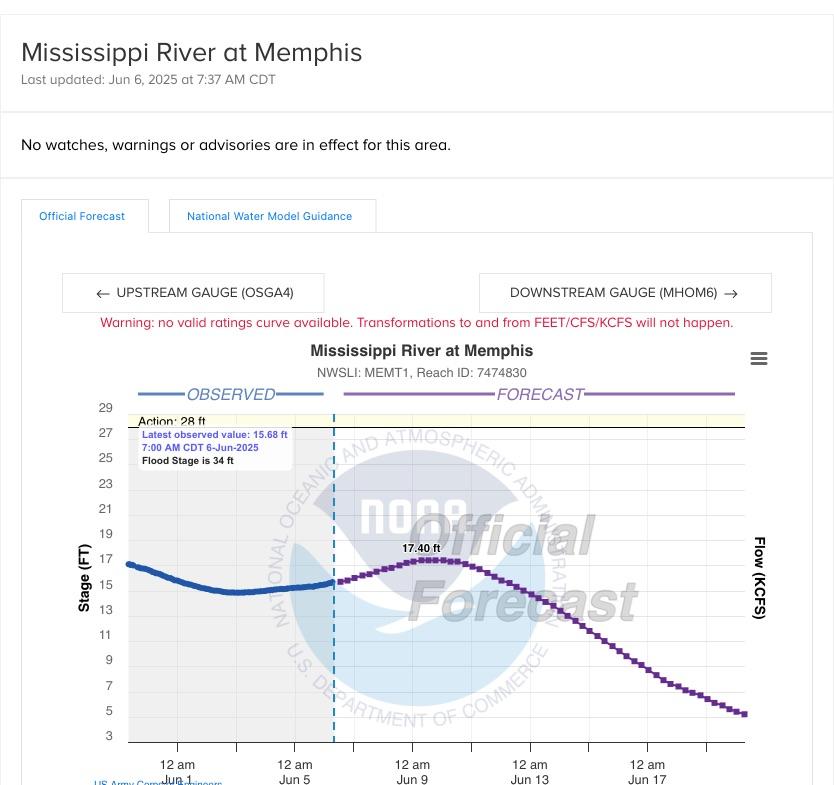
The river finally fell to 263, but the level looks like it will be held steady at 265 for the next few days. We will see how the level goes with more rain on the way.
| | |
Wheat
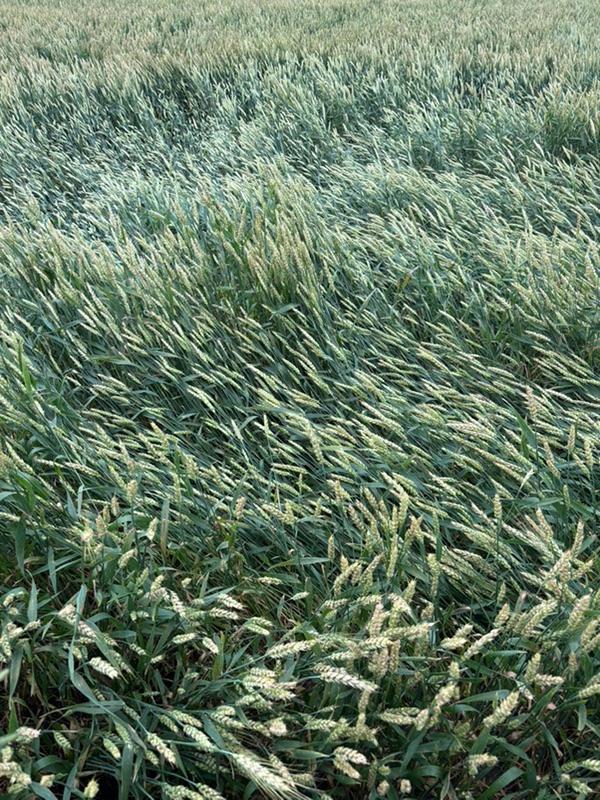
Wheat has matured and is ready for harvest. This rain is causing delays in harvest and is also hurting test weight on the wheat. This is tough because we had a really good wheat crop going and it looks like we won't finish as strong as we were hoping for. The best we can do at this point is get in as soon as we can in between rains and mud it out.
| | |
Corn
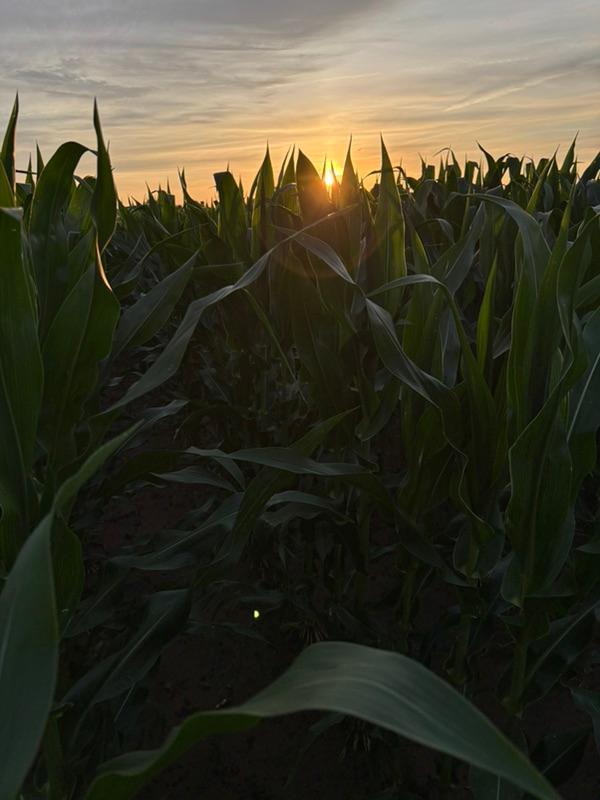
Early planted corn has tasseled out and we are getting ready for pollination. These rains and cloudy weather could be an issue when it comes to pollination. This is also a good time to start scouting for southern rust. We are set up to possibly have a rust year.
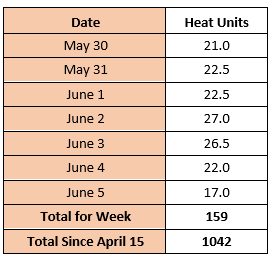
This week we got back to more normal temperatures. We accumulated 159 heat units this week for a total of 1042 for corn planted on April 15.
| | |
Rice
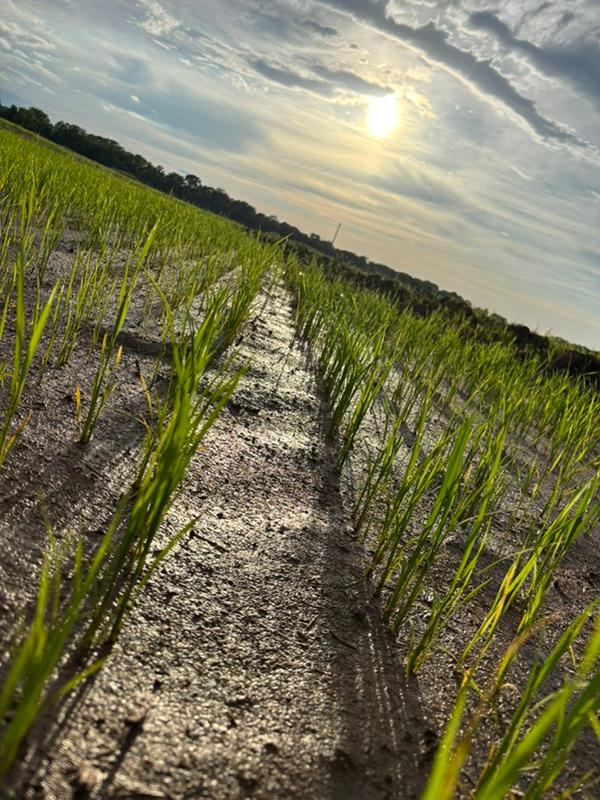
More fields got fertilized this week and pumps are being set as we go to flood. Some fields are still needing levees pulled, and hopefully we can get those in soon, but this rain isn't helping.
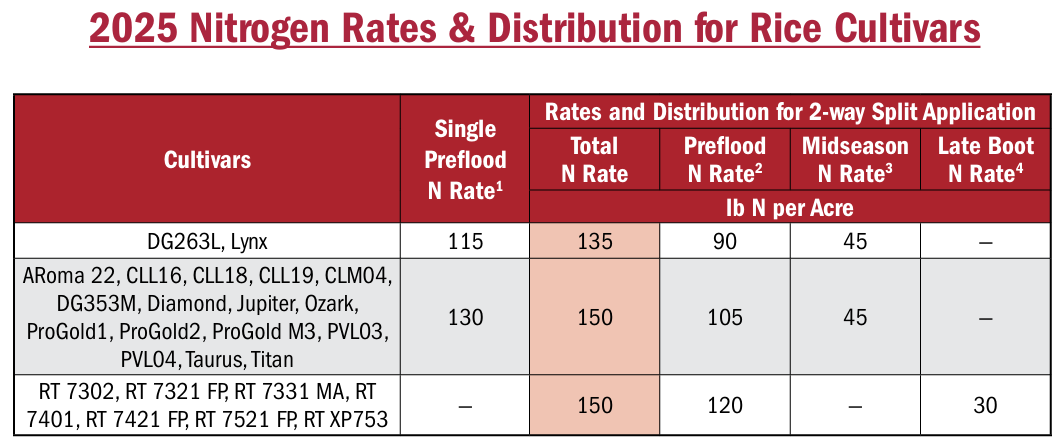
Midseason fertilization is the next thing we need to be watching for. We apply midseason nitrogen a minimum of 3 weeks after the preflood nitrogen and internode elongation has started.
| | Here is Dr. Jarrod Hardke's latest Arkansas Rice Update. | | |
Soybeans
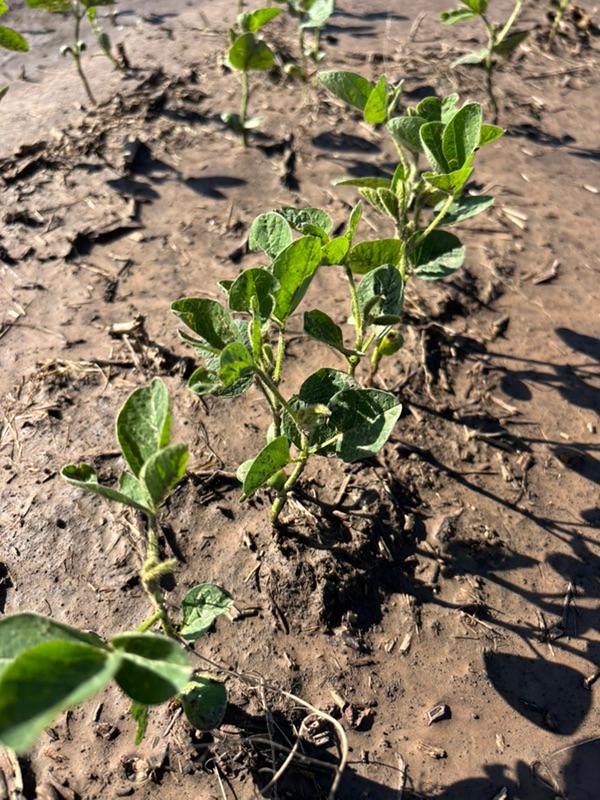
Soybeans that were already planted perked up with the drier warm weather the past few days. More soybean ground was worked this week and several acres finally went in the ground. Fields that were planted on Sunday are already starting to peek through the ground.
| | |
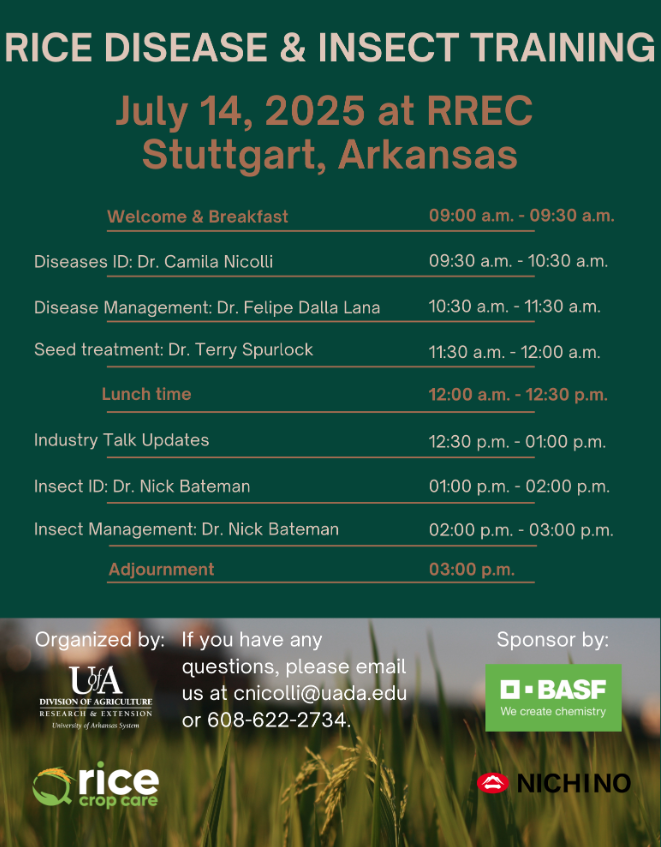
Rice Disease and Insect Training
You're invited to attend the 2025 Rice Disease and Insect Training, which will be held at the Rice Research and Extension Center (RREC) in Stuttgart on July 14th, from 9:00 AM to 3:00 PM.
Please use the link below to register and indicate any dietary restrictions:
🔗 Registration Form
| | |
Corn Earworm Moth Traps
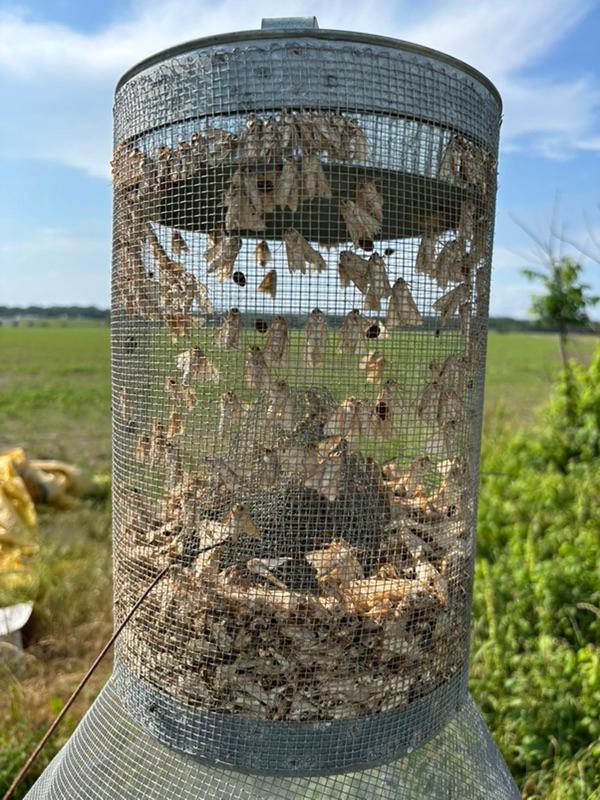
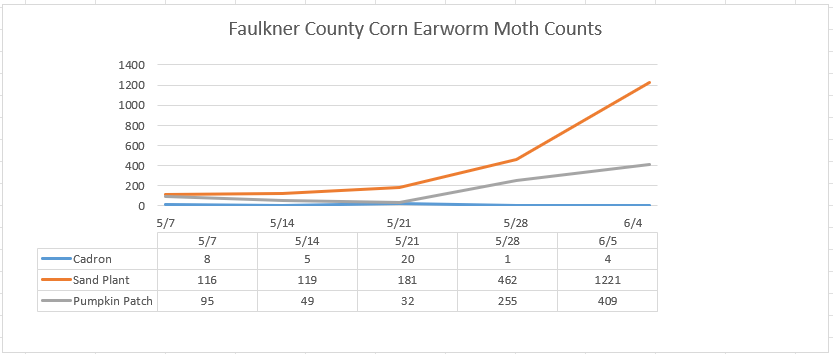
Well I just thought last week had high numbers, this week smashed last weeks numbers. The sand plant trap went from 462 moths to 1221! That is probably the most moths I have ever found in one trap. The trap at the pumpkin patch went from 255 to 409. We need to be on the look out for defoliation on small beans and if you have tomatoes or sweet corn I would keep an eye out on them also.
Cadron - 4 moths
Sand Plant - 1221 moths
Pumpkin Patch - 409 moths
| | Beef, Small Ruminants, & Forages | | |
Spike in Pinkeye Cases: What’s Causing It and How to Respond
Maggie Justice, PhD- Beef Cattle Specialist
Kirsten Midkiff, PhD- Animal Health and Wellbeing Specialist
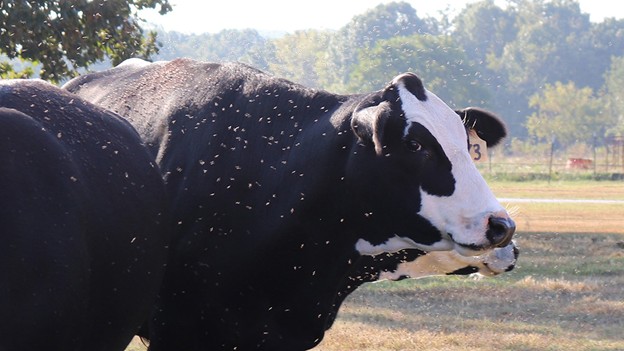
Cattle producers across Arkansas are reporting an uptick in pinkeye cases going into the summer months, and several different issues could be contributing to the problem. A combination of persistent cool-season forages and a surge in fly populations is creating an ideal environment for outbreaks of this painful and costly disease.
The weather has allowed cool-season grasses such as ryegrass and fescue to remain in pastures longer than usual. Many of these forages are now overly mature, producing stiff seed heads that can physically irritate the eyes of grazing cattle—especially calves and younger stock. This irritation sets the stage for infection by Moraxella bovis, the primary bacterium behind summer pinkeye incidences. At the same time, fly activity has ramped up significantly. Face flies, in particular, are known carriers of pinkeye-causing bacteria and spread infection quickly between animals. When combined with dusty, windy conditions and seed head irritation, the result is a sharp rise in cases.
Compounding the issue is the persistent wet weather that has made it difficult for many producers to get equipment into pastures to clip or graze down mature forages. Excess moisture can delay mowing and rotational grazing plans, leaving tall grasses and seed heads in place longer than desired. These wet conditions also promote fly breeding sites, such as muddy areas and manure buildup, further increasing pressure on herds.
Pinkeye is more than just an eyesore—it has serious economic implications. Infected cattle may experience reduced weight gain, lower weaning weights, and in severe cases, permanent blindness.
Management Tips for Producers
To reduce the incidence and severity of pinkeye in your herd, consider the following best practices:
-
Control Flies: Use a combination of methods, including insecticide ear tags, pour-on products, and mineral supplements with insect growth regulators. Clean up manure and reduce wet, muddy areas where flies breed. Have a good Integrated Pest Management (IPM) Plan in place.
-
Pasture Maintenance (When Possible): Mow or graze off mature grasses to reduce seed head irritation as conditions allow. Take advantage of dry windows to manage forage height and quality.
-
Monitor Closely: Check cattle frequently, especially calves, for early signs of pinkeye—tearing, blinking, cloudiness, or swelling around the eye. Early treatment can prevent severe damage.
-
Prompt Treatment: Consult your veterinarian for appropriate antibiotics or eye ointments. In some cases, a protective eye patch or shade may help healing.
-
Consider Vaccination: Several commercial pinkeye vaccines are available and may reduce the incidence or severity of outbreaks, especially in herds with a history of the disease.
Staying Ahead of the Problem
With the combination of wet weather, tall forages, and heavy fly pressure, pinkeye is a real threat this season. Being proactive—through whatever pasture and fly management steps are feasible—can help protect your herd and reduce economic losses. For more detailed recommendations tailored to your operation, contact your local county Extension agent or veterinarian.
| | |
Sedges
Dr. Hannah Wright-Smith, Extension Weed Specialist
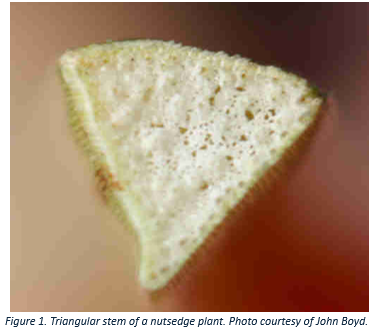
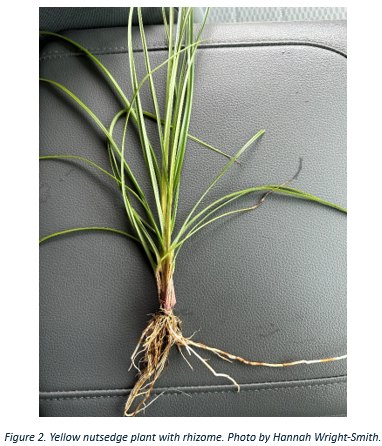
There are many different sedge species found in Arkansas, with the most troublesome being yellow or purple nutsedge. One of the most unique characteristics of sedges are their triangular stems (Fig. 1), which can be felt if you roll the stem between your fingers. Sedges can be found throughout a field but are often found in low or wet areas and can be either annual or perennial plants. Yellow and purple nutsedge are perennials, returning from underground tubers each year and spreading through rhizomes (Fig. 2). Maintaining a dense, healthy forage stand is the best way to combat nutsedge, however nutsedge can produce hundreds of tubers each year so chemical control may be necessary. Outrider at 1.33 oz/A is recommended for nutsedge control and the field should not be grazed or mowed for at least 2 weeks after application to allow the herbicide to work. Nutsedge can grow faster than forage grasses and may be suppressed with a wiper application of a glyphosate solution once regrowth occurs after cutting.
| | |
Analyzing the upside and downside risk in PRF policy selection: Timing mismatch
Mr. Walker B. Davis, Graduate Research Assistant, University of Arkansas
Dr. Lawson Connor, Assistant Professor, University of Arkansas
Dr. Hunter D. Biram, Assistant Professor and Extension Agricultural Economist, University of Arkansas
Pasture, Rangeland, and Forage (PRF) insurance has become a key risk management tool for ranchers and forage producers looking to protect themselves against the unpredictability of rainfall. However, like all insurance products, PRF comes with its own set of risks. In this article, we explore the risk associated with producer interval selection and its potential downsides and upsides.
A unique risk with PRF insurance is that rainfall during a particular two-month interval does not necessarily lead to forage growth during that interval. Rainfall is obviously crucial for forage production, but the impact of precipitation on forage is not instantaneous. Often, rain that occurs during one interval may contribute to forage growth in the following months more than the month in which the rain occurred. Therefore, choosing a PRF interval that aligns directly with your critical forage production interval could potentially be a mismatch.
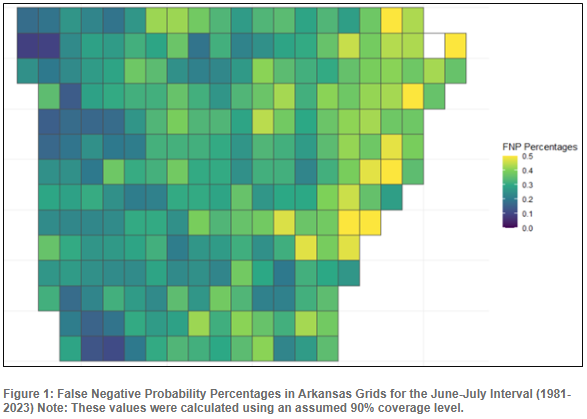
A downside of this timing mismatch is that a producer may not receive an indemnity payment when needed. For instance, if the insured interval experiences average rainfall but the interval prior had low precipitation or the rain came towards the end of an interval, the forage growth may still be insufficient. Unfortunately, since the payment is based strictly on the rainfall during the insured interval, producers might not receive any payout despite facing significant challenges. The chance of this outcome occurring is considered a False Negative Probability (FNP). False in the sense that the signal (rainfall) did not correspond with the underlying production need (forage production), and negative in that the outcome provided no protection when you needed it.
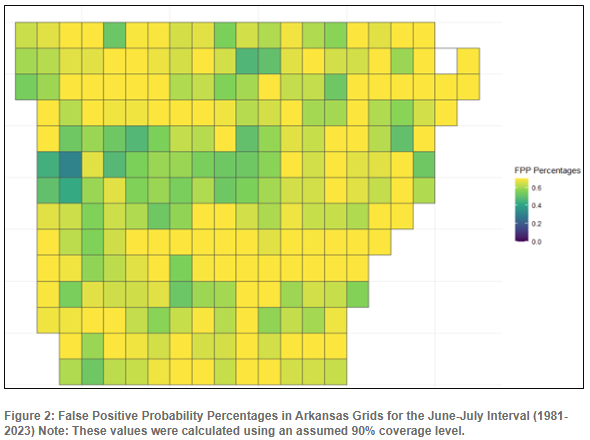
On the flip side, this same mismatch can work in favor of producers. Suppose the insured interval experiences low rainfall, but the previous interval had good precipitation. In that case, sufficient forage growth can occur in the insured interval, and the insured can still receive an indemnity payment. The likelihood of the PRF policy providing a payment even when forage conditions are favorable is the False Positive Probability (FPP).
Figure 1 below showcases this potential downside risk through the prevalence of FNPs in grids in Arkansas. These values were calculated by creating a forage/vegetation index to match the Rainfall Index used by the PRF program. Using Normalized Difference Vegetation Index (NDVI) values, we found the FNP percentages for each grid and each interval. Figure 1 highlights the June-July interval, telling us the percent chance that the forage/vegetation index would indicate a need for an indemnity based on the coverage level when the policy using the rainfall index has not been triggered (Keller & Saitone, 2022). This shows the prevalence of this issue and that producers in certain regions should be more wary of this type of risk.
| | Inversely, Figure 2 presents the frequency of FPPs showing the upside risk. Reversing the methodology, these were calculated as the percent chance that the rainfall index indicates an indemnity should be issued based on the coverage level when the forage/vegetation index says an indemnity should not be issued. This scenario tends to be more prevalent, which is good for the policyholder. Certain grids exhibiting high FPPs also tend to show high FNPs, indicating they might frequently receive unwarranted payments while simultaneously facing situations where they do not receive payments when needed. This raises an issue with the producer, causing them to change how they manage their finances to protect themselves instead of the program doing so properly. | | While these figures only highlight the prevalence of FNP and FPP in Arkansas, these risks are inherent in PRF and are just as active in the other southern states. To counter this risk, producers should consider not only the months when forage is most needed, but also the months when moisture and precipitation are most important. Using this information, they can choose their PRF intervals appropriately and reduce the risks involved in the program. | | |
Smarter Gain with Ionophores
Dana Zook, Oklahoma State University Cooperative Extension NW Area Livestock Specialist
When I was growing up, my dad often told me to “work smarter, not harder”. There was always a lot to get done on the farm and I had the tendency to power through the work rather than think about an easier way. Consequently, in my current job I like to discuss products or strategies to help a producer be more efficient. In livestock nutrition, a product that can help a producer be more efficient and “work smarter” is an ionophore.
What is an ionophore? Ionophores are feed additives that were developed to improve efficiency and prevent coccidiosis. The two most common ionophores utilized are monensin (Rumensin® and Monovet®) and lasalocid (Bovatec®). In addition to the improvement of efficiency (more gain/less feed), ionophores have a derived benefit of preventing and controlling digestive disorders such as acidosis and bloat.
How do ionophores work? Ionophores improve feed efficiency simply by increasing the amount of energy available to the animal through selection of more efficient microorganisms in the gut. Ionophores are labeled for both grazing and feedlot cattle. Oklahoma State Animal Science has historically led the charge in research around the use of ionophores for grazing cattle and there are benefits in a variety of grazing situations. For instance, cattle gain is improved 0.15 to 0.2 pounds by including an ionophore in a free-choice mineral. An additional feeding strategy supported by a great deal of research recommends offering ionophores in small package supplements to grazing cattle to complement forage nutrients and ensure proper consumption. Performance varies depending on the forage base however the supplement plus ionophore lends an additional 0.2-0.4 pounds of daily gain. Note that cattle must have proper overall nutrition, adequate forage, and have a healthy status to achieve optimum gains.
It should be emphasized that pure forms of ionophores are very potent and require extreme precision when added to blended feeds and supplements. When feeding ionophores in a pure form or within a supplement, label instructions should be strictly followed. Monensin is toxic specifically to equine species and some monogastric animals. Ionophores can be toxic to any animal when overconsumed.
Increased gain across the board, less bloat, and improved health for growing cattle of all stages; now that is what I call “working smarter”!
| | |
Fire Ants in Pastures and Around the Farm
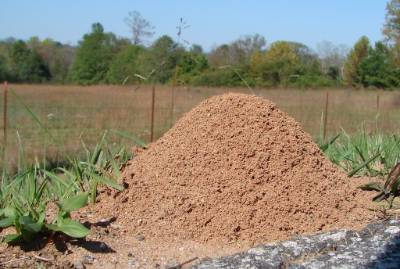
This time of year I start getting several questions about fire ants in pastures. After rains, fire ants will rebuild mounds and they are a lot easier to see so you realize how many mounds you actually have. My answer to producers that ask about controlling fire ants in pastures is yeah I can control them, but it won't do any good because they will be right back. Fire ants can reinfest fields just about as fast as we can get rid of them. My advice is to focus on controlling fire ants around areas that you will be spending time. That is places like barns and working facilities. I prefer the baits over the individual mound treatments, but both can be effective.
I have attached a fact sheet with more information on how to control fire ants.
| | |
Livestock Market Report
The weekly livestock market report is available on the Arkansas Department of Agriculture website.
| | |
Sign up for Text Alerts
You can now sign up for text alerts from me throughout the year. I have two areas you can sign up for which includes Faulkner Livestock or Faulkner Ag (Row Crop Updates). To sign up you can follow one of these links or use the QR Codes below.
| | Pursuant to 7 CFR § 15.3, the University of Arkansas System Division of Agriculture offers all its Extension and Research programs and services (including employment) without regard to race, color, sex, national origin, religion, age, disability, marital or veteran status, genetic information, sexual preference, pregnancy or any other legally protected status, and is an equal opportunity institution. | | | | |