Faulkner County Agriculture Update

March 6, 2026


General Conditions

Weather


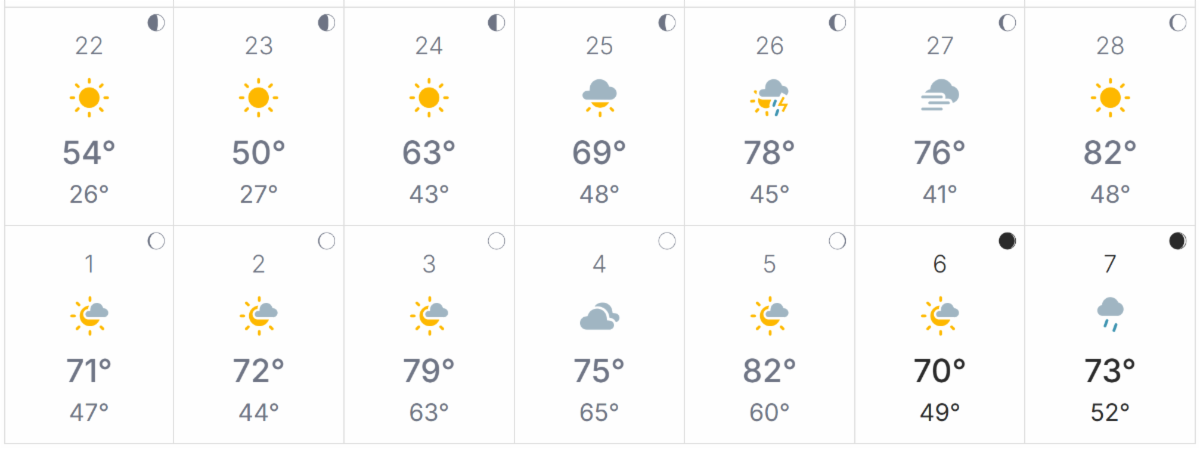
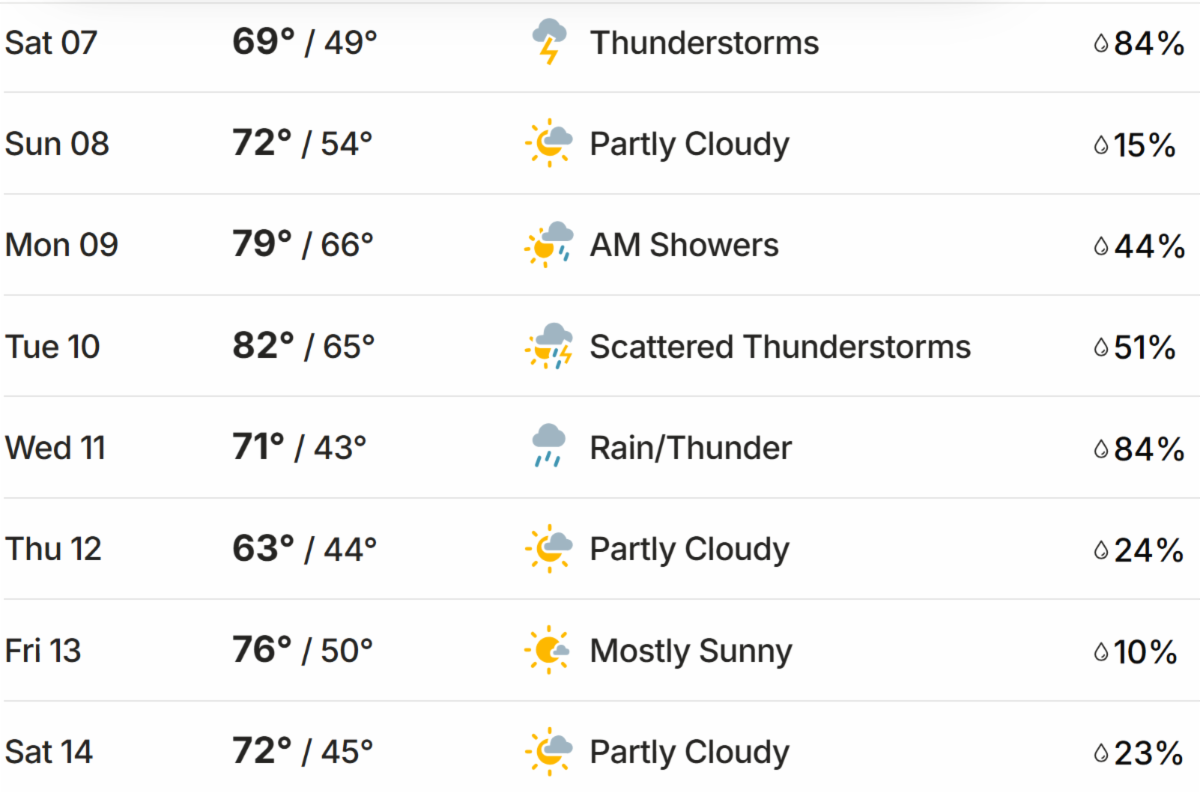
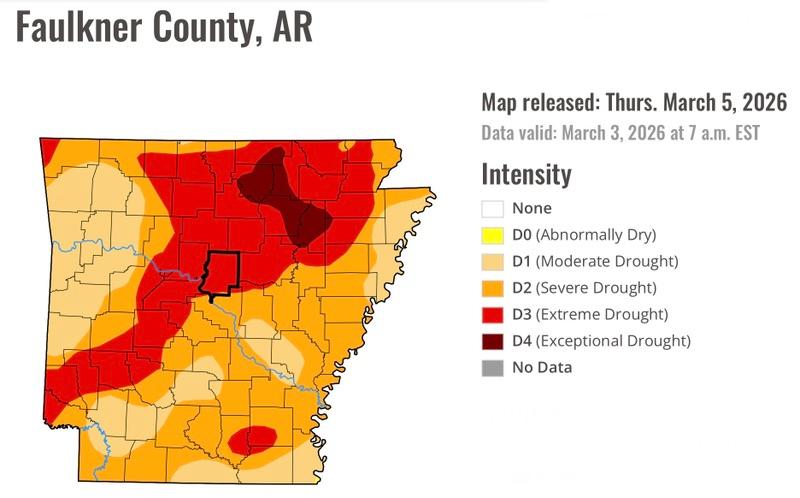
The first round of storms that were supposed to come through Wednesday night into Thursday came through without dropping much rain. Most areas got around 0.01 inch of rain. The next round is predicted for tonight into tomorrow and looks more promising to drop some more rain. The rain chances for next week also look promising with some more storms predicted. We need several inches of rain to get us out of this drought situation we are in. The D3 status has moved more into the southern part of the state, and we aren't far off from D4.

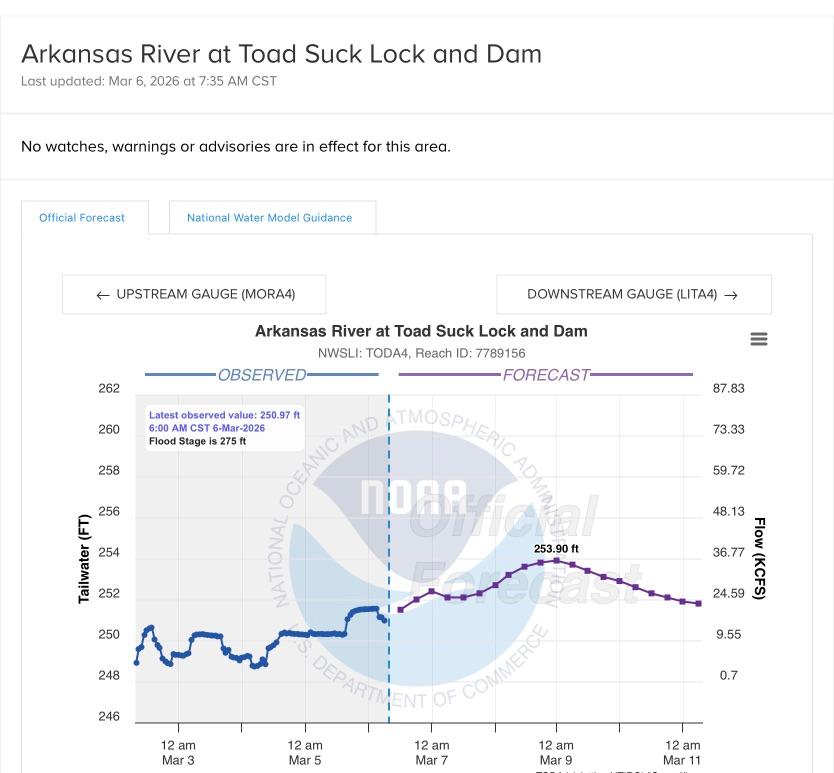
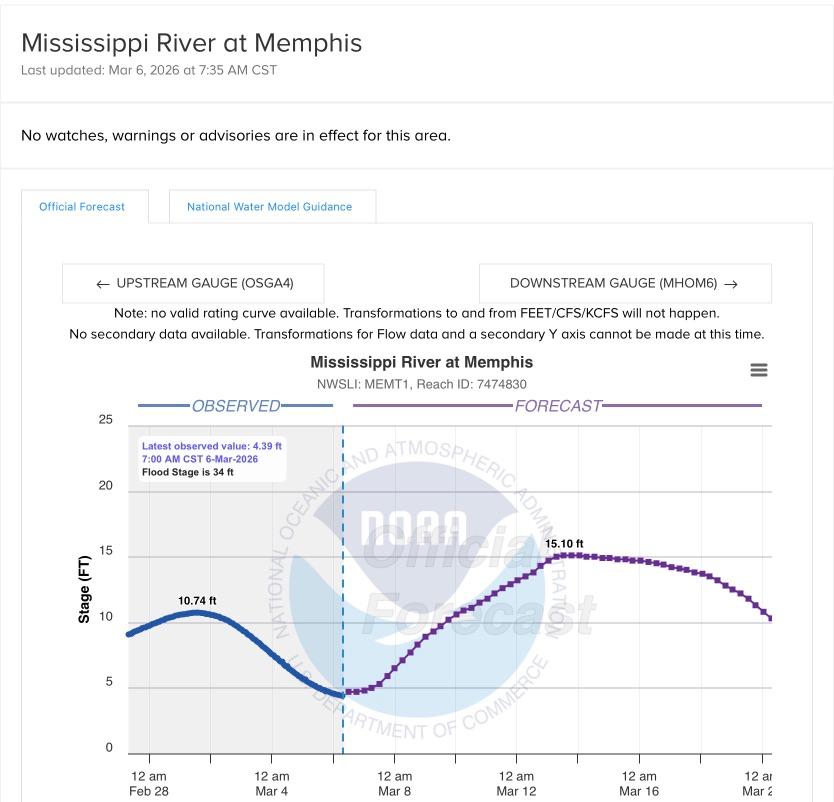
Arkansas and Mississippi River

Drought Monitor

Row Crop

Wheat


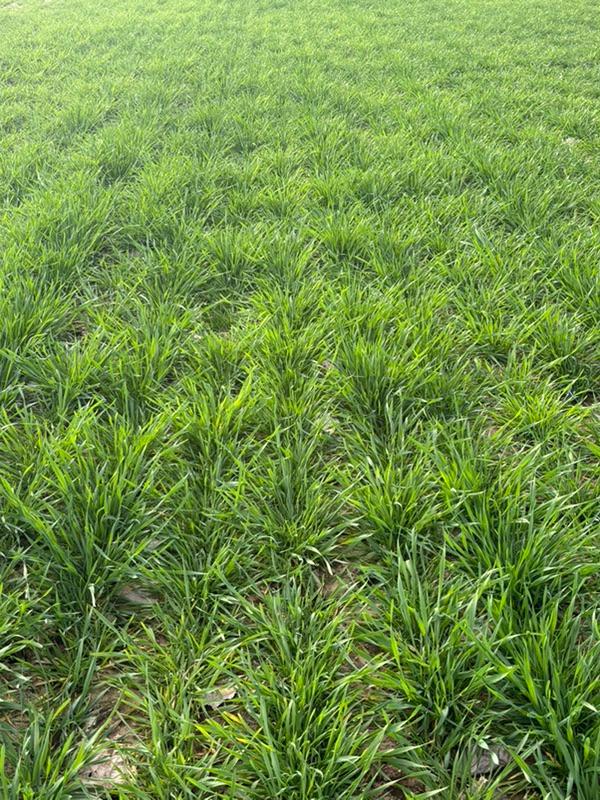
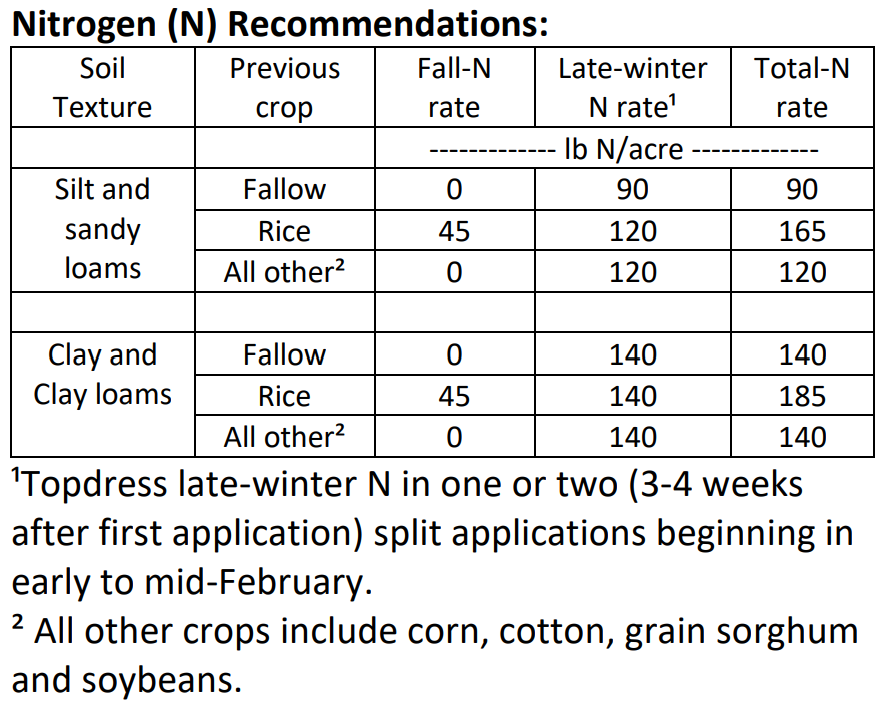
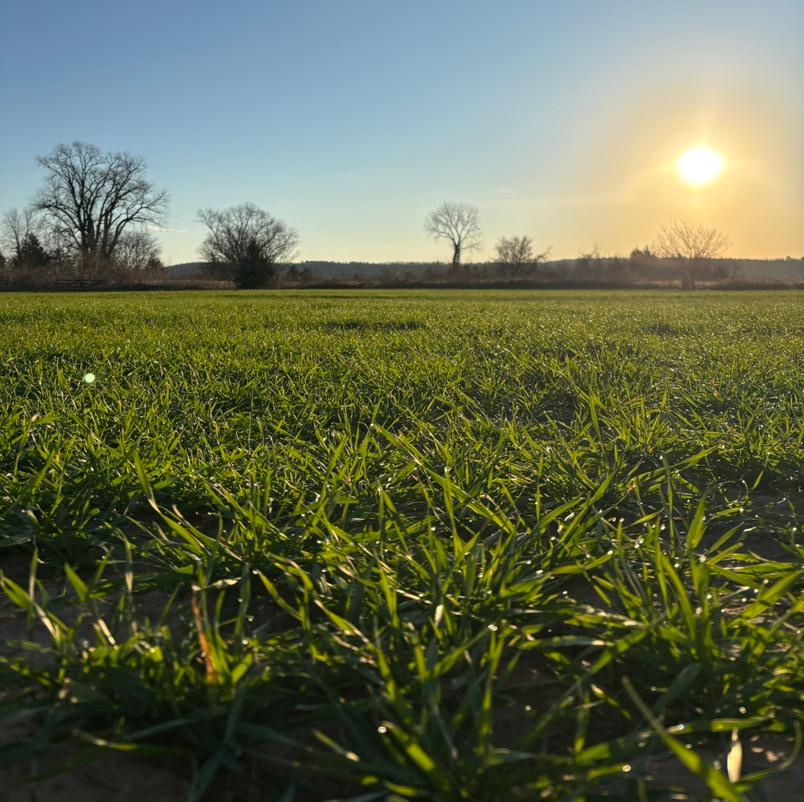
Wheat herbicides went out last week and are starting to work on a good amount of weeds that we have out there. We need to get through this round of rain that is predicted and then start thinking about the next application of nitrogen. With the rate at which wheat is growing the next applications of nitrogen may need be applied by plane.

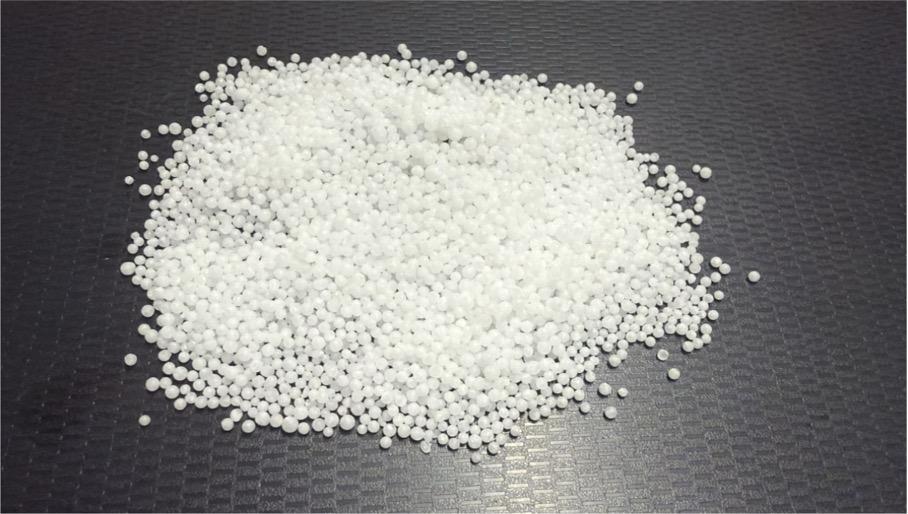
Closure of the Strait of Hormuz causes urea, diesel prices to spike as planting season begins in Arkansas

 By Mary Hightower


As war shuts down shipping in the Strait of Hormuz, farmers are seeing spikes in urea and diesel prices just as planting season has begun in Arkansas.


The conflict has stranded more than 200 vessels, according to Lloyd’s List, and prompted insurance companies to issue notices of cancellation for shippers working the Persian Gulf, according to Captain, a maritime news outlet.


Scott Stiles, extension economics program associate for the University of Arkansas System Division of Agriculture, said about 30 percent of the world’s urea — a widely used fertilizer — goes through the Strait of Hormuz.


Each week, he conducts a price survey among urea dealers. The urea market’s reaction to the Iran conflict was “sharp and swift.”


“Prices went up $70 a ton on Monday,” Stiles said on Tuesday. “Most of them were quoting in the upper $500s per ton last week.


“I called a place on Monday, and they quoted me $640 per ton. I called the place back Tuesday morning, and they said $700 per ton,” he said.


On Tuesday, Stiles said he talked to an Arkansas farmer who reported being unable to get a quote after calling three dealers.


“Things are so volatile we don't really know where we are on the price curve and how far this is going to go,” Stiles said.


The situation is particularly dire for farmers who did not purchase urea earlier this season.


“Considering the economic situation row crop farmers were already facing, a lot of people were either waiting to see if they got financed or they needed an operating note for cash flow. For some, that delayed their decisions about booking urea,” Stiles said. “This is happening at the worst possible time. By that, I mean margins were thin to non-existent already going into the ’26 crop year.”


Stiles said that the prices of other fertilizers like potash and phosphates haven’t moved much.


Diesel and budget updates

Oil markets also have been rocked by the war in Iran, as a key producer shut down liquified natural gas production and one of the gulf’s largest oil refineries also shut down, sending gas and diesel prices upward.


“When we published the enterprise budgets in November, we put in a price of $2.46, and now we're a full dollar a gallon above that,” Stiles said. “Effectively, more than 40 percent has been added to our fuel cost in just the last few days.”


Each year, the Cooperative Extension Service develops enterprise budgets to help producers calculate their cost to farm. The budgets include inputs such as fertilizers and fuel.


Breana Watkins, an agricultural economics instructor for the Division of Agriculture, said she was working with colleagues to incorporate the wartime numbers.


“This won’t be a change to the budgets, but a bonus update with current spot prices,” Watkins said. “We’ll also have an update on commodity prices to reflect changes from the fall.”


Watkins said the goal was to have the updates ready by Friday.


As soon as the energy markets resumed trading Sunday night, prices spiked higher. The lead month April contract for NYMEX, the New York Mercantile Exchange, diesel futures closed last Friday at $2.5960 per gallon, Stiles said. It settled Tuesday at $3.1869.


“When you go out to the more deferred contracts, like the May and June, you do see diesel prices come down below $3.00,” Stiles said. “At least for now, the futures market sees the situation being a little calmer by the time we get out into May and beyond.”


Following the Russian invasion of Ukraine in February 2022, NYMEX diesel reached its peak for the year in April at $5.22 per gallon.


“Fortunately, that was the only month we saw diesel prices above $5 that year,” Stiles said. “As supply chains adjusted and production ramped up, fuel prices generally trended lower into harvest. A similar thing happened with urea prices in 2022. Prices spiked higher in early March and stayed at historically high levels until early April before starting to trend lower.


On Tuesday, President Trump said in a Truth Social post that he had ordered the United States Development Finance Corporation “to provide, at a very reasonable price, political risk insurance and guarantees for the Financial Security of ALL Maritime Trade, especially Energy,” for shipping through the Persian Gulf.


The president also said that, if necessary, the U.S. Navy would begin escorting tankers through the Strait of Hormuz.

Crop Enterprise Budgets


Below is a link to the 2026 Crop Enterprise Budgets. If anyone needs assistance with these budgets please let me know.

Beef, Small Ruminants, & Forages

Lambing update in Faulkner County


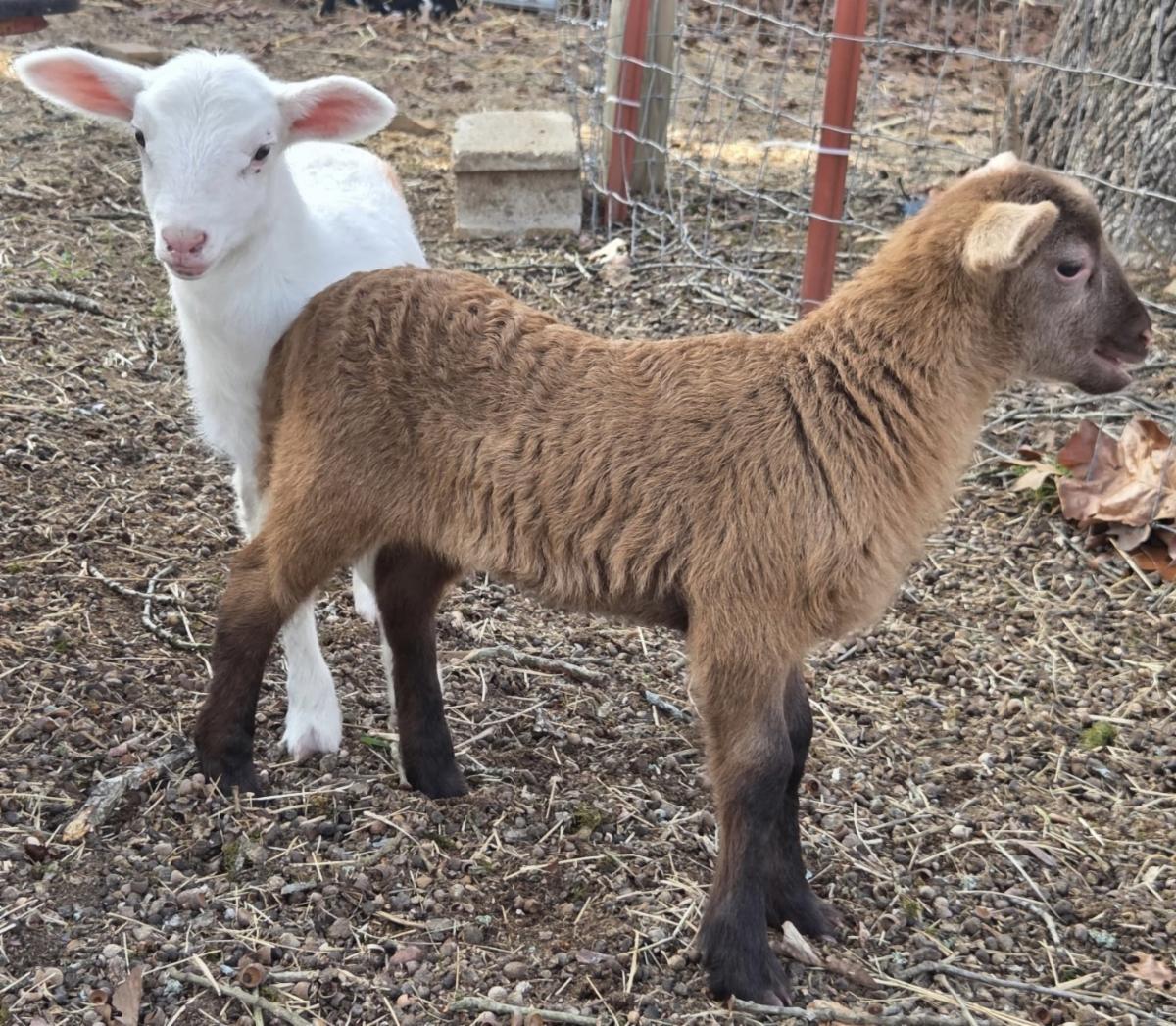
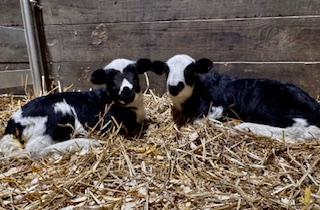
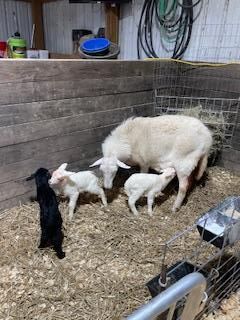
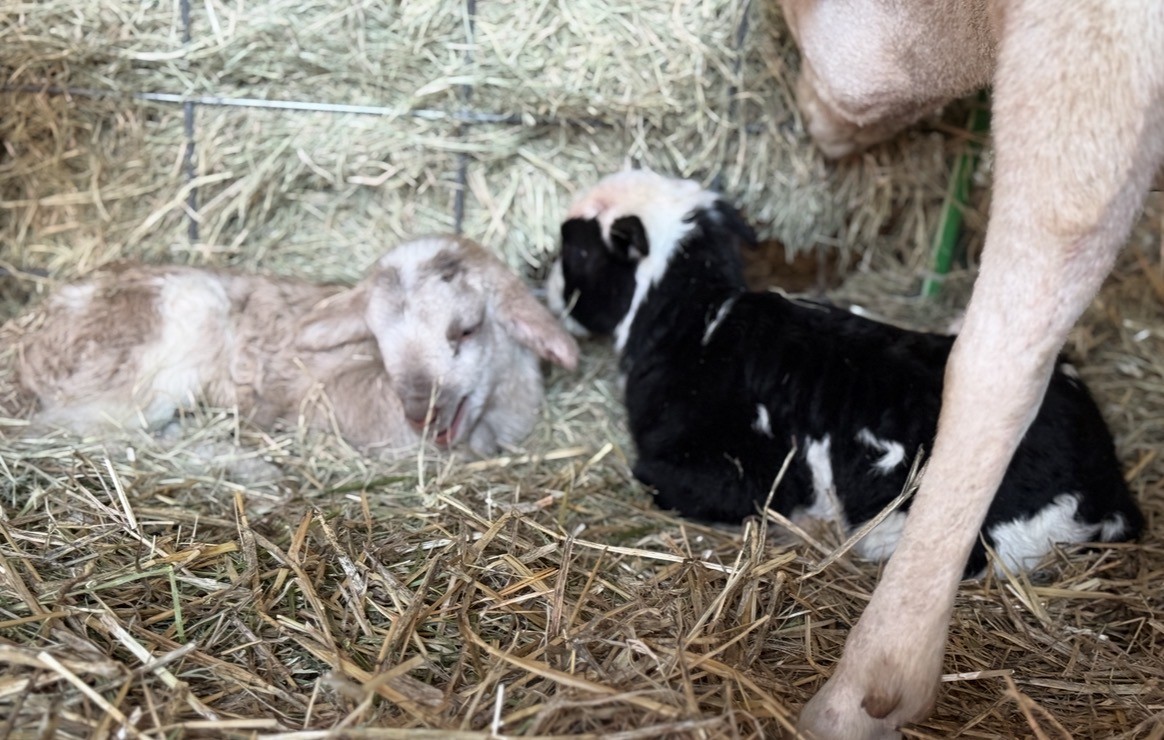
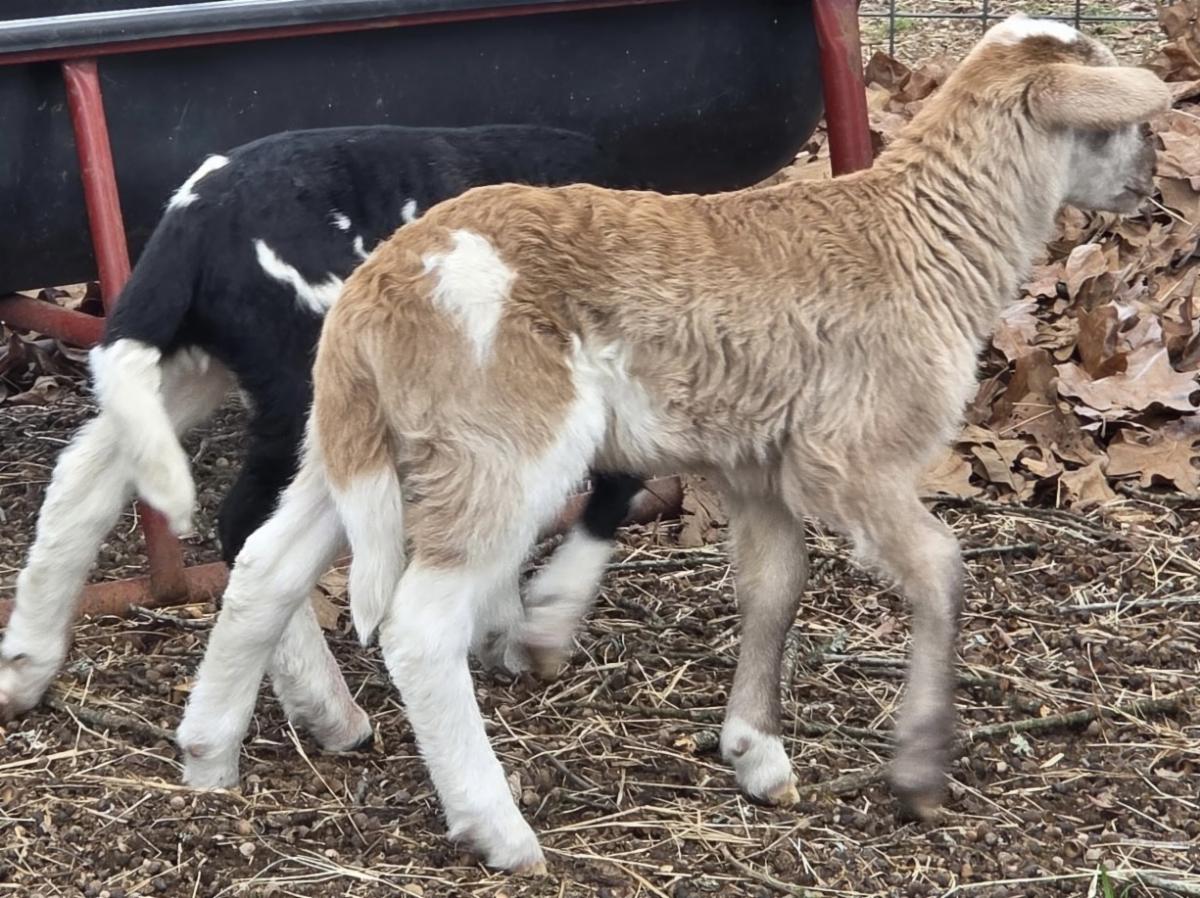
It is lambing time here in Faulkner County. I checked in with a couple of producers this week and they gave me updates on where they were.


Darlene Myers said "We are finished with lambing. A set of healthy triplets and 3 sets of healthy twins. Everyone is doing great!!"


Tanya Feagin from Rocking TLC Farms said "Here at Rocking TLC Farms LLC we are right in the middle of our lambing season. 13 of our ewes have lambs. We anxiously await the lambing of the last 11. We currently have 14 ewe lambs and 11 ram lambs. Very little sleep here at the farm. But such a joy to witness the births of these beautiful animals."


I appreciate the pictures they sent and the updates!

Herbicide Sprays for Winter Weeds


If you haven't already, it is time to apply herbicides for winter weeds. The most common winter broadleaf weeds out there are buttercup, henbit, and chickweed. There are also some winter grasses out there like ryegrass, annual bluegrass, and cheat.


The broadleaves are easy. 2,4-D is pretty good on just about all broadleaves except henbit. Weedmaster which is 2,4-D and dicamba is pretty good on henbit and all the broadleaves. The addition of metsulfuron (Patriot, MSM, etc) added to 2,4-D would also help with henbit, but you can't use metsulfron on fields that have bahiagrass in them. I get alot of questions about Grazon at this time of the year. I like to hold that Grazon until summer when I need help with tougher weeds. Will it work? Yes it would work great, but it is just more expensive so let's keep that bullet in our pocket until we need it.


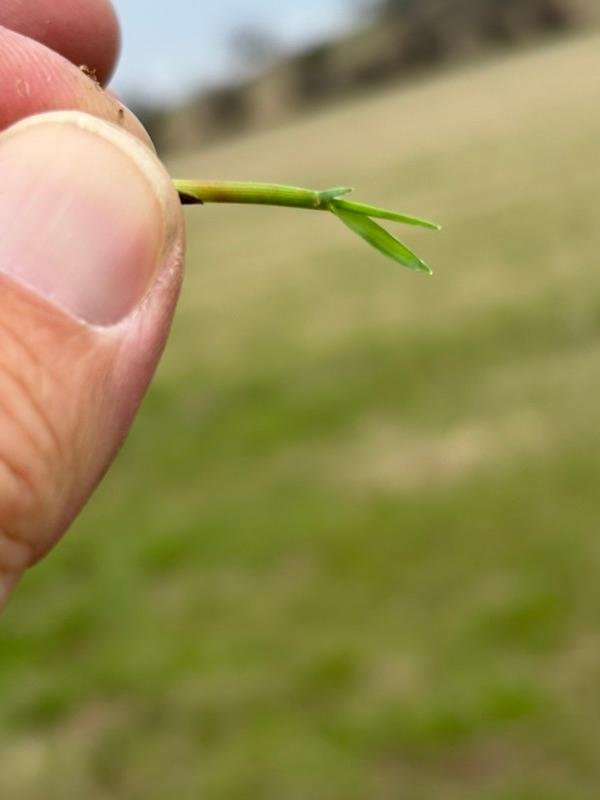
The grasses are a little harder to kill in a grass crop. Usually to get rid of winter grasses we rely on glyphosate. This has been an extremely warm winter so far and if you really dig into the canopy of dormant bermudagrass it is possible to find some green sprigs. The picture below came from the hay verification field this week. Now, would I still use glyphosate? If I am just finding a few green sprigs here and there and I had a good window to spray, yes I would spray. Most of those little green sprigs are down in the canopy and are protected from a spray. And even if you do get some of them, it is okay because it is just the start. Last year on the hay verification field, there were several green sprouts just like that and we had a freeze that killed all that green foliage. The field was delayed, but it was fine once it warmed back up.


With this forecast coming up, we need to find that perfect window to get our herbicides out. Don't force a spray in high winds that could lead to a drift issue. If it isn't a good time to spray, it just isn't a good time.

Dystocia and Abnormal Presentations

Mark Z. Johnson, Oklahoma State University Extension Beef Cattle Breeding Specialist


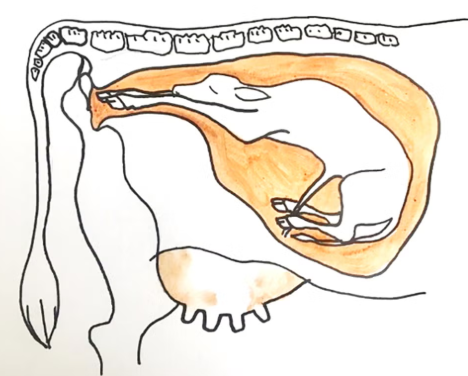
Dystocia is calving difficulty. The term applies to an abnormal or difficult birth. Dystocia can be a major cause of calf loss and a serious issue for the beef industry, especially when calving first calf heifers. What are the causes of dystocia? Most common is relative fetal oversize, which could be defined as a calf too big, pelvis too small, or both. As for calving difficulty, an ounce of prevention is worth a pound of cure. Proper sire selection is vital to preventing calving difficulty. Underdeveloped heifers and heifers bred to bulls with large birth weights are both factors that cause increased incidence of calving difficulty. The second most prevalent cause of dystocia is an abnormal presentation of the fetus. The normal presentation in cattle is an anterior presentation with front legs and head extended into the pelvic canal as shown below.


Any position that is different from the above illustration such as forelegs or head turned back, breech, rear end position, sideways or rotated, etc., is an abnormal presentation of the fetus. A normal delivery cannot be achieved unless the head and both front limbs are presented into the pelvic canal and on through the vulva. If the calf is normally presented and the pelvic area is large enough, the vast majority of animals will give birth without assistance.


On average, about 5% of all calves are in abnormal positions at birth. When this occurs, correcting the problem will require an experienced herdsman (or assistance of a veterinarian) to position the fetus correctly prior to delivery. If fetal position cannot be corrected, it may be necessary to perform a caesarean section. Abnormal presentations during calving are considered extremely low heritability and are considered random events. Unlike Birth Weight, with a heritability of 46%, and Calving Ease Direct, with a heritability of 19%, abnormal presentations are rarely inherited. Thereby genetic selection to avoid abnormal presentations in beef cattle is ineffective.


Bottomline


Even when selection pressure has effectively been applied to traits influencing calving ease in sire selection, abnormal presentations can still occur during calving. It is advised to observe the cowherd closely during calving season, especially first-calf heifers because they will require the most assistance. Observation permits cattlemen to detect abnormal fetal presentations in the early stages of delivery and increases the likelihood of calf survival.

Arkansas Cattlemen's Area 7 Spring Area Conference


The Area 7 Conference of the Arkansas Cattlemen's Association will be on March 24, 2026 at the Conway Expo Center. The meeting starts at 5:00 pm.


To register, click on the link below. Registration is due by March 17, 2026.

Planning ahead of the spring bump

Dr. Jonathan O.C. Kubesch, Dr. Ally Grote, & Harley D. Warren


March and April are an inflection point in forage systems across Arkansas. Winter annual and some strategically fertilized tall fescue pastures should be ready or close-to-ready for grazing. Warm-season grasses will be greening up in about a month. At this juncture it is important to plan for the spring bump. Does the farm have an effective way to balance forage supply and animal demand? When and where should the herd or flock move to capitalize on grazing opportunities? What is next for the pasture? This article provides a few considerations ahead of the spring bump.


Plants need to have sufficient growing temperatures.


This point seems almost as obvious as the fact that nitrogen makes plants grow. Cool-season forages (tall fescue, orchardgrass, annual ryegrass, and small grains) have an optimal temperature range of ~60-85 degrees. Daily high temperatures are in this range from March to May in Little Rock or starting in February down in Texarkana. Warm-season forages (bermudagrass, bahiagrass, and crabgrass) have an optimal temperature range of ~70-95 degrees. More importantly, nighttime temperatures need to consistently stay about 60 degrees for these species to actively grow. May to October defines the growing season for warm-season forages in much of the state.


Overlap in these optimal temperatures often creates the spring bump we see on the farm where it is often hard to keep ahead of pastures and hayfields. Logically, cool-season stands should be grazed before warm-season stands, but strategically harvesting or grazing out winter annuals will help to promote or stagger greenup on the following warm-season perennial grass.


Animal intake shouldn’t be limiting.


Intake is the primary determinant of forage quality; calories only count if they are ingested. Keeping full bites ahead of grazing livestock often comes down to moving animals or supplementing feed when intake becomes limiting in the pasture system, typically 1000-1500 lb acre-1 depending on the plant species. Below this threshold the animal cannot meet daily dry matter intake requirements and performance can suffer.

Monitoring pasture can be critical ahead of the spring bump because forcing animals to graze to this threshold often lets the remaining paddocks, pastures, or fields get ahead of the herd. Hungry animals are also more likely to end up encountering bloat at the start of spring green-up.


Turn-out and grazing strategies should fit the system on a field-by-field basis.

It turns out that American agronomists and animal scientists have tried to tackle the spring bump for at least 80 years. As fencing and livestock management strategies have improved, so have the pasture management strategies. We often present these strategies as a farm-wide approach; but really approaches should be tailored to each field based on the seasonal supply and demand of the farm.


Timing turn-out can influence how and when the spring bump comes over the farm. Turning the herd or flock into 8-10” tall pastures favors the plants and will often require a strategy for increasing animal demand in spring (spring calving) or mechanical harvesting. Turning the livestock in at green-up can create some stunting which can help to build a staggered rotational approach. Fescue can be suppressed using metsulfuron at a low rate to reduce seedhead formation, improve nutritive value, and increase the proportion of the standing crop that benefits livestock. Haymaking or clipping often are used to handle surplus spring growth or clean up winter annuals off warm-season fields.


Finally, the inherent pluralism of Arkansas farms can help to spread out the spring bump. Most farms have cool- and warm-season forages that can be grazed and hayed in a sequence to spread out the benefits of the spring bump into the leaner portions of the growing season. 

Upcoming Meetings

Pesticide Applicator Trainings


In order to purchase restricted use pesticides (herbicides, insecticides, fungicides, etc) you must have a private applicators license. The license is good for 5 years.


To obtain a license you must first attend a certification training. Certification trainings are done in person by a County Extension Agent or you can go online and be certified. Below is a link to the online training.


In person trainings this year will all be at the Faulkner County Extension Office and will be on:


March 12 - 6:00 PM

April 30 - 2:00 PM


A certification training costs $20 and is due the day of the training.


Once a producer is certified, they will go through the Arkansas Department of Agriculture to obtain the license which is $45.


Please call the Extension office at 501-329-8344 to sign up for one of these dates.


If you have a question about your license, please follow the License Search and Verification link below to find your license.

Livestock Market Report


The following links are for the weekly livestock market report from the Arkansas Department of Agriculture website and the Livestock Auction Dashboard from USDA. Both sites have marketing data for all livestock sold at Arkansas Sale Barns.

2025 Faulkner County Agriculture Demonstration Summary


The 2025 Faulkner County Agriculture Demonstration Summary is now available at the link below.


The 2025 Faulkner County Demonstration Summary is a collection of on-site demonstration results conducted in Faulkner County by local County Agents. Demonstrations are the cornerstone of the University of Arkansas System Division of Agriculture Cooperative Extension Service’s mission which is:


“We strengthen agriculture, communities, and families by connecting trusted research to the adoption of best practices.”


On-site demonstrations allow producers and homeowners to see firsthand how Extension recommended varieties and best management practices work in their counties and surrounding area.

Sign up for Text Alerts


You can now sign up for text alerts from me throughout the year. I have two areas you can sign up for which includes Faulkner Livestock or Faulkner Ag (Row Crop Updates). To sign up you can follow one of these links or use the QR Codes below.

Faulkner Livestock


Use either the QR Code or this link:

https://slktxt.io/10lLe

Faulkner Ag (Faulkner Row Crops)


Use either the QR Code or this link:

https://slktxt.io/10lLc

Pursuant to 7 CFR § 15.3, the University of Arkansas System Division of Agriculture offers all its Extension and Research programs and services (including employment) without regard to race, color, sex, national origin, religion, age, disability, marital or veteran status, genetic information, sexual preference, pregnancy or any other legally protected status, and is an equal opportunity institution.

Contact Kevin Lawson, County Extension Agent–Agriculture, Faulkner County | Kevin Lawson