Faulkner County Agriculture Update

May 1, 2026


General Conditions

Weather


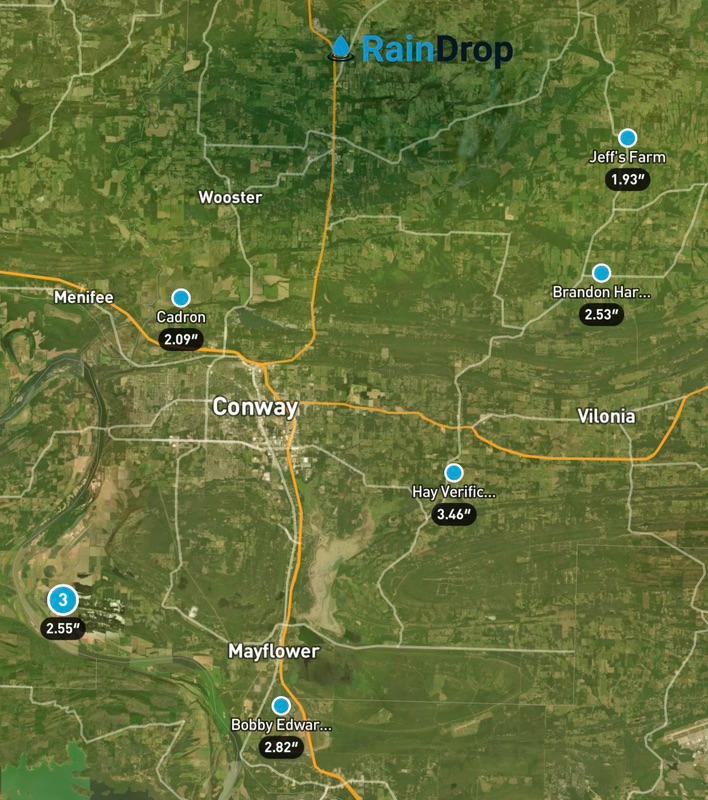
Another interesting week of weather in Faulkner County. I added a screen shot from my RainDrop app with some gauges I have placed around the county. We got anywhere from 3.5 to 2 inches of rain across the county in the last seven days. It was a good rain and much needed. The problem is it brought along with it some cool weather. I really expected up to be dried up enough to get in fields by today, but it is still too wet to plant or work ground.


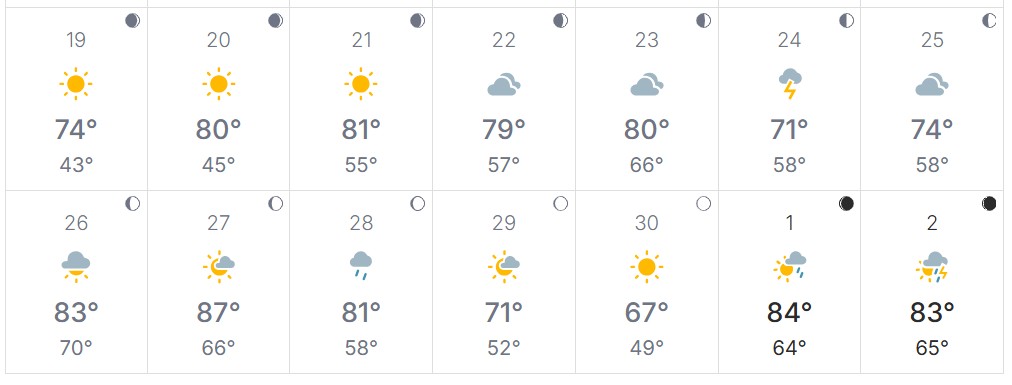
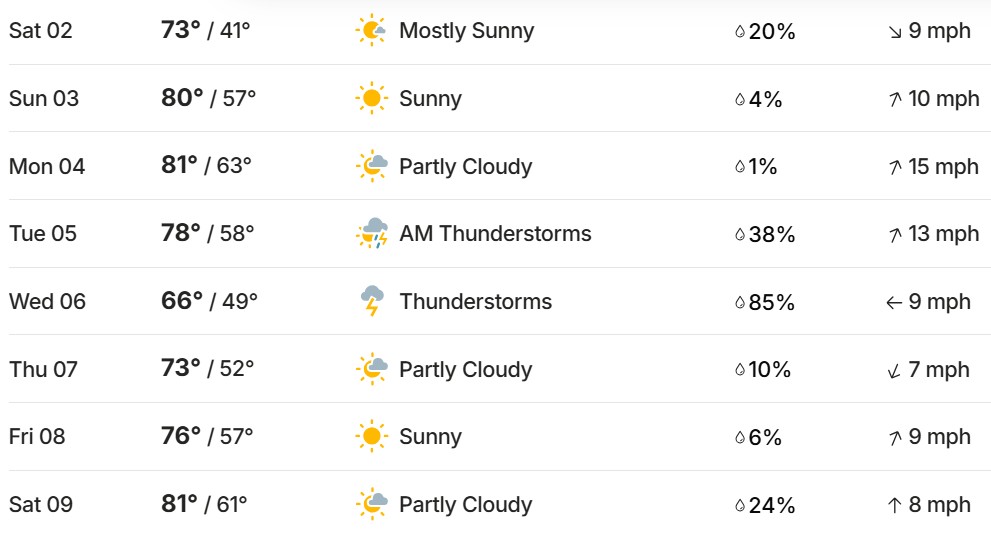
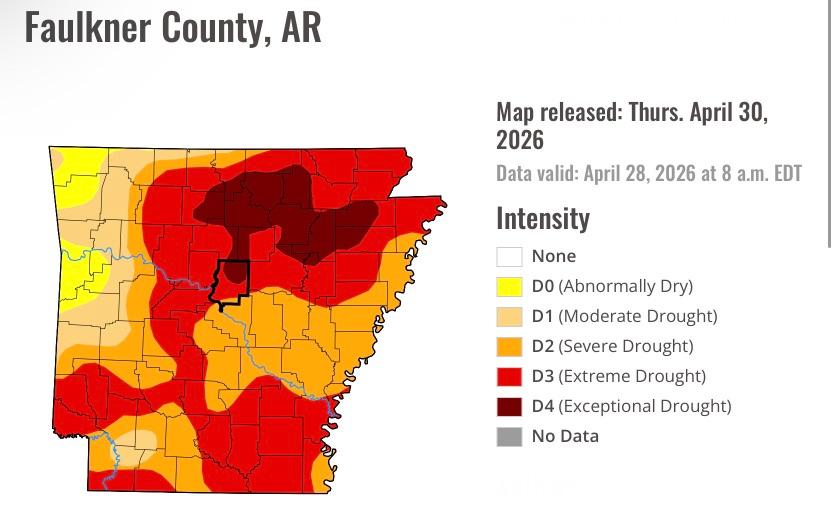
We have another chance of rain next Tuesday and Wednesday. This past rain was nice but we are still in a D4 and D3 drought in the county.

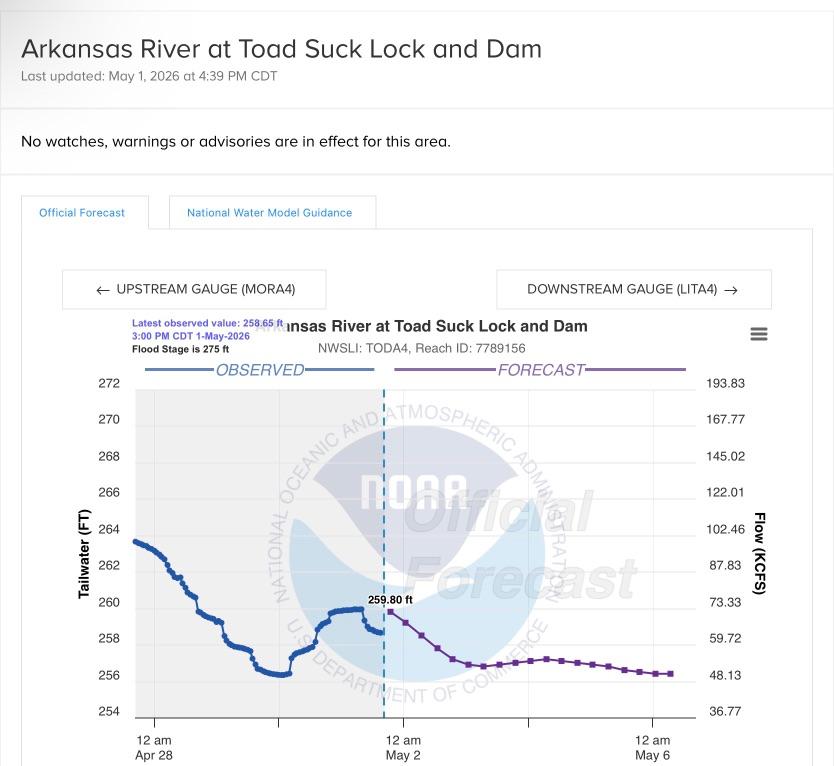
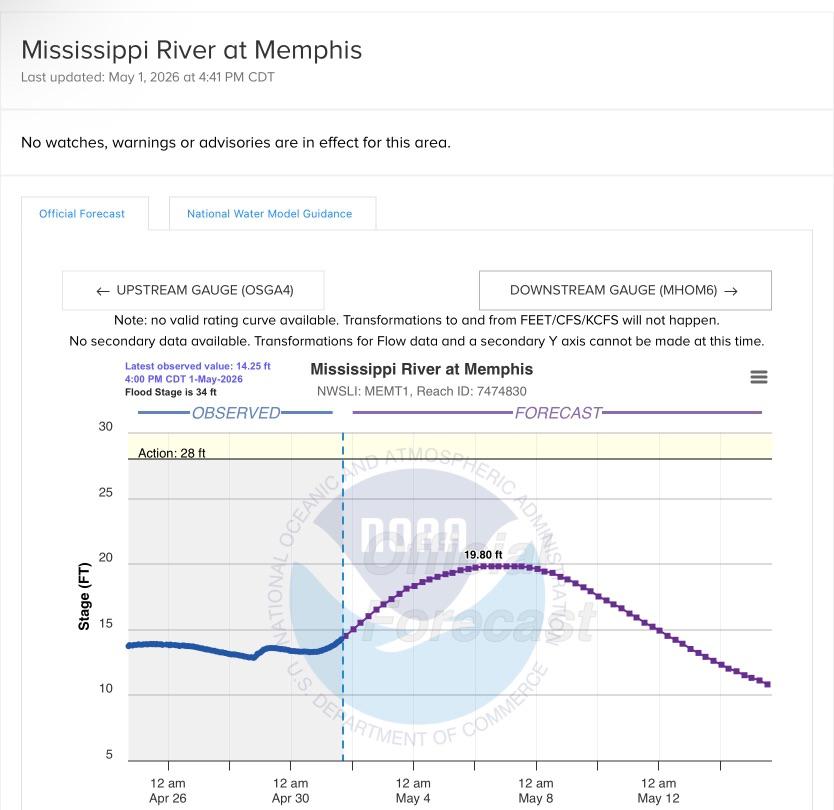
Arkansas and Mississippi River

Drought Monitor

Row Crop

Corn


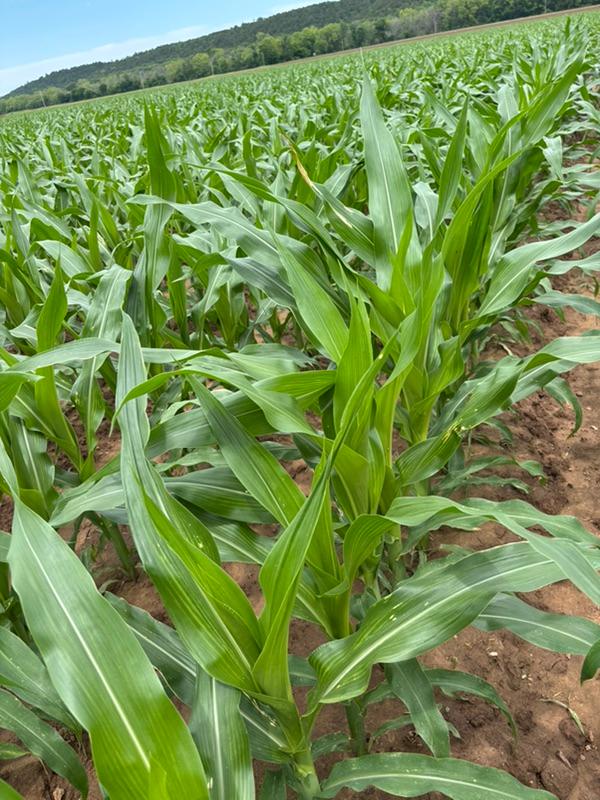
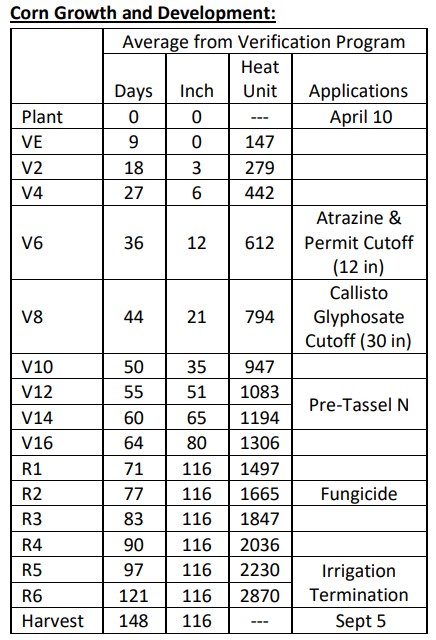
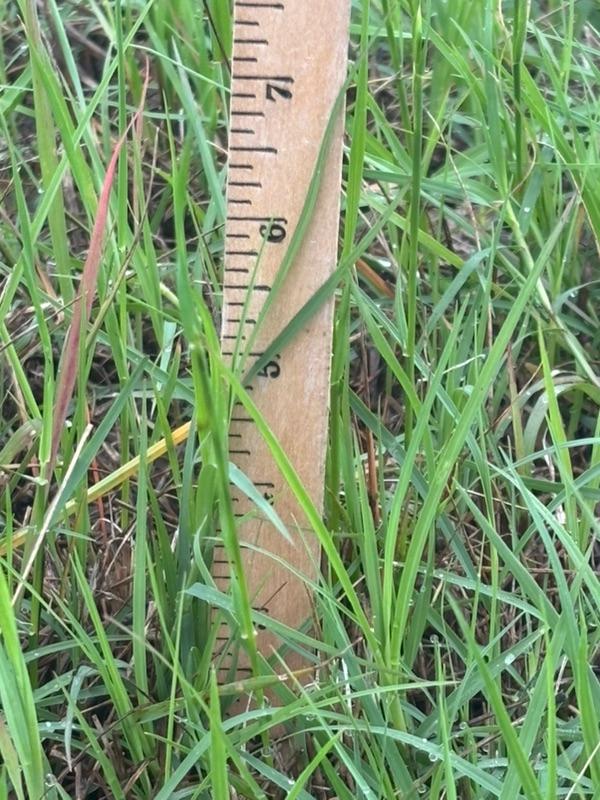
Corn is looking a little better this week. Several fields have taken up the fertilizer applications and are really green. Herbicide applications look like they are doing a good job also. Just remember the cut off on atrazine is 12 inches and the cutoff on Halex GT is 30 inches.


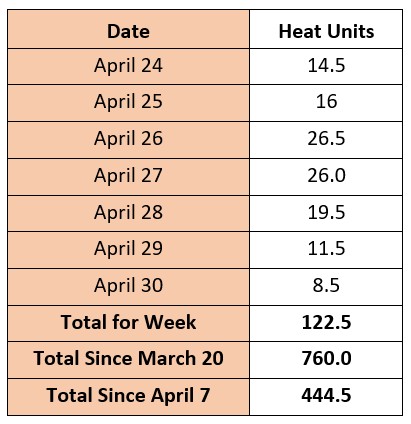
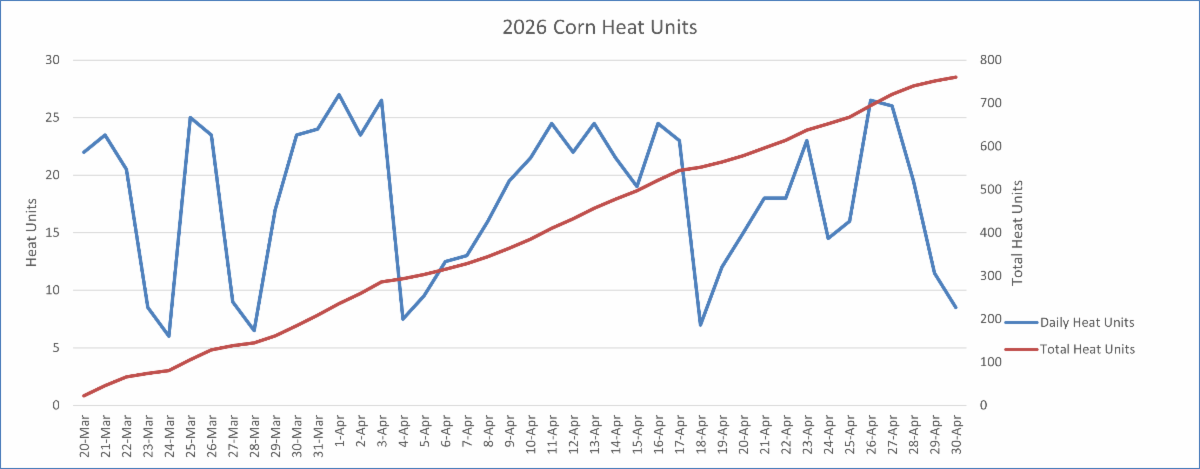
This week we were up slightly on heat units collecting 122.5. Heat units for corn planted on March 20 is at 760 and for fields planted on April 7 there is 444.5 heat units. Early planted fields are at V7 while late planted fields are around V4.

Rice


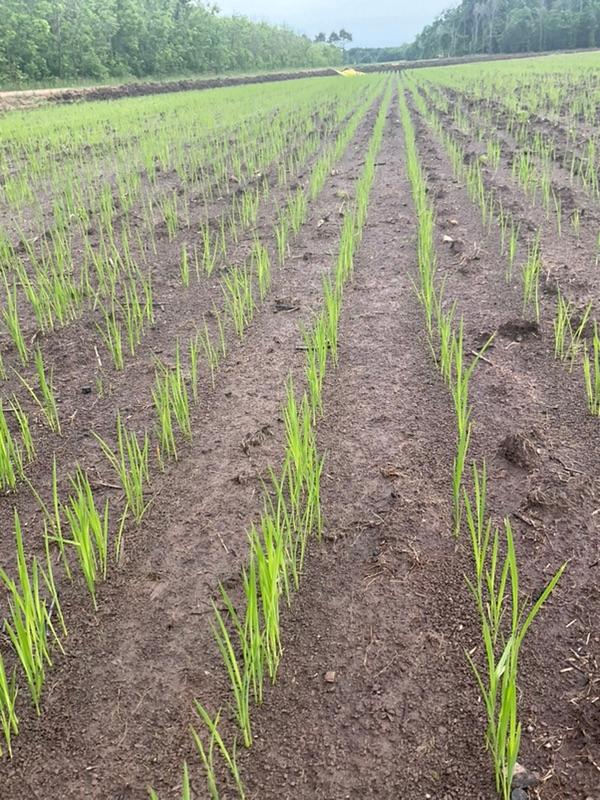
Rice continues to grow in this cool weather. We are approaching 3 leaf on the early planted rice. We are waiting on fields to drain that collected the recent rains to run herbicides. Early next week we will see applications of Provisia and Highcard on Provisia and Max-Ace rice fields for red rice. For other fields, as the command starts to run out, now is the time to get out some kind of herbicide combined with a residual to try and get us to flood. If we play our cards right and get everything out Monday or Tuesday, then it rains just enough to activate, and then it dries up and we can fertilize and flood we will be in the drivers seat. If it continues to rain though, we need those residuals to hopefully buy us enough time to make it to flood.


Make sure to get emergence dates to me and I will put them in the DD50 program.

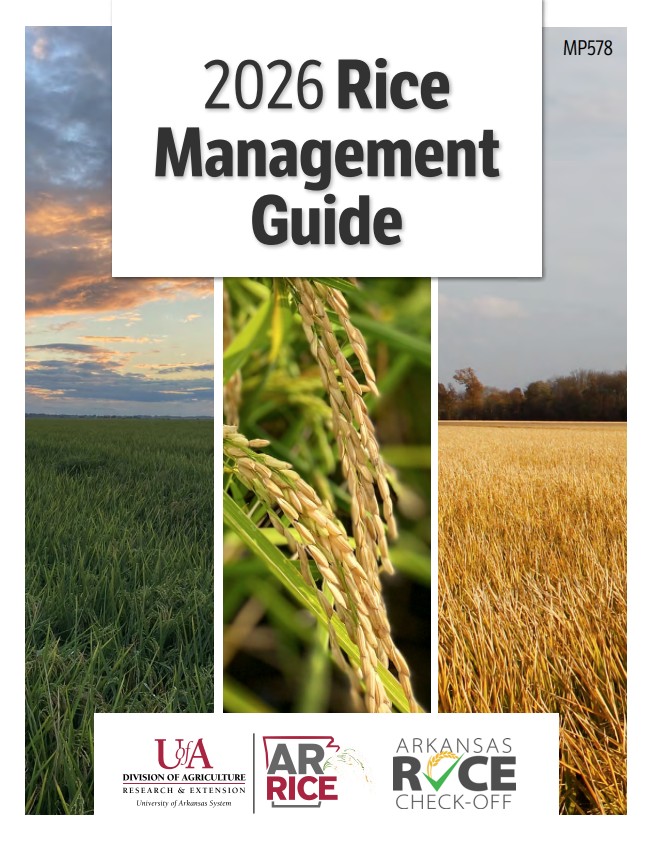
Latest rice update from Dr. Jarrod Hardke and our 2026 Rice Management Guide.

Soybeans


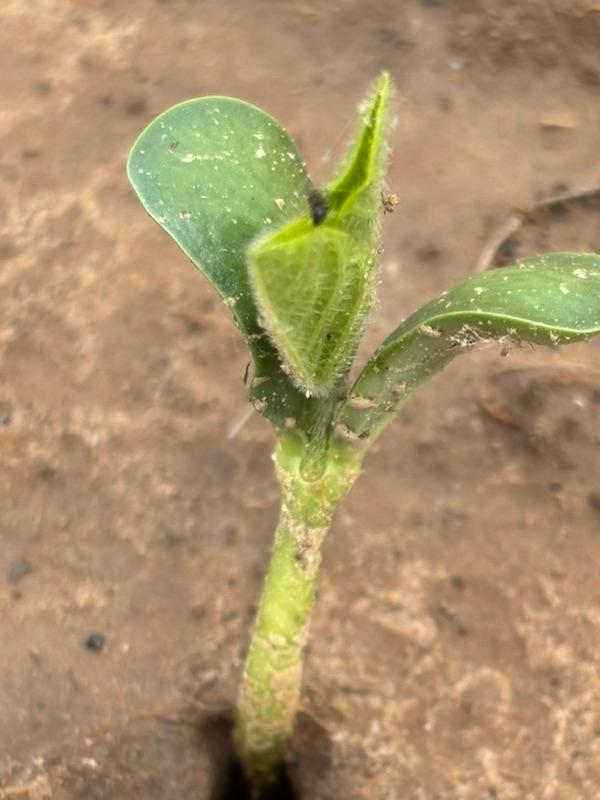
Soybean planting came to a halt with the rains, and the question has been this week "will I get a stand?". That is the million dollar question right now. I am a optimist and I believe we are going to be okay. I am seeing several beans emerge and I think they will continue to keep on coming up. But with that being said, I have told a few producers I hold my right to change my mind next week. I do believe the cool temperatures are helping us right now with this dilemma. If it was really hot, these beans would be cooking in the ground.

Corn Earworm Moth Traps


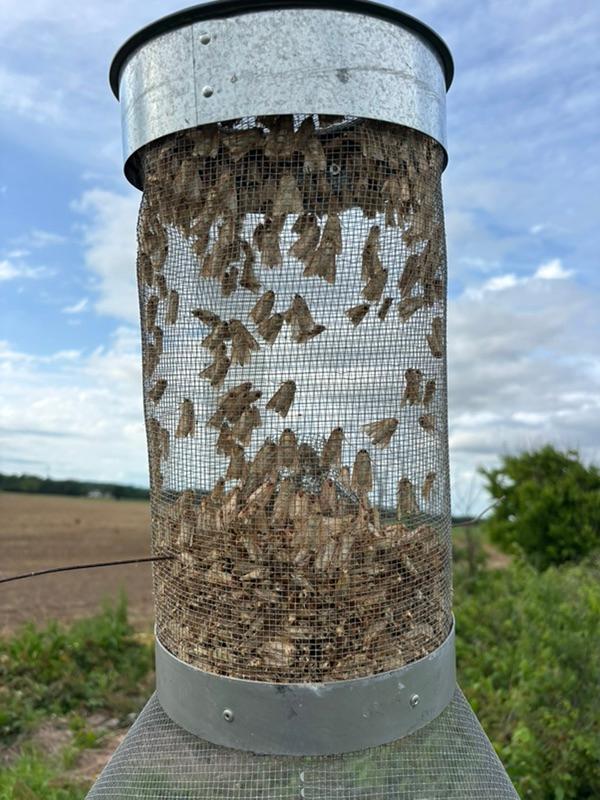
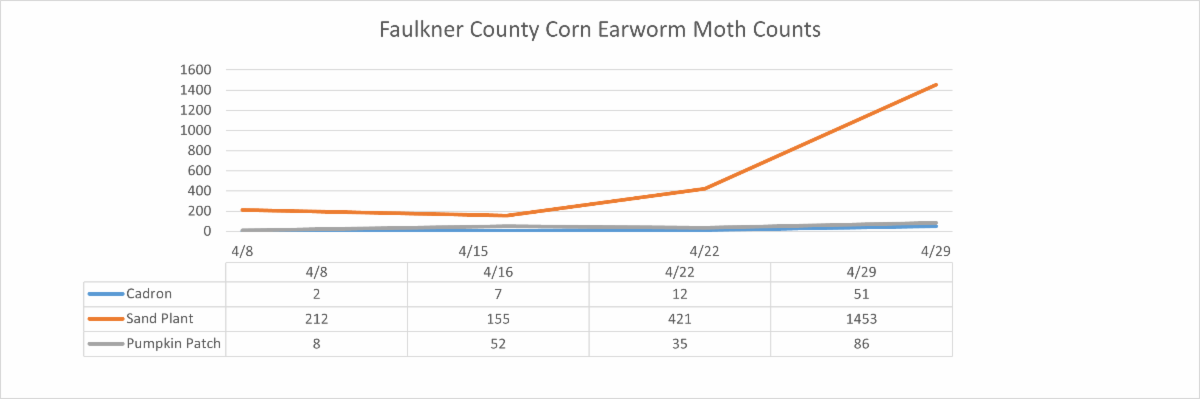
Corn Earworm Moth Counts for April 29, 2026

Cadron - 51


Sand Plant - 1453 (that isn't a typo, it was full!)


Pumpkin Patch - 86

Beef, Small Ruminants, & Forages

Disaster Assistance for 2026 Livestock Forage Losses

Deborah Bolin

County Executive Director

Conway/Faulkner/Perry and Van Buren County Farm Service Agency


Producers in Conway/Faulkner/Perry County are eligible to apply for 2026 Livestock Forage Disaster Program (LFP) benefits on improved pasture. 


LFP provides compensation if you suffer grazing losses for covered livestock due to drought on privately owned or cash leased land or fire on federally managed land.  


County Committees can only accept LFP applications after notification is received by the National Office of qualifying drought or if a federal agency prohibits producers from grazing normal permitted livestock on federally managed lands due to qualifying fire.    You must complete a CCC-853 and the required supporting documentation no later than March 1, 2027 for 2026 losses. 


Please call the Conway County Office to schedule an appointment to complete an application (501-354-2000 ext 2). 


For additional information about LFP, including eligible livestock and fire criteria, contact the Conway/Faulkner/Perry County USDA Service Center at or visit fsa.usda.gov. 

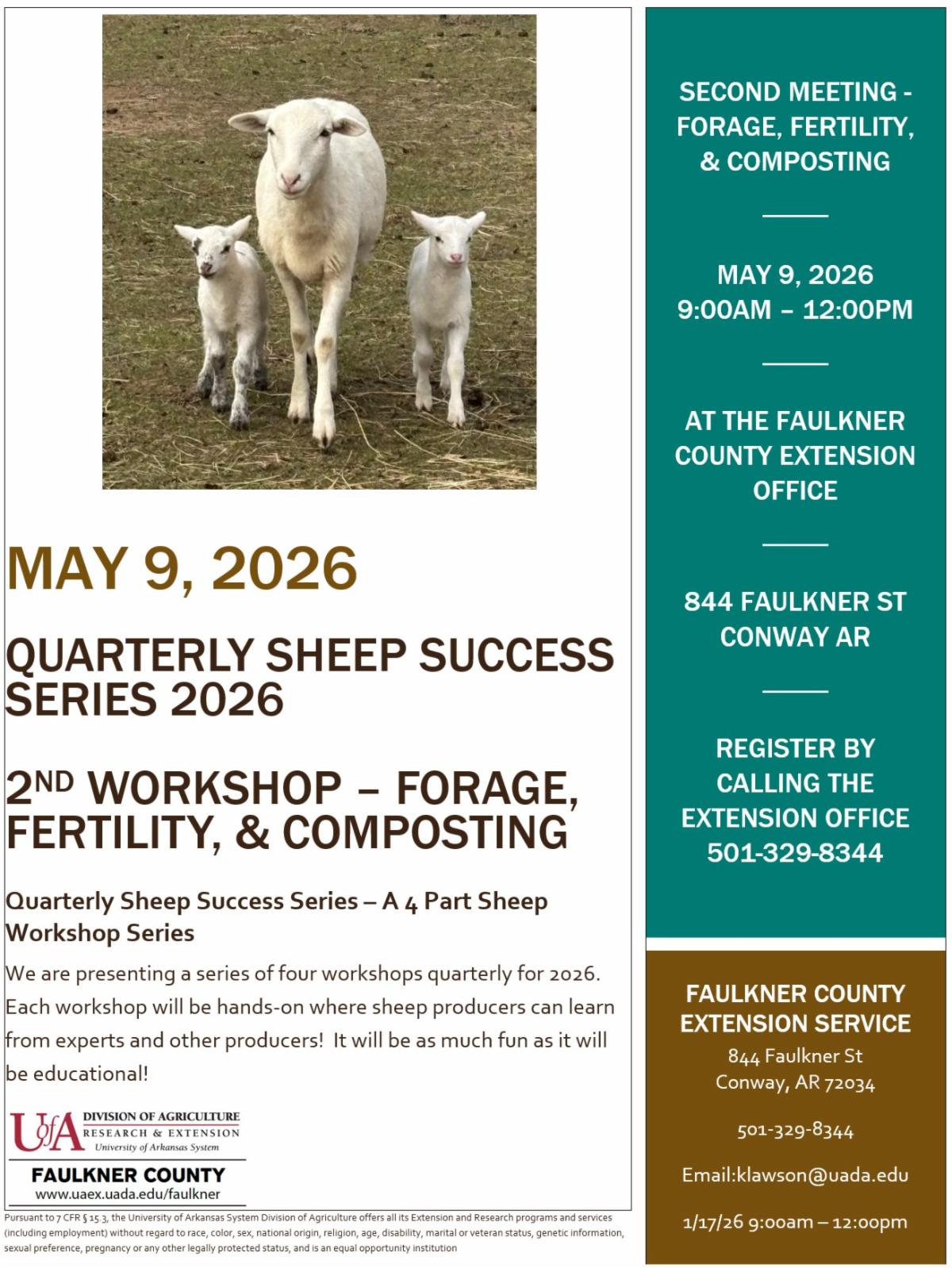
Quarterly Sheep Success Series 2026 Second Workshop


It is time for our 2nd Quarter Sheep Success Series! The workshop will be Saturday May 9 starting at 9:00 at the Faulkner County Extension Office.


Speakers include:

Dr. Matt Bertucci - "How to compost at home and on-farm"

Dr. Dan Quadros - "Animal waste management: making the most of manure"

Dr. Bronc Finch - "Soil Fertility and Soil Tests"

Kevin Lawson - "How to do a hay sample and how to read the report"


Please call the Extension office by next Friday at 501-329-8344 to register. We will do inside talks and then go outside a do some hands on activities! We should be done by 12:00. See you next Saturday!

Forages


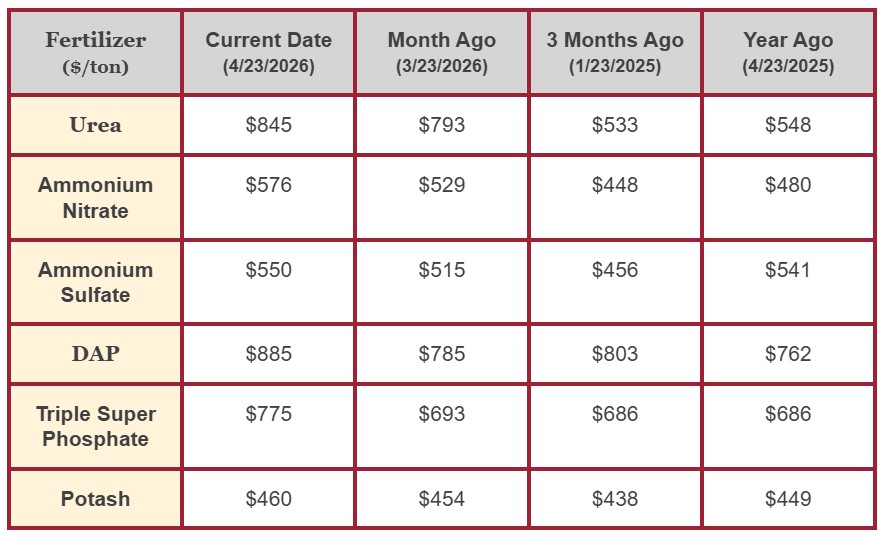
Forages in Faulkner County as trying to turn around. The rain did a lot of good. It helped to green up pastures and hay fields. The cool weather isn't helping, but hopefully we will get that all straightened out soon. This weeks forecast doesn't look any better to start fertilization. It is too wet to get on fields anyway and if we get another rain early next week that will push us out even further. That doesn't bother me at all because I think we can wait. Fertilizer is too high of an input to waste, so let's put it out at the right timing.

Making the Cut: Why Timing and Method Matter in Castrating Bull Calves

Paul Vining and Paul Beck, OSU Cooperative Extension Service


Castration remains one of the most important management practices in beef production, yet the timing and method continue to generate discussion among producers. Castration is a key component of calf preconditioning programs, which are designed to reduce stress, improve health, and enhance performance after calves leave the ranch of origin. Allowing adequate healing time following castration and other procedures is essential to realizing the benefits of preconditioning.


One consistent recommendation across research and veterinary guidance is to castrate calves as early in life as practical. Younger calves generally experience less stress, fewer complications, and recover more quickly than older, heavier animals. Early castration is also associated with reduced risk of sickness, less shrink, and improved overall health during the receiving and backgrounding phases. In addition, performing the procedure when calves are small typically requires less labor and reduces safety risks for both cattle and handlers. From both an animal welfare and management standpoint, earlier is better.


Bulls typically grow slightly faster and produce leaner carcasses than steers due to the effects of testosterone after the bull reaches puberty. However, those advantages come after the normal weaning time and with tradeoffs. Bull carcasses generally exhibit increased toughness, less marbling and are more likely to result in dark cutters. The quality advantages of steers drives market demand for steers and consistent premiums compared to bulls.


Recent data suggest steers commonly sell for $6 to $15 per hundredweight more than comparable bull calves. For a fresh weaned calf, that can be a difference of $50 to 100 per head or more, which quickly adds up across a calf crop.


Selecting the appropriate castration method depends largely on calf size, labor availability, and management preferences. Surgical castration is fast and reliable, but it creates an open wound and carries risk of bleeding or infection. Elastrator banding uses a small latex band for young light bull calves and other banding methods that use a larger robust bands for bigger calves are bloodless alternatives to surgery. These banding methods restrict blood flow but require careful technique to avoid incomplete castration and may increase the risk of tetanus if proper vaccination protocols are not followed.


Pain management is another consideration receiving increasing attention from both producers and consumers. Surgical castration causes more immediate, short-term pain, while banding results in less acute but longer-lasting discomfort. Veterinary-approved pain mitigation strategies, such as anti-inflammatory medications or local anesthetics, can help reduce stress and improve animal welfare when feasible.


Ultimately, there is no single “best” method for every operation. The most successful programs match the castration method to calf size, perform the procedure early in life whenever possible, and allow adequate recovery time before marketing. Done correctly, castration remains a foundational management practice that supports calf health, carcass quality, and long-term profitability in the beef industry.  

Faulkner County Cattlemen's Meeting


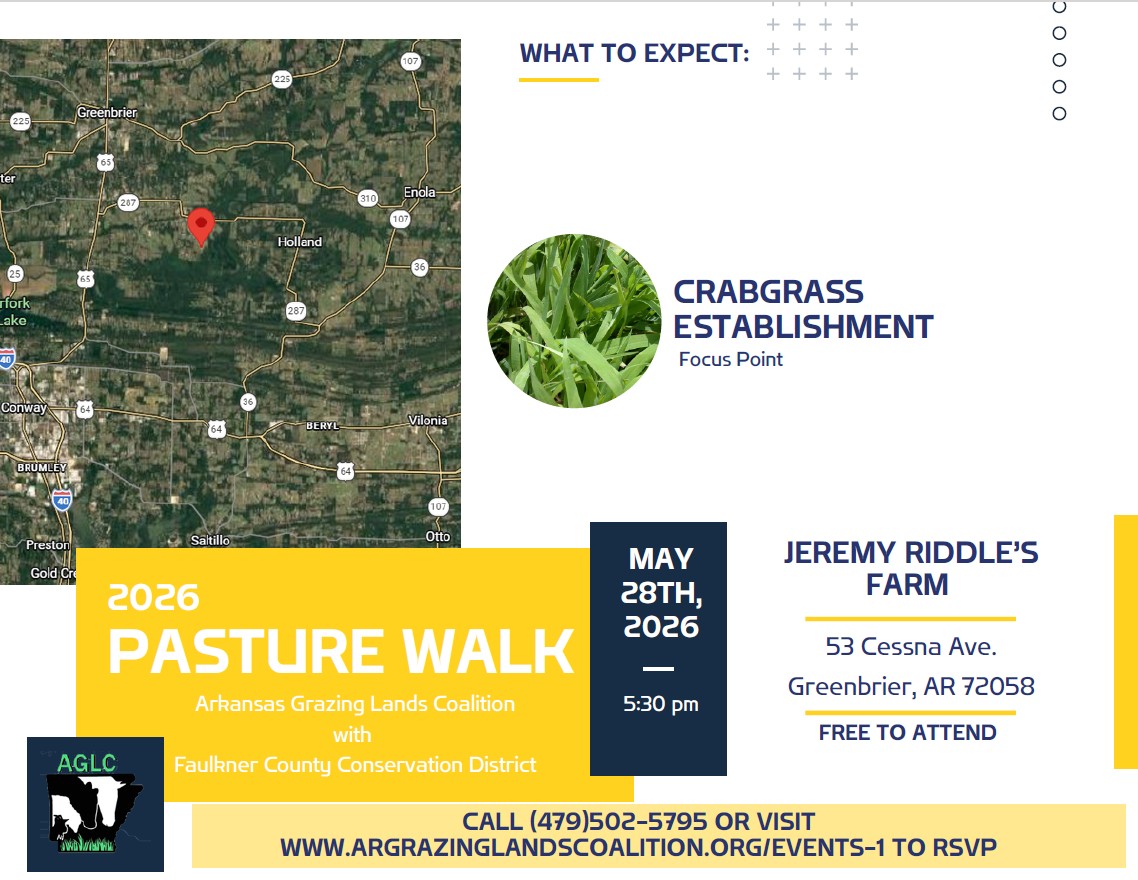
The next Faulkner County Cattlemen's meeting will be on May 28 at the Jeremy Riddle Farm in Greenbrier. The actual Cattlemen's Meeting will start at 6:30, but for anyone that wants to come early we will have a pasture walk looking at establishing crabgrass sponsored by the Arkansas Grazing Lands Coalition and the Faulkner County Conservation District.

Arkansas Shepherds Association


The Arkansas Shepherds Association is an organization for sheep owners or businesses that want to support the Arkansas sheep industry. They will have lots of information for sheep owners and an annual educational workshop.

Upcoming Meetings

Pesticide Applicator Trainings


There will be no more in person Pesticide Applicator Trainings until this winter. If you need a license you can still do the training online. There is a link below for the online training and a link to check your license status.

Livestock Market Report


The following links are for the weekly livestock market report from the Arkansas Department of Agriculture website and the Livestock Auction Dashboard from USDA. Both sites have marketing data for all livestock sold at Arkansas Sale Barns.

2025 Faulkner County Agriculture Demonstration Summary


The 2025 Faulkner County Agriculture Demonstration Summary is now available at the link below.


The 2025 Faulkner County Demonstration Summary is a collection of on-site demonstration results conducted in Faulkner County by local County Agents. Demonstrations are the cornerstone of the University of Arkansas System Division of Agriculture Cooperative Extension Service’s mission which is:


“We strengthen agriculture, communities, and families by connecting trusted research to the adoption of best practices.”


On-site demonstrations allow producers and homeowners to see firsthand how Extension recommended varieties and best management practices work in their counties and surrounding area.

Sign up for Text Alerts


You can now sign up for text alerts from me throughout the year. I have two areas you can sign up for which includes Faulkner Livestock or Faulkner Ag (Row Crop Updates). To sign up you can follow one of these links or use the QR Codes below.

Faulkner Livestock


Use either the QR Code or this link:

https://slktxt.io/10lLe

Faulkner Ag (Faulkner Row Crops)


Use either the QR Code or this link:

https://slktxt.io/10lLc

Pursuant to 7 CFR § 15.3, the University of Arkansas System Division of Agriculture offers all its Extension and Research programs and services (including employment) without regard to race, color, sex, national origin, religion, age, disability, marital or veteran status, genetic information, sexual preference, pregnancy or any other legally protected status, and is an equal opportunity institution.

Contact Kevin Lawson, County Extension Agent–Agriculture, Faulkner County | Kevin Lawson