Faulkner County Agriculture Update

May 30, 2025


General Conditions

Weather


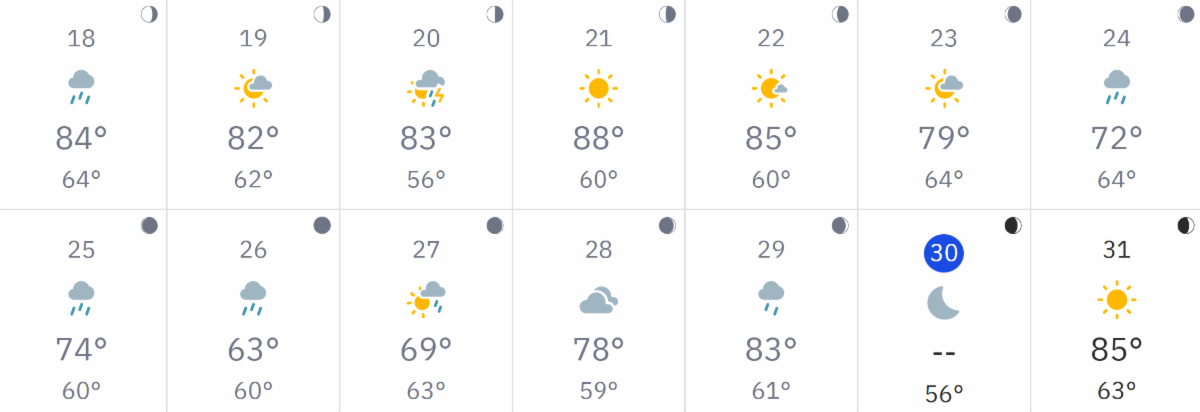
Rain, rain, rain and more rain. From Saturday through Tuesday we received 4.04 inches of rain at the hay verification field in Saltillo. For the month of May, that same field received 8.89 total inches and it rained 13 out of 30 days. That is incredible.


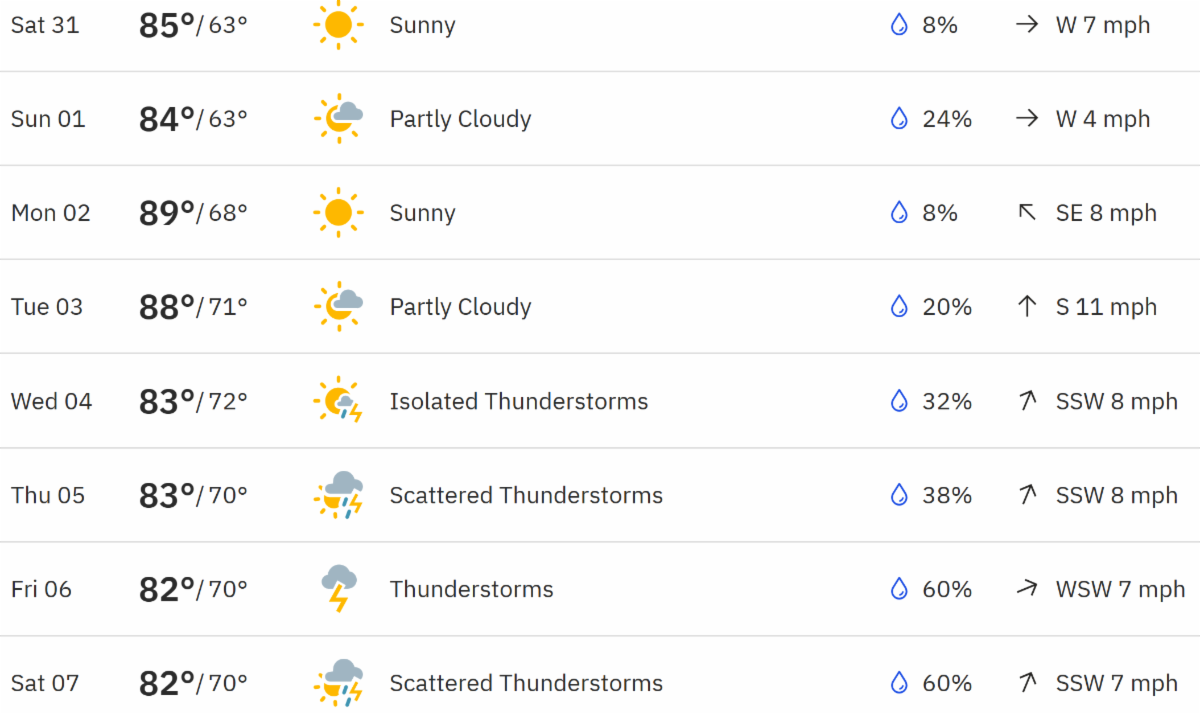
Looking into next week we have chances starting up again on Tuesday with really good chances next Friday and Saturday. It has to stop raining sometime!

Arkansas and Mississippi River


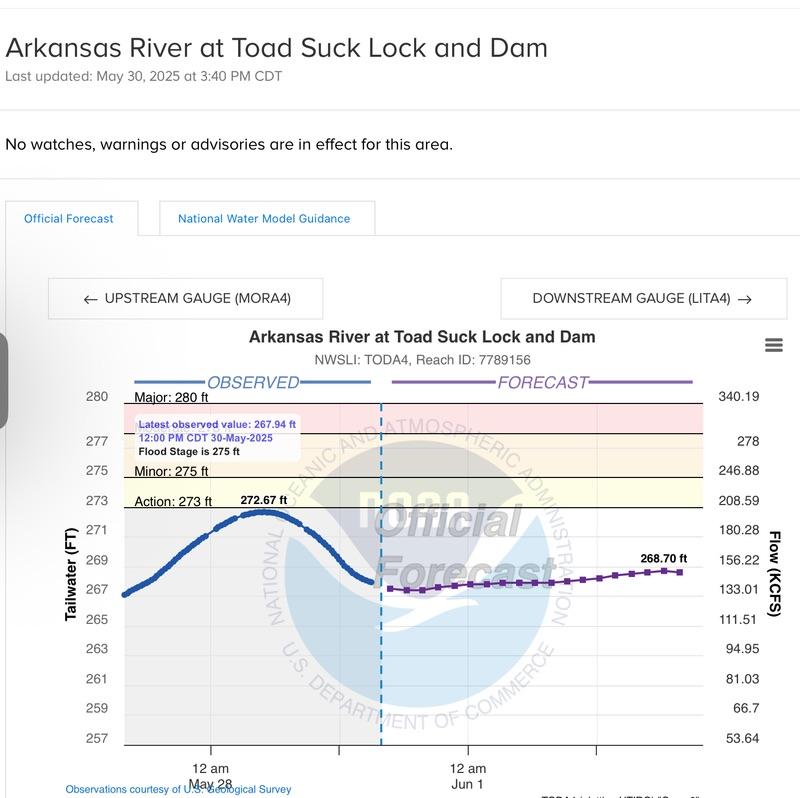
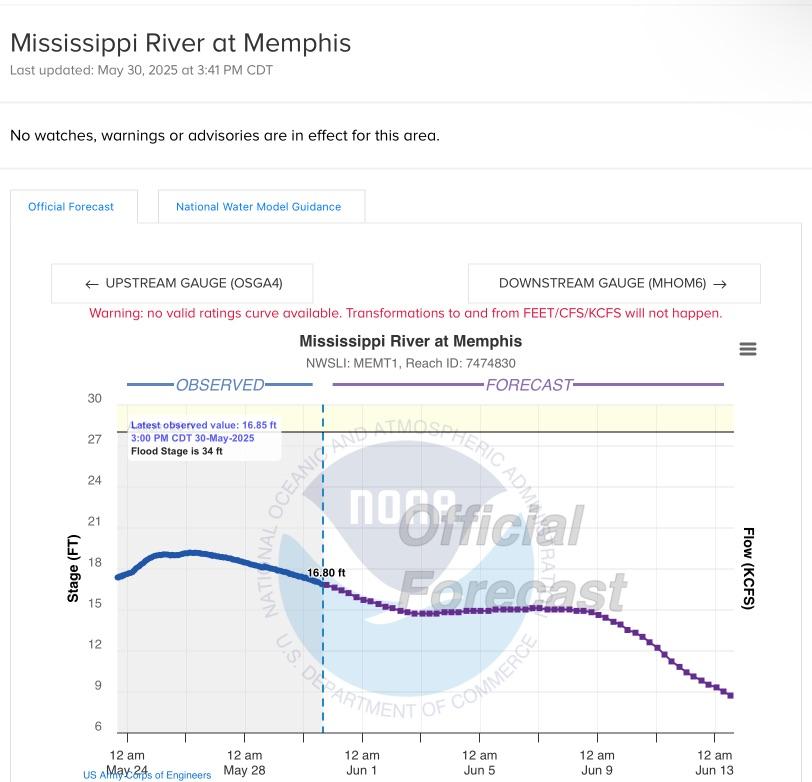
The river finally got up to 272.67 but fell really quickly. This is allowing the Cadron to flow on out and hopefully the levee gates will be opened soon if they haven't already. It looks like they will keep the river are 269 for a few days, so hopefully we aren't looking at much rain next week.

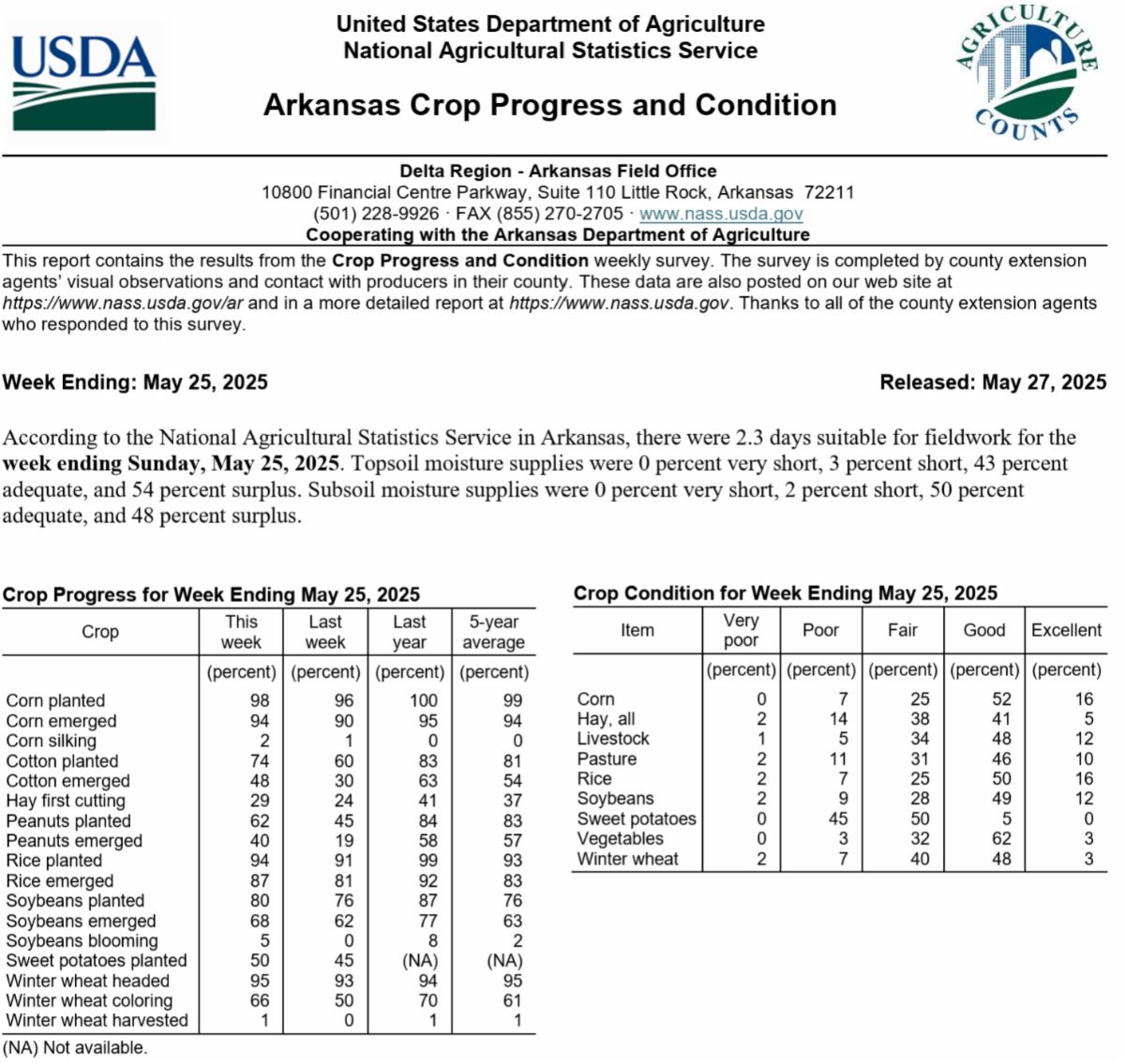
Drought Monitor

Row Crop

Wheat


Wheat has turned and now we are just waiting for harvest to start. Shouldn't be long.

Corn


Corn continues to grow well. Growth stages ranged from V8 to V14 on corn I looked at this week. I saw a few tassels in the early planted fields starting to peek through. We still have a few fields that need another application of fertilizer but we are about done with all that. Now we will just get ready for irrigation and watch out for rust.


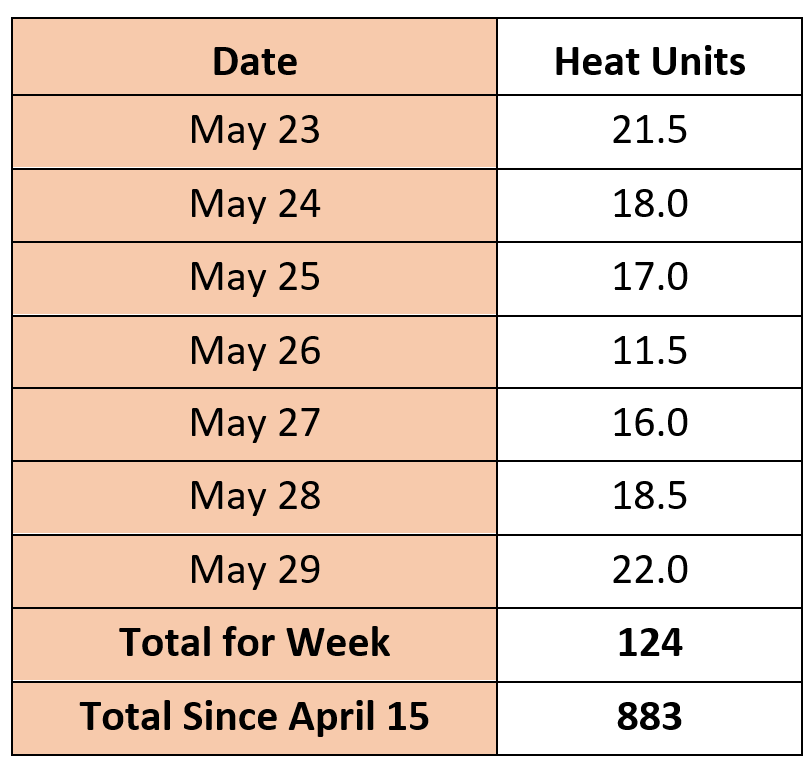
It was a cooler week and it cost us about 25 heat units from the previous week. We accumulated 124 heat units this week for a total of 883 for corn planted on April 15.

Rice


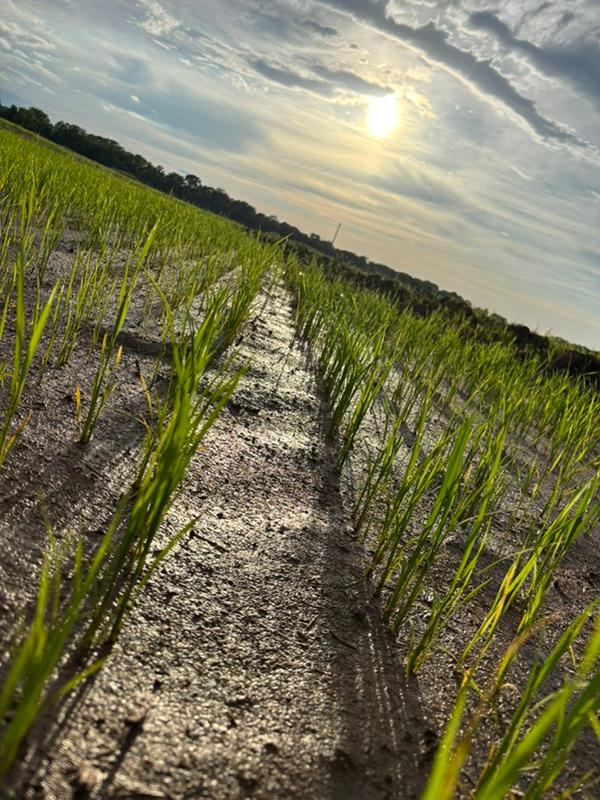
I don't have much to say about rice. I don't know that I have ever seen a year quite like this. We can't even get the ground dry enough long enough to finish levees. It has been a struggle to say the least. This is a year that I am thankful for Command and why we should never leave a field without applying Command.


Once we get fields dry, we need to apply fertilizer and get these fields to flood. We may have to spoon feed a few fields just to get them through.

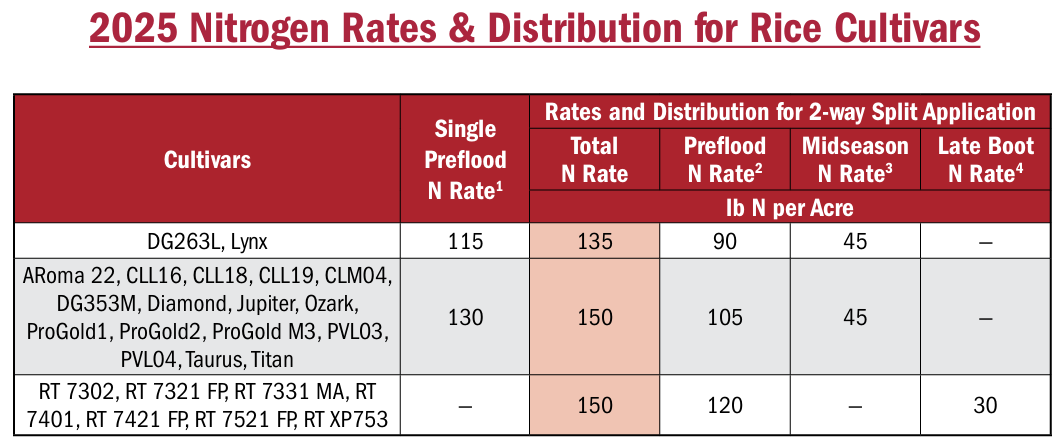
Here is Dr. Jarrod Hardke's latest Arkansas Rice Update.

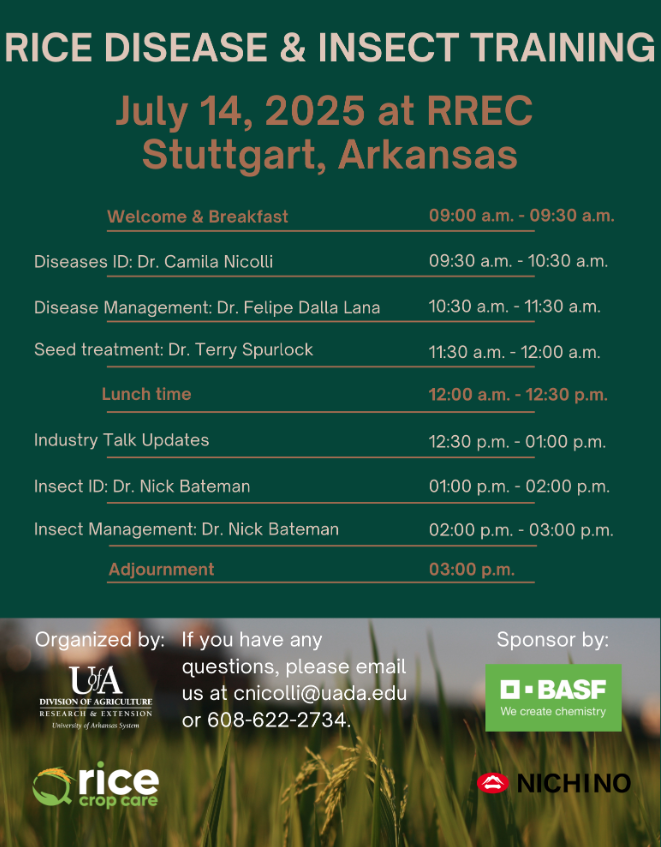
Rice Disease and Insect Training


You're invited to attend the 2025 Rice Disease and Insect Training, which will be held at the Rice Research and Extension Center (RREC) in Stuttgart on July 14th, from 9:00 AM to 3:00 PM.


Please use the link below to register and indicate any dietary restrictions:

🔗 Registration Form

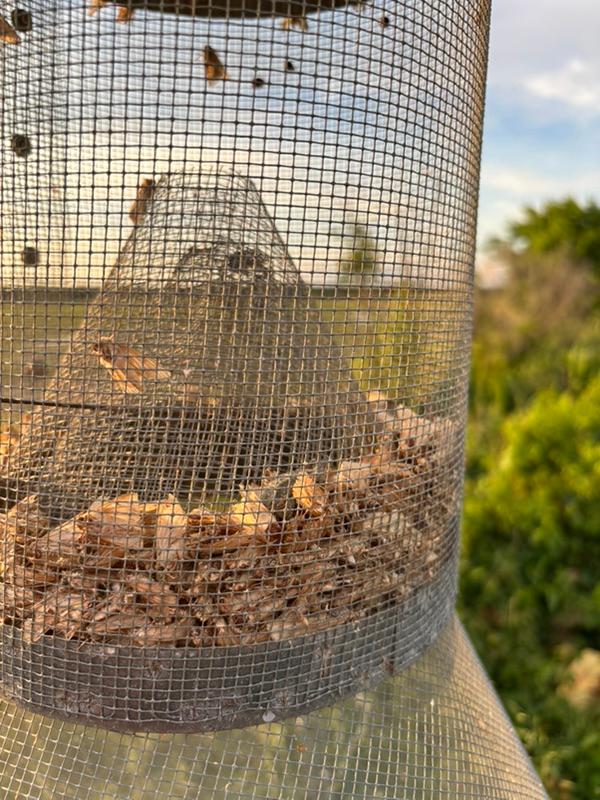
Corn Earworm Moth Traps


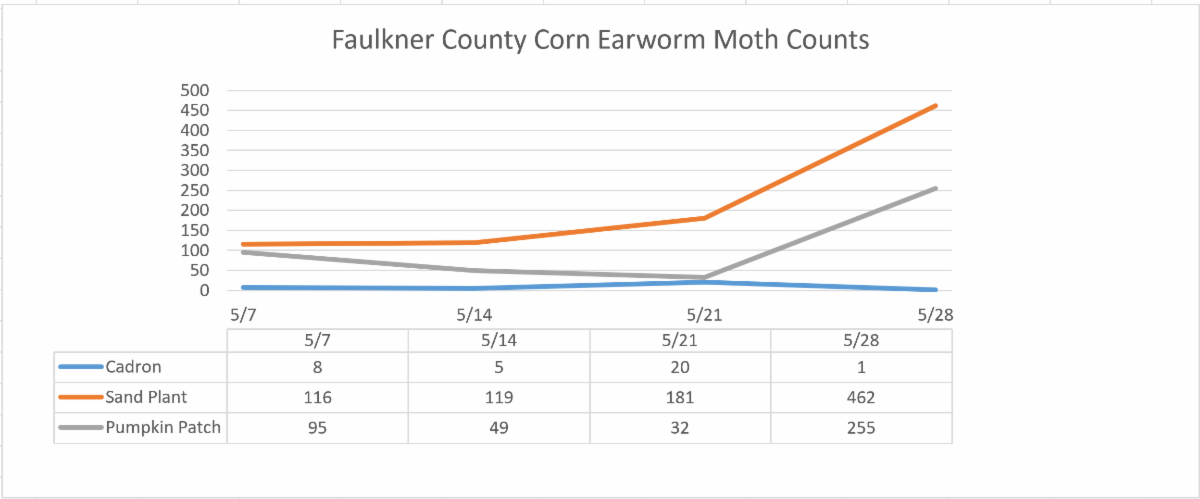
Wow what a week for moth counts. They shot through the roof down in Lollie this week. If you have tomatoes or green beans I would be on the lookout for ear worms. We don't have enough beans up and going to really worry about them on beans yet, but there is some sweet corn that is being sprayed.


Cadron - 1 moths

Sand Plant - 462 moths

Pumpkin Patch - 255 moths

Arkansas net farm income sees 22% Increase driven by federal economic and weather-related disaster assistance

Dr. Hunter D. Biram, Assistant Professor and Extension Agricultural Economist, University of Arkansas

Dr. Ryan Loy, Assistant Professor and Extension Agricultural Economist, University of Arkansas


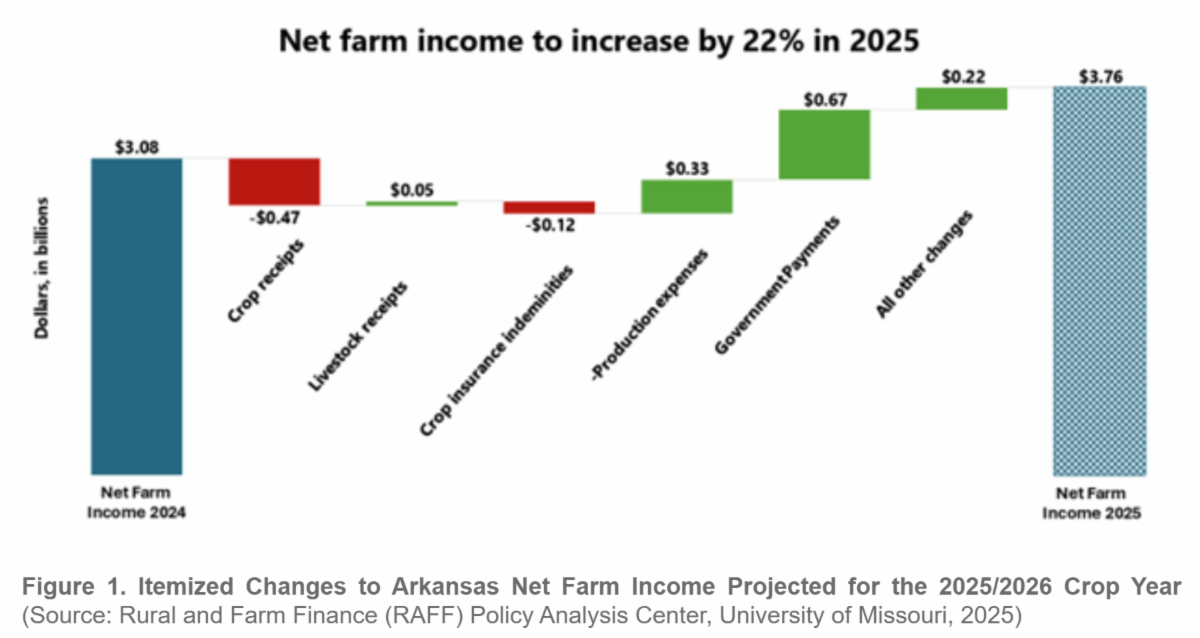
The Rural and Farm Finance (RaFF) Policy Analysis Center’s Spring 2025 projections show a $681 million (22%) increase in Arkansas’s net farm income compared to the previous year (see Figure 1). This improvement comes despite a sharp $466 million drop in crop receipts and only a modest $50 million gain in livestock receipts. A key factor behind the rise in income is a $670 million increase in government payments, which include both supplemental and ad hoc disaster assistance—most notably, about $286 million from the Emergency Commodity Assistance Program (ECAP) and the remainder likely coming from other funds appropriated for disaster relief.

Some Arkansas crops—corn, cotton, and soybeans—are expected to see their second consecutive year of declining receipts. Corn receipts are projected to fall to $436 million in 2025, down 31% year-over-year and down 42% from 2023. Cotton is expected to see a slight 1% drop year-over-year, while soybean receipts are anticipated to decline by 6% compared to 2024 and 25% since 2023. These declines are largely attributed to sustained price drops, with corn and soybean prices falling 17% and 20%, respectively, over the past two years. Production expenses are projected to fall by $330 million which is driven mostly by a $292 million fall in livestock feed expenses accounting for 89% of the projected drop in production expenses.


Despite unfavorable price trends, Arkansas farmers are expected to plant 210,000 more acres of corn, likely influenced by favorable planting conditions early in the season and corn-to-soybean price ratios signaling corn to generally be more profitable compared to soybeans. However, concerns remain about flooding and the potential need to shift acres late in the season. On the livestock side, receipts remained stable, with notable changes being a 73-million-pound increase in broiler chicken production, a 29,000 head reduction in calf inventories, a 21 million pound reduction in total livestock marketings, and a $4.57/cwt increase in the state average fed cattle price.


A link to the full report from RAFF may be found here: Spring 2025 Arkansas Farm Income Outlook.

Beef, Small Ruminants, & Forages

Hay Harvest


I don't know who is responsible for this picture that I straight stole off of the internet, but it pretty much sums up where we are with hay harvest and I think it has went viral. We are to the point that hay has to be laid down and rolled up. Even if we get it rained on at this point it isn't going to matter to much.


After you get this cutting off the field, look at fertilizing the next cutting. I like at LEAST 100 pounds of Urea plus 100 pounds of Potassium per acre. We have to replace the potassium we are taking off the field. Also if anyone wants a hay sample done, please give me a call. Samples are $20 a sample.

Upside of a Short Calving Season

Mark Z. Johnson, Oklahoma State University Extension Beef Cattle Breeding Specialist


There are several benefits to a short calving season including simplifying cow management, gaining efficiency of labor management, increasing weaning weight and improving uniformity/marketability of the calf crop. Collectively all these advantages lead to one positive potential impact: improved profitability. CattleFax survey data of cow-calf operations sorts participants into three groups: high, average and low profitability. The high profitability group had a shorter calving season with a higher percentage of cows calving in the first 45 days. The shorter calving season creates opportunities to gain efficiency in several areas of management and these operations were able to sell more pounds of while keeping expenses down.


Obviously, more calves born earlier in the calving season equates to more pounds at weaning. What is the value of a single cow calving one heat cycle earlier? If calves gain about 2 pounds a day from birth to weaning, in the current market with a pound of weaning weight valued in excess of $3, the added 40 pounds of weaning weight is worth at least $120 per cow. The added benefit of uniformity also improves marketability of your calf crop. Calf buyers prefer to buy load lots of uniform calves so they can be managed similarly. Calf crops with substantial weight variation will be discounted in the market place.


Address the following questions to achieve a shorter breeding season in 2025 and a shorter calving window next spring:


1 – Do you have ample bull to female ratios in each breeding pasture?


2 - What is the age of your bulls and the number of females they should be expected to cover?


3 – Are you managing your 2-year old pairs separate from your mature cows to insure proper development, body condition and potential to breed back quickly?


4 – Have all your bulls passed a breeding soundness exam prior to turn out?


5 - Is your cow herd in adequate body condition? Is supplemental feed needed?


6 – Have you considered an estrous synchronization protocol to tighten your breeding season?

North Central Small Ruminant Production Meeting


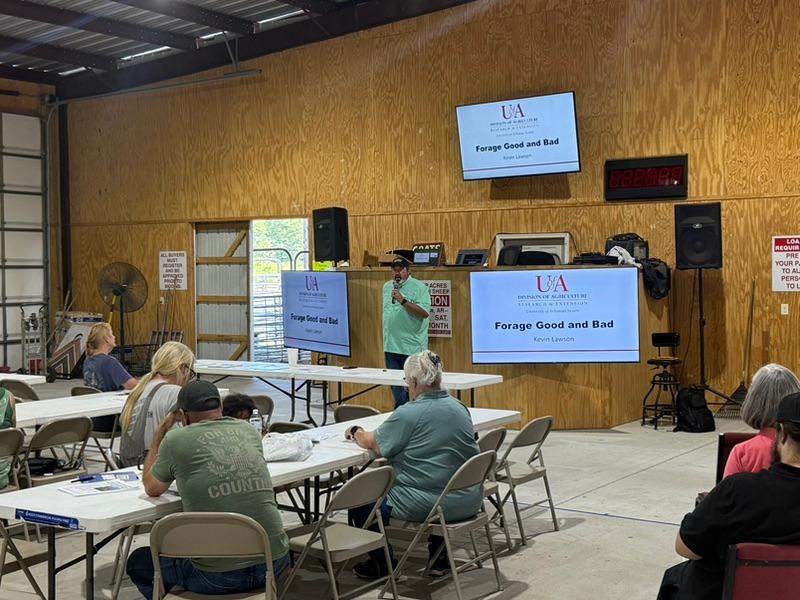
The north central small ruminant production meeting was held this morning at Hilltop Acres in Romance. There was a good crowd and some really good speakers. I got to present on Forages and forage issues small ruminant producers may face.

Faulkner County Cattlemen's Meeting


The Faulkner County Cattlemen's met on Thursday May 29 at Antioch in Conway. It was a great crowed of over 60 people attending. It was great to see scholarships handed out to some of our outstanding youth.


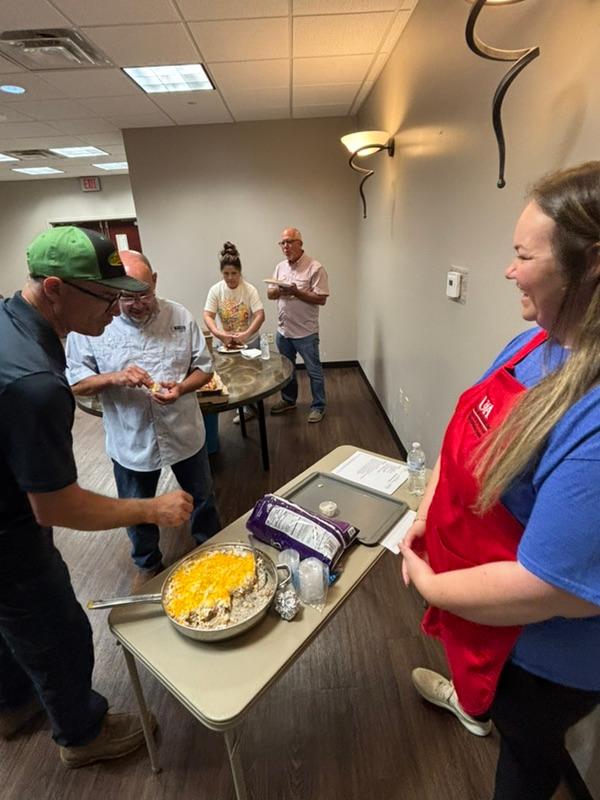
Faulkner County Family and Consumer Science Agent Mary Beth Groce gave an awesome presentation on beef, including a beef recipe that all of the crowd got to try. She also gave some tips on cooking beef including the nutritional value of beef.

Livestock Market Report


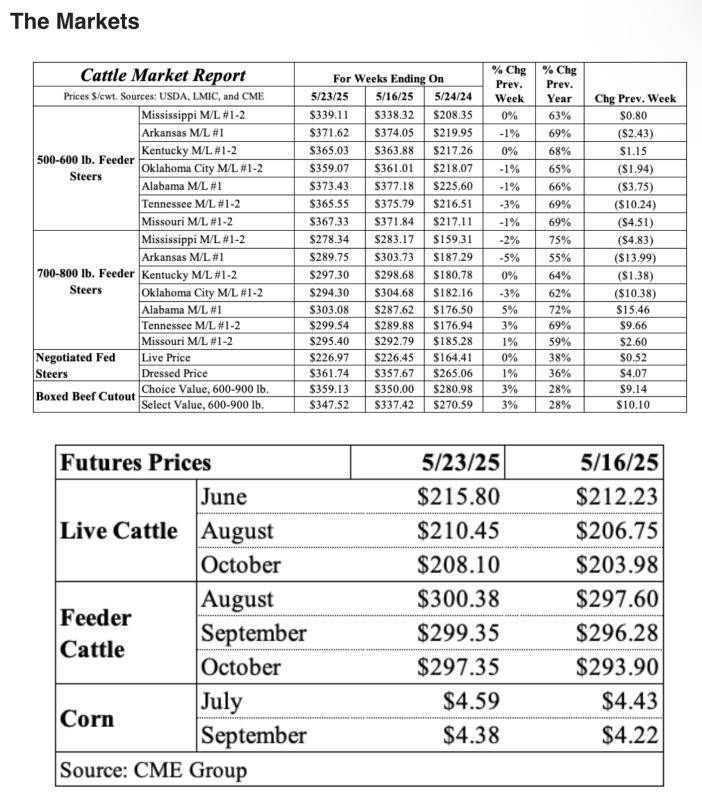
The weekly livestock market report is available on the Arkansas Department of Agriculture website.

Pesticide Applicator Trainings


We have finished up all of the winter/spring PAT's at the Faulkner County Extension Office and in Conway County. There is one more training in Perry county in June. We will beginning classes again in December.

Sign up for Text Alerts


You can now sign up for text alerts from me throughout the year. I have two areas you can sign up for which includes Faulkner Livestock or Faulkner Ag (Row Crop Updates). To sign up you can follow one of these links or use the QR Codes below.

Faulkner Livestock


Use either the QR Code or this link:

https://slktxt.io/10lLe

Faulkner Ag (Faulkner Row Crops)


Use either the QR Code or this link:

https://slktxt.io/10lLc

Pursuant to 7 CFR § 15.3, the University of Arkansas System Division of Agriculture offers all its Extension and Research programs and services (including employment) without regard to race, color, sex, national origin, religion, age, disability, marital or veteran status, genetic information, sexual preference, pregnancy or any other legally protected status, and is an equal opportunity institution.

Contact Kevin Lawson, County Extension Agent–Agriculture, Faulkner County | Kevin Lawson