|
Frequently asked questions about pasture renovation
Dr. Jonathan O.C. Kubesch, Dr. Hannah Wright-Smith, and Kenny J. Simon
As grass begins to green up and trees’ leaf out, signaling winter is almost over and spring is on its way, many farmers feel compelled to plant grass. April, May, and June often create a volume of conversations regarding pasture renovation. Farmers are often looking for the best new seed to outperform the previous stand. However, these efforts are often hamstrung by a lack of preparation in the months and years prior to getting the value out of new plantings. Mississippi State budgets $300-400 an acre in establishment costs for new forage stands. This cost fails to include the opportunity cost of lost forage production. Given the economic and agronomic costs of new plantings, it makes sense that we should put our best effort into renovation projects. To paraphrase a tobacco agronomist, the best time to plant is the first time. This article seeks to summarize some of the most common agent conversations and provides some additional information.
What is pasture renovation?
· Pasture renovation can include a suite of changes in management and stand composition to better meet farm goals. Giving a stand extra rest after a winter of hay feeding is a mild form of stand renovation. A complete stand replacement is a more extreme form.
Which fields should be renovated, and how?
· A step-point method is used to conduct a pasture inventory. Randomly walk a zig-zag pattern across the entire field. Talley the type of plant at the tip of your boot every 10 or so steps, recording 50-100 points. A white mark on the boot tip can make this more objective. To get a percent stand, add the number of tally marks for each forage and divide by the total number of points collected. The step-point method of pasture inventory works well for large fields or when a field has a lot of variability in plant composition, topography, or management history.
- Assess pastures with inventory and soil testing. On cool-season (tall fescue) pastures, we might conduct this inventory in April/May. For warm-season fields (bermudagrass or bahiagrass) we might assess our pastures in May/June.
- Decide which fields require renovation.
- No renovation: >70% stand. No changes in management
- Partial renovation: 40-70% stand. Changes in management and/or overseed. In cool-season fields, we might overseed pastures in the fall. In warm-season fields we can defer grazing for 30-60 days and fertilize bermudagrass or bahiagrass pastures in the spring.
- Full replacement: <40% stand. Rest for 60-90 days or complete stand replacement. We should plan on planting cool-season fields this fall and planting warm-season fields next May. In the meantime, summer and/or winter annuals can close gaps in our existing forage program.
How do I maintain or improve the existing stand without planting?
· Good soil fertility, proper canopy height and integrated weed management will improve soil health and the growth, quality, vigor, and utilization of your forages. Improving forage management will help to increase productivity and longevity of the desirable forage in your pastures.
What is spray-smother-spray?
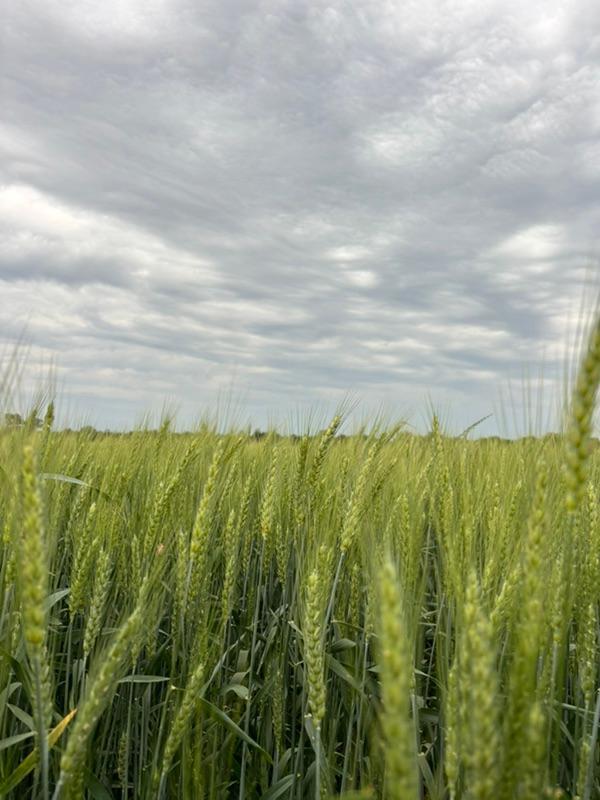
· The spray-smother-spray conversion method involves a non-selective burndown typically applied in spring and in fall with a warm or cool-season annual forage grown between the sprays to compete with weed seedlings. This approach was developed to combine chemical and cultural weed control. Additionally, the smother crop offers to offset forage production. Sorghum-sudangrass, pearl millet, and small grains such as cereal rye, oat, triticale, or wheat, can be grazed or harvested for highly nutritious forage as part of the conversion. Do not plant crabgrass or ryegrass during the conversion process.
Why do I need to spray-smother-spray?
· When converting from one perennial forage to another, it is often ideal to kill existing plants and flush the seedbank as much as possible to reduce the previous forage crop from competing with a new seeding. Lackluster stands are surprisingly effective at outcompeting new seedings. A break of some sort is required to clean up the field.
· One school of thought is to enforce a chemical fallow where non-selective or pre-emergent herbicides are repeatedly used for a season to catch and kill the existing stand. This approach can be popular where lost forage production is not a concern or when certain noxious weeds need to be perfectly controlled. For most farms, we cannot afford to take a stand out of production for a long time.
When should I add a conversion period to my pasture planting?
· Any time that a perennial grass or legume is being converted to another perennial grass or legume a conversion period (spray-smother-spray or chemical fallow) of at least one summer or winter period should be in place. Ideally, 10- 12 months is spaced between the death of the existing stand and the planting of a new stand. This should be done even if a new planting is the same species.
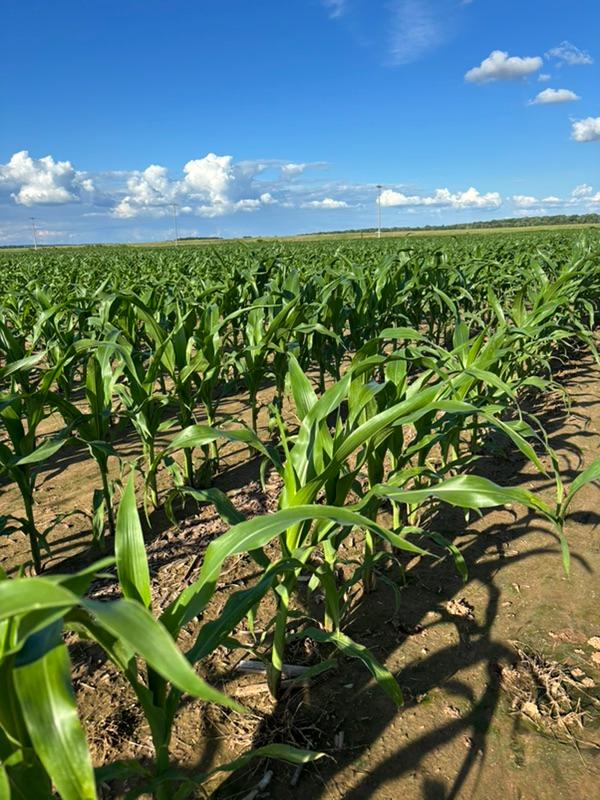
· If the pasture consists of a rotation of annual species, then this conversion period isn’t necessary. Additionally, if the pasture is occasionally used for grain crop production, then the corn or soybean crop can be used as the conversion period. These exceptions are rare in Arkansas but function much the same as a spray-smother-spray conversion.
What happens if I omit a conversion period?
· Briefly, the existing stand wins and the odds of successful establishment are slim.
· It’s very hard to outcompete a loaded seedbank by adding new forage crop species. Most of the species in the seedbank are more aggressive than forage crop seedlings and can reproduce quickly as the stand develops.
Can I just till the current stand?
· Tillage has been shown to be effective as weed control since the Neolithic Revolution. However, like all weed control, a one-time tillage event cannot effectively eliminate the weed seedbank and perfectly kill the existing stand. The most effective form of tillage is the moldboard plow. Disking and chisel plows will not effectively bury the seedbank, and often flush light-sensitive weeds.
· Based on the Tennessee work in organic stands, a till-smother-till approach might be feasible for flat ground, but tillage won’t be a good option for the slopes and hills common in much of Arkansas.
How often should I replace stands?
· Pastures and hayfields where the desirable stand falls below 40% should be prioritized for stand replacement. Ideally stands are ranked annually so that a conversion plan is laid out in the year prior to planting. This question is often a personal one; most perennial pastures are the legacy of a parent or grandparent who made the attempt at the edge of living memory. Improving pasture productivity with these existing stands should be the priority wherever possible. Where these stands will not meet the farm goals, they should be replaced with the goal of maintaining these stands for the next generation.
What’s the best date to plant many of our forages?
· The first time!
Special thanks to the many agents, farmers, and friends who raise these questions. It’s a big deal to plant a pasture, and a bigger deal to help guide those choices.
|