Faulkner County Agriculture Update
November 20, 2026
| | Faulkner County 4-H Foundation Ham Fundraiser | | |
Burn Ban
Effective immediately Wednesday, November 18, 2026, Faulkner County is under a Burn Ban until further notice. We appreciate your cooperation with this important safety measure for our citizens.
| | |
Weather
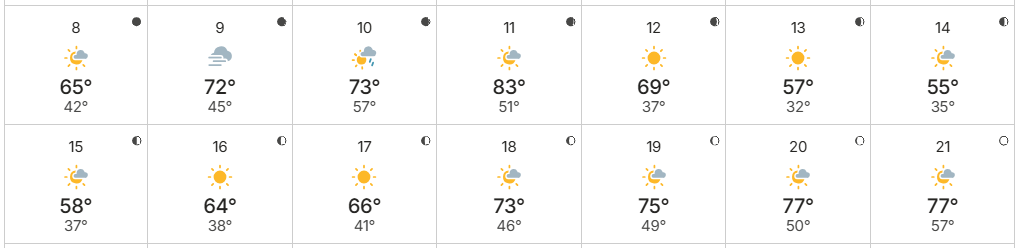
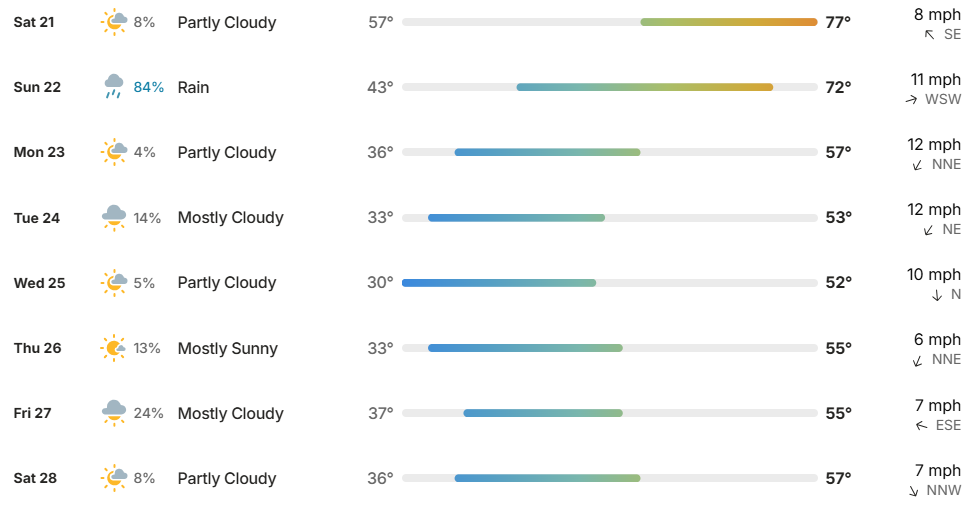
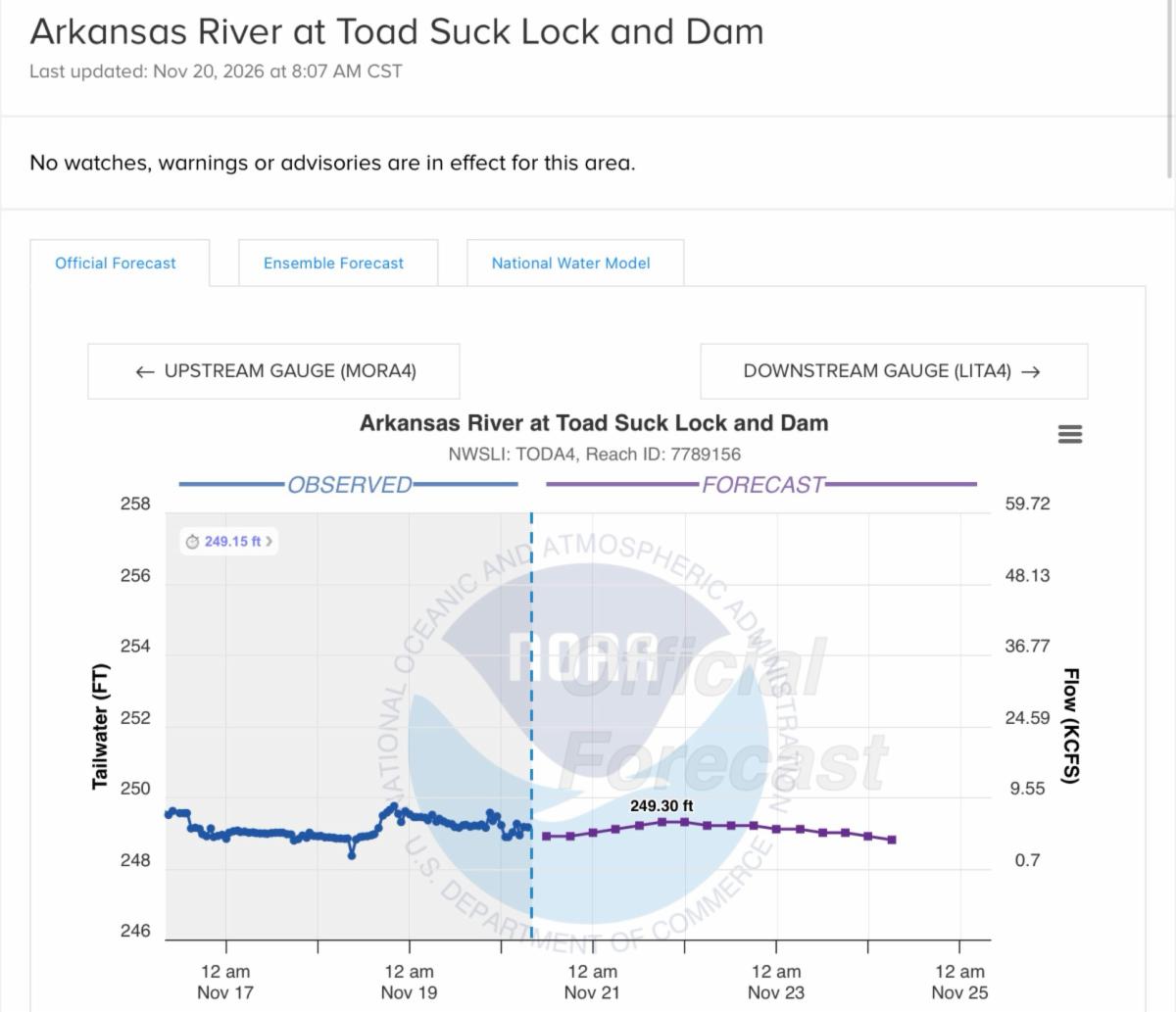
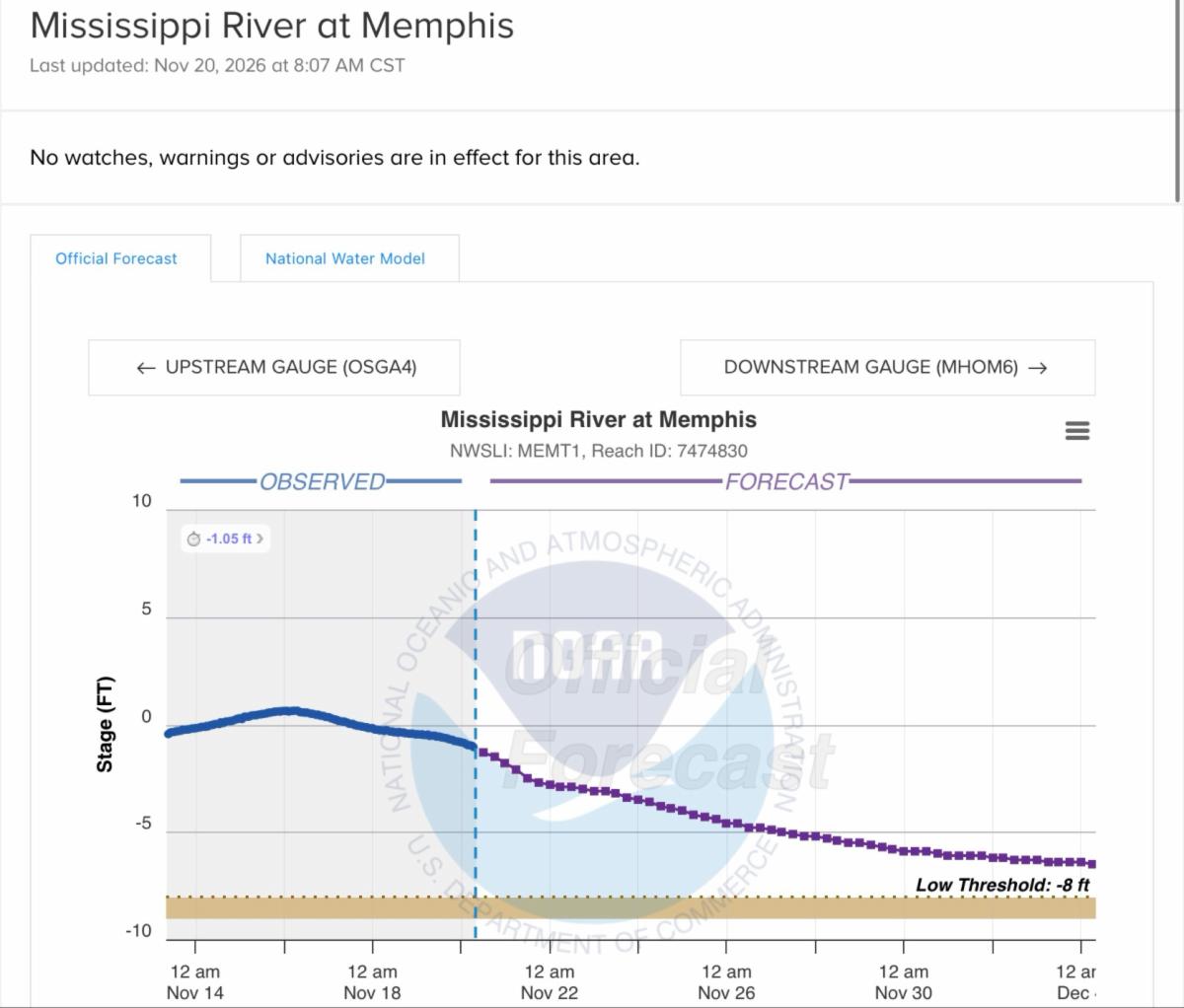
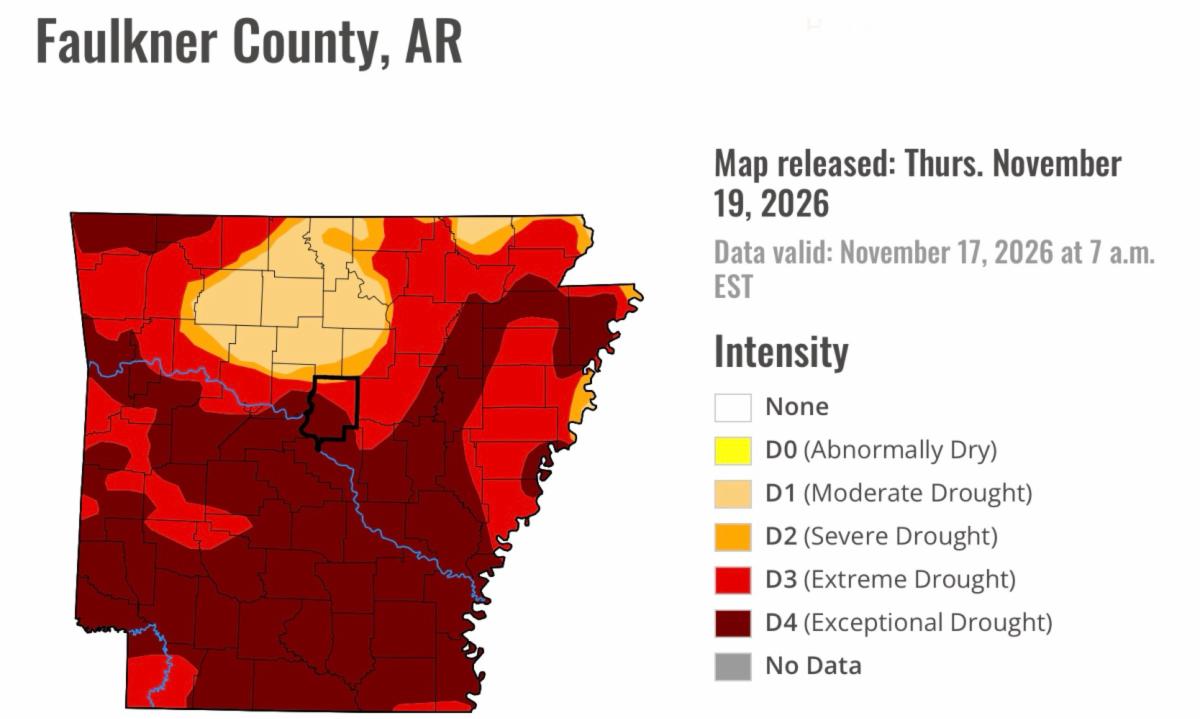
This is starting to get a lot like groundhog day. It was another nice week with cool temps and no rain. Maybe this is the weekend we finally get some rain. There is a good chance Sunday, but the accumulation predicted is only around a quarter of an inch. The long range forecast doesn't show another significant rain until December. I have posted the drought monitor on down in this newsletter and it is the worst I have ever seen in Arkansas. We are in a severe drought with no end in sight.
| | Arkansas and Mississippi River | | |
Wheat
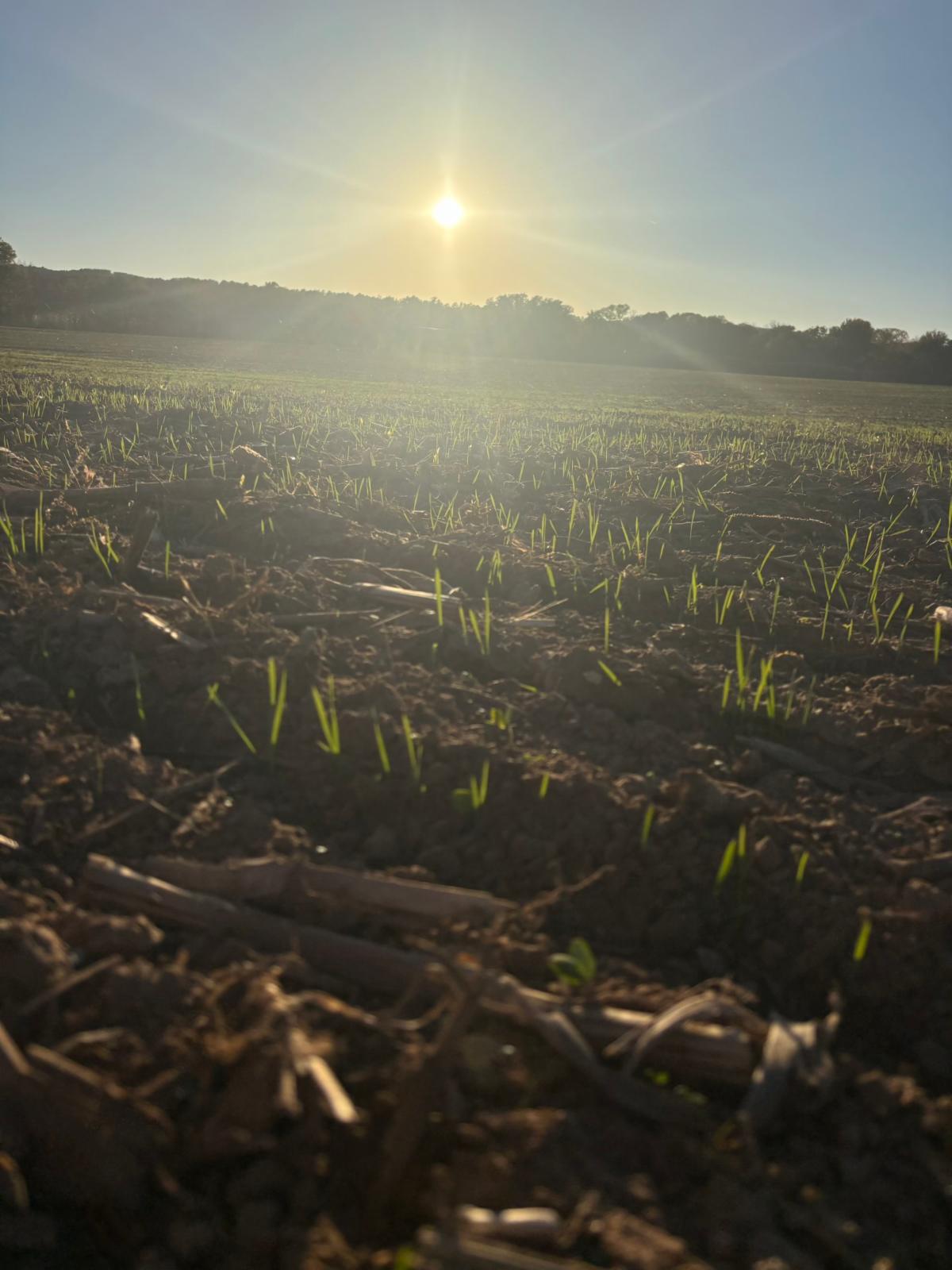
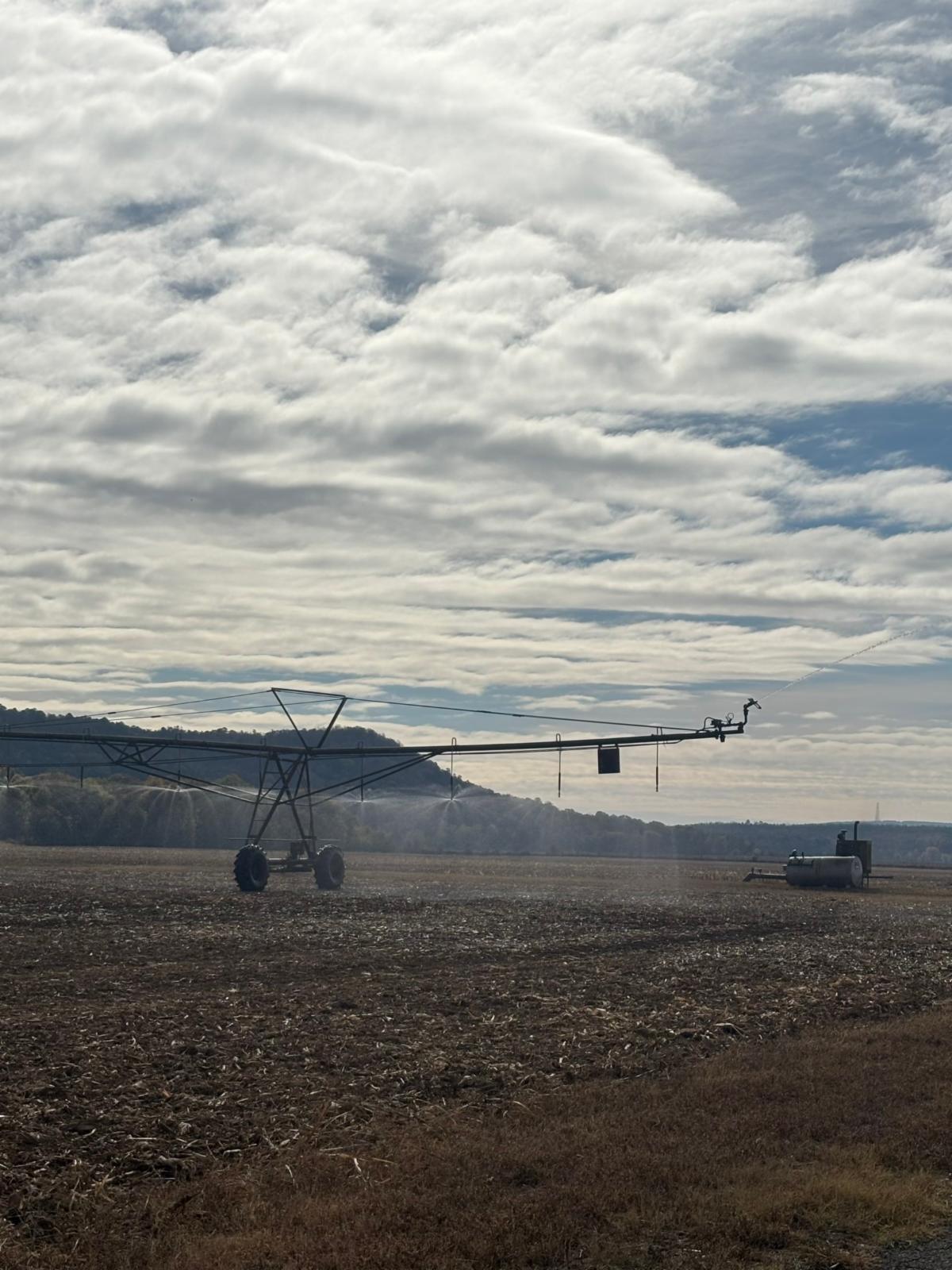
This is the craziest start to a wheat year I have ever seen. That picture is a pivot running across a wheat field in Lollie. I have joked before about starting pivots on wheat but it never really got close to that, until this year. Even in areas where pivots aren't running on wheat, it still looks good. I don't know how much longer we can go with out drought stress showing up, but right now wheat is in good shape. I know more pivots were supposed to start up yesterday. This is just crazy.
| |
2027 Arkansas Crop Enterprise Budgets
The crop enterprise budgets are now available and they are made possible thanks to support from check-off funds administered by the Arkansas Corn and Grain Sorghum Board, Arkansas Rice Research and Promotion Board, and Arkansas Soybean Promotion Board as well as the University of Arkansas Division of Agriculture.
The crop enterprise budgets and calculator are developed by Breana Watkins, Instructor with the Agricultural Economics and Agribusiness Department (AEAB).
| | |
Variety Trial Information
All of the Faulkner County variety trial results can be found on our website listed below.
| | |
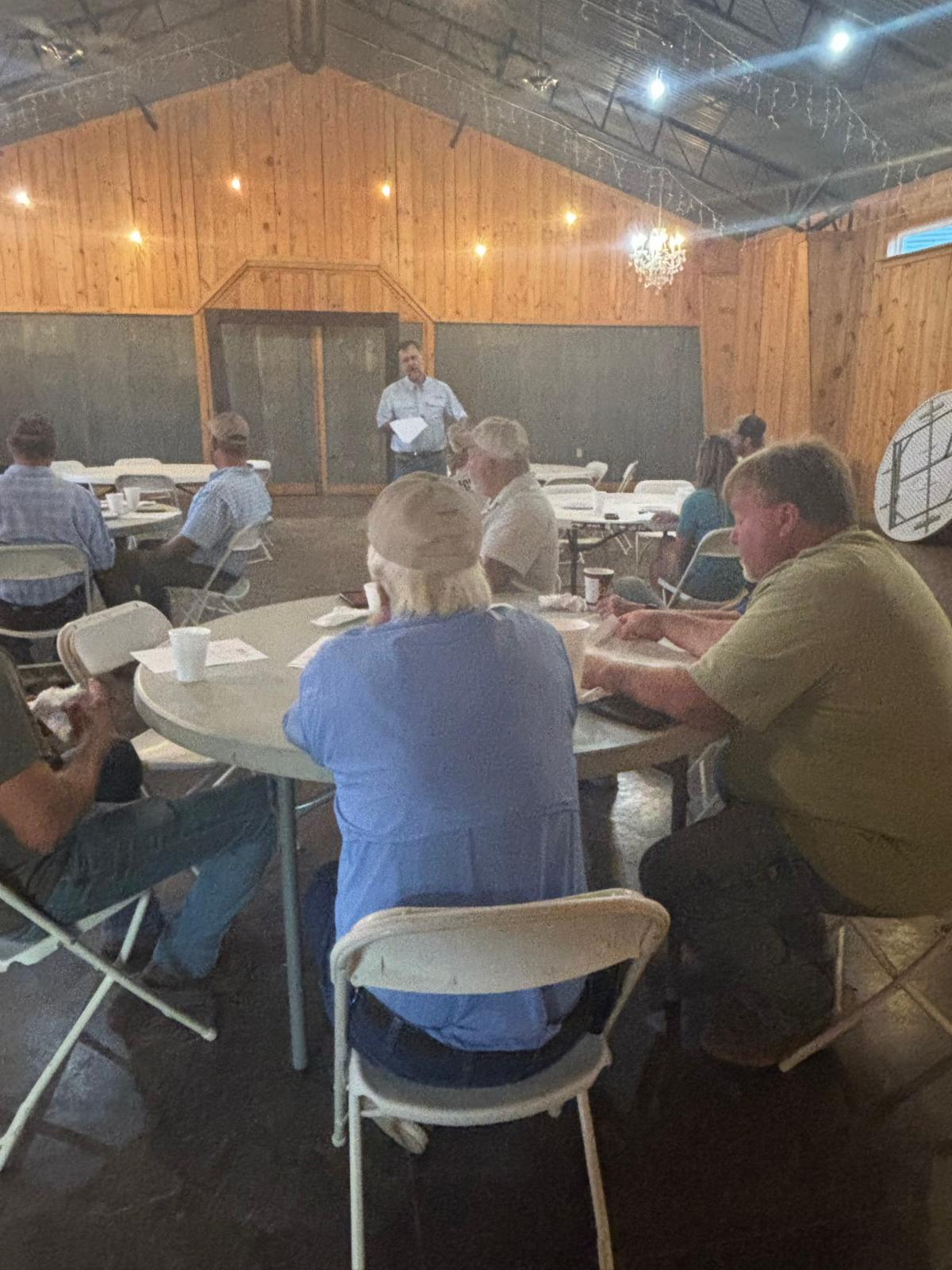
Winter Production Meetings
Save the dates for our upcoming Winter Production Meetings.
Soybean & Corn - January 29, 2027 - Conway County Extension Office
Rice - March 4, 2027 - The Barn at Lollie
| | |
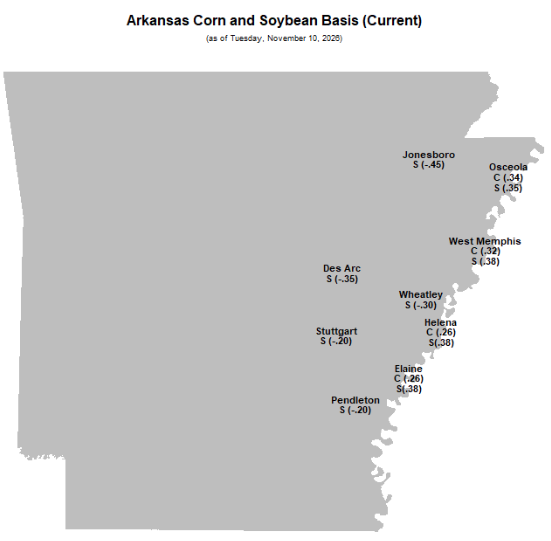
November WASDE
Lifts Markets with Tighter Stocks
H. Scott Stiles, Extension Economist, University of Arkansas
November marks the last month of USDA production estimates until the Crop Production Annual Summary in January. Typically, by November much of the market focus has started to shift from U.S. crop size to South American production. However, this year is a bit different. Ahead of the November WASDE and Crop Production there were wide-ranging opinions over the size of the U.S. corn and soybean crops. The range of pre-report estimates for the U.S. average corn yield were a very wide 9.9 bushels with an average estimate of 180.4 bushels per acre. Soybean yield estimates were in a 2.1-bushel range with an average guess of 53.5 bushels per acre.
Corn:
Historically, in years USDA increased their October yield estimate, a further increase in yield was commonly seen in November. Offering support for this trend was improvement in late season crop conditions this year in key corn producing states. In a surprise move, USDA lowered its’ corn yield estimate this month by 1.6 bushels to 179.6 bushels per acre. This took production down 141 million to 15.893 billion bushels. There were no other supply revisions.
Given the smaller crop size, feed and residual use was lowered 25 million bushels to 5.975 billion. Exports were also lowered by 25 million bushels to 3.275 billion, reflecting sluggish shipments and sales to date. Ending stocks were reduced to 1.758 billion bushels; down 91 million bushels from last month and 337 million bushels from last year. The average pre-report estimate for November ending stocks was 1.842 billion bushels. The 2026/27 season-average farm price was lowered $0.10 per bushel to $4.60 as corn futures have trended significantly lower since early September.
Soybeans:
USDA increased soybean production this month to 4.574 billion bushels; up a modest 12 million from October and 25 million bushels below the average pre-report estimate of 4.599 billion. The U.S. average yield was increased .2 bushels per acre to 53.3 bushels. Soybean exports were raised 25 million bushels based on the larger crop and resumption of sales this year to China. With slightly higher seed use and unchanged crush, soybean ending stocks were lowered 15 million bushels to 300 million, which was 10% below the pre-report stocks estimate of 332 million. This fueled a strong price rally with January 2027 soybean futures closing 40 cents for the day at $12.28 per bushel. The U.S. season-average price for 2026/27 was forecast at $12.10 per bushel, up 10 cents from last month.
Long-Grain Rice:
There were minimal changes this month to the U.S. long-grain balance sheet. Production was lowered slightly on downward yield revisions in Missouri and California. The U.S. average long-grain yield was lowered 4 pounds to 7,418 pounds per acre. Total production was lowered 56,000 cwt. to 103.189 million cwt., which would be the smallest long-grain crop since 1993. There were
no further changes this month to supply or demand. Ending stocks were adjusted marginally lower to 21 million cwt. The U.S. long-grain season average farm price for 2026/27 was unchanged at $14.00/cwt or $6.30 per bushel; up from $10.10/cwt or $4.55 per bushel in 2025/26.
Cotton:
USDA’s cotton production estimate fell 260,000 bales this month to 13.18 million. The U.S. average yield was lowered 15 pounds to 775 pounds per acre. The largest state level production cuts were made in Texas (-245,313 bales) and Alabama (-50,104 bales). Exports were unchanged at 12.3 million bales. Domestic mill use was lowered by 100,000 bales to a historically low 1.4 million. Ending stocks fell 100,000 bales to 3.7 million; down from 4.15 million in 2025/26. The season average farm price for 2026/27 was lowered 1 cent this month to 76 cents per pound as cotton futures have retraced most of the summer’s price gains.
Links to the complete November USDA WASDE and NASS Crop Production reports are below:
November 2026 WASDE Report
November 2026 NASS Crop Production
The next USDA WASDE report is scheduled for December 10th at 11:00 a.m. Central.
| | Beef, Small Ruminants, & Forages | | |
Consumer Demand in Response to Increased Beef Quality
Mark Z. Johnson, Oklahoma State University Extension Beef Cattle Breeding Specialist
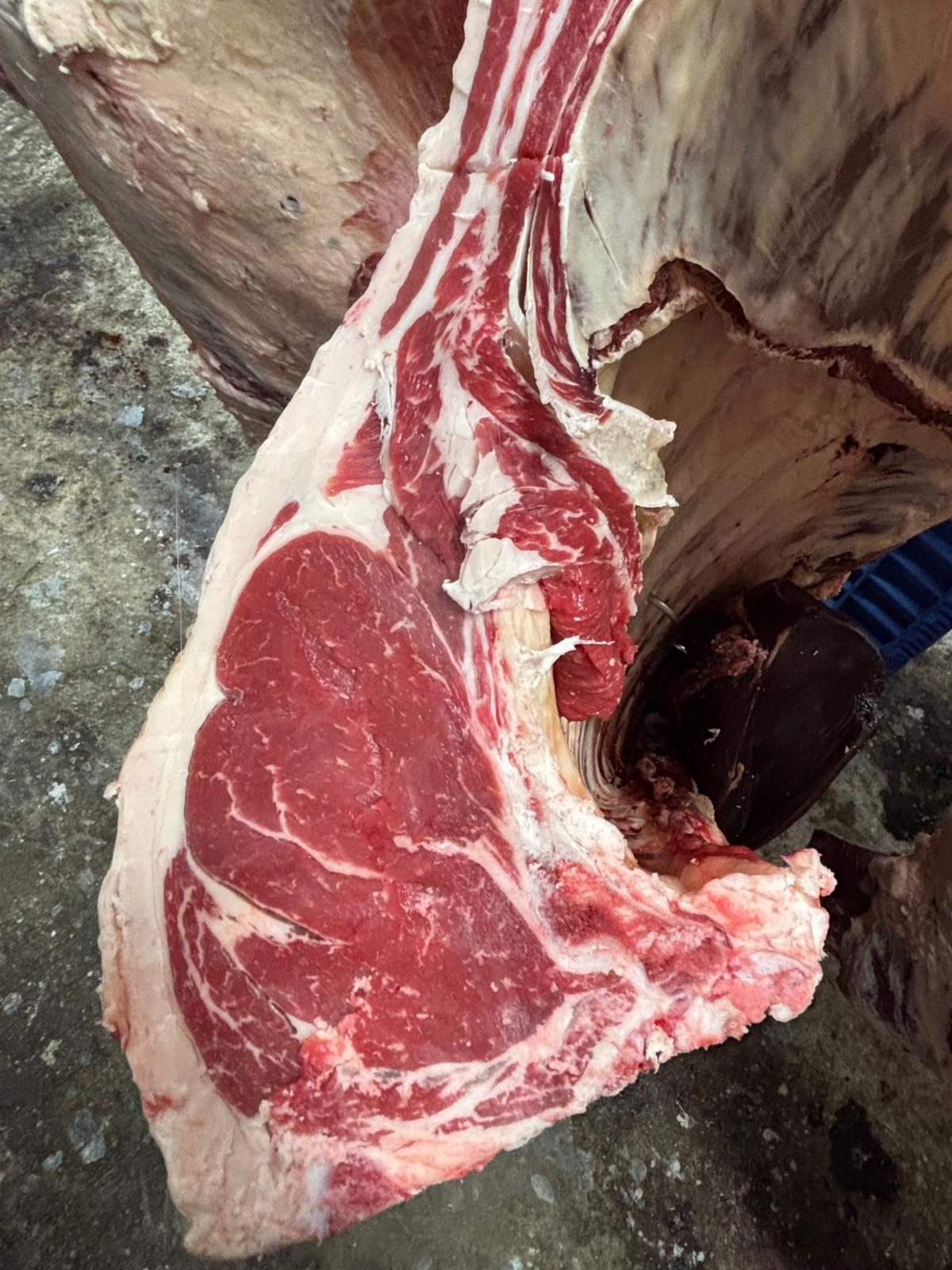
Beef demand continues to outperform expectations. Although consumers have faced a variety of economic challenges that could have weakened beef demand (this year as compared to last), demand at both wholesale and retail has reached its highest level in more than 30 years. Even with fewer fed cattle going to harvest, increased carcass weights (steer carcass weights at 994 pounds at time of this writing) keep beef supplies relatively stable. That being said, the upward shift in beef quality, toward a more marbling-rich mix has been so significant that USDA Prime carcass tonnage is 25% greater than a year ago. The surge in Prime volume did, for many weeks this year, pull the price premium closer to that of Choice. Currently though, seasonal demand for middle meats has resulted in the Prime cutout premium widening to $40/cwt., wholesale. This is impressive given the significant increase in Prime carcass tonnage.
This month’s Cattlefax analysis shows the Prime Cutout Demand Index as the highest, compared to the quality grades of USDA Choice and Select. In fact, Prime demand has charted a course several points higher than the previous three years. This is, by some margin, the most improved of the three, with USDA Select demand devastatingly lower, even as Select carcass tonnage is 31% smaller, year to date. Consumers continue to show positive buying response to the most quality-rich product mix the beef supply chain has ever offered.
The primary requirement to maintaining consumer demand is that beef is the protein of choice with regard to taste and overall eating satisfaction. It is also essential that supplies are abundant enough that U.S. consumers can afford to purchase their average 59 pounds of annual per capita consumption. More days on feed and heavier carcass weights have positively addressed both issues. This being the case, the increased percentage of carcasses grading upper two-thirds of Choice and Prime would not be occurring without the underlying (increased) genetic potential of modern cattle to marble.
The improved beef demand of 2026 could moderate in 2027 and beyond. However, it remains at levels that are supportive of prices for all classes of cattle. An argument can be made that the potential for lower energy, inflation, and interest rates will support beef demand in coming years. Furthermore, continued improvement in quality, taste, and consistency are all attributes that will support beef demand at all levels well into the future.
| |
|
Tall Fescue
I have had a few conversations with producers on planting tall fescue. I like fescue as a winter perennial grass that can be a good quality forage if it is managed correctly. I have included a little information here on fescue but there is more information in the link below. If you are interested in planting fescue, it is like winter annuals, we have missed the planting window for 2026 and the next chance to plant will be in March. Just beware that if we have another hot dry summer, fescue planted in March will have a tough time.
Tall fescue (Festuca arudinacea Schreb.) is grown for hay and pasture on approximately two million acres in Arkansas and is the predominant perennial cool-season grass in the United States. Fescue was introduced from Europe in the late 19th century. A strain known to exist in Kentucky before 1890 was collected in 1931 and eventually released by the Kentucky Agricultural Experiment Station as the cultivar ‘Kentucky 31’.
Tall fescue is a deep-rooted, upright, coarse-leaved, perennial coolseason grass. Leaves are long and dark-green with distinct veins and rough edges. It is considered a bunch grass, but most types have short rhizomes and will form a dense sod when kept mowed or grazed. Height at maturity ranges from 2 to 4 feet. The typical forage yield range is 2 to 4 tons dry matter per acre.
| | |
Sheep Success Series
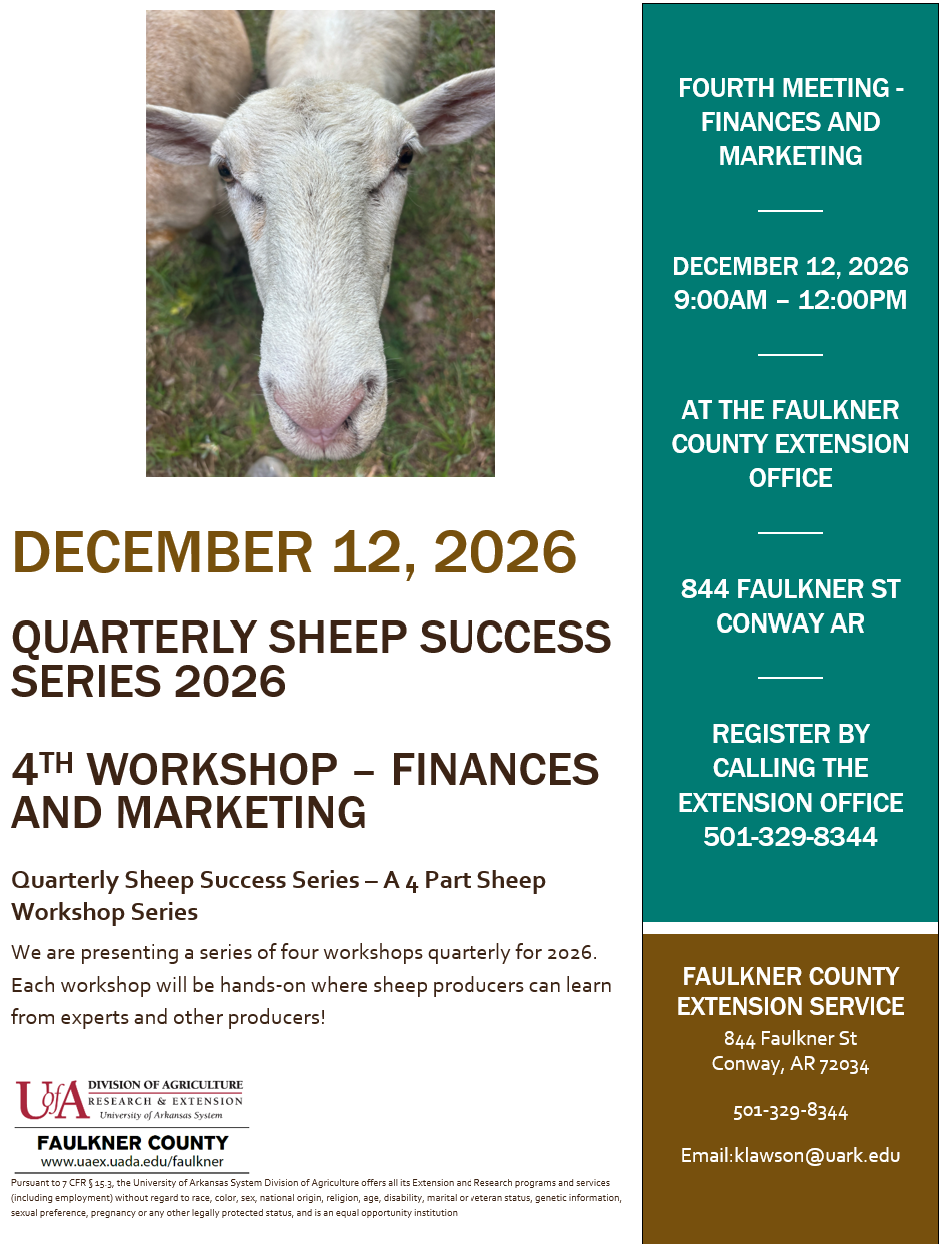
The fourth and final meeting of our 2026 Sheep Success Series quarterly meetings has been scheduled for December 12 at the Faulkner County Extension Office. Just like the other three meetings we will be starting at 9:00 in the morning and going until 12:00. The theme for this meeting will be Finances and Marketing. We are still getting all of the speakers lined up but it should be a great one! Please call the Extension Office at 501-329-8344 and register.
| | |
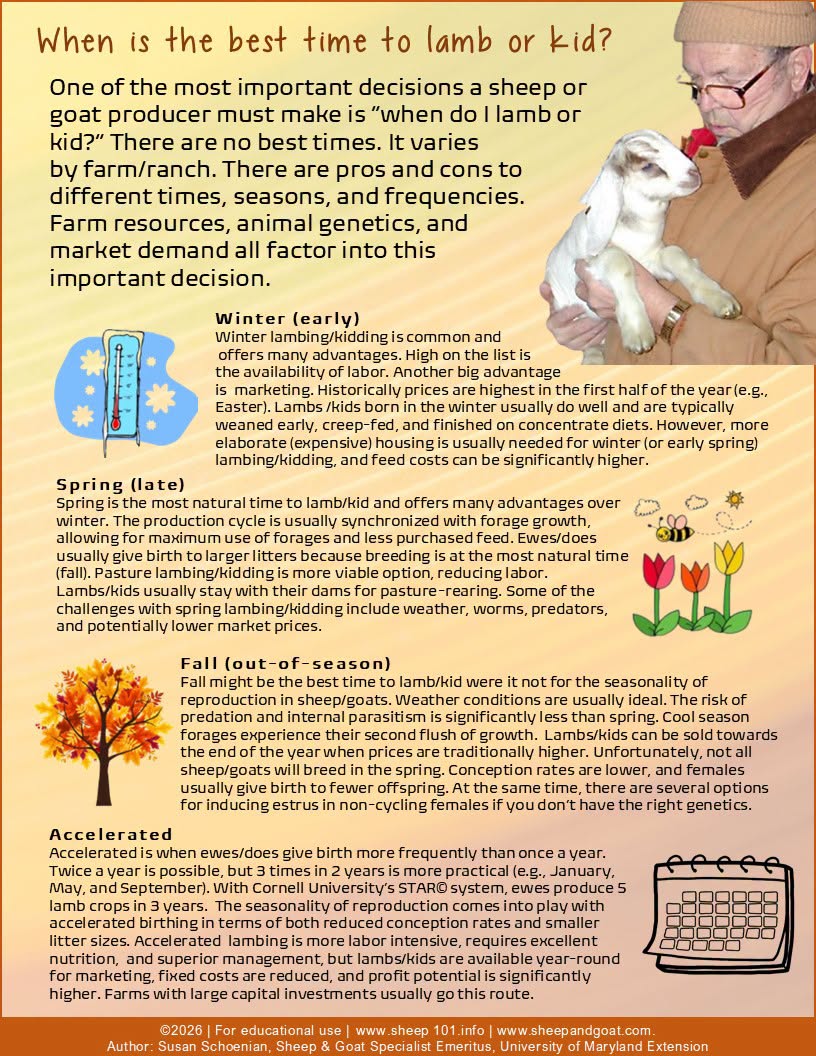
Changing Lambing Time Research
Dr Dan Quadros - University of Arkansas Extension Small Ruminant Specialist
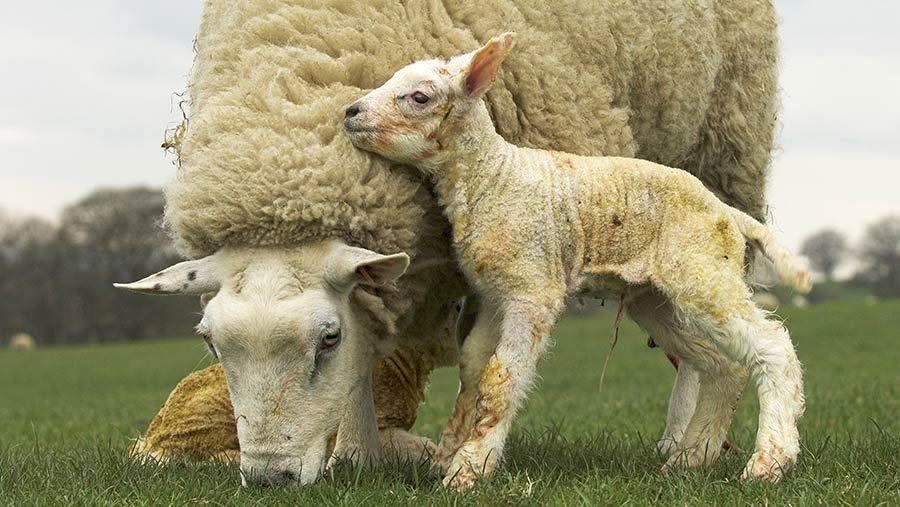
Changing lambing time from spring to fall resulted in a significant decrease in parasitism for fall-born lambs relative to spring-born lambs and reduced the number of treatments needed for lambs. However, feed provisions are necessary for the fall lambing system, which had higher lamb mortality. This is the result of a 3-year study (Hunt et al., 2026), recently published in the journal Animal. In Arkansas, we have this opportunity, since breeds, nutrition, and management are appropriate. Additionally, lambs will be sold during the peak of average prices, which may offset feed costs and a possible decrease in the number of lambs.
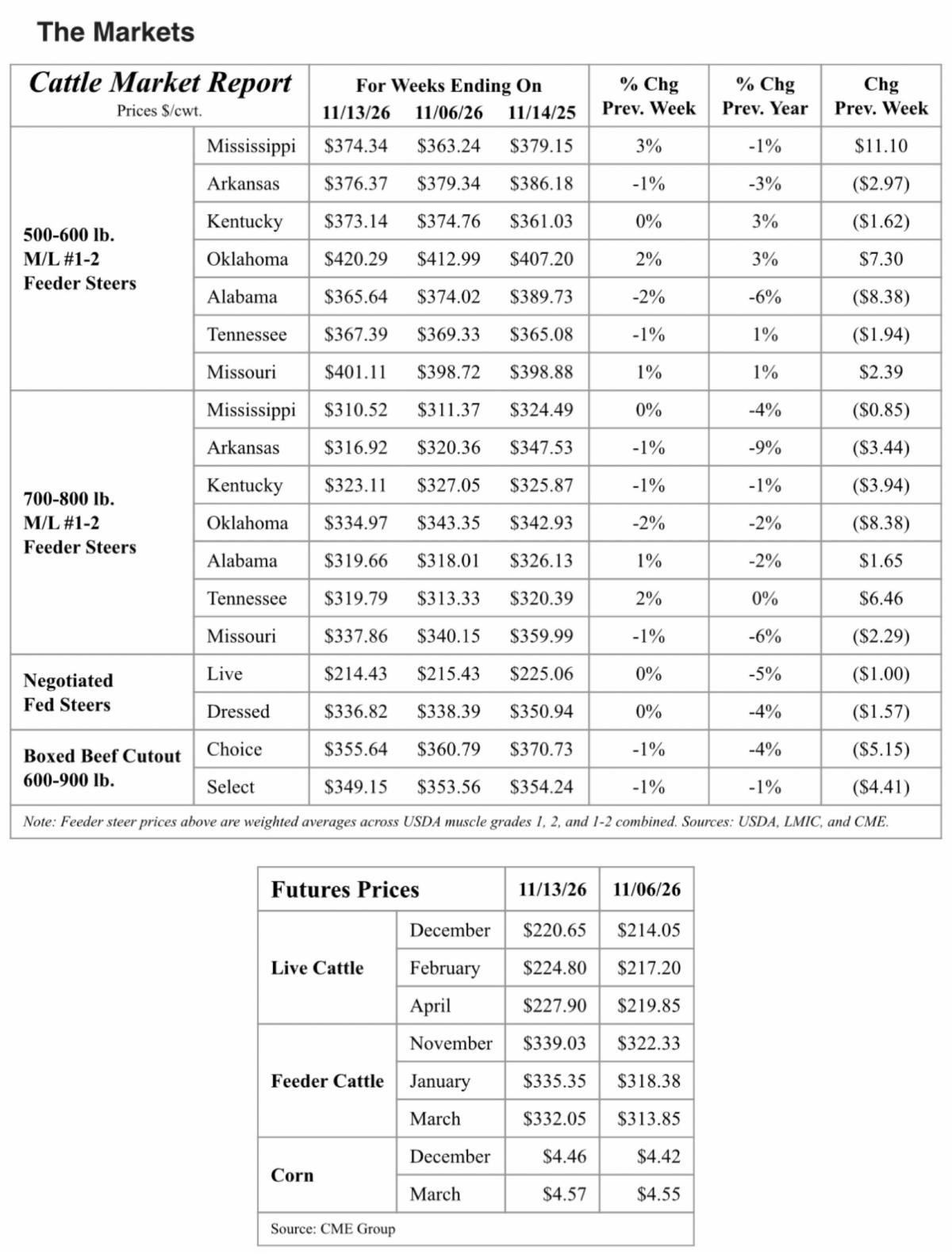
| | Here is this weeks Cattle Market Notes Weekly | | |
Pesticide Applicator Trainings
Pesticide applicator trainings for Faulkner County have been lined up and our first training will be in December. Private Pesticide Applicator Licenses are good for five years, so if your five years is up, you need to attend a class to get certified then send off to the Arkansas Department of Agriculture to get your license. To attend a training costs $20 the day of the training.
The 2026-2027 trainings will be held at the Faulkner County Extension Office and the dates and times are:
Tuesday December 15, 2026 starting at 2:00 PM
Thursday January 14, 2027 starting at 2:00 PM
Thursday February 11, 2027 starting at 5:30 PM
If you aren't sure if you need your license, you can click the Pesticide License Search button below and it will tell you if your license is still active or expired. There is also a link to the online training if you would rather do that than in person.
| | |
Livestock Market Report
The following links are for the weekly livestock market report from the Arkansas Department of Agriculture website and the Livestock Auction Dashboard from USDA. Both sites have marketing data for all livestock sold at Arkansas Sale Barns.
| | |
2025 Faulkner County Agriculture Demonstration Summary
The 2025 Faulkner County Agriculture Demonstration Summary is now available at the link below.
The 2025 Faulkner County Demonstration Summary is a collection of on-site demonstration results conducted in Faulkner County by local County Agents. Demonstrations are the cornerstone of the University of Arkansas System Division of Agriculture Cooperative Extension Service’s mission which is:
“We strengthen agriculture, communities, and families by connecting trusted research to the adoption of best practices.”
On-site demonstrations allow producers and homeowners to see firsthand how Extension recommended varieties and best management practices work in their counties and surrounding area.
| | |
Sign up for Text Alerts
You can now sign up for text alerts from me throughout the year. I have two areas you can sign up for which includes Faulkner Livestock or Faulkner Ag (Row Crop Updates). To sign up you can follow one of these links or use the QR Codes below.
| | Pursuant to 7 CFR § 15.3, the University of Arkansas System Division of Agriculture offers all its Extension and Research programs and services (including employment) without regard to race, color, sex, national origin, religion, age, disability, marital or veteran status, genetic information, sexual preference, pregnancy or any other legally protected status, and is an equal opportunity institution. | | | | |