Faulkner County Agriculture Update

October 3, 2025


General Conditions

Weather


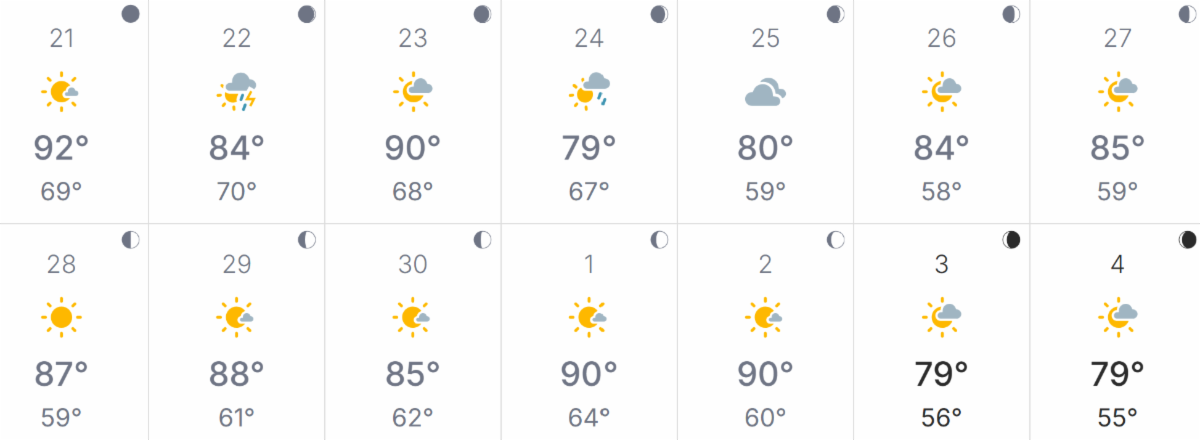
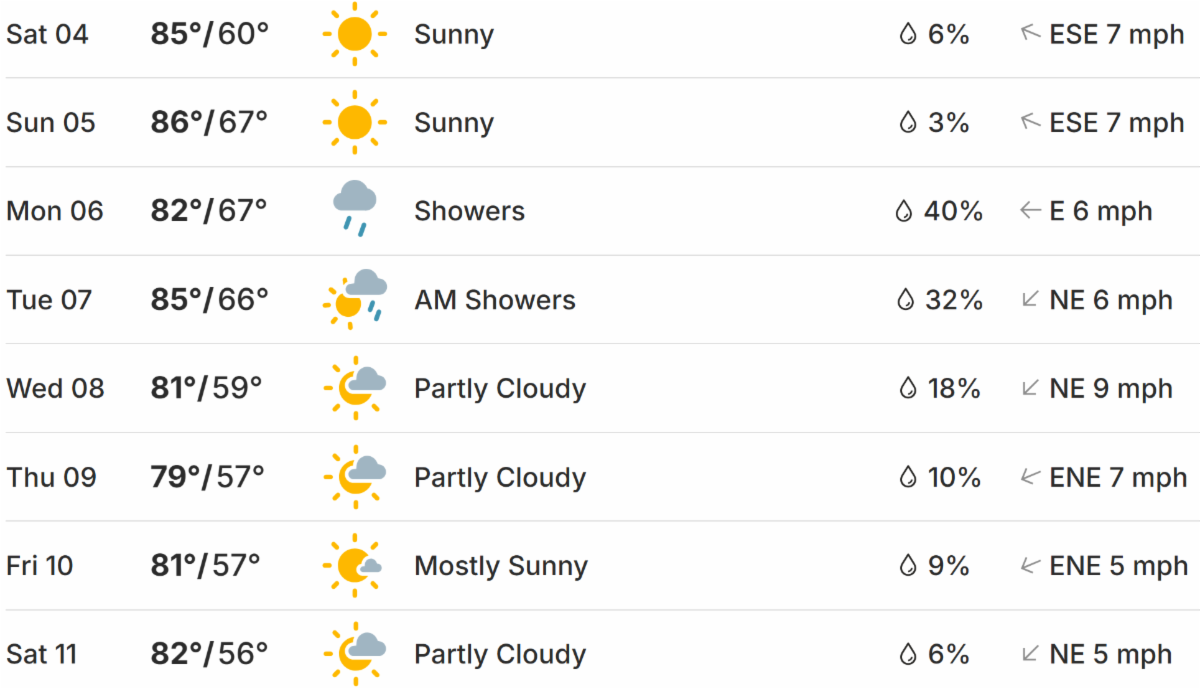
It has been a pretty nice week. Temperatures did get up into the low 90's but all and all it hasn't been bad. We are getting dry again so a rain would be nice. Looks like we will have a good chance middle of next week.

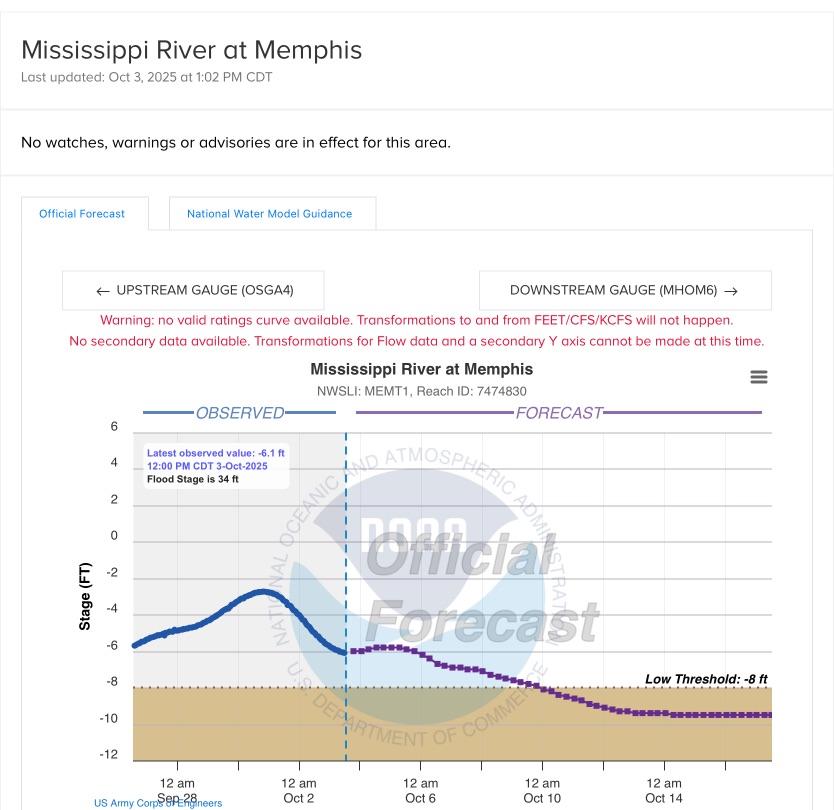
Arkansas and Mississippi River

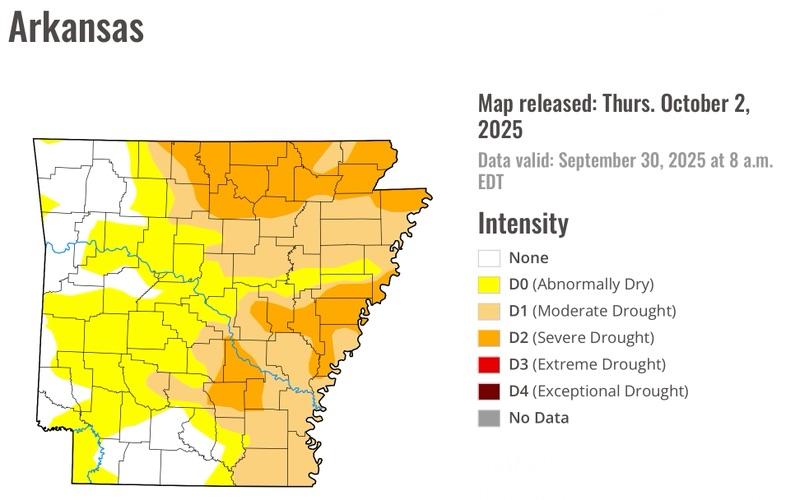
Drought Monitor

Row Crop

Harvest


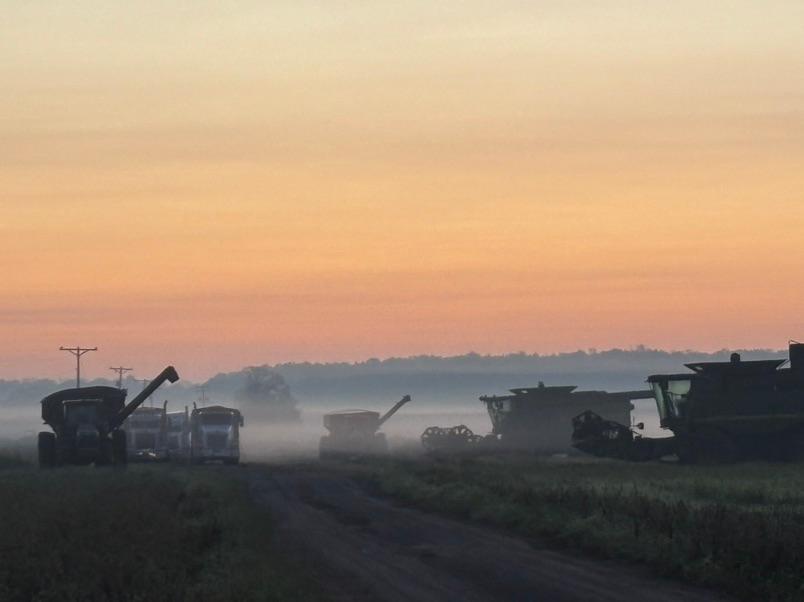
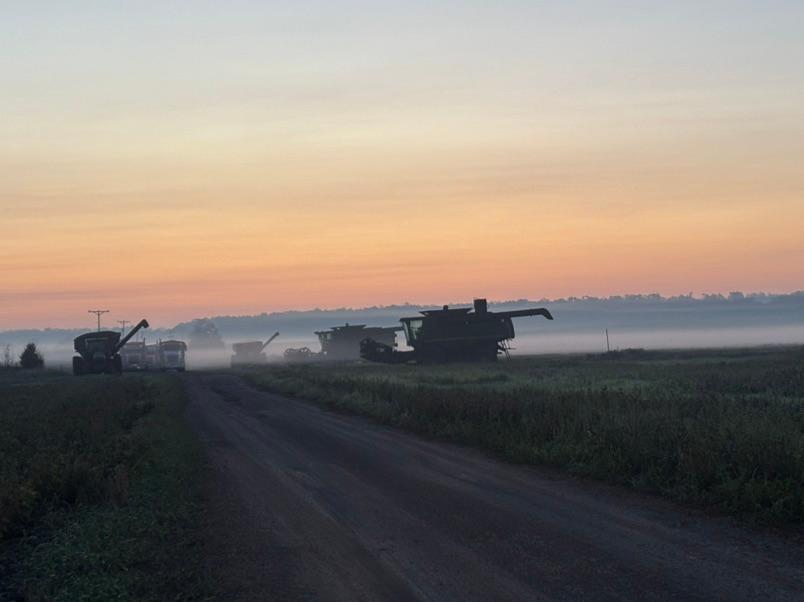
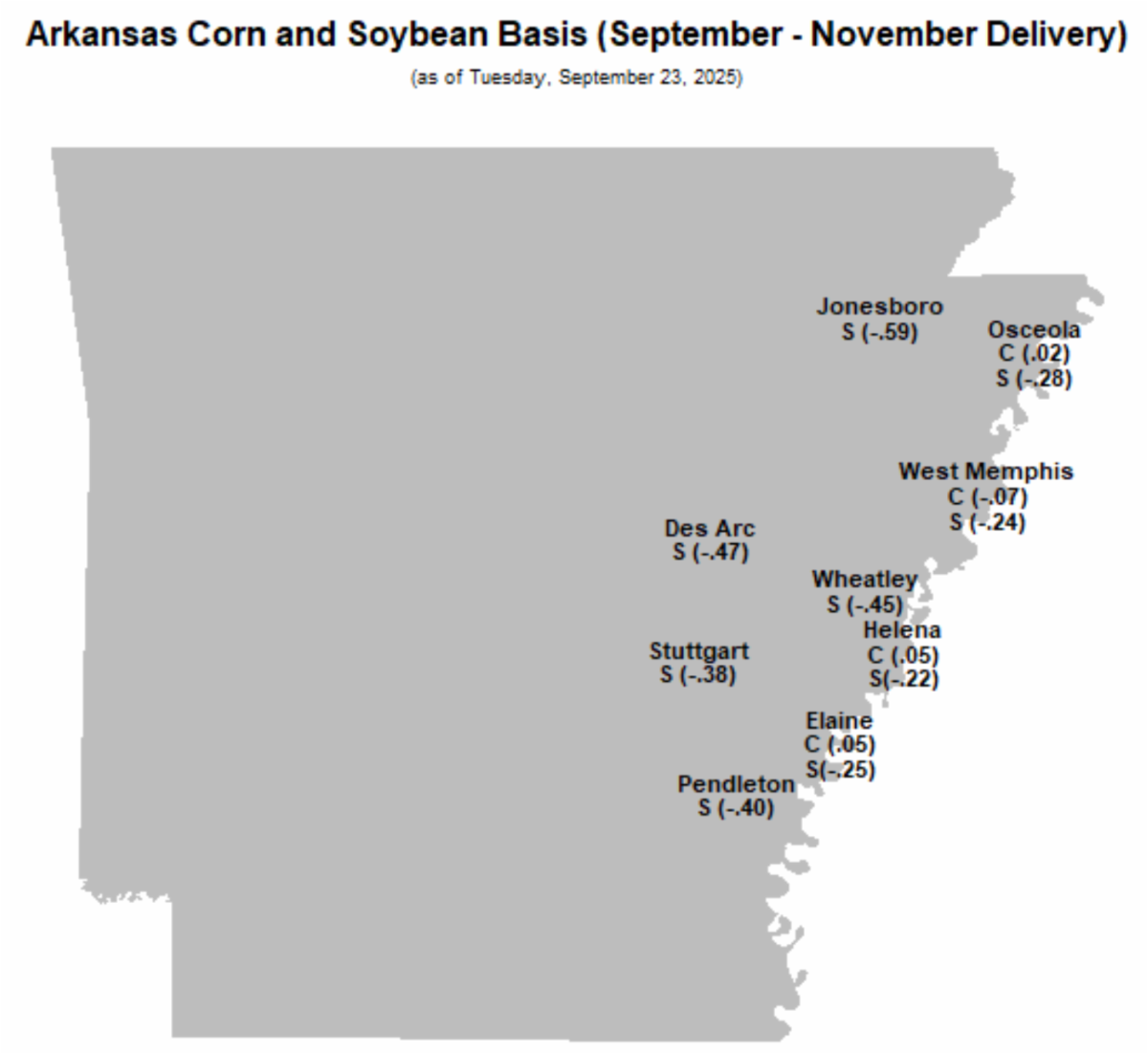
Harvest continues as we have had several days of good weather. Corn harvest is at 98%, rice is 75% and soybeans is at 5%.

Wheat


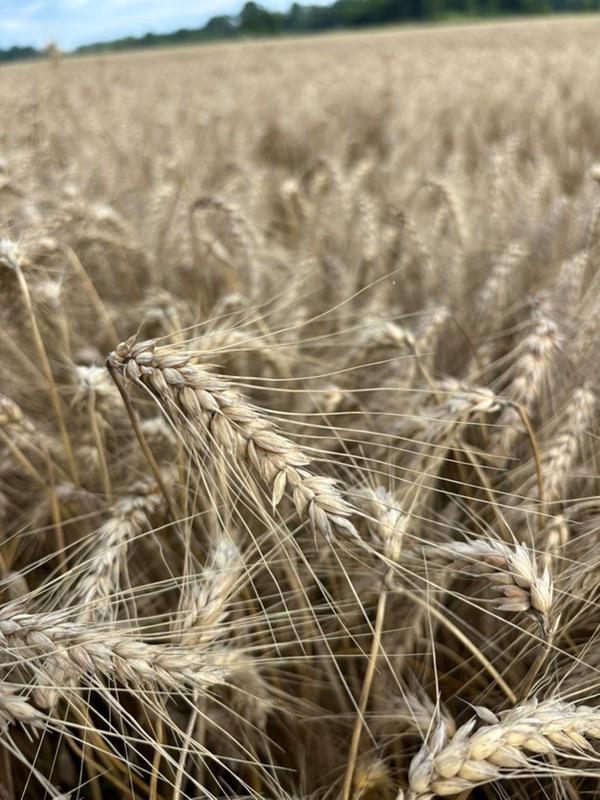
Wheat planting is right around the corner.


Here are links to the 2025-2026 Wheat Update and the 2026 Wheat Quick Facts.

Short-Term Interest Rates and Identifying Financial Stress


Erica Barnes Fields, Associate Center Director, Southern Risk Management Education Center

Ryan Loy, Assistant Professor, Agricultural Economics and Agribusiness


Short-term Interest Rate Update


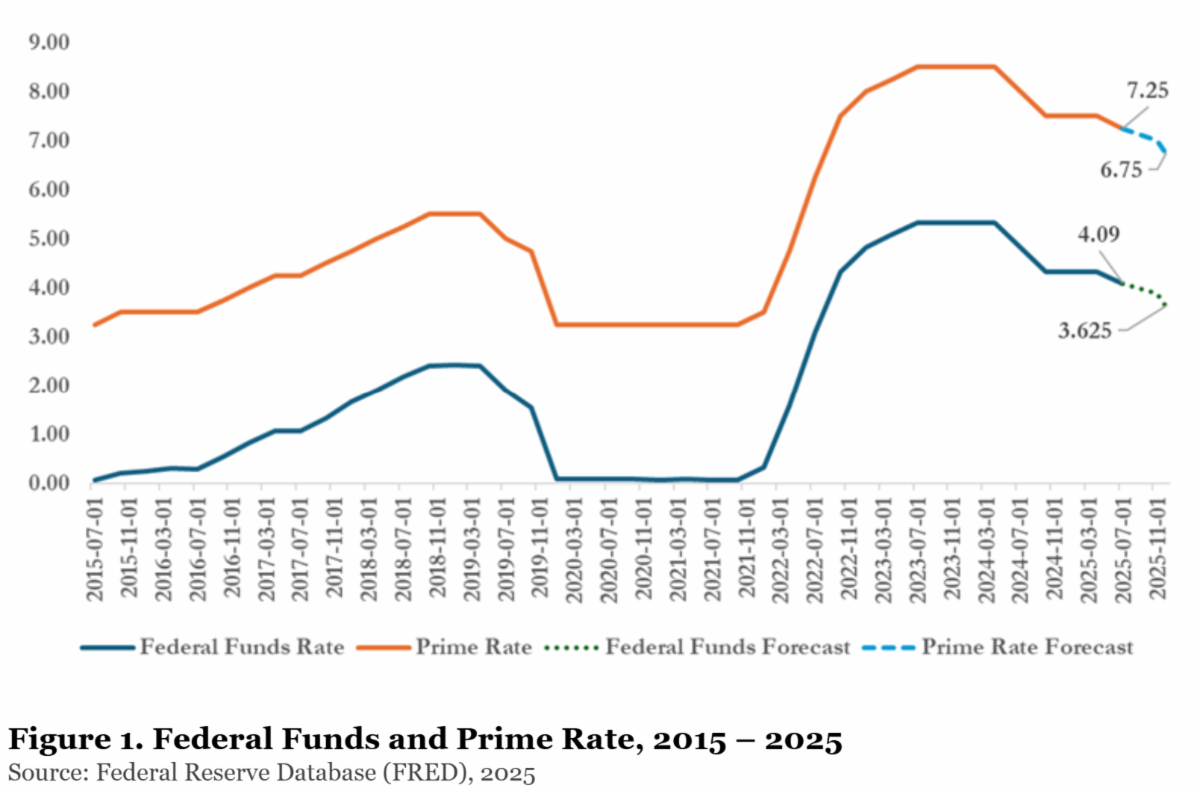
On September 17, 2025, the Federal Open Market Committee (FOMC) voted to lower the target federal funds rate for the first time since December 2024, to 4.0– 4.25%, with an effective rate of 4.09% (see Figure 1). Chairman Powell cited signs of cooling in the labor market as a primary reason for this cut. After maintaining a restrictive monetary policy (e.g., maintaining high rates) to combat inflationary pressures, the Fed has shifted some focus to providing support to the broader economy, considering that slower hiring and unemployment pressures are inching higher. The decision also comes with expectations for two more quarter-percentage point cuts before the end of 2025, which would bring the target rate to 3.50 – 3.75%. 

Identifying Financial Stress


While rate cuts are a positive step, rural communities continue to face significant challenges. Farmers and ranchers today face severe financial pressures similar to those of the 1980s Farm Crisis, with high input costs, tight margins, and growing debt creating widespread stress. Unlike other professions, farmers and ranchers shoulder unique risks: the work is deeply tied to their identity and generational land, while being shaped by markets and weather they cannot control. Rural isolation further compounds the challenge, often leaving farmers to struggle silently. Warning signs of financial distress include verbal cues, such as “I don’t know how much longer I can do this,” behavioral shifts, like withdrawing from community life or giving away assets without a plan, and operational clues, like missed planting/harvesting windows or skipped appointments. Recognizing these “red flags” early is crucial, as financial stress not only impacts livelihoods but also affects health, relationships, and the stability of rural communities.


The most important step is to show up with compassion. Friends, neighbors, lenders, and Extension professionals can help by checking in, listening without judgment, and normalizing that financial stress affects both mental and physical health. It’s critical to connect struggling farmers to resources rather than leaving them to face challenges alone. Immediate support is available 24/7: 


  • UAMS Health AR ConnectNow: 501-526-3563
  • Arkansas Crisis Center: 1-888-CRISIS2 (274-7472) or arcrisis.org
  • 988 Suicide & Crisis Lifeline: call or text 988
  • National AgriStress Helpline: 1-833-897-2474
  • SAMHSA Disaster Distress Helpline: 1-800-985-5990


A simple conversation or timely referral can prevent a crisis and even save a life.

Beef, Small Ruminants, & Forages

Faulkner County Conservation District Office Shutdown


This message was on Facebook and for anyone looking to rent the county equipment please take note!


Our office is closed due to the government Shutdown. If you're needing to rent equipment. Call me at 501-450-2858. LaDonna Taylor District Coordinator.

Pesticide Applicator Trainings


In order to purchase restricted use pesticides (herbicides, insecticides, fungicides, etc) you must have a private applicators license. The license is good for 5 years.


To obtain a license you must first attend a certification training. Certification trainings are done in person by a County Extension Agent or you can go online and be certified. Below is a link to the online training.


In person trainings this year will all be at the Faulkner County Extension Office and will be on:


December 11 - 2:00 PM

January 29 - 6:00 PM

March 12 - 6:00 PM

April 30 - 2:00 PM


A certification training costs $20 and is due the day of the training.


Once a producer is certified, they will go through the Arkansas Department of Agriculture to obtain the license which is $45.


Please call the Extension office at 501-329-8344 to sign up for one of these dates.


There will be other opportunities for trainings in Perry and Conway County and I will post those as soon as those dates are available.

How Do I Know if My Pesticide License is Expired?


I get several questions each year about pesticide licenses. I will get things like, "Is my license expired?" or "I haven't gotten my card in the mail, so where is my license?".


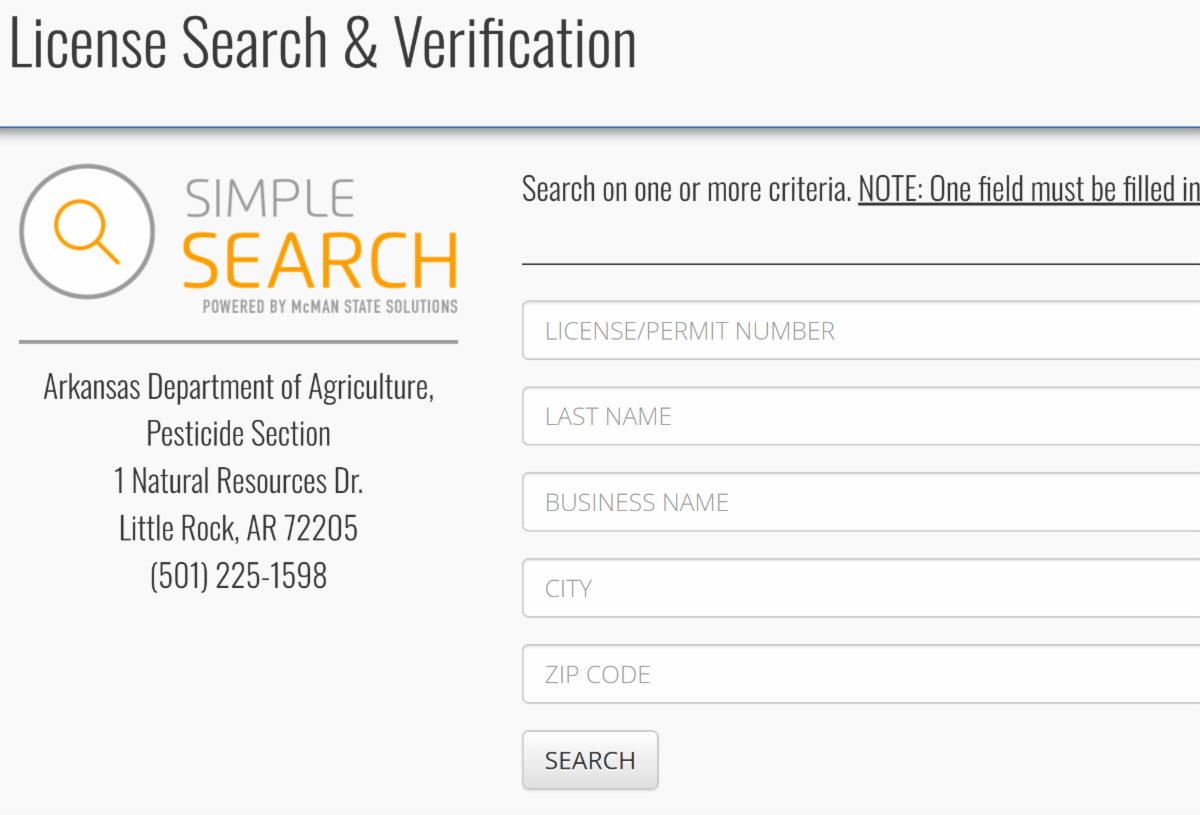
The Arkansas Department of Agriculture has went to a more electronic way of doing business. They do not send out physical copies of licenses anymore and if you want to look up your license you have to do it online. Most businesses that you buy restricted use pesticides from now will just look up your license online and don't need the physical card anymore. Anyone can look up their license at anytime, and I would suggest if you have any question on your status, to look up your license and see if you are expired or not. Now is the time to look so you can plan to come to a class if you need to. It is easier to do it now than next spring when you need it.


I have included a link below, if you click on that and put in your name your license should pop up and you can see what your status is.

Pivoting pastures for fall and winter

Dr. Jonathan O.C. Kubesch, Harley D. Warren, and Kenny J. Simon


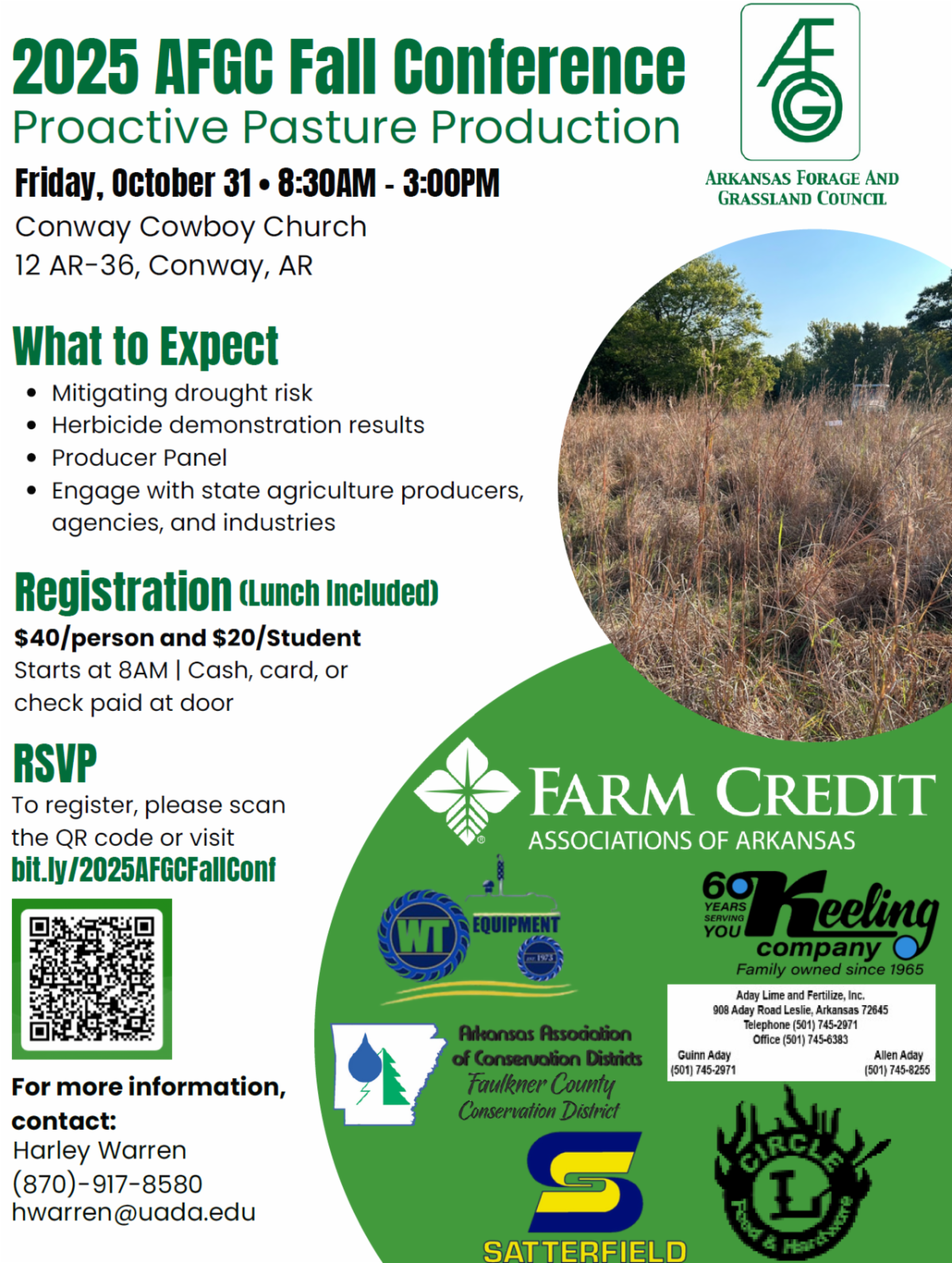
The forage programs have been monitoring drought conditions across much of the state, armyworm outbreaks, and some well-timed rains for the past month. This fall appears more promising for late summer annual plantings than conditions for the last three to four years. Planning should now pivot to get pastures ready for winter, overseeding for late winter and spring grazing, effective use of stockpiled fields, and planning out hayfeeding areas. Some fundamental plans should be made regarding grazing, planting, and feeding over the next month.


Determine the last dates to graze warm-season pastures


Warm-season grass pastures should be the priority grazing between now and the first killing frost. Crabgrass will become mushy and get animal refusal. As freeze-thaw cycles begin the quality of bermudagrass and bahiagrass will decline quickly. Ideally fields can be prioritized in terms of their botanical composition. Graze crabgrass-heavy fields, then warm-season perennial fields, and then pivot grazing to late summer annuals or stockpiled f ields. Leaving a 2-3” stubble behind on bermudagrass and bahiagrass as nighttime temperatures drop below 60 °F will help those stands prepare for winter while also making the most of end-of-season growth.


Cool-season perennials such as tall fescue and orchardgrass will be ready to graze at 6-8” tall. A 3-4” stubble will be ideal in this cool time of year as the plants will regrow more quickly than they did over the summer months. Similar turn-in and turn-out guidelines will work well for overseeded annuals further into winter. 


Overseed warm-season pastures for late winter and spring grazing


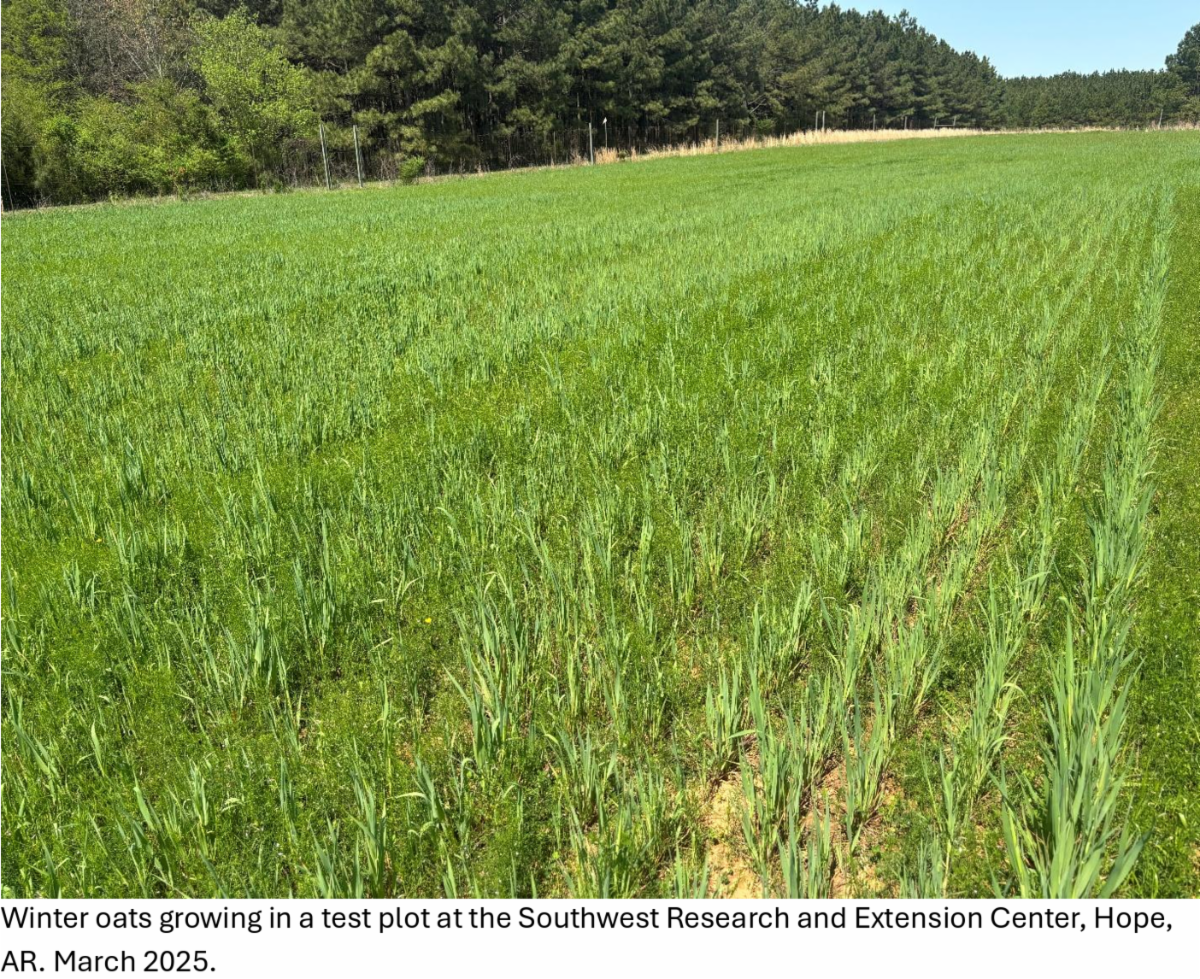
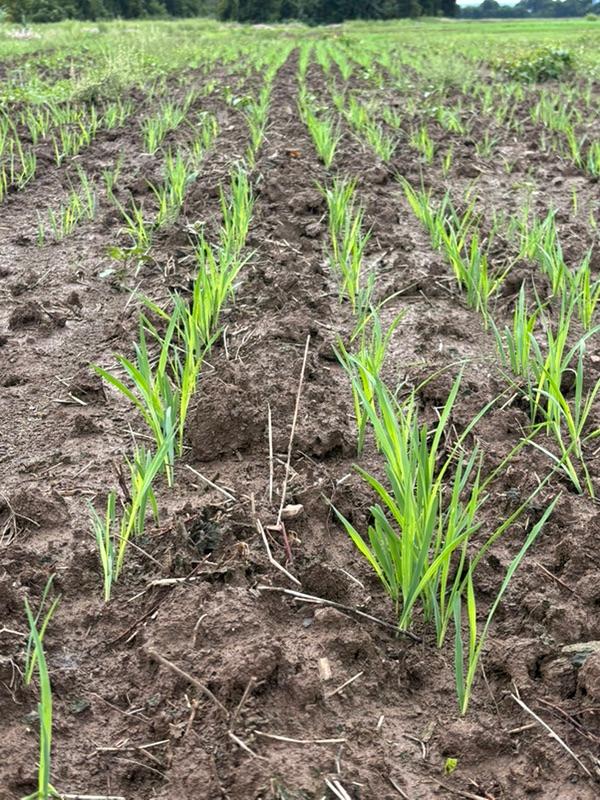
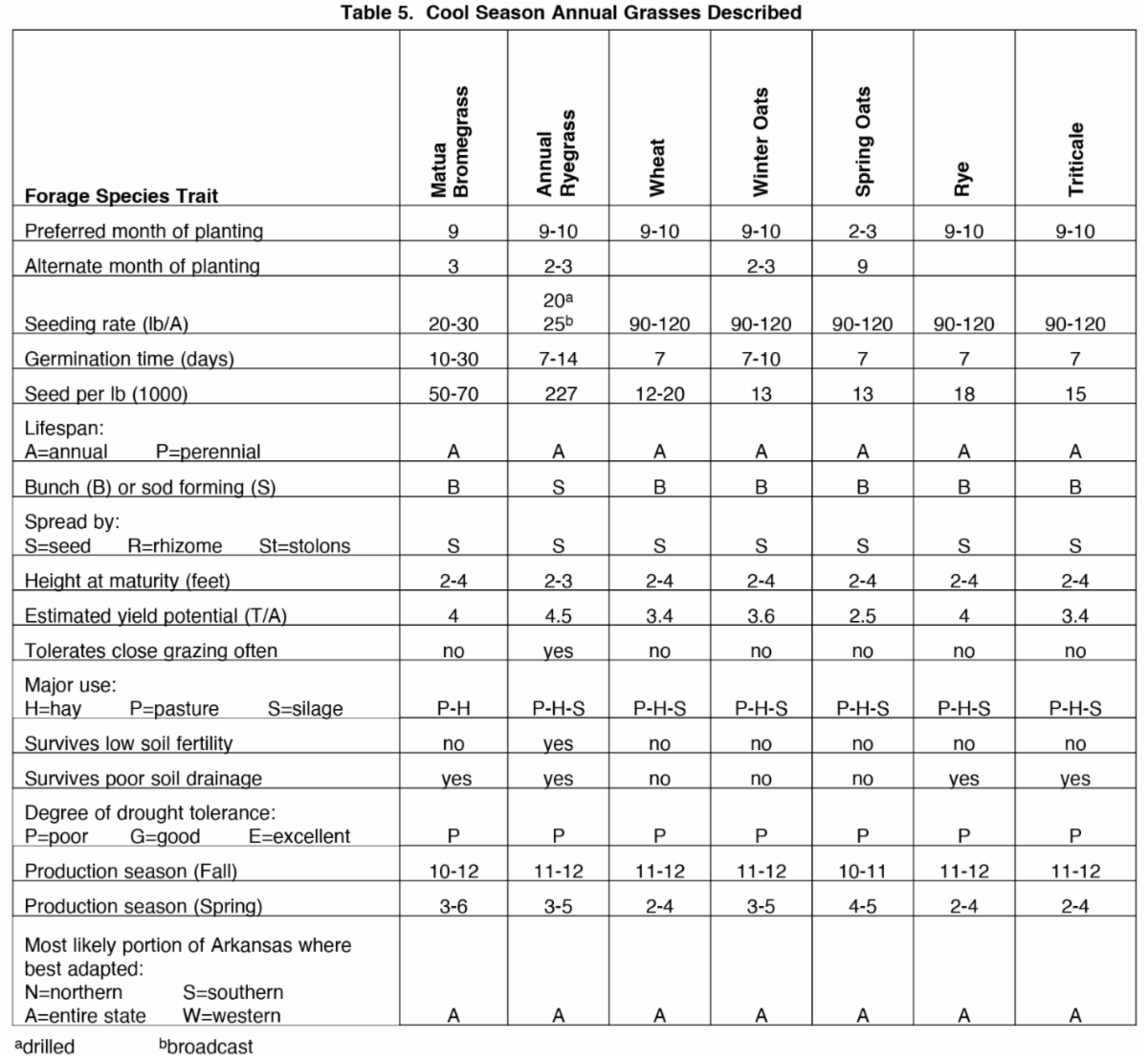
Late summer annual plantings aim for late fall and winter grazing. October overseeding will need to aim for late winter and spring grazing. At this time of year options will include winter wheat, cereal rye, annual ryegrass, and for some winter oats. Wheat (100 lb acre-1) and annual ryegrass (25 lb acre-1) can be an extremely effective winter and spring grazing program. Winter oats have a risk of winterkilling in colder portions of the state.  Seed should be of reasonable quality which can be determined by looking at the seed tag. Varietal preferences should be communicated to the seed dealer early and frequently. ‘Marshall’ ryegrass has become a generic term like ‘Gulf’; genuine ‘Marshall’ from the Wax Seed Company will come in a brown paper bag. 


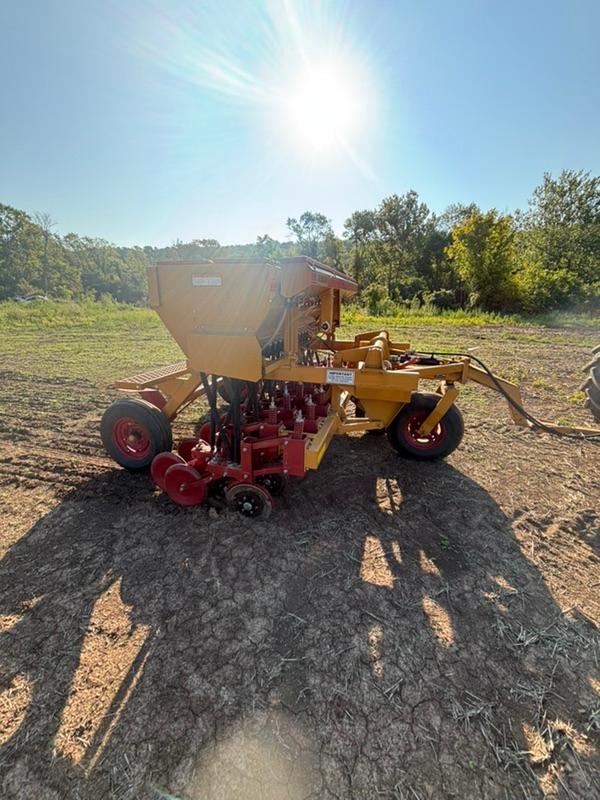
Sod suppression by means of a light rate of glyphosate is less important for October overseeding. Some farmers will ask about broadcasting seed onto the ground as opposed to drilling or tillage. Critically, seed-soil contact will determine the success of October overseeding. A wiser turf agronomist once said, “There is a special name for seed sprinkled on the ground –bird food!” Seed-soil contact can be improved by drilling seed into the existing sod, dragging seed in using a harrow, or in desperate circumstances by letting the livestock walk the seed in. Seeding rates should be increased when broadcasting to account for imprecise seed placement. 


Utilize and stretch stockpiled fields 


Fields that have been stockpiled for fall and winter grazing need to be allocated effectively. Timing turn-in is a critical factor for making the most of this deferred growth. Bermudagrass and bahiagrass fields will generally be ready by mid- or late October. These fields can be grazed until December or further depending on field conditions. Tall fescue stockpiles will be ready in November. These fields can be grazed close to the start of new growth in late winter. 


Once the herd or flock is ready to start grazing the stockpile, an effective stocking method is going to determine how far that stockpile can be stretched. Temporary electric fencing can be set up to allocate strips of the stockpile for 3-4 days of grazing. This approach helps to ration the grass. Economic work from the University of Kentucky has found that the additional labor of strip grazing a stockpile is cost-effective instead of turning the animals into the whole field. 


Plan out hay-feeding areas and renovation 


The dry fall has been conducive towards moving livestock into portions of the farm that may be too wet later in the fall and winter. Now is the time to plan out where animals will need to go for fall and winter hay-feeding periods. Well-drained ground is preferred in the cold and wet of winter, but dry areas in the fall are great places to feed hay. Most farms have a holding or sacrifice lot where animals can be pulled out of the pasture, but alternatively hay can be fed on weak pastures as part of future pasture renovation or as a means of redistributing soil fertility over long time periods. 


In addition to the nutritional concerns and feeding methods inherent to this period, a renovation plan following hay-feeding will determine the next growing season. If an area will annually be used for hay-feeding, an annual rotation of crabgrass and annual ryegrass might work for both soil conservation and modest forage contribution. 


If hay-feeding moves around the farm, then a renovation plan for the appropriate forage crop is needed. Tall fescue will be planted in the fall after hay-feeding. A smother crop of sorghum-sudangrass or pearl millet would be ideal between hay-feeding and cool-season planting. Bermudagrass and bahiagrass might be planted in the spring after hay-feeding. A smother crop of late winter planted oats would be ideal between hay-feeding and warm season planting. 

Benefits of Early Culling Open Breeding Heifers

Mark Z. Johnson, Oklahoma State University Extension Beef Cattle Breeding Specialist


Early culling of open breeding heifers has several benefits to your cow-calf operations bottom line. Pregnancy can be diagnosed by palpation at 60 days and by ultrasound as early as 30 days, so now is the time to take action and cull the open heifers. In addition to reducing grazing pressure on pastures there are several other long-term benefits.


Typically, we should expect well developed yearling heifers, at 65% of their mature weight, going into their first breeding season to conceive in a fairly short (45- 60 days) breeding season. The easiest time in a beef breeding females' life to get bred, should be as a well-developed yearling heifer. Because of this, culling open heifers as soon as possible leads to:


-         Improving the long-term reproductive performance of your cowherd. Reproductive traits are low in heritability; nevertheless, culling open heifers will improve the genetic potential for reproductive performance in your cowherd by eliminating the sub-fertile heifers. From a business standpoint, reproductive success (percent calf crop weaned) is of critical economic importance in the cow-calf sector.

-         Culling open yearling heifers right now still gives them the potential to be marketed as yearlings. At this age they still have the potential to finish out while in the A maturity group and harvest as fed cattle reaching the most valuable Quality Grades (Choice and Prime).


It is good management practice to breed heifers to calve a little ahead of our mature cow herd. It permits us to concentrate our management efforts during the heifer’s calving season and, as importantly, to give them a little extra time to breed back and calve on schedule the following year. With this in mind, hold your replacement heifers accountable. Cull opens as soon as practical to save on feed bills, capture their maximum value and improve the fertility of your cow herd.   

Pasture to Plate 4-H Steer Project


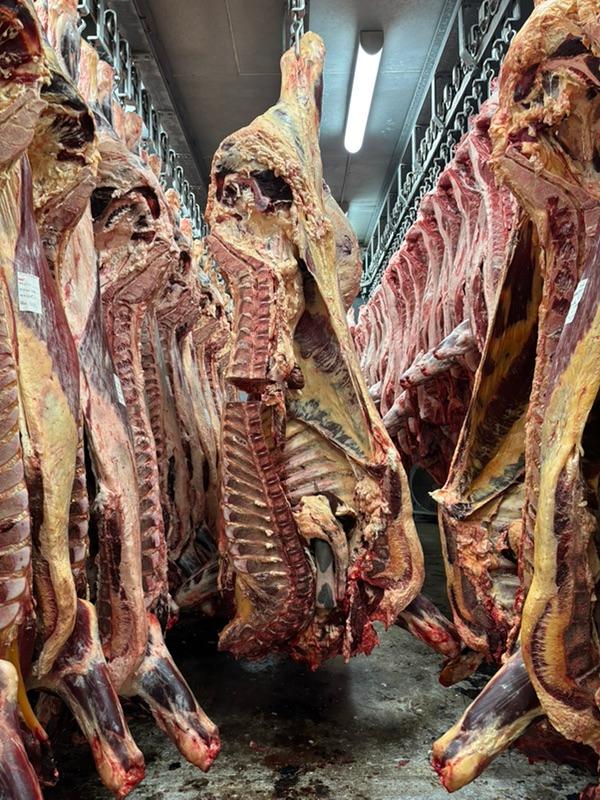
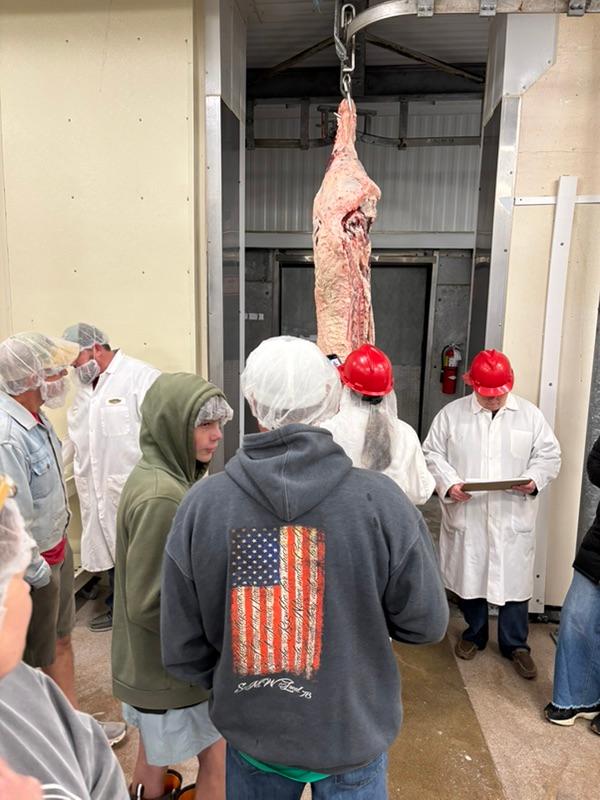
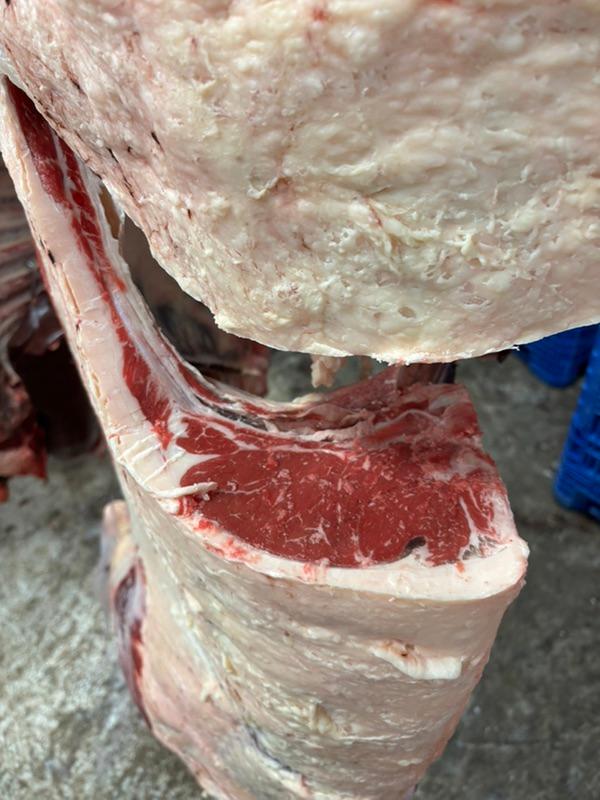
The Pasture to Plate youth met at Cypress Valley Meat Company on Tuesday September 30 and each youth got to see their individual steer on the rail. Dr. Janeal Yancey came down from Fayetteville and judged the carcasses before the 4-H'ers showed up. Then she went through each steer and showed the youth the good points and places they could improve. It was a great night and I think the participants learned a lot!


Cypress Valley has been amazing to work with and we appreciate Chris Shaw and his crew for all the help. It was a great night of learning for our youth!

Arkansas Hay Verification Program – Results Recap!


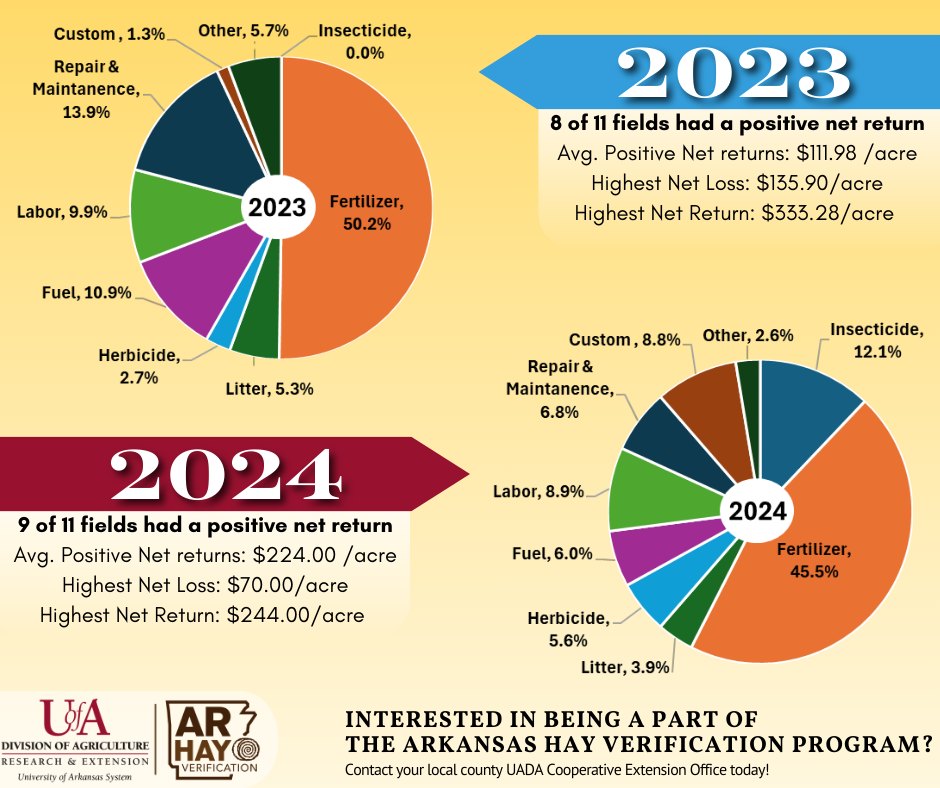
Fertilizer is the biggest expense for hay production, but careful management can mean more positive outcomes across the board!


2023 vs. 2024 Hay Verification Results


2023

8 of 11 fields had a positive net return

Average Positive Net Return: $111.98/acre

Highest Net Loss: $135.90/acre

Highest Net Return: $333.28/acre


2024

9 of 11 fields had a positive net return

Average Positive Net Return: $224.00/acre

Highest Net Loss: $70.00/acre

Highest Net Return: $244.00/acre


Find these results and more in the summaries for 2023 and 2024!

2023 - https://www.uaex.uada.edu/publications/PDF/MP582.pdf

2024 - https://www.uaex.uada.edu/publications/PDF/MP587.pdf

Cool Season Annual Resources

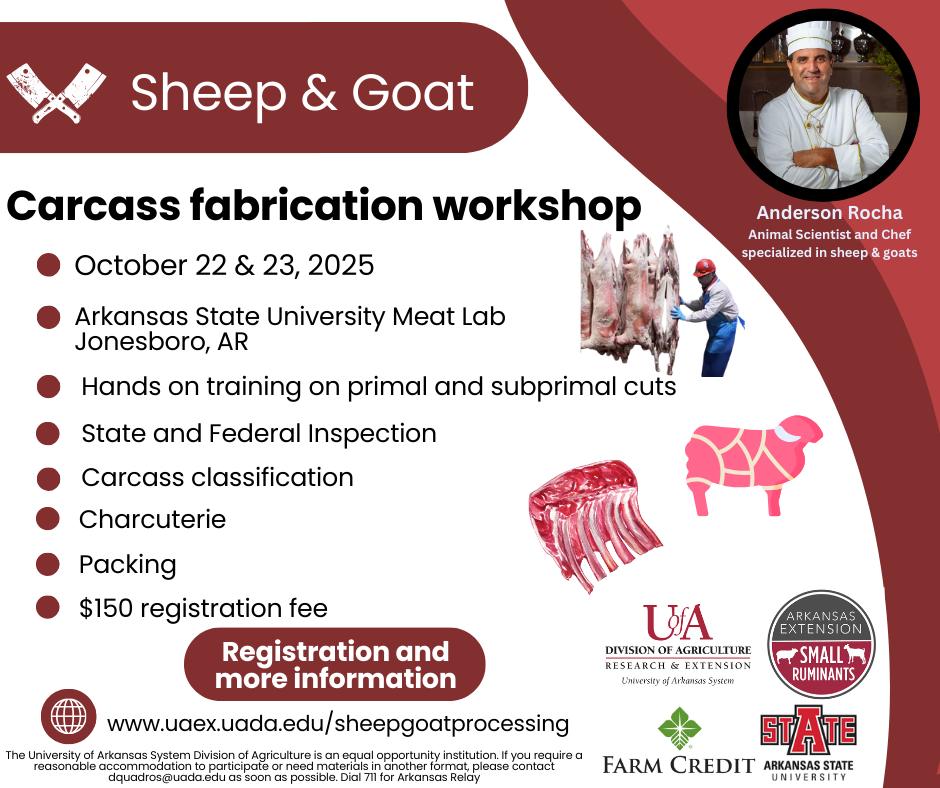
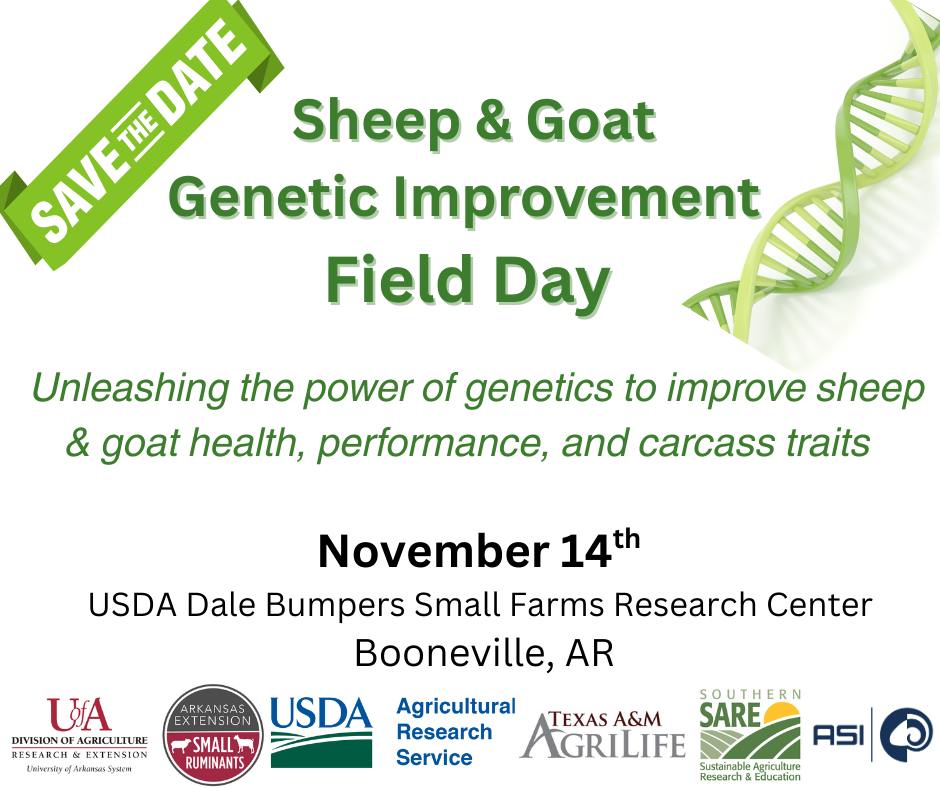
Upcoming Meetings and Field Days

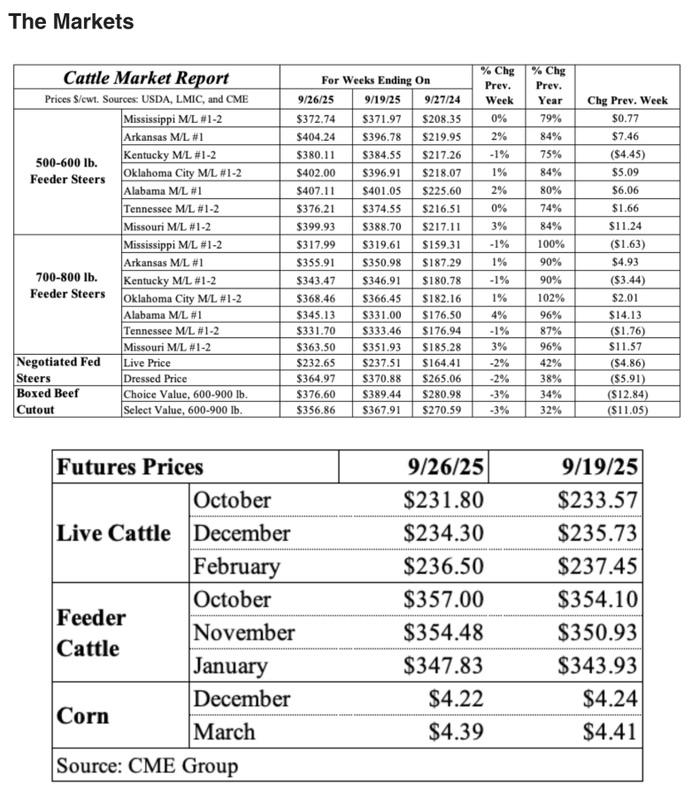
Livestock Market Report


The weekly livestock market report is available on the Arkansas Department of Agriculture website.

Sign up for Text Alerts


You can now sign up for text alerts from me throughout the year. I have two areas you can sign up for which includes Faulkner Livestock or Faulkner Ag (Row Crop Updates). To sign up you can follow one of these links or use the QR Codes below.

Faulkner Livestock


Use either the QR Code or this link:

https://slktxt.io/10lLe

Faulkner Ag (Faulkner Row Crops)


Use either the QR Code or this link:

https://slktxt.io/10lLc

Pursuant to 7 CFR § 15.3, the University of Arkansas System Division of Agriculture offers all its Extension and Research programs and services (including employment) without regard to race, color, sex, national origin, religion, age, disability, marital or veteran status, genetic information, sexual preference, pregnancy or any other legally protected status, and is an equal opportunity institution.

Contact Kevin Lawson, County Extension Agent–Agriculture, Faulkner County | Kevin Lawson